Some dogs walk like angels on a leash, then act totally different when they are free. Off-leash time can bring out hidden instincts, like chasing, digging, or exploring.
Knowing what to expect helps you keep your buddy safe and happy. Here are breeds that often surprise people once the leash comes off, plus tips to manage that energy.
Siberian Husky
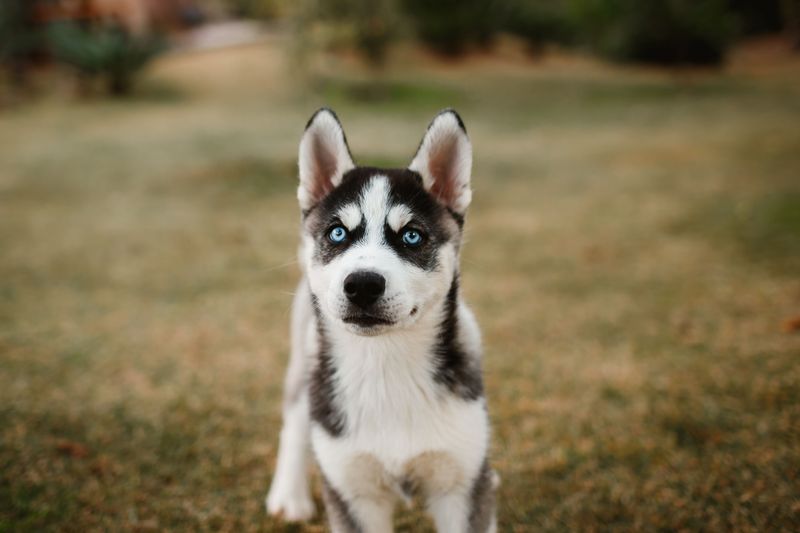
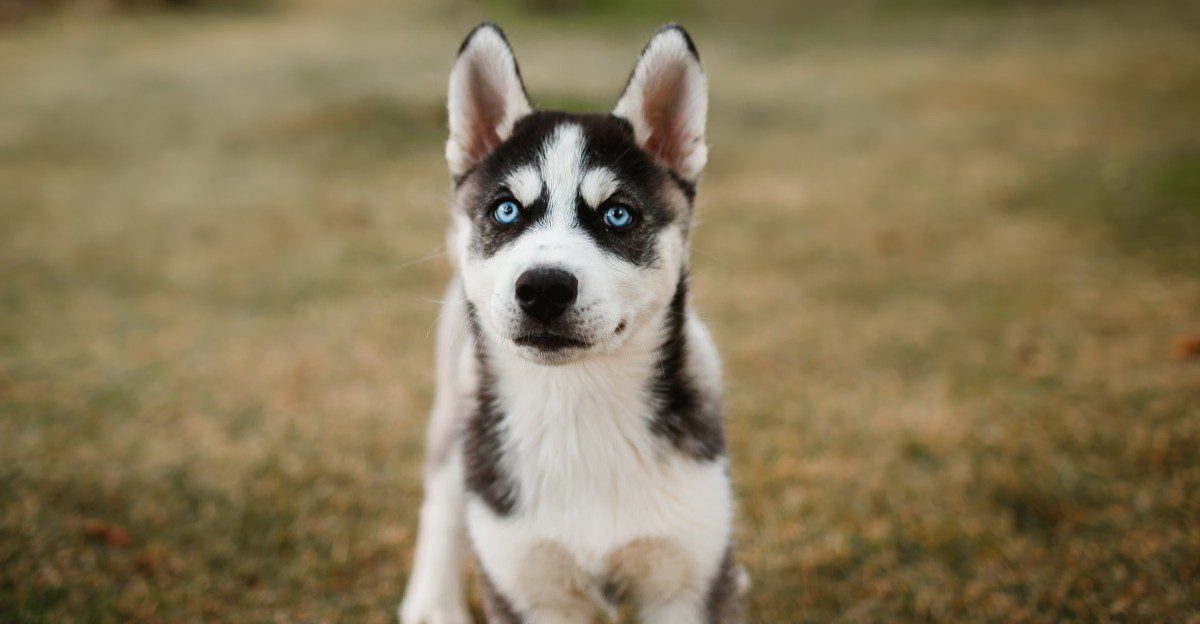
Blue eyes or not, a Husky can switch from calm walker to sprint fanatic the moment the clip comes off. That sled-dog engine loves distance, speed, and anything that moves.
Plan fenced play, long-line hikes, and sniff breaks to tire brain and body safely. Practice recalls with high-value food, then fade to variable rewards and games like chase-to-toy.
Avoid hot days, since thick coats overheat fast, and always carry water. Rest often between wild bursts.
Beagle
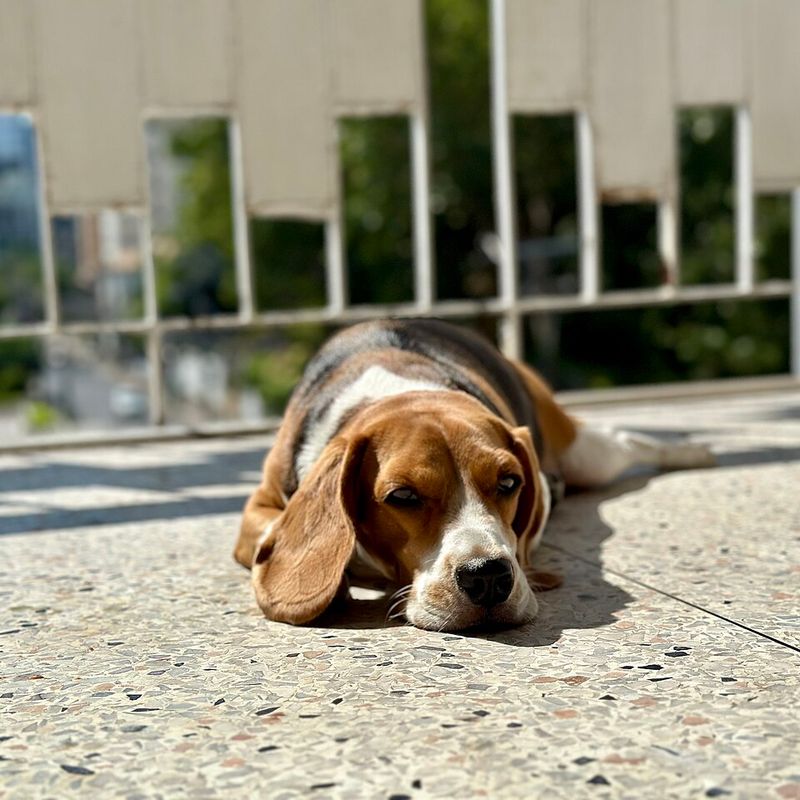
Nose first, everything else later, the Beagle follows scents like treasure maps. On leash, manners shine, but off leash that tracker might vanish into brush.
Use long leads in open fields, enrich with nose games, and teach an emergency whistle cue. Pay with smelly snacks like warmed chicken, then end with calm leash walks to reset.
Secure yards tightly, because tiny gaps invite big adventures, especially after rain lifts fresh scent trails. Bring ID tags.
Shiba Inu
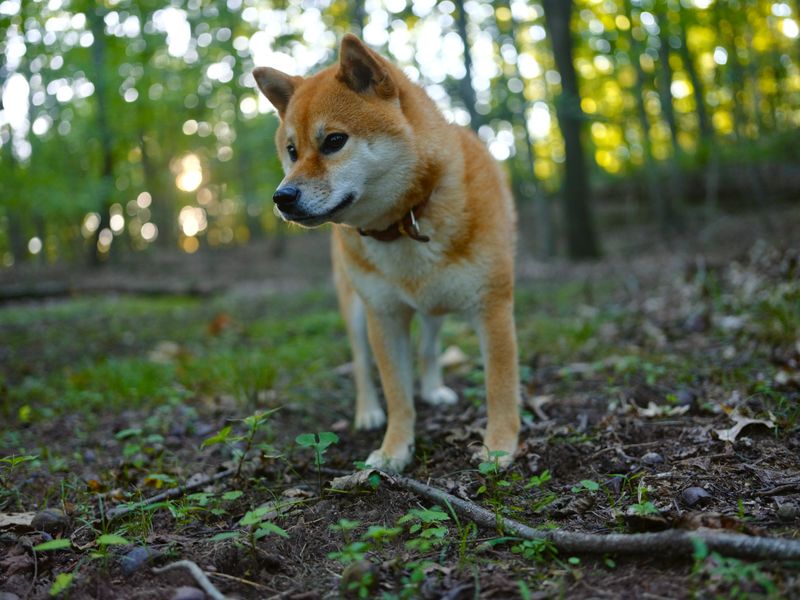
Catlike confidence defines the Shiba, along with a stubborn streak that flips on like a light. Polite beside you, then suddenly, squirrel mode.
Train with calm repetition, tiny jackpots, and release cues that predict more fun with you. Use a secure harness, plus a long line in wide spaces to practice reliable stops and returns.
Socialize early, manage greetings, and avoid crowded dog parks where pressure can spark dramatic opinions. Quiet exits keep confidence growing.
Dachshund
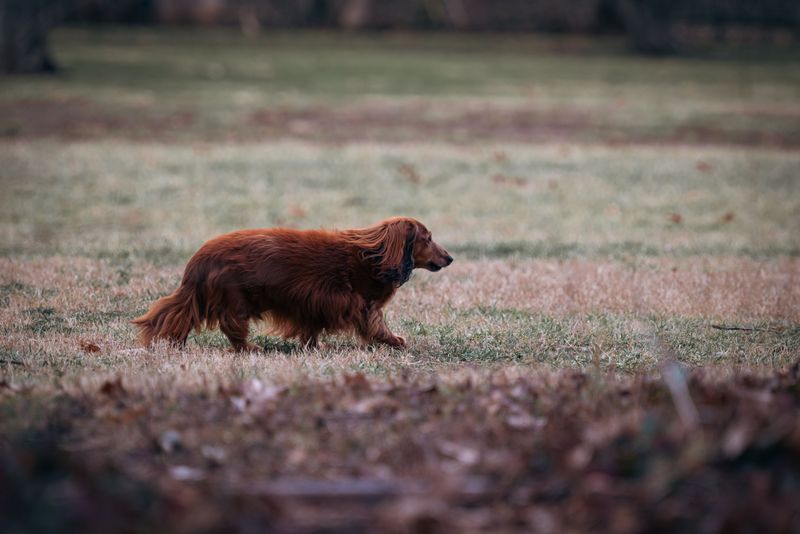
Long body, longer bravery, the Dachshund chases scents underground in its mind. Loose lead manners can vanish when a rustle hints at a hidden tunnel adventure.
Protect backs with ramps, short sprints, and soft landings, not marathon fetch. Rehearse recalls in safe, fenced areas, paying with chewy rewards and praise that feels like a party.
Snuffle mats and nose-work games satisfy that brave hunter without risking bolts through tiny gaps. Leashes save spines too daily.
Jack Russell Terrier
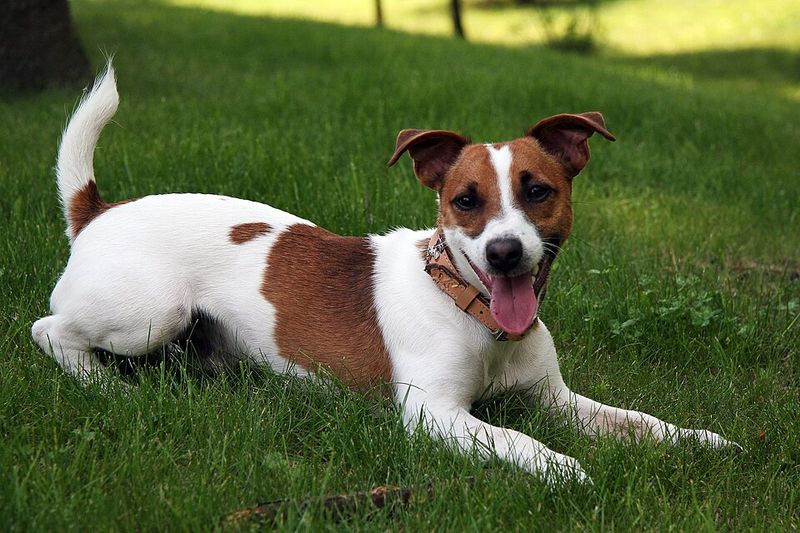
Small package, fireworks inside, a Jack Russell is a spring loaded problem solver. Walks look easy until freedom turns into parkour over logs, fences, and picnic tables.
Channel that spark with agility, fetch to hand, and trick training that works the mind. Practice down-stays between bursts, and rotate toys so novelty keeps focus on you, not wildlife.
Secure perimeters like Fort Knox, because a terrier will test every latch, hinge, and inviting gap. Supervise playtime.
Greyhound
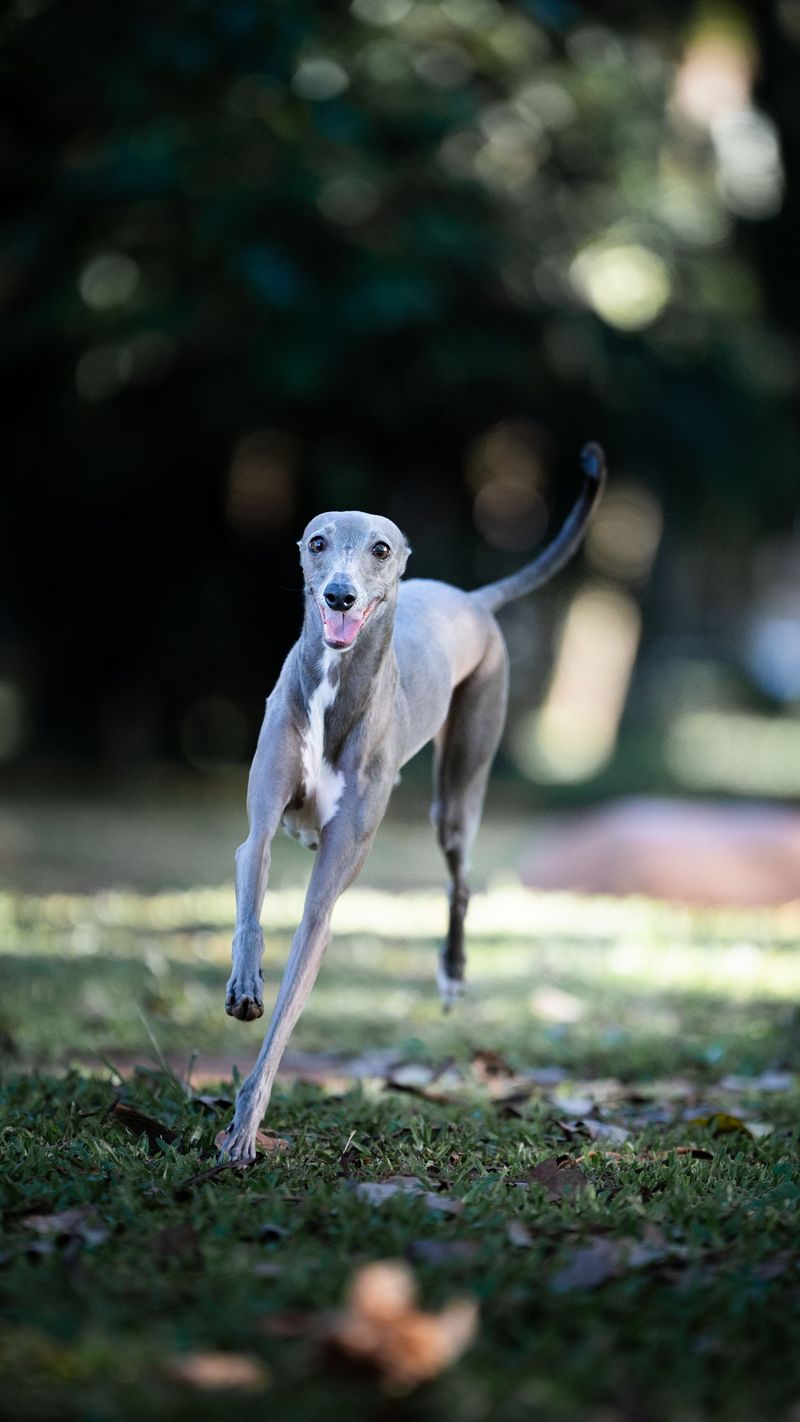
The couch potato sprinter can nap for hours, then blast to 40 miles per hour in seconds. Polite on leash, many chase instinctively when a small animal darts.
Use secure fields, muzzle for group sprints if advised, and warm up gently before play. Teach a hand-target return, then reward with a quick chase of a flirt pole you control.
Thin skin needs soft ground, fitted jackets, and shade when the sun bites. Check fence height.
Weimaraner
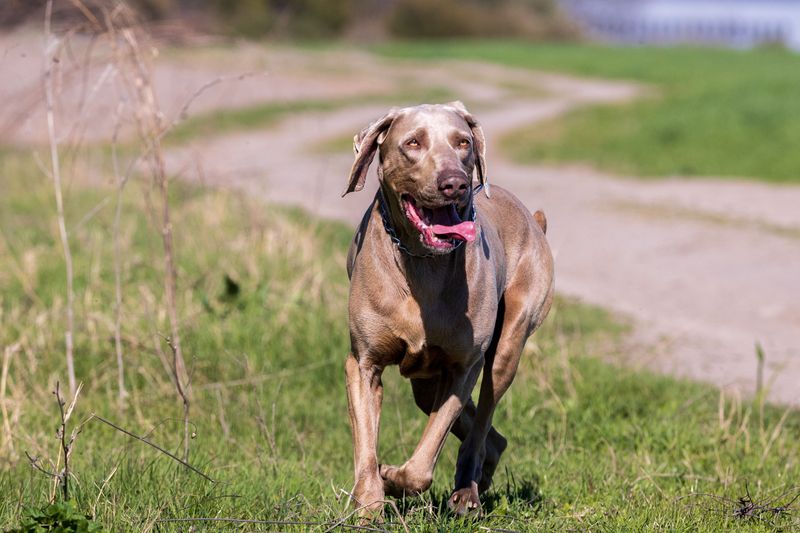
Silver ghost energy hums even when standing still, and curiosity powers bold field explorations. Leash skills can fade if birds flush or the horizon looks interesting.
Build stamina with structured runs, retrieval drills, and calm cool-downs to prevent over-arousal. Teach a rock-solid place cue and whistle stop, paying generously, then reduce reinforcers slowly.
Separation can be tough, so practice short absences and give chewing outlets to lower stress before freedom sessions. Gentle consistency builds trust.
German Shorthaired Pointer
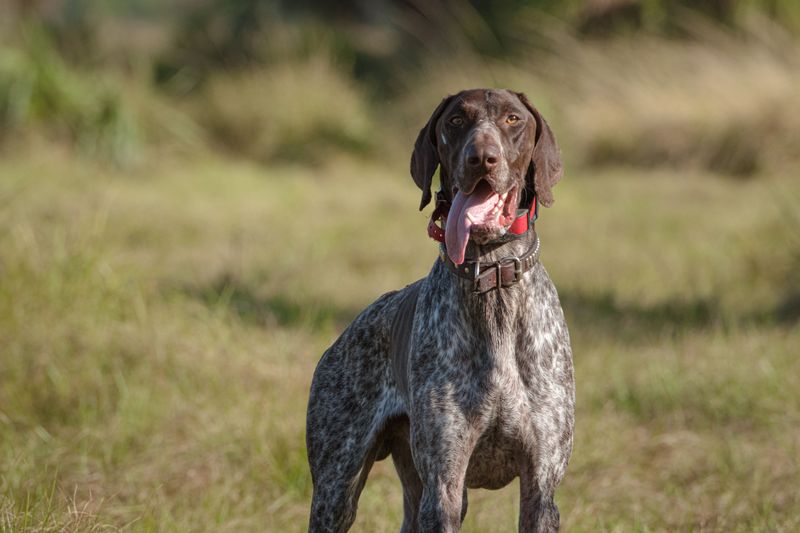
Born to move, a GSP maps land with eyes, nose, and endless zigzags. Heels nicely, yet off leash may quarter fields far faster than you expect.
Install a check-in habit using food tosses, then ask for eye contact before releasing again. Rotate jobs, like retrieve, search, and steadiness, so the mind tires alongside the legs.
In heat, run near water, take shade breaks, and watch for burrs hiding between toes. Post-run stretching helps tight hips.
Alaskan Malamute
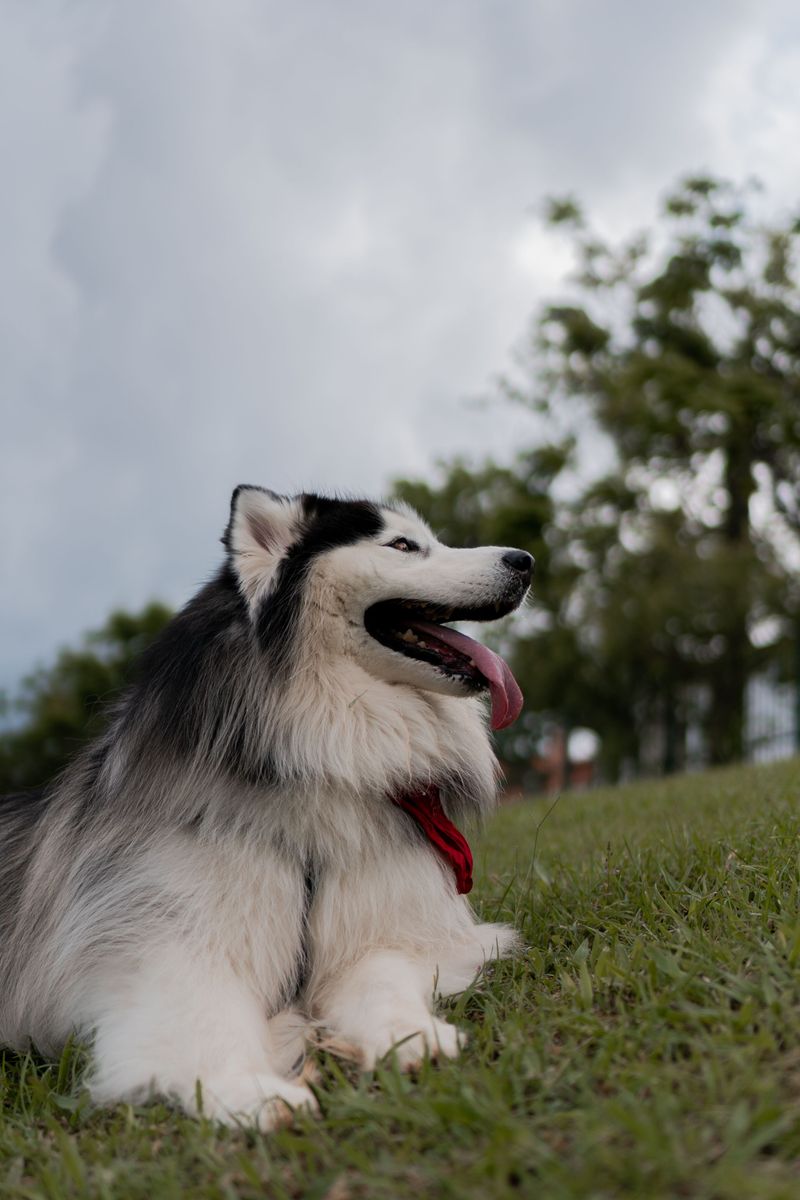
Built for freight, the Malamute brings power, voice, and independence to any open space. Leashed manners impress, but free time can become excavation, roaming, or loud neighborhood commentary.
Choose cool hours, provide heavy-duty chew projects, and practice carting or canicross for purpose. Gates need secure latches, tall fences, and a dig-proof barrier along the bottom edge.
Teach quiet on cue, rewarding calm, and keep ID updated since curiosity sometimes outruns good sense during windy nights.
Rhodesian Ridgeback
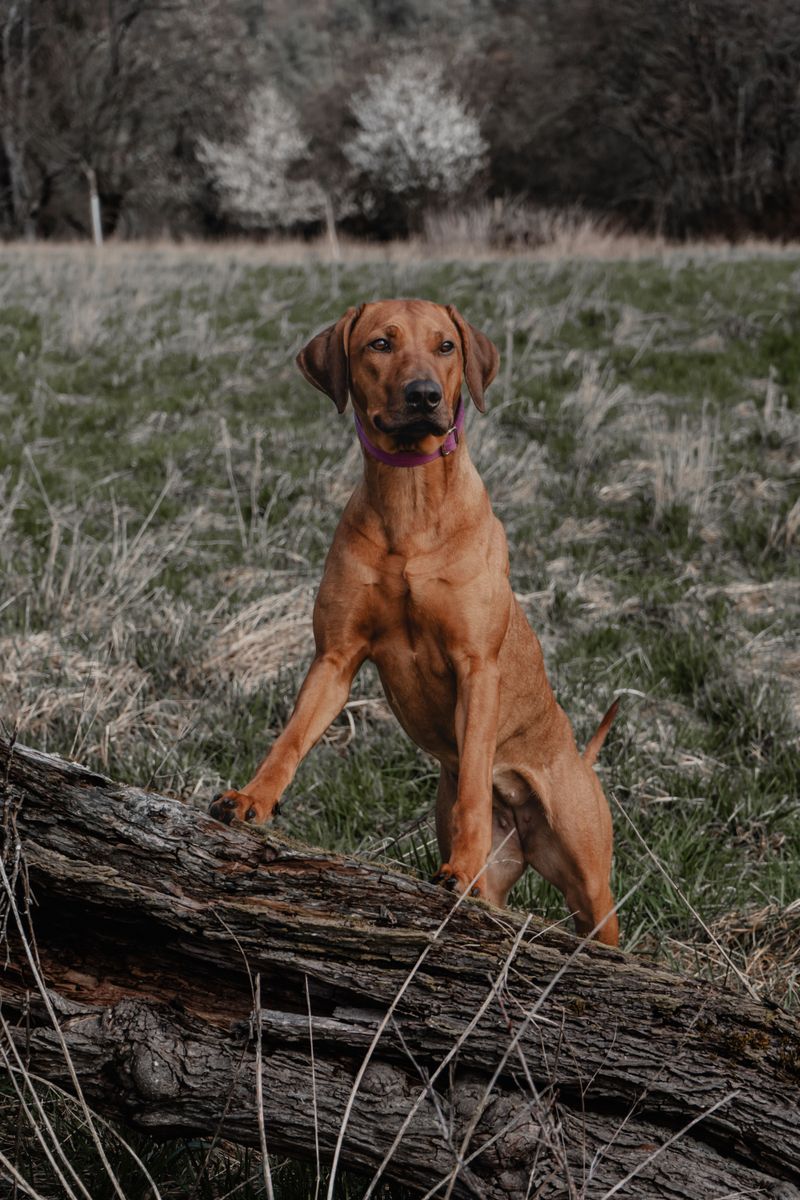
Desert endurance lives here, and that steady trot can carry a Ridgeback far from view. Polite beside you, yet independent when choices appear, especially with wildlife.
Train a strong stay and recall, then practice in stages, adding space and tempting distractions. Give plenty of sprint then settle cycles, and teach calm greetings to curb body checks.
Heat management matters, so run early, carry water, and rest in shade to protect stamina. Secure perimeter fences always.
Bloodhound
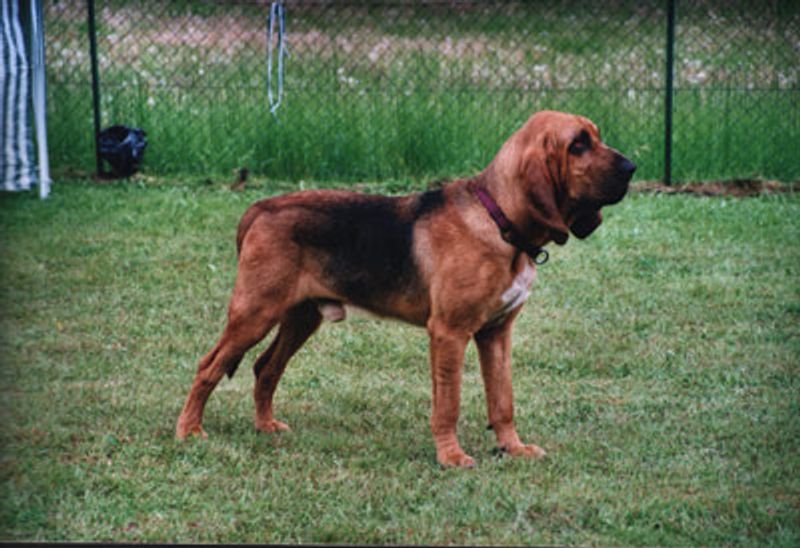
Follow the ears and drool, and you will find a story written in invisible trails. Leash calm transforms into mission mode off leash, because scent is everything.
Trade freedom for structure with tracking classes, long lines, and a powerful recall cue. Moist treats keep noses working, while rest stops and water breaks prevent overexertion during long searches.
Secure boundaries obsessively, because one hot scent can pull attention miles away before you notice. Carry GPS trackers.