
Some dogs treat a car ride like a rocket launch, with whining, pacing, and nose prints on every window. Others curl up in the back seat and snooze until the engine stops.
A lot of that comes down to training and early experience, but certain breeds tend to bring a steadier, more settled temperament along for the ride. If you love road trips, picking a dog with that easygoing streak can make the miles feel a whole lot shorter.
Basset Hound
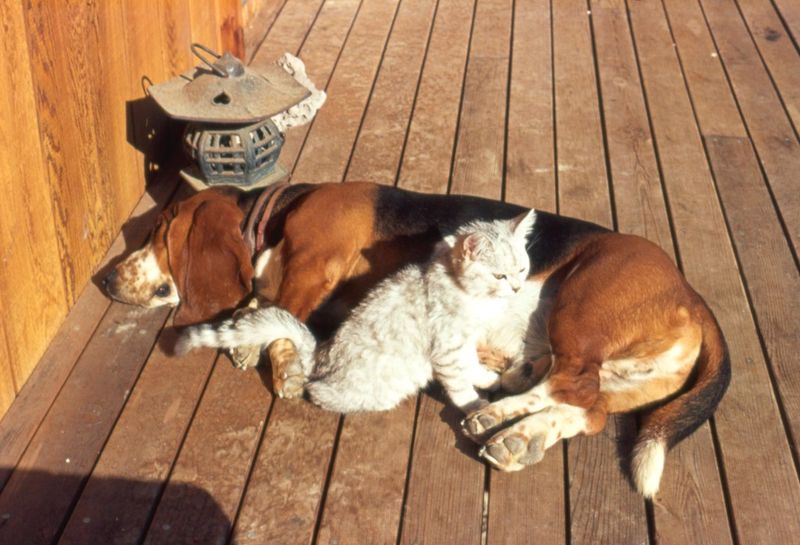
Few dogs commit to a nap quite like a Basset Hound. Bred in France to trail rabbits at a slow, methodical pace, the breed tends to carry that unhurried attitude into everyday life, including the back seat.
Bassets are generally low-energy indoors, so a long drive often looks like one extended snooze. Their heavy, low-slung bodies also mean they rarely bounce around the cabin the way lighter, springier dogs might.
One practical note: jumping in and out of a vehicle is hard on a long back and short legs. A ramp or a gentle lift protects their spine, and a quick sniff break at rest stops satisfies that famous nose.
Cavalier King Charles Spaniel
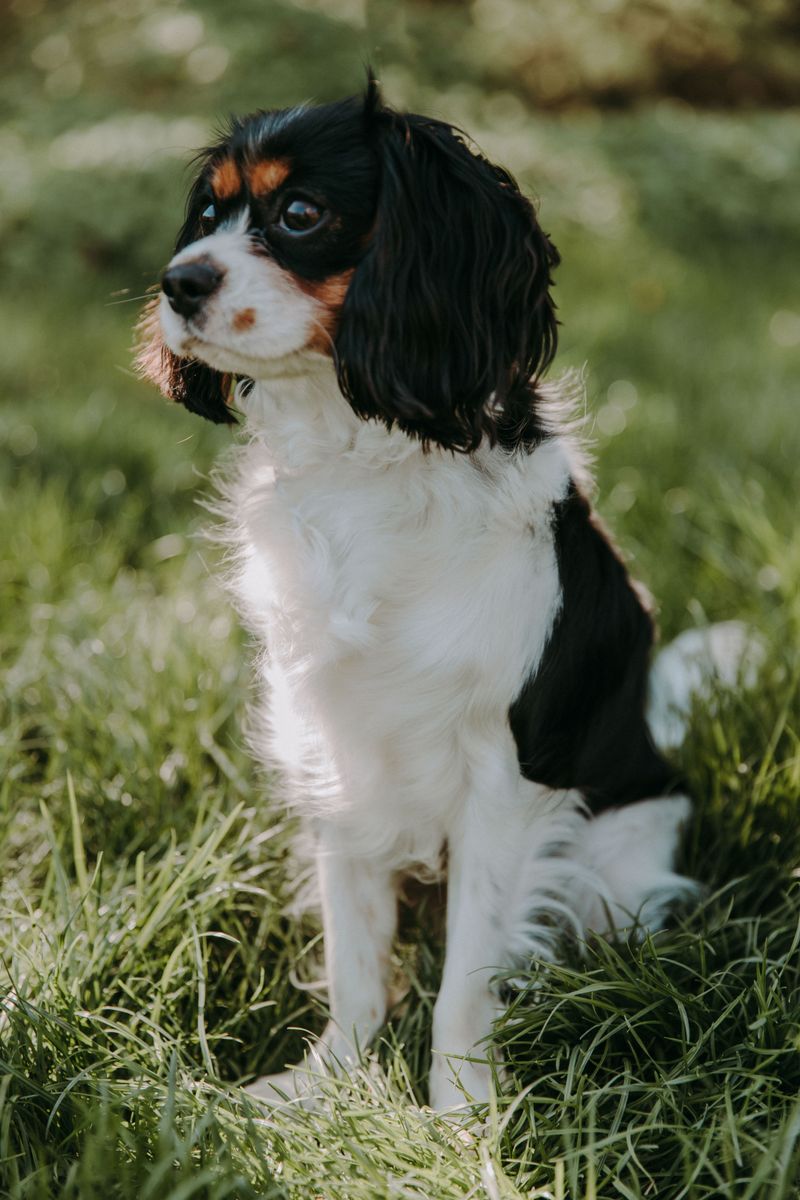
Lap dogs have a head start on car travel, and the Cavalier was literally developed to keep British royalty company. Sitting quietly near their people is pretty much the job description.
Cavaliers are typically adaptable and people-focused, which helps when the scenery keeps changing. As long as someone familiar is close by, many settle down fast.
Their small size makes them easy to secure in a crash-tested carrier or booster seat. Because the breed is so attached to its humans, it does better riding along than being left alone in a hotel room while everyone sightsees.
Greyhound
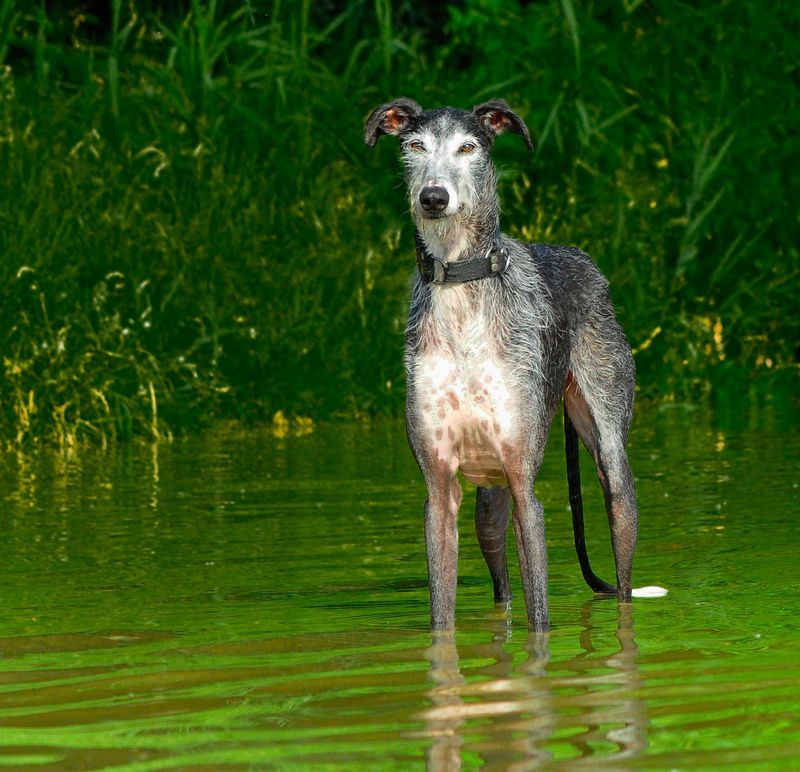
Here is a surprise for anyone who assumes a racing dog must be hyper. Greyhounds are famous among adopters as the 45-mph couch potato, built for short sprints and then long stretches of rest.
Many retired racers are already used to being transported, so the inside of a vehicle is not a strange new world. They often lie flat and stay put for hours.
Thin skin and little body fat mean they appreciate a soft bed in the cargo area. Their long legs also make a roomy space more comfortable than a cramped seat.
Bernese Mountain Dog
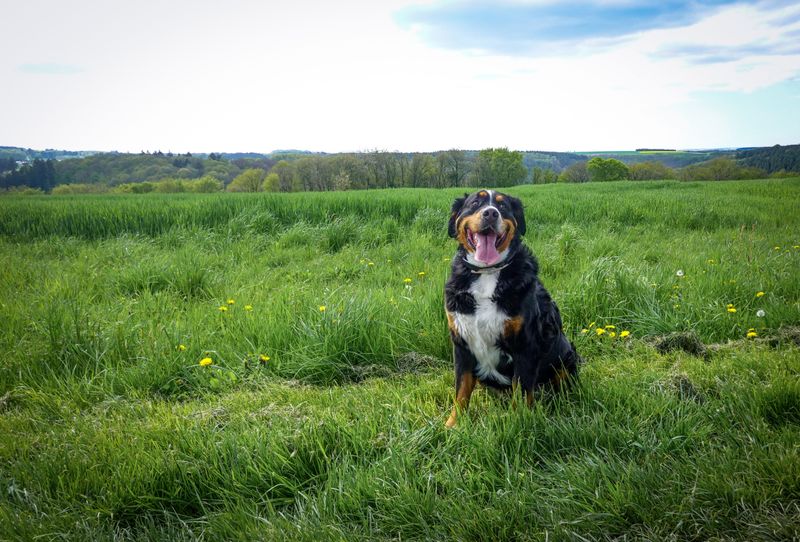
Swiss farmers once relied on Berners to pull carts of milk and cheese to market, a job that rewarded patience over speed. That steady, workmanlike outlook still shows up in the breed today.
Berners are usually mellow adults who take new places in stride. They tend to watch the world go by rather than bark at every passing truck.
Size is the real planning issue. You will want a large crate or a cargo area with a barrier, plus good airflow, since that thick tricolor coat makes them prone to overheating on summer drives.
Shih Tzu
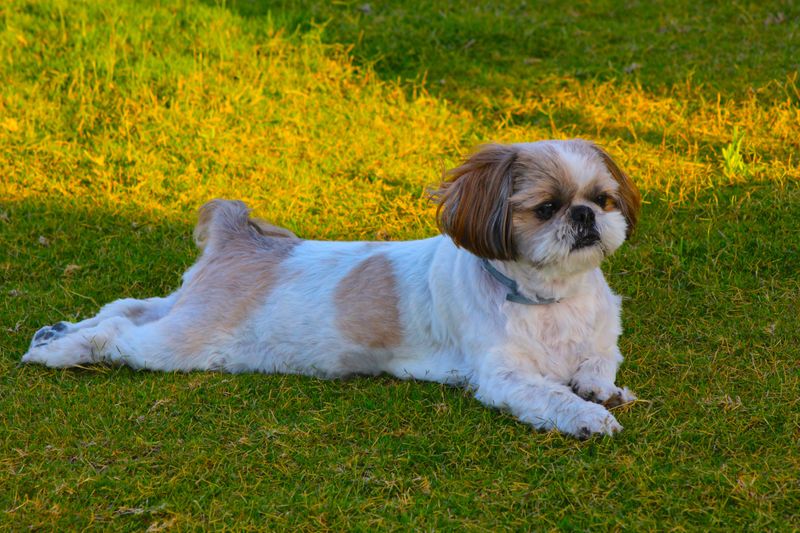
Bred to lounge in Chinese palaces, the Shih Tzu has centuries of practice at simply hanging out. It was a companion breed from the start, not a hunter or herder.
That means less of the restless work drive that makes some dogs pace in a moving car. Most are content in a booster seat where they can peek out the window.
Their flat faces deserve attention, though. Short-nosed breeds can struggle in heat, so keep the cabin cool and never leave them in a parked car.
Newfoundland
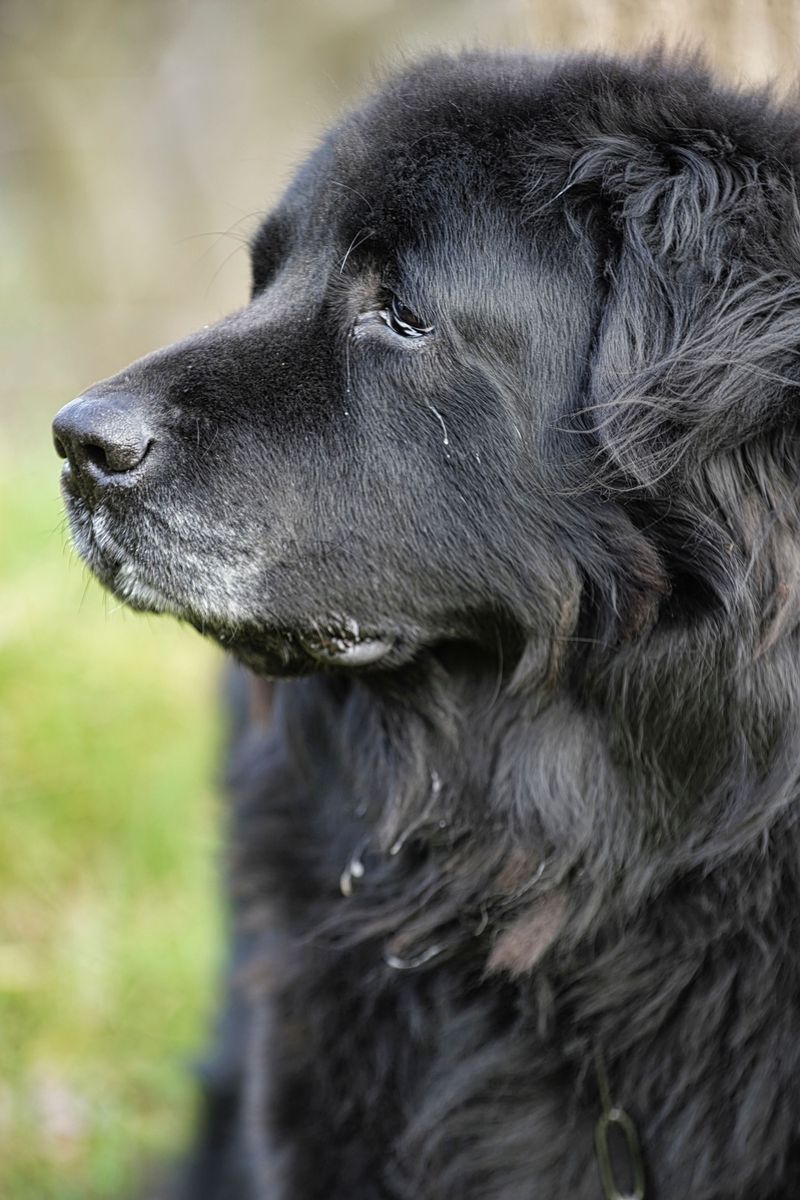
Picture 130 pounds of fluff that would rather lean on you than leap around. Newfoundlands are known for a sweet, patient temperament that the AKC describes as one of the breed’s hallmarks.
On the road, that patience is gold. Many Newfies settle in and wait calmly, and their love of water makes lake and beach destinations a real treat.
Bring towels for the drool and the wet coat. A large vehicle and a sturdy ramp will save your back too.
Bulldog
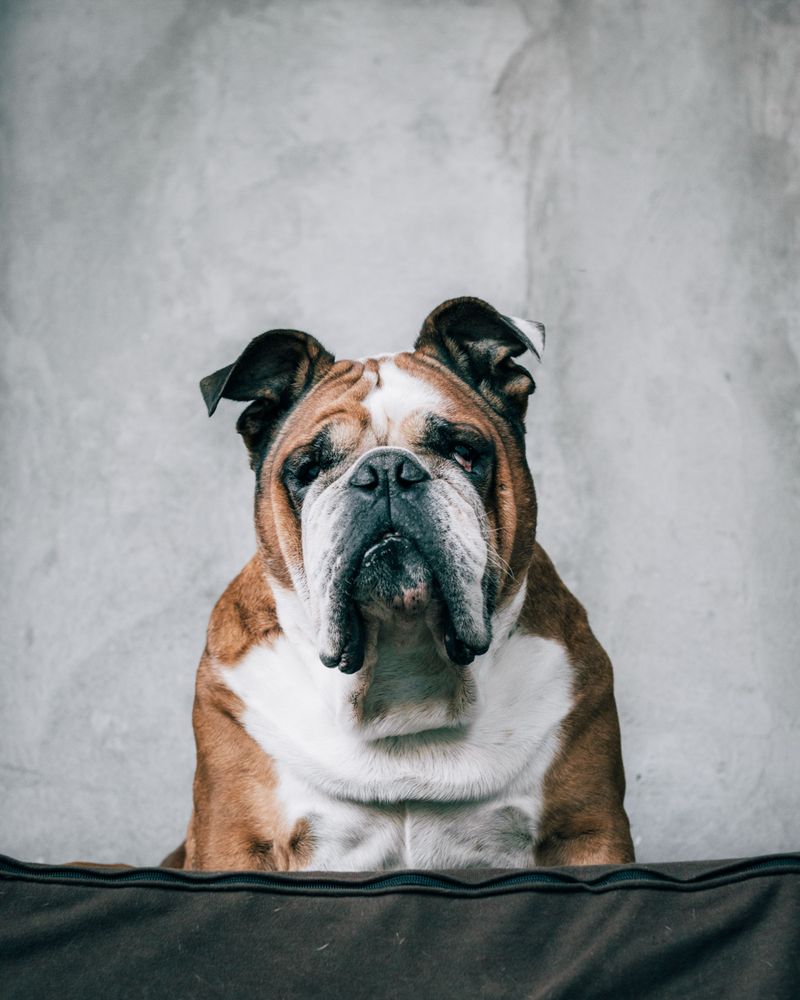
Bulldogs might be the champion snorers of the travel world. Their low energy and fondness for long naps make them steady passengers who rarely demand constant attention.
Their sturdy build also keeps them planted during turns. Plenty of Bulldogs simply flop down and stay that way.
Like other short-nosed breeds, they handle heat poorly. Plan drives during cooler hours, run the AC, and offer water at every stop.
Great Dane
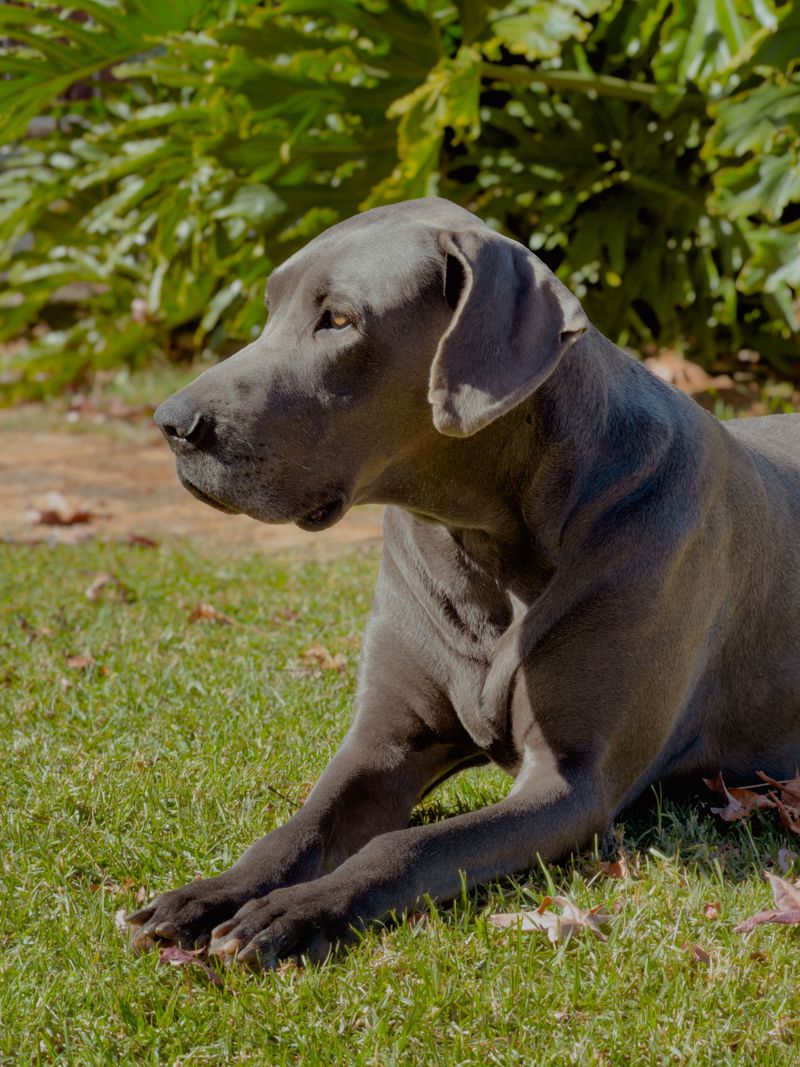
Size and calm do not always go together, but the Great Dane pulls it off. Often called a gentle giant, the adult Dane tends to be surprisingly laid-back indoors.
A mature Dane usually prefers lying down to standing, which is exactly what you want on a highway. Puppies are a different story, so early, positive car practice matters.
Fold the seats flat or use a big SUV. Feeding a large meal right before travel is a bad idea for deep-chested breeds prone to bloat.
Havanese
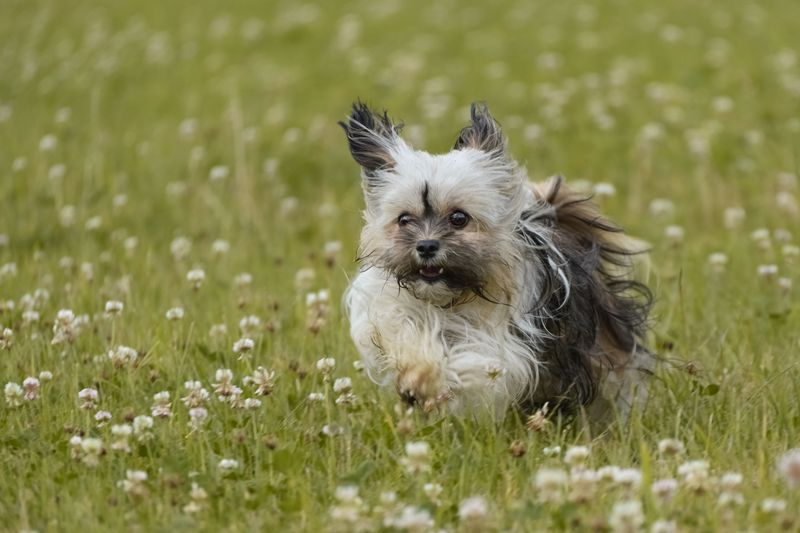
Cuba’s national dog earned the nickname Velcro dog for a reason. The Havanese wants to be wherever its family is, and that includes the passenger side.
This sociable small breed tends to adapt well to new places, which makes motels and rest stops feel less stressful. Being included seems to matter more to them than where they are.
A soft carrier with a familiar blanket helps them nap. Brushing before the trip keeps that silky coat from matting during long hours of sitting.
Clumber Spaniel
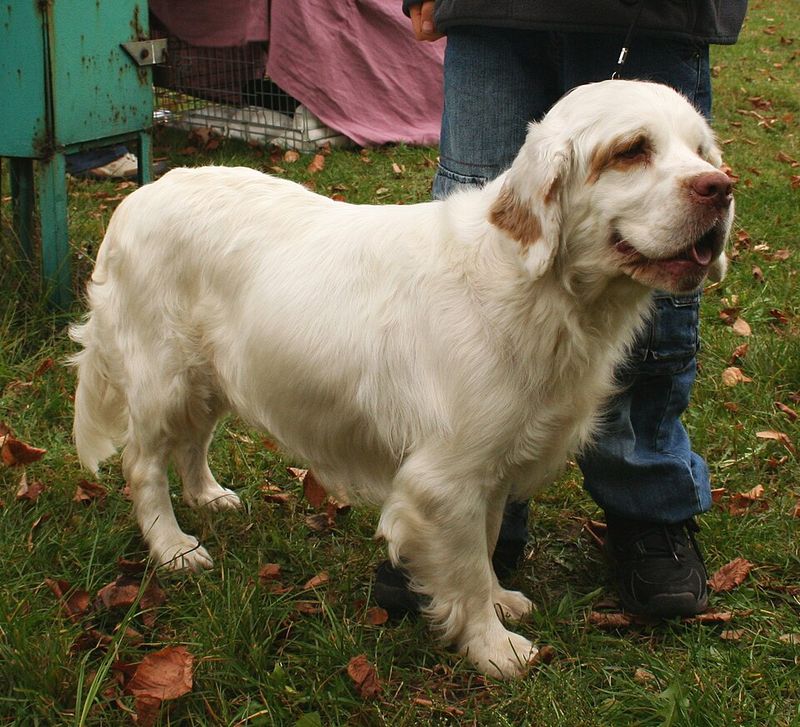
Not every spaniel is a whirlwind. The Clumber, the heaviest of the spaniels, was developed for slow, deliberate hunting on English estates.
Its pace is calmer than its Springer or Cocker cousins, and many Clumbers are content to doze between outings. That makes a long drive less of a test.
They shed and drool a bit, so a washable crate liner helps. A good walk before departure takes the edge off any leftover sporting energy.
Pug
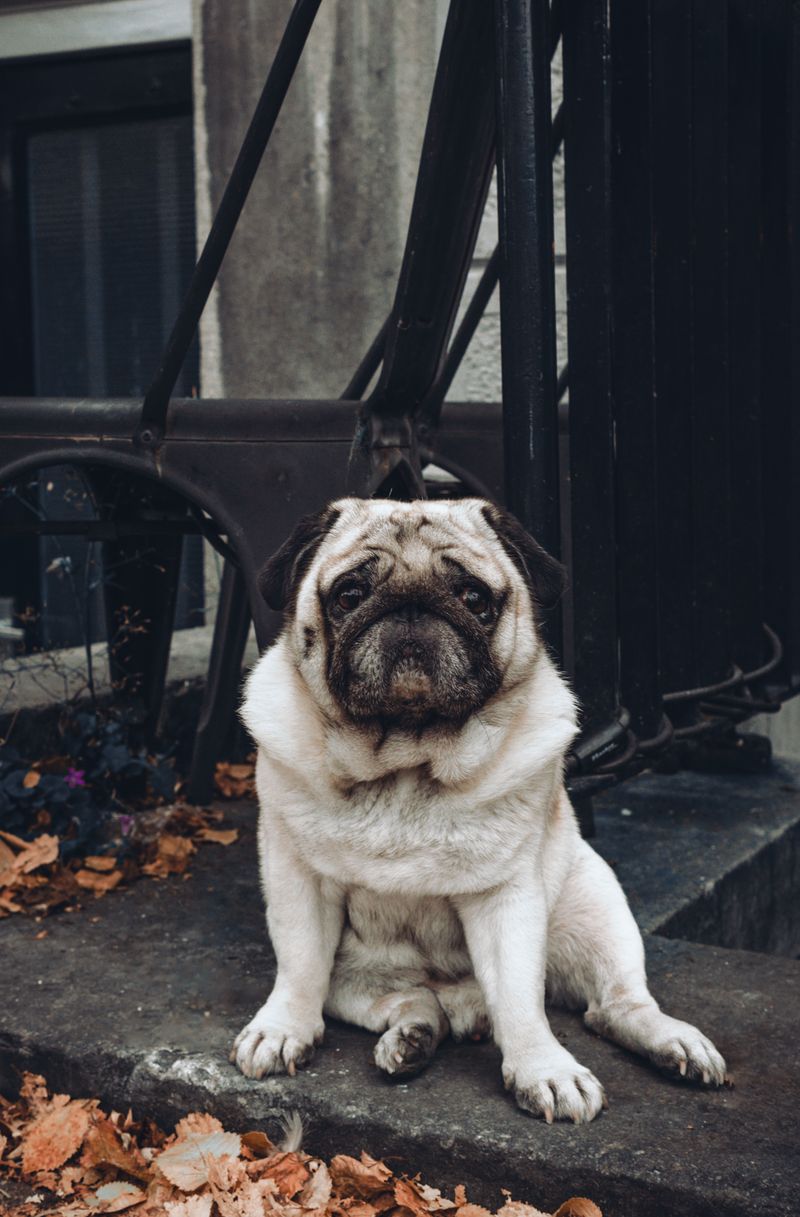
Ask a Pug to choose between adventure and a nap, and the nap usually wins. Bred as companions in ancient China, Pugs are happiest close to their people.
Their compact size fits neatly into a secured car seat, and their easy temperament often turns road trips into cuddle sessions.
Heat and heavy exertion are their weak spots. Keep stops short and shady, and remember that any dog, calm or not, still needs breaks to stretch and potty.