
Some dogs lock eyes on you for cues, but these breeds scan the wind, water, and ground for answers first. They were shaped by rugged landscapes, clever game, and hunters who needed partners that could problem solve solo.
If you love dogs that think on their paws and adapt without constant direction, you are in the right place. Let’s explore 11 remarkable breeds that read the world like a map and make you look twice at their instincts.
Lagotto Romagnolo
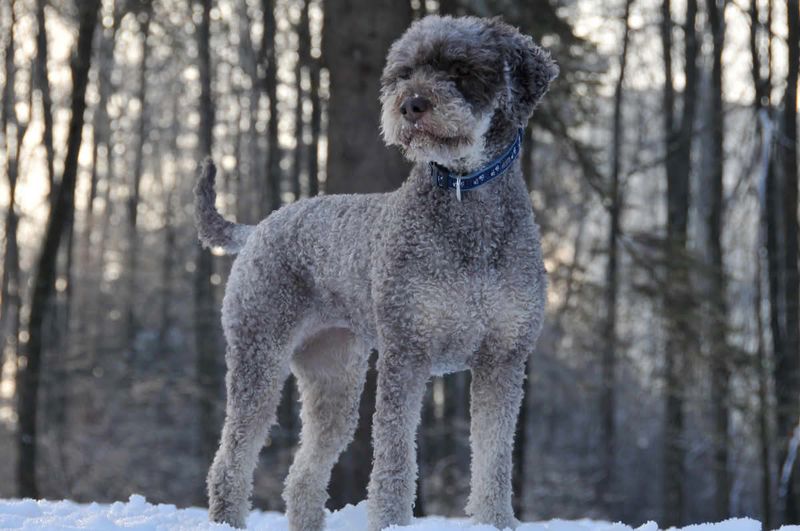
The Lagotto Romagnolo was born for reading terrain and scent, not faces. Originally a water retriever in Italy, it evolved into the world’s truffle specialist, mapping wind, soil moisture, and micro currents with uncanny precision.
You watch one work and feel like nature just lent you a secret agent.
This dog thrives on puzzles and scent games, craving meaningful jobs over repetitive drills. Direction helps, but it performs best when you step back and trust its nose.
Keep sessions short, varied, and reward the hunt itself.
Daily enrichment matters: scent boxes, hidden treats, and field walks maintain balance. Groom that dense, curly coat for debris control.
If you want a partner that problem solves outdoors, the Lagotto delivers.
Drentsche Patrijshond
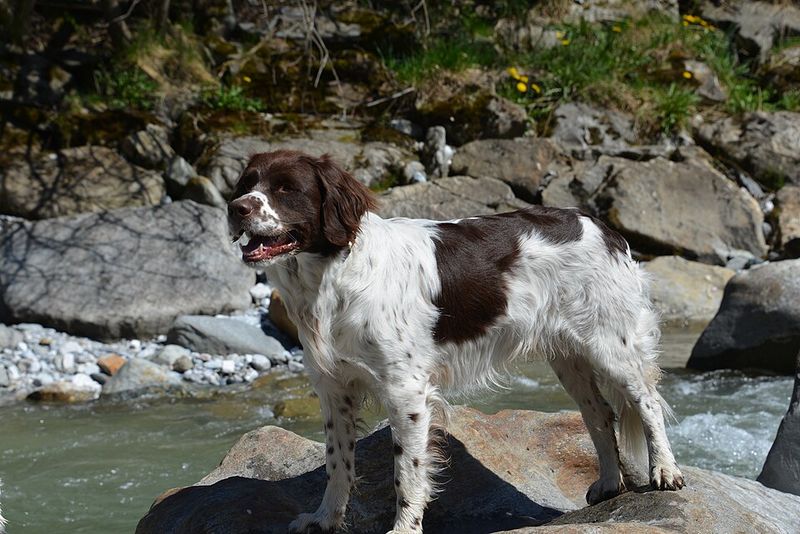
The Drentsche Patrijshond is an all round Dutch hunter known for independence and empathy. It sweeps fields methodically, adjusting pace to cover type and wind, reading bird body language like a seasoned guide.
You give a general direction, and it writes the plan.
These dogs pair sensitivity at home with grit in brambles. Training works best when you set clear rules, then allow freedom to choose routes.
It thrives on mixed terrain, from hedgerows to meadows.
Build confidence with steadiness drills, soft mouth retrieves, and blind searches. Mental challenges beat endless heelwork.
Expect a dog that checks in, but only after interpreting every rustle and scent swirl first.
Small Münsterländer
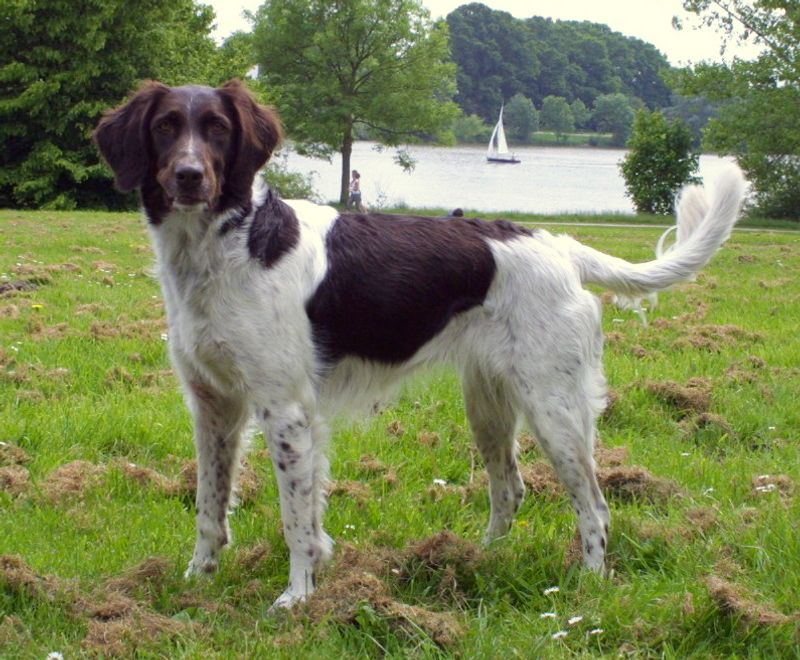
The Small Münsterländer is a versatile pointing dog that blends elegance with sharp environmental reading. It fan casts, adjusts to wind shifts, and points with a tight, stylish stand.
You provide a boundary, and it translates conditions into a route.
This breed tends to be people oriented, yet not handler dependent. It excels when allowed to solve scent puzzles without constant commands.
Expect keen water work and fearless thickets exploration.
Training thrives on variety: tracking lines, memory retrieves, and steadiness to wing and shot. Keep pressure light and feedback precise.
With adequate exercise and problem solving games, it becomes a cooperative, autonomous partner that thrives in complex cover.
Large Münsterländer
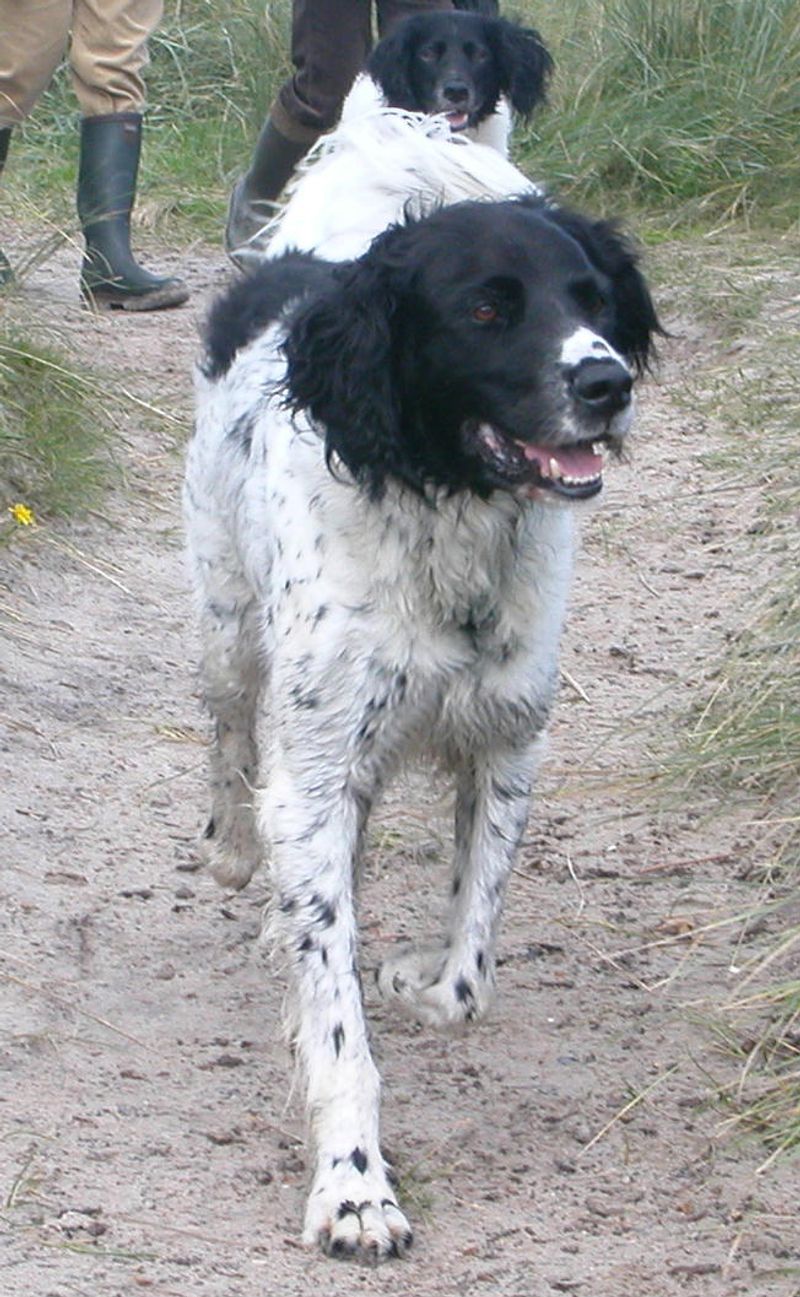
The Large Münsterländer runs bigger and bolder, built for broad sweeps and decisive points. It reads scent cones like a map, widening or tightening search patterns based on cover density.
Give a cast signal and watch it orchestrate the terrain.
Independence can feel stubborn if micromanaged. Fair structure plus freedom yields brilliance.
It is a superb retriever, often steady and soft mouthed when properly conditioned.
Conditioning matters: long gallops, water retrieves, and cold game practice. Use consistent cues and let the dog problem solve, especially on downwind approaches.
When you respect its judgment, the Large Münsterländer becomes a powerful, ethical hunter and an engaging companion at home.
Auvergne Pointer
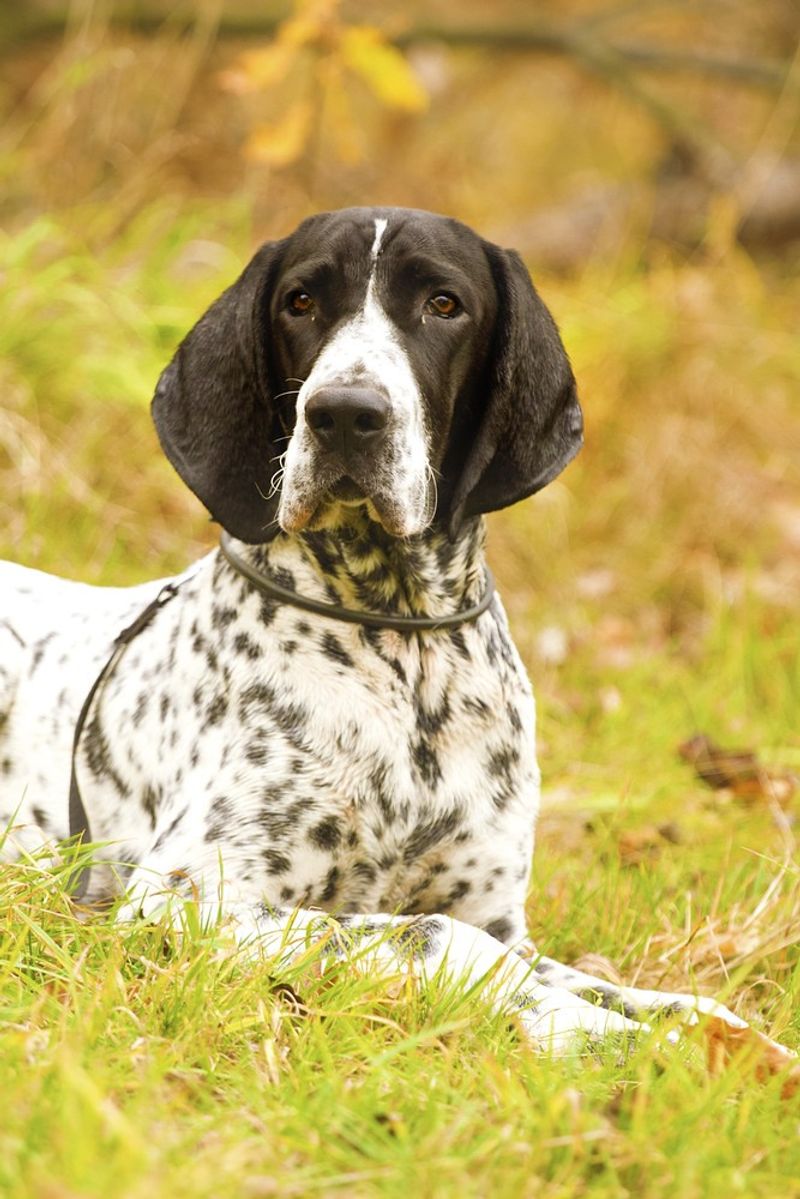
The Auvergne Pointer was shaped by rugged uplands, bred to interpret wind and undulating ground. It ranges with elegance, then locks into a classic point when scent tightens.
You set the beat, but the dog composes the melody across basalt slopes and broom.
This breed is responsive without being clingy. Calm, consistent guidance helps it channel energy into purposeful searches.
It appreciates quiet handling and clear standards.
Training with scent drags, crosswind quartering, and varied elevation unlocks its best work. Provide endurance runs and post hunt decompression.
If you value finesse mixed with autonomy, the Auvergne Pointer reads the land so you can read the sky.
Blue Picardy Spaniel
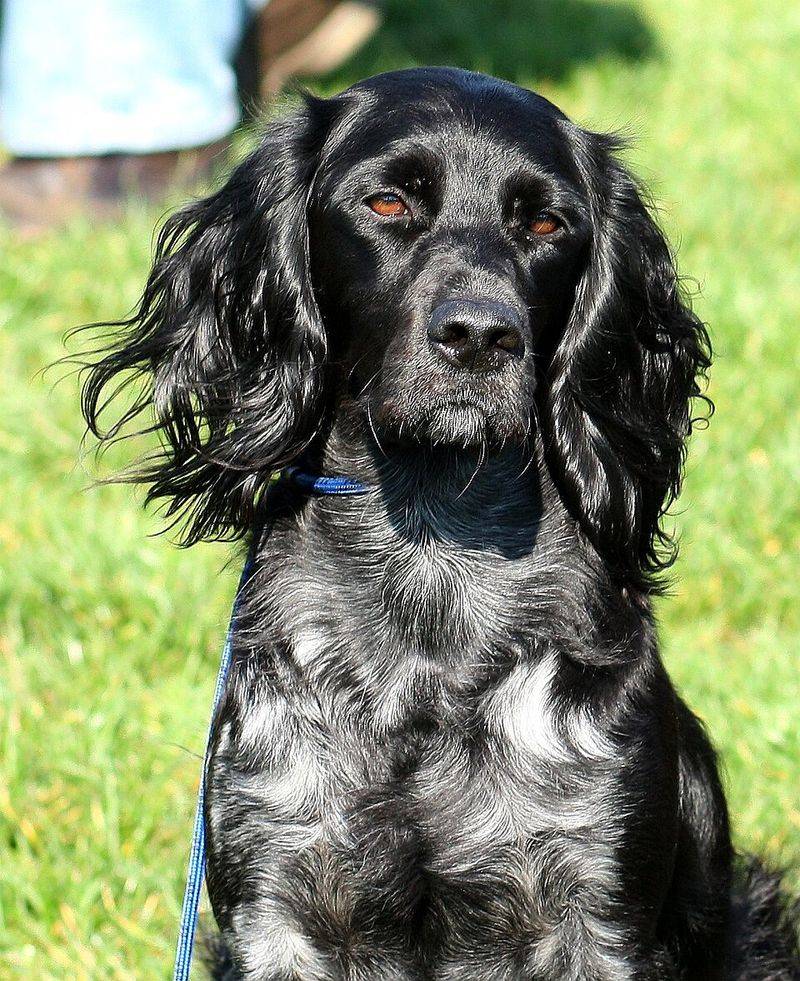
The Blue Picardy Spaniel is a water wise, all weather worker bred for French coastal marshes. Its blue roan coat sheds drizzle while it parses tidal scents, drifting feathers, and changing wind.
You witness a dog that reads water like script.
It hunts with steady confidence, often ranging moderately and checking back without fuss. Pressure dulls its shine, while calm repetition and fair boundaries bring out consistency.
Expect a reliable retriever with soft mouth and patient points.
Train in variable weather, across mud flats and reeds. Rotate blind retrieves with scented marks to grow judgment.
With thoughtful conditioning and trust, this spaniel becomes a resilient partner that thrives in unpredictable conditions.
Pont-Audemer Spaniel
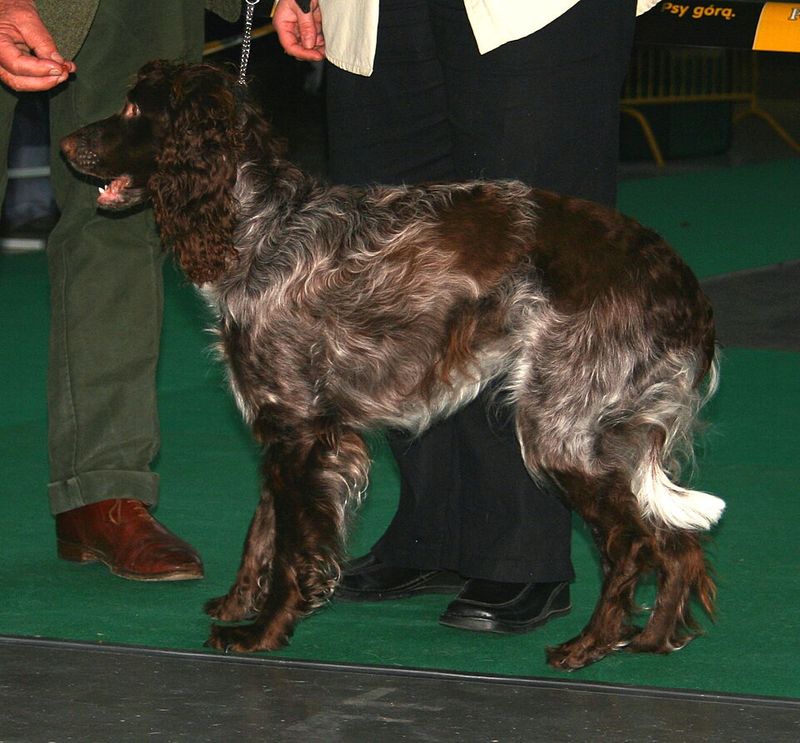
The Pont-Audemer Spaniel is a rare French water specialist, famous for its curly topknot and fearless marsh work. It thrives in flooded willow stands where scent drifts rise and fall.
You give direction, but it interprets ripples, wind lanes, and bird behavior.
Gentle handling suits its biddable nature. It is playful, yet highly purposeful once game scent is present.
Overhandling can stifle its built in problem solving.
Use channel blinds, cripple tracking drills, and decoy spreads to build judgment. Keep sessions upbeat and end on a success.
With proper coat care and conditioning, the Pont Audemer delivers independent, ethical retrieves in weathers that send others home early.
French Spaniel
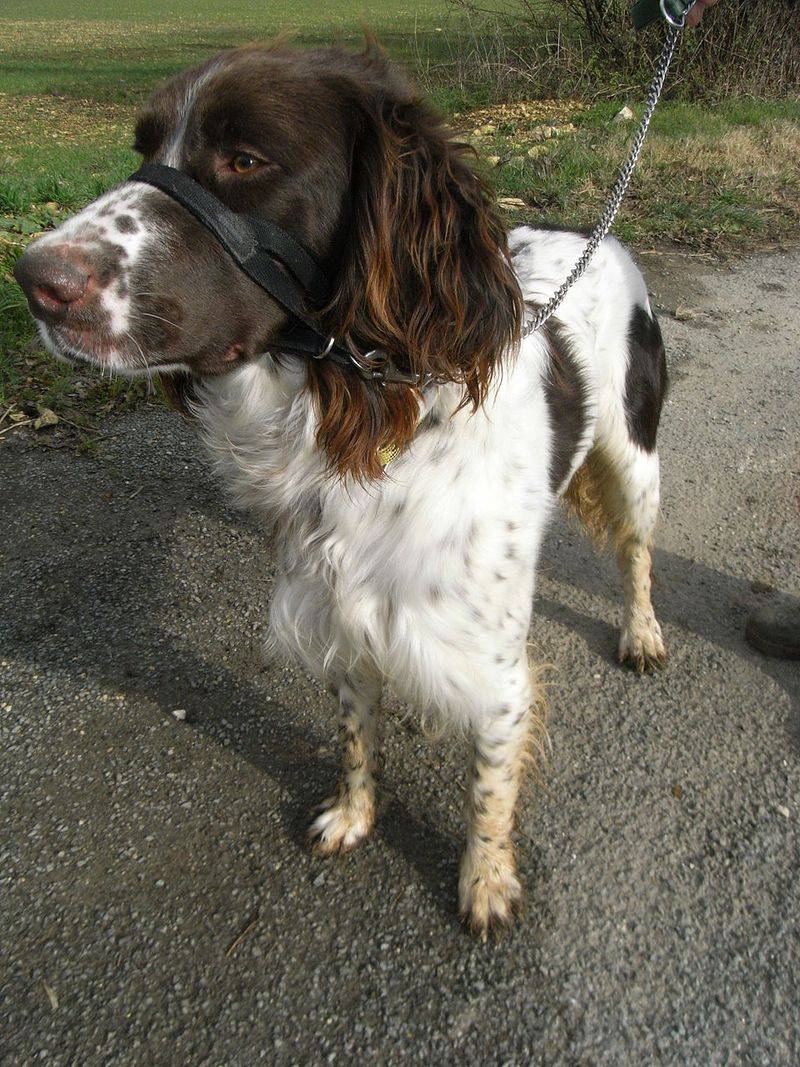
The French Spaniel blends aristocratic calm with field independence. It works at a moderate pace, reading cover edges and wind seams before committing to a point.
You can see the brain working as it checks terrain, then settles into stillness.
This breed appreciates steady, respectful guidance more than heavy correction. It bonds deeply, yet retains an inner compass outdoors.
Water retrieves and forest tracking come naturally.
Train with patterning runs, delayed retrieves, and quiet steadiness. Balance affection with purposeful tasks.
If you want a dog that is gracious at home and thoughtful in the field, the French Spaniel offers reliable autonomy wrapped in soft eyes.
German Longhaired Pointer
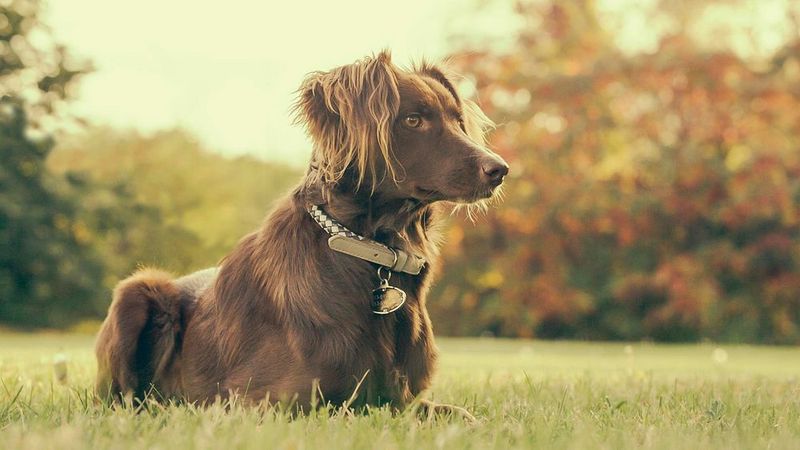
The German Longhaired Pointer is a classic continental versatile dog, bred for gamefinding and composure. It reads scent corridors across stubble and woodland rides, choosing lines with quiet certainty.
You give it ground, and it returns birds.
Calm, methodical training suits its steady temperament. It shines when allowed to manage distance and pace, especially on wary game.
Water retrieves and tracking blood trails fit naturally.
Focus on foundation: heel, recall, steadiness, then add problem solving drills like blind retrieves and crossing wind tracks. Keep pressure fair and consistent.
Proper coat care and endurance conditioning seal the deal for a self directed, ethical working partner.
Old Danish Pointer
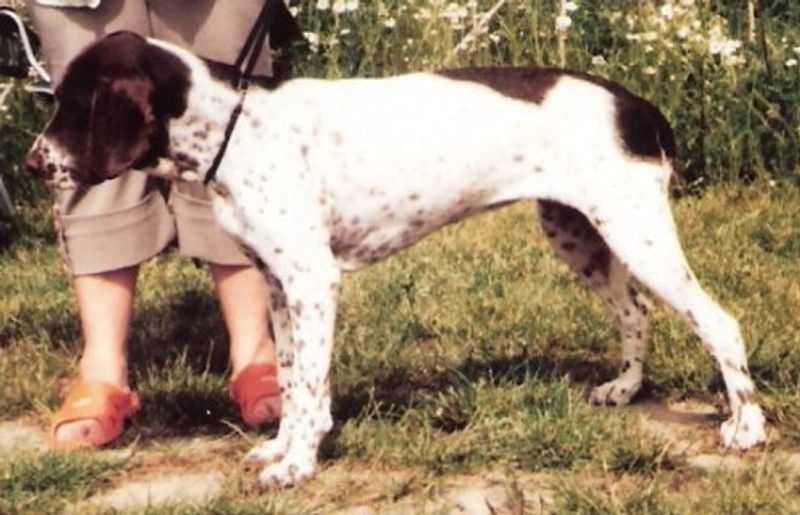
The Old Danish Pointer moves with a deliberate, economical style, favoring nose over speed. It was bred for cultivated fields where reading scent drifts beats sprinting.
You mark direction, and it chooses careful grids that waste little energy.
This breed is thoughtful and steady, not flashy. It benefits from consistent routines, calm handling, and ample chances to solve odor puzzles.
Pressure or frantic drills undermine confidence.
Use crosswind quartering, long tracks, and steady to shot exercises. End sessions with simple wins to cement belief.
With patience and clear expectations, the Old Danish Pointer proves how measured independence can outsmart skittish birds on open ground.
Bourbonnais Pointer
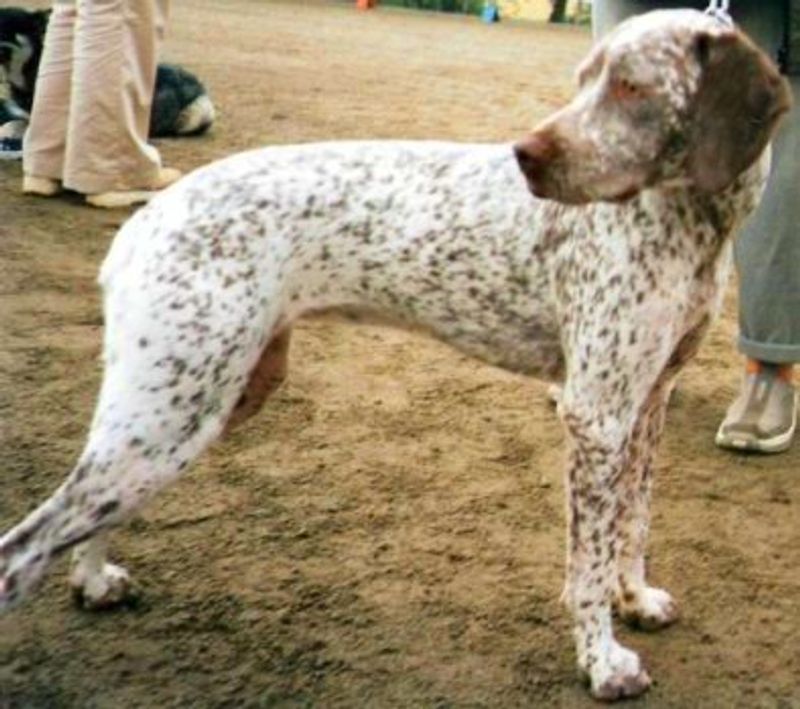
The Bourbonnais Pointer brings compact power and vineyard savvy, bred to work hedgerows and patchy cover. It reads subtle air currents and body scent, often selecting the smartest angle rather than the fastest line.
You provide a frame, and it paints the picture.
This breed is people friendly yet prefers quiet leadership. Over talking dilutes focus.
Reward initiative and reinforce steadiness, especially on moving birds.
Training ideas: memory marks among vine rows, crosswind points, and delayed retrieves to build impulse control. Keep conditioning varied and mental work frequent.
When trusted to think, the Bourbonnais reveals a refined, environment led style that turns difficult scent into confident, ethical finds.