
If your ideal workout buddy has four legs and endless enthusiasm, you are in the right place. Some breeds seem born to log miles, match your cadence, and motivate you out the door.
From speedy sprinters to enduring trail companions, these dogs bring heart, grit, and plenty of happy energy. Lace up, because your next PR might come with a wagging tail.
Vizsla
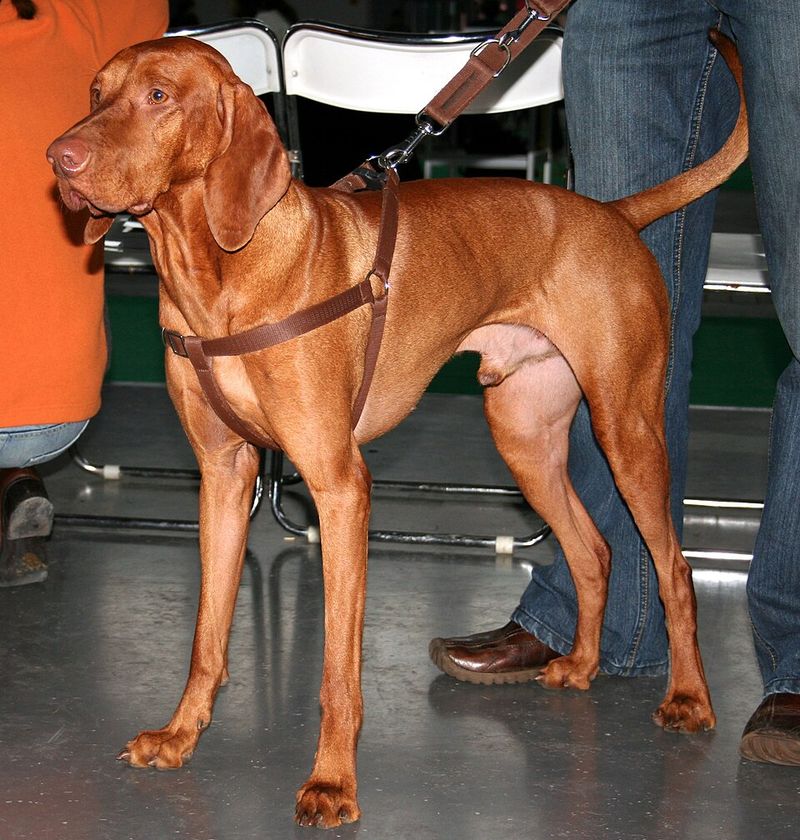
The Vizsla is a sleek, affectionate sprinter that thrives on long, steady miles and varied terrain. Light on its feet, it maintains an efficient trot that lets you clip along without constant tugging.
Expect a sensitive companion that reads your mood, adjusts pace naturally, and loves cooldown cuddles.
Daily mental work keeps this hunter balanced, so mix intervals, scent games, and occasional trail adventures. Hot climates suit them, yet carry water, watch paws, and ease into summer starts to prevent overheating.
Start training early with soft guidance, reinforce recall, and you will have an eager partner for years.
Invest in a secure harness for energetic starts and reflective gear for pre dawn routes. Regular massages speed recovery and keep hips flexible.
Weimaraner
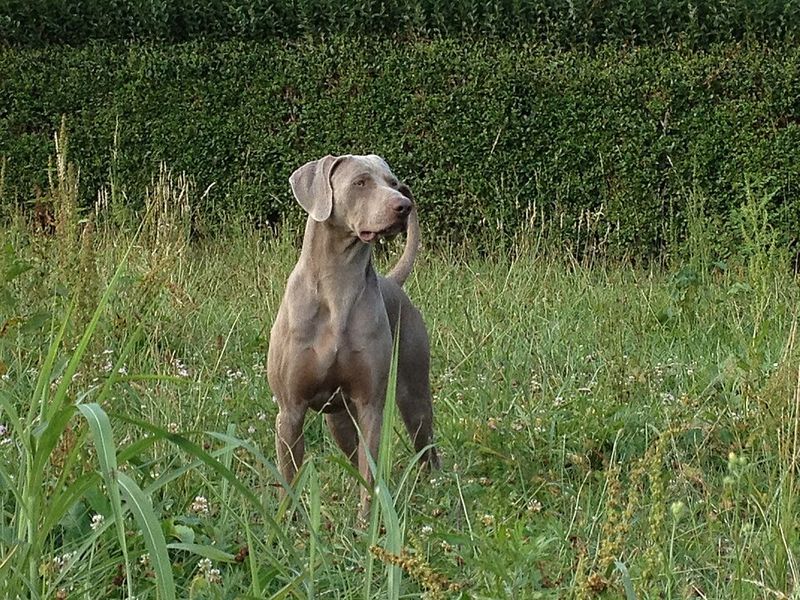
The Weimaraner is a high-octane distance partner built for speed and stamina. With a smooth, ground-covering stride, it can cruise tempo runs, tackle rolling hills, and still look ready for more.
You will appreciate the intense focus that keeps distractions at bay when the route gets busy.
Because Weims are smart and driven, consistent structure matters. Blend interval sets, recovery jogs, and sniff breaks to satisfy both body and brain.
Heat can be challenging, so start early, carry water, and watch for signs of fatigue during longer summer efforts.
Early recall and loose-leash habits help manage prey drive and excitement. A snug, chafe-free harness plus reflective collar support safe, confident mileage.
Post-run stretching and quiet place training encourage calm, happy recovery.
Border Collie
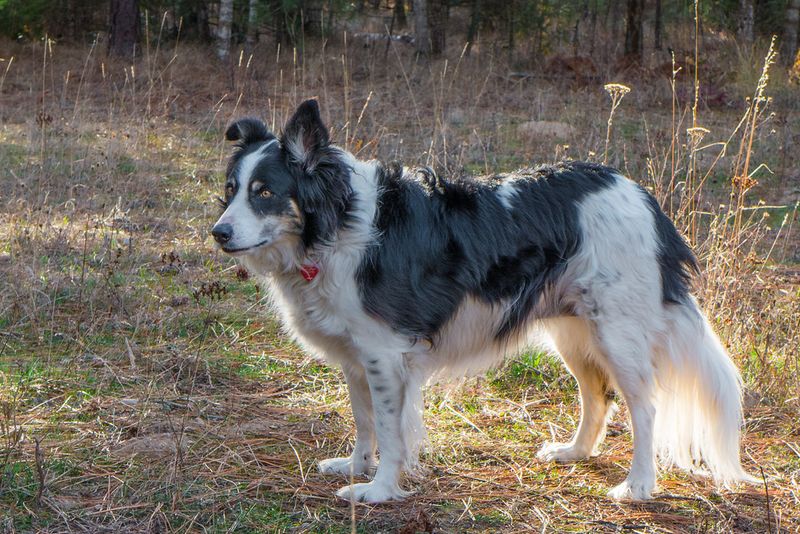
The Border Collie brings laser focus and quick footwork to every run. Agile and responsive, it thrives on technical trails, cadence changes, and fast pivots around roots and rocks.
You will feel that intelligent gaze checking in, syncing pace, and anticipating turns before you give a cue.
Mental stimulation is nonnegotiable for this brainy athlete. Layer short obedience drills into warmups, then finish with scent games or a puzzle toy cooldown.
Collies can overdo it, so cap mileage wisely, prioritize recovery days, and rotate soft surfaces to protect joints.
Teach impulse control at crossings and practice calm starts to prevent explosive surges. A lightweight, breathable harness and bright visibility gear are essentials.
Keep sessions varied, and this partner will flourish happily.
Australian Shepherd
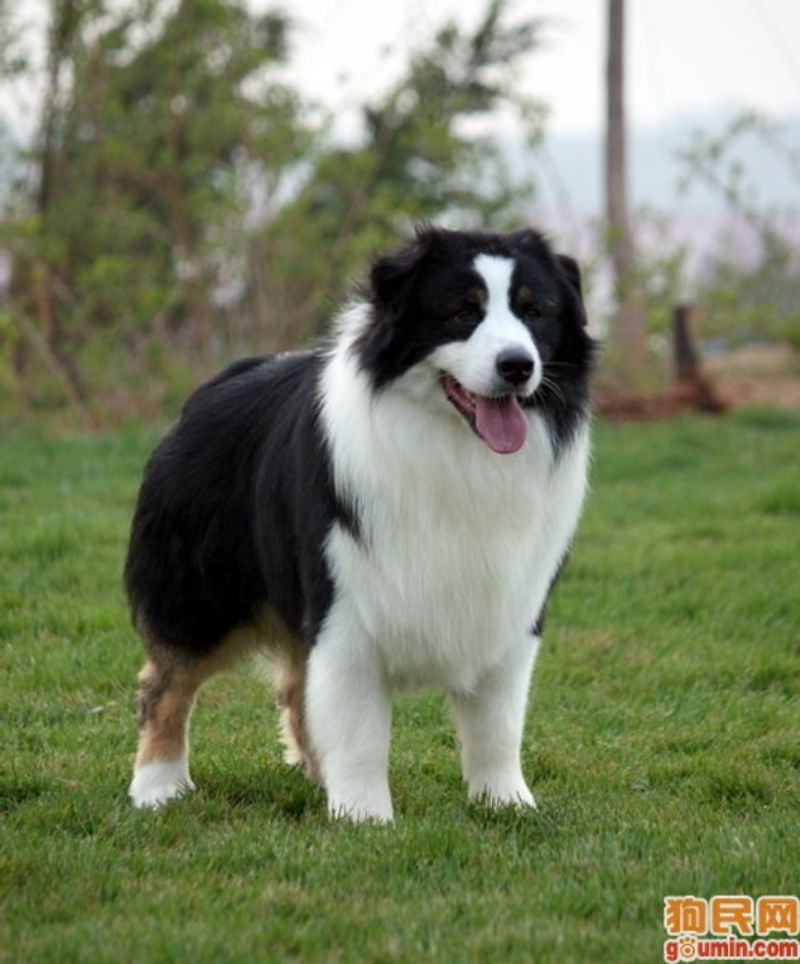
The Australian Shepherd is a versatile, nimble runner that loves purposeful work. Expect sharp turns, fast accelerations, and joyful bursts that make tempo runs feel fun.
This breed reads cues beautifully, so you can guide pace with subtle body language and consistent routines.
Because Aussies are thinkers, mix in drills like side shuffles, short hill repeats, and controlled starts at intersections. Keep grooming regular to manage that thick coat during warmer months, and carry water on longer routes.
Joint-friendly surfaces help maintain longevity when weekly mileage climbs.
Early socialization curbs herding tendencies around bikes and strollers. A snug harness and ID tags protect adventurous explorers.
After runs, decompression walks, enrichment toys, and calm naps keep energy balanced, ensuring tomorrow’s miles feel smooth and focused.
German Shorthaired Pointer
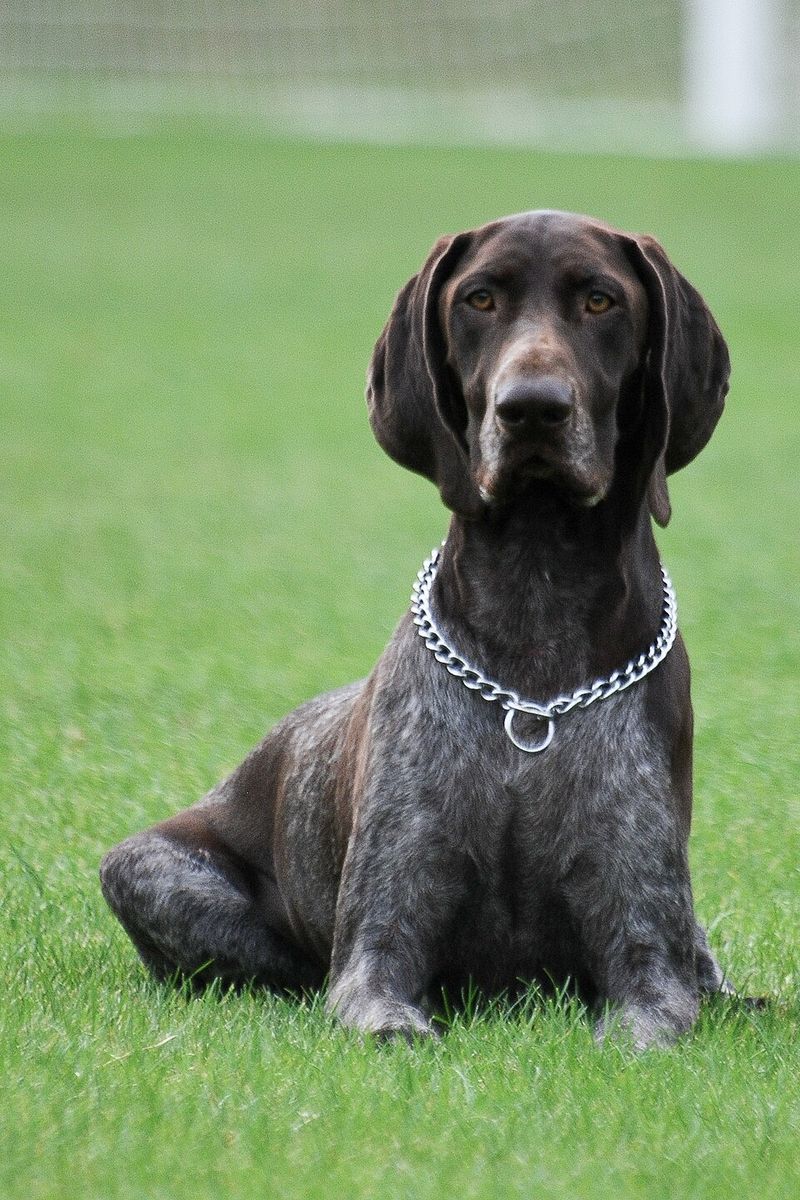
The German Shorthaired Pointer is a powerhouse endurance breed that loves purposeful miles. Its efficient gait and athletic frame handle long runs, fartlek sessions, and breezy recovery jogs with ease.
Expect a curious nose, so practice staying engaged through changes in terrain and wildlife scents.
Because GSPs are driven, structure your week with clear on-leash workouts and separate free-play time. Warm up gradually, then settle into sustainable paces before turning loose energy into short surges.
In summer, prioritize shade, water breaks, and earlier start times to avoid overheating.
Dial in recall and impulse control early to manage prey drive. A secure harness, padded leash, and reflective accents support safety.
Post-run, offer calm decompression, gentle stretching, and brain games to keep that athletic mind satisfied.
Dalmatian
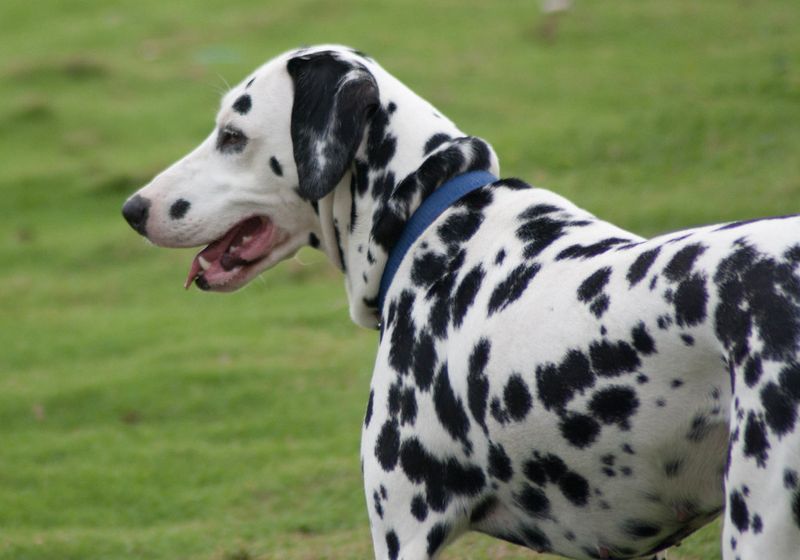
The Dalmatian was historically a carriage dog, so rhythm and endurance come naturally. You will notice a consistent trot that locks into your cadence and makes steady-state miles feel effortless.
Their cheerful energy and social nature also make city routes and park loops enjoyable.
Because Dalmatians can be sensitive to diet and heat, plan smart. Hydrate often, choose breathable gear, and check paw pads after rough surfaces.
Introduce distance gradually to protect joints, especially during growth, and build weekly mileage thoughtfully.
Focus training on calm passes near bikes, strollers, and other dogs. A no-pull harness helps maintain form without strain.
Cooldown walks, light brushing, and a comfortable resting spot support recovery, keeping spots shiny and spirits high for tomorrow’s run.
Siberian Husky
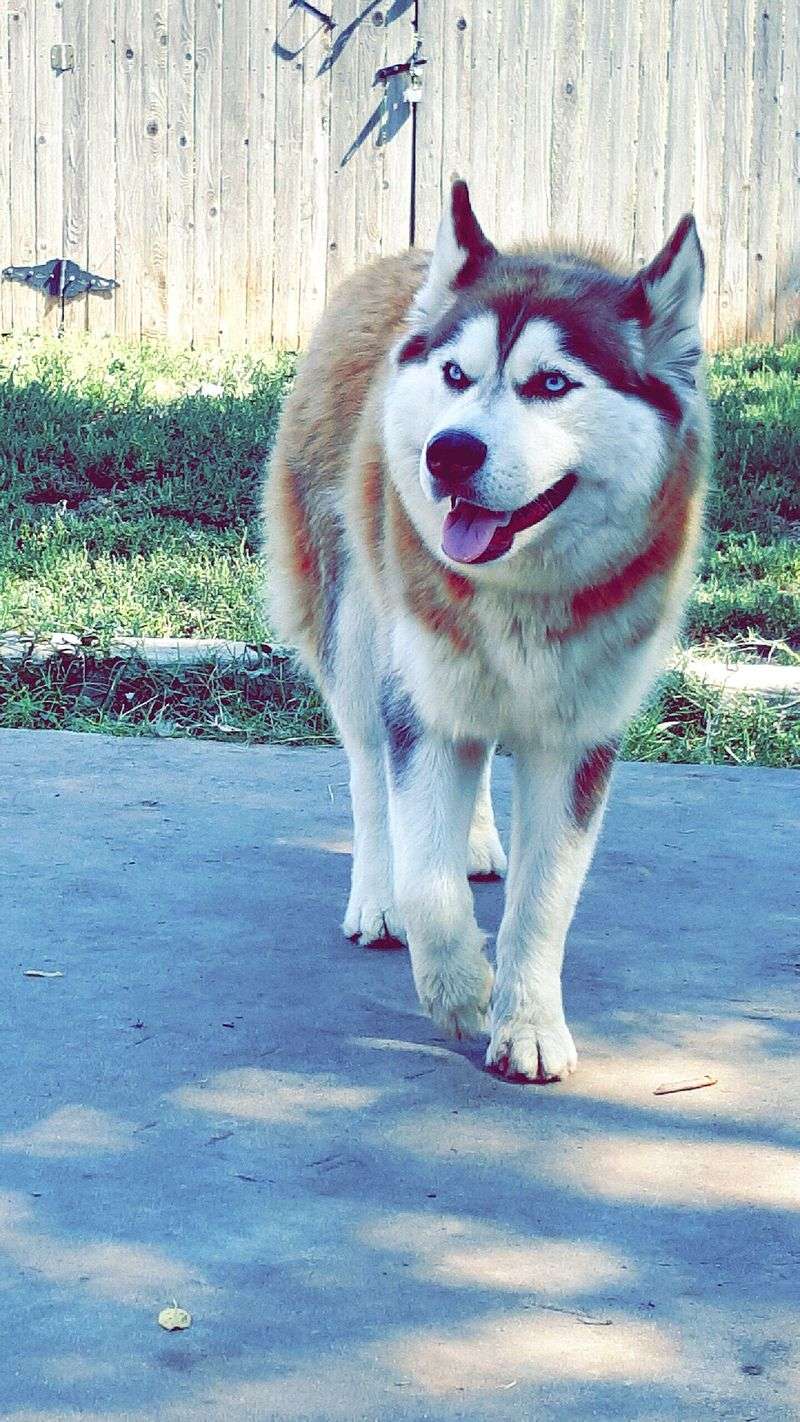
The Siberian Husky is born for forward motion, thriving in cool conditions and steady pacing. That smooth, economical trot eats up miles while the tail flags happily behind.
Expect joyful chatter before runs and determined focus once you move, especially on wide, open paths.
Because Huskies overheat in warm weather, prioritize dawn outings, shade, and frequent water breaks. Keep mileage sensible in summer and choose soft trails whenever possible.
Secure equipment matters, as this breed can be an escape artist when something exciting catches interest.
Practice solid recall, reinforce impulse control at wildlife sightings, and use a well-fitted harness. Rotate strength drills like gentle hill work to build resilience.
Afterward, a cool spot and brushing help manage that coat while recovery snacks restore energy.
Belgian Malinois
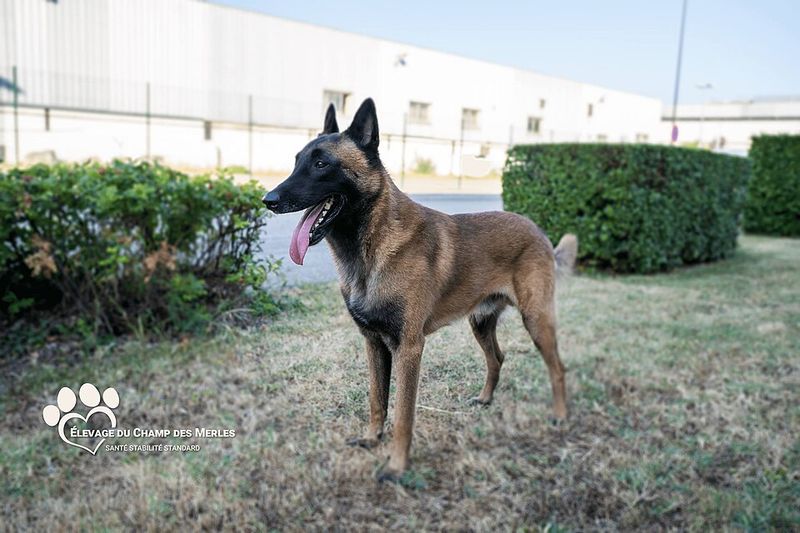
The Belgian Malinois brings precision, drive, and explosive athleticism to every workout. With a quick, springy stride, it excels at intervals, agility-laced trail sections, and brisk tempo days.
You will appreciate how easily this breed locks onto cues and maintains clean form under distraction.
Because Mals are high drive, plan thoughtful structure and mental outlets. Balance speed sessions with decompression walks, obedience tune-ups, and scent work.
Heat management is critical during hard efforts, so schedule early, carry water, and keep rest intervals honest.
Teach rock-solid impulse control before stacking on speed. A breathable, secure harness and traffic-safe cues like heel and wait increase safety.
Finish with low-arousal cooldowns, massage, and enrichment toys to switch from go mode to rest, preserving balance for consistent training.
Rhodesian Ridgeback
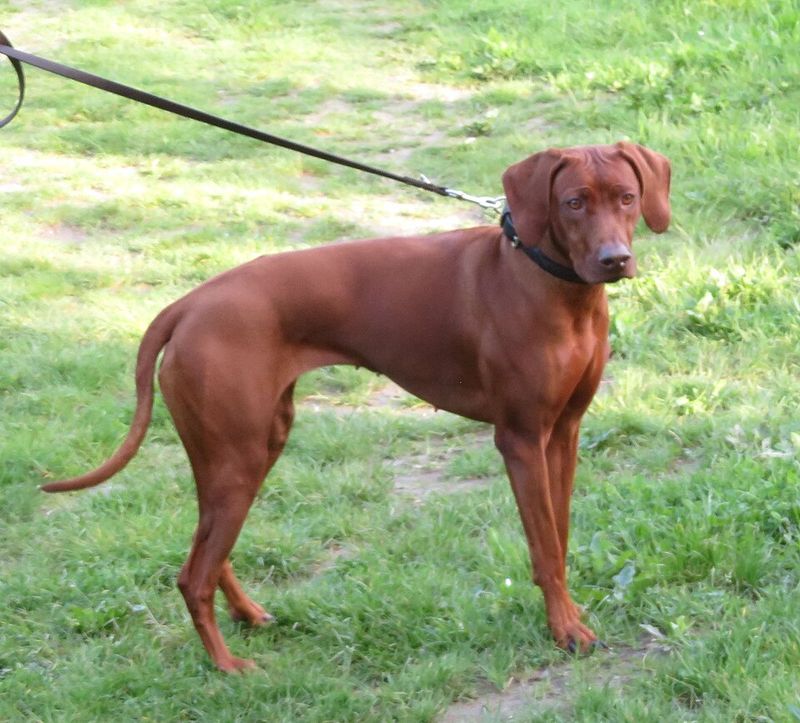
The Rhodesian Ridgeback is a dignified endurance partner built for steady, efficient miles. Its strong, rhythmic trot shines on rolling trails and long road stretches.
You will value the calm confidence that keeps runs smooth even when conditions shift or routes get busy.
Because Ridgebacks handle heat better than many breeds, they still need thoughtful pacing. Start conservatively on warm days, bring water, and favor shaded paths.
Introduce longer distances gradually to protect joints and ensure positive experiences that build lasting enthusiasm.
Priority training includes recall, polite passing, and relaxed leash manners. A padded harness, reflective collar, and durable leash complete the kit.
Recover with easy strolls, gentle mobility work, and a supportive bed, and your regal partner will be ready for tomorrow’s adventure.
Labrador Retriever
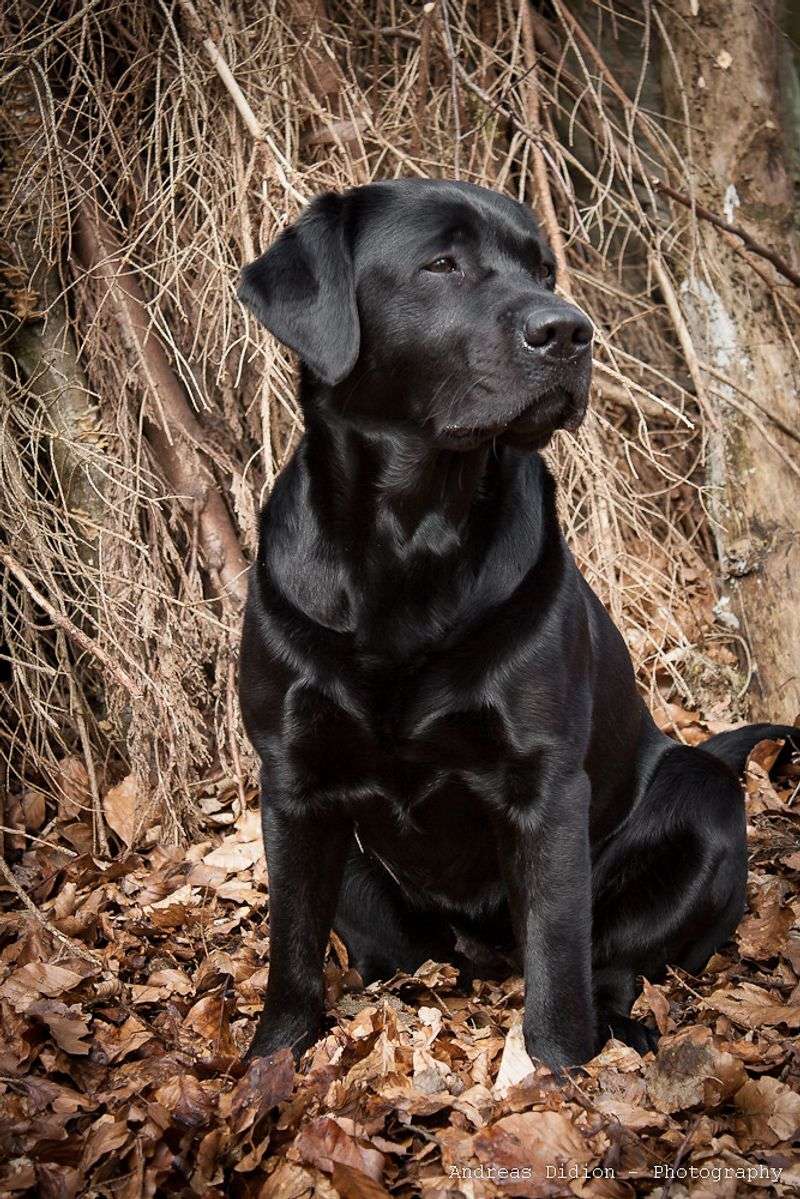
The Labrador Retriever is a cheerful, reliable running buddy that pairs well with many paces. Its friendly nature makes park loops, neighborhood routes, and busy paths comfortable and social.
You will love the balanced temperament that handles new sights while keeping focus on the run.
Because Labs can gain weight, running supports healthy conditioning, but build mileage gradually. Mix intervals, easy days, and soft-surface sessions to keep joints happy.
In warm weather, prioritize water, take shade breaks, and watch for slowing or excessive panting.
Teach polite starts to prevent excited lunges, and reinforce loose-leash skills. A sturdy harness and ID tags keep things safe around distractions.
Afterward, cooldown walks, light stretching, and a splash in the lake make recovery joyful, setting the stage for consistent training.
Jack Russell Terrier
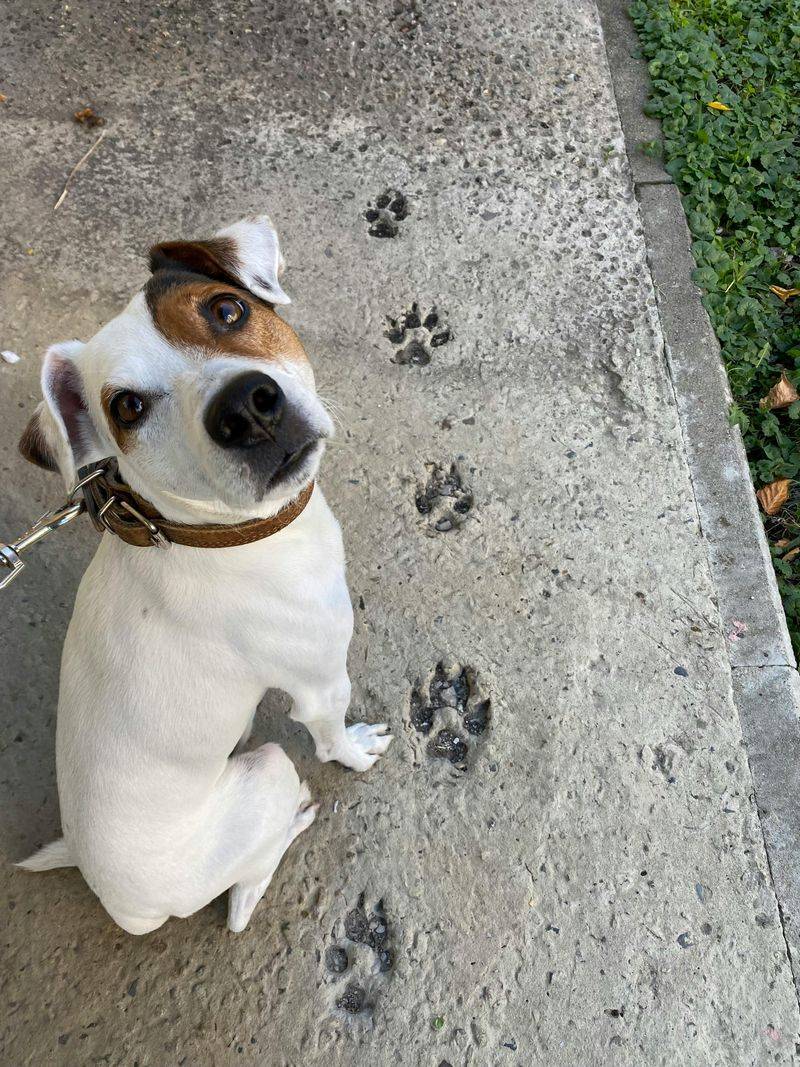
The Jack Russell Terrier may be small, but it packs springy energy and fearless enthusiasm. Quick accelerations and playful surges keep tempo runs lively and fun.
You will appreciate a compact athlete that turns on a dime and handles urban routes with cheerful curiosity.
Because JRTs are bold and curious, manage impulse with clear cues and frequent check-ins. Keep sessions varied with short intervals, agility-style curb hops, and sniffy cooldowns.
Watch heat and pavement temperatures, as small bodies can overheat and paws can burn quickly.
Fit a comfortable harness and use a light leash to preserve form. Reinforce recall early to handle pigeons, squirrels, and alley surprises.
With smart pacing and consistent structure, this little rocket becomes a mighty training partner.