
Some dogs act like every meal is the first one they have ever had, and it is not just in your head. Certain breeds are wired to chase snacks, sniff out crumbs, and beg like pros.
Vets say that nonstop hunger can hide real problems or quietly add pounds that shorten a happy life. Here are the dogs most likely to keep asking for more, plus smart ways to keep them satisfied and healthy.
Labrador Retriever
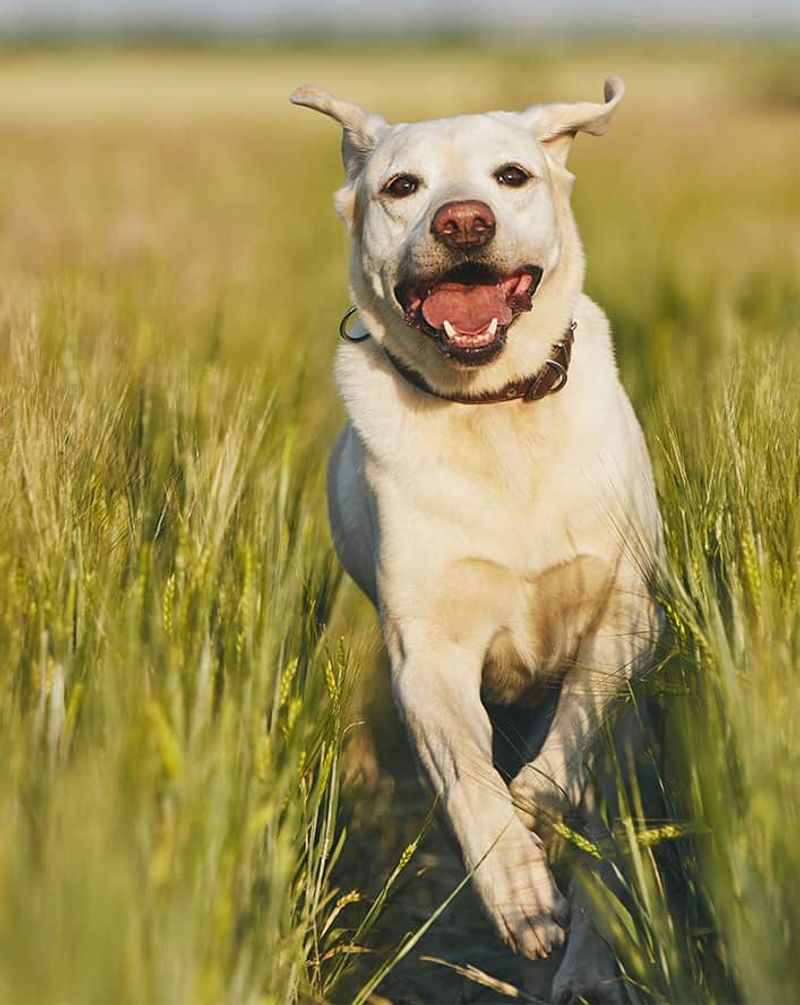
Labradors are famous for bottomless appetites, and that eager face can trick you into overfeeding. Their history as working retrievers built a powerful metabolism that loves frequent rewards.
Add clever problem solving, and they quickly learn that begging pays off.
Vets warn that constant hunger can mask health issues like hypothyroidism, diabetes, or parasites. It can also signal boredom and low enrichment, which pushes food seeking.
Structure, slow feeders, and measured portions keep weight in check.
I like to split meals, add high fiber veggies, and use training kibble during walks so calories work twice. Offer puzzle toys and frozen stuffed Kongs to satisfy that search instinct.
Your Lab will still smile for treats, but smart routines protect joints, energy, and lifespan.
Beagle

Beagles were bred to track scent for hours, so their brains light up around food. That powerful nose means nothing edible escapes notice, including your snacks.
They also travel in packs, and that competition vibe can nudge overeating at mealtimes.
Vets often see bloating, weight gain, and resource guarding linked to excessive food drive. Persistent hunger might flag worms, allergies, or poor diet quality.
A routine with calorie targets, pre measured portions, and high protein helps balance satisfaction with health.
I use sniffing games before meals, then feed from a puzzle mat to slow gulping. Long nose work on walks burns mental energy that would otherwise fixate on treats.
Teach a solid leave it and your Beagle will handle temptations with charm.
Dachshund

Dachshunds bring big appetites in small packages, and extra pounds strain their long backs. They were bred to hunt, digging tirelessly, so calorie seeking feels natural.
Begging behavior is adorable, yet it often trains humans faster than any obedience class.
Vets caution that rapid eating boosts risk of stomach upset and pancreatitis, especially with table scraps. Constant hunger can reflect pain, thyroid changes, or underfeeding for activity level.
A measured plan with lean proteins and crunchy veggies supports steady energy without overload.
I split meals into three, elevate bowls to keep posture safe, and use slow feeders to reduce gulping. Short training bursts before dinner tire the mind and earn part of the ration.
Your Doxie stays satisfied, motivated, and light on that precious spine.
Golden Retriever
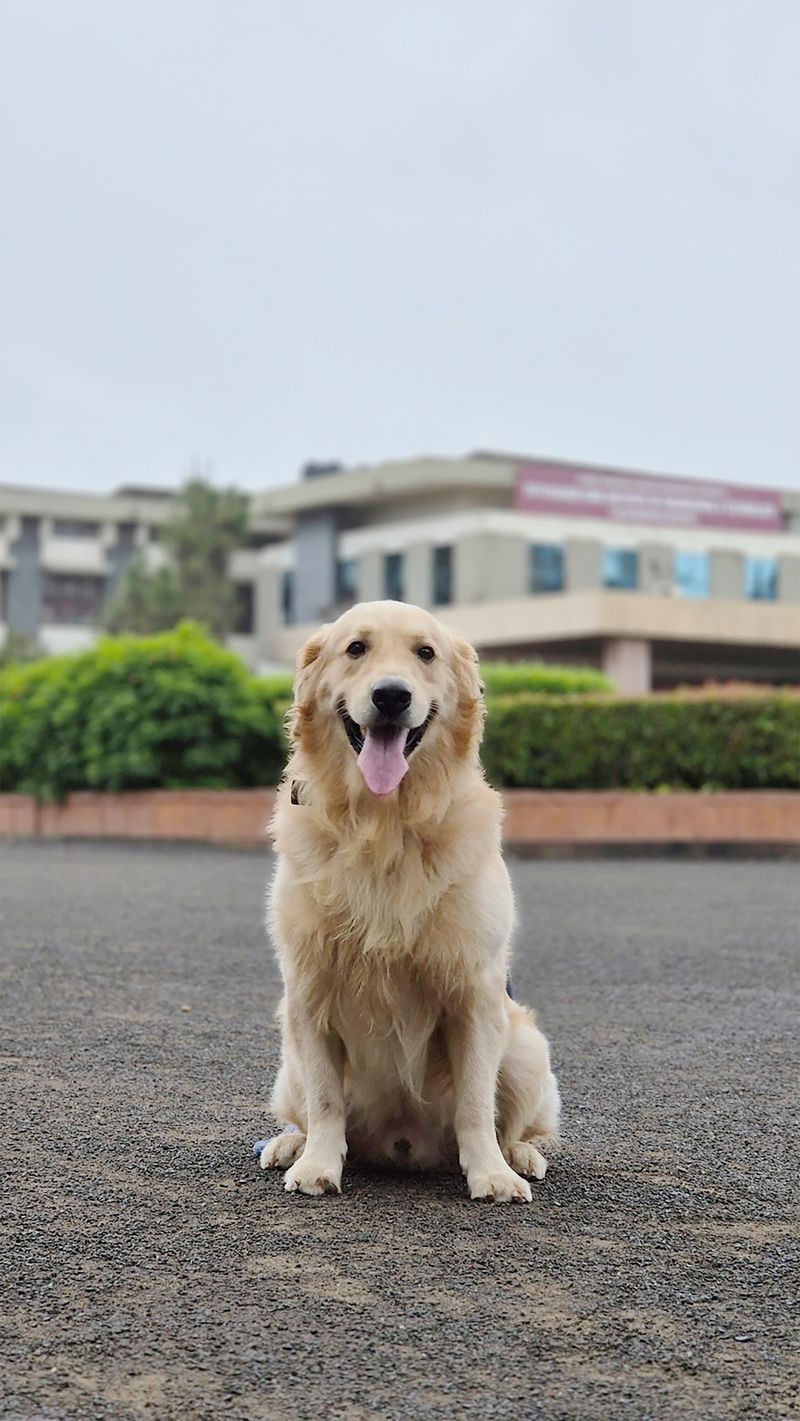
Golden Retrievers love pairing work with rewards, and food quickly becomes the favorite paycheck. Their friendly persistence keeps the bowl pressure strong if habits slip.
Social households also hand out treats more often, which stacks calories faster than you notice.
Vets flag joint strain, hot spots, and reduced endurance when weight climbs. Excess hunger might hint at malabsorption, stress, or poor sleep.
Measured meals, omega rich toppers, and consistent training keep that bright worker mindset engaged without overfeeding.
I like long retrieves before dinner and scatter feeding in grass to satisfy foraging urges. Rotate training treats with low calorie crunch like green beans or carrot coins.
Your Golden stays gleaming, eager, and comfortably full enough to focus on fun.
Pug

Pugs are champion charmers, and their big eyes make extra snacks feel harmless. Yet this compact breed can pack on weight quickly, stressing breathing and joints.
Their playful nature also builds food associations during training and couch cuddles alike.
Vets caution that constant hunger may reflect airway effort, dental pain, or low quality diets. Short snouts complicate exercise, so portion errors hit harder.
Aim for balanced calories, moisture rich meals, and vet checked body condition to prevent silent creep.
I lean on lick mats, frozen broth cubes, and gentle indoor games to replace treat binges. Choose small, chewy training bites and count them into the daily ration.
Your Pug gets the fun and flavor while staying breezy, trim, and huggable.
Cocker Spaniel

Cocker Spaniels mix sensitivity with enthusiasm, and food soothes stress while fueling play. That combo can drive constant snack seeking if routines wobble.
Those soulful eyes make it hard to say no, which accidentally rewards persistence every afternoon.
Vets often note ear infections and skin flare ups that spike hunger and irritability. Calorie creep worsens inflammation, then comfort feeding repeats the cycle.
A steady schedule, measured bowls, and omega rich, anti itch diets restore balance and clarity.
I pair obedience drills with kibble earnings, add crunchy veggies for volume, and schedule sniffy walks. Puzzle feeders replace bottomless bowls and slow the pace.
Your Cocker stays glossy, focused, and happily satisfied without raiding the pantry tonight.
Basset Hound

Basset Hounds trail scent at ground level, so their world is a buffet of aromas. That steady tracking nature rewards persistence, especially around kitchen corners.
Their relaxed vibe also hides extra snacks, since movement rarely burns off surprise calories.
Vets warn that heavy frames plus added weight stress joints and lengthen recovery time. Seemingly endless hunger can reflect boredom or insufficient protein.
Set a clear feeding timetable, use measured scoops, and choose nutrient dense foods to satisfy without overflow.
I like scent games in the yard, hiding portions under cups to spark thoughtful effort. A slow feeder bowl and crunchy veggies stretch meals without bloating.
Your Basset stays content, purposeful, and less likely to patrol the trash.
Rottweiler
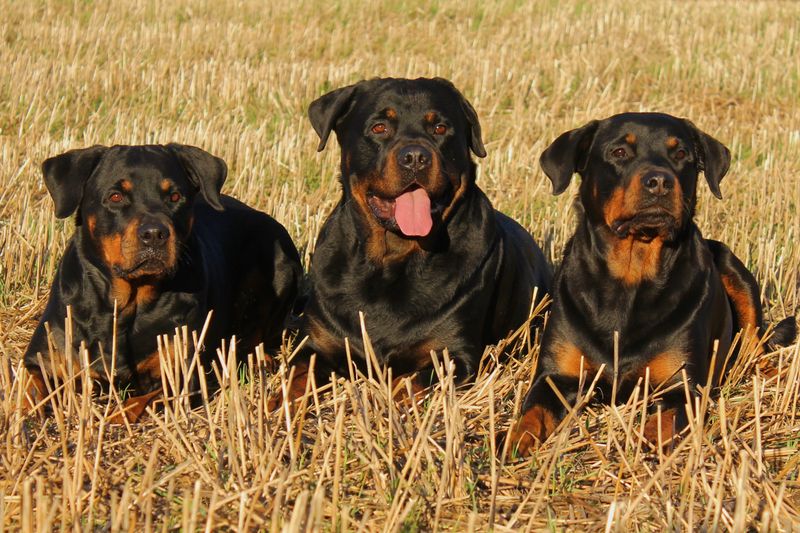
Rottweilers are powerful workers with big caloric needs during training, so appetite can surge. That intensity sometimes shifts into constant scavenging on rest days.
They also learn routines quickly, and a single extra treat becomes the new expectation.
Vets watch for joint strain, bloat risk, and pancreatitis when diets skew rich. Ongoing hunger might indicate parasites, thyroid disease, or stress from under enrichment.
Balanced macros, measured bowls, and hydration targets keep strength without creeping fat gain.
I like heavy brain work, like place training and scent puzzles, before meals to earn food. Break rations into training bites and a slower main course.
Your Rottie stays driven, athletic, and satisfied without raiding countertops. Add veggie chunks for volume.
Boxer

Boxers burn energy fast with bouncy play, and they rebound toward the treat jar. Their expressive faces and snorts amplify every request.
Because they are athletic, owners sometimes overestimate daily needs and accidentally widen the calorie window.
Vets flag gas, loose stools, and weight swings when diets change quickly or skew fatty. Persistent begging could reflect boredom or too little protein.
Commit to steady schedules, tested formulas, and portion control to protect joints and stamina.
I channel that bounce into tug, flirt pole sessions, and obedience with food rewards earned. Use slow feeders and frozen yogurt pupsicles to stretch satisfaction.
Your Boxer stays bright eyed, lean, and ready for adventure without constant snacking today ever.
Cavalier King Charles Spaniel

Cavaliers adore people and often pair affection with treats, building strong food routines. Their calm charm masks weight gain until movement seems lazy.
Because they are prone to heart issues, extra pounds matter more than you might expect.
Vets note that intense begging can signal anxiety, dental pain, or low fiber diets. Free feeding worsens the spiral by removing structure.
Set meal times, track treats, and add moisture to improve fullness without stacking calories.
I like calm sniff walks before dinner, then feed from a lick mat to slow the pace. Rotate high reward bites with crunchy veggies and heart healthy toppers.
Your Cavalier stays affectionate, energetic, and satisfied while protecting that gentle heart daily.
French Bulldog
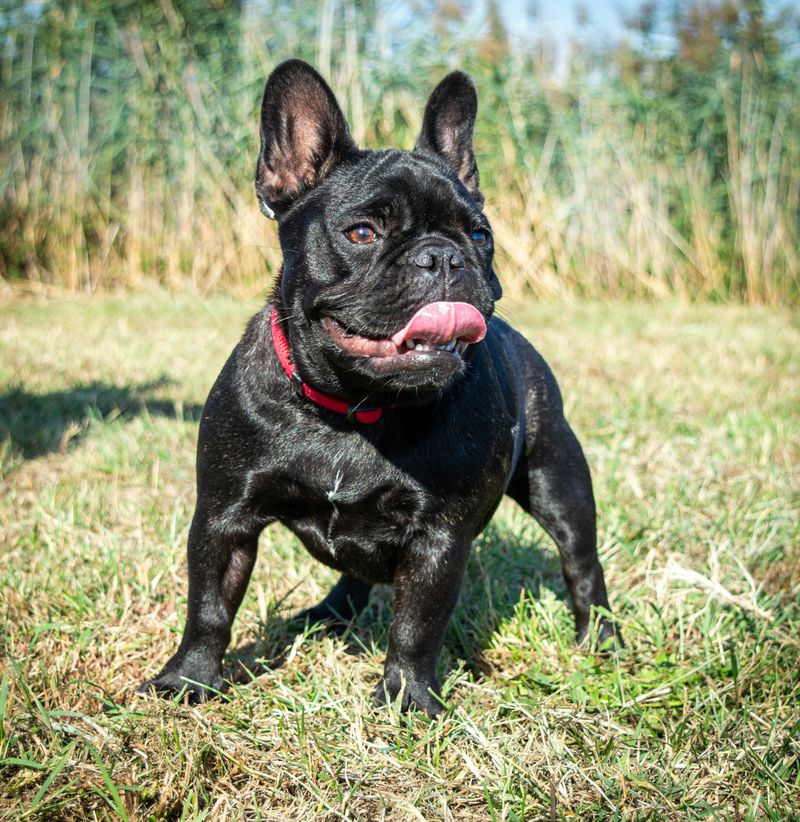
French Bulldogs love attention and snacks, and quiet days can turn every yawn into a treat. Their compact frames store calories fast, raising risks for breathing and joint strain.
Food often becomes the easy comfort when outdoor play is limited.
Vets warn that nonstop hunger may mask skin allergies, gut upset, or low protein. Short snouts reduce cooling, so overeating hits hard.
Choose calorie targets, measured scoops, and moisture rich meals to preserve comfort and stamina.
I use tiny training bits, frozen veggie blends, and sniffy games between naps. Feed from slow bowls to prevent gulping and gas.
Your Frenchie stays cheerful, trim, and satisfied while you enjoy fewer vet visits. Add broth ice cubes for volume.