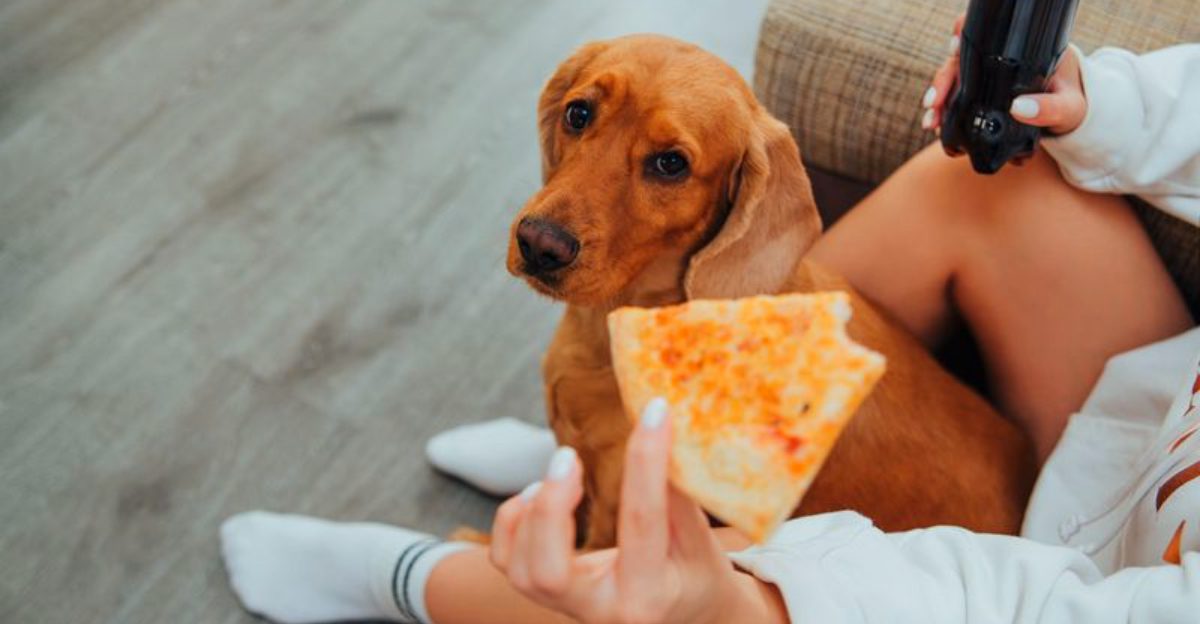
Your dog’s belly is whispering clues long before it screams for help. Small feeding habits can quietly chip away at digestion, leaving gas, loose stools, or mysterious midnight yard trips.
The good news is you can fix most of it with simple, consistent changes. Here are the everyday mistakes to avoid and what to do instead.
Overfeeding portions
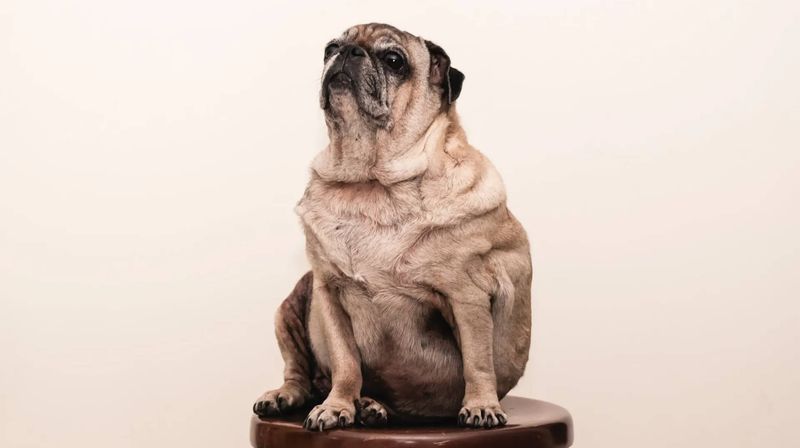
Oversized portions slowly stretch a dog’s stomach and stress the digestive tract. Extra calories linger in the gut, ferment, and can trigger gas, loose stools, and discomfort.
When the bowl looks bottomless, dogs lose the natural cue to stop, which invites weight gain and chronic inflammation.
You can protect digestion by measuring meals with a scoop, following the bag’s guideline, then adjusting to body condition. Split the daily ration into two or three smaller meals to ease gastric load and stabilize energy.
If your dog still acts hungry, add warm water or steamed veggies for volume without excess calories. Regular weighing and a body condition score chart help you stay objective, so creeping overfeeding does not reset your dog’s normal.
Feeding table scraps regularly
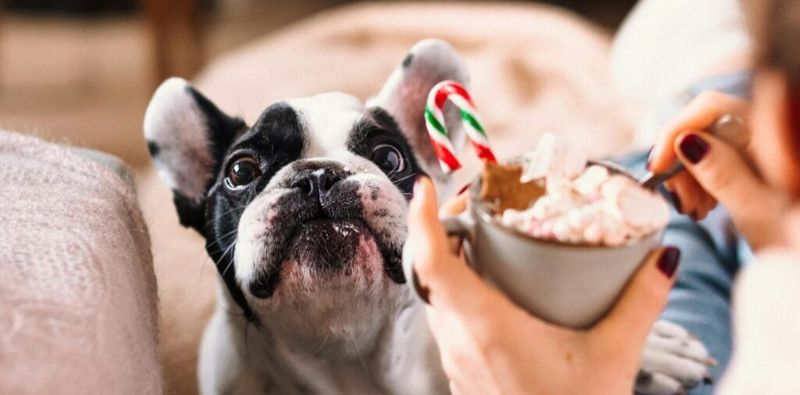
Regular table scraps teach your dog to expect oily, salty bites that overwhelm a sensitive stomach and disrupt balanced nutrition. Human seasonings like onion powder, garlic, and heavy spice can inflame the gut lining and set off bouts of diarrhea.
Fat trimmed from meat seems tasty, but it spikes pancreatic stress and may trigger vomiting, gassiness, or painful pancreatitis episodes.
Keep digestion steady by sticking to complete dog food, saving people food flavors for safe training toppers like plain carrot coins. If family members offer scraps, set a house rule that extras go to a treat jar, counted within the daily calories.
Your dog learns clear boundaries, and the gut thanks you with calm stools, less gas, and fewer late night emergencies.
Frequent sudden food changes
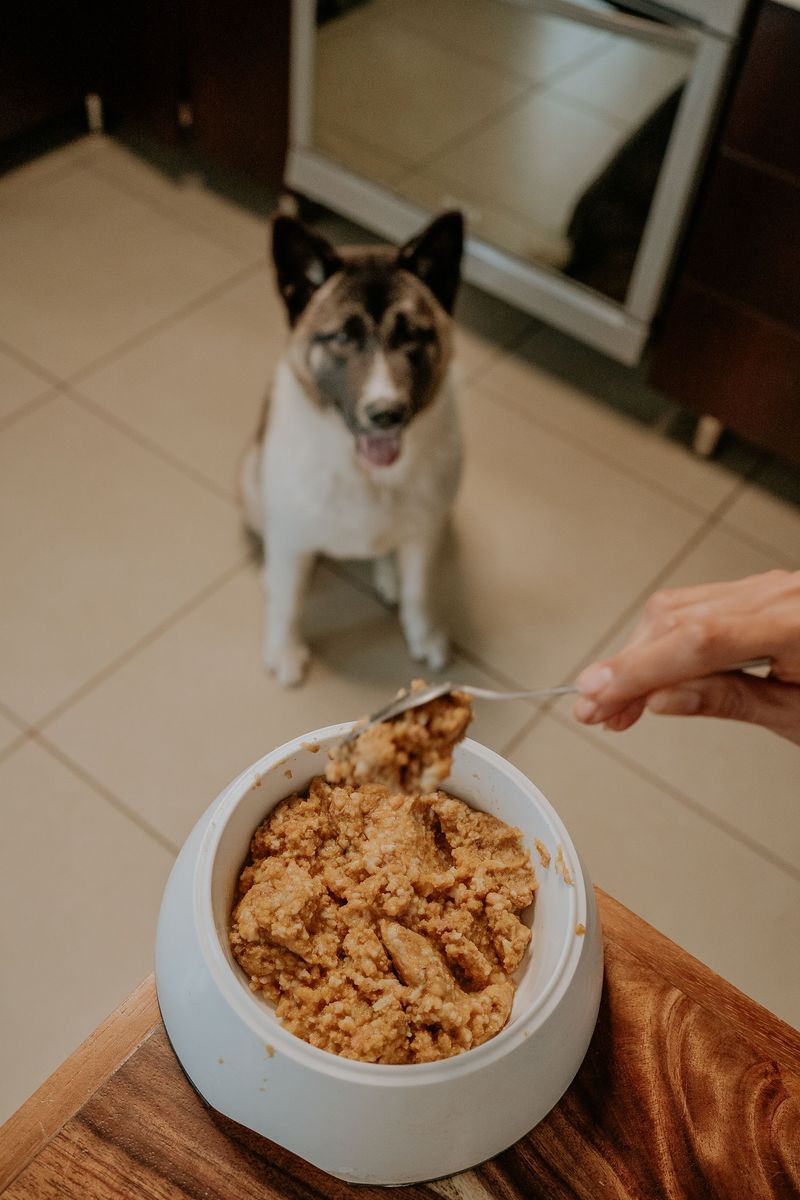
Switching foods abruptly scrambles the microbiome, leaving beneficial bacteria shocked while opportunists bloom, causing gas, bloating, and watery stools overnight. Proteins, fats, and fiber vary widely between brands, so the gut needs time to upregulate enzymes and adjust motility patterns.
Fast switches often appear after a sale or sample, but the aftermath can be days of messy cleanup and discomfort.
Transition gradually over seven to ten days, mixing increasing amounts of the new food while trimming the old in measured steps. Add a spoon of plain pumpkin or a vet approved probiotic to support stool quality during the change at home.
Keep notes on appetite, energy, and stool, so you can slow the timeline if your dog needs a gentler pace.
Too many treats
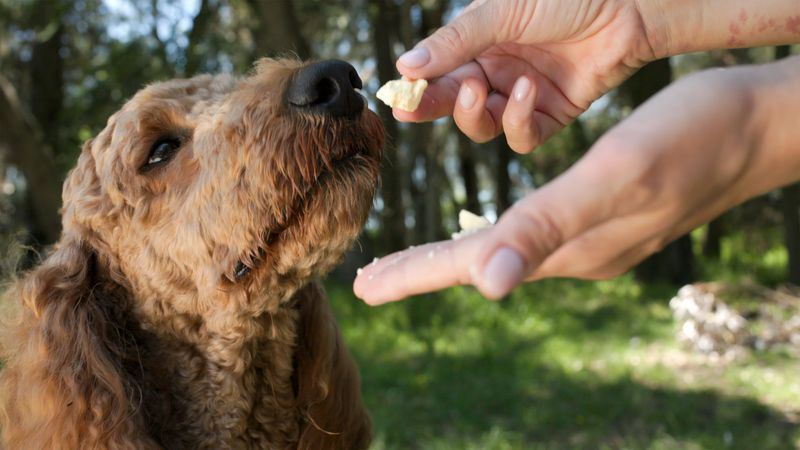
Treats add up quickly, displacing balanced meals and tipping fiber, fat, and minerals away from what your dog’s gut expects. Sugary or high fat bites slow gastric emptying and can ferment in the intestines, leading to burps, gas, and soft stools.
Unlabeled treats at daycare or the park also pile on calories, dull appetite for dinner, and confuse your routine badly.
Set a daily treat budget of ten percent of calories, and use small, crunchy pieces that deliver flavor without overload. Reserve the tastiest options for training jackpots, and swap less active days for fewer rewards to keep digestion consistent overall.
If friends offer extras, hand them your approved bag, so everyone shares, your plan stays intact, and tummies stay happy.
Feeding immediately before or after intense exercise
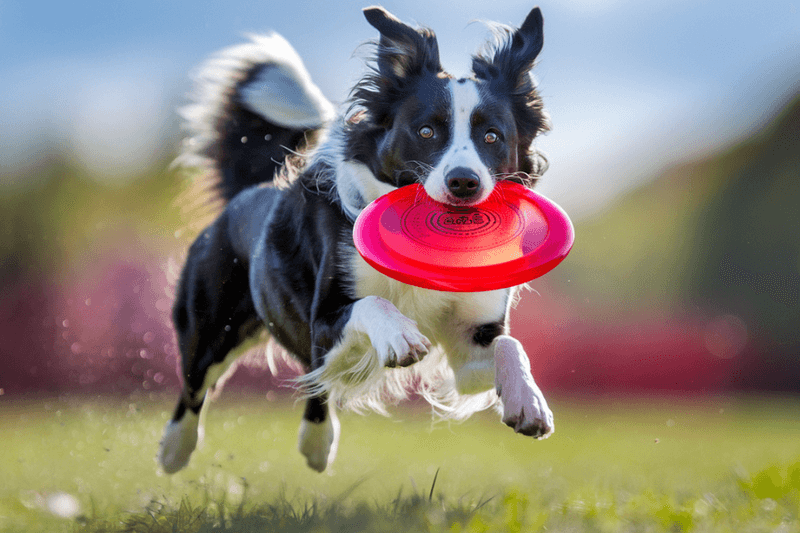
Heavy play on a full stomach raises bloat risk and churns food before it digests, causing nausea, drool, and painful cramping. Feeding right after sprints is similar, because blood still rushes to muscles and not the gut, delaying normal motility significantly.
Some dogs even regurgitate kibble, which invites aspiration and an anxious cycle around mealtimes and exercise that is hard unlearn.
Aim for a one to two hour buffer before workouts, and wait at least an hour afterward before offering a measured meal. Hydrate with cool water in small sips, then use a calm sniffy walk to settle breathing and prime digestion gently.
This rhythm protects the stomach, keeps stools consistent, and helps your dog associate food and fun without belly drama later.
Irregular meal schedules
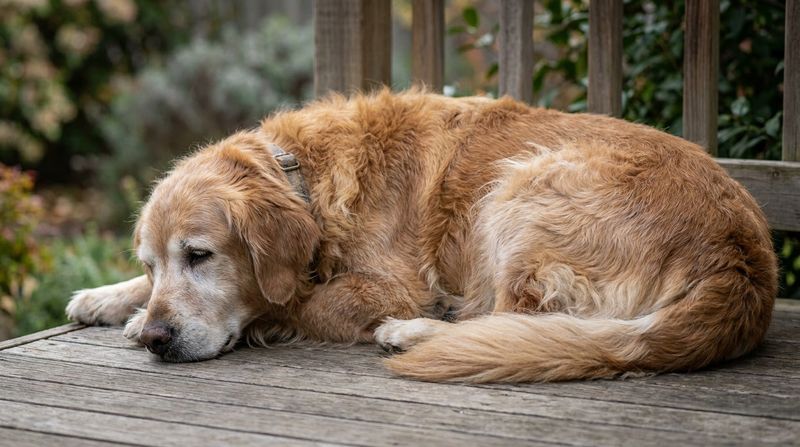
Feeding at random times confuses circadian rhythms that guide enzyme release, bile flow, and bowel movements throughout the day entirely. Long gaps then big meals can spark vomiting of bile in the morning and overeating that stresses the stomach lining.
Inconsistent timing also makes housetraining harder and masks patterns that help you spot brewing food sensitivities early before they escalate.
Pick predictable windows, like seven in the morning and six at night, and protect them with reminders on your phone. Your dog’s gut anticipates fuel, hunger stabilizes, and stools become easier to predict and easier to clean after every meal.
If life gets chaotic, pre portion meals, ask a neighbor for help, or use a timed feeder to preserve consistency.
Giving rich or fatty foods
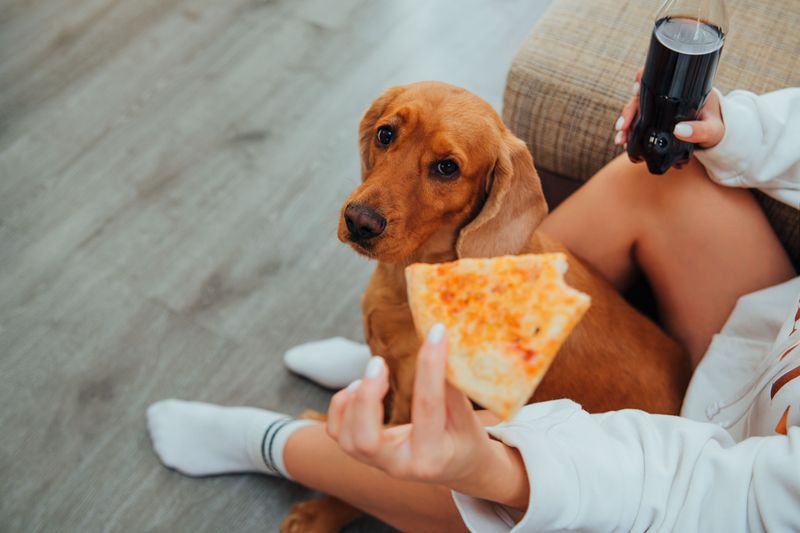
Rich gravies, skin, and buttery sauces overwhelm canine bile capacity, delaying digestion and leaving heavy fat to irritate the intestines. That excess can flip gut bacteria, loosen stools, and raise the risk of pancreatitis, a dangerous and excruciating emergency condition.
Even small amounts build up when offered often, especially for small breeds or couch potato days with minimal calorie burn.
Skim visible fat, skip pan drippings, and choose lean proteins like skinless chicken or white fish prepared without heavy oils. If your dog has a sensitive stomach, ask your vet about a low fat diet and supportive supplements like omega 3s.
Your goal is steady energy, comfortable stools, and a happy belly that does not complain after every celebratory dinner shared.
Allowing dogs to eat too quickly
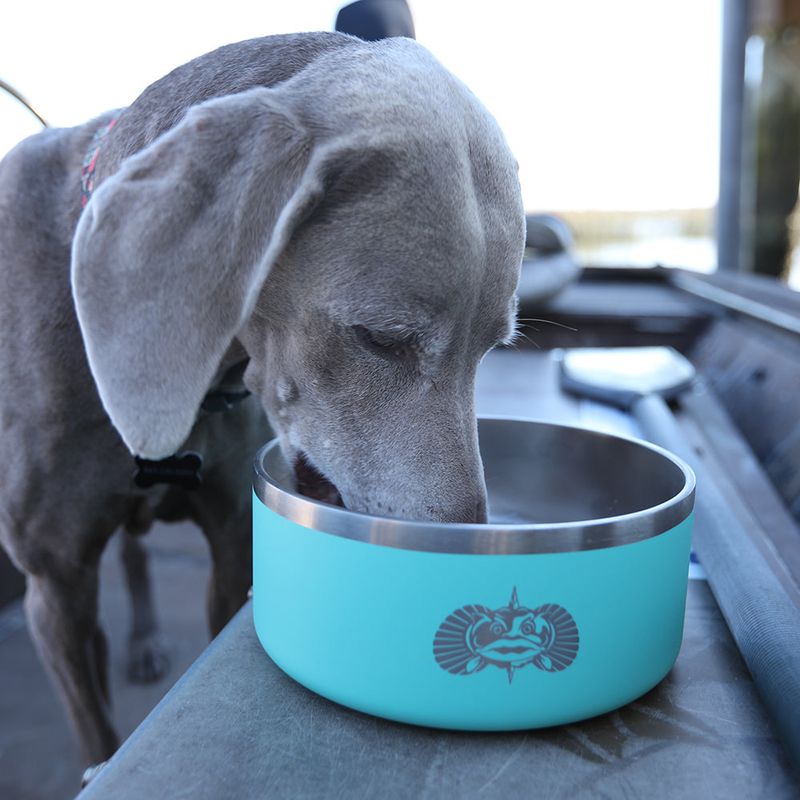
Gulping piles of kibble pulls in air, stretches the stomach, and can set the stage for regurgitation or dangerous bloat. Fast eating also limits chewing, so large pieces reach the gut and demand extra acid, which irritates sensitive tissue inside.
Your dog may cough, hiccup, or seem uncomfortable after meals, then beg again because fullness signals arrive too late anyway.
Use a slow feeder bowl, muffin tin, or snuffle mat, and split meals into smaller portions spaced several minutes apart. Add warm water to kibble to encourage licking, not gulping, and practice simple cues so excitement stays under control better.
With patience and structure, digestion becomes calmer, and you will see fewer burps, cleaner floors, and more comfortable naps afterward.
Offering spoiled leftovers
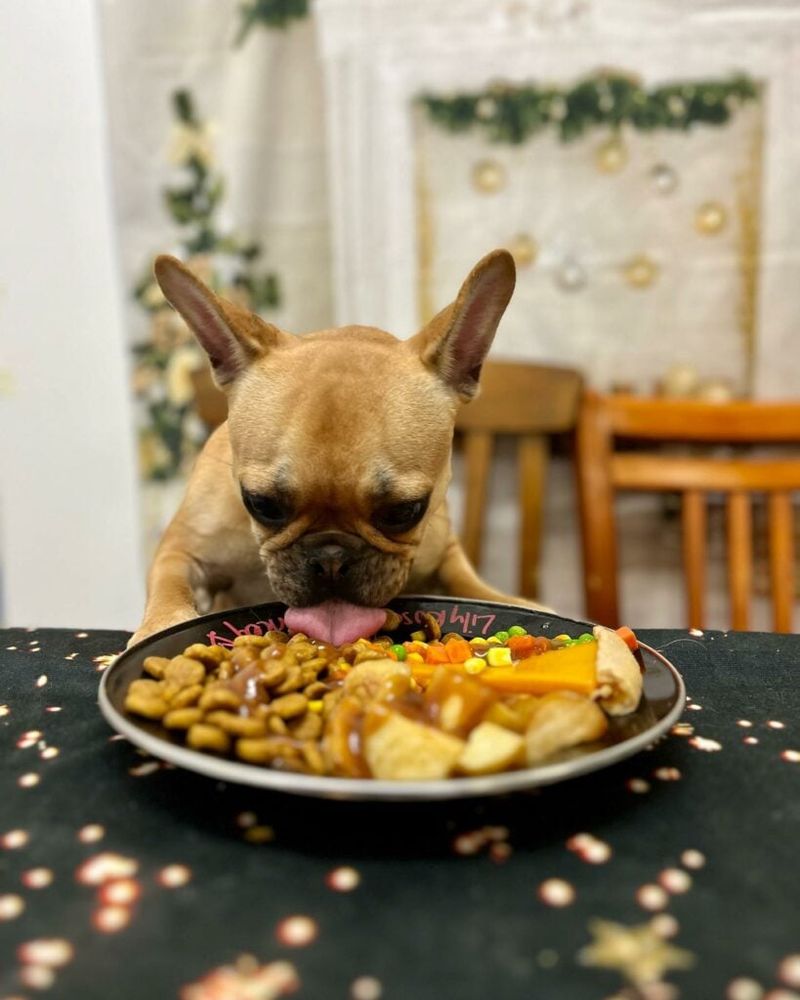
Leftovers that sat out invite bacterial growth and toxins that survive reheating, leaving the gut irritated and stools unpredictable later. Moldy bits can contain mycotoxins, while rancid fats oxidize and inflame tissues, sparking vomiting, diarrhea, or a scary emergency visit.
Even sniff tests fail, because dogs tolerate odd smells, and some contaminants are invisible until symptoms appear in your home.
Use airtight containers, refrigerate within two hours, and label dates so you can toss food before it becomes risky altogether. Better yet, cook fresh toppers in small batches and freeze portions, thawing only what you will serve that day safely.
When in doubt, throw it out, and protect your dog’s digestion with simple, safe, and timely food handling every time.
Excessive dairy products
Many dogs lack lactase, so dairy passes undigested into the colon, feeding bacteria and creating gas, cramping, and watery stools. Cheese cubes seem tiny, but the fat and salt stack fast, disturbing the stomach and teaching begging that derails healthy routines.
Yogurt with sweeteners or additives may add bloat and sugar swings that unsettle behavior and bathroom breaks during the day.
If you want dairy, try lactose free options in pea sized amounts, and watch stools over forty eight hours afterward. Use plain goat milk or kefir sparingly as a topper, but count calories and reduce other treats accordingly each day.
When signs appear, pause dairy completely, support hydration, and return to a simple diet while the gut rebalances at home.
Constant free-feeding without portion control

Leaving the bowl full all day disconnects eating from hunger, encouraging nibbling that taxes digestion and masks early tummy upsets. Some dogs stress graze, while others overindulge, both leading to weight gain, insulin swings, and sluggish, uncomfortable stools over time.
You also lose the ability to notice appetite changes that could flag pain, parasites, or brewing illness at an early.
Serve measured meals on a schedule, then pick up the bowl after fifteen minutes to restore clear hunger and satiety cues. Use puzzle feeders to earn food, add crunchy vegetables for volume, and track body condition every two weeks at home.
Soon, digestion steadies, energy returns, and you can read your dog’s signals with confidence again during walks and playtime together.