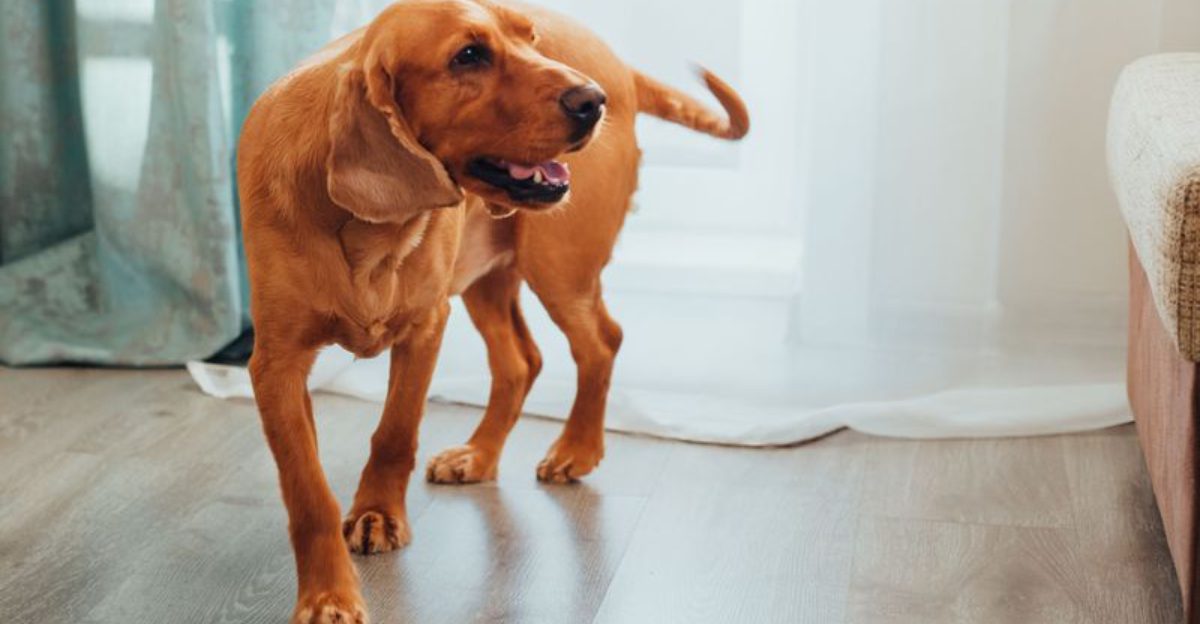
Dogs rarely misbehave on purpose. Most of the time, they are telling you they need a job, some clarity, or a better outlet for their energy.
If you have been feeling frustrated or a little lost, you are not alone. Use these signs to spot what your dog is asking for and turn chaos into connection.
Excessive barking
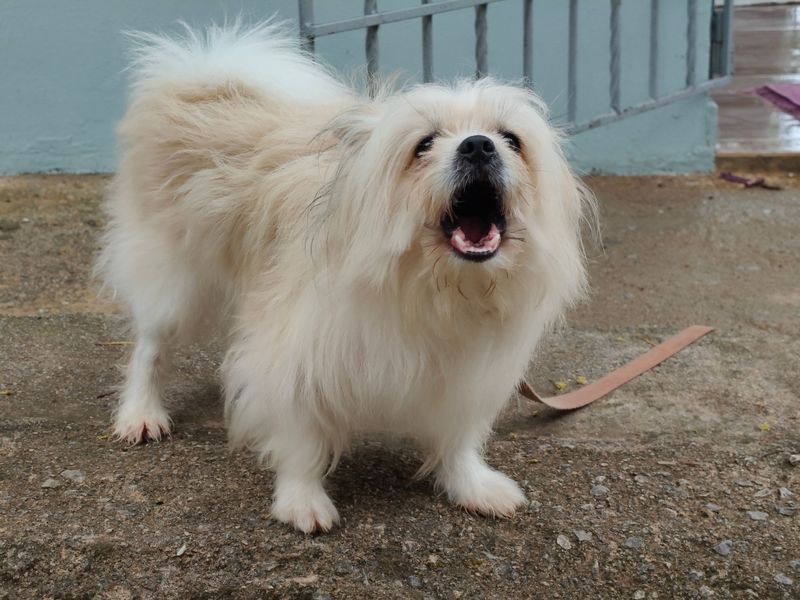
When barking never seems to stop, your dog is likely asking for structure, outlets, or reassurance. It often spikes with boredom, pent up energy, or triggers like squirrels and delivery trucks.
Think of it as a pressure valve that needs a smarter release.
Give the voice a job. Add sniff walks, mini training bursts, and puzzle feeders that make your dog think and earn.
Teach a quiet cue by rewarding calm seconds and gradually stretching them. Manage views with curtains, provide a chew station, and practice place training during predictable triggers.
Small, consistent wins turn noisy habits into relaxed confidence.
Destructive chewing

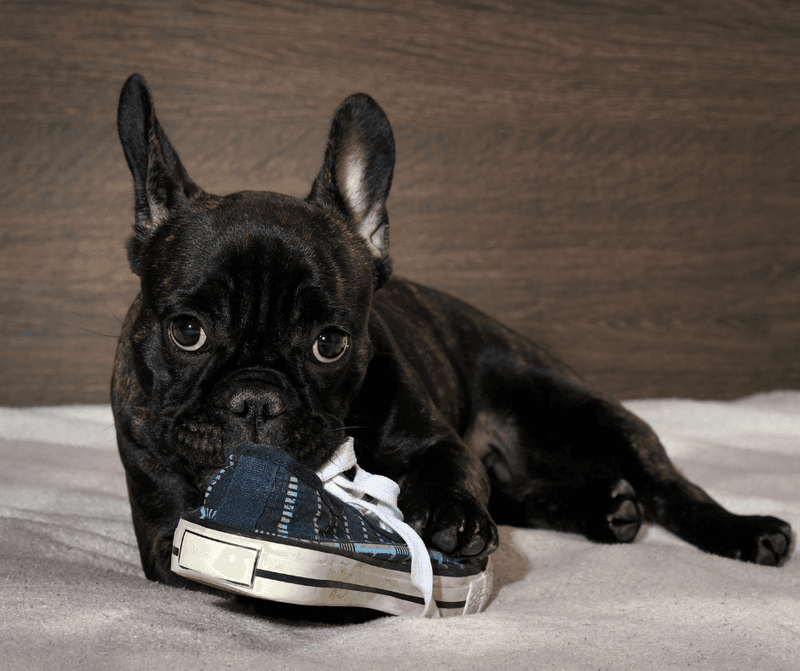
Chewing is normal, but wrecking shoes, walls, or furniture signals unmet needs. Puppies explore with teeth, and adult dogs self soothe the same way.
If you return to confetti couches, your dog is coping without guidance.
Redirect, do not scold late. Supply a chew menu with varied textures like rubber, nylon, and safe natural options.
Rotate choices to keep novelty high, and pair with supervised chew sessions after exercise. Use tethered settle time while you work.
Crate or pen when you cannot supervise, and reward choosing the right item. Layer in scatter feeding, licky mats, and short training games to tire the brain so the mouth can relax.
Digging constantly
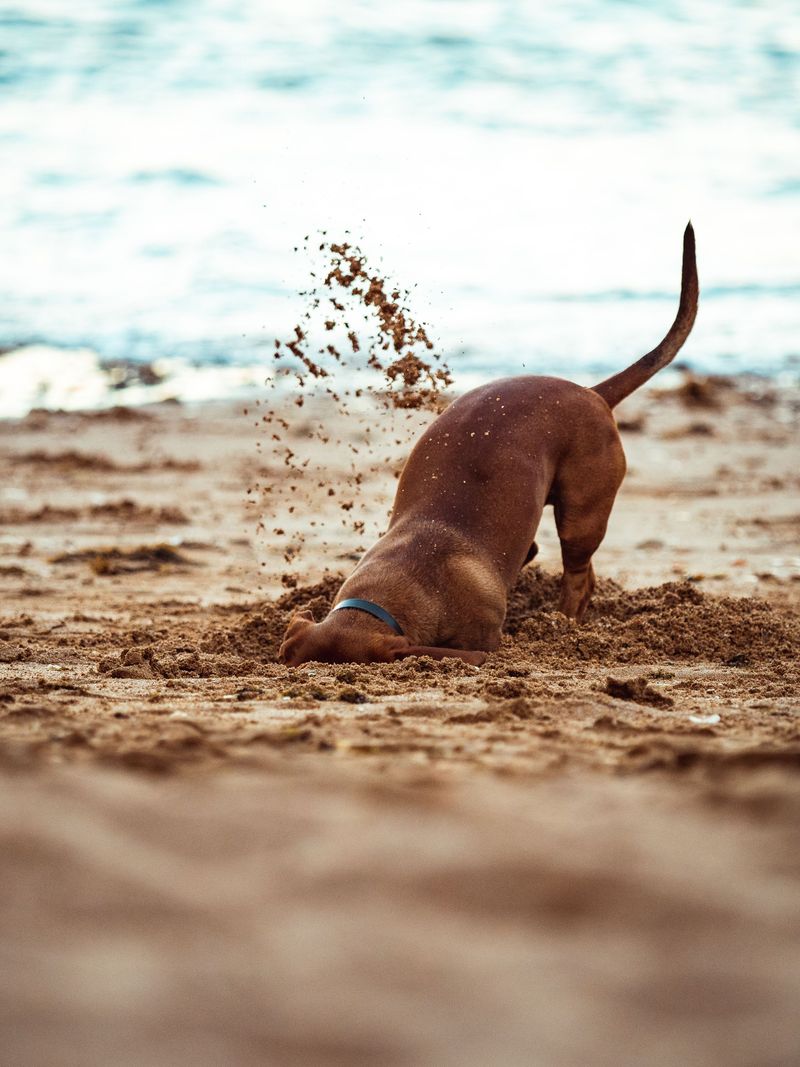
Persistent digging usually means your dog needs an outlet, is hunting scents, or is cooling off. Terriers and scent hounds especially love turning dirt.
Instead of fighting instinct, channel it.
Create a legal dig zone. Fill a sandbox with sand or loose soil, bury toys or treats, and cue “dig” so your dog knows where the fun lives.
Provide shade and water to reduce temperature digging. Use long sniffy walks and nosework games to satisfy the same drive indoors.
Block off garden beds with fencing and supervise. Reward paws that choose the sandbox.
When you meet the need on purpose, random craters fade and your yard survives.
Pacing indoors
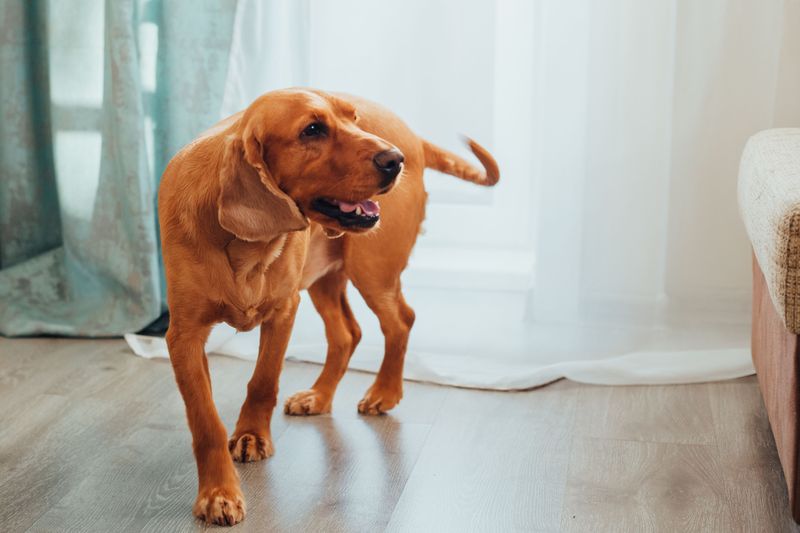
Endless laps from room to room can signal stress, restlessness, or unmet movement needs. Sometimes it is anticipation before meals or walks.
Other times, it is your dog trying to downshift without a plan.
Give a map for calm. Schedule predictable exercise, then guide a decompression routine with sniffing, chew time, and a settled mat.
Teach a place cue and reward stillness in small increments. Use calming scatter feeds and slow sniff walks rather than constant fetch.
Keep evenings low arousal with lights dimmed, music soft, and a comfy bed. If pacing persists, rule out pain with your vet.
Gentle structure helps your dog trade frantic loops for restful loops.
Attention-seeking behaviors
Nudging, pawing, whining, and interrupting calls or laptop time are classic bids for engagement. Your dog has learned these buttons work.
The good news is you can rewrite the script.
Teach a routine that pays calmer choices. Ask for sit, down, or a quick touch, then reward with play or affection.
Sprinkle short training games through the day so your dog does not need a drama moment to connect. Use a settle station with a chew when you need focus, and pay quiet with occasional treats.
Ignore pushy behavior, then reinforce the first calm breath. The message becomes clear and kind.
Restlessness at night

When nights turn fidgety, your dog might be under exercised, too hot, too cold, or lacking a soothing routine. Late snacking, loud streets, or inconsistent bedtimes can keep brains buzzing.
Rest requires a runway.
Create an evening wind down. Finish exercise earlier, then use sniffy walks, food puzzles, and a licky mat to melt stress.
Keep lights low and sound gentle. Offer a consistent bed, breathable bedding, and water nearby.
A short potty trip and final calm training rep help the brain close tabs. If your dog is older, check for pain or bathroom needs.
Predictability teaches the body that sleep is safe.
Excessive licking
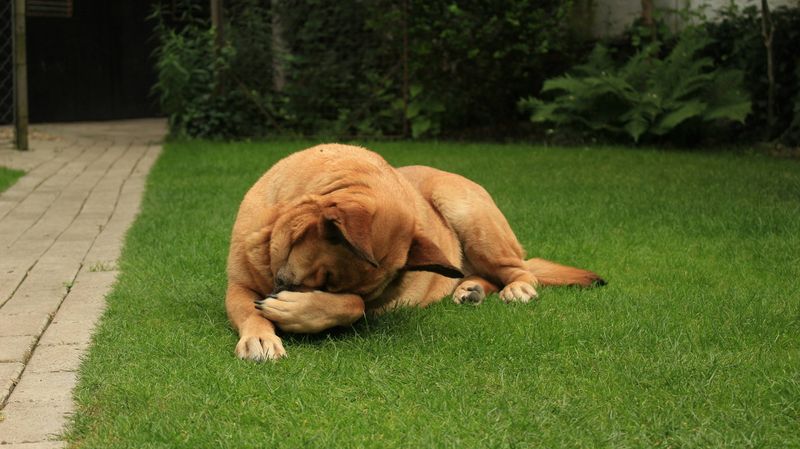
Paw or air licking can be stress relief, boredom, allergies, or pain. It easily becomes a habit because it self soothes.
Look for patterns after walks, meals, or when alone.
First, rule out medical issues with your vet. Then build better soothing.
Add gentle enrichment like snuffle mats, licky mats, and calm training to give the tongue a job. Dry paws after grass, adjust diet if advised, and use booties for allergens.
Teach settle on a mat and reward relaxed body language. Interrupt kindly with a cue and redirect to a chew, then praise calm.
Meeting needs upstream shrinks the compulsion downstream.
Escaping the yard
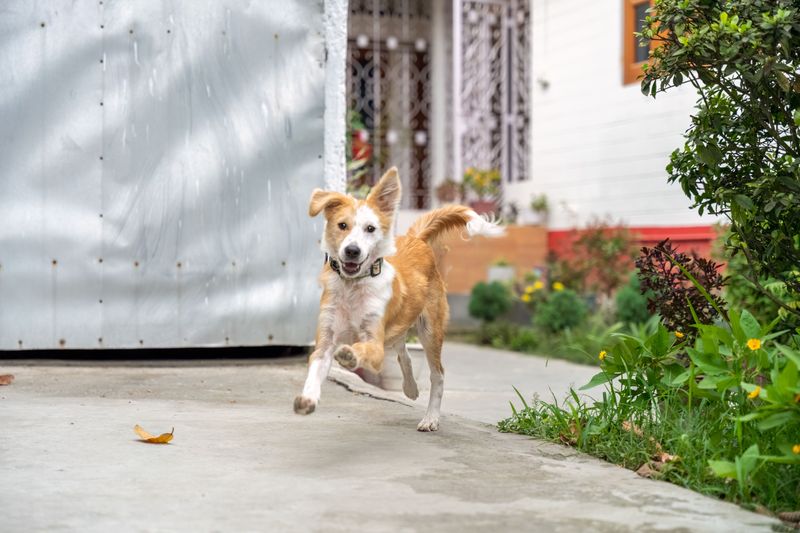
Bolting over or under fences often means curiosity, loneliness, or chase drive wins. If the world is more interesting than home, the adventure picks your dog.
Safety must come first.
Fortify and fulfill. Repair gaps, raise fence height legally, add dig guards, and supervise.
Microchip and use an ID tag. Inside the yard, make home worth staying with scent games, flirt pole sessions, and shaded rest zones.
Practice recalls on long lines and pay big for returning. Rotate activities so novelty lives inside the fence too.
When needs are met and boundaries are clear, escape attempts drop dramatically.
Chasing everything that moves
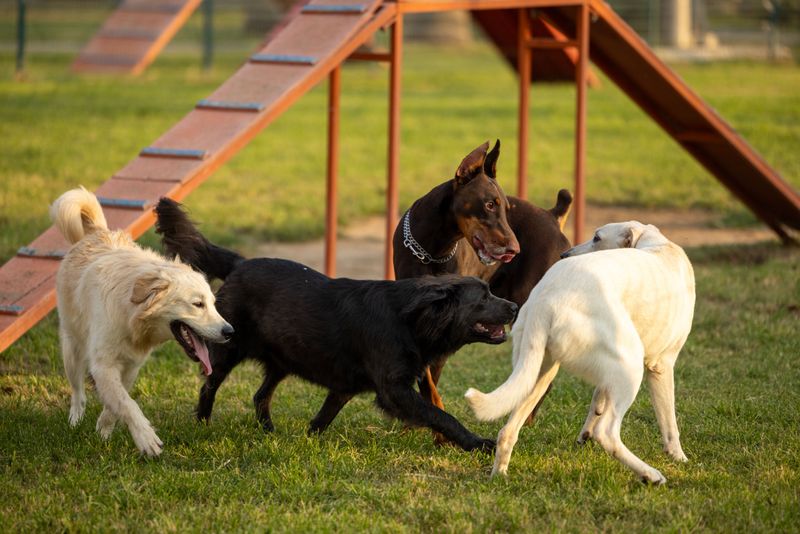
Chase is joy for many dogs, but it can be dangerous. Bikes, squirrels, and joggers light up instincts.
Without training, your dog will choose the sprint every time.
Channel, then teach control. Use long lines, flirt poles, and fetch to satisfy the urge safely.
Layer impulse control with games like sit to chase and middle position. Reinforce look at that, capturing glances at triggers and paying orientation back to you.
Practice pattern games and strong recalls away from heat. Add distance, then gradually close it as skills improve.
Meeting the need makes stopping possible.
Ignoring known commands
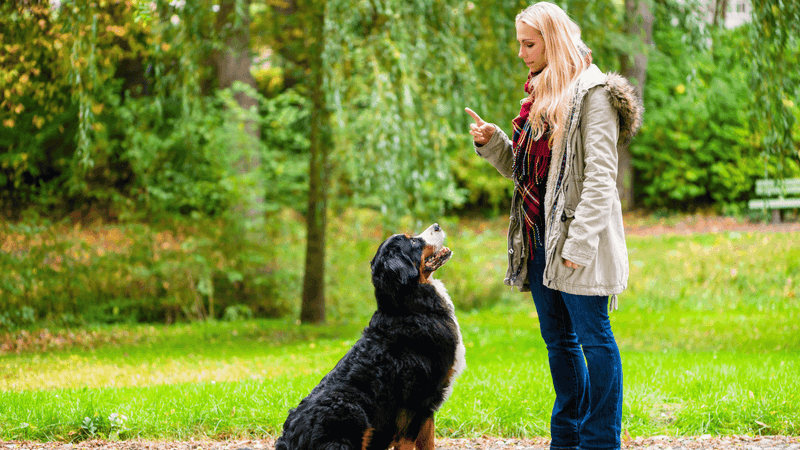
Blown cues rarely mean stubborn. They usually mean confusion, distraction, or low payoff.
If the environment pays better than you do, your dog is just being practical.
Rebuild in easy steps. Refresh cues at home, then add mild distractions and distance gradually.
Pay generously with food, play, and access to life rewards like sniffing. Keep sessions short and upbeat.
Use clear hand signals and consistent marker words. If the cue has turned to background noise, rename it and start clean.
When you become the best option in the room, responsiveness returns.
Hyperactivity indoors
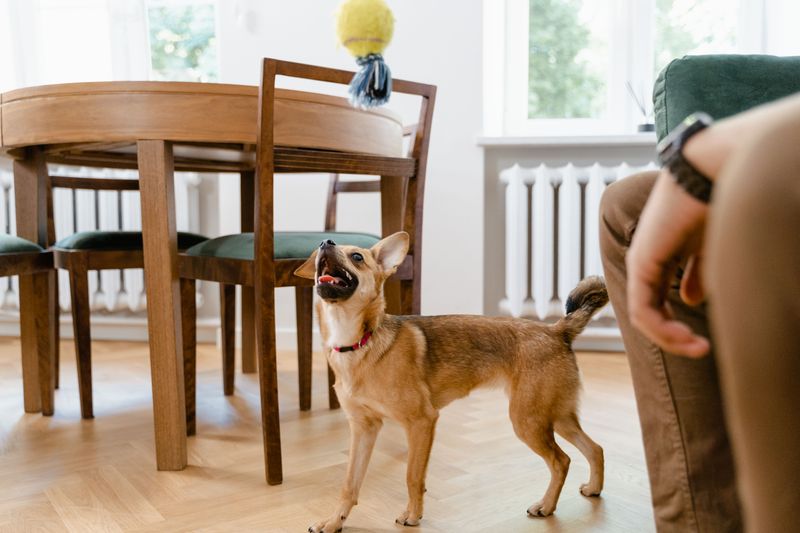
Nonstop zoomies and couch launching often point to unmet movement and thinking needs. Dogs built to work can unravel inside four walls.
More fetch is not always the fix.
Trade chaos for structure. Start with a brisk sniff walk, then mix short training, scatter feeding, and a chew to shift gears.
Use place training to teach off switches and pay calm heavily. Try treadmill conditioning or flirt pole outside, not in the hallway.
Keep arousal balanced with nosework and shaping games that tire the brain. A predictable rhythm helps energy land softly.
Constant demand for interaction
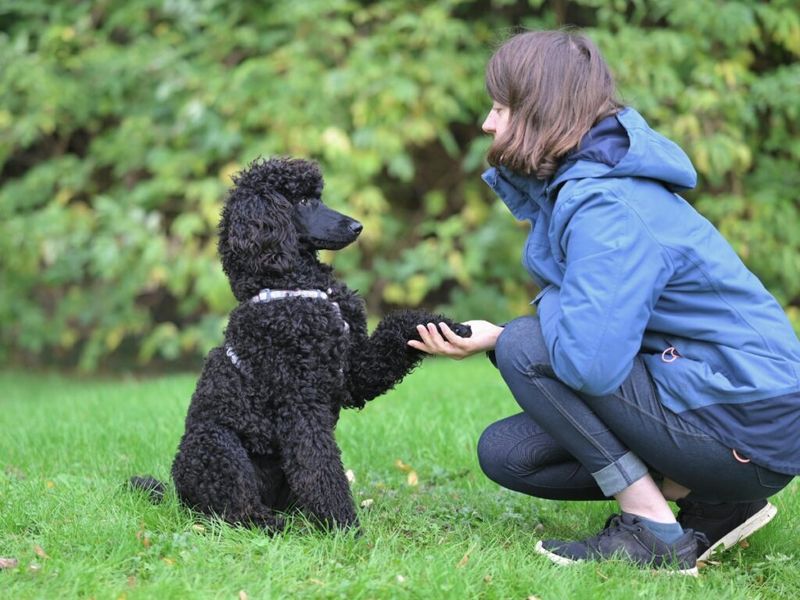
When your dog insists on endless fetch, nudges, or stares, you might be missing scheduled, satisfying engagement. Random attention teaches random pestering.
Clear containers hold water better than leaks.
Build daily touchpoints. Plan short play bursts, training snacks, and sniff breaks, then protect off time with a settled mat and a chew.
Use cues to start and stop games so your dog trusts the pattern. Reward independent relaxation and sprinkle surprise payouts for quiet.
When needs are met predictably, the constant asks fade into comfortable company.