
Some dogs speak volumes without wagging a tail or flashing a big grin. These observant breeds watch first, act second, and often get mislabeled as aloof or unfriendly.
If you have ever wondered why a calm stare replaces obvious excitement, you are about to meet the masters of quiet reading. Understanding their subtle signals helps you build trust, confidence, and an incredible bond.
Akbash
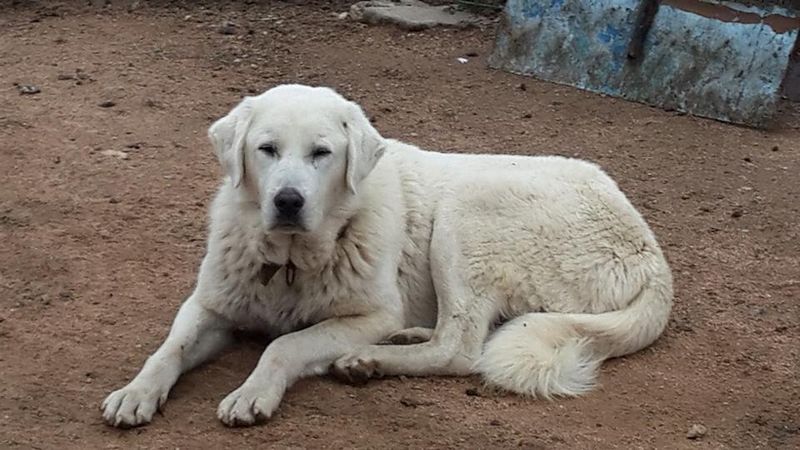
The Akbash is a quiet sentinel, built for long hours of watchful work. You will notice the calm scanning eyes before any tail wags.
They read the environment like a book, saving energy for the moments that matter.
People sometimes call them distant, but that stillness is thoughtful presence. Approach slowly and respectfully, and you will feel their confidence wrap around the space.
They protect with posture and placement more than noise.
Training shines when you reinforce independence and reward steady decisions. Routines, clear boundaries, and patient socialization help them bloom.
Give them a job, a vantage point, and your steady trust, and they quietly become your unwavering guardian.
Maremma Sheepdog
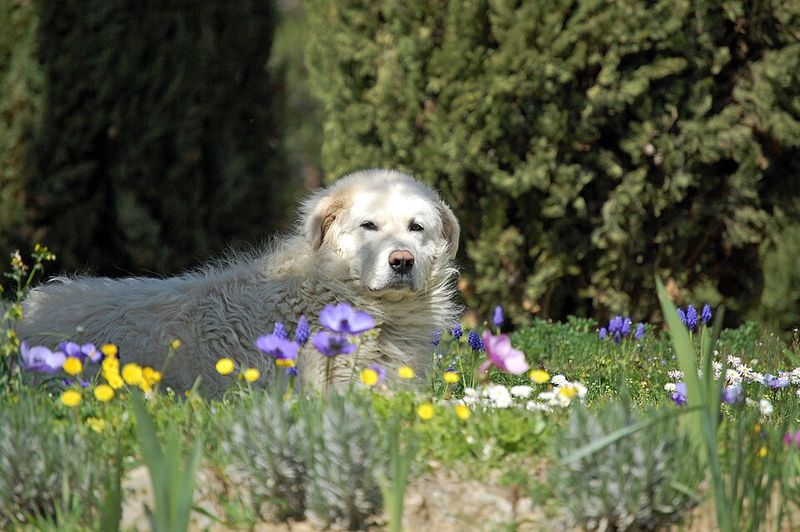
The Maremma Sheepdog watches first and decides later. You might expect cuddly enthusiasm, but you will get composed attention.
Their affection shows in proximity and patience, not exuberant displays.
They thrive when given purpose, like patrolling a yard or keeping gentle tabs on family movement. Strangers may get a measured greeting, sometimes just a steady look.
That quiet scrutiny is their language of care.
Train with calm repetition and respect their autonomy. Overhandling can shut them down, while clear rituals unlock their best judgment.
Provide space to observe, a predictable routine, and moderate challenges, and you will uncover an intensely loyal, thoughtful partner.
Karst Shepherd
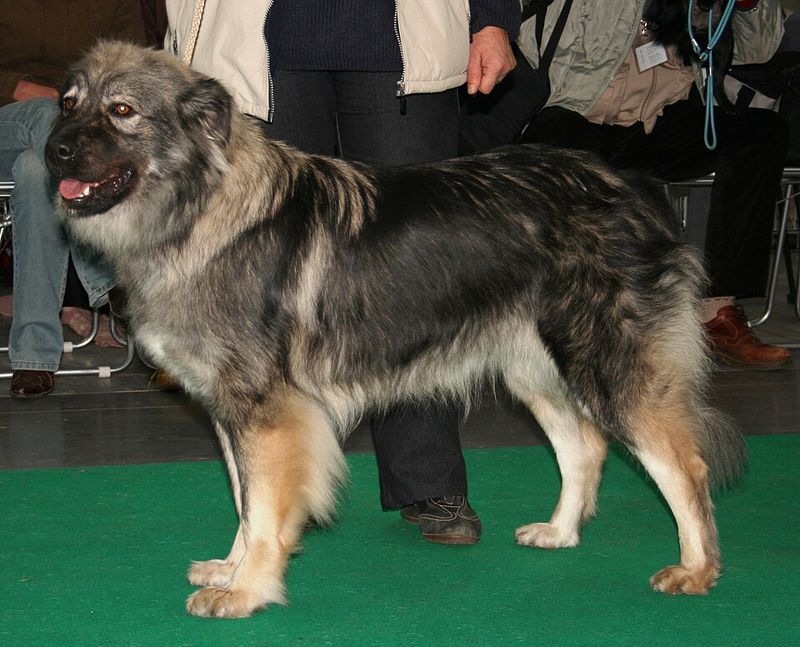
Karst Shepherds carry a rugged calm that can be misread as indifference. They are specialists in quiet analysis, choosing presence over performance.
You will feel their attention even when they hardly move.
They tend to bond deeply with family while evaluating newcomers with patience. A gentle introduction and consistent structure earn trust.
Their protective instincts are precise rather than flashy.
Training benefits from practical tasks and short, meaningful sessions. Ask for thoughtful behaviors like settling, stationing, and slow recalls.
When you allow them to think through problems, they shine, showing intelligence that prefers subtlety over showmanship.
Pyrenean Mastiff
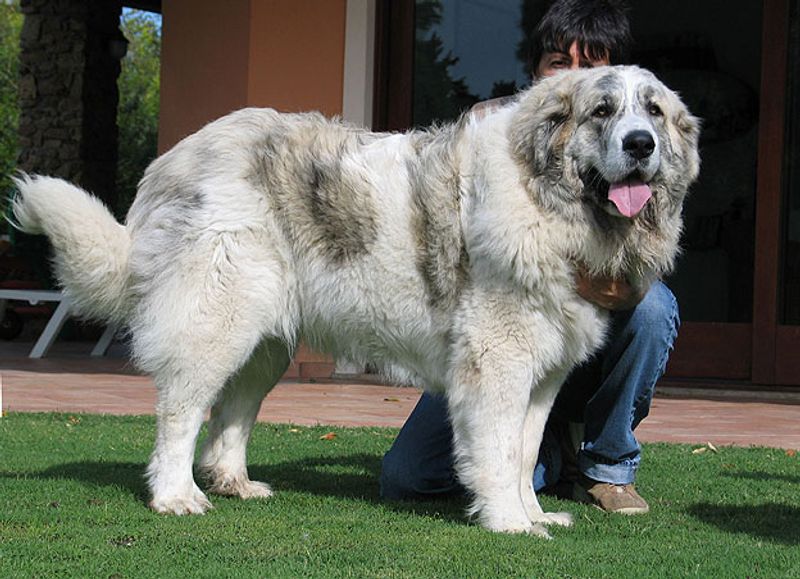
The Pyrenean Mastiff looks imposing, yet the personality is measured and kind. They observe calmly, gauging intention before choosing to act.
You might miss their affection if you expect obvious fanfare.
They prefer slow greetings and predictable routines. With family, their devotion shows in steady companionship and quiet positioning near doors or children.
They are less interested in tricks and more in keeping harmony.
Use low pressure training focused on manners, leash skills, and reliable boundaries. Reward calm choices, not just speed.
Give them space to settle and watch, and their protective nature becomes a gentle umbrella over your life.
Estrela Mountain Dog
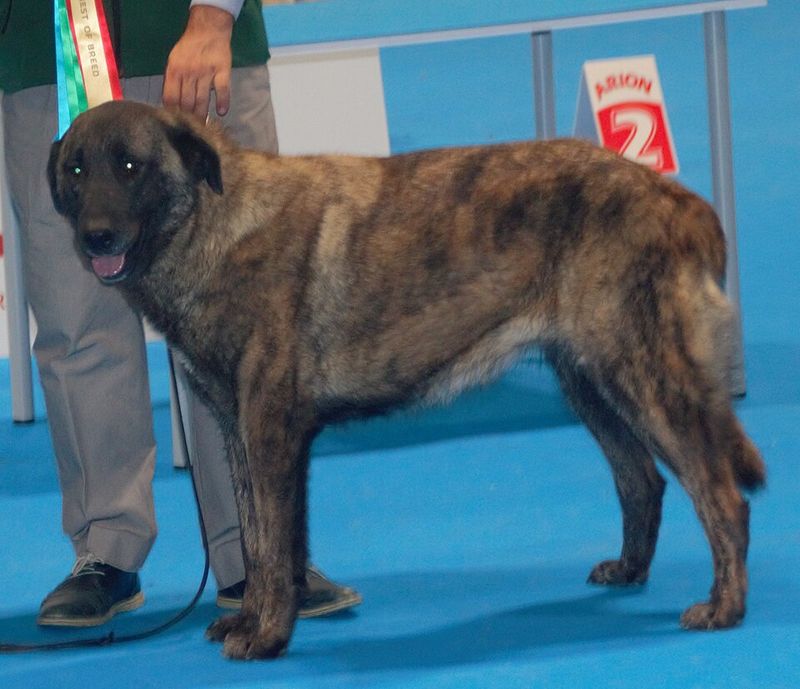
The Estrela Mountain Dog meets the world with steady eyes and grounded feet. You will not get constant kisses, but you will get unwavering presence.
They listen to the wind, watch the paths, and chart their own conclusions.
With strangers, expect thoughtful distance, not rudeness. Their bond with family grows through shared routines and mutual respect.
They regulate energy carefully, choosing when to engage.
Training should emphasize choice, patience, and calm reinforcement. Practice boundary games, cooperative care, and confident leash work.
Offer responsibilities like yard patrol or gentle escort duties, and you will see a quiet, loyal guardian emerge.
Tornjak
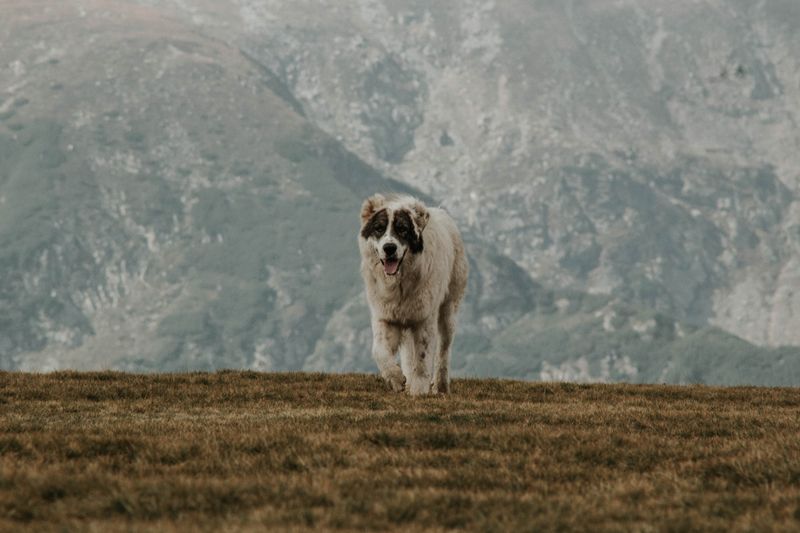
The Tornjak prefers thoughtful observation over big reactions. You will notice their presence like a steady drumbeat, not a loud cymbal.
They assess from a distance, then step in with purpose.
Socialization should be deliberate and low pressure. New people are best introduced with calm voices and space to sniff.
The connection deepens when trust is invited, not demanded.
Training thrives on clear boundaries and meaningful jobs. Stationing, recall with choice, and polite guardian manners are key.
Reward the calm decisions and you will get a remarkably reliable partner who protects softly but surely.
Šarplaninac
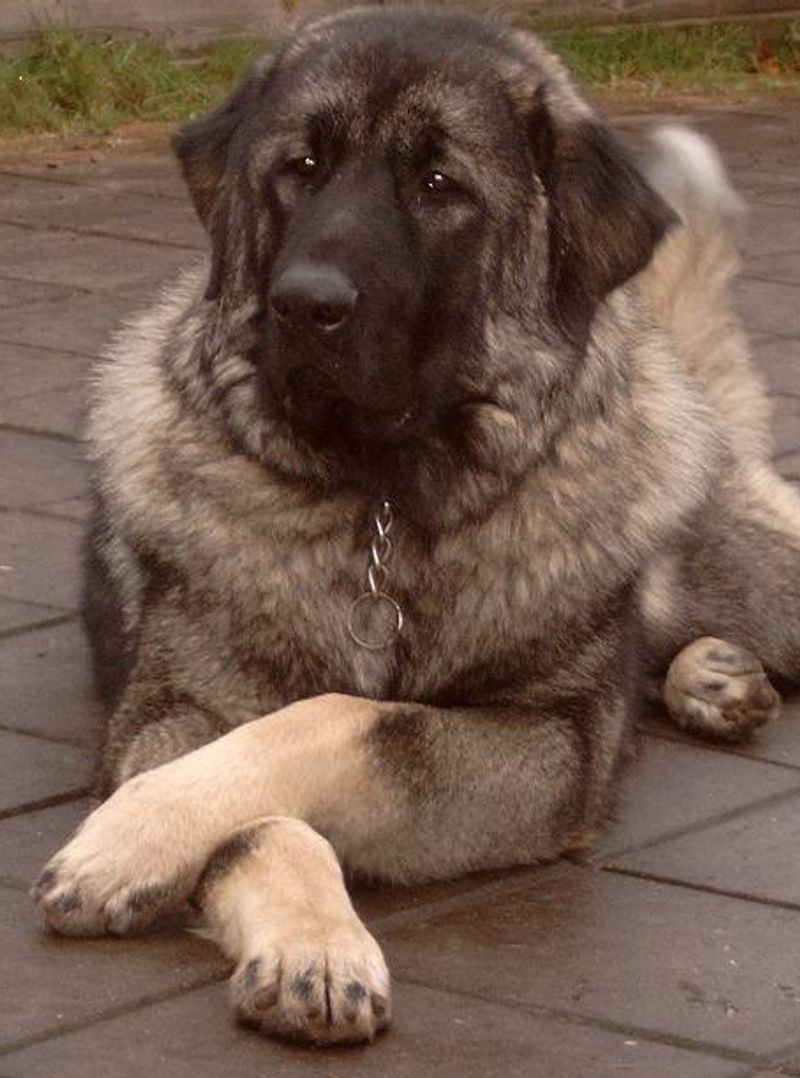
The Šarplaninac communicates with silence and stance. They read micro-movements, noticing things you miss.
That steady gaze can be misread as stubbornness, but it is careful evaluation.
They are loyal without theatrics, guarding by simply being there. Guests get measured tolerance when properly introduced.
Pushy handling backfires, while calm requests earn cooperation.
Training should balance independence and responsibility. Use structured walks, reliable recall, and place work that lets them supervise peacefully.
Give them time to think, and appreciation for their judgment, and you will get a partner of steel wrapped in velvet.
Caucasian Ovcharka
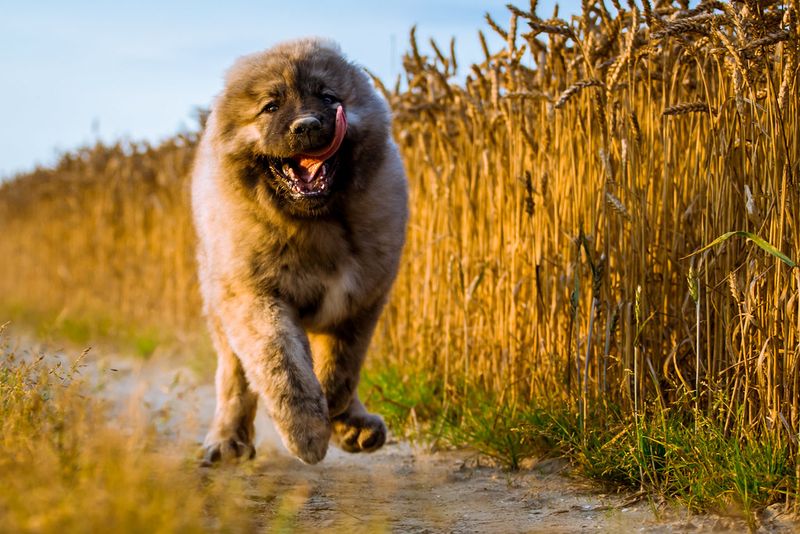
The Caucasian Ovcharka is a fortress in fur, yet it begins with quiet observation. You will see them watch doorways and horizons before they move.
Their loyalty is fierce but not flashy.
They need experienced handling, stable routines, and thoughtful introductions. Strangers are assessed with gravity, and boundaries should be crystal clear.
Affection shows in proximity and patient leaning, not bubbly antics.
Training focuses on impulse control, cooperative care, and confident leash skills. Reward calm choices and disengagement from triggers.
Give them a job and the dignity of space, and they will guard your world with steady resolve.
Central Asian Shepherd Dog
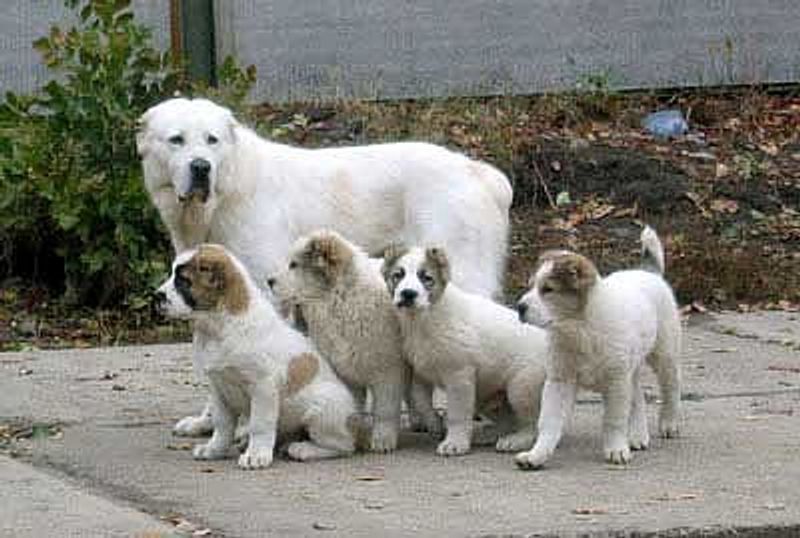
The Central Asian Shepherd Dog embodies pragmatic calm. They conserve energy, scanning quietly before stepping in.
People sometimes label them stubborn, but they simply prioritize meaningful action.
Family bonds are deep yet understated. With visitors, they prefer orderly rituals and respectful distance.
You will earn trust through consistency and clear household rules.
Training should be practical and steady. Reinforce relaxed settling, loose leash routines, and a reliable recall offered as a choice.
Provide purpose, structured freedom, and time to watch, and they return unwavering devotion.
Bucovina Shepherd
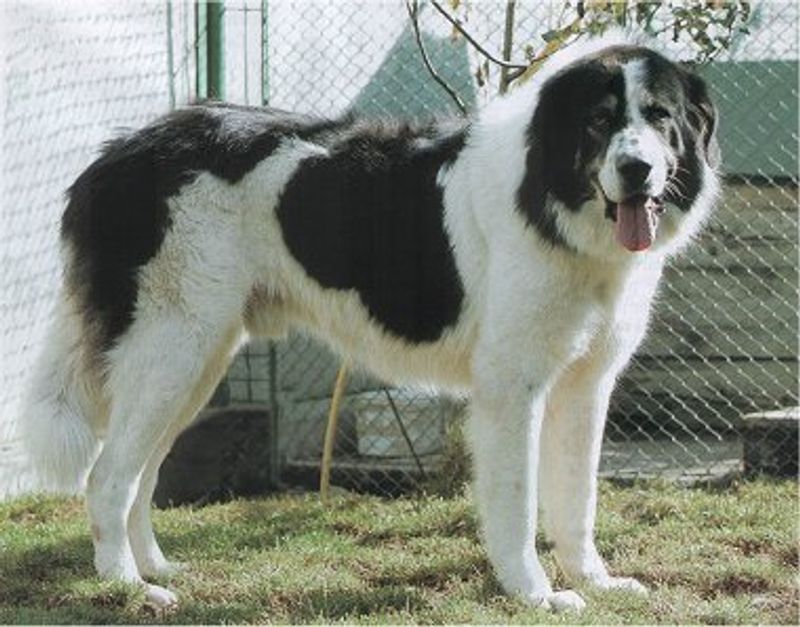
The Bucovina Shepherd calibrates every situation before reacting. You might see a calm statue, but the mind is busy reading patterns.
Their affection is gentle, deliberate, and steady.
They appreciate predictable routines and respectful introductions. With family, they hover close, subtly guiding movement like a quiet usher.
Barking is purposeful, not constant.
Training should highlight cooperative habits: door manners, place work, and checks-ins. Reward balanced choices and soft focus on you.
Give them a meaningful watch post and consistent expectations, and you will have a serene protector.
Aidi
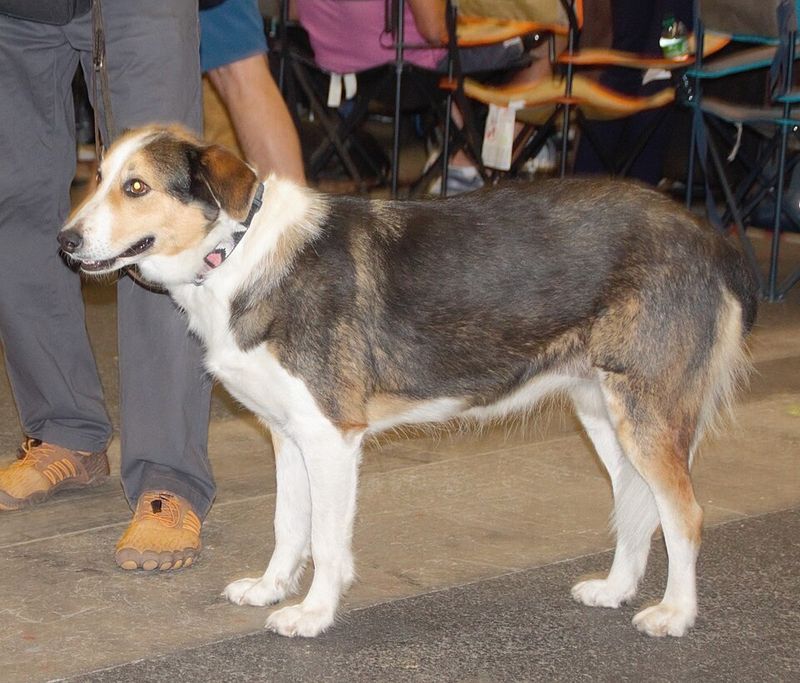
The Aidi is quick-eyed and economical with expression. You get sharp attention instead of showy affection.
They map every sound and scent, ready to respond without fuss.
With family, they are devoted and tidy in their emotions. Strangers receive cautious curiosity when guided well.
Daily structure and purposeful exercise keep them balanced.
Training works best with brief, focused sessions. Teach impulse control, scent games, and calm recalls that respect their independence.
Offer challenges that engage the mind, and you will discover a small but formidable guardian.
Transylvanian Hound
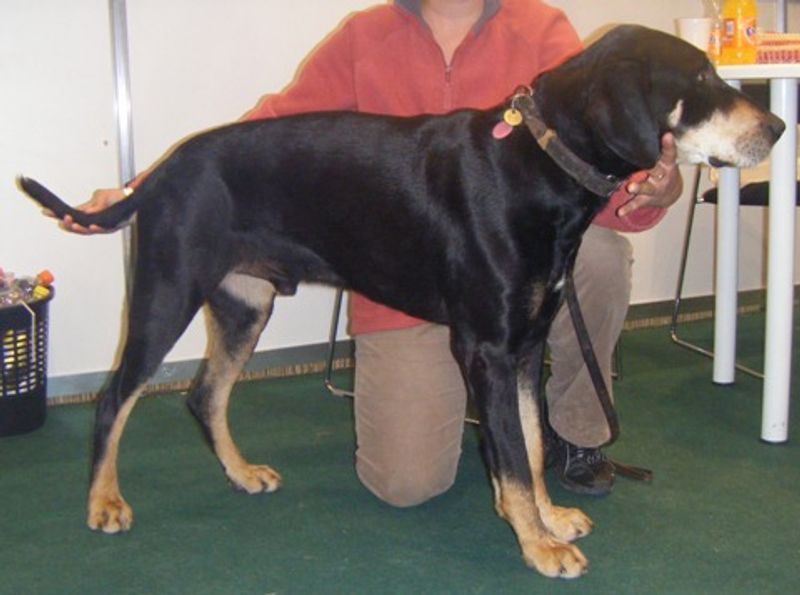
The Transylvanian Hound is more reader than talker. Their face stays composed while the nose writes stories on the wind.
You might miss their excitement because it runs inward, fueling focus.
They bond through shared adventures and patient handling. Novelty needs structure, not pressure.
Give them time to check in with scents and they come alive.
Training should channel instinct into calm tracking games, polite leash work, and thoughtful recalls. Reward attention shifts back to you without demanding constant eye contact.
With respectful guidance, this understated hunter becomes a loyal, quietly brilliant companion.