Some dogs look like natural protectors, but appearances can be misleading when safety truly counts. If you are betting on a friendly face to double as serious home security, you might be setting yourself up for disappointment.
These beloved breeds often charm intruders instead of challenging them. Let’s break down which pups are better at cuddles and companionship than real guard duty, so you can choose wisely.
Labrador Retriever
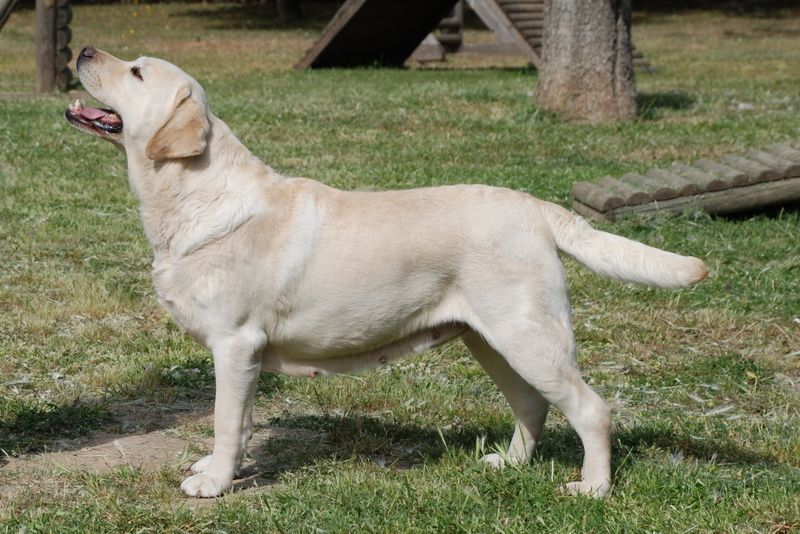
Labradors carry a powerful build and an athletic stance that suggests authority, yet they are notorious people-pleasers. A Lab is far more likely to greet a stranger with a toy than a warning bark.
Their social nature, food motivation, and eagerness to make friends can undermine any guarding expectations you might secretly hope for.
What Labs excel at is family life, assistance work, and outdoor adventures where friendliness is an asset. They learn quickly and love training, but channel that toward retrieval games, not territorial defense.
If you need a watchdog, they will announce visitors, then wag enthusiastically. Count on warmth, not wariness, and choose a breed specifically bred for protection if guarding matters.
Golden Retriever
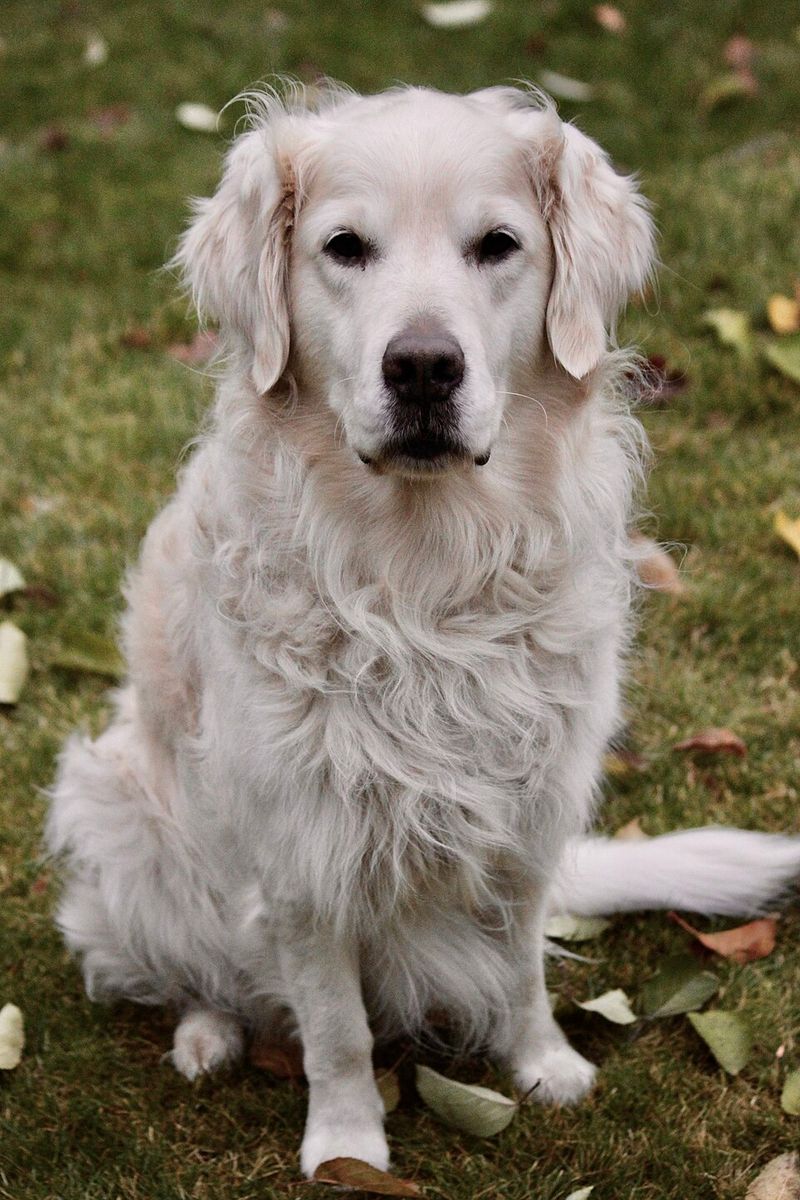
Golden Retrievers project a regal, confident look with their flowing coats and sturdy frames. Still, they are famously gentle, affectionate, and trusting of strangers.
A Golden is the host who offers snacks instead of suspicion, which makes them beautiful companions but unreliable guardians when tension rises.
They will alert you with a bark, then pivot to tail wags and charming lean-ins. Goldens shine in therapy work, family environments, and obedience because they crave human connection.
Their drive to please you outshines any instinct to protect territory. If guarding is your priority, do not rely on a breed whose superpower is empathy.
Let a Golden enhance your life with love while another solution handles security.
Beagle

Beagles look focused and determined, with that detective nose and sturdy frame, but their specialty is scent work, not security. They were bred to track, bay, and socialize in packs, which makes them friendly, vocal, and easily distracted by interesting smells.
Guarding requires measured judgment and boundary enforcement that Beagles rarely value.
Expect plenty of announcing barks, then enthusiastic greetings once someone enters. Their independent streak means they listen when they choose, especially if an irresistible scent trail steals attention.
A Beagle’s talents shine on hikes and games that challenge their nose. If you need actual deterrence, this merry hound will likely invite a stranger to join the adventure instead of standing firm.
Irish Setter
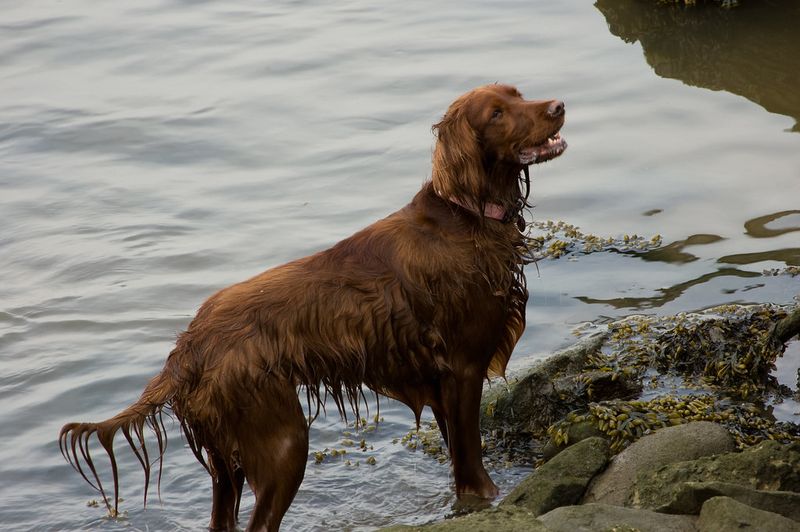
The Irish Setter’s aristocratic silhouette and flowing mahogany coat can look imposing from a distance. Up close, this breed is playful, sensitive, and delightfully social with unfamiliar people.
Their exuberance and high energy push them toward making friends, not interrogating visitors, which compromises any guarding ambitions you might hold.
They thrive with training focused on manners and exercise, not boundary enforcement. Expect them to run, fetch, and entertain rather than plant themselves like a sentinel.
While they may bark to announce activity, they are quick to soften once someone smiles or engages. For protection, choose a breed developed to assess threats.
For joy, elegance, and athletic companionship, the Irish Setter delivers in spades.
Samoyed
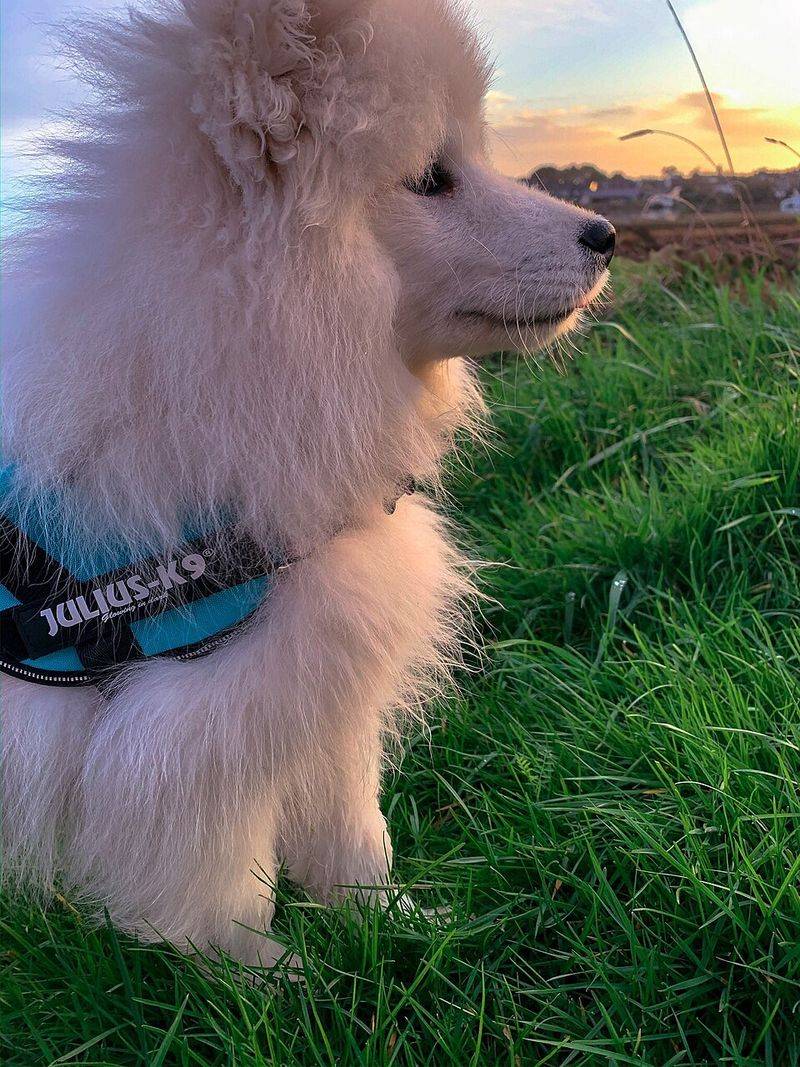
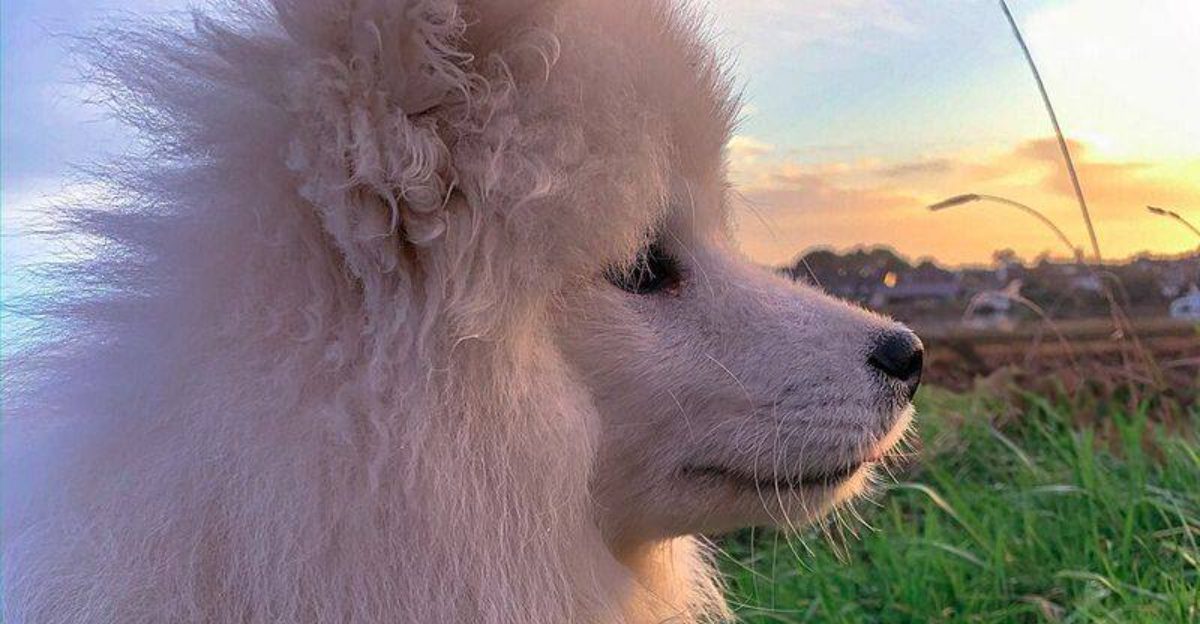
Samoyeds appear like polar guardians with their thick coats and confident posture. In reality, their classic Sammy smile reflects a sunny, people-oriented temperament.
Historically bred to live closely with families and help with tasks, they bond deeply and welcome newcomers with curiosity more than caution.
They can be vocal, which might pass for watchdog behavior, but genuine guarding requires discernment and resolve they rarely display. Samoyeds need lots of exercise and mental stimulation, and they prefer teamwork over confrontation.
Expect them to charm delivery drivers and neighbors alike. If security is non-negotiable, seek a breed bred for defense.
Let the Samoyed shine as an affectionate companion who brightens long days with cheer and fluffy resilience.
Cavalier King Charles Spaniel

Cavaliers carry a royal name and polished look that hints at refinement and poise. They adore people so much that guarding feels wildly off brand.
The typical Cavalier would rather melt into a lap than monitor a perimeter, greeting newcomers with soft eyes and gentle tail swishes.
They may offer a single alert bark, then pivot immediately to affection. Their sensitivity and easygoing nature make them superb companions for families, apartments, and travel.
However, those same qualities make them unlikely deterrents in tense situations. If you want steadfast protection, you need purpose-bred guardians with training.
Let Cavaliers deliver comfort, connection, and steady companionship, while you handle security with technology or a more suitable dog.
Whippet
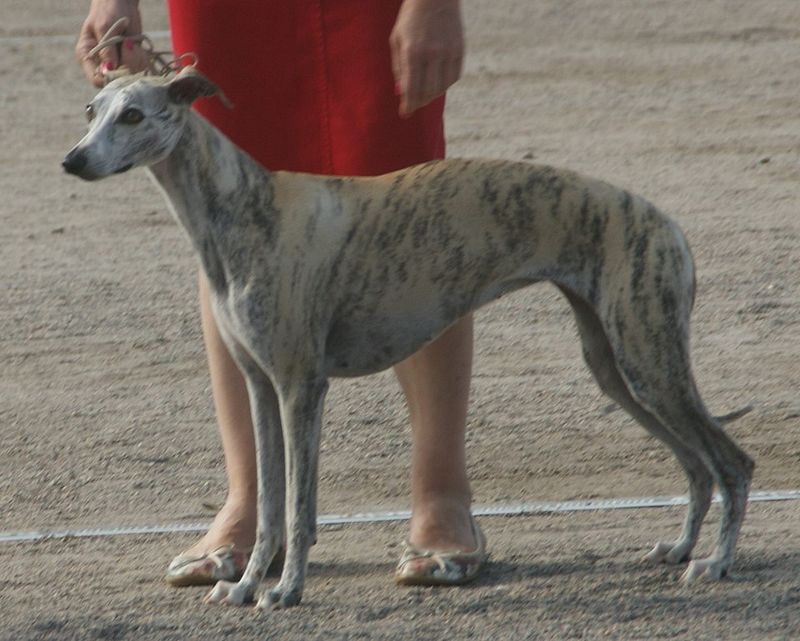
Whippets look fast and focused, and they are. But speed does not translate to security.
This gentle sighthound thrives on calm company, soft beds, and quick sprints, not standoffs with strangers. They are more likely to retreat from conflict or offer a brief alert bark than hold a boundary under pressure.
Whippets bond closely with their people and appreciate routine over confrontation. Their polite nature and sensitivity to stress work against guarding tasks.
They shine in lure coursing, cuddling, and quiet companionship, where grace is celebrated. If safety is your concern, do not count on a dog that hates conflict.
Choose the Whippet for elegance and affection, and solve security through other means.
Basset Hound
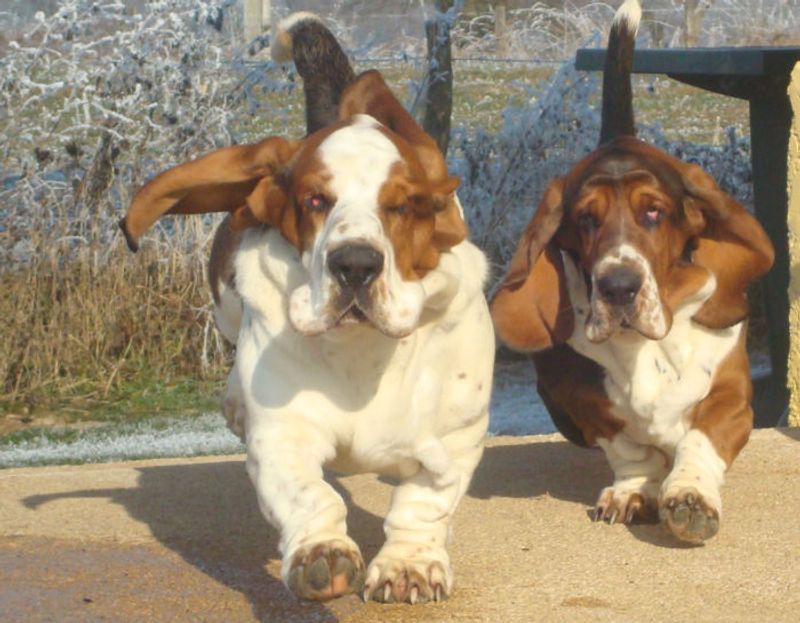
Basset Hounds have substantial bodies and a serious, wrinkled expression that can look authoritative. Yet their specialty is scent, not security, and their calm demeanor often leans toward indifference with visitors.
If someone arrives carrying snacks, a Basset is probably their new best friend after a few investigative sniffs.
They can bay loudly, which might scare off the timid, but stamina for confrontation is not their thing. Independent thinking and leisurely priorities make them unreliable for real guarding.
They excel at relaxed family life and nose-driven games that celebrate their heritage. For actual deterrence, you will want a breed bred to guard.
The Basset will nap through the drama, then ask for treats.
Havanese
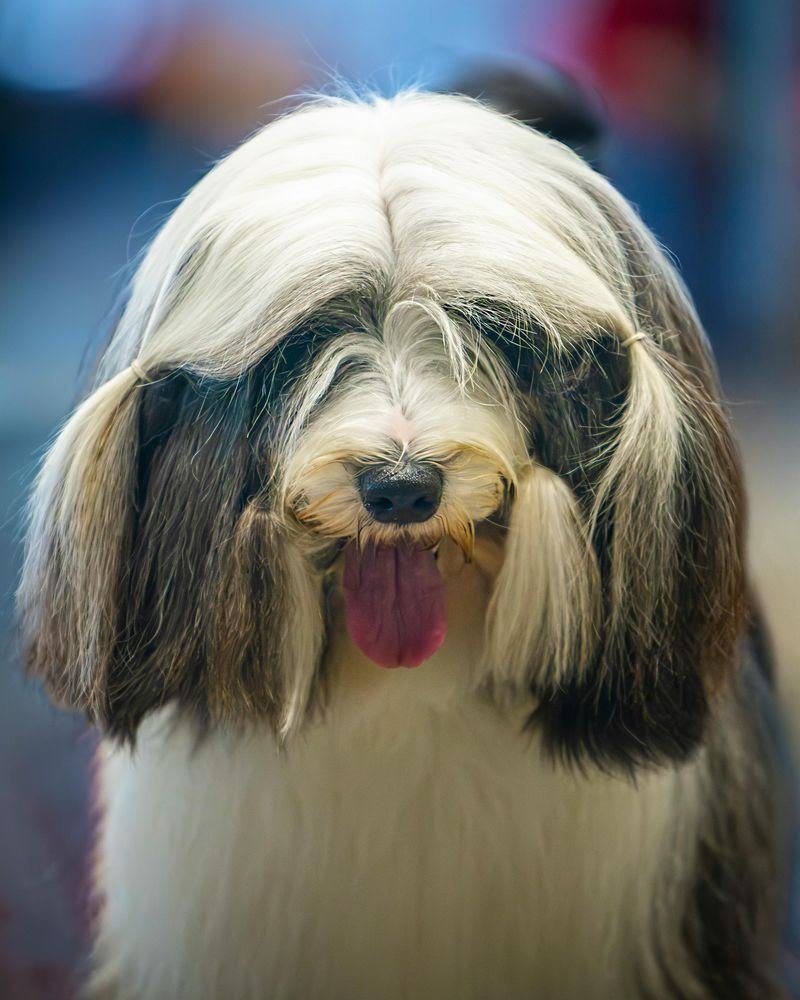
Havanese bring charm, intelligence, and social sparkle to any home. Their size alone limits intimidation, and their extroverted nature makes them quick to befriend guests.
You may get a brief alert bark, but these dogs much prefer laps, play sessions, and greeting committees over guarding posts.
They are trainable and eager to please, yet conflict-averse. When pressure rises, a Havanese is more likely to defer or distract than confront.
This makes them fabulous companions for urban living and families seeking a friendly, portable partner. If your priority is true protection, pick a breed known for defense or lean on alarm systems.
Keep the Havanese in their lane of joy, connection, and daily cheerleading.
Newfoundland
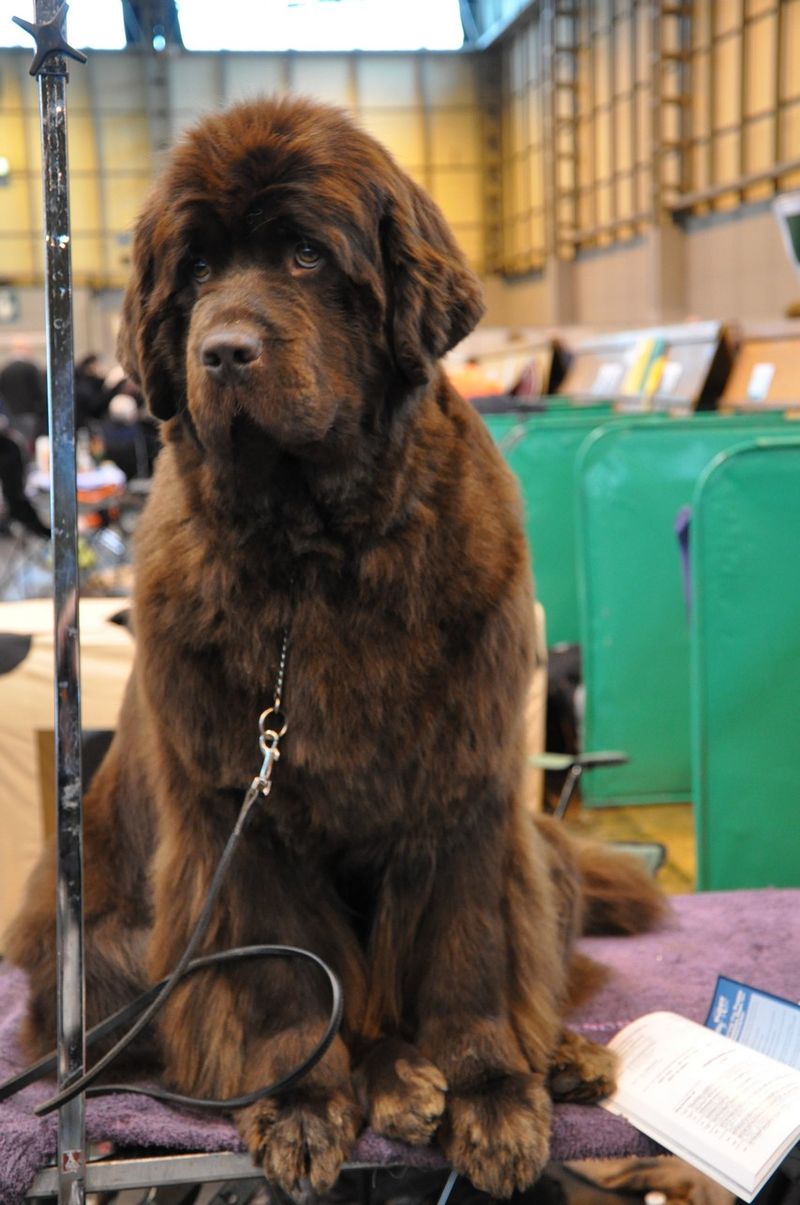
Newfoundlands look like bodyguards in bear suits, but their hearts are all rescue and nurture. Historically valued for water work and lifesaving, they care deeply about people, not property defense.
A Newf will likely escort a stranger safely to the house rather than challenge them, prioritizing calm mediation over confrontation.
They can bark to announce, yet their default mode is gentleness and patience. Size alone may deter some, but genuine guarding requires decisions they are too compassionate to make.
Expect slobbery affection, tolerance with kids, and a guardian of vibes, not valuables. If serious security is essential, choose a dedicated protection breed.
Let the Newfoundland keep everyone safe through kindness and calm presence.
Flat-Coated Retriever
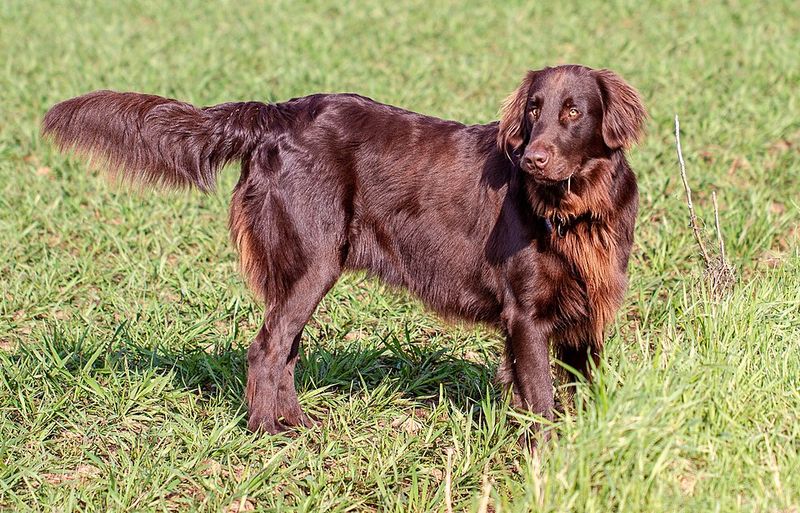
The Flat-Coated Retriever’s glossy coat and athletic frame can make them look alert and formidable. Yet their hallmark trait is joy, not suspicion.
Bred for game retrieval and partnership, they aim to please and remain eternally youthful in spirit, which often translates into welcoming strangers enthusiastically.
They will likely bark when someone arrives, then pivot to play bows and wiggly greetings. Flat-Coats excel in sports, obedience, and family life where optimism is an asset.
Serious guarding requires steadiness under stress and skepticism with unfamiliar people. This breed’s sunny outlook gets in the way.
If protection tops your list, look elsewhere, and let the Flat-Coat shine as your adventure buddy and upbeat confidant.
English Springer Spaniel
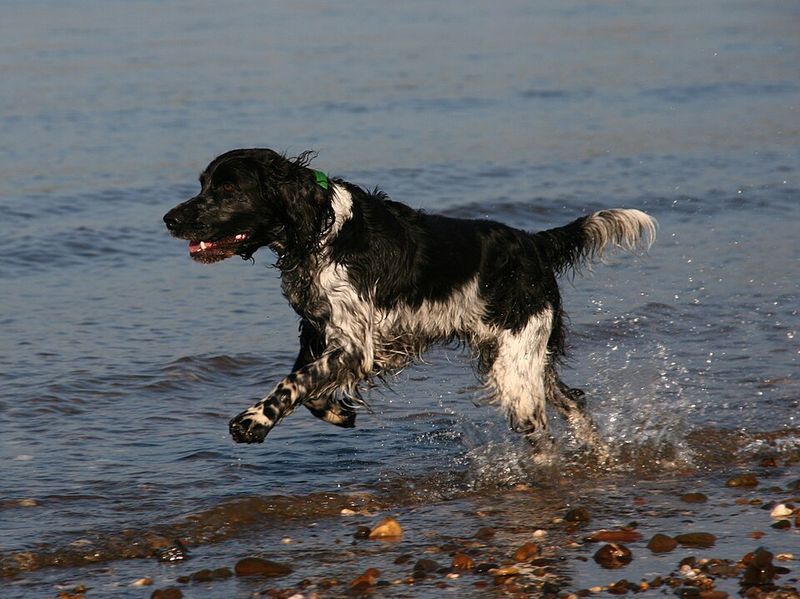
English Springer Spaniels carry a working look, with keen eyes and a capable, athletic body. However, their friendly, sociable spaniel spirit leans toward cooperation, not confrontation.
Springers are driven by partnership and activity, so they are more apt to fetch shoes for guests than question their motives.
They can sound an alert bark, but they soften quickly once engaged. This breed thrives with training, exercise, and meaningful tasks where teamwork matters.
Guarding requires selective distrust and calm under pressure, which clashes with the Springer’s openhearted nature. Choose them for field fun, family time, and endlessly wagging enthusiasm.
Choose another breed, or tech solutions, when real security is non-negotiable.