
You have probably seen the same dog breeds pop up in bite statistics and wondered what is really going on. The truth is more complicated than headlines suggest, mixing training, management, breeding, and plain human error.
Together we will unpack why these breeds appear so often and what responsible ownership actually looks like. If you love dogs and want safer communities, this guide will help you make smart, compassionate choices.
American Pit Bull Terrier
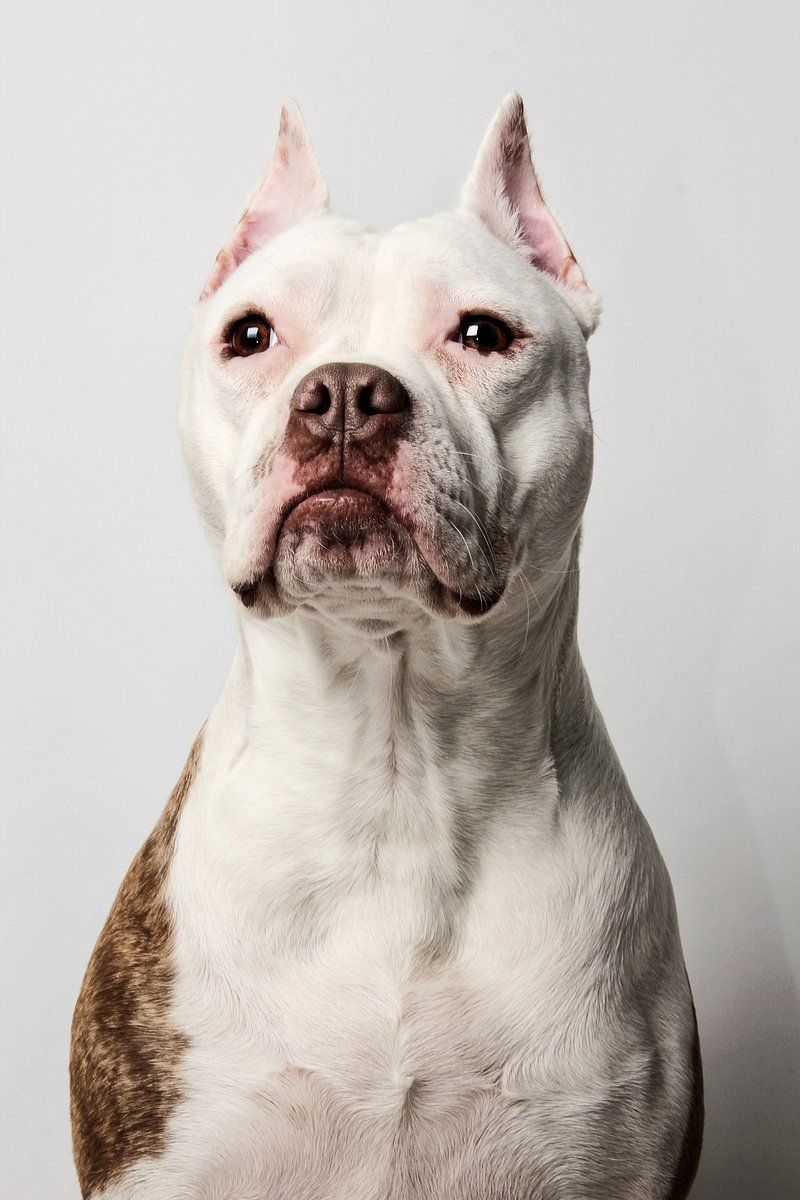
You hear Pit Bulls cited often in bite reports, but statistics rarely tell the full story. Many incidents trace back to poor socialization, backyard breeding, or owners misidentifying mixed breeds as Pit Bulls.
When trained thoughtfully, this athletic, people oriented dog can be stable, eager to please, and wonderfully affectionate.
If you choose this breed, commit to early training, neutral exposure to people and dogs, and strict management around unfamiliar situations. Use secure fencing, supervised introductions, and a reliable muzzle for vet visits or crowded spaces.
You set the tone with structure and exercise, then reward calm behavior generously. Responsible ownership changes outcomes.
Partner with trainers who understand reactivity, and keep insurance and local ordinances in mind from day one.
Rottweiler
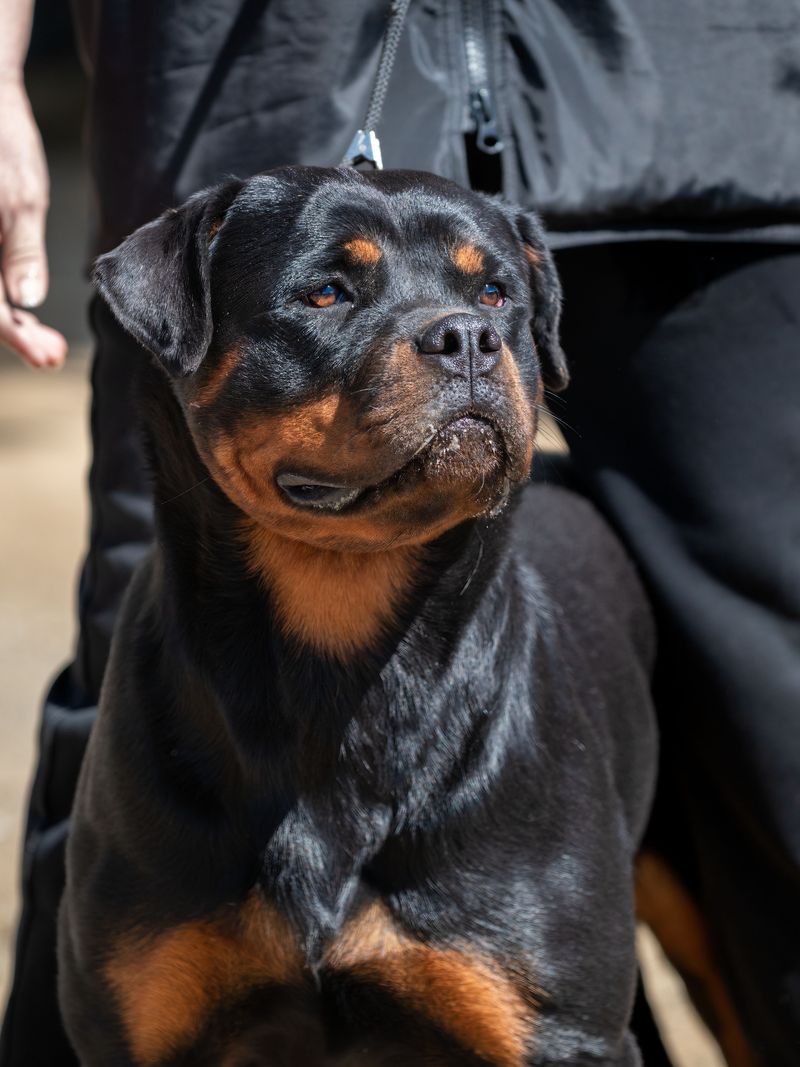
Rottweilers appear in bite summaries because they are large, confident guardians with strong territorial instincts. Size magnifies damage, so even rare mistakes can carry heavier consequences.
With clear leadership, ethical breeding, and steady socialization, a Rottie can be biddable, calm in public, and deeply loyal at home.
If you bring one home, start obedience early, prioritize bite inhibition, and teach polite neutrality around strangers. Give daily mental work through nose games, stability drills, and structured walks.
Manage access to thresholds like doors, cars, and kids play areas. You are the pilot-in-command, guiding a powerful teammate toward safe, predictable behavior.
Screen breeders for health and temperament, and maintain insurance, secure fencing, and regular professional check ins throughout the dog’s adult life.
German Shepherd
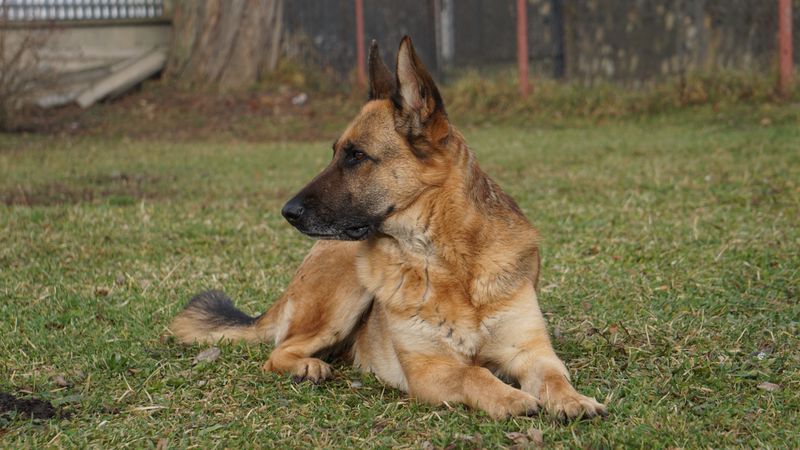
German Shepherds rank frequently because they are popular, versatile workers found in many households. High numbers alone can inflate statistics, especially when energetic adolescents lack training.
Given clear jobs, fair handling, and daily outlets, these dogs shine with courage, sensitivity, and a steady desire to cooperate.
If you live with one, plan structured exercise, impulse control games, and calm decompression after excitement. Teach neutrality toward other dogs, because arousal can spike quickly during play or protection posturing.
Favor marker based training, predictable routines, and frequent sniff walks. Your consistency turns a sharp mind into a thoughtful partner who chooses safe options.
Work with experienced coaches, screen hips and elbows, and avoid frantic fetch that fuels overstimulation and rehearsed chasing habits.
American Bully
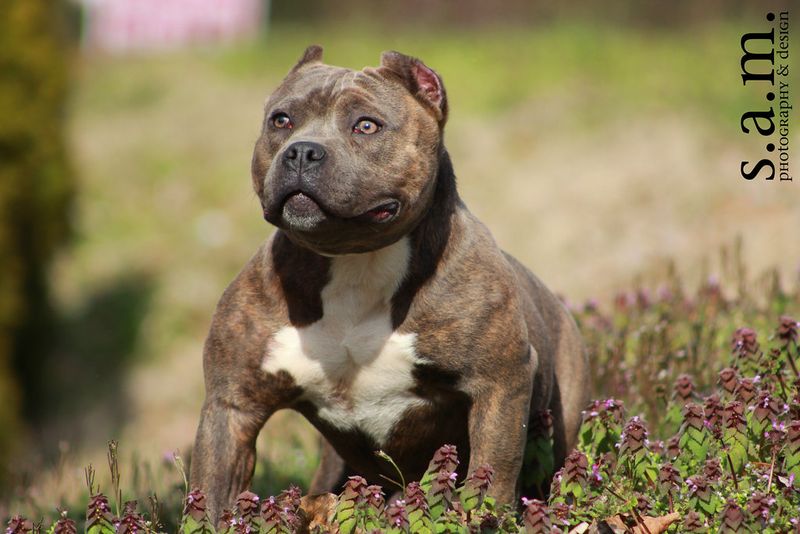
American Bullies vary widely in size and temperament, which can confuse both owners and bystanders. Some lines emphasize companion traits, while others retain more drive.
Inconsistent breeding and mislabeling sometimes place these dogs in the same statistical bucket as Pit Bull types, even when temperaments differ.
If you love the look, commit to health testing, temperament proofed breeders, and early social skills. Keep management tight around dog parks, and introduce dogs with parallel walks, not face to face greetings.
Use enrichment that channels jaw strength into safe chews. Calm routines, crate training, and steady leadership help your dog relax and succeed.
Consult trainers comfortable with bully breeds, and maintain liability coverage, sturdy leashes, and fit, escape resistant equipment at home.
Cane Corso
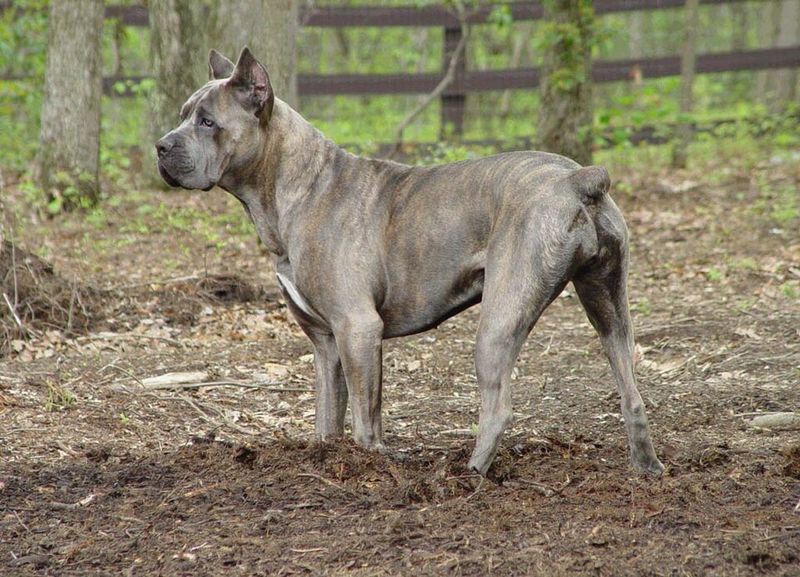
The Cane Corso is a formidable guardian, bred for presence and discernment. Their sheer mass raises risk if boundaries slip, even when intent is defensive.
Balanced lines with thoughtful handling produce steady companions, but under socialized Corsos can become suspicious, making them more likely to feature in bite tallies.
If you choose this breed, invest in early neutrality, clear rules, and excellent recalls. Limit uncontrolled greetings and practice place training during deliveries.
Provide heavy duty equipment fitted correctly, and condition a muzzle for veterinary work. Partner with breeders and trainers who prioritize stability, so your impressive dog meets the world with composure and safety.
Insurance, proper fencing, neighborhood awareness, and routine vet checks round out a sensible safety plan nicely.
Doberman Pinscher
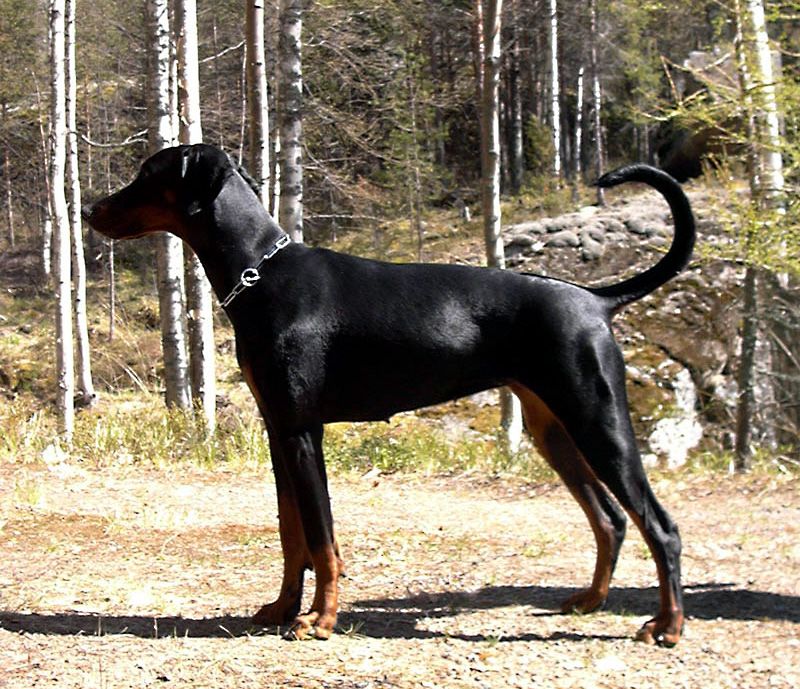
Dobermans are alert, fast, and intensely bonded, which can translate into intrusive protection if unmanaged. They show up in statistics less from frequency than from impact potential.
Thoughtful selection and training reveal a sleek, responsive athlete who thrives with clarity, structure, and regular decompression.
If you bring one home, teach off switches, boundary games, and rock solid recalls. Prioritize social neutrality over endless greetings, and use calm field trips instead of chaotic dog parks.
Shape confidence through scent work and cooperative care. With fair expectations, consistent rest, and patient coaching, your Doberman can be polished, reliable, and safe.
Maintain health screening, quality equipment, and liability coverage, and work with trainers who understand arousal control and precision obedience in real life.
Siberian Husky
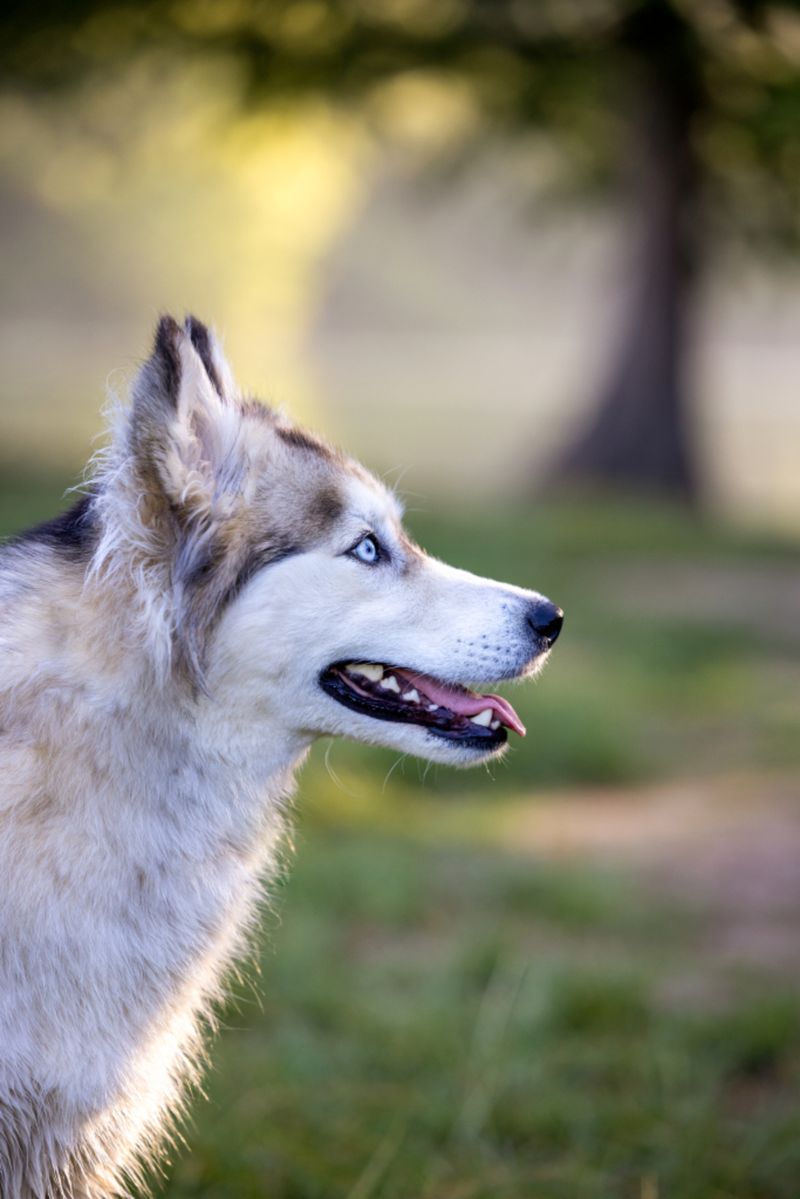
Huskies appear in bite data less for aggression and more for miscommunication. Their high prey drive, escape artistry, and exuberant mouthing can frighten people, especially children.
As vocal, energetic sled dogs, they need jobs, boundaries, and patience to translate enthusiasm into safe behavior.
If you adopt one, secure fencing, long lines, and consistent recall games are essential. Supervise interactions with small pets, and provide outlets like canicross, bikejoring, or urban mushing.
Teach calm handling for grooming and vet care. With routine exercise, mental puzzles, and respectful structure, your Husky channels sparkle into friendly, predictable choices around everyone.
Focus on consent based socialization, prevent rough play with kids, and practice settle cues after excitement to prevent accidental nips during daily life.
Akita
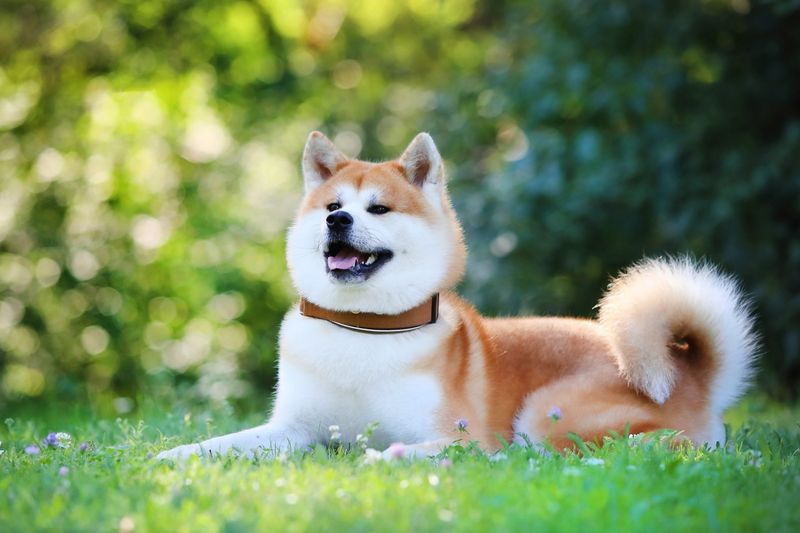
Akitas are dignified, independent, and naturally suspicious of strangers. Their powerful bodies and strong opinions mean mistakes can escalate quickly.
In statistics, they appear when inadequate socialization meets territorial behavior, not because every Akita seeks conflict.
If you choose this breed, select breeders who prize stable temperaments, and begin neutrality work immediately. Keep introductions slow, controlled, and purposeful.
Teach rock solid leave it, muzzle conditioning, and cooperative care. With respectful boundaries, structured exercise, and quiet leadership, your Akita can be serene at home while remaining safe in public.
Avoid dog parks, manage same sex tensions, and use parallel walks to build tolerance without pressure or face to face clashes. Seek mentorship from experienced owners, trainers, and veterinarians in your area.
Chow Chow
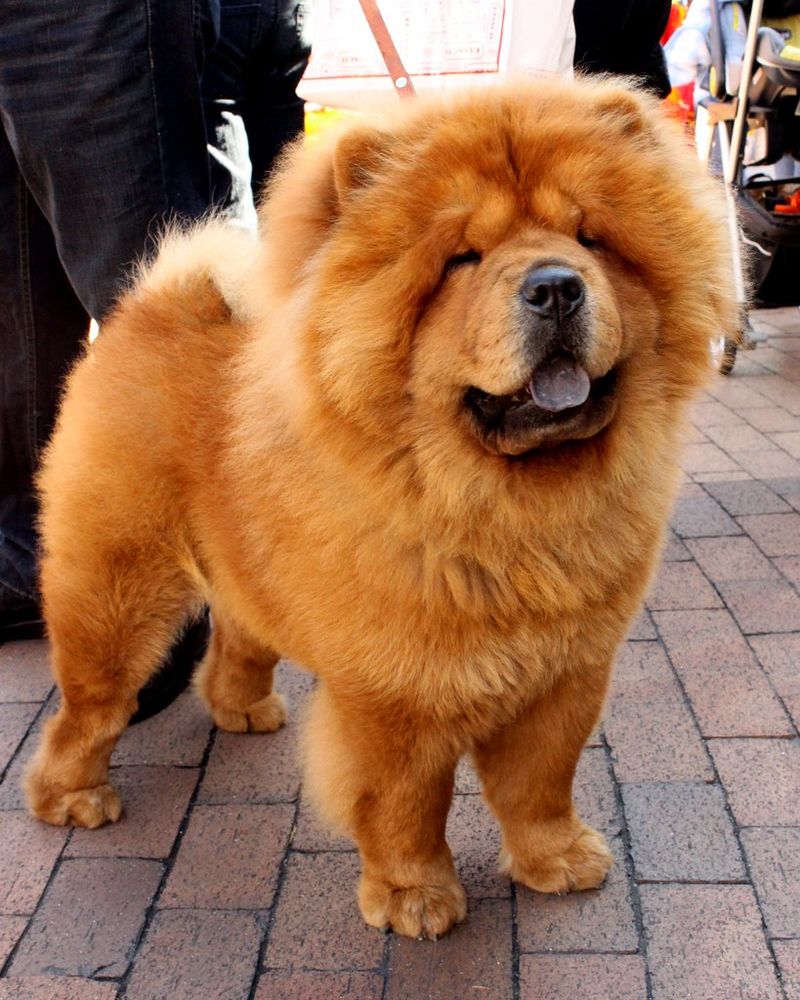
Chow Chows can be aloof, intolerant of rough handling, and protective of resources. Their dense coats hide body language, so warnings get missed.
When boundaries slip, their bite can be severe, earning them mentions in reports despite many stable individuals.
If you live with one, teach consent cues for brushing, nail trims, and grooming tools. Use mats and platforms to create cooperative handling routines.
Limit chaotic environments and reward calm choices around visitors. With patient socialization, predictable schedules, and careful management, your Chow can coexist peacefully while you reduce risk and build trust daily.
Avoid roughhousing by children, supervise meal times, and install baby gates to manage space and pressure around thresholds and prized resting spots in your living areas.
Belgian Malinois
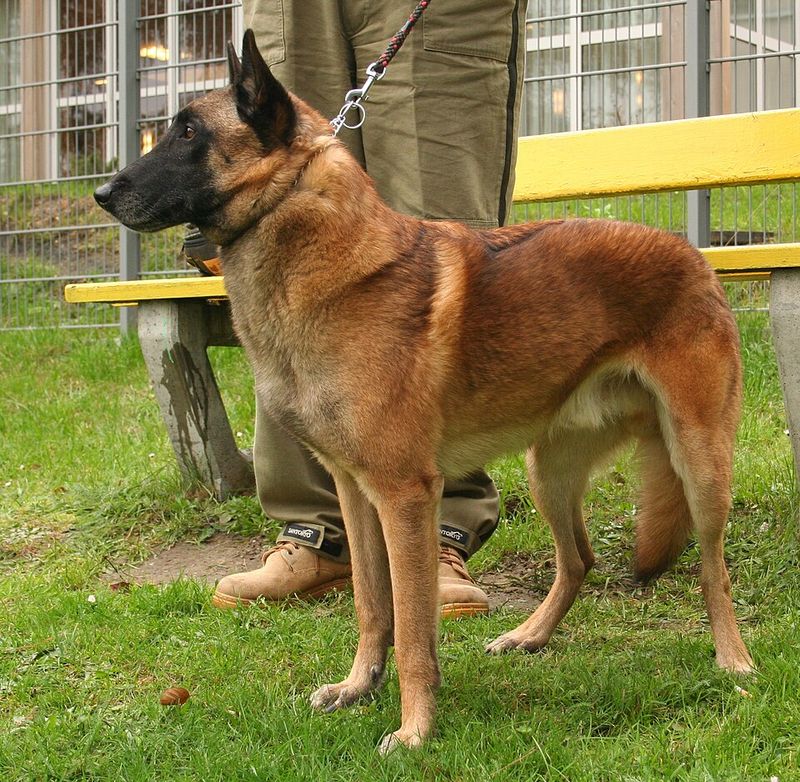
Malinois land in statistics when high drive collides with low structure. This brilliant, sensitive herder rehearses biting in sport and work, which requires extraordinary channeling at home.
Without clear outlets, the dog invents jobs, sometimes nipping, herding, or guarding inappropriately.
If you bring one home, schedule serious training, daily grip work alternatives, and decompression in quiet spaces. Pair obedience with scent games and bite inhibition practice.
Keep greetings minimalist, supervise kids, and plan crate time after arousing activities. With professional guidance and realistic goals, your Malinois can be amazing while staying safe and thoughtful.
Choose ethical breeders, insist on nerve strength, and avoid purely pet placements unless you can dedicate serious time, coaching, and resources every single week without compromise.
Dogo Argentino
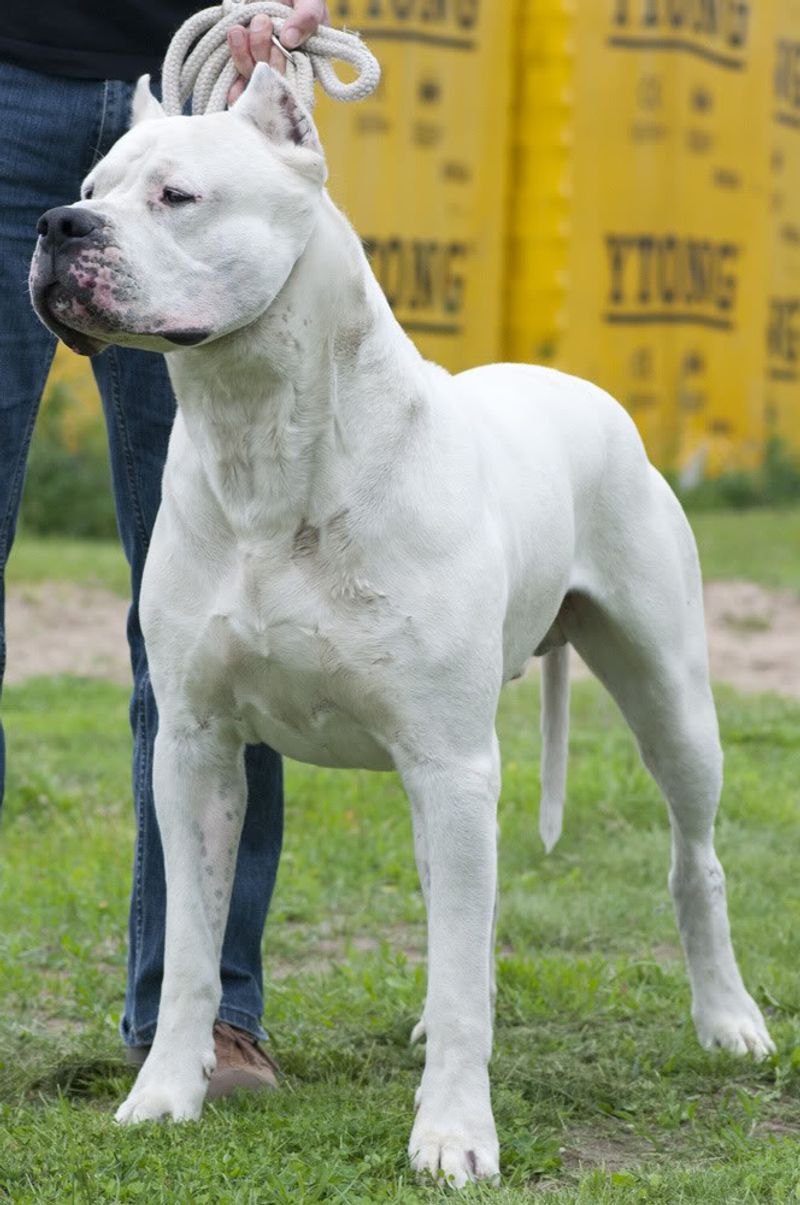
The Dogo Argentino was built for big game hunting, combining power, stamina, and grit. That heritage can surface as dog selectivity or intense arousal.
In statistics, their size and determination can raise severity when accidents occur, even if frequency is low.
If you consider this breed, choose experienced mentors, prioritize neutrality, and install impeccable management. Skip dog parks and practice parallel handling with known, compatible dogs only.
Build impulse control through place work and structured exercise. With medical screening, secure containment, and routine training, your Dogo can be impressive, affectionate, and safe in the community.
Confirm legal requirements, maintain liability insurance, and use professional help for introductions, grooming, and vet visits to reduce stress and prevent risky misunderstandings at home.
Boxer
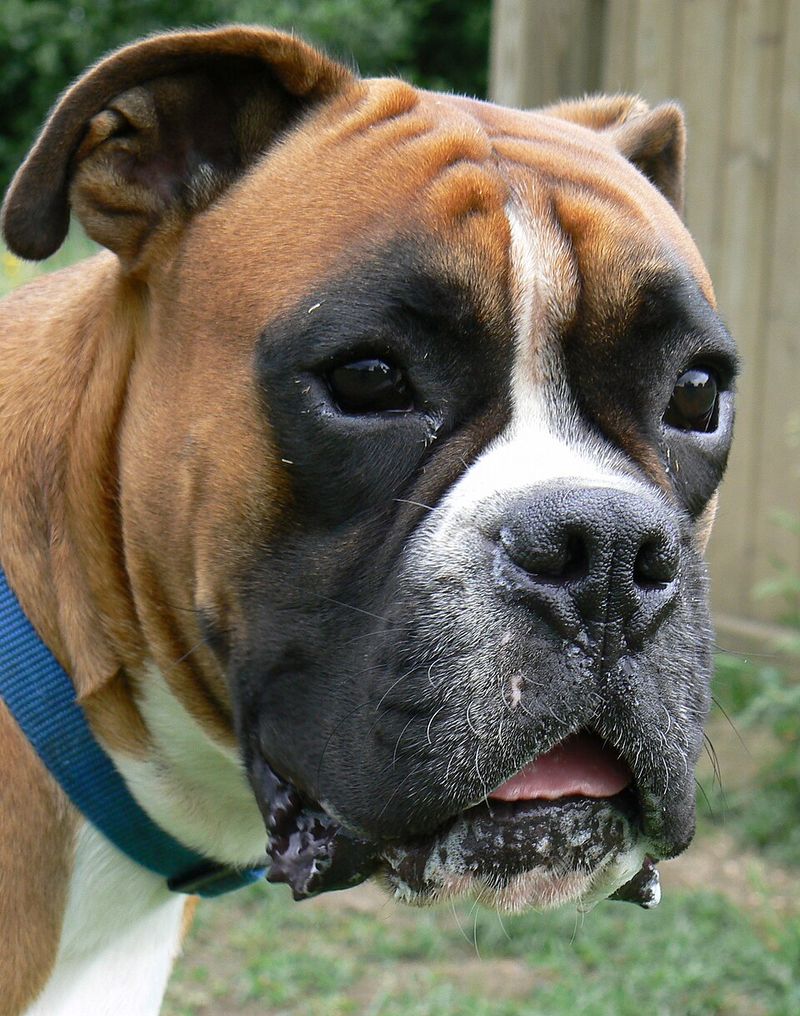
Boxers show up in reports partly because they are exuberant, mouthy clowns who forget their size. Rough play and jumping can lead to accidental nips.
With boundaries and training, their goofy energy channels into affectionate, family friendly behavior.
If you live with one, teach calm greetings, four on the floor, and gentle mouth control. Use flirt poles and fetch smartly to avoid overstimulation.
Prioritize decompression after zoomies, and supervise interactions with kids. With consistent routines, positive reinforcement, and patient coaching, your Boxer becomes a joyful companion who still respects space and safety.
Add mat training for visitors, muzzle condition for vet care, and choose sturdy harnesses that prevent pulling and collisions in busy, distraction heavy neighborhoods during everyday urban walks.