
Some dogs get labeled as stubborn when they are really just sensitive to pushy training. If you have ever felt your dog shut down or walk away mid lesson, you are not alone.
Many independent breeds thrive when given choices, respect, and calm guidance. Learn how to work with their minds, not against them, and you will see cooperation bloom.
Shiba Inu
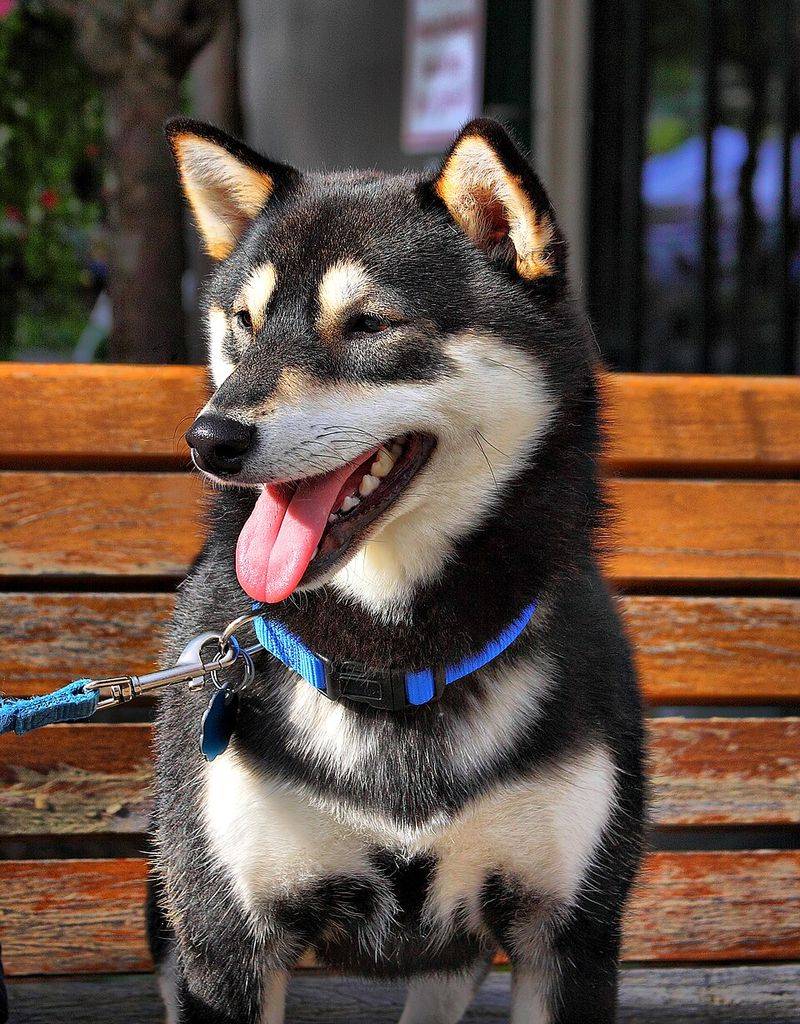
Shiba Inu dogs are not defiant, they are discerning. Push too hard and you will see that classic side glance as they opt out.
Offer a clear choice, pair it with a tasty reward, and their curiosity clicks on. Keep sessions short, playful, and varied.
You will see faster learning when you let them think through problems. Pressure creates resistance, but partnership invites effort.
Use a long line for safety while granting freedom to explore. Capture behaviors you like instead of constant commands.
A cheerful marker word and small treats turn recalls into a game. Rotate toy play and sniff breaks to keep motivation high.
With patience and humor, you will discover a witty companion eager to collaborate.
Basenji
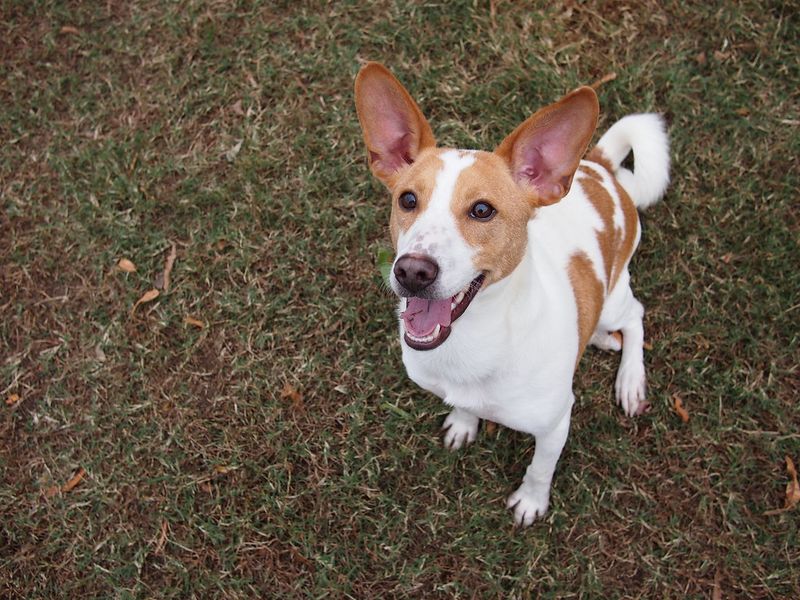
Basenjis value autonomy and quiet confidence. They often freeze when pushed, then disengage.
Instead, spark their natural curiosity with novel scents and fun puzzles. Reinforce small successes generously, then pause before asking again.
That rhythm respects their thoughtful pace. Avoid repeating cues, which they quickly ignore.
A single clear request, then a reward for tiny steps, builds momentum.
Leaning into their hunting heritage helps. Nose work, flirt pole games, and controlled chases provide an outlet that makes training meaningful.
Use soft voices and crisp markers to maintain calm focus. Keep sessions short, then let them decompress with a sniffari.
When you honor their style, the Basenji’s cooperation feels voluntary, and reliability grows without power struggles.
Chow Chow
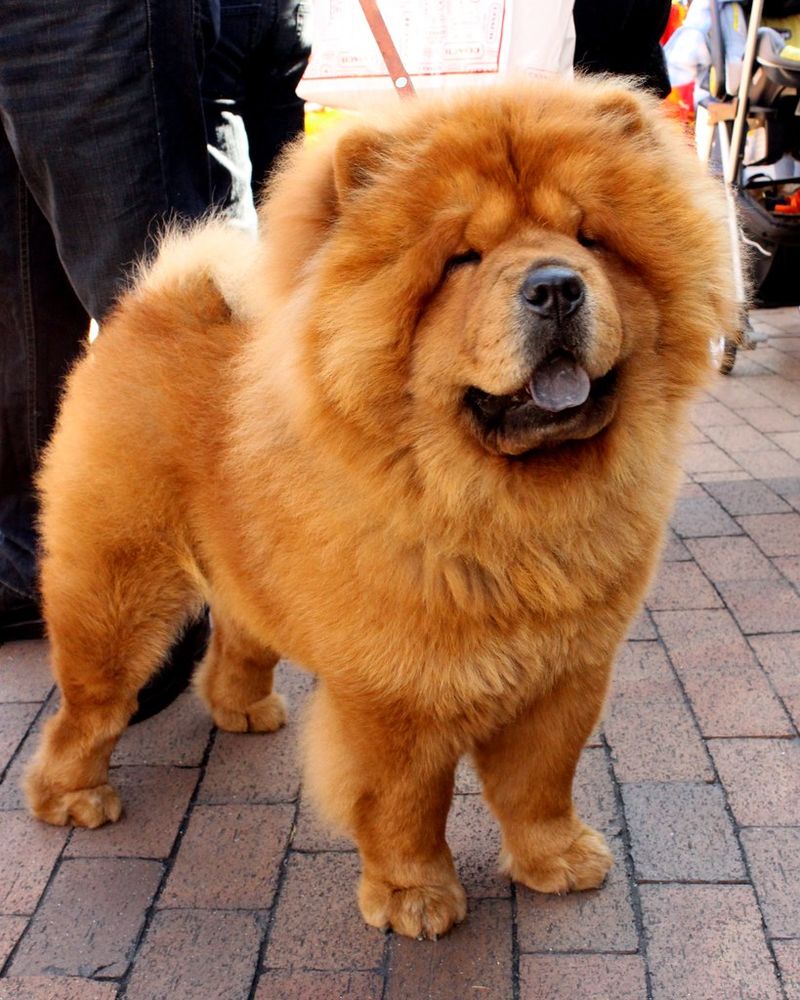
Chow Chows carry a dignified air that some mistake for stubbornness. They simply do not tolerate pushy handling.
Slow introductions, clear boundaries, and calm routines earn trust. Use gentle equipment and reward stillness, not just action.
Teach cooperative care, like chin rests and consent cues, so grooming becomes a predictable conversation. Respect their space, and they will offer more engagement over time.
Motivation matters. Many Chows work well for high value food delivered quietly.
Keep sessions brief and end on a win. Movement games are great, but avoid chaotic hype which can feel overwhelming.
Build skills in low distraction areas first. When pressure drops and predictability rises, the Chow’s thoughtful nature blossoms into steady, reliable partnership.
Afghan Hound
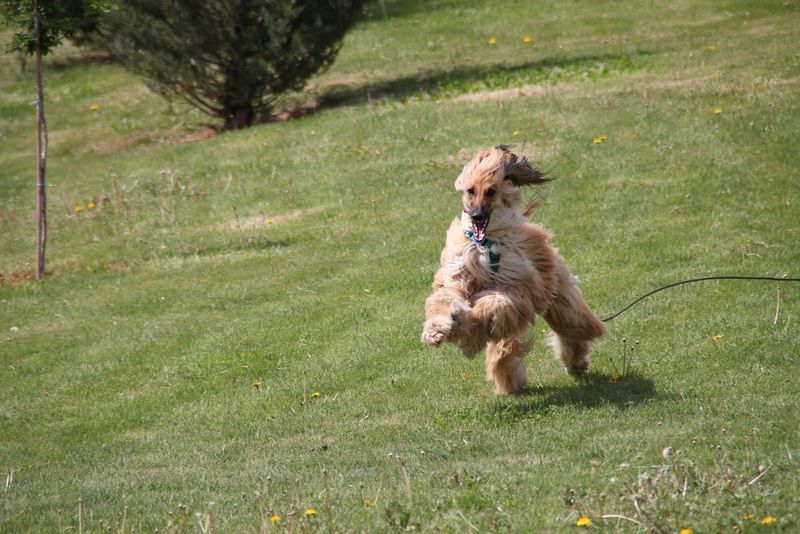
Afghan Hounds were bred to think independently over vast terrain. They are not ignoring you, they are evaluating.
Use distance rewards like releasing to run after a well timed behavior. Keep cues minimal and let the environment pay.
A soft collar or harness and a long line offer freedom with safety. Flowing sessions with gentle arcs feel better than rigid drills.
Grooming and handling benefit from cooperative techniques. Train a chin target for brushing and nail care.
Use calm breathing and slow strokes to reduce tension. For recalls, warm up with easy wins, then release to sprint as the jackpot.
Their elegance shines brightest when training becomes a graceful dance, not a tug of wills.
Akita
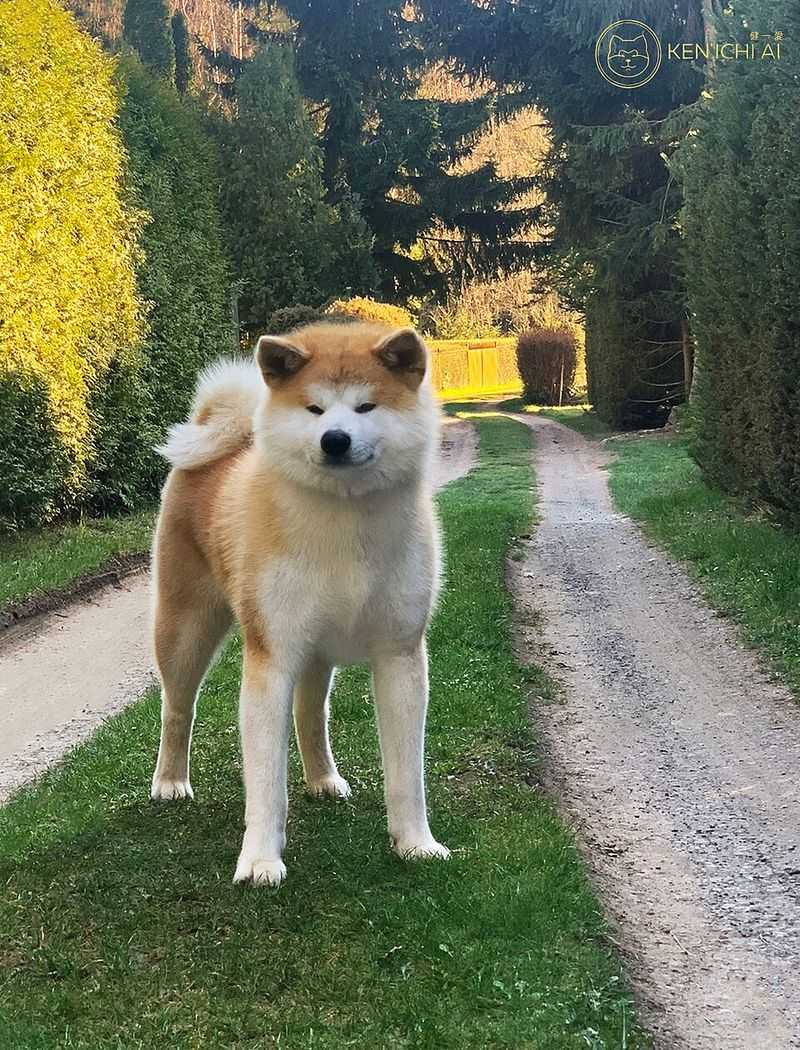
Akitas are loyal, thoughtful guardians who dislike micromanagement. They respond best to quiet clarity, not confrontation.
Teach essential skills in calm spaces before adding challenge. Reinforce eye contact and orientation to you, then grant controlled choices.
Avoid nagging cues. One request, then help them succeed and pay generously.
Confidence grows when training feels like a respectful agreement.
For handling and vet care, teach stationing on a mat and a hand target. Pair each touch with food until neutrality appears.
Use slow, predictable patterns to lower arousal. Short working bursts followed by decompression walks keep cooperation high.
With consistency and empathy, the Akita’s steady heart opens, and reliability replaces the myth of stubbornness.
Dachshund
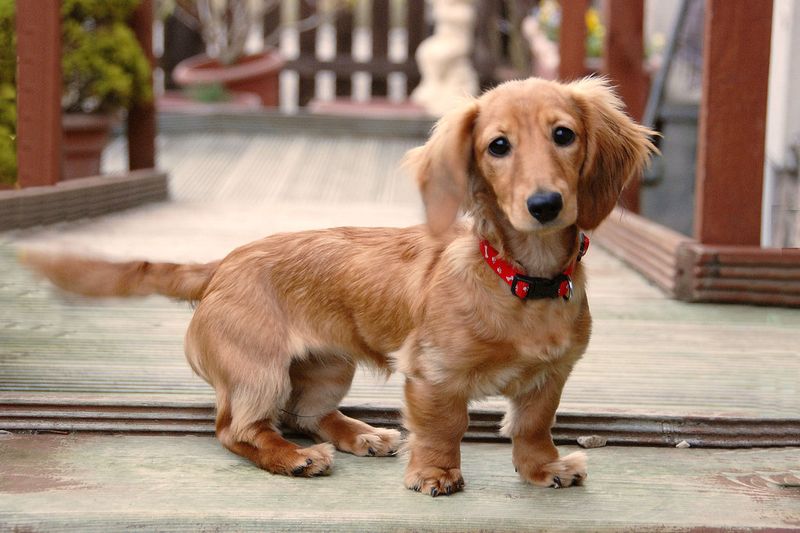
Dachshunds were bred to go underground and make decisions solo. That independence reads as sass when pressure appears.
Turn training into detective work. Scatter feeds, snuffle mats, and scent games let their nose lead.
Mark tiny wins and build behaviors in bite sized layers. Avoid harsh leash pops on delicate backs.
Use harnesses and ramps to protect their structure while practicing skills.
Keep sessions upbeat and fast moving. Ask for a sit, pay, then release to sniff as a built in bonus.
Rotate food and toy rewards to keep enthusiasm high. For recalls, play chase toward you, then let them chase a toy.
Collaboration blooms when the job feels fun, fair, and pain free.
Scottish Terrier
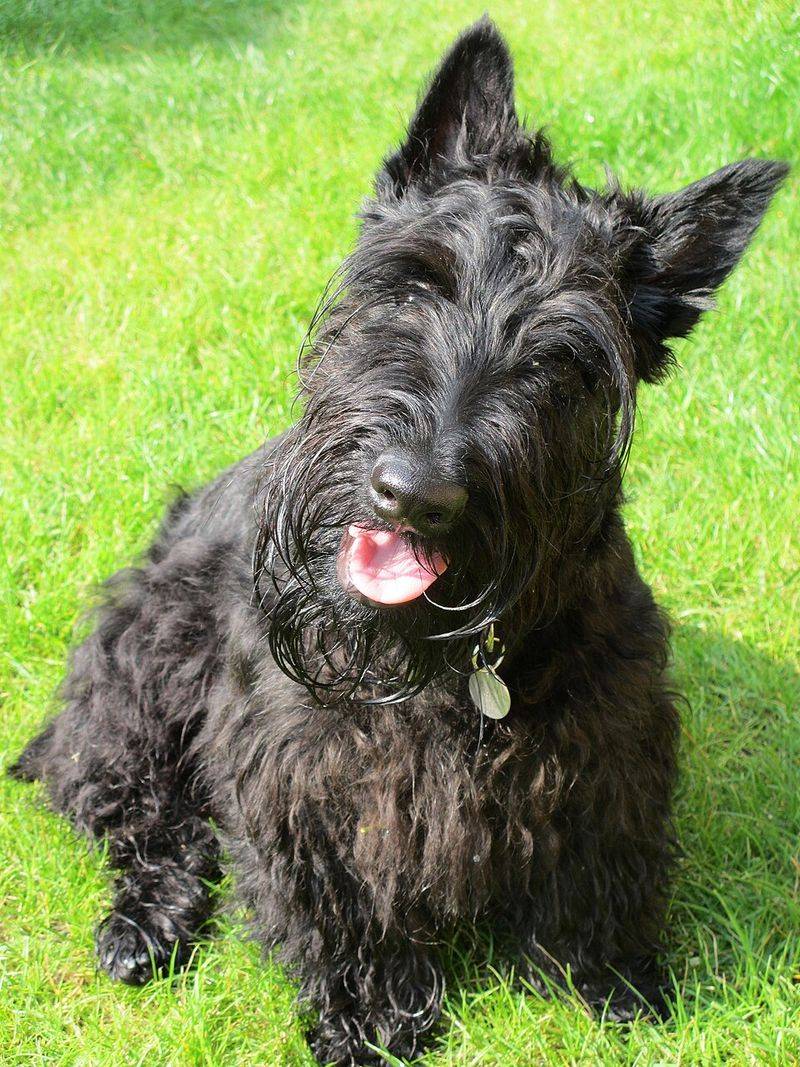
Scottish Terriers are bold little problem solvers with a strong opinion on pressure. They thrive on clear structure, quick wins, and meaningful work.
Swap repetitive drills for short missions like find the treat or hop on the platform. Pay promptly and end before they check out.
A single fair boundary is better than five nagging cues. Keep tone confident and friendly.
Grooming can be cooperative. Teach a chin rest and paw target, then trim a little at a time.
Terriers love games that use their nose and agility. Sniff walks, tunnel play, and platform pivots build focus without fights.
When respect guides every interaction, the Scottie’s grit becomes a delightful engine for learning.
Saluki
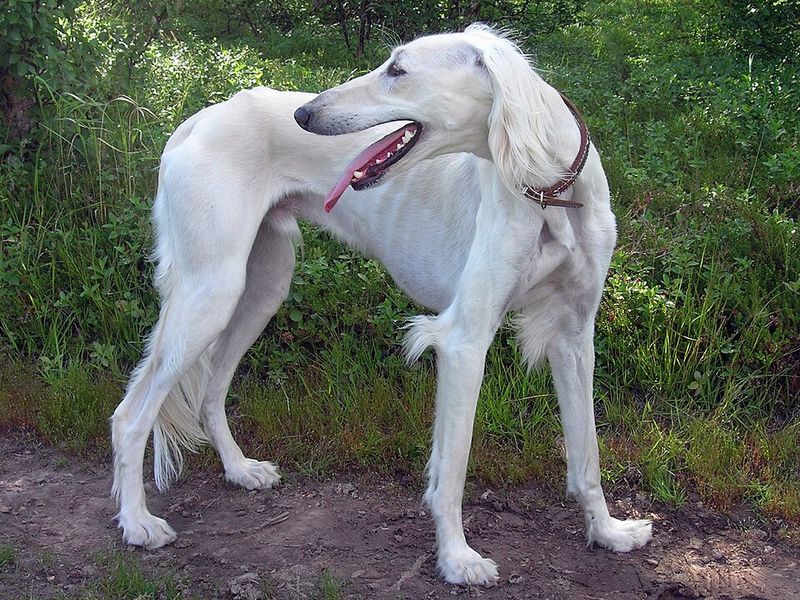
Salukis are ethereal athletes with a quiet mind. They dislike chaotic pressure and thrive on serene routines.
Use soft voices, smooth motions, and generous space. Reinforce orientation to you, then release to explore.
Distance rewards like permission to run carry huge value. Keep leashes light and cues simple.
Training becomes a gentle conversation rather than a command performance.
Build recalls by layering easy choices in low distraction areas. Reward with movement, then end with calm petting if they enjoy touch.
Cooperative care is key for their sensitive nature. Teach a stand on a mat for brushing and a nose target for positioning.
When you honor their need for grace, the Saluki responds with quiet reliability.
Borzoi
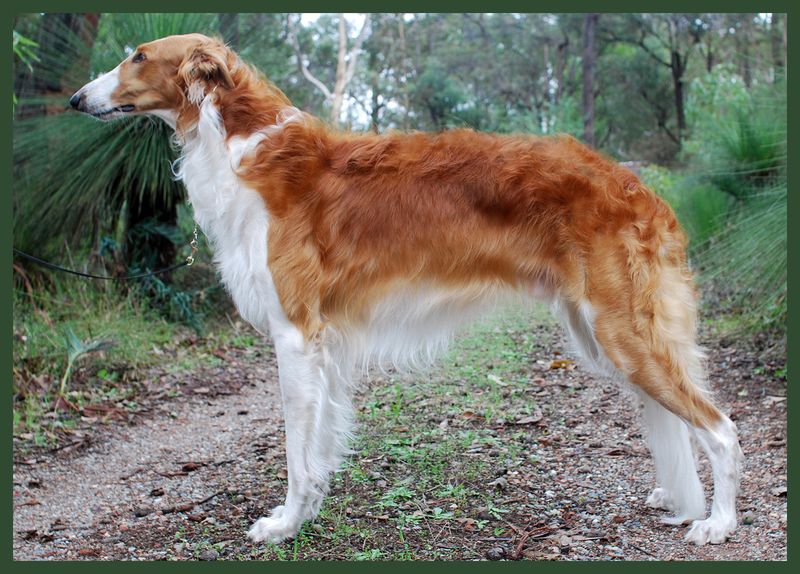
Borzoi bring poised independence and a strong chase instinct. Heavy handed training shuts them down.
Use calm, consistent markers and pay with movement. Long line recalls paired with a sprint release turn listening into joy.
Keep environments low distraction to start, then increase challenge slowly. Gentle gear and roomy spaces help them relax.
Think fluid, not forceful.
Handling should be predictable. Teach a chin target and body positioning cues, then trim or brush in tiny slices.
For engagement, alternate heelwork with short gallops so arousal stays balanced. Quiet praise lands better than loud hype.
When training respects their elegance and purpose, the Borzoi offers cooperation that feels effortless and sincere.
Lhasa Apso
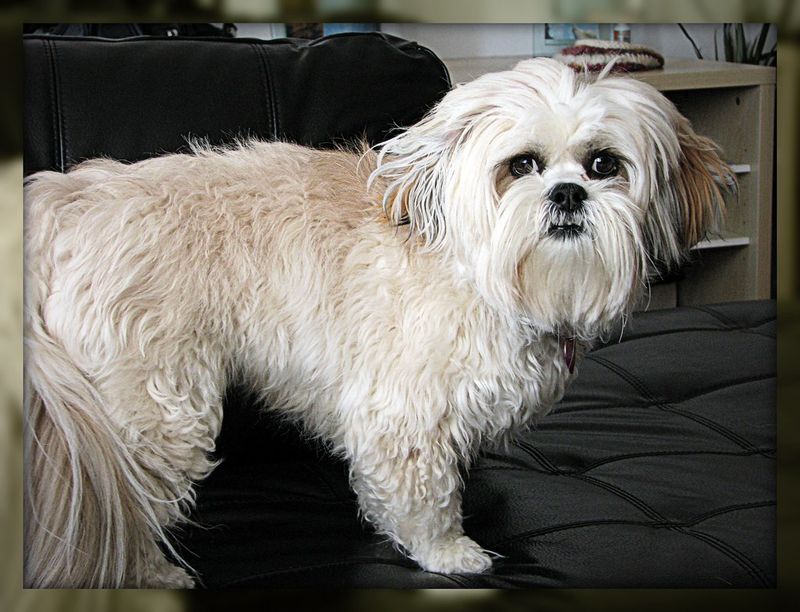
Lhasa Apsos were temple guardians, keen observers who value boundaries. They are not stubborn, they are selective.
Clear routines, polite greetings, and choice based handling build trust. Reward check ins and calm behaviors generously.
Keep sessions brief and end with a cozy settle on a mat. Loud pressure backfires, while predictable patterns invite focus and comfort.
Cooperative grooming is essential for their coat. Teach a chin rest, ear handling, and pause cues so they can say yes again.
Use frequent micro rewards and breaks. For walks, practice slow, mindful heeling, then release to sniff.
When their need for respect is honored, the Lhasa becomes sweetly responsive and steady in daily life.
Pekingese
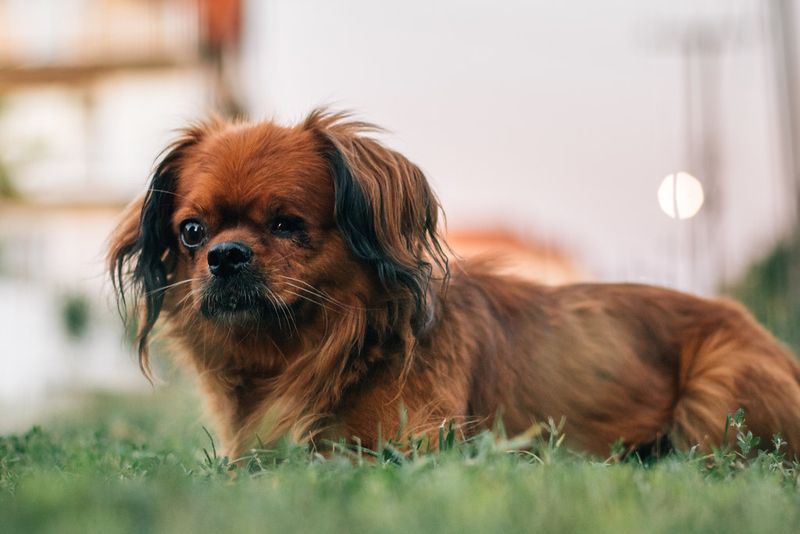
Pekingese have royalty in their posture and a preference for calm. They shut down with frantic pressure.
Use gentle hands, low voices, and clear markers. Teach consent cues for brushing and lifting so handling feels safe.
Reward tiny efforts, then rest. Short sessions match their bodies and minds.
Patience and predictability create space for their quirky charm to shine.
For walking, use a well fitted harness and unhurried routes. Let them sniff and choose the pace when possible.
Capture desired behaviors like checking in or pausing at curbs. Reinforce often with soft treats.
When training respects their comfort, the Pekingese offers steady cooperation wrapped in endearing confidence.
Shar Pei
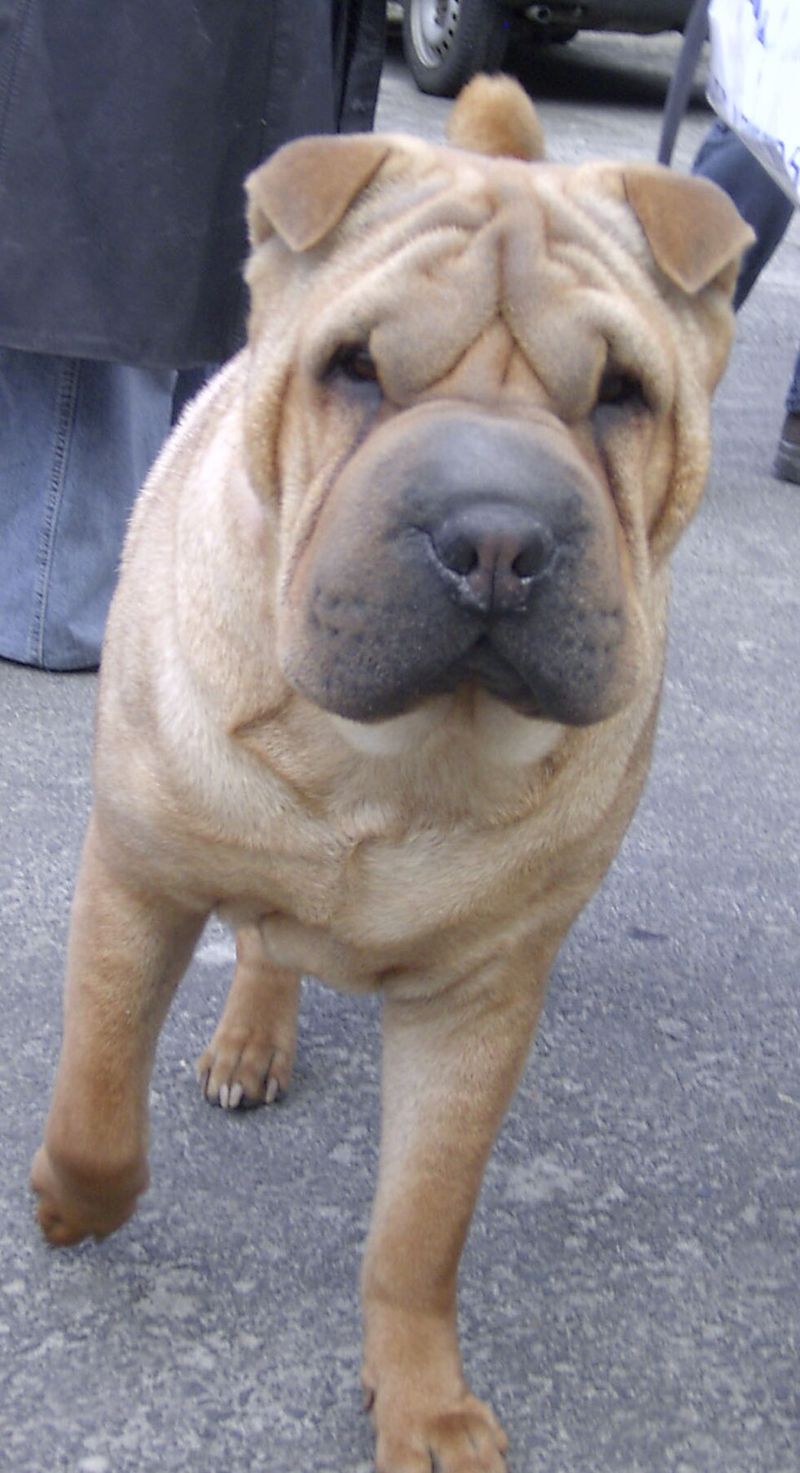
Shar Pei dogs are intelligent and self possessed. They dislike chaotic or forceful methods.
Keep sessions simple and steady, with one clear goal at a time. Use high value food and a calm tone.
Teach a default sit, nose target, and mat settle to anchor behavior. Cooperative care helps with skin folds and ear checks.
Respect their thresholds and build slowly.
Socialization should be thoughtful, not pushy. Give distance, observe body language, and reinforce curiosity.
For leash work, alternate focused walking with sniff breaks to release tension. End on a success and celebrate quietly.
When training feels fair and predictable, the Shar Pei chooses to participate, proving the stubborn label was never accurate.