
Some dogs hold entire conversations without barking at all. Watch closely and you will see subtle ear flicks, soft eye contact, and balanced spines doing the talking.
If you love calm, thoughtful companions who read the room and signal clearly, these breeds will amaze you. Let their quiet confidence teach you a new way to understand dogs.
Akbash
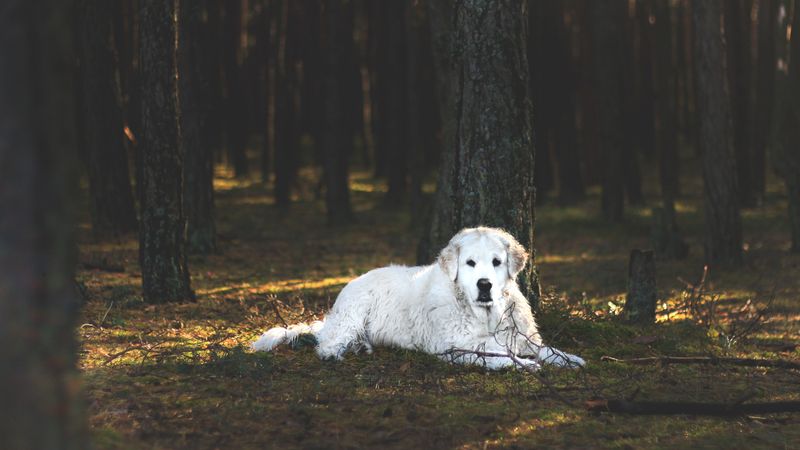
Akbash dogs read a field like seasoned sentries. You will notice how they square their shoulders when assessing threats and soften their gaze when everything feels safe.
A slow tail sweep paired with steady stance says all is well, while a frozen posture warns intruders to keep moving.
They are independent thinkers who conserve energy and sound, preferring stillness over noise. You can learn their mood by the way their weight shifts, from planted confidence to ready spring.
With family, a lowered head and gentle lean means acceptance. Around strangers, upright posture with quiet eyes says polite distance.
Consistent boundaries, calm handling, and space to observe unlock their best communication. Silence, with them, is fluent conversation.
Maremma Sheepdog
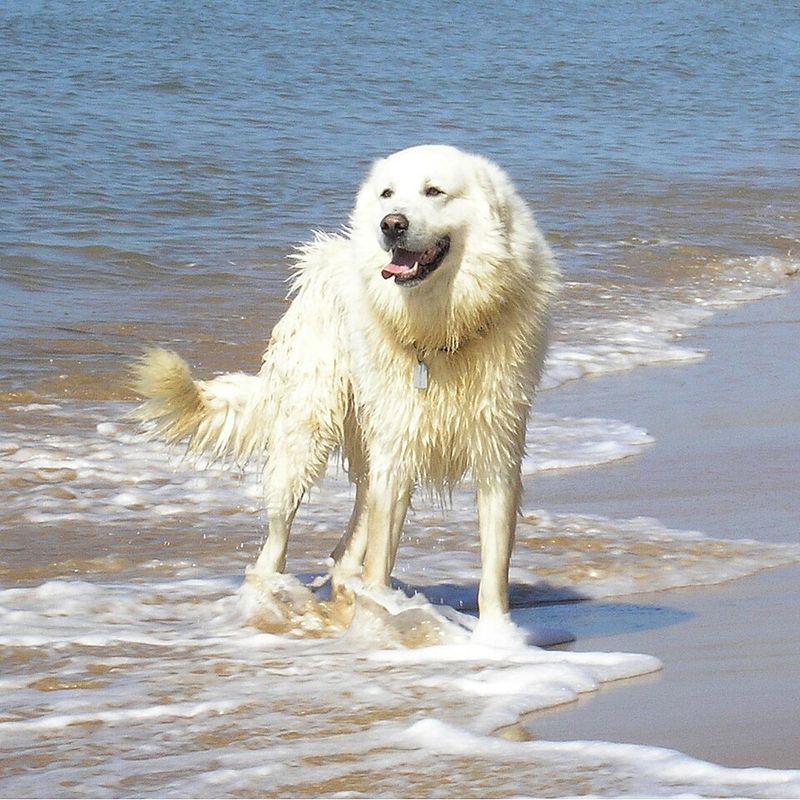
Maremma Sheepdogs guide flocks using poise more than noise. When they stretch tall with a forward lean, they are broadcasting readiness.
A relaxed tail and sideways glance reassure sheep, while a stiff tail and planted paws deter wandering predators without a sound.
You will see them patrol in gentle arcs, communicating boundaries by where they stand. Their calm approach keeps animals settled, and a still silhouette on a hill says I am watching.
With people, they greet politely, easing weight back and softening their mouth when comfortable.
Training lands best when you mirror their quiet. Reward steady posture, slow approaches, and thoughtful choices.
Read their shoulders to understand intent, and you will translate their language perfectly.
Kuvasz
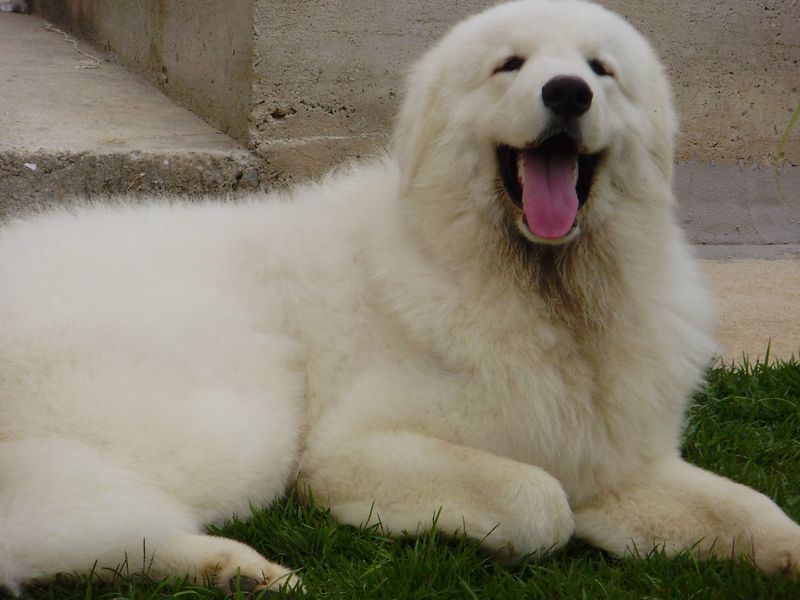
The Kuvasz speaks with presence. A tall chest and anchored feet say confident control, while a subtle head tilt toward a rustle marks focused analysis.
When relaxed, their body softens and weight distributes evenly, inviting calm interaction without a bark.
You will notice boundary setting through strategic placement. They insert themselves between you and perceived concerns, holding still with a steady gaze.
A slow, deliberate step forward replaces loud warnings, and intruders understand the message immediately.
With family, a gentle lean and half-closed eyes show trust. Training should respect their independence and reward composed choices.
Keep sessions quiet and purposeful. If you learn their posture cues, communicating with a Kuvasz becomes effortless and deeply satisfying.
Slovakian Cuvac
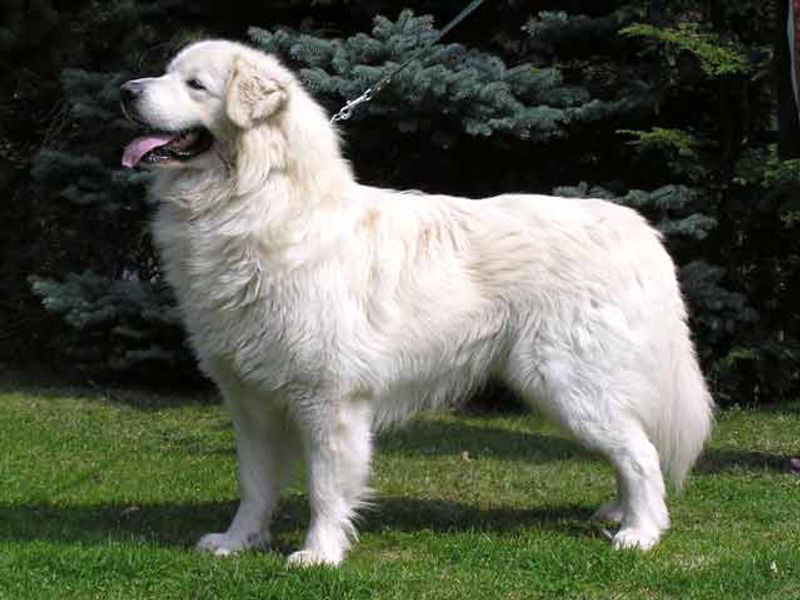
The Slovakian Cuvac is a calm sentinel whose body speaks volumes. Notice the square stance when danger nears and the relaxed curve of the spine when peace returns.
They drift between flock and horizon, using position and posture to define safe space without raising their voice.
You will read comfort in softened shoulders and a gentle tail sweep. Concern appears as stillness, with head high and weight centered.
They prefer to de-escalate by standing tall rather than rushing, which steadies nervous animals and discourages threats.
With people, a subtle sideways approach signals friendly intent. Training clicks when you reward composed pauses and thoughtful decisions.
Honor their instincts, and their silent dialogue becomes clear, reliable, and beautifully consistent.
Tornjak
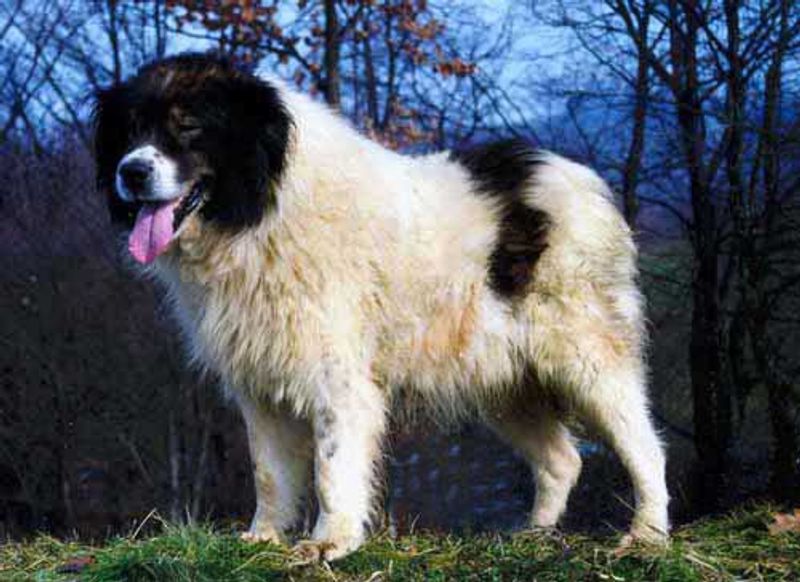
The Tornjak manages space with quiet diplomacy. A broad, planted stance says stop there, while a relaxed tail and soft mouth reassure trusted companions.
They pivot slowly to keep everything in view, using body placement rather than barking to steer behavior.
You will see their confidence in the way they square their chest toward uncertainty. A still silhouette communicates authority, and a small weight shift forward signals escalating warning.
With family, a curved spine and gentle lean invite closeness.
Training works best with calm guidance and clear boundaries. Reward steady presence and thoughtful pauses.
Loud repetition is unnecessary. When you learn their stillness cues, the Tornjak’s understated conversation becomes unmistakable and deeply respectful.
Pyrenean Mastiff
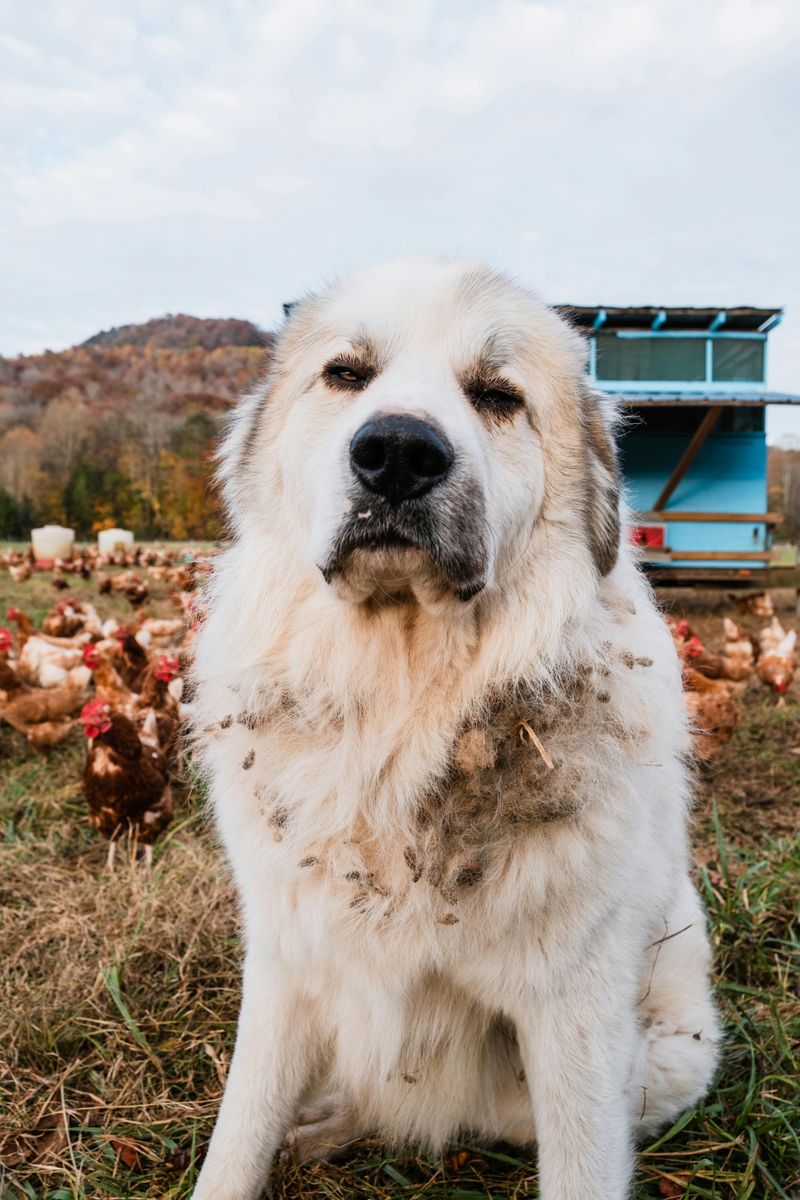
The Pyrenean Mastiff communicates through calm mass and measured motion. A neutral, balanced stance tells everyone to settle.
When concern rises, they lift the head and square the chest, stepping forward just enough to draw a line, often without a single bark.
You will notice how they place themselves between flock and unknowns, turning only their head to track movement. A loose mouth and slow tail swish signal safety, while a still tail and anchored feet broadcast warning.
With family, they rest their weight into gentle contact.
Training should favor patience, space, and quiet reinforcement. Reward the composed choices.
Speak softly and let posture lead. Their silent authority protects, reassures, and communicates better than noise ever could.
Spanish Mastiff
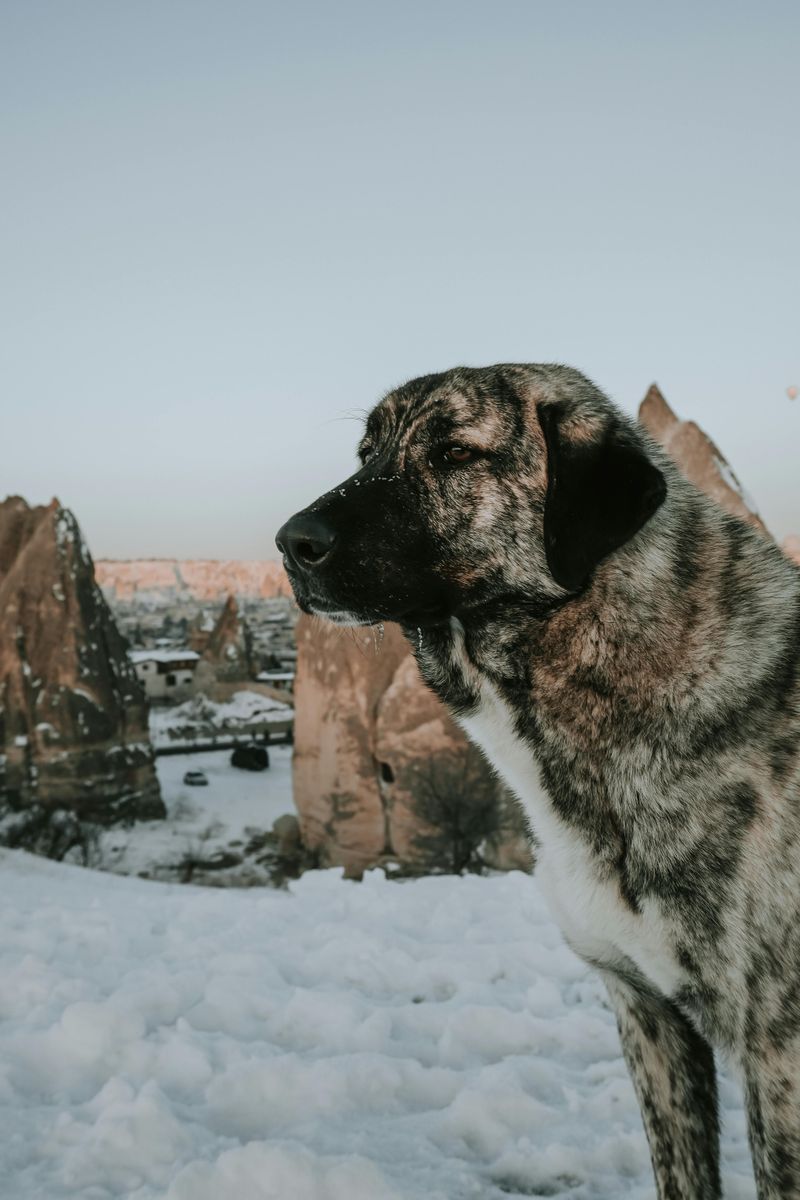
The Spanish Mastiff projects messages with sheer presence. A quiet lift of the head and a firm, centered stance stop trouble before it starts.
When relaxed, their shoulders drop and the tail loosens, signaling to livestock and people that all is well.
You will see measured steps forward instead of frantic motion. They speak by choosing where to stand and how still to be.
A brief block with their body sets boundaries no one mistakes.
At home, a soft eye and slow approach show affection. Training should reward patience and confident neutrality.
Keep sessions short, purposeful, and low key. Learn their weight shifts and you will hear their voice without a single bark.
Romanian Carpathian Shepherd
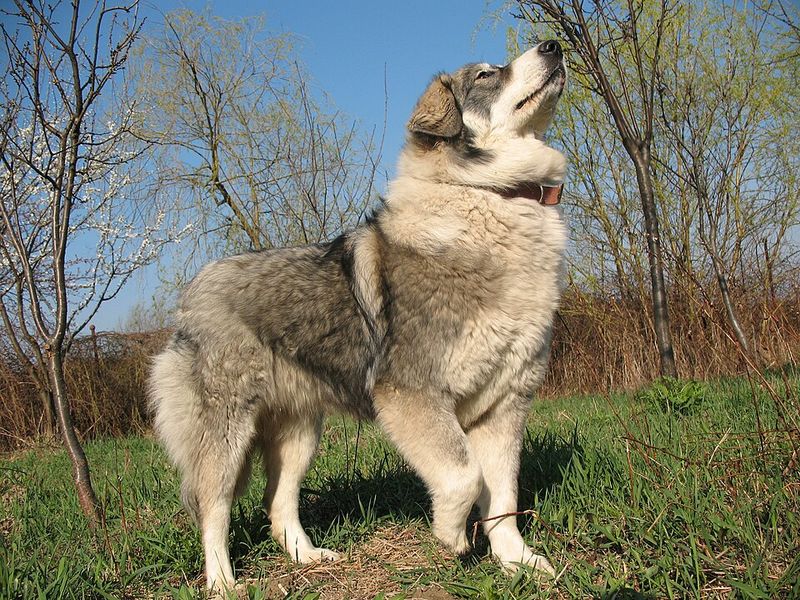
Romanian Carpathian Shepherds communicate with deliberate posture and quiet patrols. A forward-leaning chest and fixed gaze announce vigilance, while a relaxed tail and softened eyes reassure allies.
They shift from fluid movement to statuesque stillness to mark boundaries without noise.
You will notice them angle their body to funnel movement where they want it. A sideways stance invites approach from friends, and a square frontal posture tells strangers to keep distance.
Their confidence lies in measured placement rather than sound.
With family, they lower their head and blink softly before leaning in. Training thrives on respect, consistency, and calm praise.
Read the shoulders and spine. Their body writes the clearest sentences you will ever see.
Central Asian Shepherd
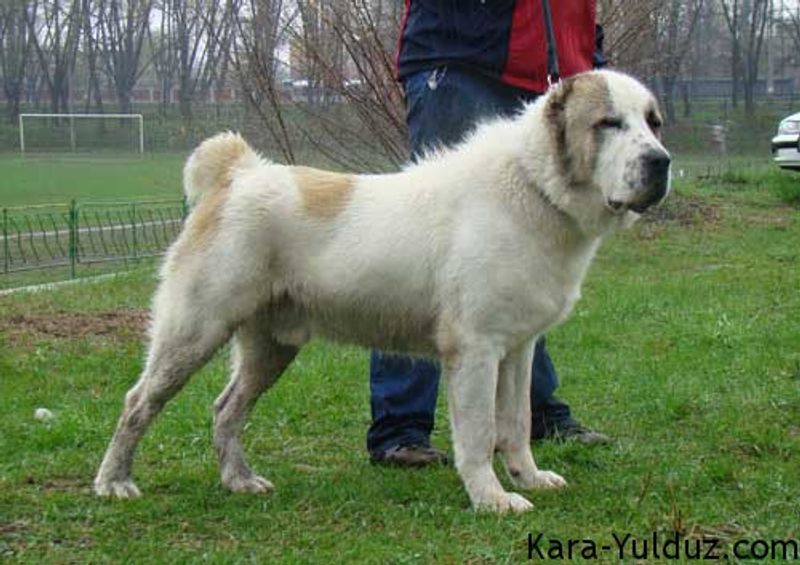
The Central Asian Shepherd communicates with economy. A still, square posture expresses certainty and control, while a slow, deliberate advance tells a stranger to stop.
Relaxed tail and soft eyes reassure you that everything remains under control without loud announcements.
You will see them place themselves strategically, creating invisible boundaries. They pivot around the flock rather than chase, using body blocks and measured presence.
When content, they rest with loose muscles and steady breathing, signaling peace to everyone nearby.
Training should focus on calm leadership and clear routines. Reward composed decisions and patient observation.
Keep pressure low and your voice gentle. Their posture is a dependable language you can learn quickly by simply paying attention.
Caucasian Shepherd
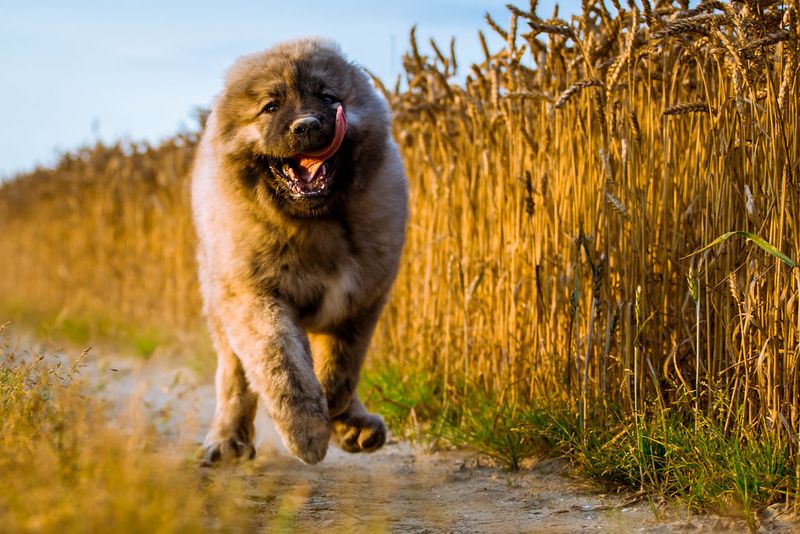
The Caucasian Shepherd’s body is a quiet warning system. When they broaden their chest and plant their feet, the message is unmistakable.
A lifted head and steady stare escalate pressure without sound, while a relaxed mouth and lowered tail bring the temperature down.
You will notice them taking high vantage points and holding still to manage a perimeter. They prefer to discourage rather than engage, letting posture do the talking.
With trusted people, they soften dramatically, leaning into touch with heavy warmth.
Training requires respect for their guardian instincts and a calm, confident handler. Reward composed pauses and thoughtful choices.
Avoid frantic drills. Their silent vocabulary is deep, nuanced, and incredibly effective.
Estrela Mountain Dog
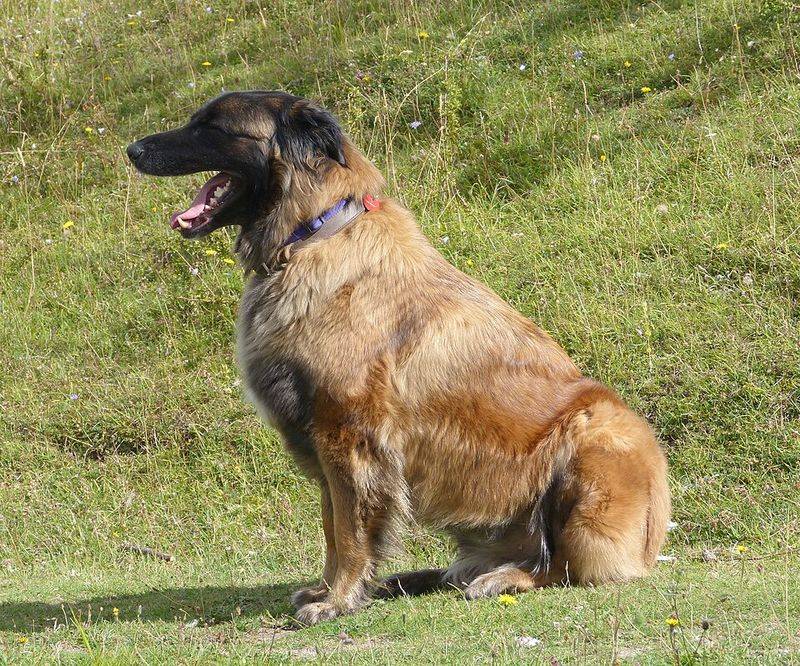
The Estrela Mountain Dog communicates through balance and poise. A centered stance with a gentle tail curve says everything is alright.
When assessing new sights, they lift the head, angle the body slightly, and hold a quiet line, creating a polite barrier without noise.
You will see affection in a sideways approach and relaxed shoulders. Concern shows as stillness and a slow, forward weight shift.
They often choose placements that give them clear views while keeping family tucked behind their body.
Training should emphasize calm choices, loose leashes, and thoughtful reinforcement. Reward steady eye softening and smooth posture resets.
Keep environments predictable and respectful. Their silence is never emptiness, it is refined communication.
Greek Shepherd
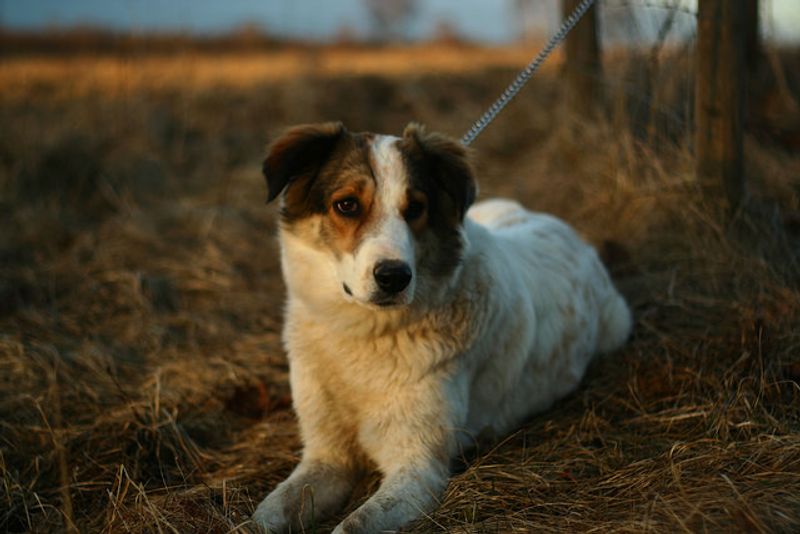
The Greek Shepherd tells stories with stance and stillness. A gentle, forward lean and squared shoulders warn off trouble, while a soft tail swing comforts the herd.
They drift to key positions, guiding movement without barking, letting posture shape the landscape.
You will notice welcome in a curved spine and a semicircle approach. Caution shows as a tall silhouette and centered weight, eyes scanning steadily.
They prefer to hold ground rather than rush, keeping everyone calm.
Training lands best with patient structure and quiet praise. Reward calm decisions and confident neutrality.
Give them work, space, and routine. Learn their body signals and you will always understand what they are saying.