Some dogs flinch at a dropped pot lid, while others barely lift an ear when the doorbell, the blender, and a toddler meltdown all happen at once. That difference often comes down to breed history, since many dogs were shaped for work that rewarded a calm head around noise and people.
If your home runs on school runs, visiting relatives, and a steady hum of activity, picking a steady dog can make daily life far easier for everyone. Here are 12 breeds with a strong track record for staying soft-tempered when the household gets busy.
Newfoundland
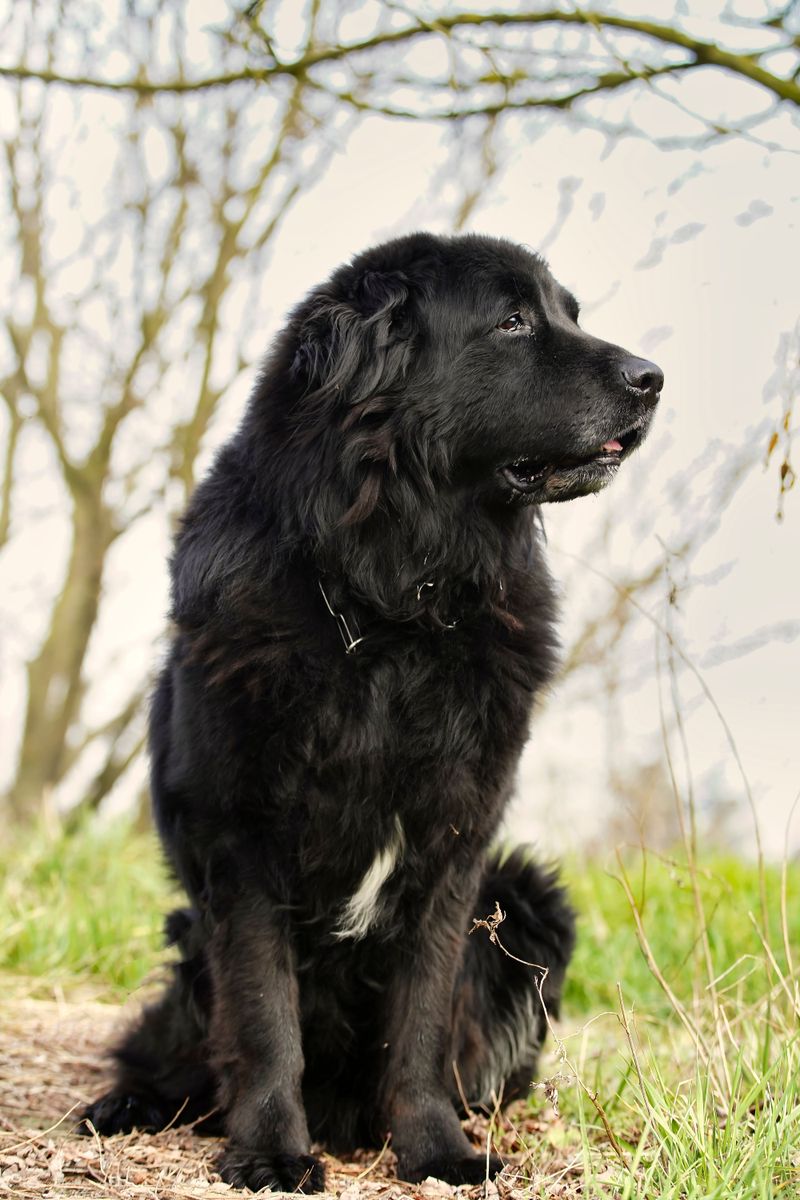
Water rescue is a strange job to build a house dog around, yet it explains a lot about the Newfoundland. These dogs were developed in Canada to haul nets and pull people from cold surf, work that demanded patience and steady nerves rather than quick reactions.
That history shows up at home as a dog who tends to watch chaos instead of joining it. The AKC describes the breed as sweet-tempered and famously patient, which is why it is so often linked with families.
Size is the real planning issue. Adults can weigh 100 to 150 pounds, they drool, and they shed heavily, so a crowded hallway may feel smaller fast.
A tired Newfie flopped across the kitchen floor is calm, but you will be stepping around it.
Cavalier King Charles Spaniel
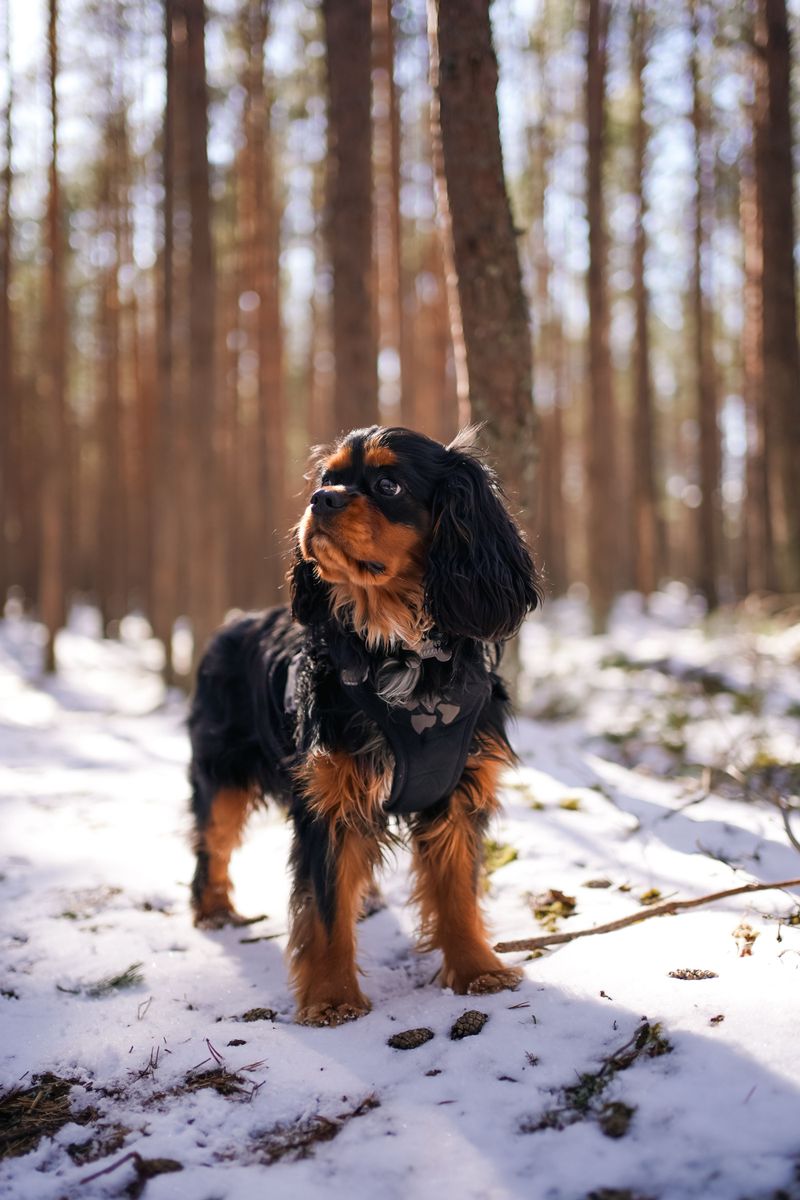
Lap dogs get a reputation for being fragile, but the Cavalier tends to roll with a full house better than many people expect. The breed was refined as a companion, so its core job has always been to be around people, wherever they happen to be.
In practice, that means a Cavalier often adapts to whatever pace the family sets. A loud game night or a quiet afternoon can both suit it, as long as it has company.
The trade-off is that they generally dislike long stretches alone. Owners should also know the breed has a documented predisposition to mitral valve disease, so regular heart checks with a vet are a smart habit.
Bernese Mountain Dog
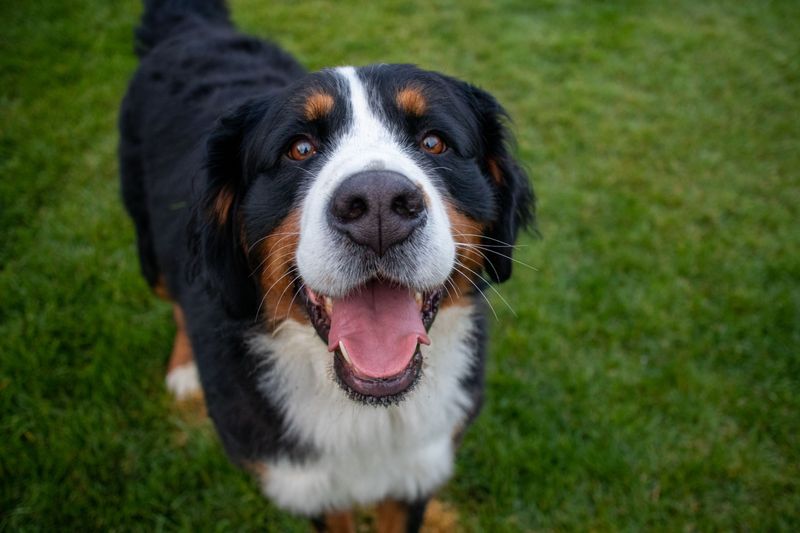
Swiss farmers needed a dog that could pull a milk cart into town without startling at market crowds. The Bernese Mountain Dog filled that role, and the even temperament it needed for busy village streets still carries into modern homes.
Berners are often described as good-natured and a bit goofy, especially as young dogs. They usually bond deeply with their people and can seem content just being in the middle of household traffic.
Puppies are a different story. A young Berner can be clumsy and mouthy for a while, and its thick coat sheds year-round.
Their lifespan is also shorter than average for dogs, often around 7 to 10 years, which is worth knowing upfront.
Basset Hound
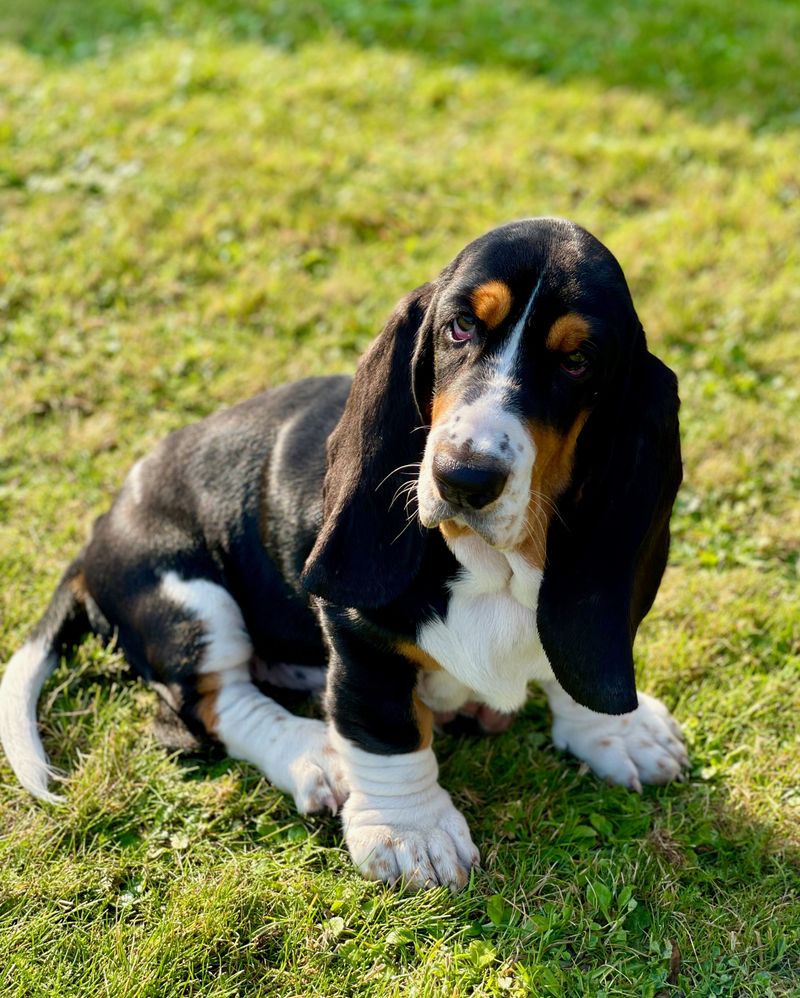
Pack hunting dogs have to get along with a crowd, and the Basset Hound spent generations trailing rabbits alongside other hounds. Living in a group selected for tolerance, so a noisy kitchen rarely rattles one.
Bassets are low-key indoors and often take household commotion with a sleepy shrug. That relaxed attitude makes them easy to live with when the schedule is packed.
Here is the catch: their nose can override their ears. Once a Basset locks onto a scent, recall may vanish, and many have a deep, carrying bay.
Keep counters clear, because that same nose will find dropped snacks in seconds.
Collie
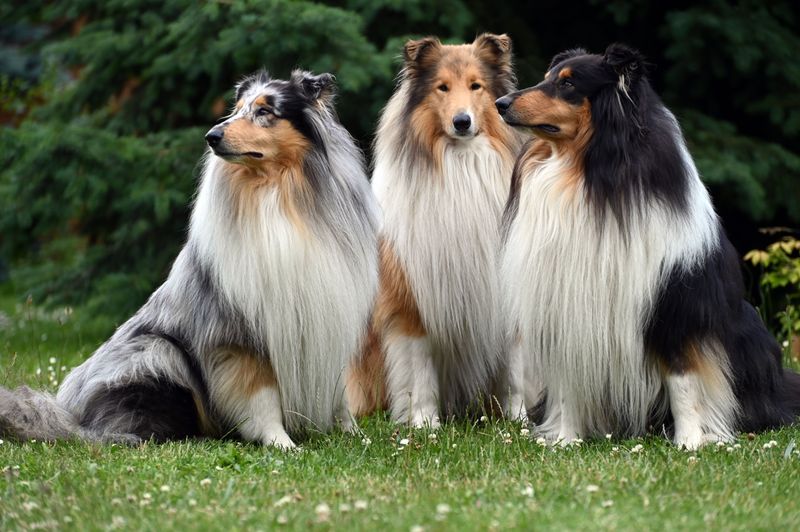
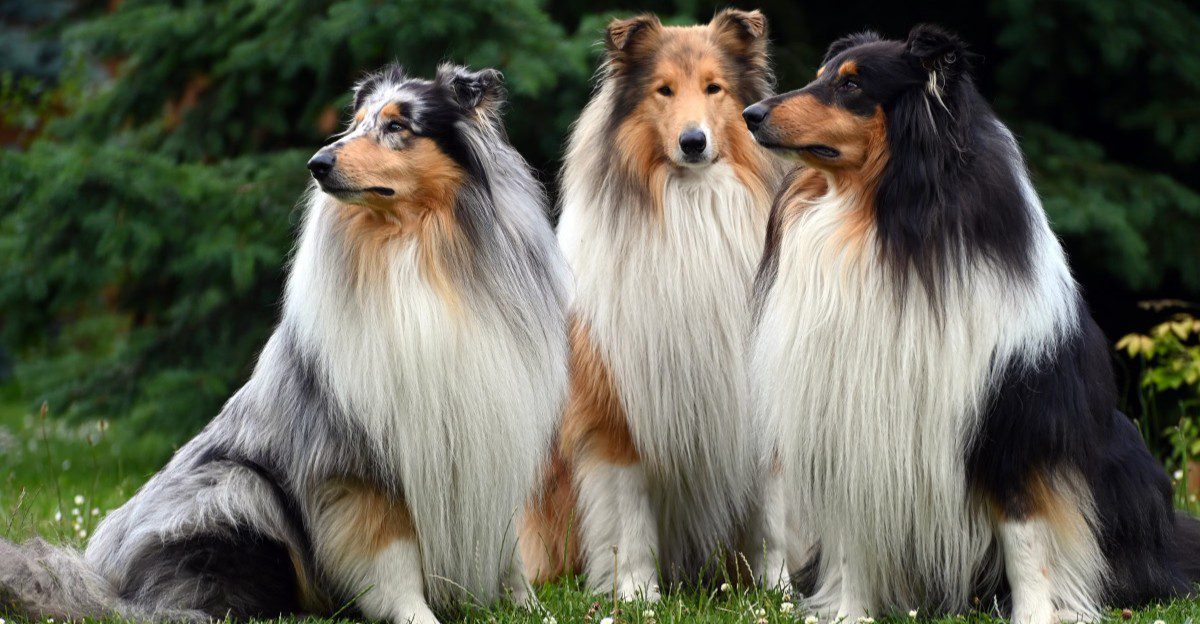
Fans of old Lassie episodes might assume the Collie is a TV invention of good manners, but the breed really does lean sensitive and kind. Bred to herd sheep in Scotland, Collies learned to work closely with people and read their cues.
That sensitivity cuts both ways in a hectic home. Many Collies stay sweet and devoted around kids, though harsh tones can upset them, so calm, reward-based training suits them best.
Herding instinct may surface as circling or barking when children run around. Giving the dog a job, like a short training session or a puzzle feeder, often redirects that urge nicely.
Greyhound
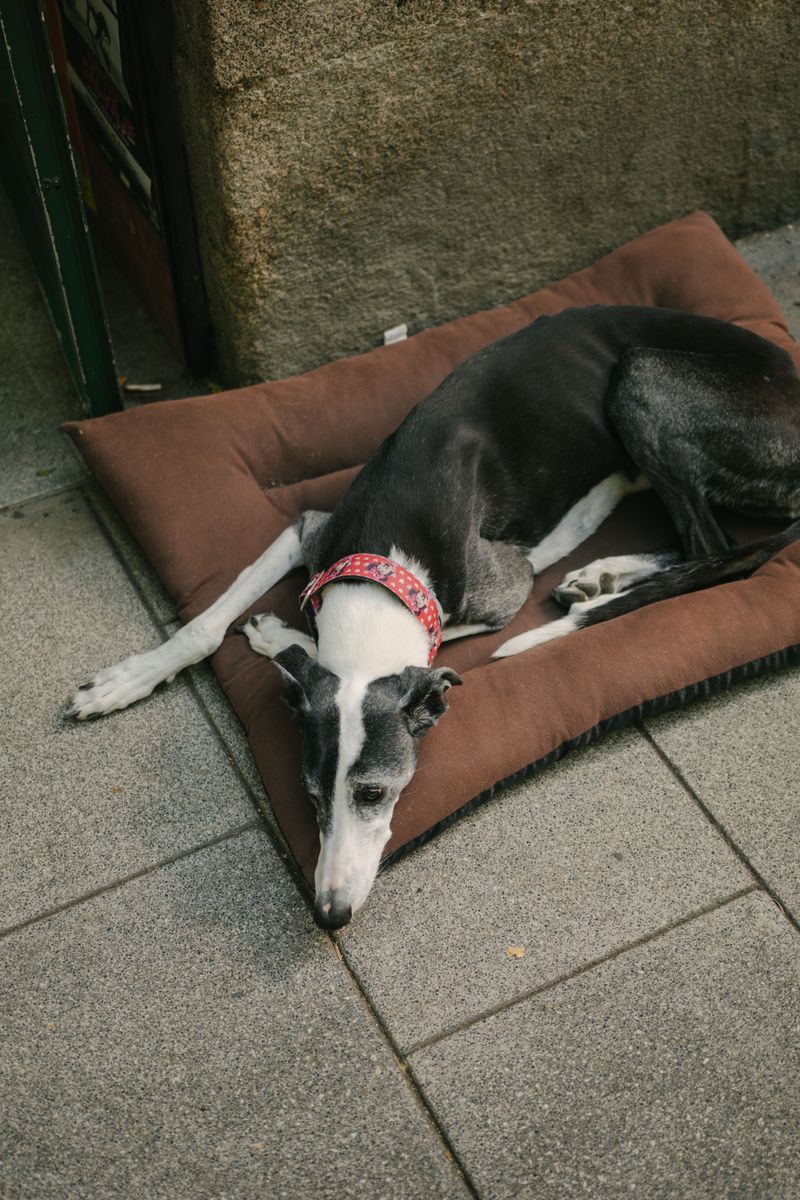
Forty miles per hour on the track, forty winks on the couch. Retired racing Greyhounds surprise new owners by how much they sleep, earning the nickname of the fastest couch potato around.
Many Greyhounds are quiet, rarely bark, and carry themselves with a polite reserve. Their mellow indoor habits make them a good match for families whose energy is already high enough.
Some ex-racers have never lived in a house, so stairs, glass doors, and slippery floors can be new. Their prey drive also means small pets and fenceless yards need caution, and a soft bed helps protect their thin-skinned, bony frame.
Bichon Frise
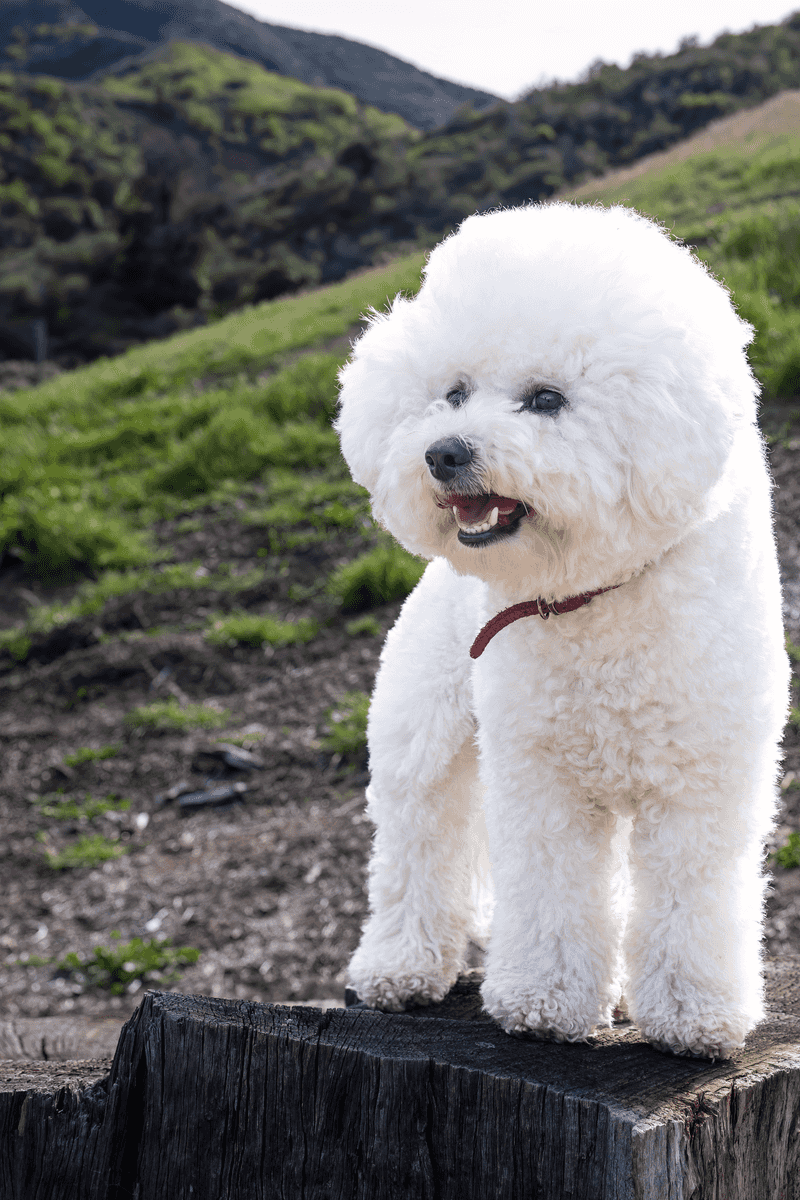
Circus rings and street performances once featured the Bichon Frise, which tells you something about how this breed handles noise and audiences. Attention from strangers tends to delight rather than worry it.
For households with frequent guests, that sociable streak is a real plus. A Bichon usually greets visitors with curiosity and settles back down without much fuss.
The coat is the commitment. It grows continuously, sheds little, and needs regular brushing plus professional grooming every few weeks to prevent mats.
Housetraining can also take a bit longer than with some breeds, so patience pays off.
Great Dane
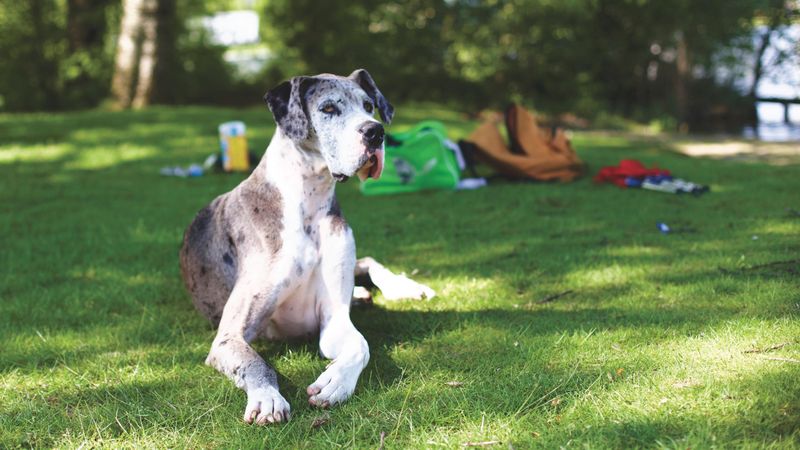
Standing taller than many kitchen counters, the Great Dane looks like it should command the room. Most of the time, it would rather lean on you.
Modern Danes have been bred for a friendly, dependable temperament, and the AKC calls them patient and gentle giants. They often stay calm around family bustle once past the gangly puppy stage.
Their size means a happy tail can clear a coffee table, so small children need supervision. Large, deep-chested breeds also carry a higher risk of bloat, a vet emergency, and many owners discuss feeding routines and preventive options with their veterinarian.
Pug
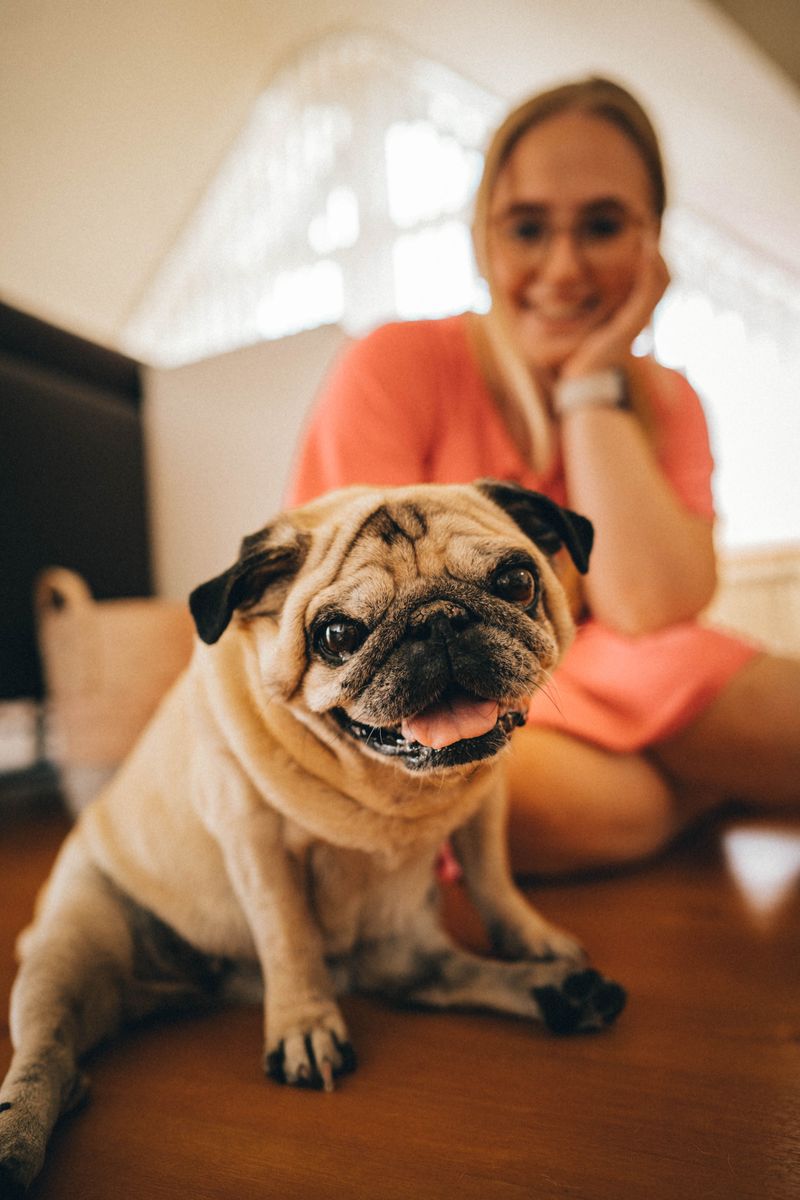
Chinese emperors kept Pugs as palace companions, and the breed still treats every room full of people as its personal court. Pugs are typically even-tempered, sociable, and happy to be part of the action.
Their small, sturdy build handles a bit of family noise well, and most do not need intense exercise. Short walks and indoor play usually cover them.
The flat face is the important ownership detail. Pugs can struggle in heat and with breathing during exertion, so air conditioning in summer and a harness instead of a collar make sense.
Their love of food also makes weight control a daily job.
Clumber Spaniel
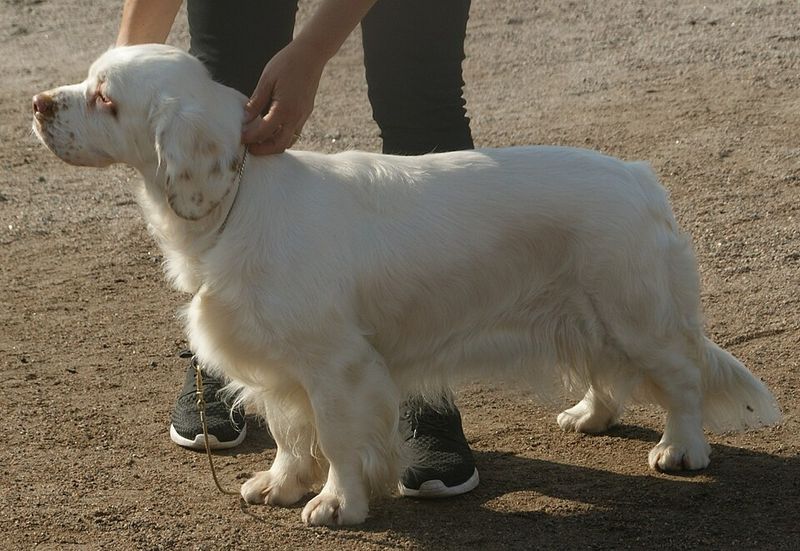
Ever heard of a spaniel described as dignified? The Clumber Spaniel, named after Clumber Park in England, is the heavyweight of the spaniel world and moves at a noticeably steadier pace than its bouncy cousins.
It was bred to flush birds methodically through thick cover for hunters on foot, and that unhurried style carries into home life. Clumbers are often mellow, gentle, and content to snooze through the noise.
They are less common than other spaniels, so finding a breeder may take time. Expect shedding, some drooling, and a fondness for carrying items around in their mouths, including your socks.
Boston Terrier
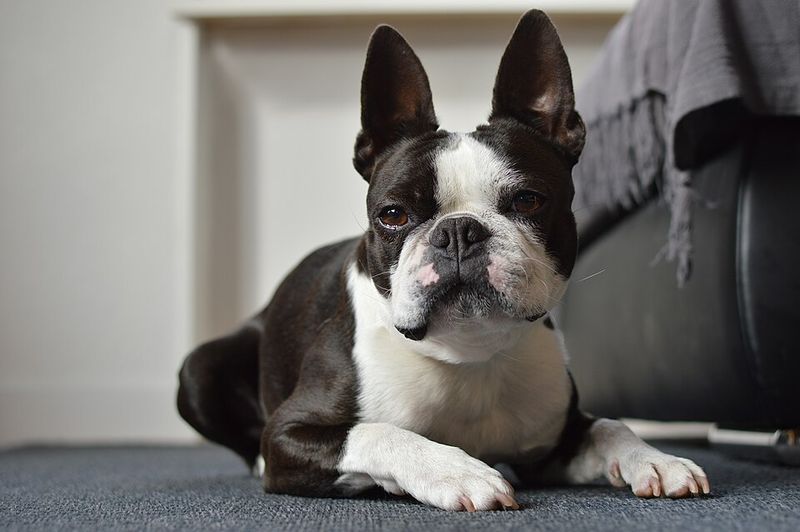
Nicknamed the American Gentleman for its tuxedo markings, the Boston Terrier has manners to match more often than not. It is lively but usually friendly, and it adapts well to apartments and full households.
Bostons generally enjoy people and other pets, and their compact size makes them easy to fit into a crowded routine. They are also known for being fairly quiet compared to many small breeds.
Like Pugs, they are short-muzzled, so heat and heavy exercise need care. Their prominent eyes can be prone to injury, which is worth remembering around rough play or thorny shrubs.
Irish Wolfhound
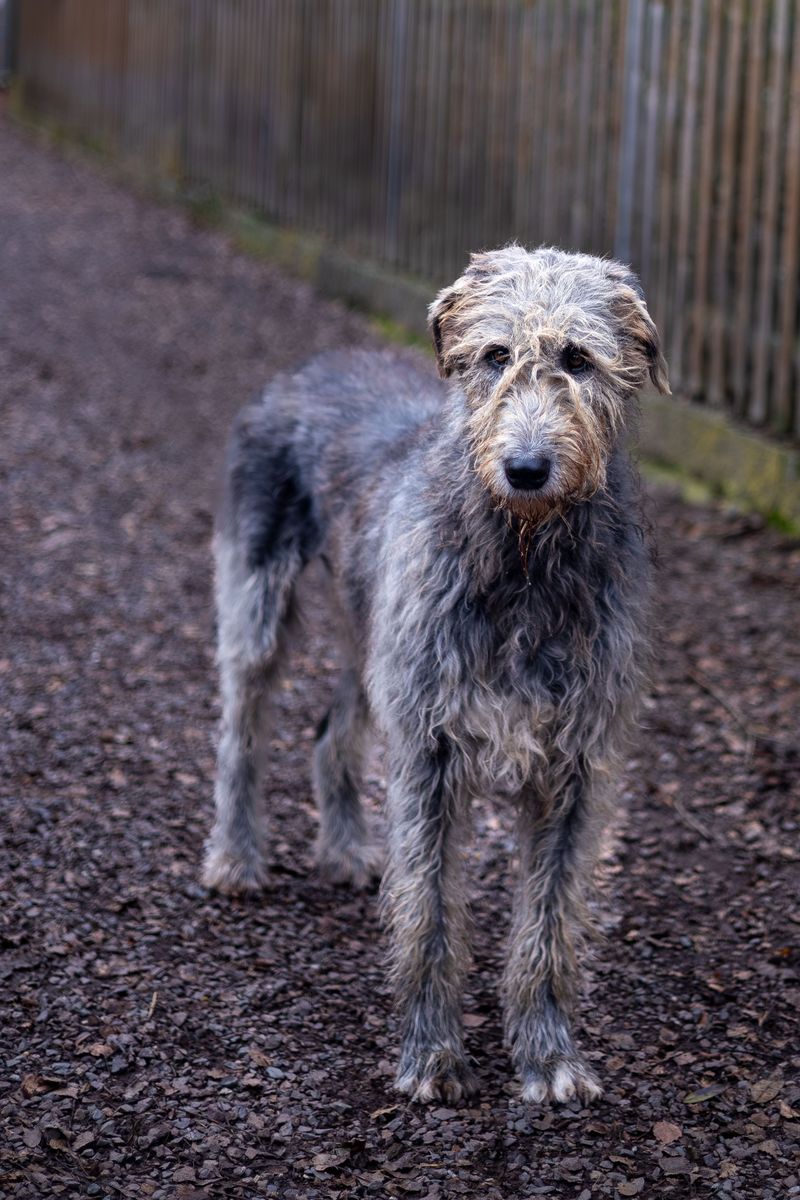
A breed built to hunt wolves now ranks among the softest-tempered giants around. The Irish Wolfhound is the tallest AKC breed, yet it is usually calm, dignified, and sweet with family members.
Wolfhounds tend to be quiet and rarely make reliable guard dogs, since many greet strangers kindly. In a busy home, they often find a corner and watch with mild interest.
They need room to stretch and a safe space to run, because the sighthound chase instinct is real. Like many giant breeds, they have a short lifespan, so families should go in with open eyes and plenty of love to give.