
Some dogs hang on every word you say, while others seem to hear only when it suits them. If you have ever wondered why one pup nails every cue and another strolls off mid-command, you are in the right place.
Here are the standout listeners and the charming rebels, broken down so you know what to expect. By the end, you will know which breeds thrive on direction and which ones prefer to negotiate.
Border Collie
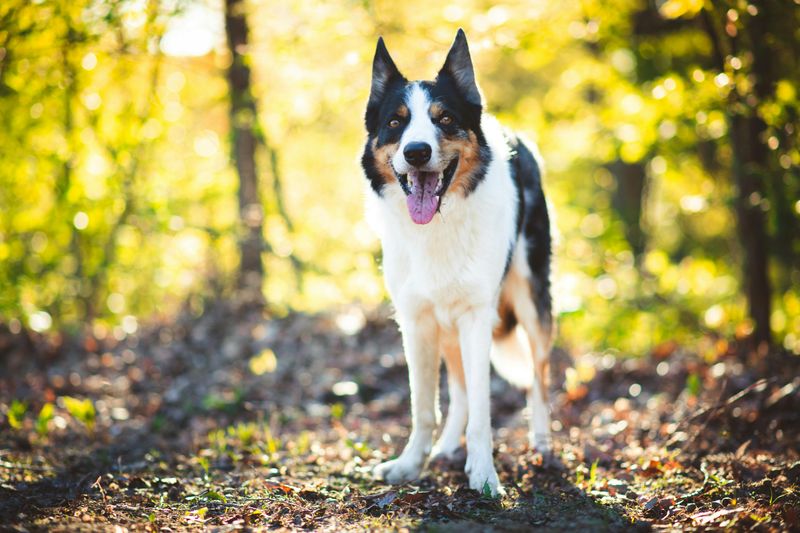
Border Collies are the gold standard for responsiveness, and you feel it the moment they lock eyes. Bred to read subtle cues, they notice a shoulder shift or eyebrow lift like a shouted command.
If you give clear direction, they snap into motion with laser focus.
To keep that listening ear, you must pair structure with mental games and steady praise. Short sessions, fast feedback, and varied tasks prevent the dreaded boredom spiral.
Give them a job, and you will swear they understand every word you mean to say.
Herding instincts can surface, so channel that energy into agility, scent games, or precise heelwork. When minds stay busy, ears stay open.
You will see reliability that feels almost telepathic daily.
Standard Poodle
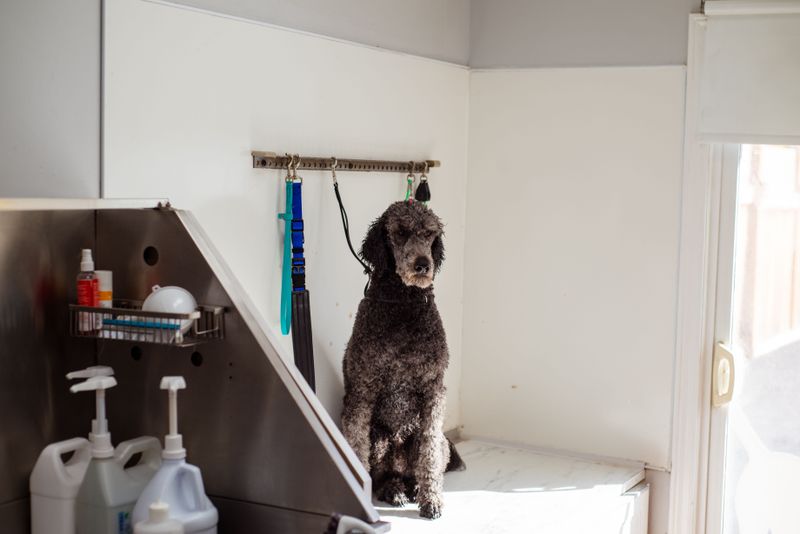
Standard Poodles are thinkers first, athletes second, and clowns whenever you laugh. That blend makes them phenomenal listeners because they love solving the puzzle you present.
Clear markers and upbeat tone turn their curiosity into instant cooperation.
They thrive when sessions feel like games, not drills. Mix retrieve work, platform training, and scent discrimination to keep the brain busy.
If you vary rewards and keep tasks novel, you will see a dog that anticipates politely instead of guessing wildly.
Grooming needs are real, but training time can be short and sharp. Ten focused minutes beats a wandering hour.
Respect their intelligence, and they will meet you with poised, velvet-smooth obedience every day.
Papillon
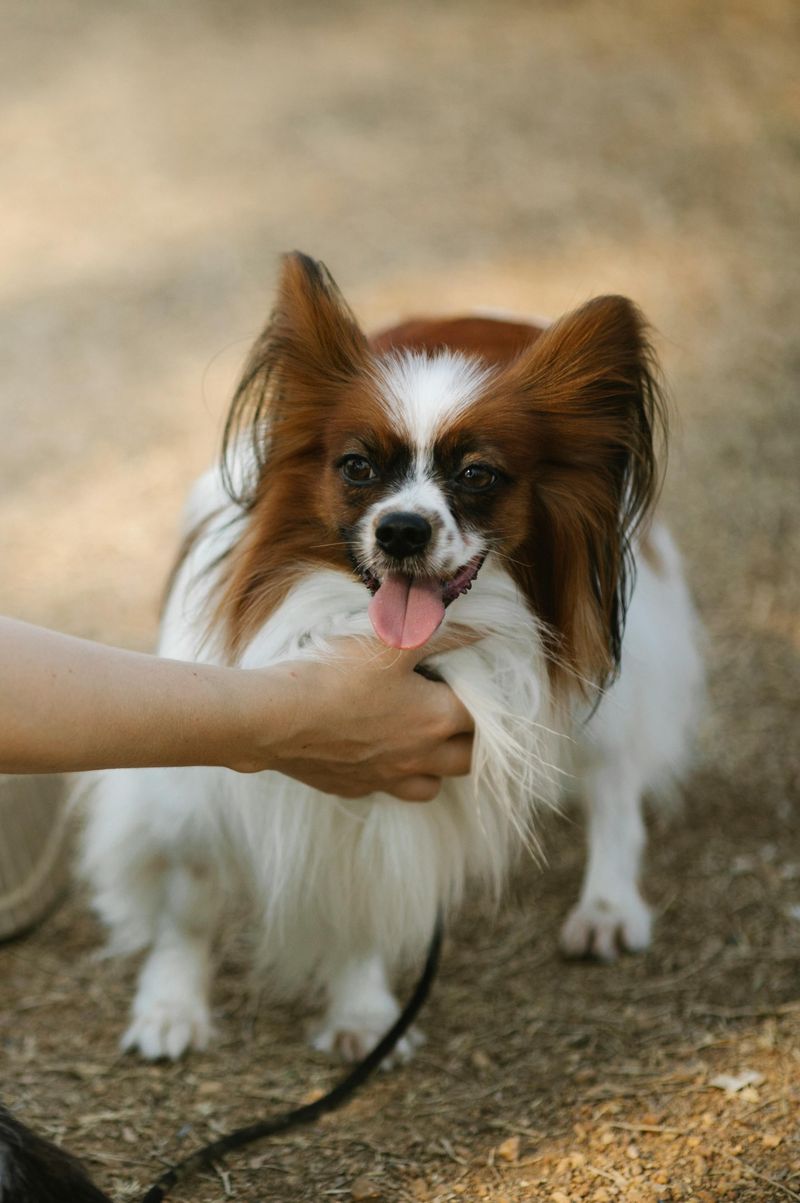
Do not let the delicate frame fool you. Papillons are bright, bouncy listeners that catch micro signals faster than many larger breeds.
When you keep cues crisp and rewards meaningful, they lock in with sparkling enthusiasm.
Because they are small, people often skip real training, and that is a mistake. Short, playful sessions with tiny behaviors build stellar manners.
Use nose targets, spin, and platform games to sharpen responsiveness without tiring joints.
They bond tightly, so your voice carries real weight. Keep your energy cheerful, and they will mirror it with quick sits and tidy recalls.
If you respect their big brain in a small body, you get a pocket rocket of attention.
Shetland Sheepdog
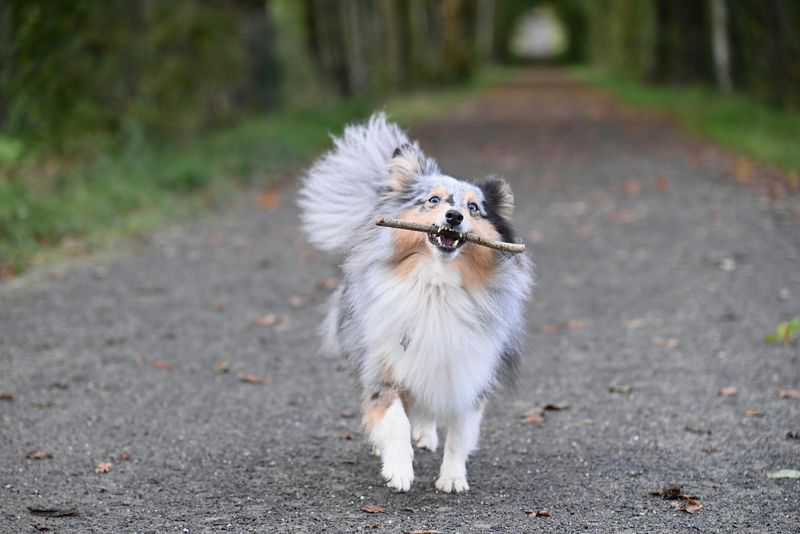
Shetland Sheepdogs read the room like seasoned stage managers. Sensitive and willing, they tune in to your tone and posture, then answer before you finish the cue.
That sensitivity means kindness and clear structure are everything.
Use calm repetition, light luring, and quick praise to build confidence. They shine with pattern games that reduce decision stress, like predictable heeling loops and simple scent searches.
If training stays fair and upbeat, you get astonishing reliability.
Watch for noise sensitivity, which can fray focus. Build positive associations with sounds and environments early.
When you invest steadily, a Sheltie becomes the kind of partner who seems to listen with their whole heart.
German Shepherd
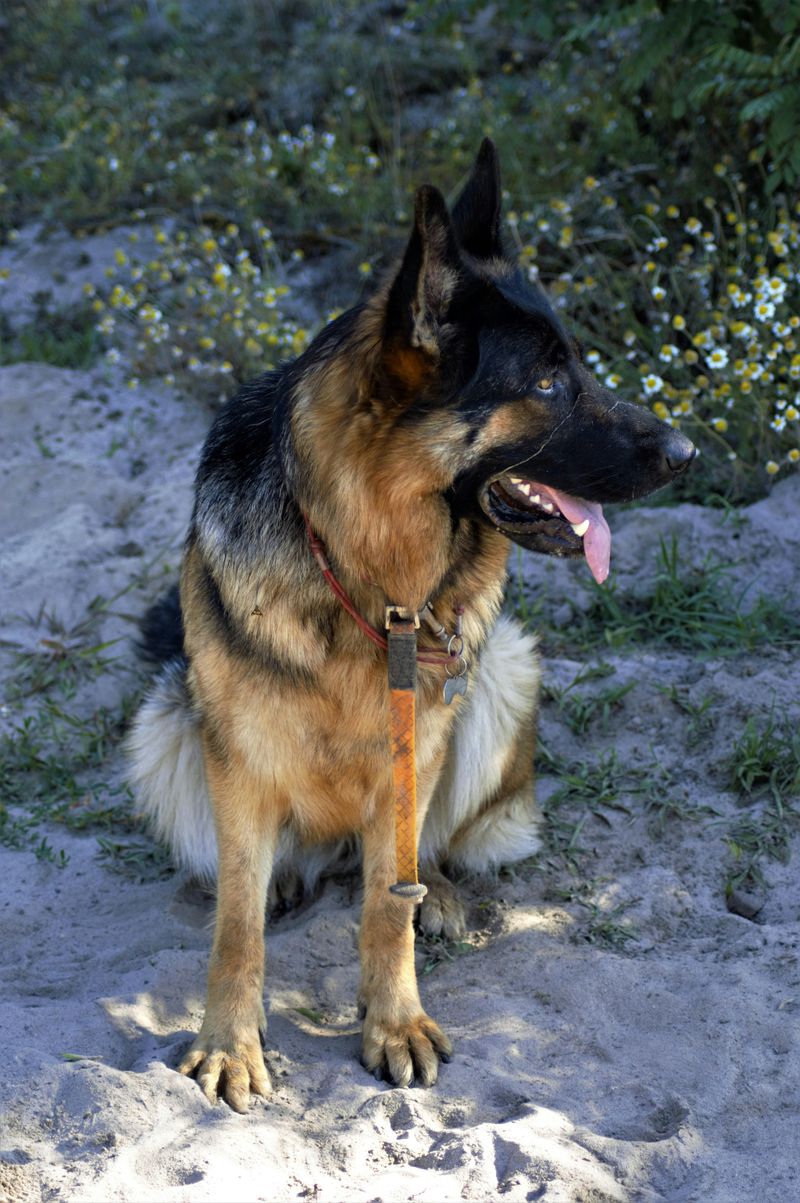
German Shepherds bring intensity, stamina, and a deep desire to understand what you want. Give them a job, and their ears turn into radar.
With consistent markers and boundaries, you get sharp, confident responses that hold under pressure.
They excel when training blends impulse control with purposeful tasks. Think down stays with distractions, controlled retrieves, and steady heeling that flows like a metronome.
Reward decisively and be fair, and they will give you honest effort every session.
Structure is love to this breed. Daily routines and clear rules provide a comforting roadmap.
Meet their exercise and brain needs, and you gain a steadfast listener who follows through even in chaos.
Golden Retriever
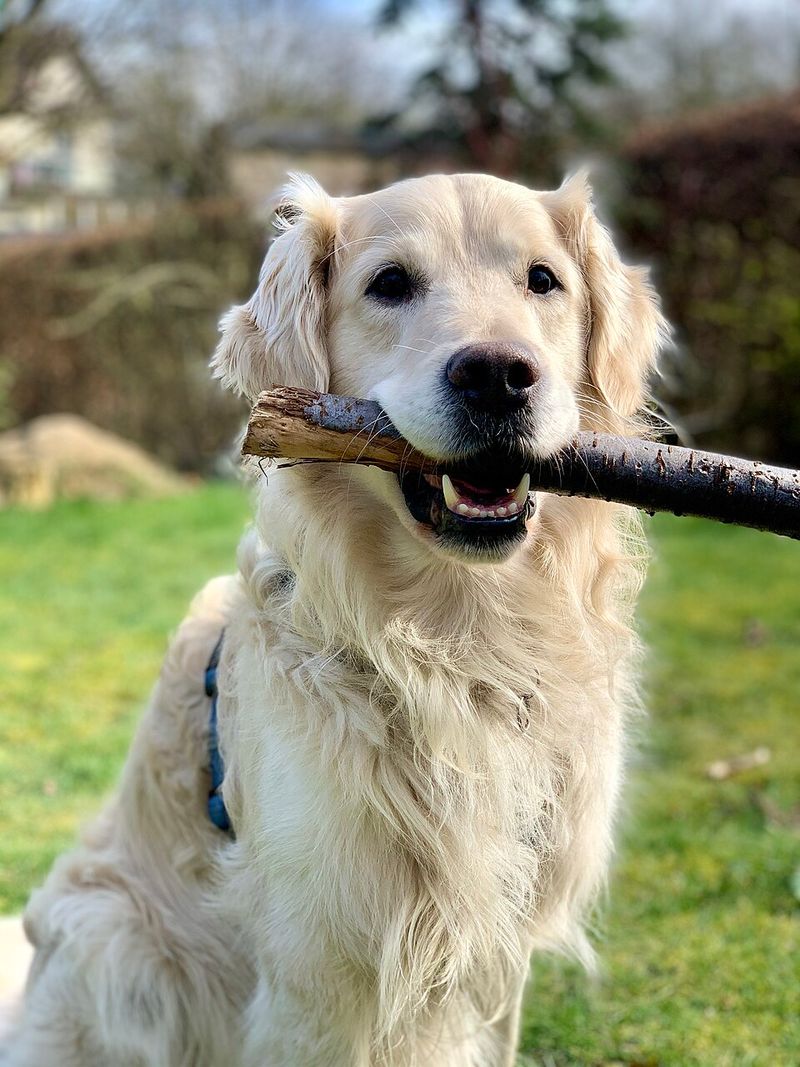
Goldens are people pleasers with built in sunshine. When you speak, they listen because your approval feels like treasure.
Pair that sweetness with consistent cues, and you get a friendly worker who tries their best every time.
Keep sessions upbeat and purposeful. Retrieve games, polite door manners, and calm leash walking channel energy into wins.
If feedback is timely and gentle, they tune in harder, building habits that stick without drama.
They can get silly, so watch arousal levels. Use quick resets, sniff breaks, and simple behaviors to restore focus.
Do that, and you will enjoy a golden thread of reliability running through everyday life.
Labrador Retriever
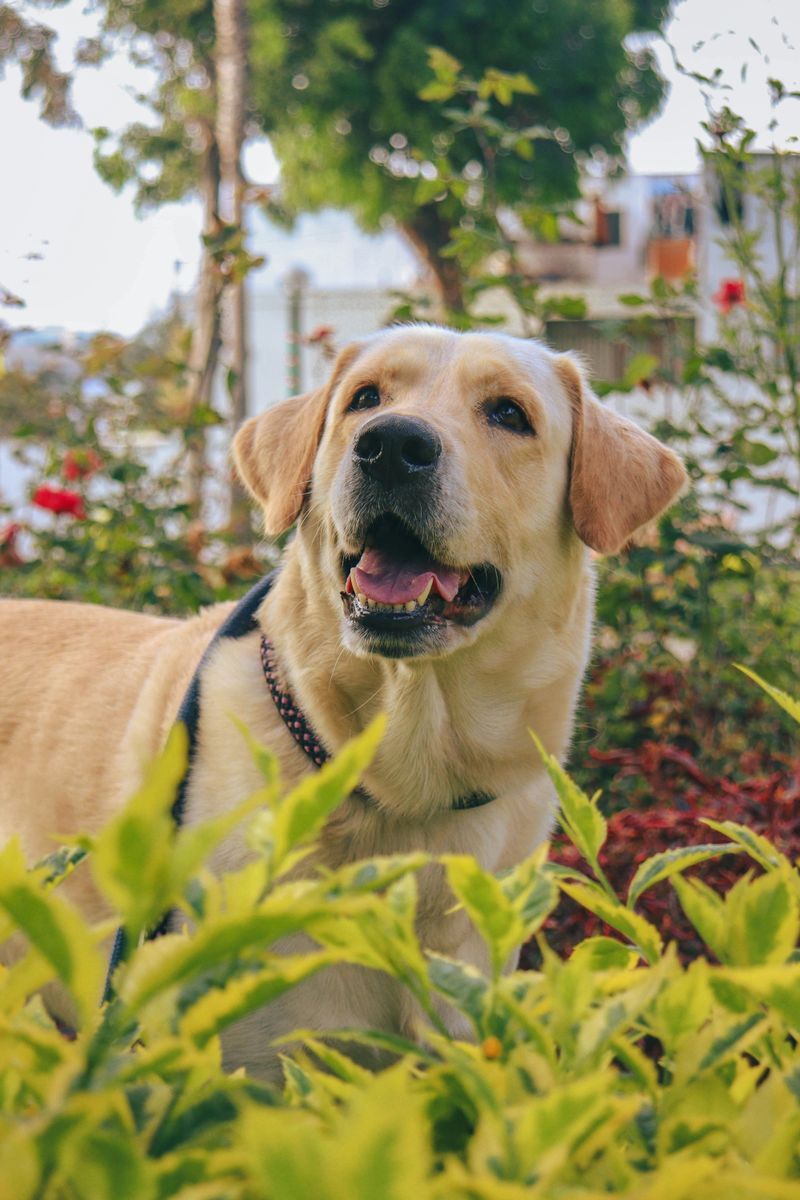
Labs love to work with you, especially when a toy or treat seals the deal. Their natural retrieve drive makes listening feel like a game you both win.
If you keep cues clear and energy balanced, they meet you with happy precision.
Use structured play to build control. Ask for sits before fetch, calm holds before release, and tidy fronts after recall.
That pattern turns excitement into focused cooperation that shows up anywhere.
Food motivated does not mean sloppy. Mark the exact moment they succeed, and you will get cleaner behavior fast.
With consistent expectations, a Lab transforms from goofy buddy into an eager, reliable teammate at your side.
Doberman Pinscher
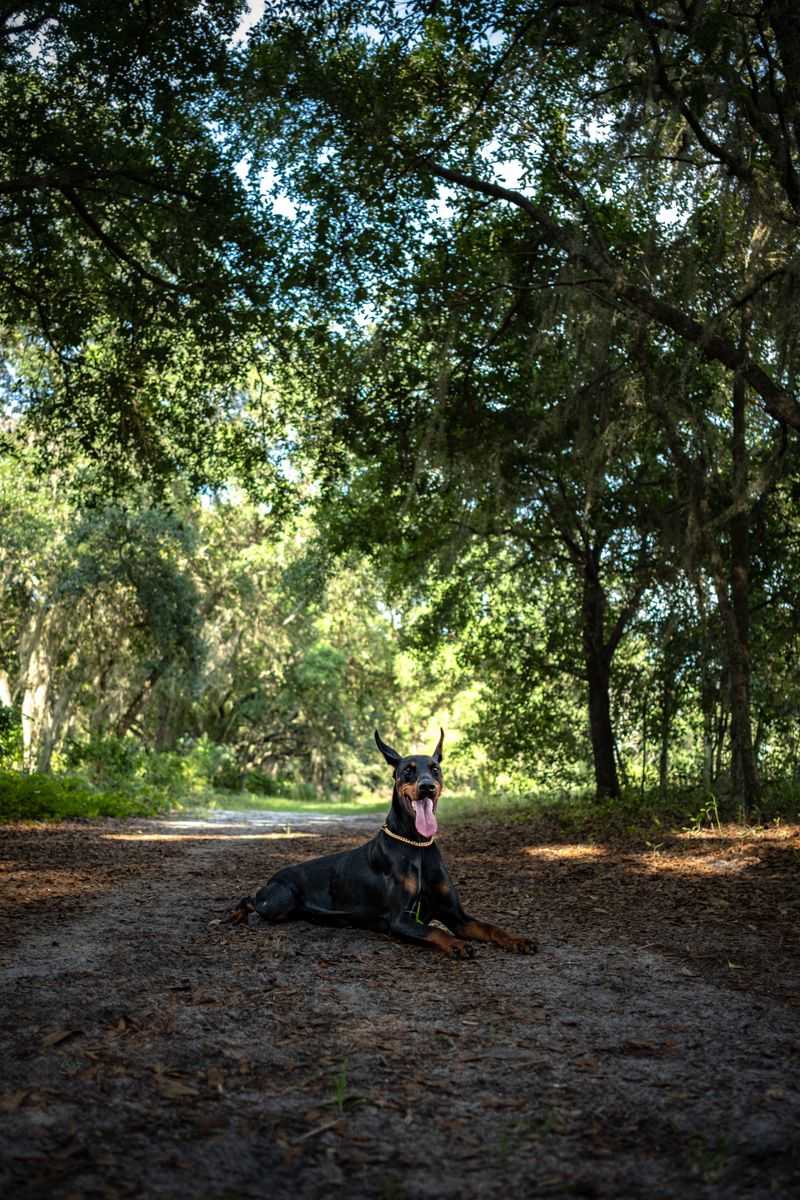
Dobermans listen like professionals when leadership is calm and consistent. They are tuned to your presence, so body language and timing carry huge weight.
Give clear jobs and respectful guidance, and you unlock beautifully crisp obedience.
They do best with short, purposeful reps and confident handling. Teach position changes, impulse control, and focused heeling that rewards eye contact.
When criteria stay fair, they trust you and drive into the work.
Over-harsh methods backfire with this sensitive athlete. Choose clarity over volume, and you will see steadier attention.
Meet their exercise needs daily, and that sharp, loyal listening stays available even in distracting spaces.
Miniature Schnauzer
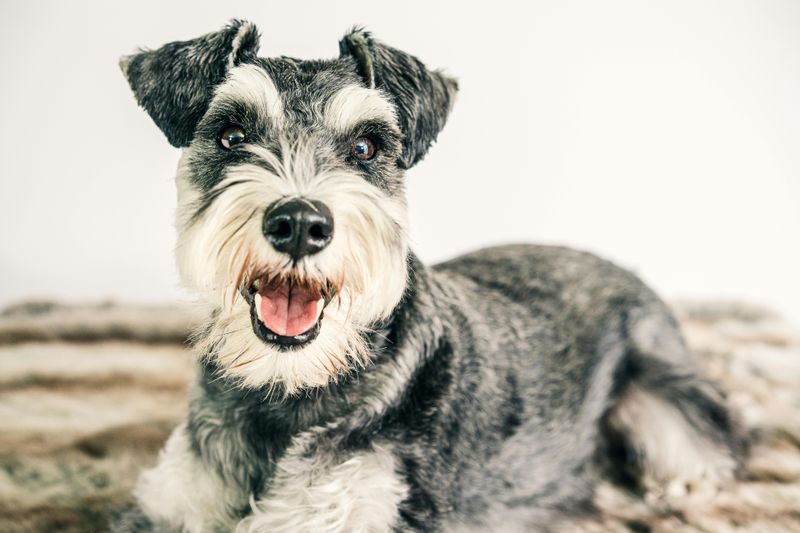
Miniature Schnauzers mix terrier spark with sturdy work ethic. That means they can listen brilliantly if you channel their curiosity before it explodes into side quests.
Keep cues clear, rewards frequent, and distractions introduced step by step.
They thrive on fast games that challenge the mind. Use nosework, trick chains, and tidy leash skills to convert pep into precision.
If you prevent boredom, you will see a dog that checks in often and holds the line.
Watch for alert barking that can break focus. Reinforce quiet and provide tasks when excitement rises.
With thoughtful structure, your Schnauzer becomes a witty, reliable listener in a compact, bearded package.
English Springer Spaniel
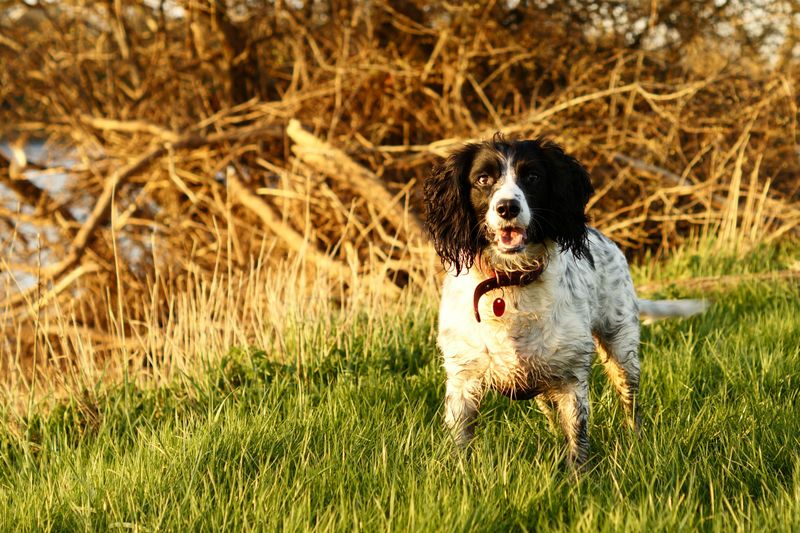
Springers bring cheerful drive and a generous desire to cooperate. They listen best when you harness that energy into clear hunting or household tasks.
With consistent reinforcement, their eager nature becomes steady, repeatable obedience.
Use recall games, controlled fetch, and patterned heelwork to build reliability through fun. Keep arousal in check with calm breaks, then dive back into focused reps.
When you balance enthusiasm and structure, you get a joyful partner who still hears you.
Field instincts can pull focus toward birds and brush. Start distraction work early and pay handsomely for returning attention.
Do that, and your Springer will listen through rustling leaves and tempting scents alike.
Australian Shepherd
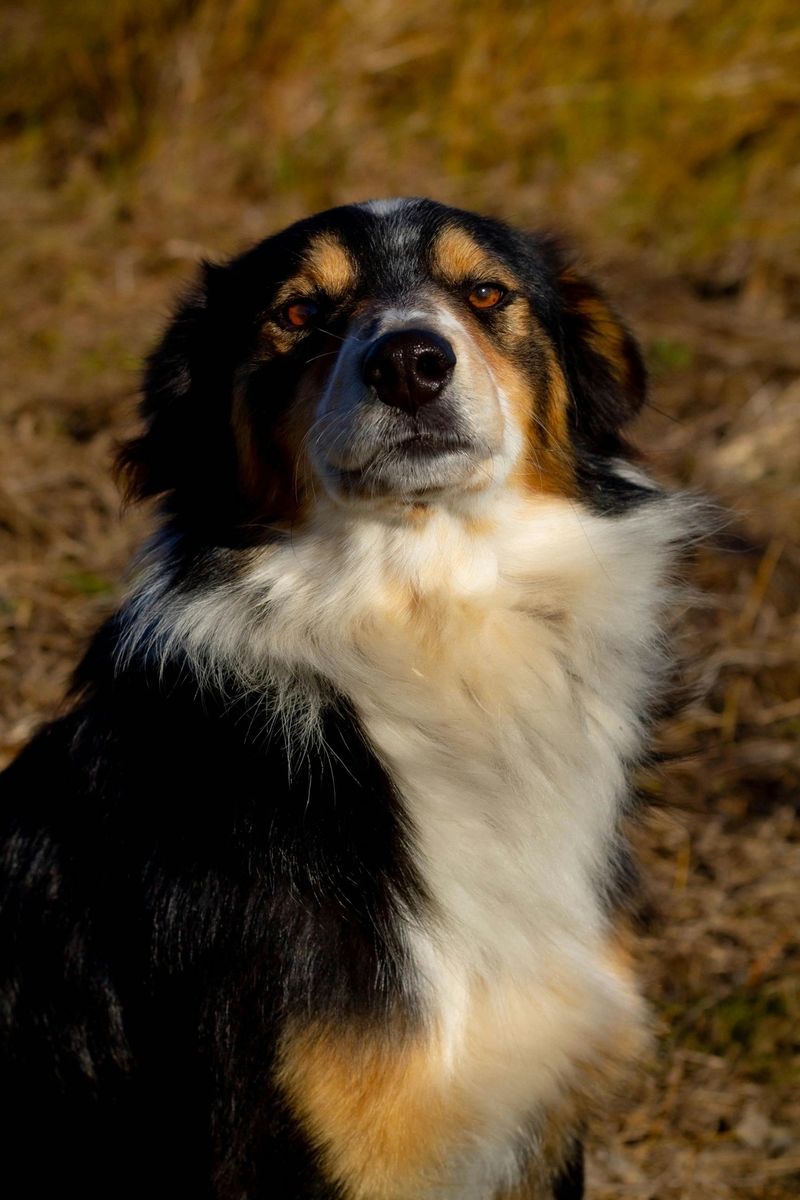
Australian Shepherds bring Border Collie level focus with a dash of mischievous flair. They want a mission and clear benchmarks, not vague encouragement.
When you outline the game, they pour in effort until the whistle blows.
Teach impulse control alongside creative jobs. Down stays before agility, calm crate entries, and deliberate hand targets turn drive into disciplined listening.
Reward choices, not just outcomes, and watch the self control blossom.
They can outthink sloppy plans. Rotate skills, keep criteria transparent, and celebrate small wins.
When you guide that big brain with structure, you get a devoted, switch-on listener who shows up every single time.
Collie
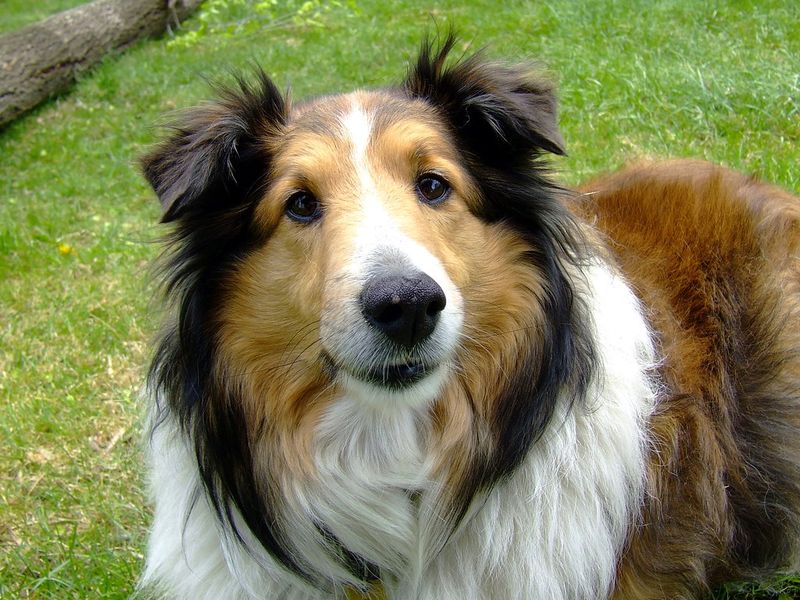
Collies are gentle communicators who read faces like open books. They listen because they truly want social harmony.
Offer steady guidance and sincere praise, and you get elegant, consistent responses without heavy pressure.
They excel with pattern-based training that reduces uncertainty. Use predictable heeling routes, stationing mats, and quiet recalls to build confidence.
When you speak softly and reward quickly, they absorb routines with calm delight.
Watch for sensitivity to scolding or chaos. Keep sessions peaceful and end on a win.
Treat them like thoughtful partners, and you will be rewarded with gracious listening that feels effortless in daily life.
Afghan Hound
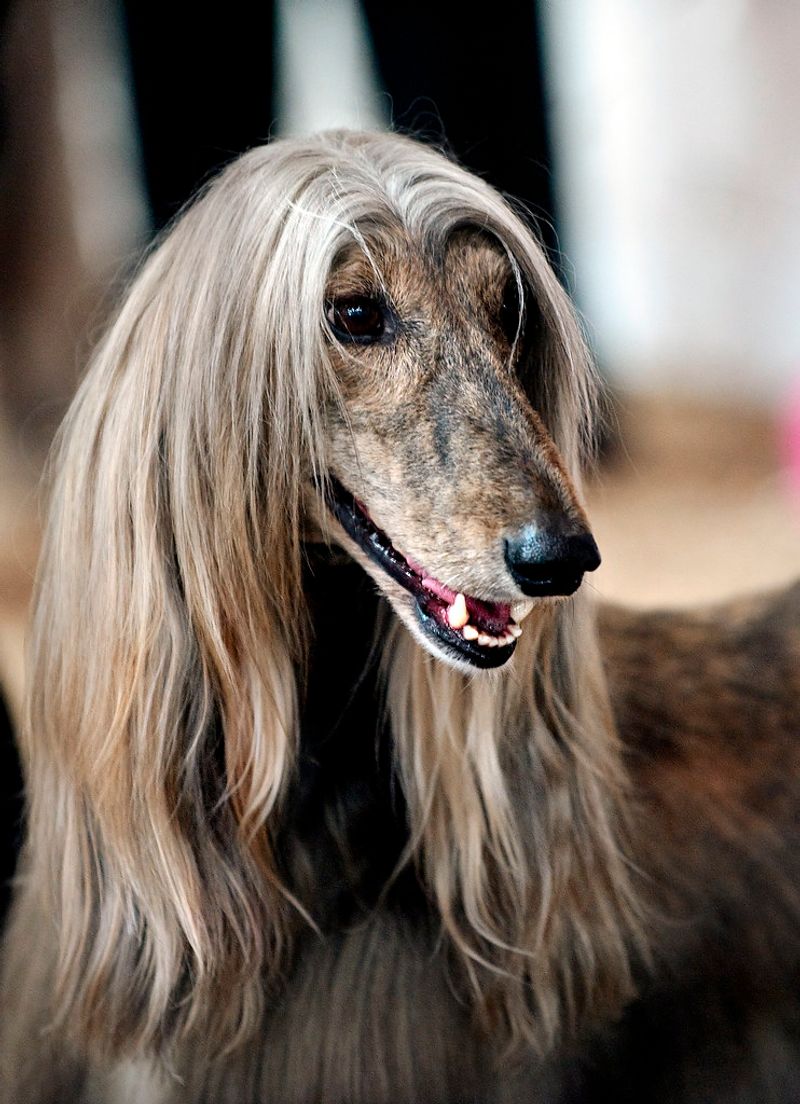
Afghan Hounds are gorgeous free spirits, and sometimes your cue ranks below the wind. They absolutely can learn, but they prefer decisions that make sense to them.
If you keep training brief, valuable, and dignified, you will get better buy in.
Use high value rewards and avoid nagging. Practice short recalls with big jackpots, then release them to trot proudly.
Keep calm, because pressure invites aloof disengagement rather than cooperation.
Sighthound instincts mean motion steals attention fast. Build reliability in quiet spots before adding moving distractions.
With patience and smart setups, you will earn selective ears more often, even if they occasionally pretend you were not speaking at all.
Basenji
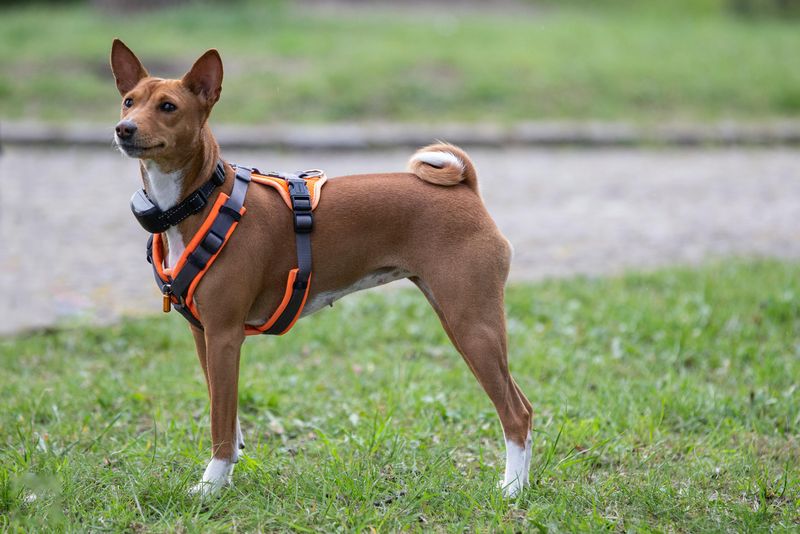
Basenjis are brilliant, catlike thinkers who negotiate rather than obey. They hear you, then decide if the exchange rate is worth it.
If you treat training like a clever trade, you will see sharper attention.
Choose high value reinforcers and keep sessions brisk. Reinforce offered focus, then fold in simple cues before curiosity wins.
Avoid repeating commands because they tune out fast when words lose meaning.
Chase instincts and independence can steal ears outdoors. Start games in quiet spaces, pay generously, and practice freedom as a reward for listening.
With steady, fair deals, you will coax cooperation, though they might still pretend your recall was a friendly suggestion.
Shiba Inu
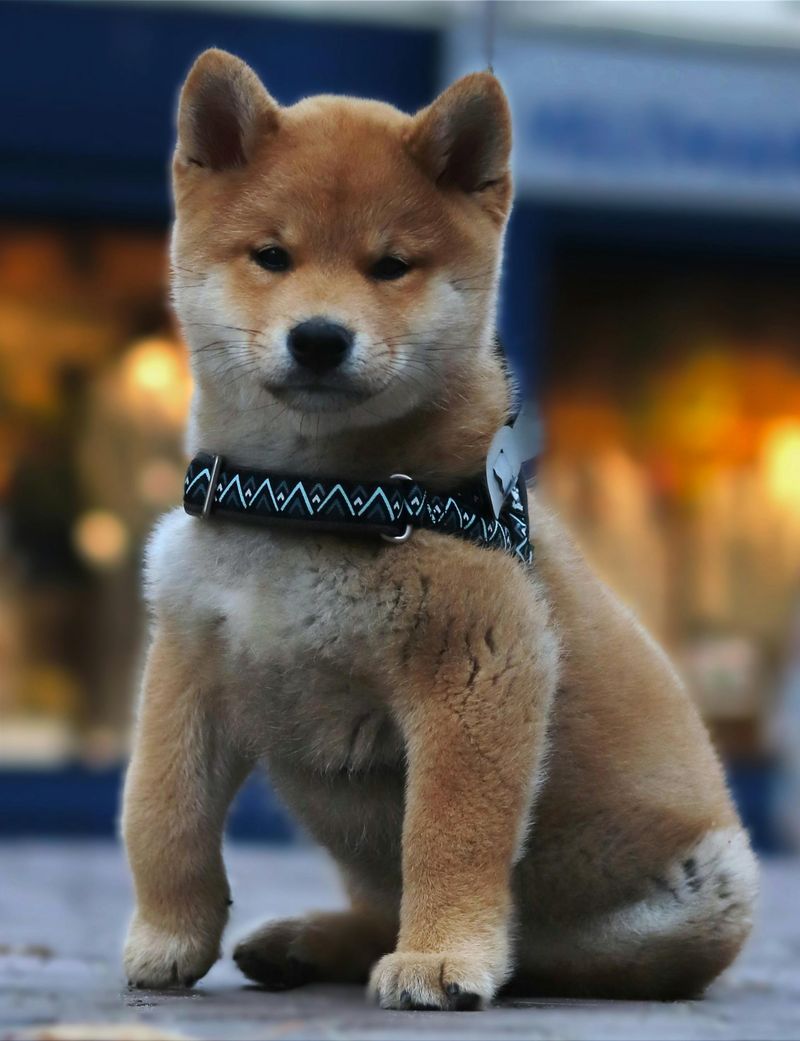
Shibas are charming contrarians with strong opinions about your plans. They understand cues, they just weigh options before complying.
If you keep stakes high and cues crystal clear, they will choose you more often.
Use games that pay promptly for engagement. Reinforce eye contact, quick sits, and short recalls, then grant freedom as the jackpot.
Keep sessions short because boredom invites that famous selective hearing.
They are escape artists at heart, so manage safety while you build reliability. Practice in secure areas and proof gradually against real life distractions.
With patience and respect, you will get cooperation that feels earned, not demanded, even if they sometimes play pretend.