
Some dog breeds show up more often in serious incident reports. That can sound scary, but numbers do not explain training, care, or context.
A dog’s daily life, health, and handling matter a lot. Here are insights that put stats in perspective and offer practical ways to raise safer, happier dogs.
American Pit Bull Terrier
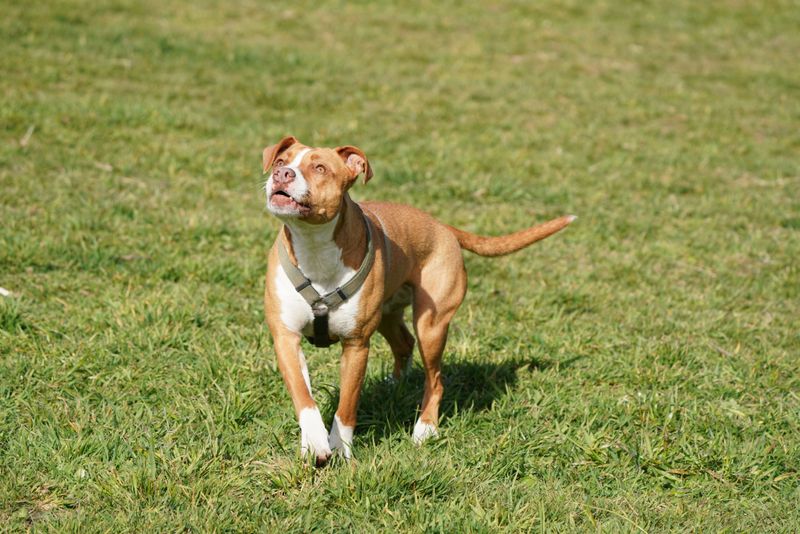
With a grin and a wiggle, many Pit Bulls greet friends like long-lost pals. Headlines forget how much training and management shape behavior.
Strong bodies and high drive need clear rules, daily exercise, and safe play.
Choose sturdy leashes and supervise introductions. Teach calm sits for greetings, and reward relaxed choices.
Provide chew toys, flirt pole sessions, and crate rests. Respect breed mix confusion in reports, and focus on your dog’s skills, not labels today.
Rottweiler
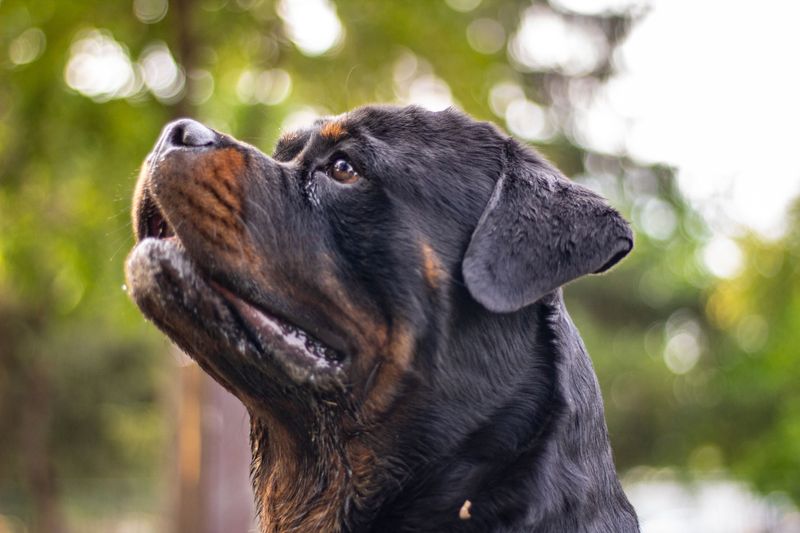
Big head, bigger heart, the Rottweiler often bonds like family. Early cart-pulling roots made them powerful workers, not automatic guardians.
Muscle does not replace manners, so plan training the way you plan meals.
Practice loose-leash walks, doorway patience, and quiet settles around visitors. Give jobs like scent games or carrying a backpack on hikes.
Use secure fencing and rotate toys to prevent resource scuffles. Responsible breeding, health checks, and steady routines turn potential into reliability.
German Shepherd
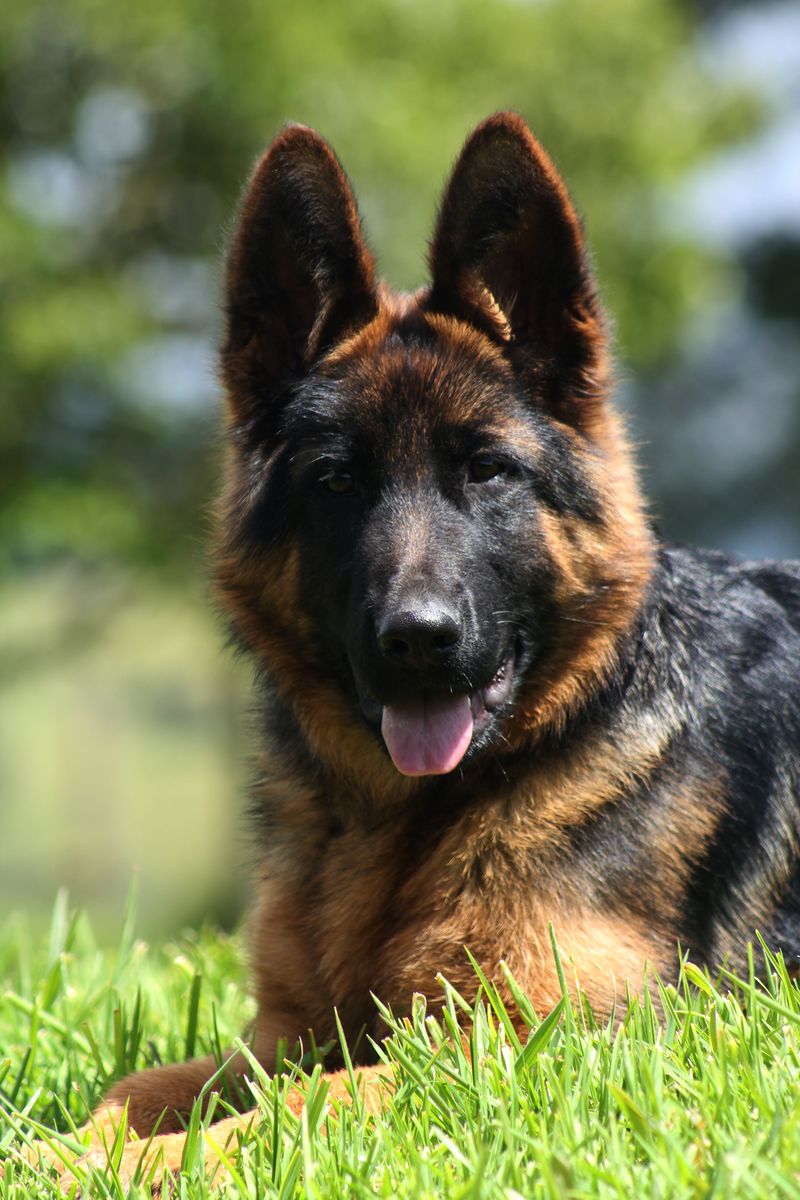
Watchful eyes and quick feet make many German Shepherds natural problem solvers. Police and sport work built reputations, but those skills need direction at home.
Without structure, smart dogs invent their own jobs, like patrolling windows.
Channel energy with tracking games, obedience patterns, and long-line hikes. Train clear off switches, teach place mats, and practice neutral greetings.
Hip care, mental breaks, and kind consistency guard against stress. Confidence grows when owners coach, not just correct.
American Bulldog
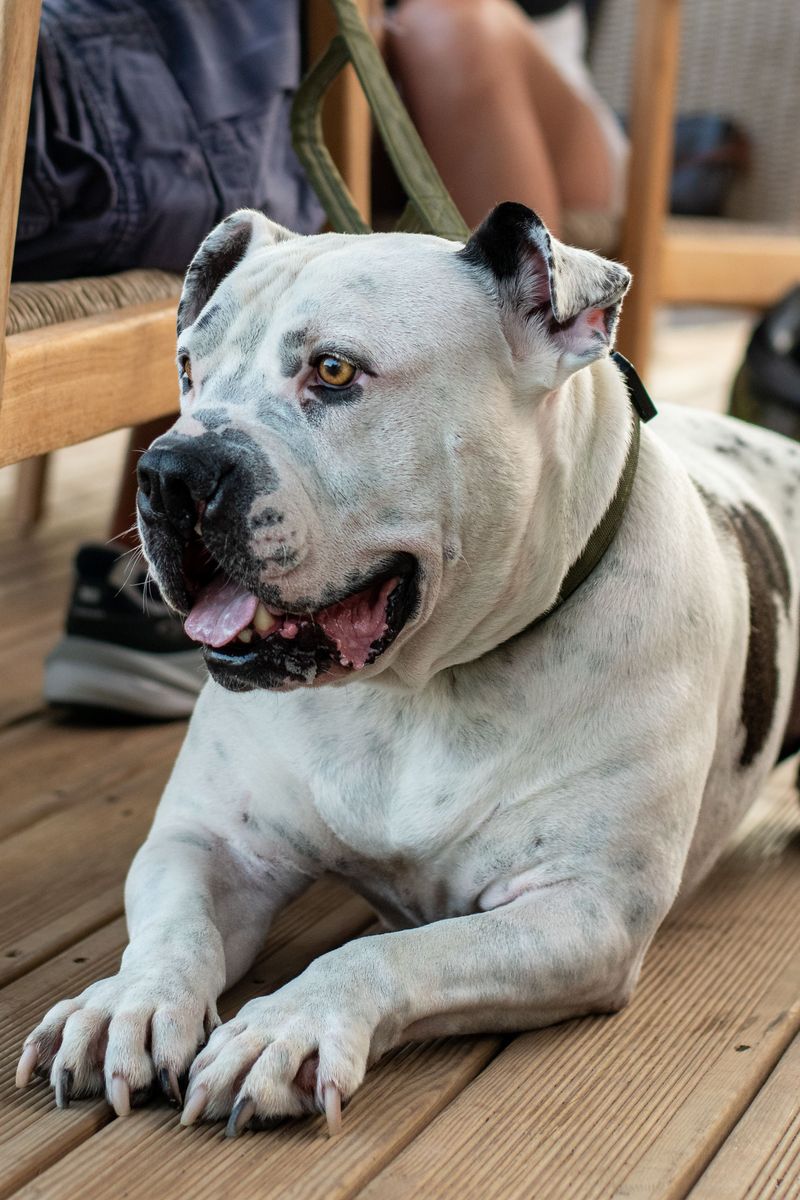
Farm-bred grit meets couch cuddles in the American Bulldog. Many are clownish with family yet pushy in play.
Big jaws and bounce call for structure that keeps fun safe.
Teach drop-it early, rotate tug with calm breaks, and use strong chew options. Socialize with steady adult dogs, not chaotic dog parks.
Short training bursts, clear boundaries, and steady feeding schedules help them relax. Health screening and weight control protect joints during all that leaping daily.
Mastiff
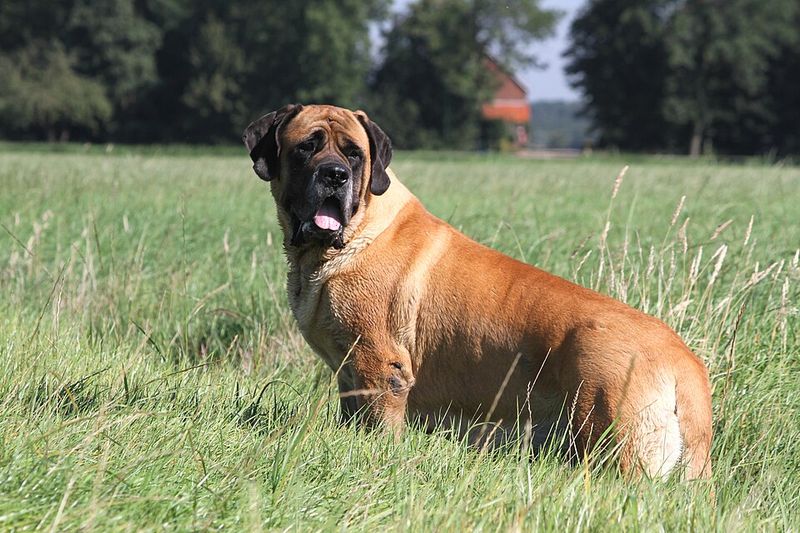
A Mastiff’s calm stare can fill a doorway, yet many prefer naps to noise. Size multiplies mistakes, so small habits matter.
Gentle handling and routine build trust in such a giant frame.
Use short, positive sessions to teach leash manners and polite waiting. Reinforce going to a bed when guests arrive.
Plan car access, non-slip floors, and vet handling practice. Keep social outings brief, then give recovery time.
Thoughtful care turns bigness into steadiness daily.
Siberian Husky
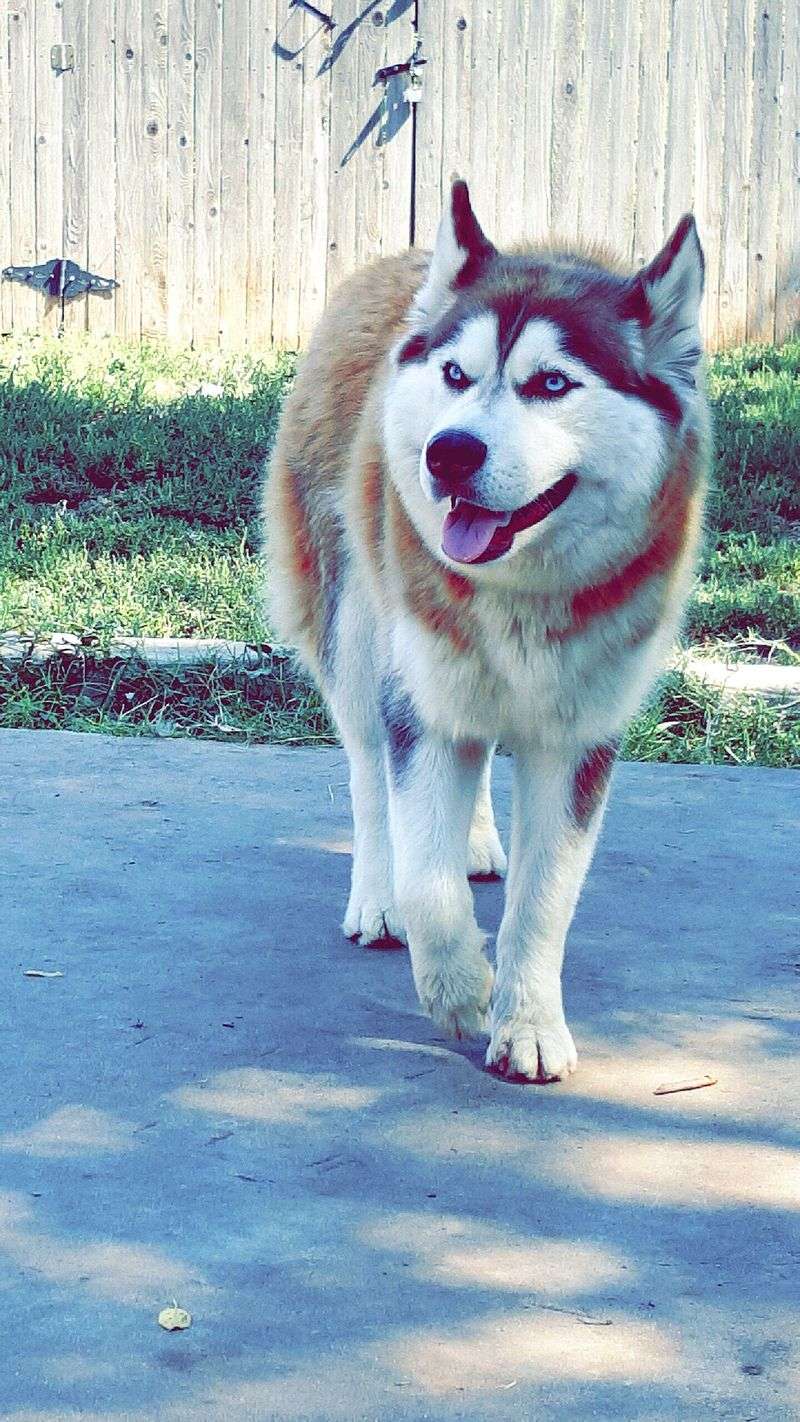
Those bright eyes seem to laugh, and Huskies often chase fun like a sport. Sled heritage built stamina and independence, which can look like stubbornness.
Boredom invites escapes.
Secure fences, dig zones, and harness activities help direct that zest. Try canicross, bikejoring, or long trail runs, paired with rest.
Practice recall on lines and reward check-ins often. Cool temps, grooming, and puzzle feeders keep minds busy.
A tired Husky makes better choices at home nightly.
Boxer
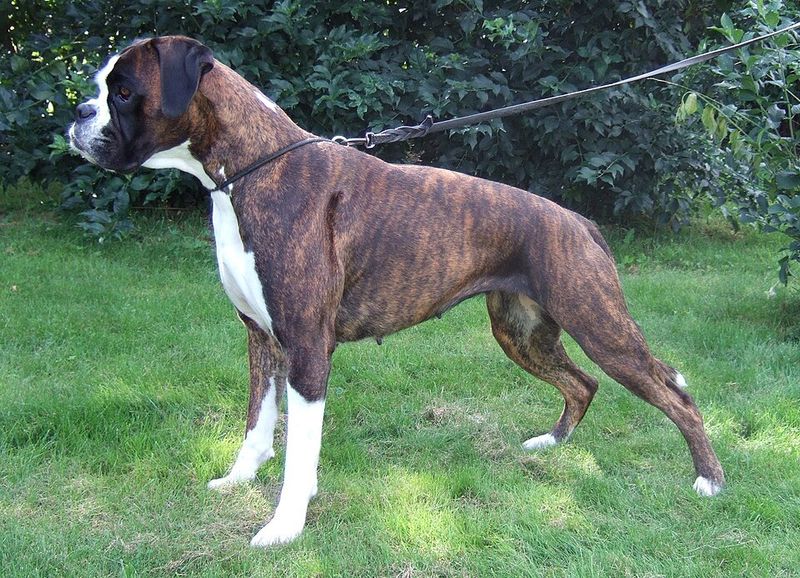
Goofy hops and endless wiggles make Boxers natural comedians. Under the jokes lives a sensitive athlete who reads your mood.
Lack of outlets can turn that spark into jumping and mouthing.
Short sprint games, obedience with play breaks, and nosework balance body and brain. Teach four-on-the-floor greetings and offer frozen Kongs for downtime.
Watch heat, because short muzzles struggle. Consistent sleep, vet checks, and clear routines help them shine in busy homes and parks daily.
Doberman Pinscher
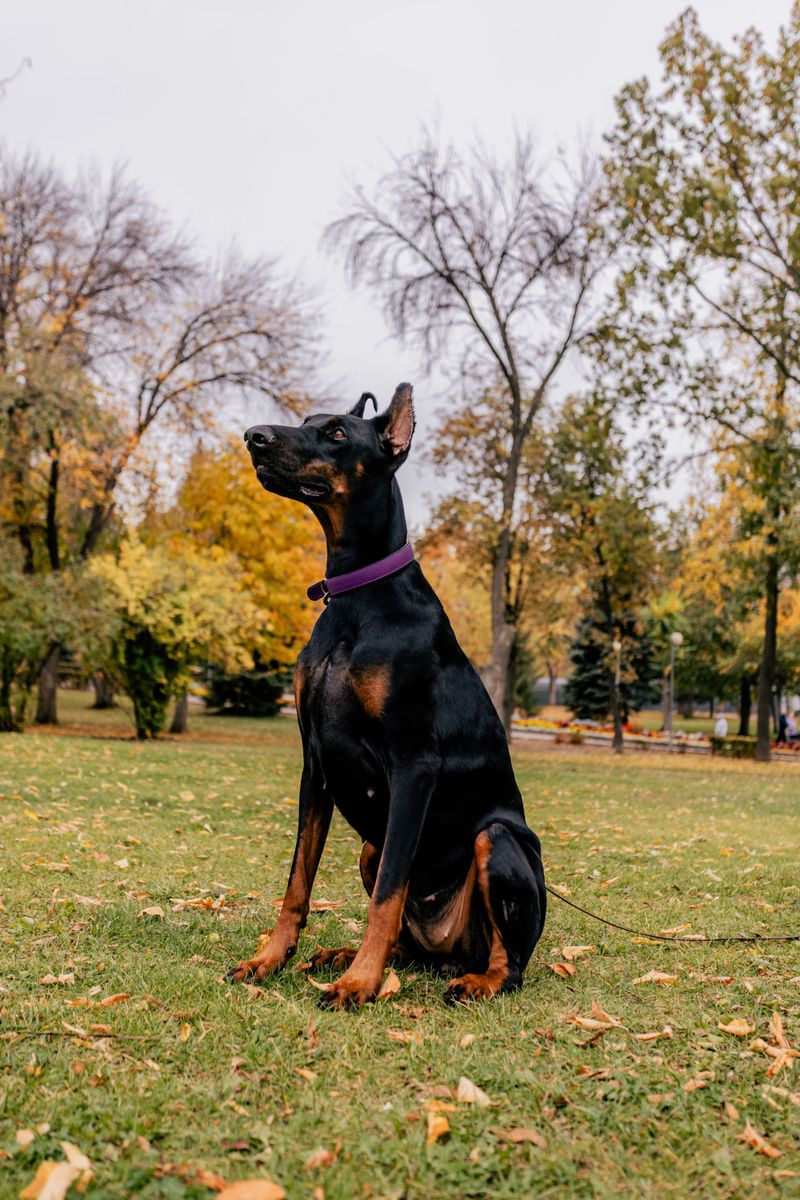
Sleek like a runner, the Doberman often seems born for focus. Yet even alert dogs need gentle social practice.
Overprotection grows when curiosity is not rewarded.
Pair obedience with field trips to calm places, feeding treats for relaxed body language. Teach solid stays, controlled fetch, and settle on a mat.
Use fit harnesses and rotate quiet time with training. Heart testing and nail care matter.
Predictability builds trust without dulling that sparkle in daily life.
Akita
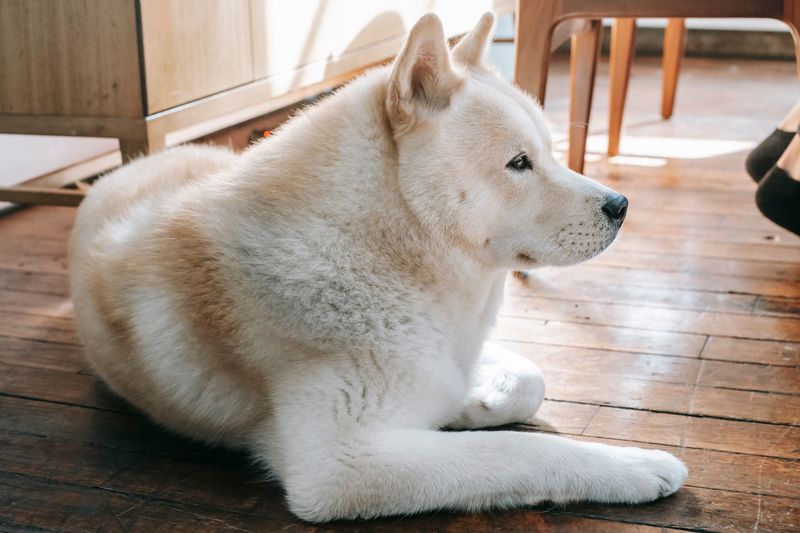
An Akita’s steady gaze tells you it is thinking hard. Many do best with respectful space and clear direction.
History as a hunting guardian shaped independence.
Keep greetings low-key, supervise same-sex interactions, and teach strong leave-it cues. Leash skills, muzzle comfort, and calm car loading are smart habits.
Offer scent walks and quiet training to strengthen teamwork. Health screening and consistent rules support harmony.
Leadership here means patience, fairness, and planning in all daily routines.
Chow Chow
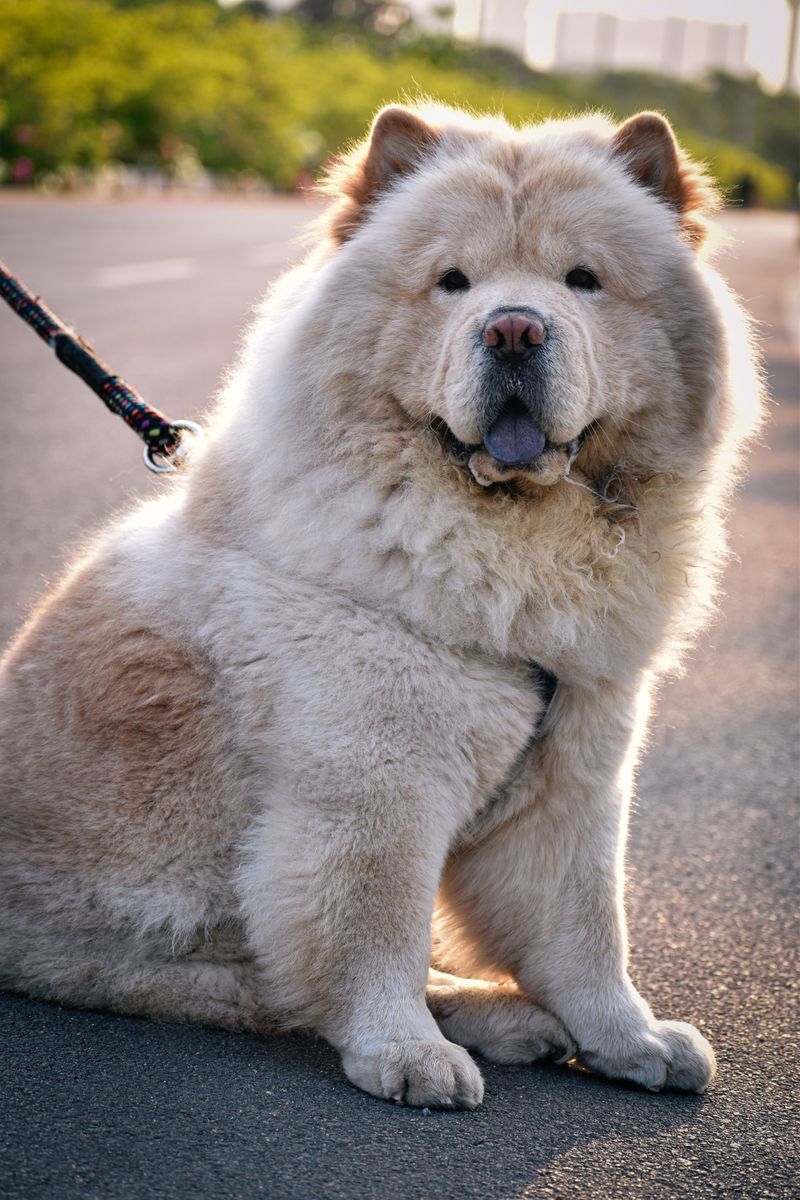
Teddy-bear looks can hide a serious thinker. Chow Chows often prefer one-or-two person circles and dislike pushy handling.
Respect goes a long way.
Train with tasty rewards and short, predictable sessions. Brush early and often so grooming feels normal.
Introduce friends with parallel walks, not face-to-face crowding. Use gates, leashes, and clear rules to prevent mix-ups.
Slow, smooth movements, eye-softening, and quiet praise help these dignified dogs feel safe in homes that value patience daily.
Cane Corso
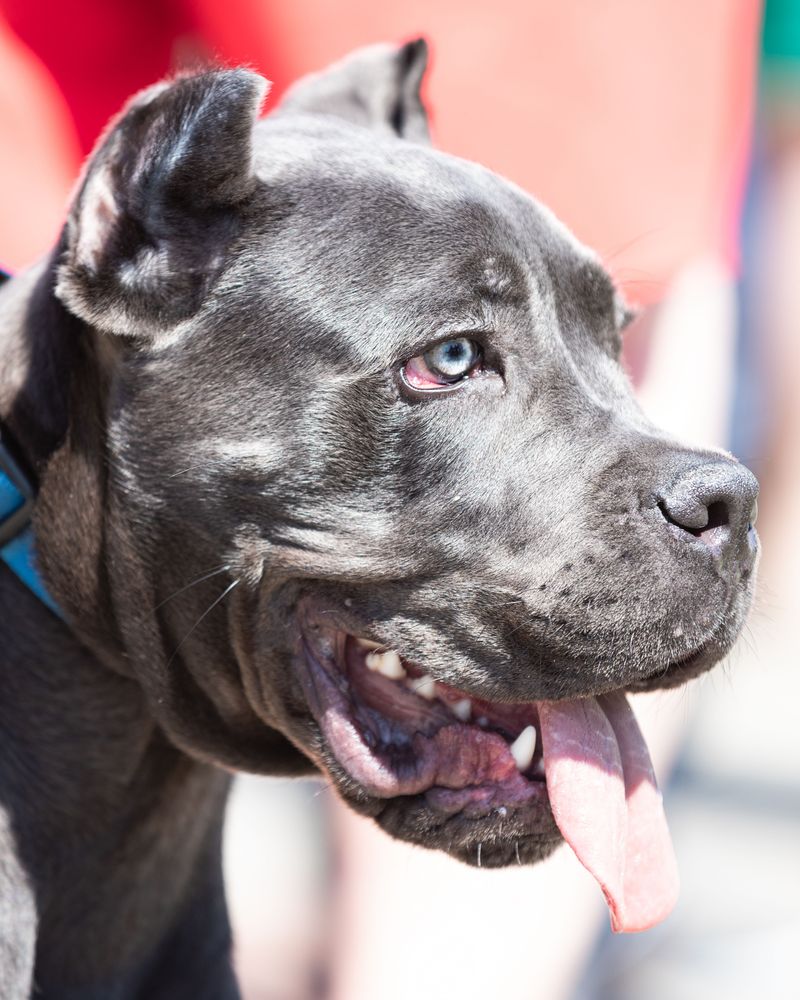
Impressive presence, yes, yet many Corsos are big softies with their circle. Guardian roots mean they watch first and decide later.
Clear leadership prevents guesswork.
Enroll in structured classes that reward calm choices around strangers. Practice boundary games, place training, and relaxed vet handling.
Use secure yards, strong equipment, and steady routines to reduce surprises. Socialize carefully during adolescence.
Breeder support, health testing, and realistic exercise keep confidence high without overwhelming the dog at home.
Great Dane
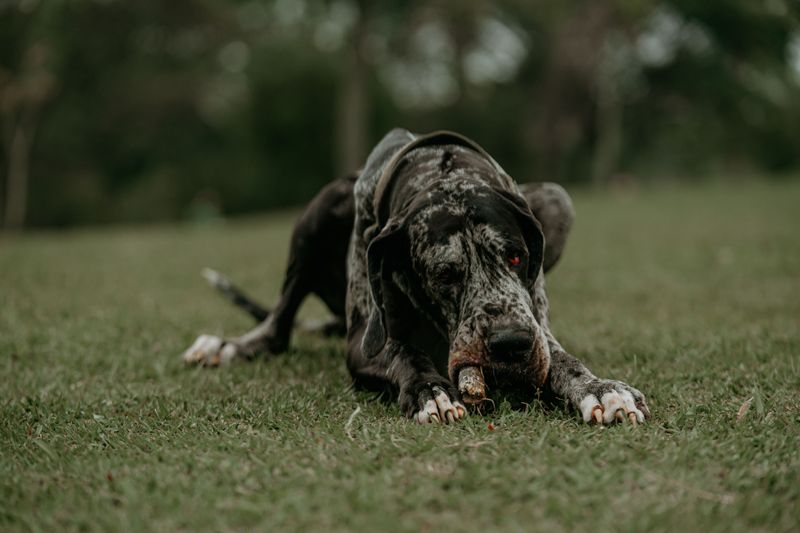
With legs like stilts and a nose at the countertop, Great Danes are gentle comedians. Their size can startle, even when manners are good.
Planning makes life simple.
Teach slow sits before meals and doorways. Use elevated bowls, nonslip rugs, and car ramps to protect joints.
Keep play sessions short, then rest. Socialize to unusual sights like scooters and hats.
Regular vet checks for bloat risk, plus steady routines and calm greetings, keep everyone safer.
Alaskan Malamute
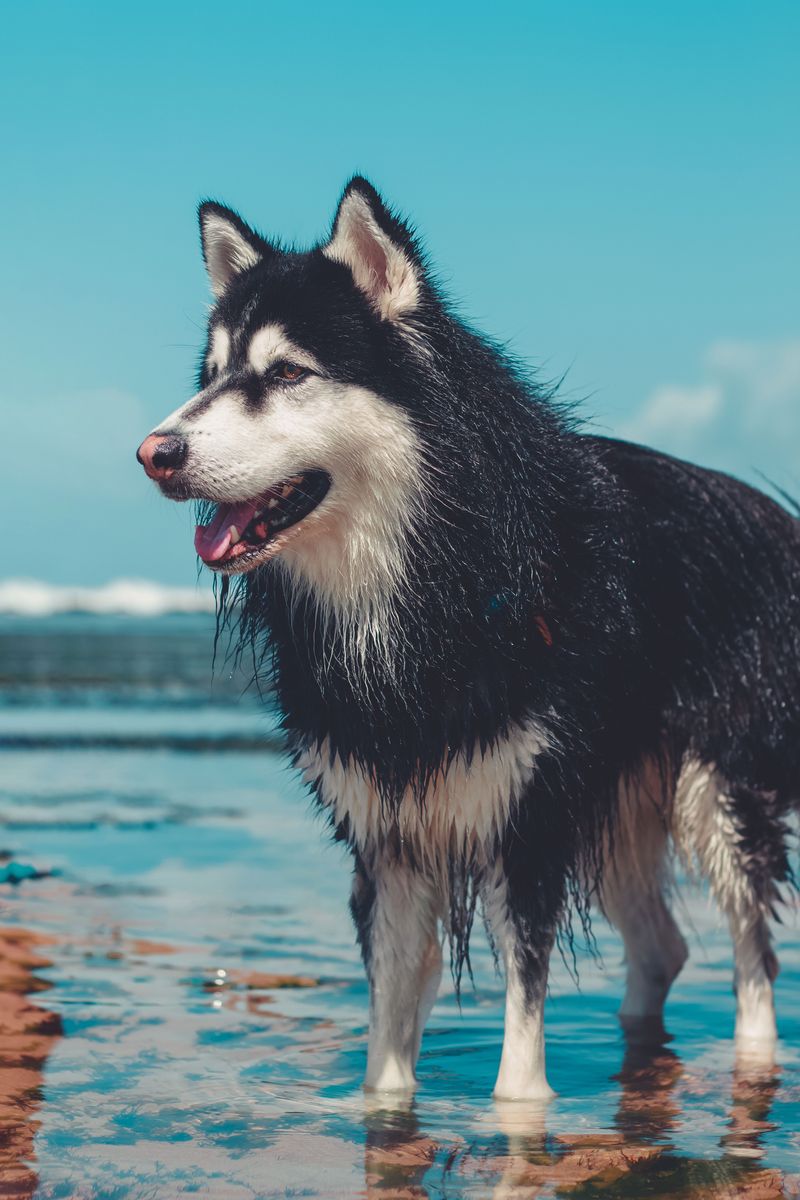
Thunderous paws and a snow-loving grin make Malamutes born adventurers. Friendship usually comes easy, but prey drive can surprise.
Strong bodies pull hard if practice is missing.
Invest in weight-pull harnesses, canicross belts, and secure yards. Schedule long hikes, sled sessions, or backpacking, then plan naps.
Teach impulse control around doors, and trade high-value items rather than grab. Plenty of brushing, summer cooling, and mental games keep tempers smooth.
A busy Malamute rests content tonight.