
Some dogs are social butterflies, but others need careful management to keep the peace at home. If you are blending pets, understanding breed tendencies can save everyone stress.
The breeds below are wonderful in their own right, yet they may struggle with roommates without structure. Use these insights to set clear boundaries, train smart, and prevent clashes before they start.
Akita
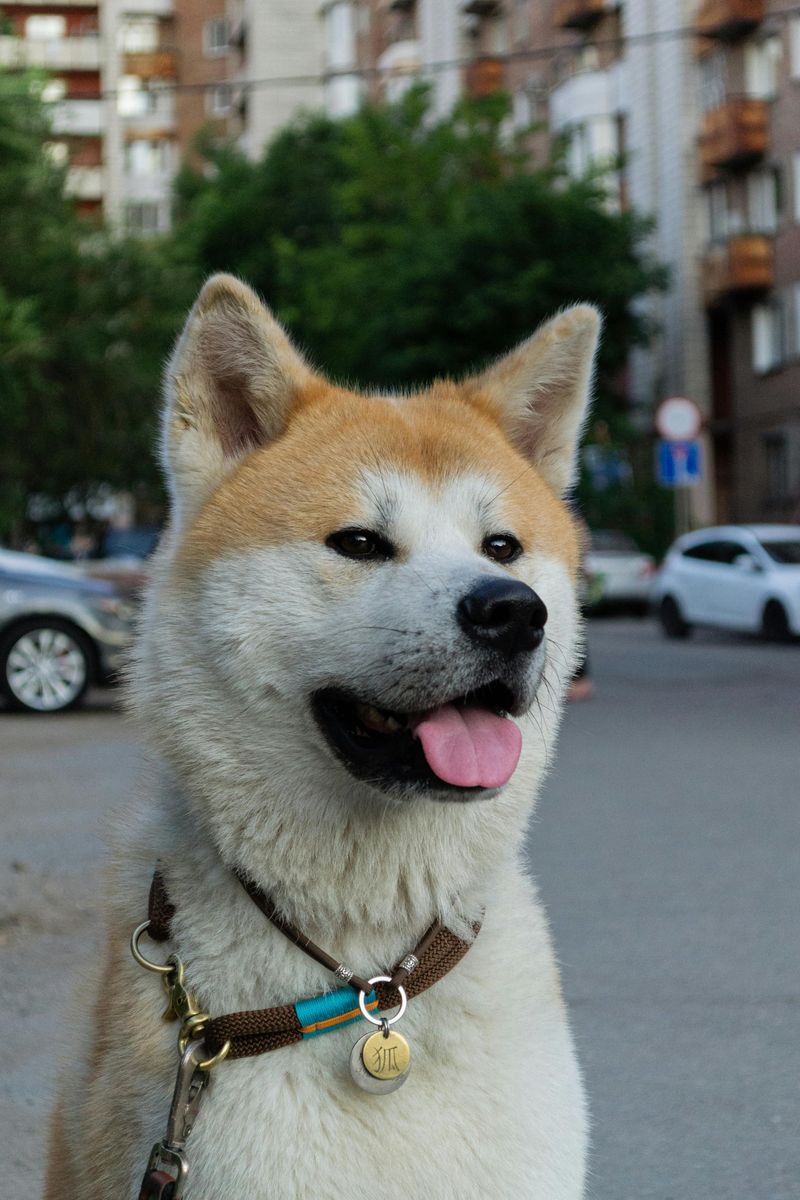
Akitas are dignified, powerful guardians with a deep sense of loyalty. That loyalty can turn into possessiveness around toys, food, and favored humans.
Many Akitas were bred for hunting and protection, so small pets may trigger prey drive. Without careful introductions and structure, they can intimidate softer dogs and create tension at home.
You can help by setting clear boundaries and supervising interactions closely. Daily mental work and early, reward based training go a long way.
Give each pet separate zones, rotate resources, and manage greetings on leash. With consistency, neutral walks, and patience, an Akita can coexist, but it will likely prefer parallel lives over constant togetherness.
Plan decompression time after play to keep arousal and conflicts low daily.
Chow Chow
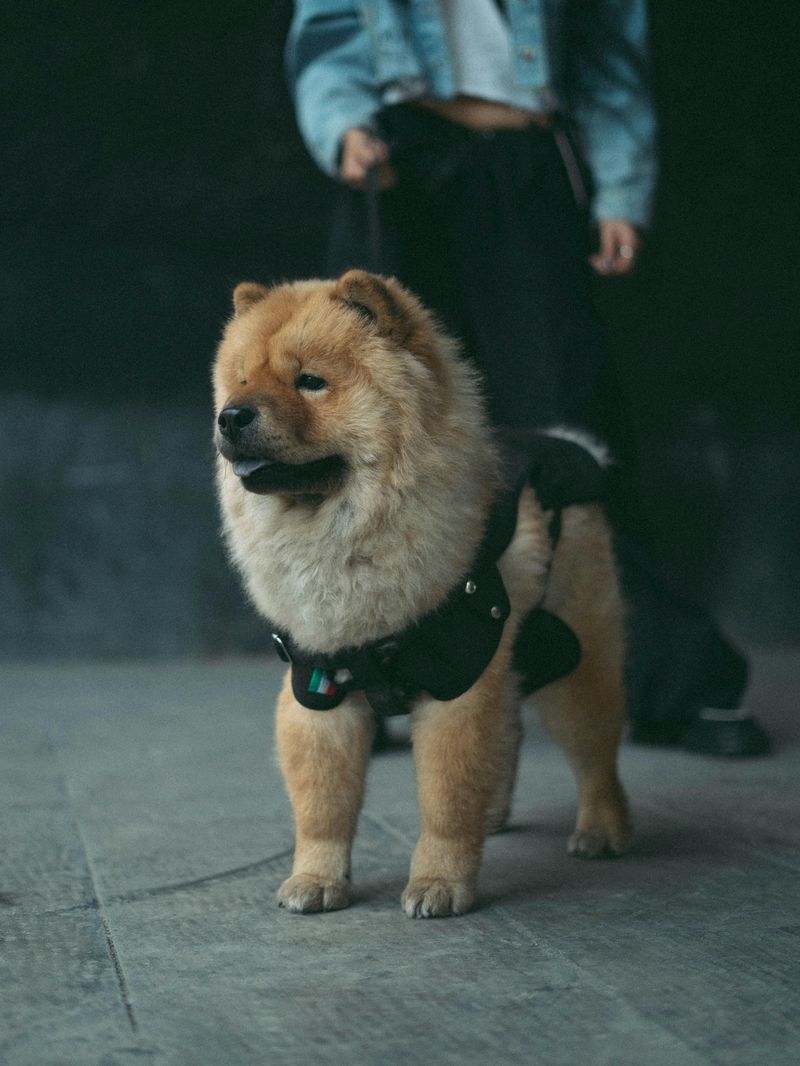
Chow Chows are famously independent and can be quite aloof with unfamiliar animals. Their strong territorial streak makes resource guarding more likely in tight spaces.
Thick coats and a stoic expression can mislead other pets about intent, escalating misunderstandings. Without structured routines, a Chow may patrol hallways and challenge roommates who crowd doorways.
Set predictable feeding times, use gates, and reward calm pass bys. Keep initial meetings short and parallel, then expand time together as trust builds.
Teach place training so each pet has a safe landing pad. Respect the Chow’s need for space, add daily enrichment, and avoid rough play.
With patient management, harmony is possible, but expect side by side living rather than constant cuddles.
Shiba Inu
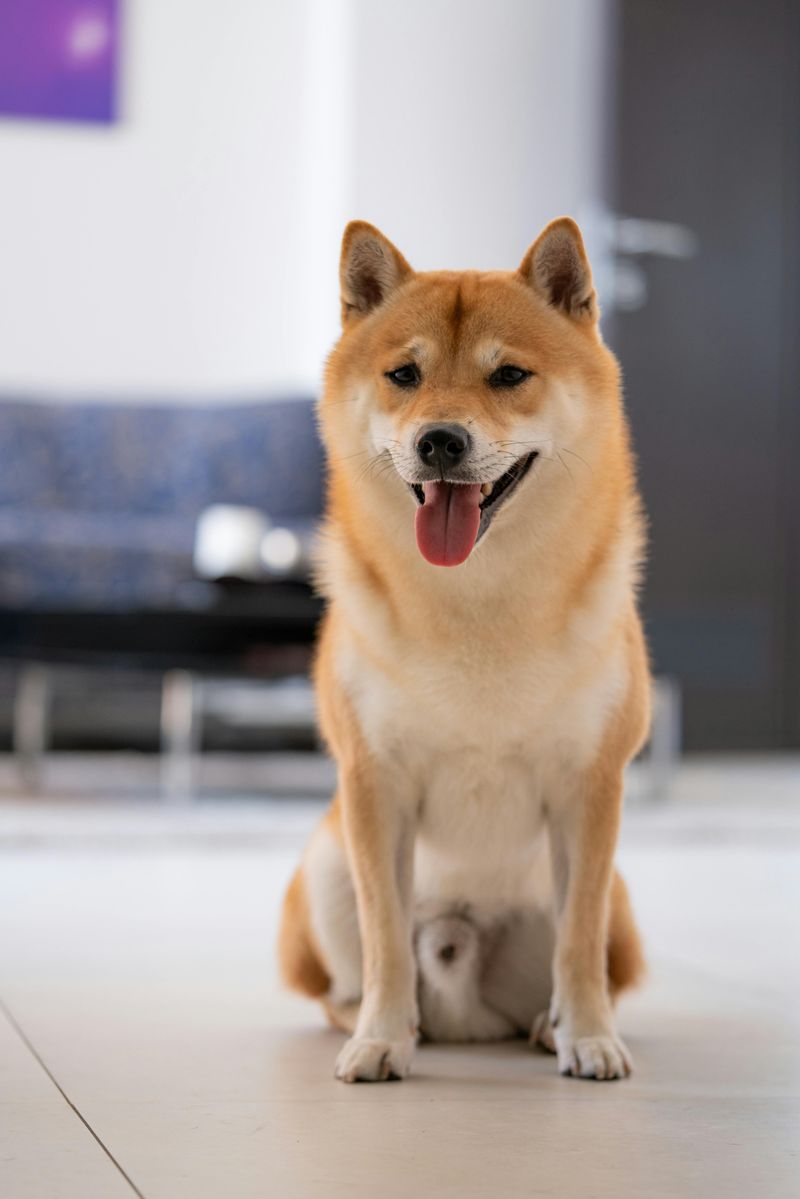
Shiba Inus are clever, fast, and famously opinionated. Their prey drive and love of chase can make life tough for small pets that bolt.
Many Shibas communicate with sharp body language, which can overwhelm mellow dogs. Off leash greeting indoors often turns into zoomies, door dashing, or snatching unattended toys.
Use leashes during introductions and practice calm, structured walk bys. Create vertical escapes for cats, and rotate high value resources.
Click and reward sniff and disengage moments to build impulse control. Crate and rotate when you cannot supervise, and rehearse quiet settle on a mat.
Consistency and mental games reduce friction, but expect to curate playmates carefully. Shibas often prefer respectful distance and predictable routines over constant togetherness.
Jack Russell Terrier
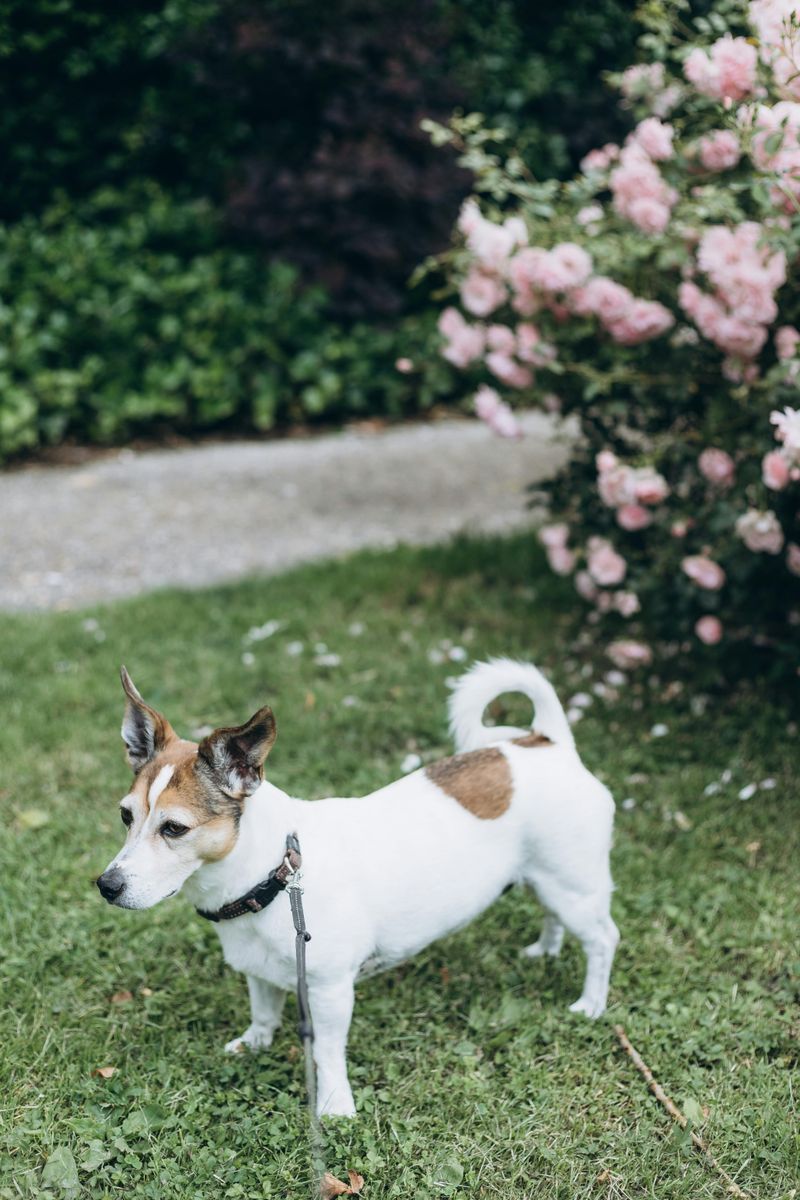
Jack Russell Terriers were engineered for relentless pursuit, so motion triggers are hard wired. Small pets, squeaky toys, and darting movement can flip a switch into chase mode.
Their intensity can overwhelm sensitive dogs, leading to conflicts during rough play. In small homes, doorways and couches become hot zones for guarding and pouncing.
Give this dog structured outlets like scent work, fetch on cue, and flirt pole sessions. Teach reliable interrupts and a rock solid place command.
Use baby gates to manage arousal after workouts, then reward calm decompression. Pair neutral parallel walks with brief, successful play bursts.
Rotate tug toys, feed separately, and keep sessions short. With consistent training, a Jack can share space, but management remains essential.
Siberian Husky
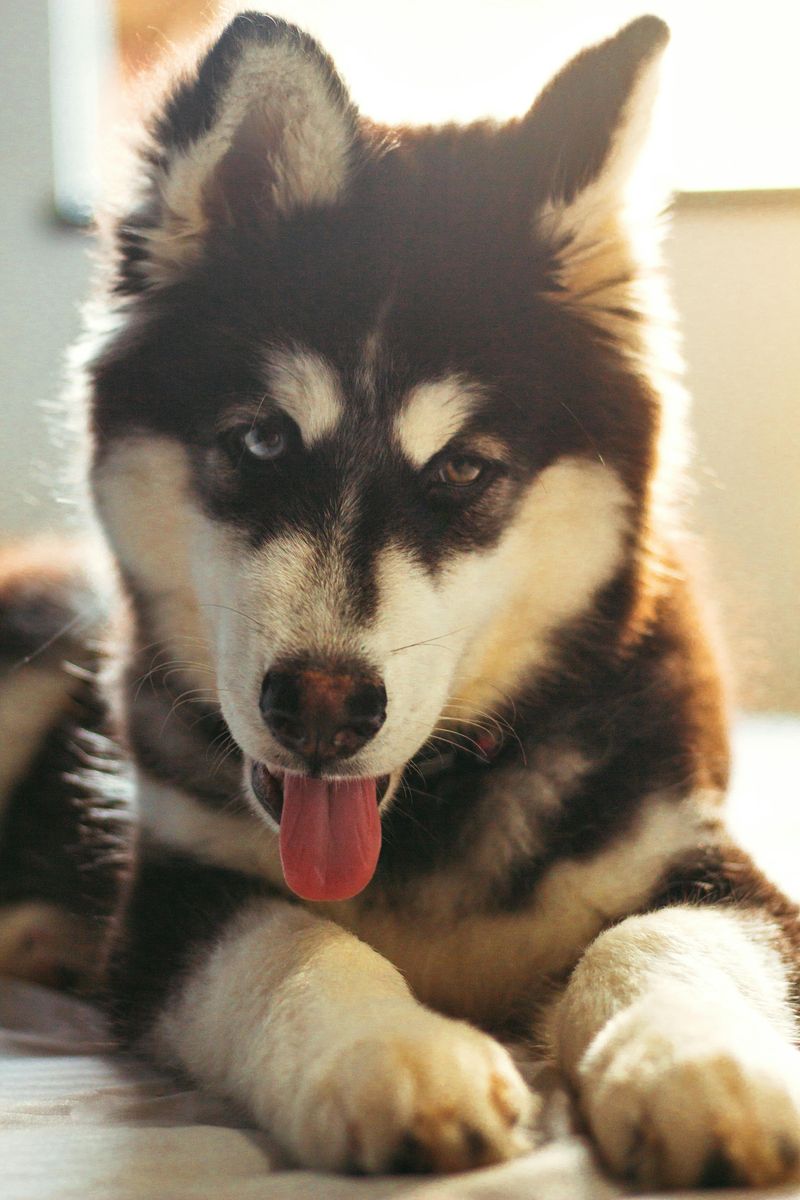
Siberian Huskies are social with people yet carry a serious prey drive. Quick, light movement from cats, rabbits, or toy breeds can invite pursuit.
Their playful wrestling style may be too rowdy for delicate housemates. If under exercised, they can redirect energy into pestering or boundary testing around resources.
Focus on long aerobic workouts, brain games, and structured decompression afterwards. Use secure fencing and leashes during greetings to prevent sudden chases.
Reward calm check ins and teach a strong leave it cue. Feed in separate areas and store high value chews out of reach.
Huskies can learn household manners, but they often thrive with similar sized, sturdy play partners. Small pets need robust management and strategic separation plans.
Alaskan Malamute
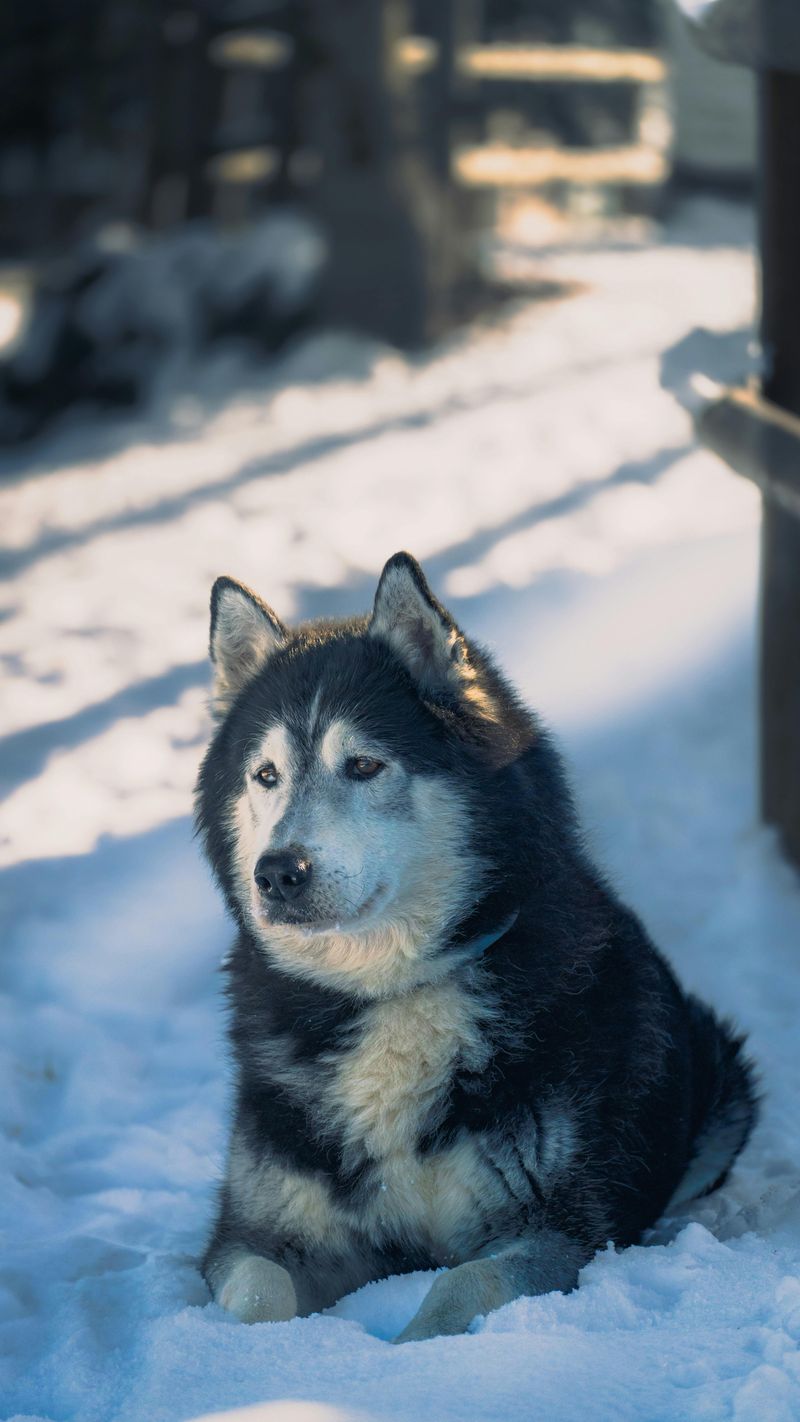
Alaskan Malamutes are strong, confident dogs bred to work in teams, yet their prey drive remains. Small pets, especially those that run, can prompt instinctual chasing.
Their size and enthusiasm can bowl over timid companions even during friendly play. Tired Malamutes are better roommates, while restless ones patrol and guard doorways or couches.
Offer weight pulls, backpack hikes, and scent games to meet needs. Structure greetings on leash, and manage access to high value items.
Teach off switch routines like go to bed after activity. Feed separately, rotate chews, and praise calm pass throughs.
With consistent limits and clear routines, coexistence is possible. Still, many Malamutes prefer durable dog friends and supervised interactions rather than free for all mingling indoors.
Belgian Malinois
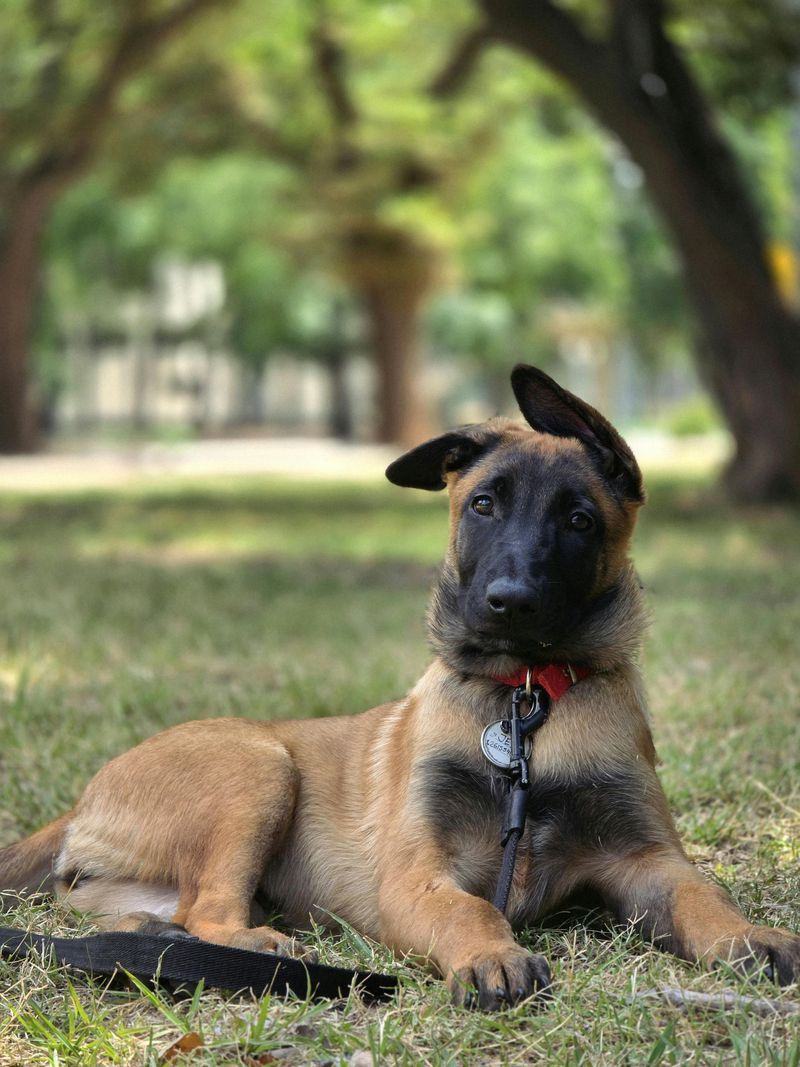
Belgian Malinois are high drive athletes that thrive on work, not roommates. Motion, noise, and chaos can amplify their arousal, leading to herding nips or resource conflicts.
Their intensity overwhelms laid back pets, and boredom can push them into micromanaging the household. Precision training is essential to channel energy into tasks instead of policing.
Build daily structure with obedience, scent detection games, and tug on cue. Reward focus and impulse control around other pets using distance and gradual exposure.
Use crates, pens, and gates to protect decompression time for everyone. Keep valuables picked up, and set clear routines for play, rest, and feeding.
With management, a Malinois can share space, but success hinges on workload, timing, and boundaries.
Cane Corso
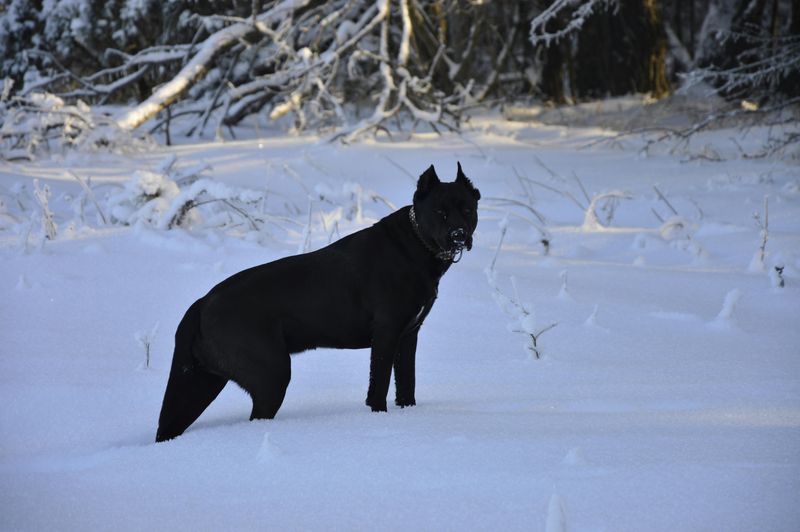
Cane Corsos are confident guardians that bond deeply and may guard access to you. Their sheer size can intimidate other pets, and slow, direct stares unsettle sensitive dogs.
Unclear rules around doors, furniture, and food can create flashpoints. While affectionate with family, they often prefer predictable routines over chaotic multi pet play.
Teach impulse control around thresholds and practice calm place stays near other pets. Feed separately, rotate chews, and reward polite disengagement.
Supervise early interactions on parallel leashes, then widen space as reliability grows. Daily training, mental work, and clear structure reduce friction dramatically.
A Corso can coexist with the right match, but it will value order, leadership, and quiet over constant mingling.
Dachshund
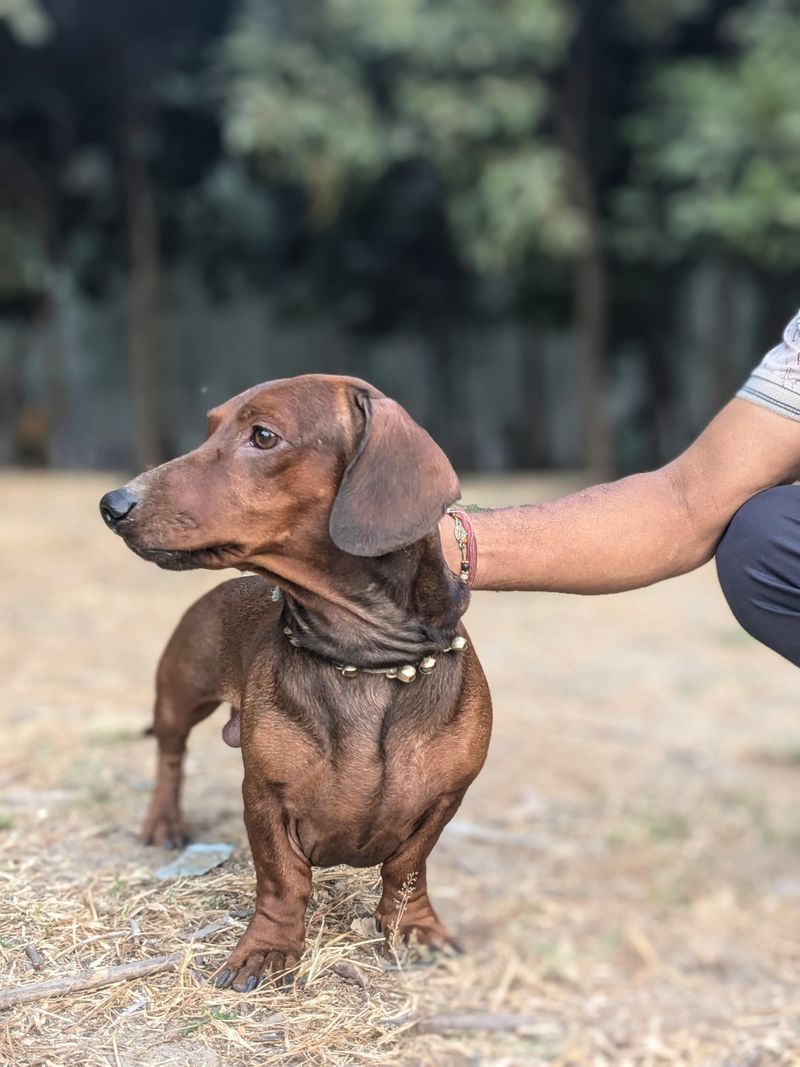
Dachshunds were bred to pursue quarry underground, so persistence is their superpower. That determination shows up as toy guarding, door crowding, and relentless chasing of small, quick pets.
Their long backs also make rough play risky, raising stress when larger dogs bounce. Barking at movement can trigger spats with nervous roommates.
Set up scent games, low impact fetch, and controlled meet and greets. Teach leave it and reinforce quiet with calm rewards.
Provide ramps and protected spaces to reduce body stress. Feed in separate areas and rotate high value items to prevent guarding.
With patient training and smart management, a Dachshund can share space successfully. Expect steady routines and polite boundaries to matter more than free form play.
Basenji
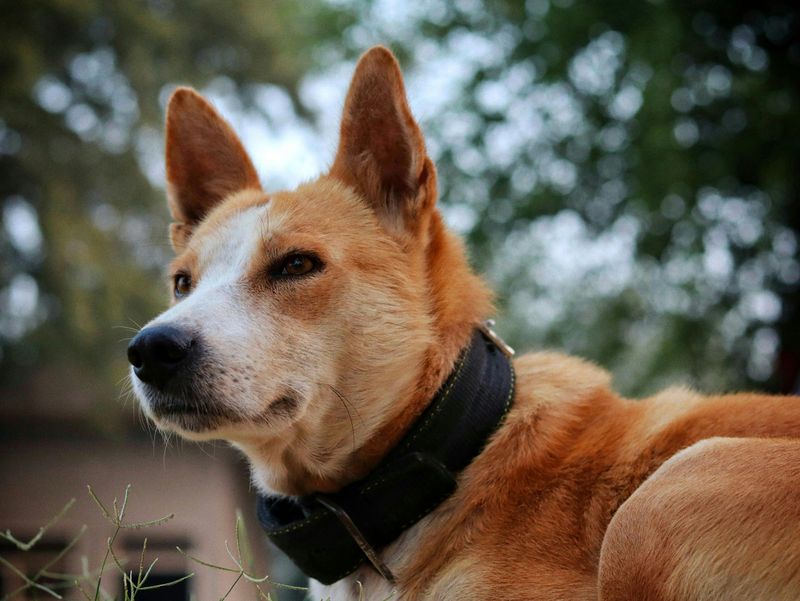
Basenjis are agile, silent hunters with sharp curiosity and quick reflexes. Small scurrying pets can flip prey instincts into motion instantly.
Their catlike independence means they may not read other dogs’ social cues kindly. When overstimulated, they can guard coveted resting spots or stash found treasures.
Use leashes for early introductions and reward calm orientation toward housemates. Offer chase outlets through flirt pole games under control, then decompress with sniff walks.
Create vertical spaces and separate resting nooks, especially for cats. Keep routines tidy, rotate toys, and reinforce settle on a mat.
With patience and structure, a Basenji can coexist respectfully, but they often prefer parallel activities, not pile on cuddles. Management keeps curiosity from turning into conflict.
Afghan Hound
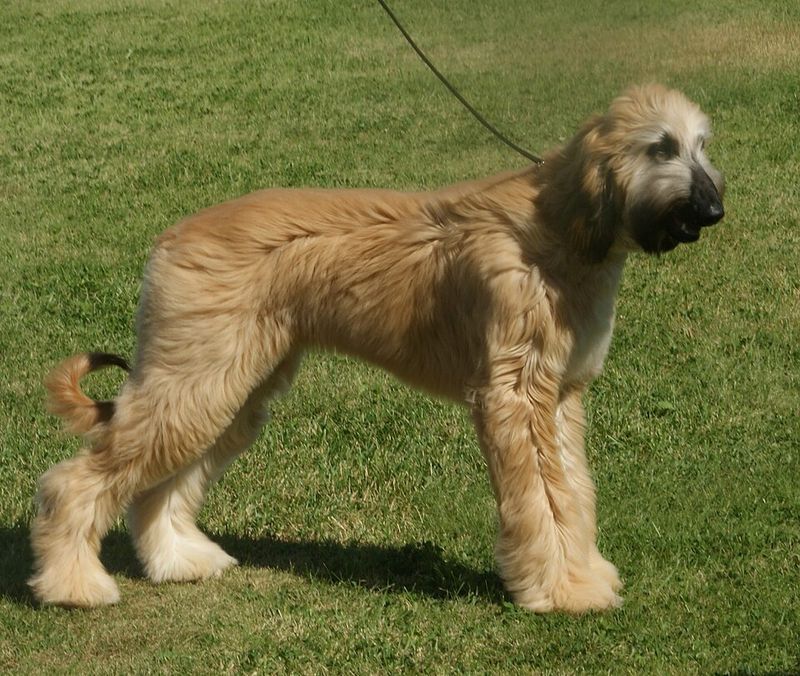
Afghan Hounds are sight hounds with explosive acceleration and a strong chase instinct. Fast, darting movement from cats or pocket pets can trigger pursuit before you blink.
Their aloof nature can be misread by sociable dogs as snobbery, causing friction. Grooming stations, brushes, and coat care can also spark guarding if crowded.
Use long lines and controlled exposure to movement. Practice focus games and reinforce stillness around small pets behind barriers.
Offer structured sprints in safe areas, followed by restful decompression. Keep grooming calm and separate from other animals, then reward relaxed body language.
With planning and space, Afghans can share a home, but they value quiet elegance, not chaos. Management and distance keep everyone happier and safer.
Australian Cattle Dog
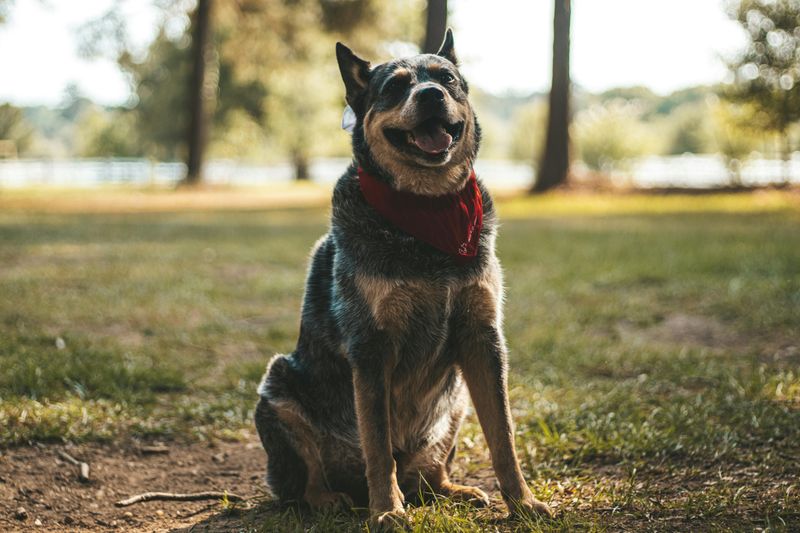
Australian Cattle Dogs are brilliant workers with herding instincts that can become nipping at heels. Busy households with running kids, cats, or small dogs can ramp arousal quickly.
They often try to organize play, which sensitive pets may find bossy. Without real jobs, they may guard pathways, toys, or even people.
Channel energy into structured obedience, treibball, or scent tasks. Reinforce calm check ins and teach a reliable out for toys.
Use leashes for greetings, and separate high value resources. Schedule brain work, exercise, and decompression consistently.
With purposeful outlets and rules, these dogs can share space, but supervision is key. Expect success to depend on workload and clear boundaries rather than free choice mingling.
Shar Pei
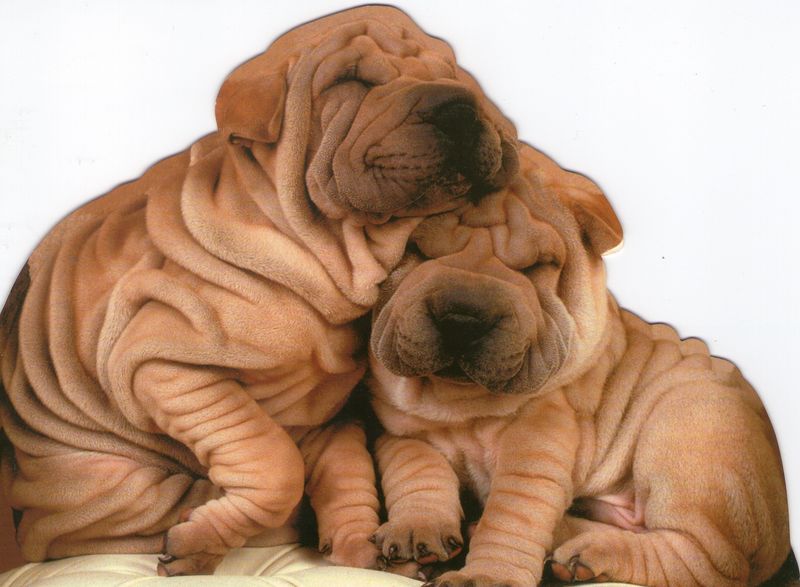
Shar Pei are thoughtful, sometimes reserved dogs with a protective edge. Their wrinkled expressions can confuse other pets about intent, leading to social hiccups.
Many have low tolerance for rude greetings or crowding at doors and couches. Unclear rules around food and chews can escalate into guarding quickly.
Focus on calm, predictable routines and reward polite approaches. Use gates to stage introductions and keep exits open for choice.
Feed separately, rotate valuables, and teach place training for decompression. Reinforce soft eye contact and relaxed body language near housemates.
With patient guidance and structure, a Shar Pei can coexist comfortably. They usually prefer measured interactions, clear boundaries, and quiet companionship over rowdy, nonstop together time at home.