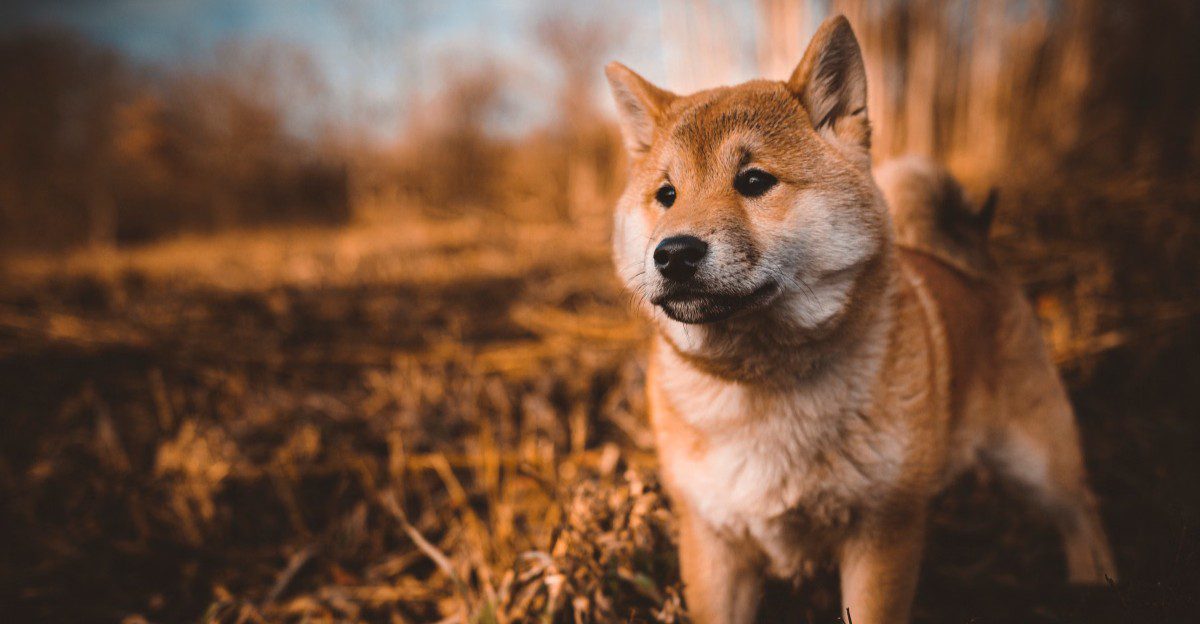
Dogs sometimes turn down a meal, and that can be normal for certain breeds. But a sudden change can point to stress, pain, or sickness.
Knowing which breeds are pickier can help you react calmly and wisely. Watch patterns, note changes, and use the tips below to keep your pup safe and healthy.
Siberian Husky
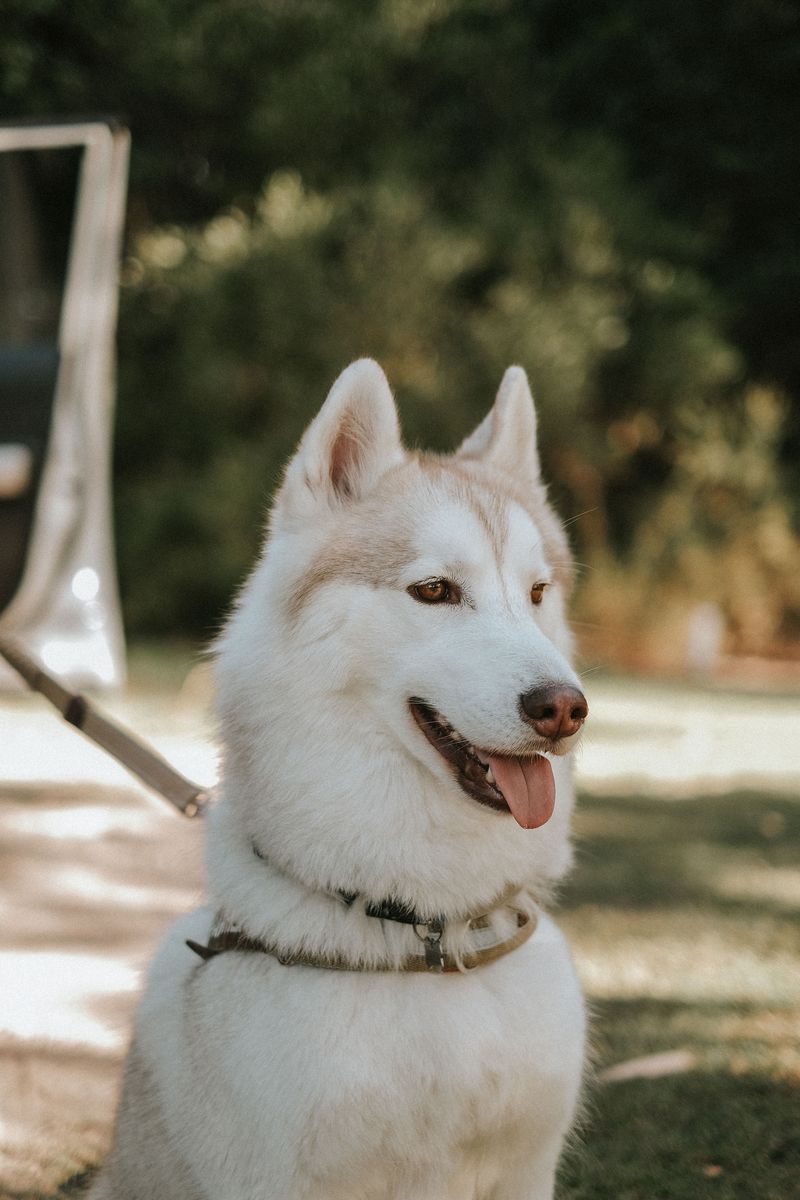
Born to run in cold, the Siberian Husky can be a selective eater after a long workout. Warm weather and stress often slow appetite.
Many huskies prefer scheduled meals and may ignore free-feeding.
If a normally eager Husky suddenly turns away, check hydration, gums, and energy right away. Dental pain, parasites, or stomach upset can be involved.
Offer cool water, try warmed kibble with fish broth, and call your vet if skipping lasts a day or any vomiting appears.
Shiba Inu
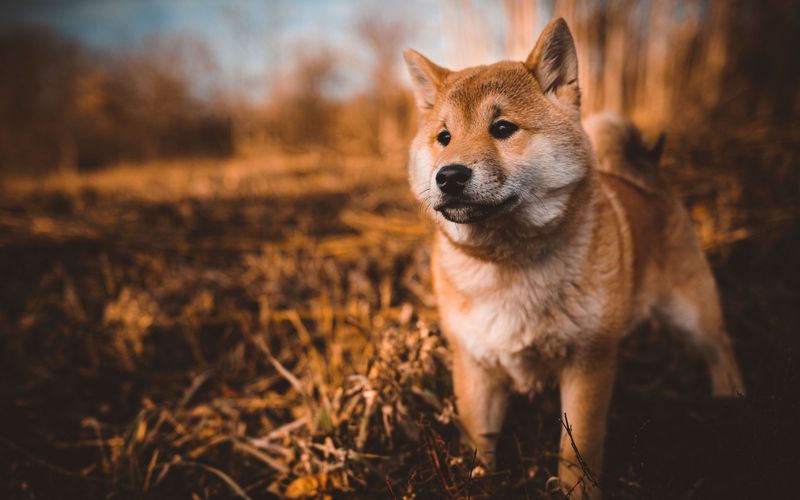
Small but bold, the Shiba Inu likes to feel in control, even at mealtime. Many will skip food if the routine changes or if the bowl sits near a busy hallway.
Quiet spaces help.
Sudden refusal can hint at nausea or dental issues. Try a calm feeding corner, add warm water to release aroma, and keep a regular schedule.
Track treats, since too many reduce hunger. If appetite drops alongside lethargy or diarrhea, involve your veterinarian quickly.
Poodle
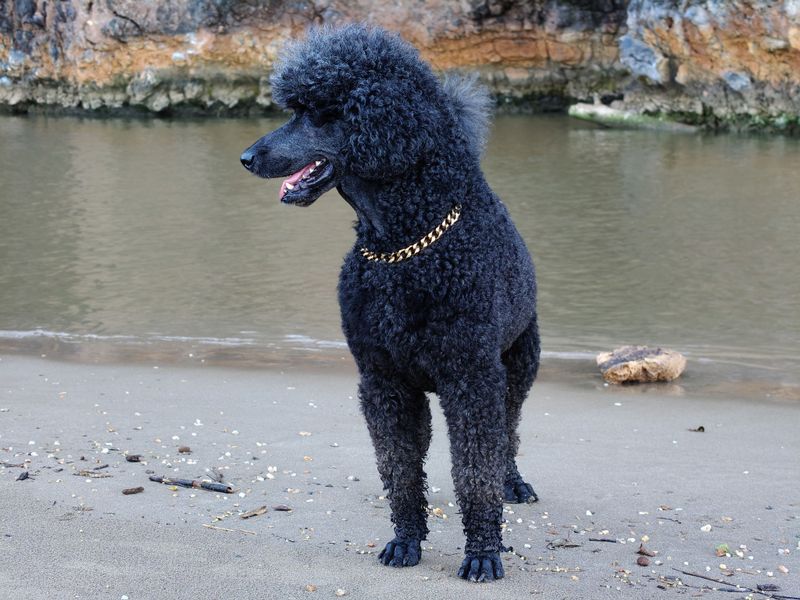
Brains and sensitivity make the Poodle a careful taster. New foods, travel, or loud noises can dampen interest.
Many thrive with measured portions, gentle praise, and calm surroundings.
When a Poodle that usually eats well backs off suddenly, scan for ear infections, tummy gas, or mouth pain. Offer small, fragrant meals like warmed chicken-and-rice under vet guidance.
Puzzle feeders can spark curiosity. Keep notes on what works, and call your vet if appetite vanishes for more than 24 hours.
Chihuahua
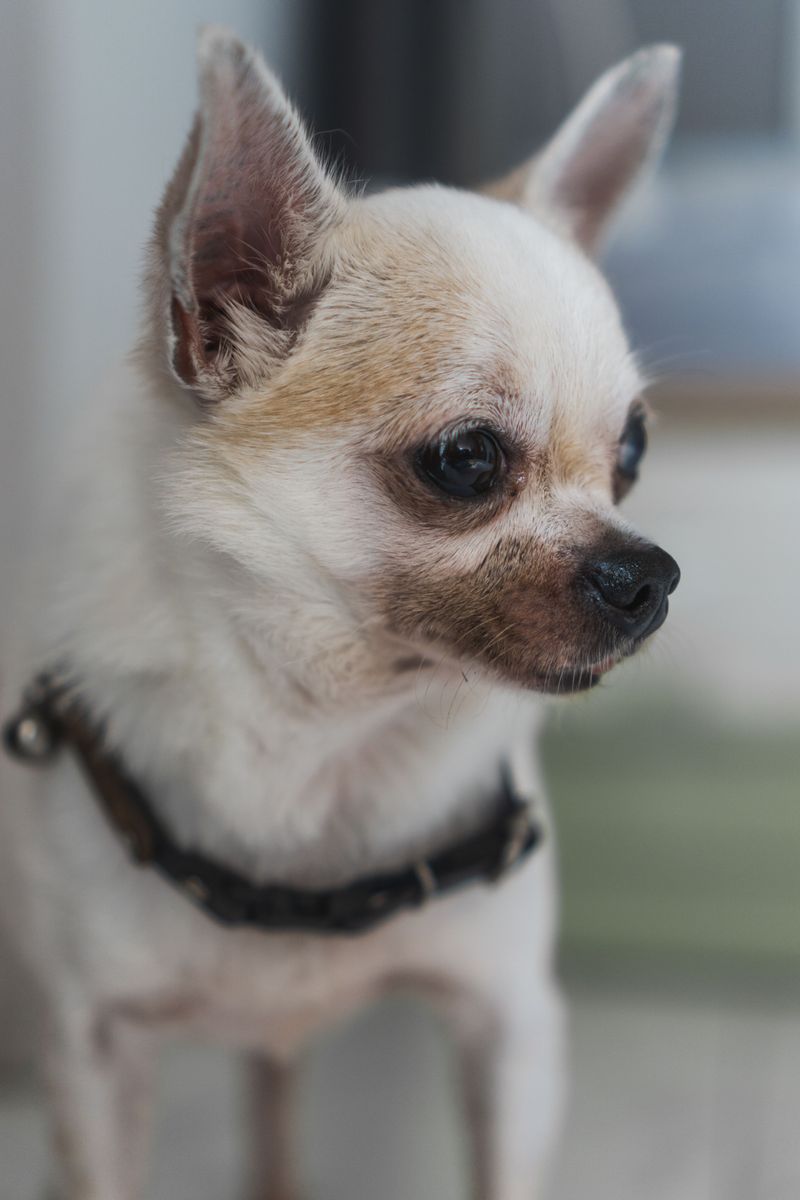
Little dogs burn fast energy, yet Chihuahuas can snub a meal if they feel chilly or anxious. Their small mouths also make kibble size important.
A slightly warmed, small-bite option helps.
Watch closely because tiny bodies deplete quickly. If a Chihuahua stops eating out of the blue, check for low blood sugar signs like wobbling or tremors.
Offer a vet-approved lick of honey, then a gentle meal. Seek veterinary care fast if symptoms persist or vomiting appears.
Yorkshire Terrier
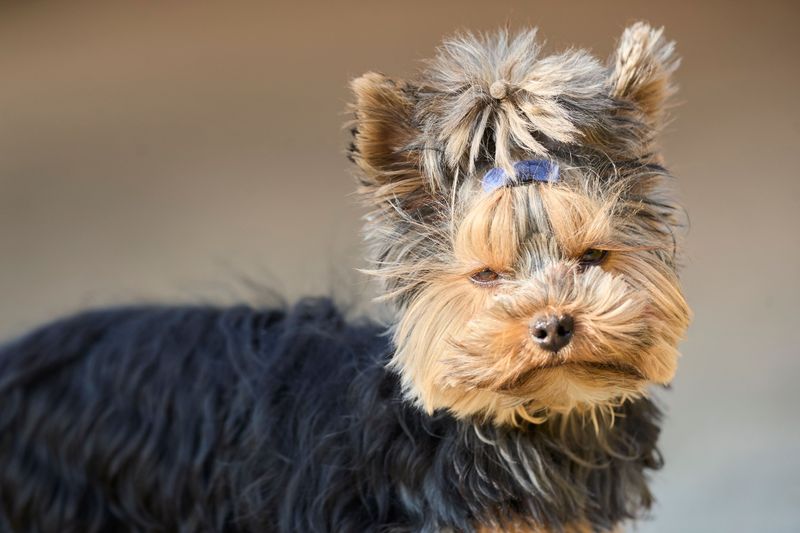
Fancy coat, big opinions. Many Yorkies skip food if the flavor bores them or if their stomach feels a bit queasy.
Frequent tiny meals can be kinder than two big ones.
When appetite drops suddenly, consider tooth trouble, especially if breath smells sour. Switch to a softer texture, add a teaspoon of warm broth, and keep water handy.
Weigh your Yorkie weekly. Any sharp weight loss, lethargy, or repeated gagging deserves a quick call to the vet.
Maltese
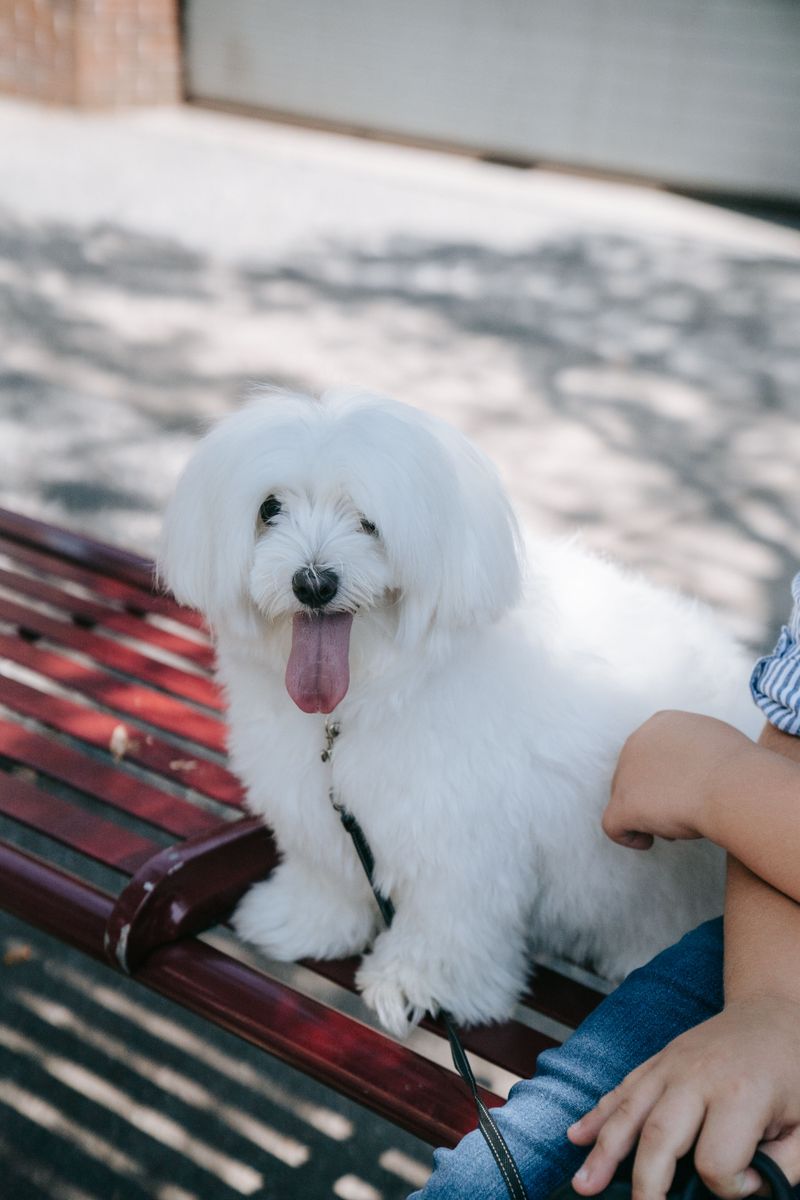
Gentle by nature, the Maltese may skip meals when routines change or after a noisy day. Their small jaws often prefer softer bites.
Keeping the bowl at chest height can improve comfort.
If a steady eater refuses food all at once, check for tear-stain irritation, mouth soreness, or an upset belly. Try a bland diet, small portions, and quiet cuddles.
Track water intake. Contact your veterinarian if there is vomiting, shivering, or refusal beyond a single day.
Pomeranian

Spirited and chatty, Pomeranians can get full from treats and then skip dinner. Measuring snacks and using mealtime as reward training keeps hunger cues balanced.
Rapid changes are different. If a Pom ignores food, watch for coughing, dental discomfort, or tummy gurgles.
Offer warm water and a spoon of wet food for aroma. Keep the neck ruff clean so hair does not fall into the bowl.
If appetite and energy both dip, schedule a veterinary check.
Akita
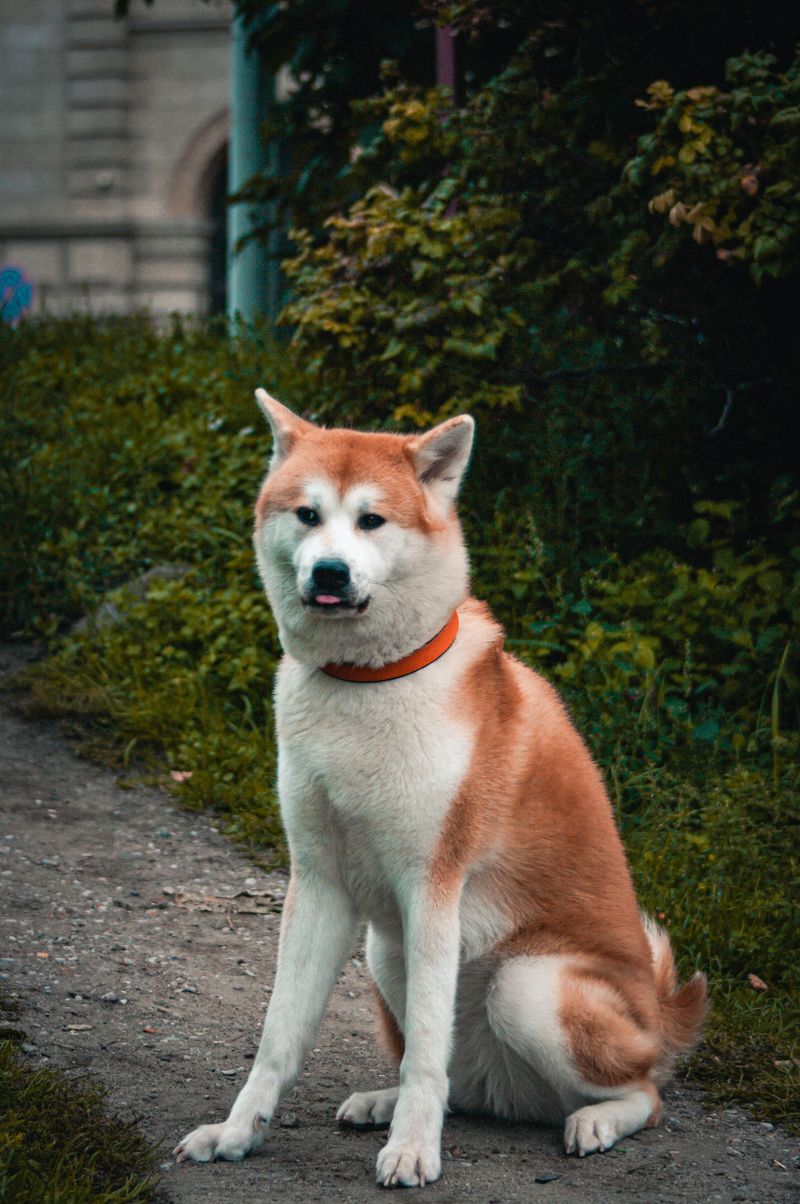
Dignified and independent, the Akita may pass on a meal if bored by flavor or after a hot day. They often do best with set times rather than grazing.
High-quality protein supports steady interest.
A sudden stop can hint at stomach bloating risk, so monitor for a tight belly, restlessness, or retching without results. Keep exercise gentle after meals.
Contact your veterinarian immediately for worrying signs, and discuss slow-feeder bowls to reduce gulping and improve comfort at mealtime.
Greyhound
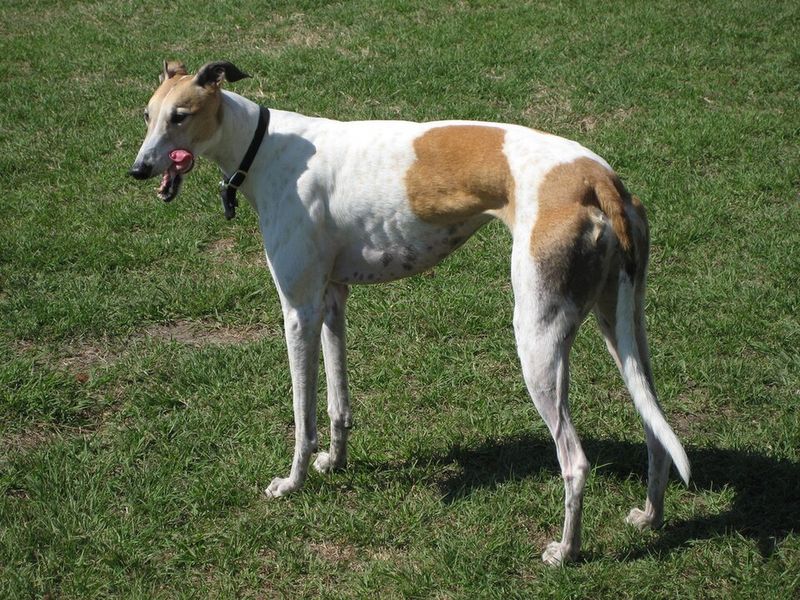
Built for speed, Greyhounds sometimes eat lightly after a run. Stress at kennels or loud spaces can dull appetite too.
Many prefer raised bowls that suit their height.
Unusual refusal deserves attention. Check for gas, tummy tenderness, or signs of ulcers, which racers can be prone to.
Serve smaller, easy meals and avoid heavy exercise near feeding time. If the ribs look sharper than usual or energy fades, talk with your vet about diet adjustments and screening.
Whippet
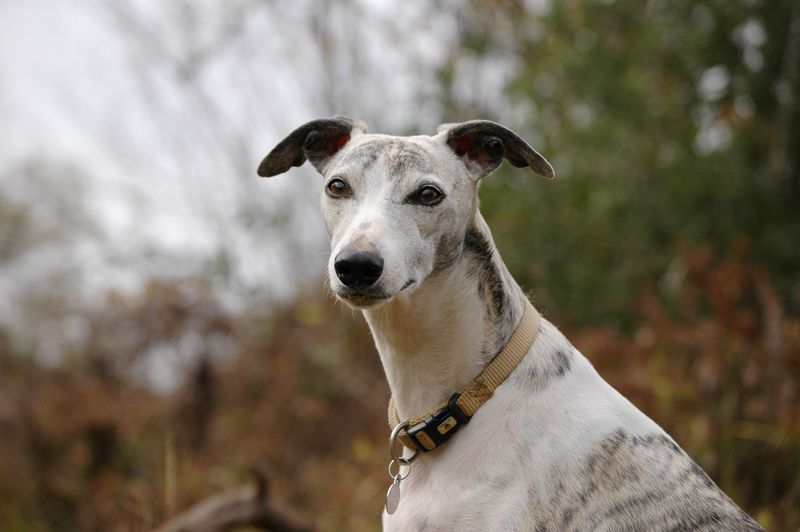
Quiet and sensitive, the Whippet often mirrors the home’s mood. A busy day or change in caregiver can shrink appetite.
Soft beds and a peaceful feeding corner help them relax and eat.
Sudden refusal can mean nausea or soreness from a zoomie mishap. Offer a gentle, warm-smelling meal and check for limping or belly pain.
Keep portions modest. If the dog skips more than one meal or seems listless, your veterinarian should guide the next steps.
Basenji
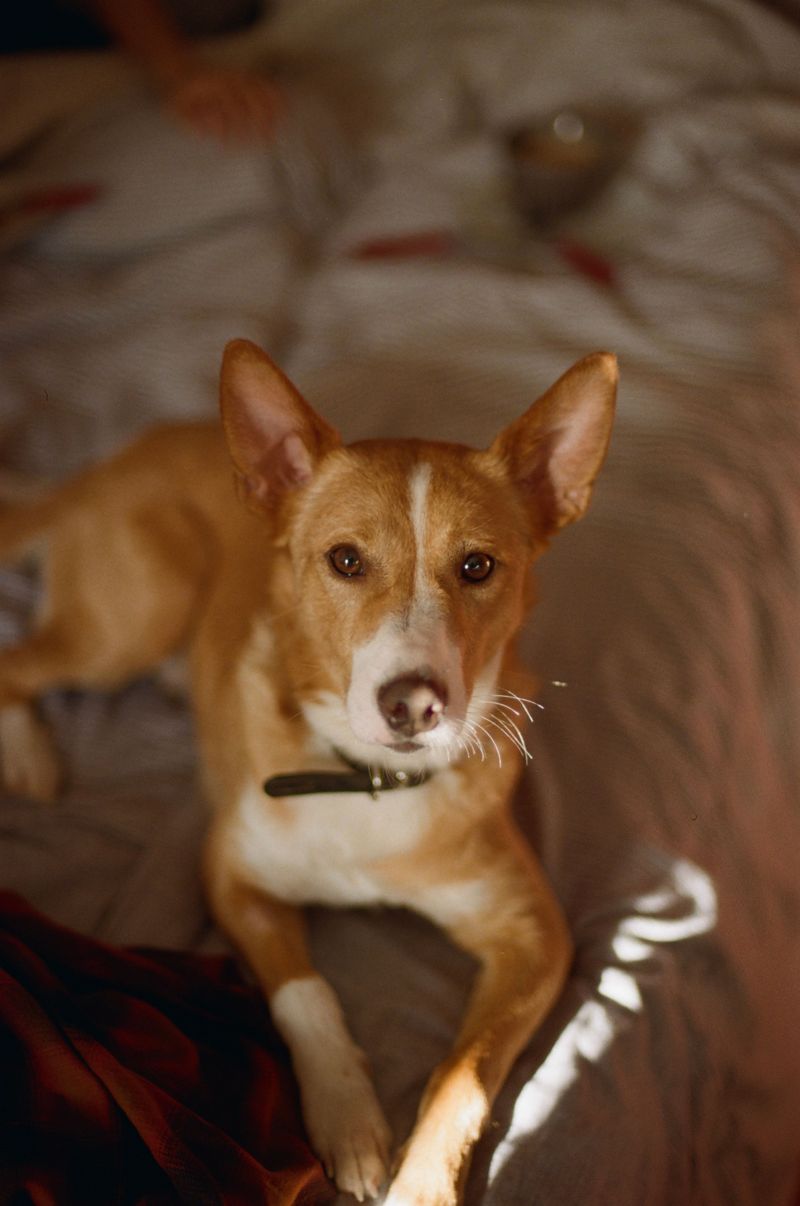
Often called the barkless dog, the Basenji can be particular about smells and textures. Some skip food on hot days or during seasonal changes.
Clean bowls and fresh water matter a lot.
When a Basenji halts eating suddenly, consider tummy upset from scavenging or a new chew. Try bland meals, smaller portions, and quiet rest.
Note bathroom changes. Any pairing of appetite loss with vomiting, diarrhea, or unusual fatigue means a quick call to the vet is wise.
Saluki
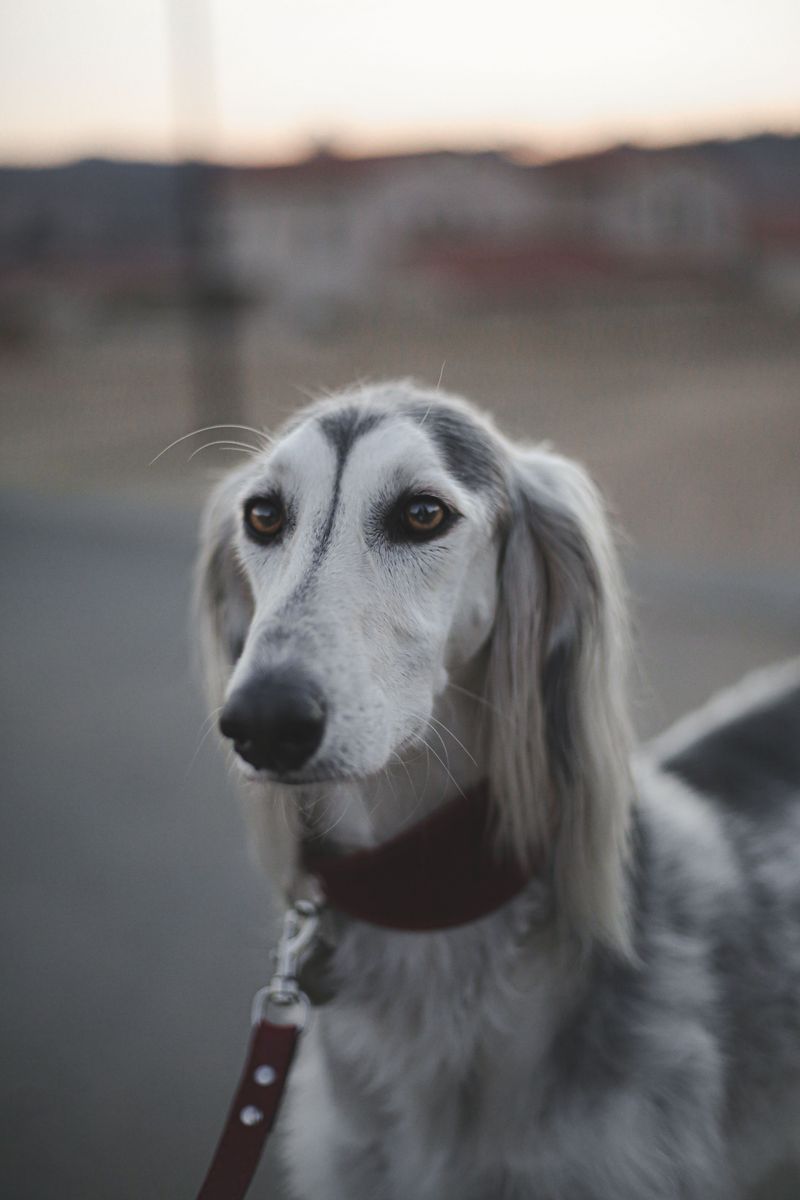
Refined and athletic, the Saluki may graze rather than feast. Travel days or intense sprints can lower hunger.
Quiet, airy spaces and lightly warmed food often tempt them back.
Sharp shifts should raise a flag. Feel the tummy for tenderness and watch posture.
If interest disappears, try a gentle topper like goat milk or fish broth after vet approval. Keep meals smaller and more frequent.
Seek veterinary help if appetite loss pairs with weakness or sudden weight drop.
Afghan Hound
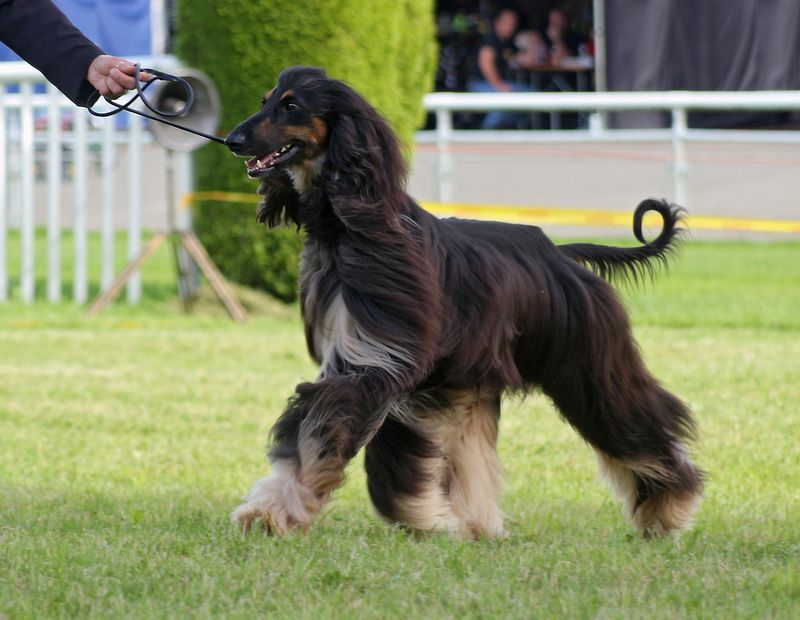
Style meets sensitivity in the Afghan Hound. Perfumes, cleaners, or loud music can turn them off food.
Keeping mealtime calm and avoiding strong odors nearby can make a big difference.
When refusal is sudden, think stomach irritation, motion sickness, or dental snags hidden by long hair. Brush the muzzle, warm the meal slightly, and offer a non-slip mat.
Track stools and energy. Call your veterinarian promptly if appetite loss pairs with drooling, gagging, or unusual quiet.