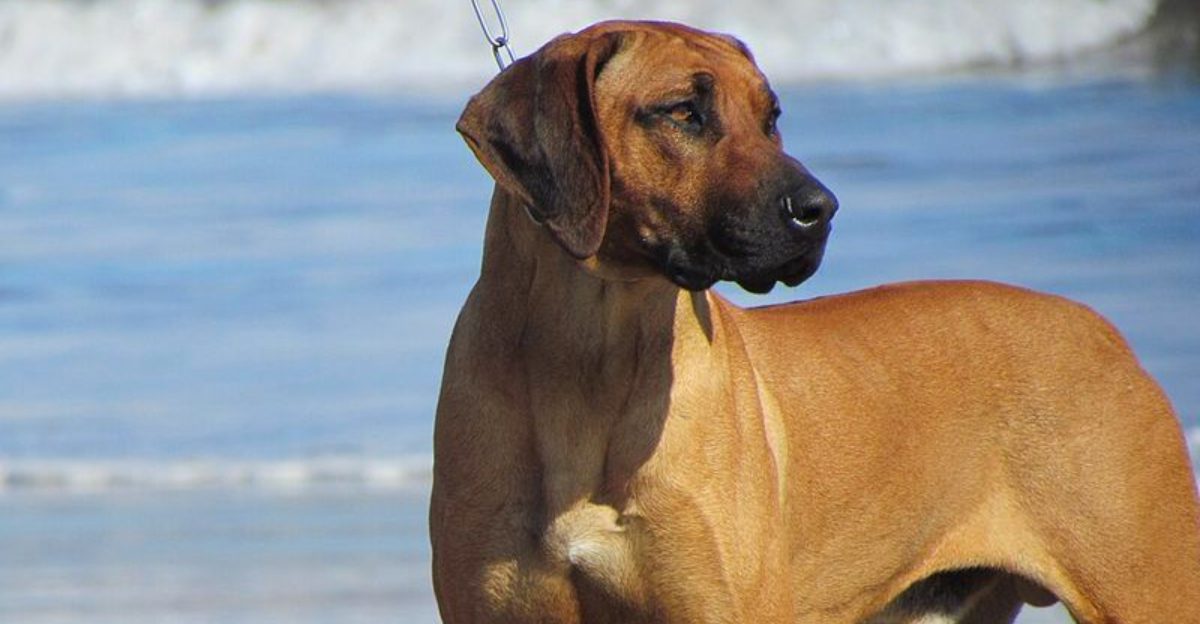
Some dogs love dog parks, but others feel happiest with their favorite people. Knowing which breeds prefer quiet company helps you plan better walks, playtime, and training.
It can also guide you when choosing activities that make your dog feel safe and calm. Here are breeds that lean toward close bonds over crowded scenes.
Akita
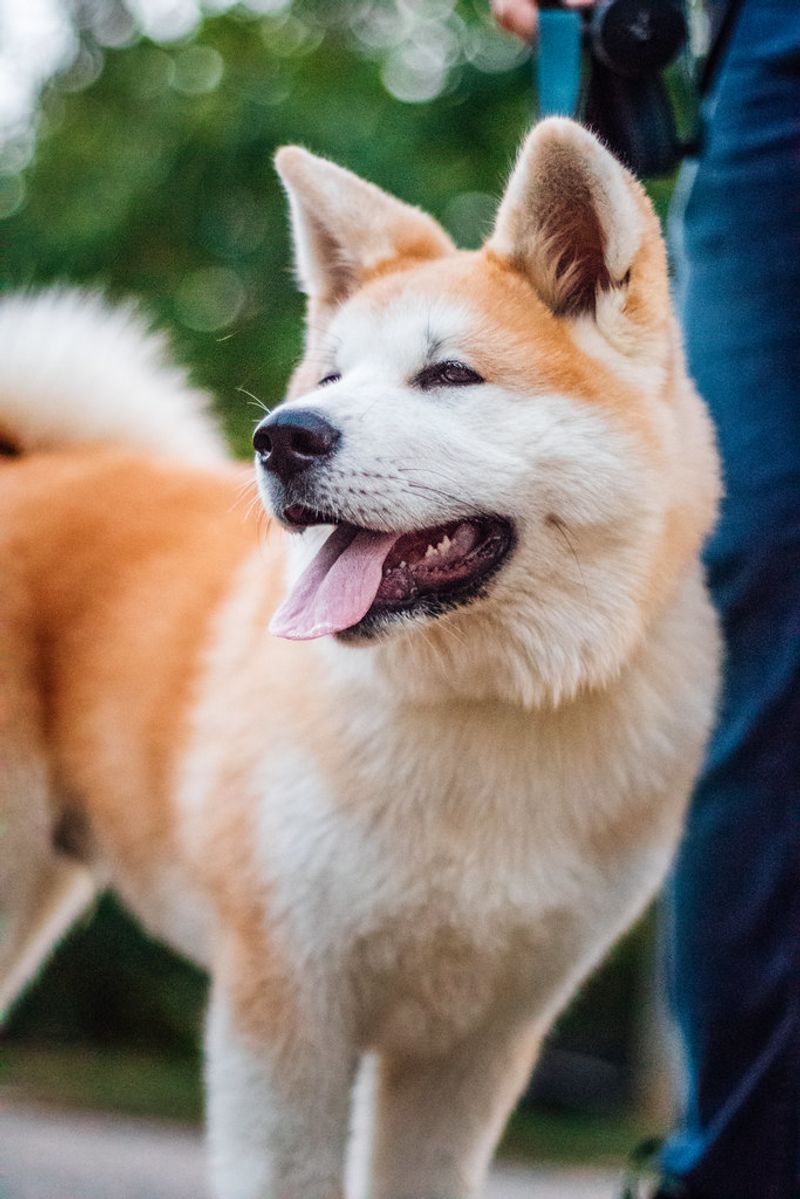
With a gaze that reads the room, the Akita often sticks close to the person it trusts most. Centuries as guardians shaped a dog that values loyalty over mingling.
Many prefer one-on-one games and peaceful walks.
Give clear rules, steady routines, and patient socialization. Short meetups with well-mannered dogs work better than chaotic groups.
Mental puzzles, like scent work, keep this thinker satisfied. Respect their space, reward calm choices, and you will see quiet devotion blossom.
Shiba Inu
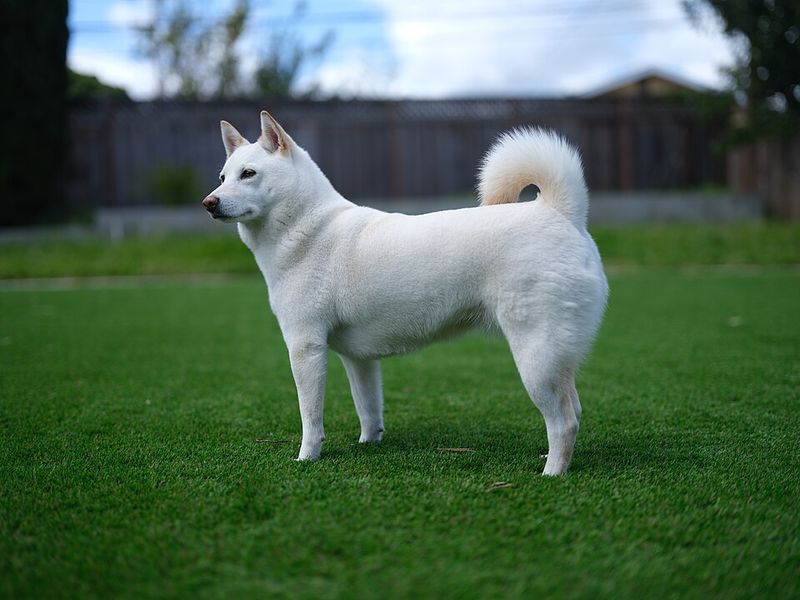
Small body, big opinions. Shiba Inu dogs often choose when and how to be social, and crowds can feel like too much noise.
Many enjoy watching the action rather than joining it.
Keep greetings short and sweet. Use high-value treats to pair new people with positive feelings.
Brisk walks, trick training, and nose games provide outlets without heavy interaction. A secure yard and strong recall practice matter, since a curious Shiba can follow scents faster than you expect.
Great Pyrenees
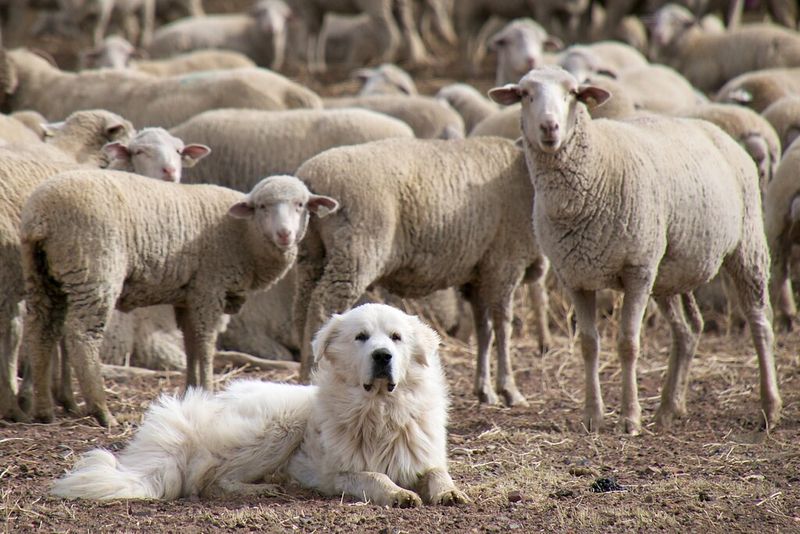
Night watch in their bones, the Great Pyrenees bonds with a household like a guardian of old. Busy parks can feel pointless to a dog bred to calmly scan horizons.
They often choose to sit by your side instead of chasing play.
Daily patrol-style walks, steady schedules, and light obedience refresh their minds. Introduce dogs one at a time in roomy spaces.
Soft brushing sessions double as bonding, lowering stress while keeping that thick coat healthy.
Chow Chow
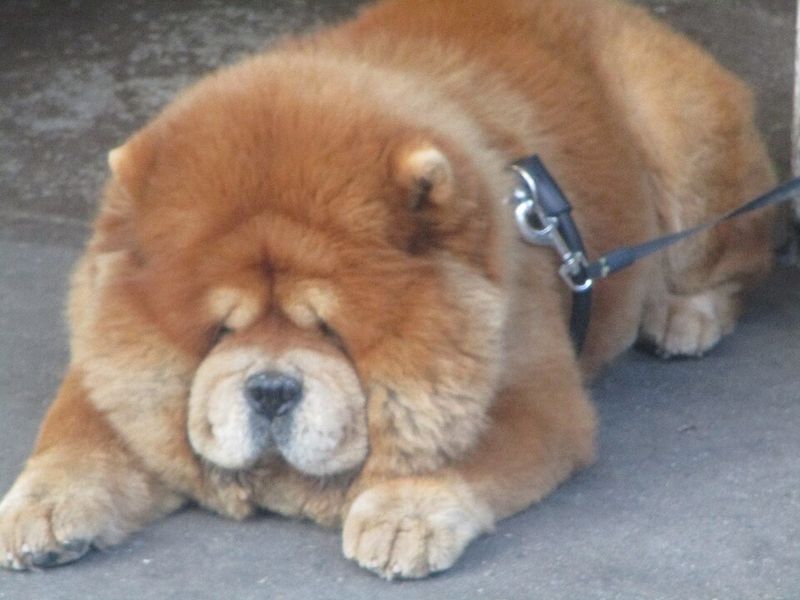
Quiet dignity sums up the Chow Chow. Many prefer small circles and predictable routines.
Instead of wrestling with strangers, they would rather nap near their favorite person or stroll a peaceful path.
Early, gentle socialization helps them feel safe without forcing play. Teach visitors to let the dog approach first.
Short grooming sessions build trust while managing that dense coat. Low-key puzzle feeders and slow, sniffy walks keep their minds engaged without overwhelming their reserved nature.
Basenji
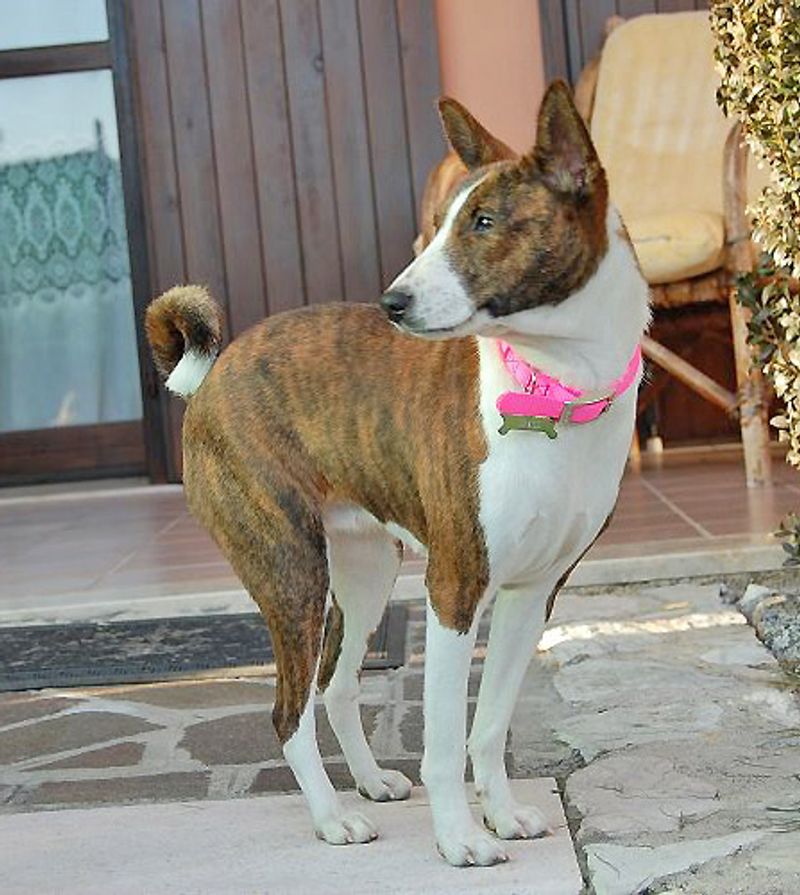
Fast feet, quiet voice. The Basenji is known for a yodel instead of a bark, and for choosing focused company over noisy play.
Many like exploring with their person, then curling up for a calm evening.
Short training bursts suit their quick mind. Try lure-coursing practice in empty fields or scent games at home.
Structured walks with one or two friends beat wild dog parks. Rotate toys to prevent boredom, and reward curiosity to build confidence.
Dachshund
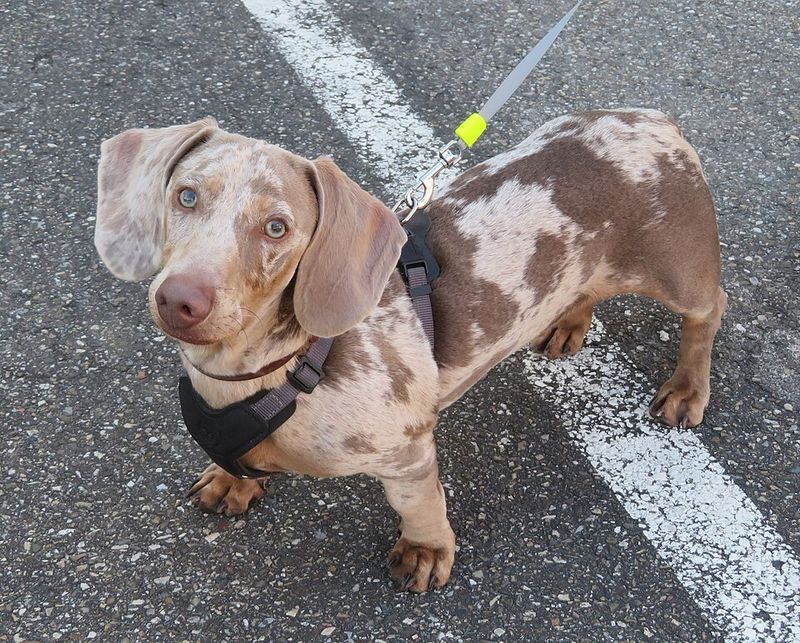
Brave in a small package, the Dachshund often forms a tight bond with family and can be choosy with new dogs. Big, bouncy crowds may feel risky for a long back and short legs.
Keep play on soft surfaces and avoid tall jumps to protect the spine. Plan mini playdates with gentle dogs of similar size.
Treat-fueled scent trails and cozy snuggle time satisfy their hunting roots and affectionate streak. A harness fits better than a collar.
Whippet
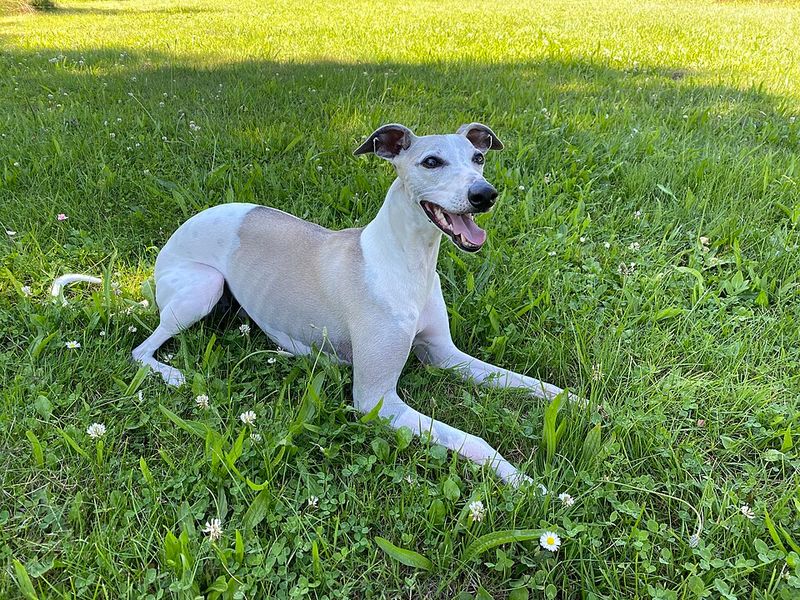
Speed on the field, softness at home. Many Whippets choose a quiet corner with their human over rowdy playgroups.
After a quick sprint, they love a warm blanket and a steady routine.
Plan short zoom sessions in fenced areas, then cool-down cuddles. Introduce new dogs calmly, one at a time, to avoid rough collisions.
Snuffle mats, recall games, and gentle massages keep body and mind balanced. Drafty homes need cozy sweaters, since thin coats chill fast.
Greyhound
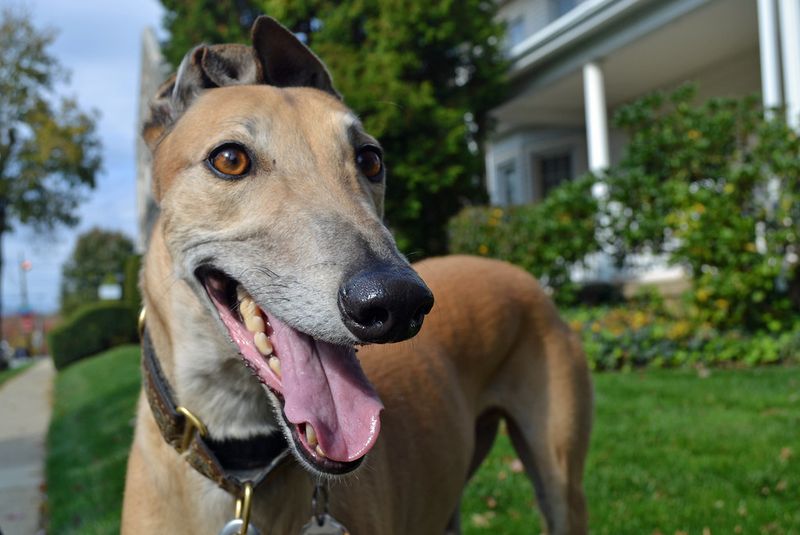
Retired racers often master the art of couch comfort. Greyhounds can be sensitive to chaos and prefer peaceful meetups.
Many will greet politely, then opt to rest beside you like a loyal shadow.
Choose wide open spaces for walks and avoid tight, noisy areas. A well-fitted martingale collar helps with their narrow heads.
Keep play gentle to protect delicate skin. Mental games like find the treat and steady routines help them feel safe and understood.
Rhodesian Ridgeback
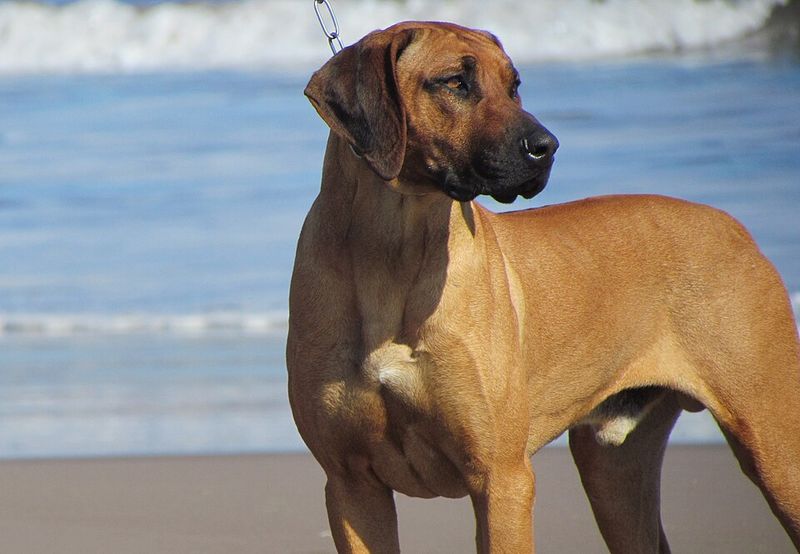
Trail buddy first, social butterfly second. The Rhodesian Ridgeback often chooses close family bonds and purposeful activity over noisy gatherings.
Many prefer hiking at your knee, checking in often like a reliable scout.
Focus training on recall, loose-leash skills, and impulse control. One-on-one fetch or scent tracking sessions work better than chaotic dog parks.
Provide sturdy chew toys and balanced exercise to curb boredom. Fun fact: the ridge forms from hair growing in the opposite direction.
Scottish Terrier
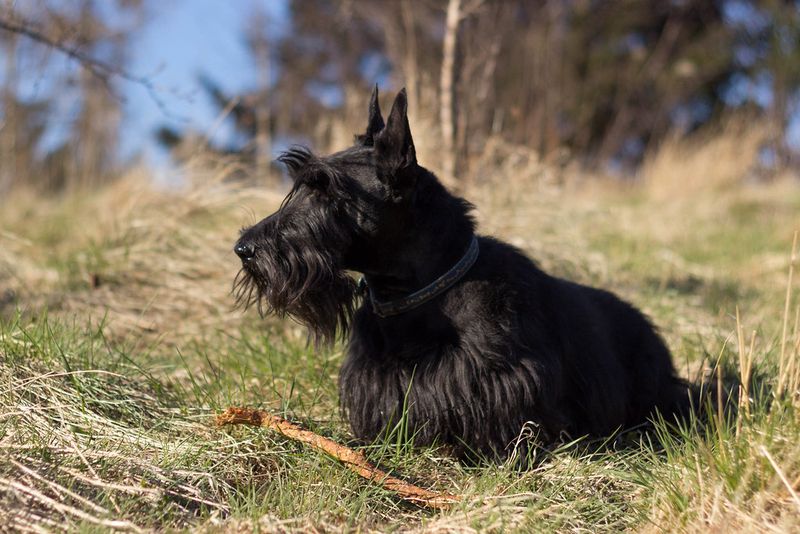
All business, then a wink. The Scottish Terrier bonds deeply and often keeps a small social circle.
Crowded scenes can feel pushy to a dog bred to work independently underground.
Teach polite greetings and provide puzzle toys that reward patience. Groom the coat regularly to keep that signature outline sharp.
Short, purposeful walks and backyard scent hunts hit the spot. Introduce new dogs gradually, matching energy levels so play stays respectful and fun for everyone.
Saluki
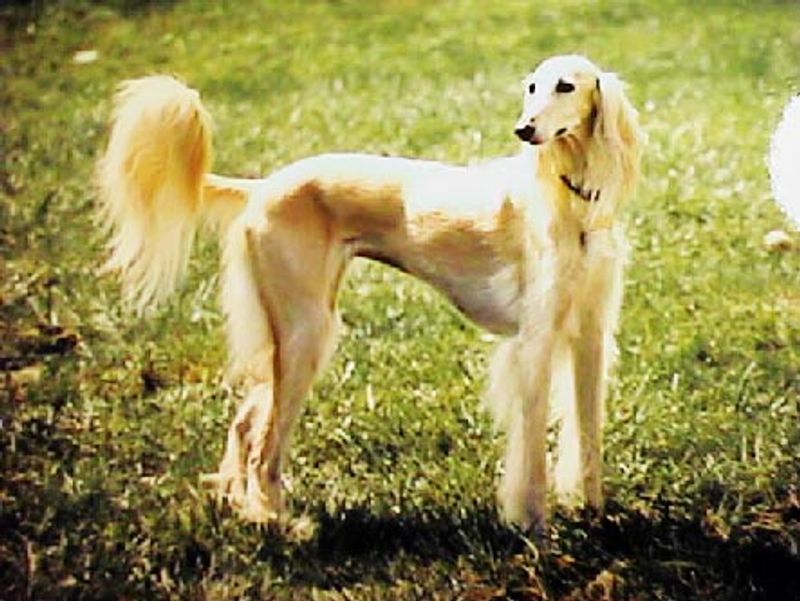
Grace like a dancer, heart like a homebody. The Saluki often enjoys quiet companionship, then bursts of speed in safe spaces.
Many would rather share a silent room with you than bustle through a crowd.
Secure fencing is essential for this sighthound. Rotate light runs with restful afternoons to protect joints.
Calm introductions and soft handling build trust. Enrichment like lure-chasing practice or gentle trick training keeps their elegant mind active without forcing heavy social time.
Anatolian Shepherd Dog
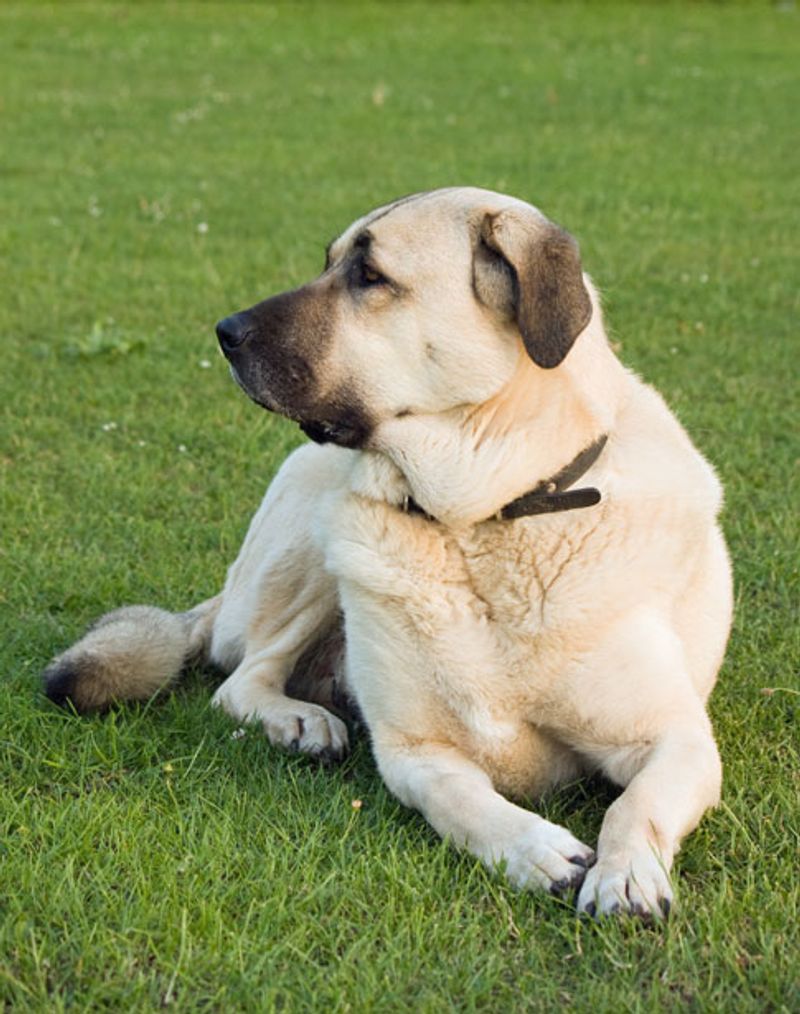
Born to think independently, the Anatolian Shepherd Dog weighs each situation before acting. Large, noisy groups can feel distracting to a guardian breed that reads subtleties and watches for changes.
Commit to solid obedience, boundary training, and calm exposure to friendly visitors. One-on-one social time suits them better than free-for-all play.
Offer tough chews, steady routines, and purposeful jobs, like carrying a pack on hikes. Respect their protective instincts and you will earn rock-steady trust.
Tibetan Spaniel
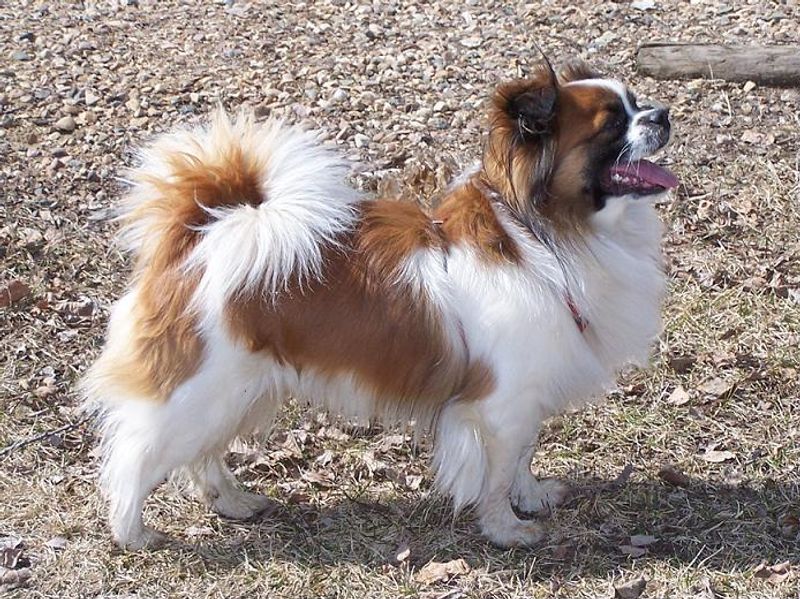
Window watcher by choice, the Tibetan Spaniel likes to keep tabs on the home and cuddle with loved ones. Big, busy playdates may feel overwhelming for this thoughtful companion.
Use gentle socialization with short, positive visits. Teach a cozy place cue so guests can arrive without stress.
Brain games, like treat puzzles and simple agility steps, keep confidence high. Regular brushing sessions double as bonding time.
A secure harness and calm walks help this small sentinel feel safe.