
Some dogs relax and do their best when days feel steady and predictable. A regular schedule helps them learn faster, feel safe, and use their energy well.
Families can plan meals, walks, and play at the same times to reduce stress for everyone. Ready to meet breeds that shine when life runs on a clear rhythm?
Standard Schnauzer
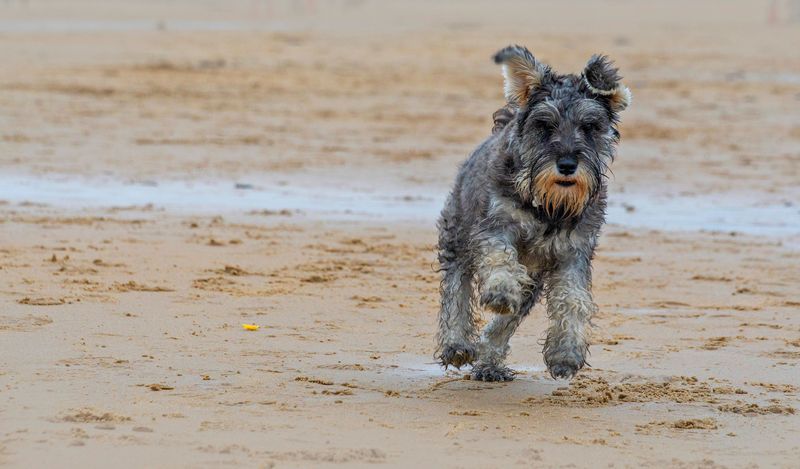
A sharp mind and a loyal heart make the Standard Schnauzer a fan of steady plans. When meals, grooming, and training happen on schedule, their confidence grows and pushy behavior fades.
They love jobs like scent games after breakfast or a structured evening walk. Clear patterns keep mischief low and smiles high.
Try rotating two or three simple tasks each day, such as fetch, a short heel practice, and a quiet settle. Consistency turns that busy brain into happy focus.
Shetland Sheepdog

Born to manage movement, the Sheltie relaxes when life follows a steady beat. Predictable walks and planned training times let their bright brain feel secure.
Without that rhythm, they may worry or bark at small changes. A routine of herding-style games, like controlled fetch or figure-eight heeling, works wonders.
Use short, upbeat sessions twice daily and a quiet place for naps. With cues they trust, these sensitive stars settle and shine at home.
German Shepherd
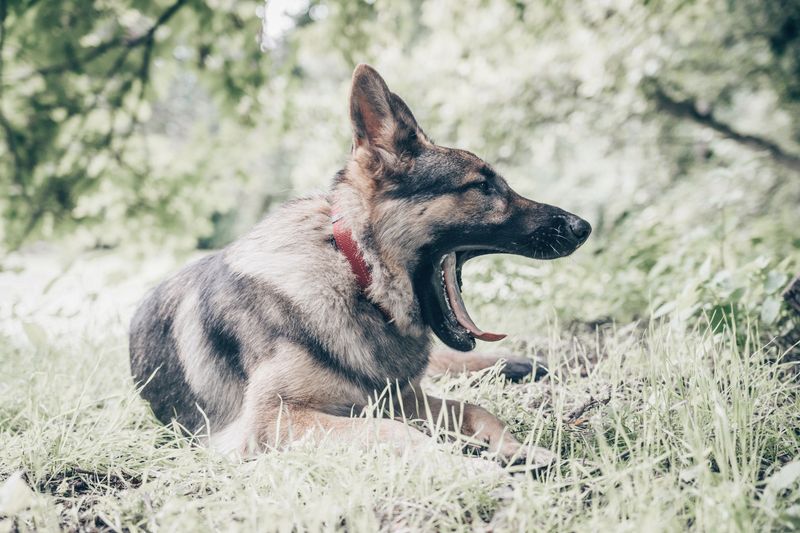
Few dogs appreciate a job like the German Shepherd. A steady timetable gives their power and brains a safe lane.
Morning obedience, midday sniff work, and evening cardio create balance. When expectations are clear, they relax and stay polite with guests and kids.
Rotate tasks to prevent boredom, but keep the time blocks the same. Add simple rules, like wait at doors and settle on a mat after dinner.
Routine becomes calm strength.
Belgian Tervuren
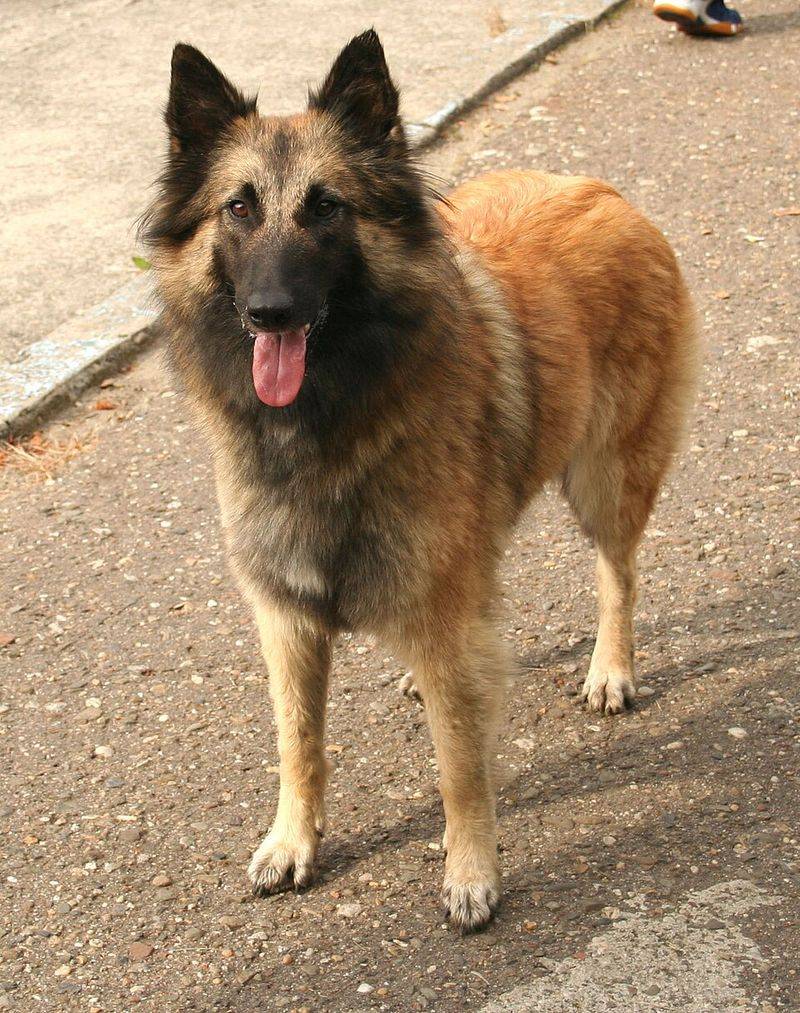
High-drive and elegant, the Tervuren shines when each hour has direction. Without structure, their spinning energy can turn restless.
Plan mental work before physical play so their mind warms up first. A pattern like heel practice, place command, then a brisk jog keeps them centered and kind.
They bond deeply, so predictable alone-time reduces separation stress. Use puzzle feeders at the same times daily.
Well-timed routines transform intensity into thoughtful teamwork.
Miniature Schnauzer
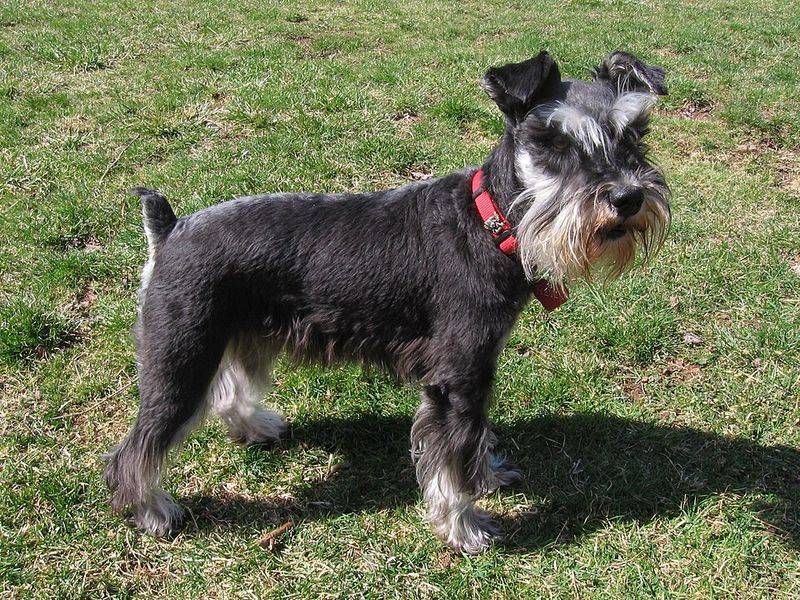
Big attitude in a small frame, the Mini Schnauzer thrives when days feel familiar. Set feeding, bathroom breaks, and quick training games on a timetable.
That predictability tames their watchdog tendencies and eases barking. Teach easy cues like place and leave it to guide choices.
Short bursts of play after meals help them reset. Rotate a few toys daily and end with a calm chew time.
Simple patterns make this spark plug lovable and steady.
Rough Collie

Storybook looks meet steady habits with the Rough Collie. Gentle routines soothe their sensitive side and support polite manners.
Morning grooming, a consistent walking route, and set visiting hours help them predict the world. They read people well, so calm, repeatable patterns make them brave in new places.
Keep training cheerful and brief. A daily check-in of tricks and leash skills builds trust.
With rhythm in place, their sweet confidence grows every week.
Portuguese Water Dog
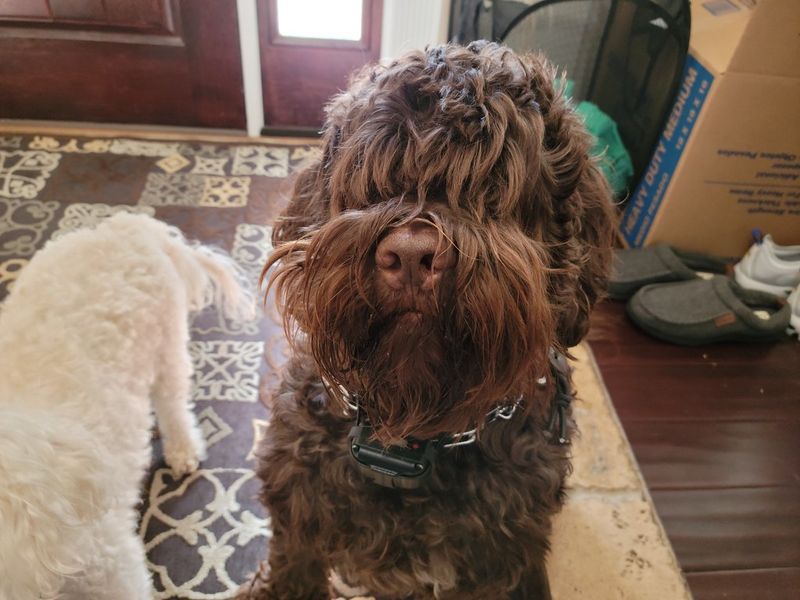
Energy loves order, and the Portie proves it. Water time on certain days, land training on others, and a set grooming plan keep everything smooth.
They enjoy jobs, so plan retrieve drills before free swim. That order teaches patience and reduces wild zooms later.
A weekly calendar posted on the fridge helps families stay consistent. Slot in brain games after meals and snuggle time before bed.
Predictable fun makes this athlete wonderfully manageable.
Giant Schnauzer
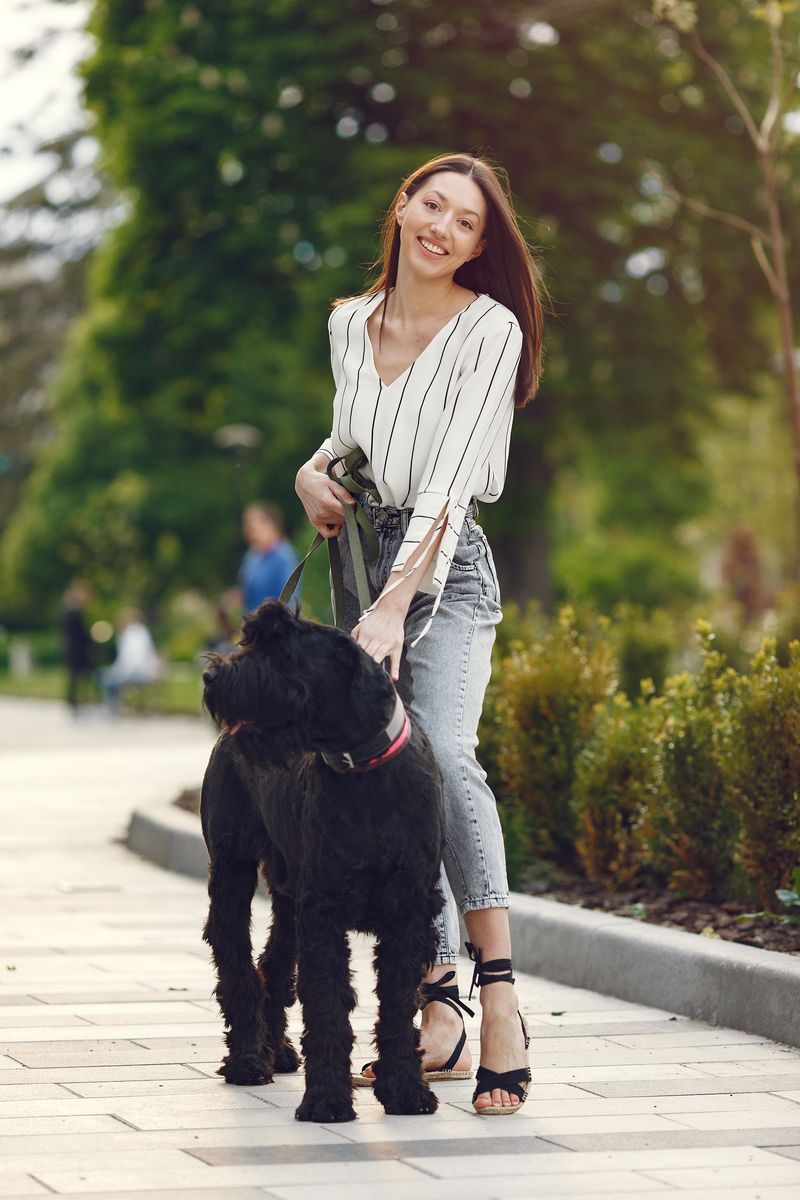
Big muscles need bigger plans. The Giant Schnauzer responds best to clear jobs at set times.
Without that, they can bulldoze boundaries. Start the day with focused obedience, follow with a long trot, and end with chill mat work.
Strong routines turn intensity into grace.
Use firm, fair rules the same way every day. Family members should match cues and expectations.
When structure never wobbles, this powerhouse becomes a steady, respectful roommate.
Australian Cattle Dog

Brains that never quit crave a plan. The Australian Cattle Dog settles when work, rest, and play land in predictable windows.
Agility drills, tug rewards, and then a nap create balance. Skip the routine and you may see nipping or chasing.
With it, you get laser focus.
Post a weekly rotation of tasks to dodge boredom. Keep sessions short and crisp.
Consistent structure lets their grit turn into joyful teamwork.
English Springer Spaniel
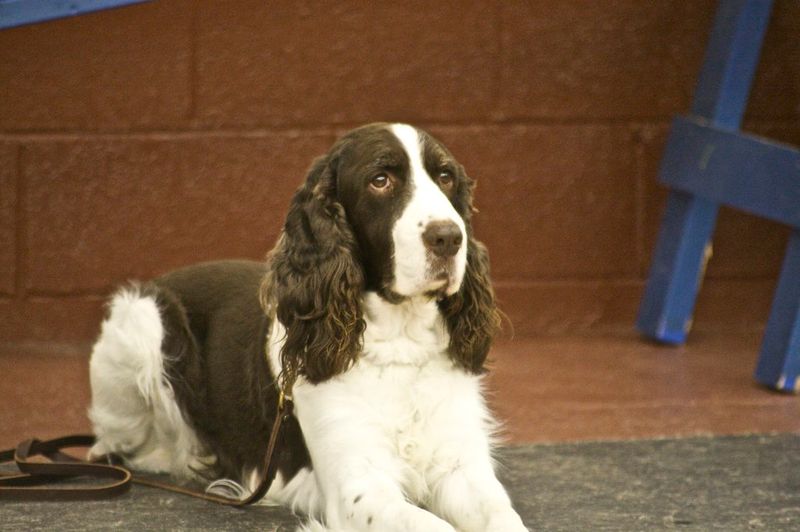
Field spirit meets home harmony when the Springer knows what comes next. Regular recall practice, a calm heel, and sniff breaks give their nose a mission.
A daily rhythm lowers excitement barking and jumping on guests. They shine when mornings mean movement and evenings mean cuddles.
Try a simple pattern: train, walk, then chew time in a crate or on a mat. Clear order supports manners and keeps that tail happily busy.
Papillon

Small frame, giant sparkle. The Papillon thrives when mini rituals shape the day.
Morning trick practice, mid-afternoon potty breaks, and set cuddle times reduce yappy moments. Clear schedules help them feel brave despite their size.
Routines also guard against over-treating by planning snack windows.
Keep training playful and light, using quick sessions before meals. Rotate easy puzzles to tire the brain.
When life beats like a steady drum, this butterfly-eared buddy flutters with confidence.
Beauceron

Calm power defines the Beauceron when structure leads. They appreciate firm schedules that include boundary work, like place behind a line or gate.
Mental tasks before fast games encourage thoughtful choices. A repeated flow of heel, wait, then release keeps their judgment sharp.
Family rules should be unified so cues never change. Post them on the fridge.
With consistent leadership and predictable chores, this guardian-type partner becomes steady, polite, and deeply reliable.
Border Collie
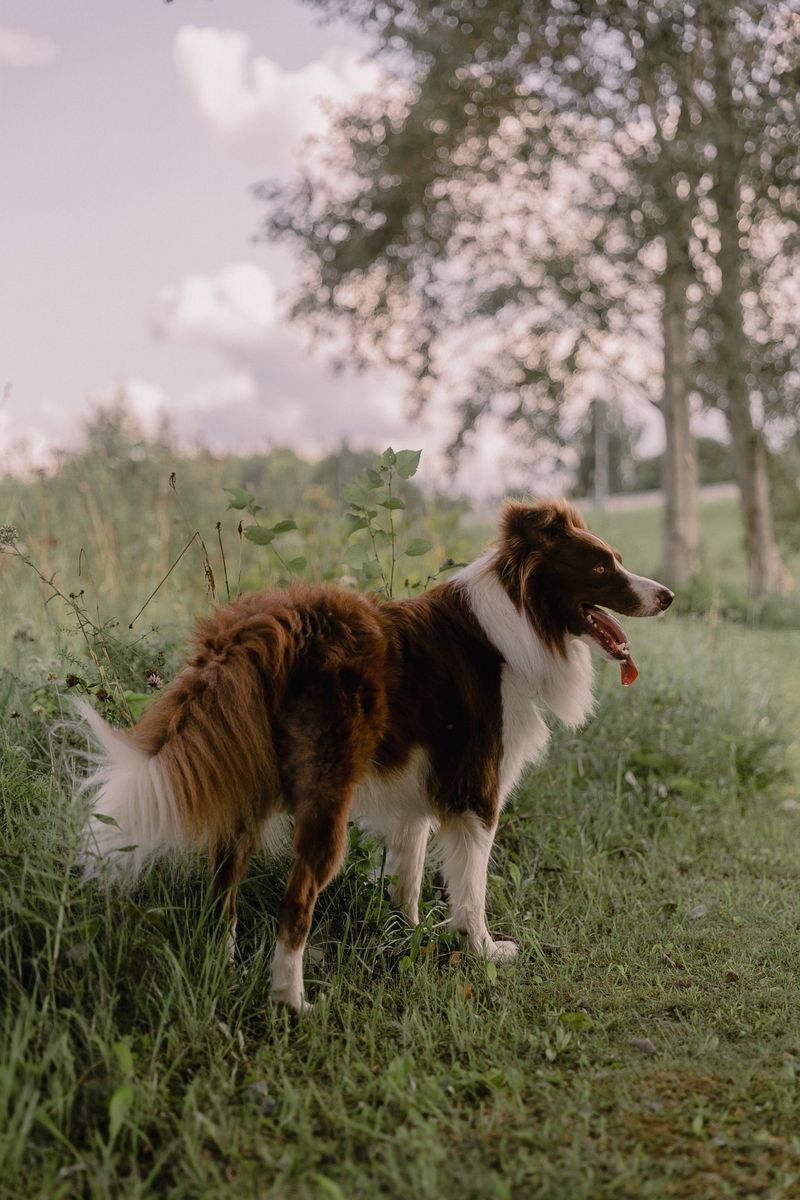
Lightning-fast thinking benefits from lanes to run in. The Border Collie relaxes when mind puzzles, movement, and rest hit the calendar.
Patterned tasks, like freestyle tricks on Monday and scent games on Tuesday, stop over-arousal. Without structure, they may herd kids or chase cars.
With it, they blossom.
Use clear start and stop cues for work and off-duty time. Reward calm settles as much as flashy skills.
Routine guides brilliance without burning it out.