
Silence can look peaceful, but with certain breeds it can hide stress, pain, or uncertainty. If your dog barely makes a peep, you might feel relieved, yet their calm can be a coping strategy rather than real ease.
Learn how to read subtle signals so you can protect comfort instead of assuming it. These breeds teach you that quiet dogs still speak volumes with their bodies, routines, and needs.
Chow Chow
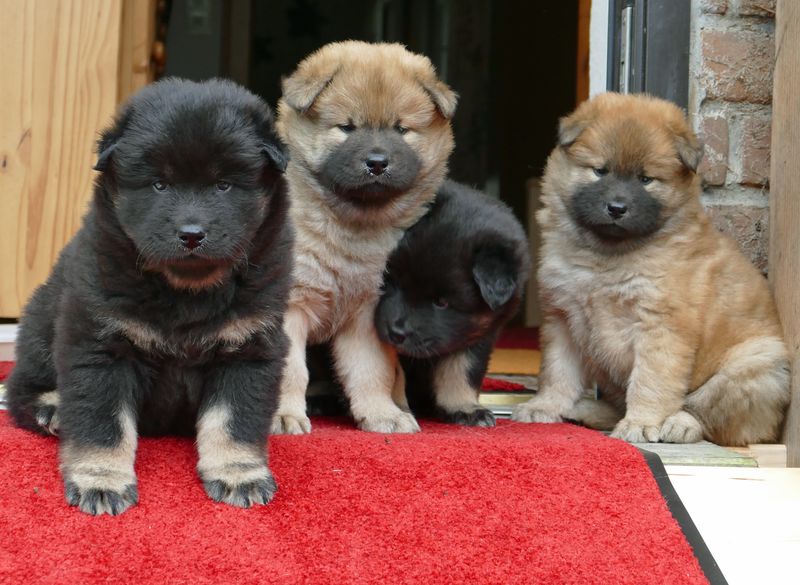
Chow Chows often look serene, but that reserved quiet can hide discomfort or distrust. You might notice a stiff stance, averted gaze, or a tight mouth when they need space.
Instead of waiting for a growl, watch for slow, deliberate movements and low tail carriage during greetings.
Gentle decompression walks, predictable routines, and choice-based training help them relax. Offer enrichment they can do independently, like snuffle mats and slow feeders, to reduce social pressure.
If silence pairs with appetite changes, skin irritation, or limping, schedule a vet visit and pain check.
Shiba Inu
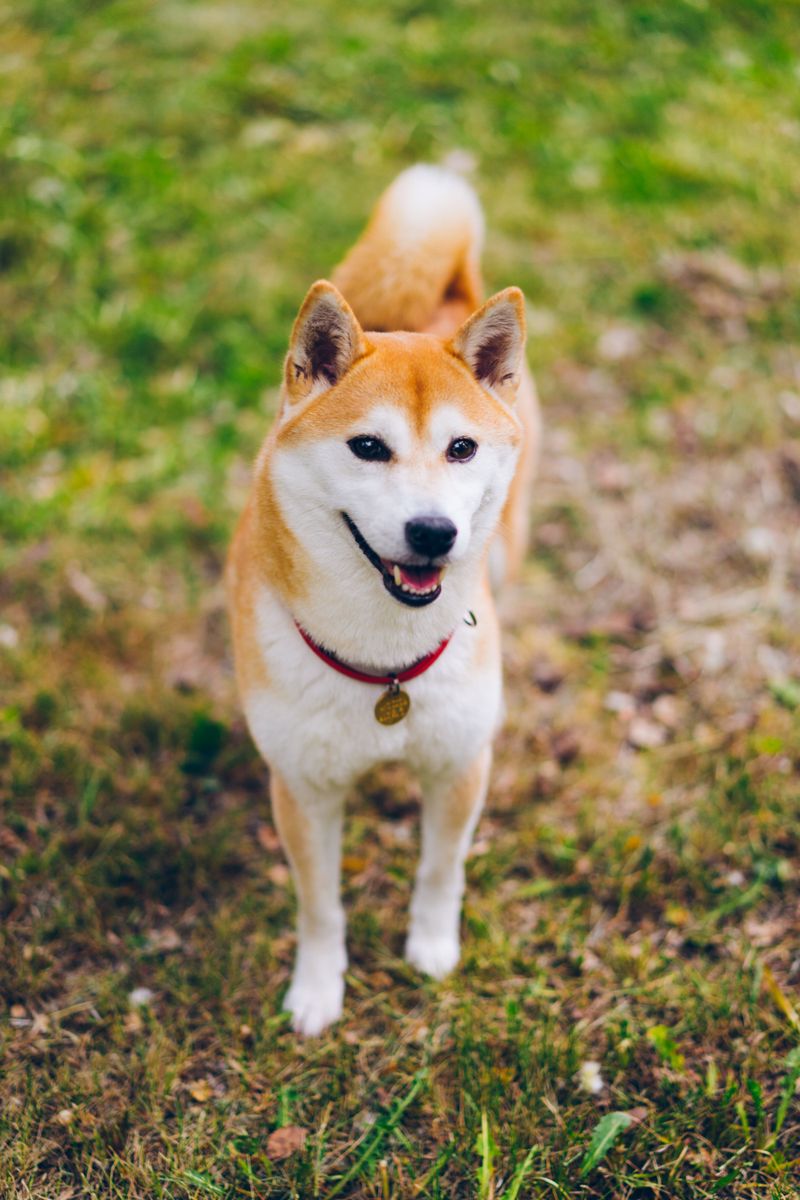
Shiba Inus are famously catlike and quiet, so it is easy to miss a brewing issue. Look for lip licking, head turns, and a loosening tail curl when they feel unsure.
Stillness during petting can mean tolerate, not enjoy, especially with unfamiliar hands.
Let them approach you first and reward brief, voluntary contact. Use scatter feeding and scent games to release tension without crowding.
If your Shiba suddenly naps more, avoids stairs, or startles easily, rule out pain and adjust activity.
Basenji
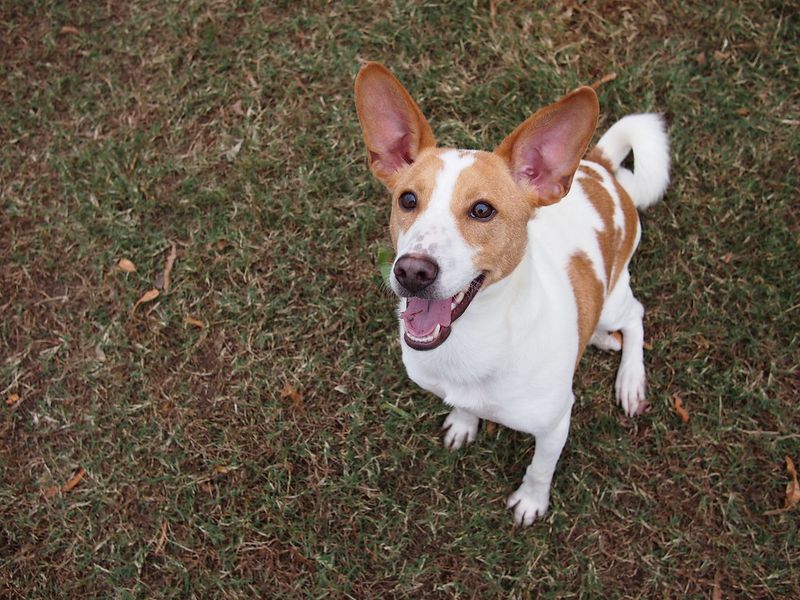
Basenjis rarely bark, which can trick you into thinking everything is fine. Silence with a furrowed brow, tucked tail, or paw lift signals hesitation.
They may freeze when touched near sore spots, then slip away without complaint.
Help by creating calm exploration time with scent trails and puzzle feeders. Keep sessions short and upbeat, letting them disengage freely.
If quietness comes with reduced zoomies, digestive upset, or dull coat, see your vet and consider joint support or dietary tweaks.
Akita
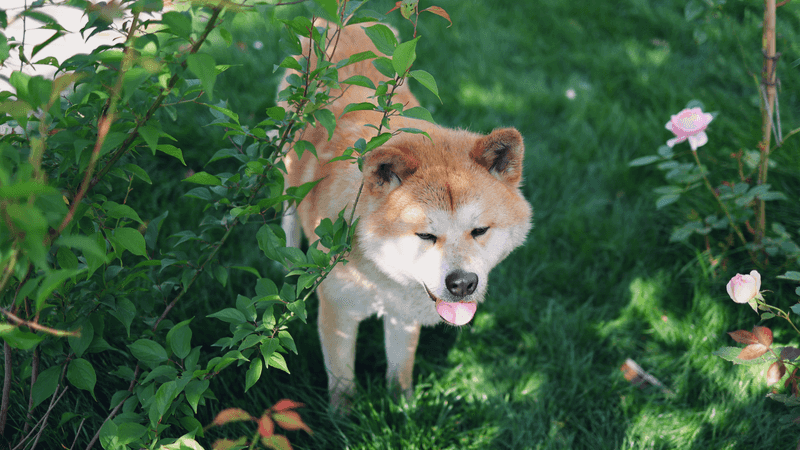
Akitas project calm confidence, but low-key behavior can mask pressure. Watch for a still, statuesque posture with hard eyes when visitors arrive.
A closed mouth, slow blink, and weight shift away mean they need distance, not more petting.
Respect consent. Teach a go-to mat and reinforce quiet check-ins with treats.
Provide low-impact exercise and scent games to drain energy without overarousal. If your Akita becomes extra quiet, skips meals, or pants at rest, investigate pain and thyroid health with your veterinarian.
Greyhound
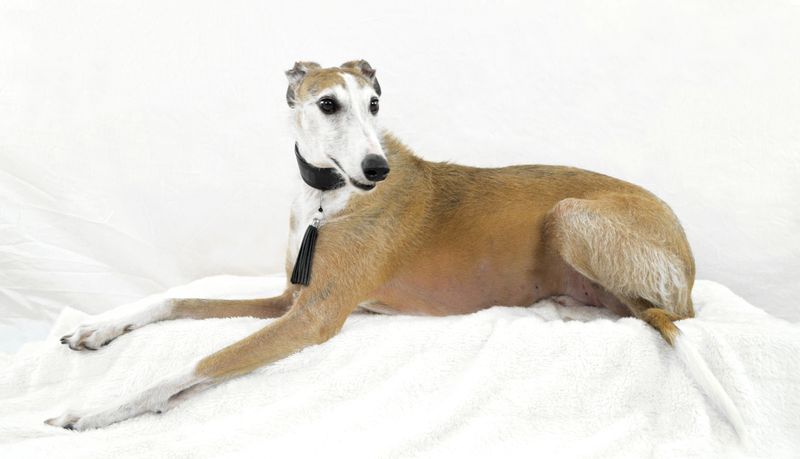
Greyhounds are naturally calm and economical with noise, so discomfort can pass silently. Notice a glazed look, gentle trembling, or reluctance to jump onto furniture.
A Greyhound that freezes when harnessed may be telling you the fit hurts.
Try softer gear, traction rugs, and warm-up walks before activity. Offer lick mats and decompression sniffaries to lower arousal.
If your hound grows unusually still, pants lightly, or has nighttime restlessness, screen for dental pain, corns, and spinal issues common in the breed.
Whippet
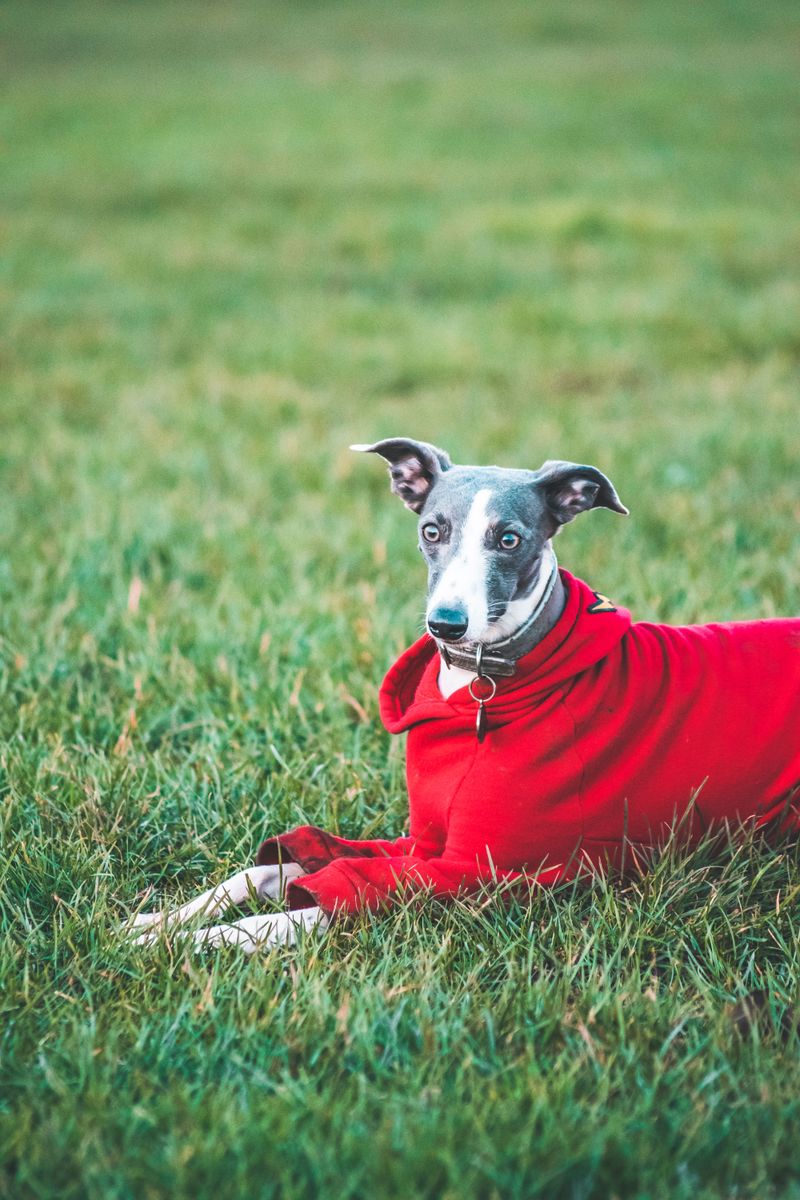
Whippets often lounge quietly, yet subtle stress shows in ears half-back and a gently tucked belly. You might notice hesitation on slick floors or a frozen stance when strangers lean in.
Stillness is not consent, especially with children reaching over the head.
Provide cozy warm spots, non-slip runners, and controlled meet-and-greets. Use calm reinforcement for voluntary approach.
If the quiet deepens with shivering, weight shifting, or avoiding stairs, check for muscle strains or cold sensitivity and adjust exercise.
Saluki
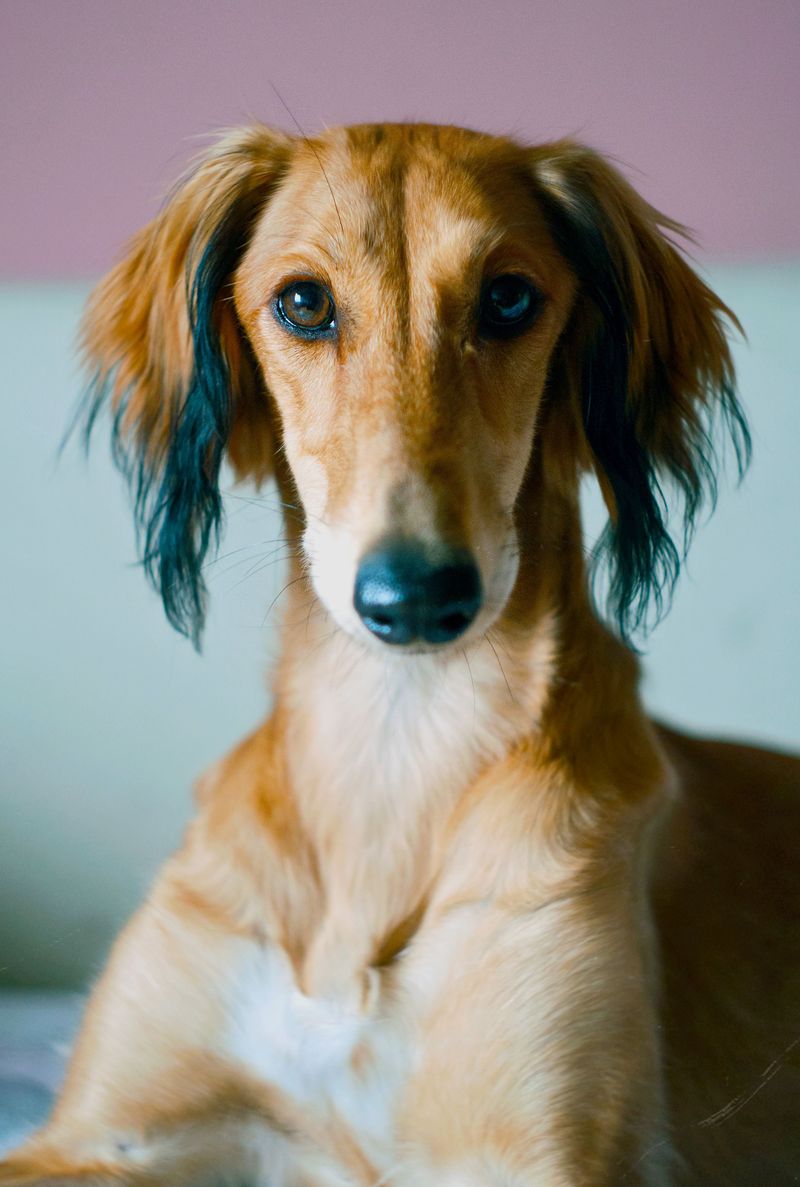
Salukis glide through life with elegant silence, which can hide discomfort or social fatigue. Look for a lowered tail, squinting eyes, and deliberate avoidance when guests crowd them.
They may stand frozen during petting, then slip away the moment you pause.
Support them with calm spaces, predictable routines, and gentle scent games. Reward brief check-ins and allow plenty of off-duty time.
If quiet shifts to withdrawal, reduced appetite, or pacing at night, ask your vet about pain management and gastrointestinal sensitivity common in sighthounds.
Afghan Hound
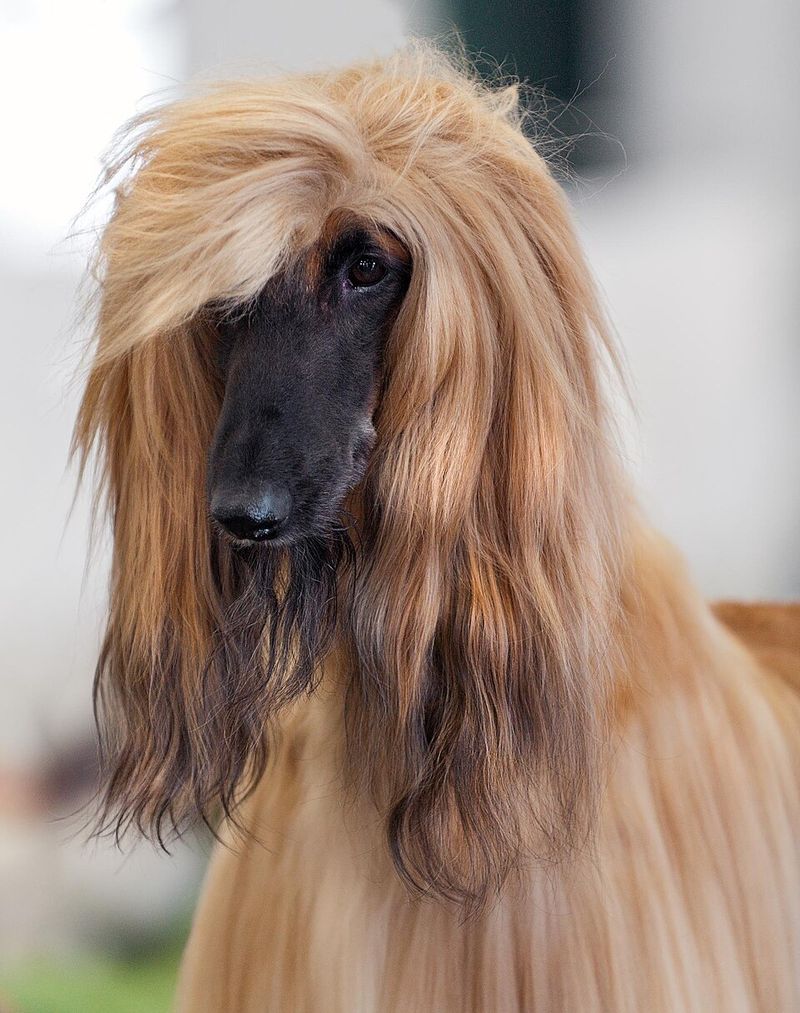
Afghan Hounds look regal and composed, but their quiet can cloak sensitivity. A still body with a distant gaze often means they would rather not interact.
Watch for lifted lips, slight head turns, and a closed mouth when grooming becomes too much.
Break care into short, reward-based sessions and use mats for traction. Offer sniff walks and flirt pole games with clear start-stop cues.
If a normally serene Afghan becomes withdrawn, drops coat quality, or resists stairs, rule out orthopedic pain and check for skin irritation under the coat.
Borzoi
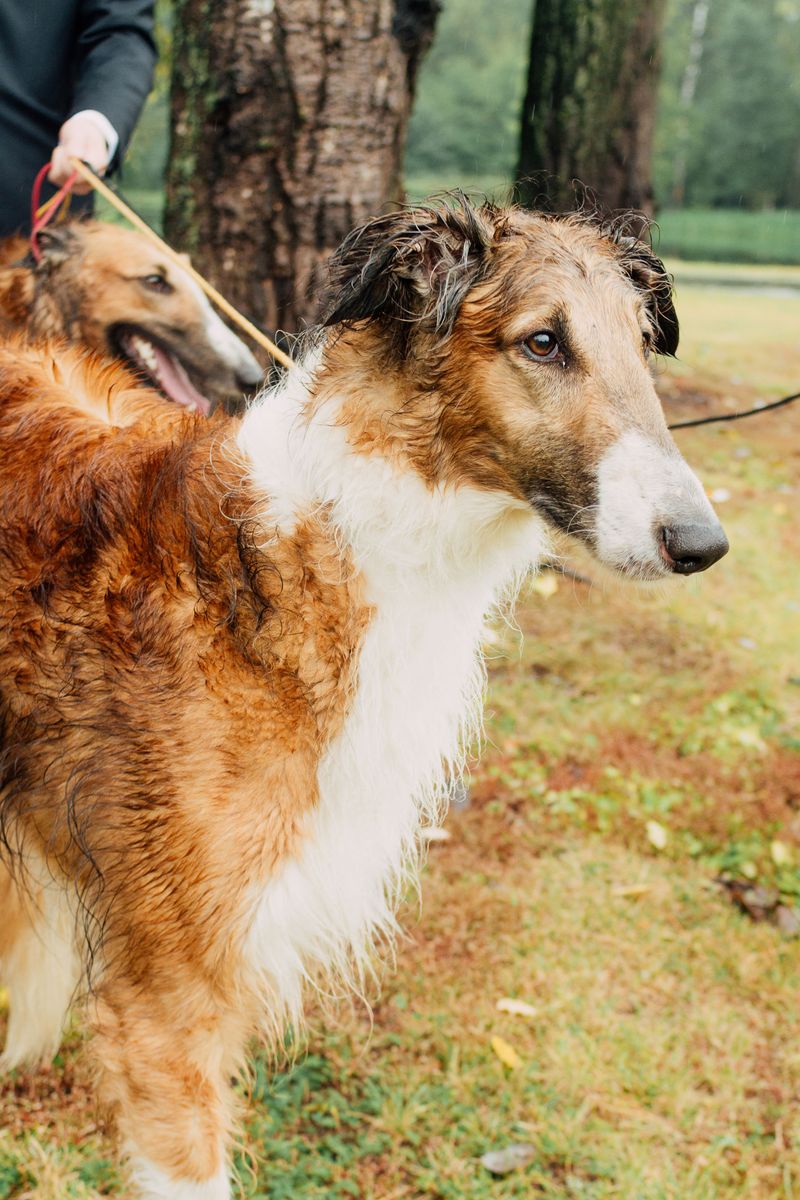
Borzoi are understated communicators, so quiet can hide overwhelm. Subtle whale eye, lip licking, and a low tail are early signs to slow things down.
They may freeze when hugged, preferring gentle side scratches or space.
Create retreat options with beds in low-traffic corners. Keep visits short, reward voluntary approach, and use long-line strolls for decompression.
If your Borzoi is suddenly subdued, shows stiffness after rest, or pants at light effort, check for bloat risk factors, dental pain, and neck strain from collars.
Shar Pei
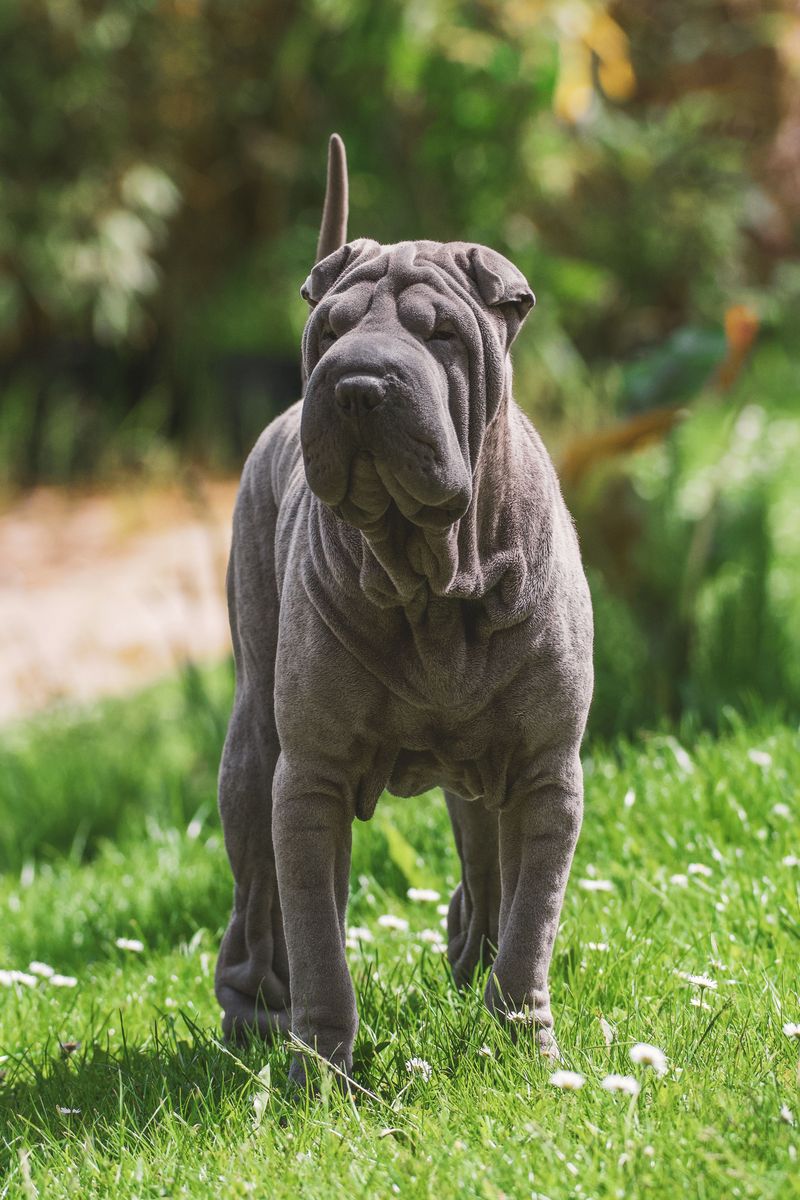
Shar Pei tend to be self-possessed and quiet, but worry can show in stillness and a tight, wrinkle-framed muzzle. They may turn the head away or stand rigid when touched near irritated skin.
Silence plus paw chewing or face rubbing suggests discomfort.
Support comfort with gentle handling, itch relief plans, and chill sniff walks. Teach cooperative care with treats for consent cues.
If quiet comes with ear odor, rubbing, or thinning coat, consult your vet about allergies, entropion, and ear infections common in the breed.
Scottish Terrier
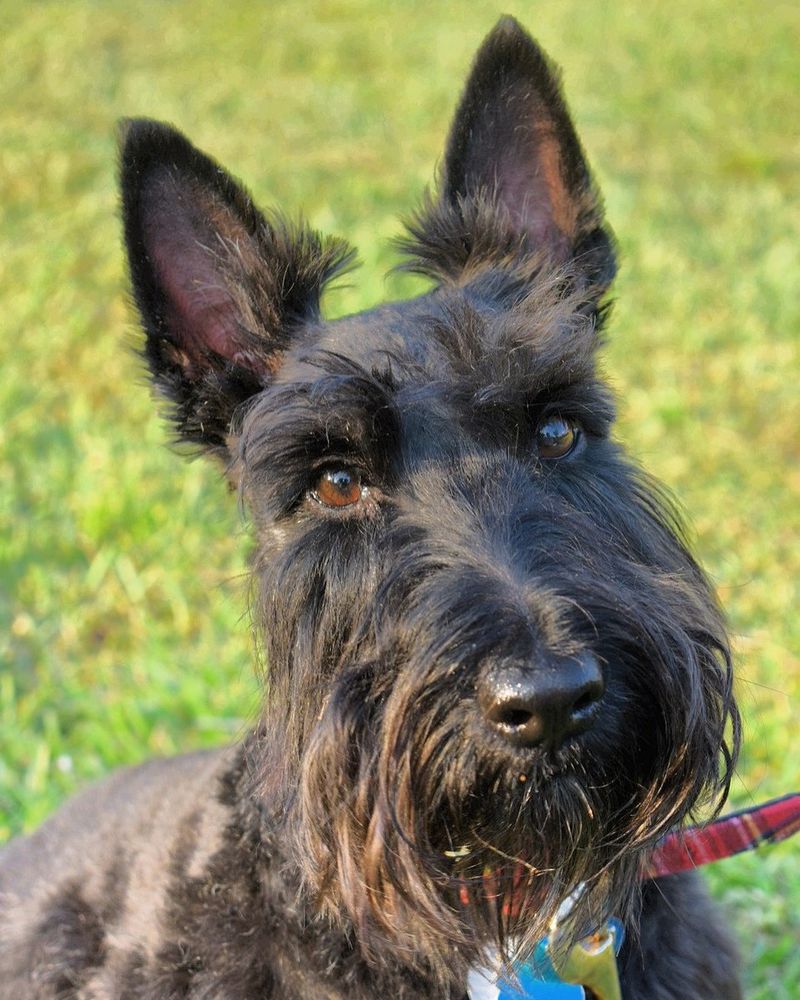
Scotties are brave yet reserved, and their quiet moments may mean they are coping. A square stance with a set jaw can signal unease.
They might accept petting without enthusiasm, then retreat to a doorway to watch.
Give them choice in interactions and a safe perch to observe. Short scent games and brief training bursts build confidence without pressure.
If your Scottie grows unusually silent, hesitates on jumps, or guards resting spots, check for back pain, dental issues, and resource stressors.
Great Dane
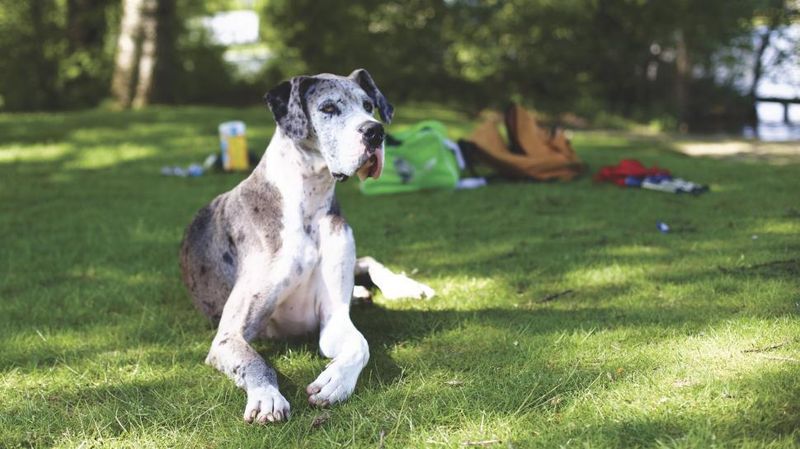
Great Danes often move slowly and quietly, which can conceal discomfort. Look for stiffness when rising, drooling without food, or sudden stillness during play.
A Dane that leans but holds their breath may be asking for space.
Use supportive bedding, slow feeder bowls, and calm sniff walks. Practice consent-based handling for nail care and harnessing.
If quiet deepens alongside restlessness, retching, or belly discomfort, treat it as urgent and discuss bloat prevention, pain relief, and joint support with your veterinarian.
Lhasa Apso
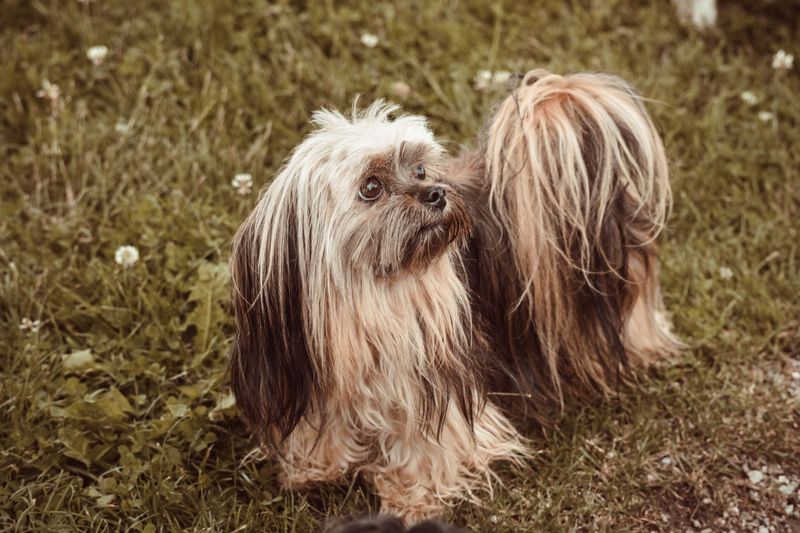
Lhasa Apsos can be polite and quiet while feeling stressed. You might see stillness, wide eyes, and a slight lean away during greetings.
Grooming pressure often triggers a frozen posture that many misread as compliance.
Respect small signals and offer cooperative care with frequent breaks. Use scatter feeding, hide-and-seek, and soft mats to build positive associations.
If quiet pairs with paw licking, sensitivity around ears, or sudden avoidance, schedule a vet check for skin, eyes, and orthopedic comfort.