Some dogs make you feel like a genius trainer, and others make you question every cue you have ever taught. If your pup laughs at sit and treats recall like a suggestion, you are in the right place.
These breeds are legendary for independence and creativity. Here is exactly what works, so you get progress without losing your patience.
Siberian Husky
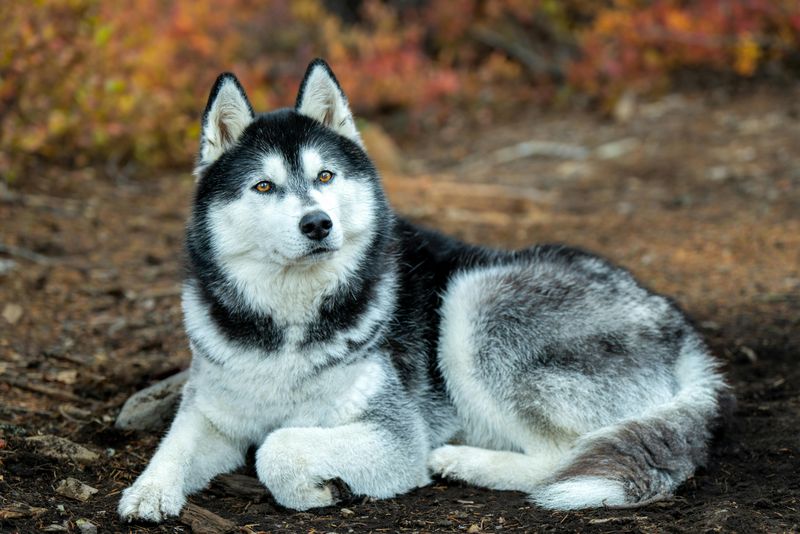
Siberian Huskies are brilliant, athletic, and famously independent, so training them can feel like negotiating with a snow loving teenager. High prey drive and boredom equal selective hearing.
If cues sound optional, a Husky will sprint toward adventure instead of you.
What works is structured freedom and jobs. Use long line recalls with jackpot rewards, then release back to exploration as the real prize.
Daily sled like workouts, flirt pole sprints, and puzzle feeders drain the energy that fuels rebellion.
Teach impulse control through sit wait games before doors and car unloads. Rotate high value treats, tug, and chase to keep payoffs surprising.
Keep sessions short, end on success, and protect recall by avoiding calls before anything your Husky dislikes.
Afghan Hound
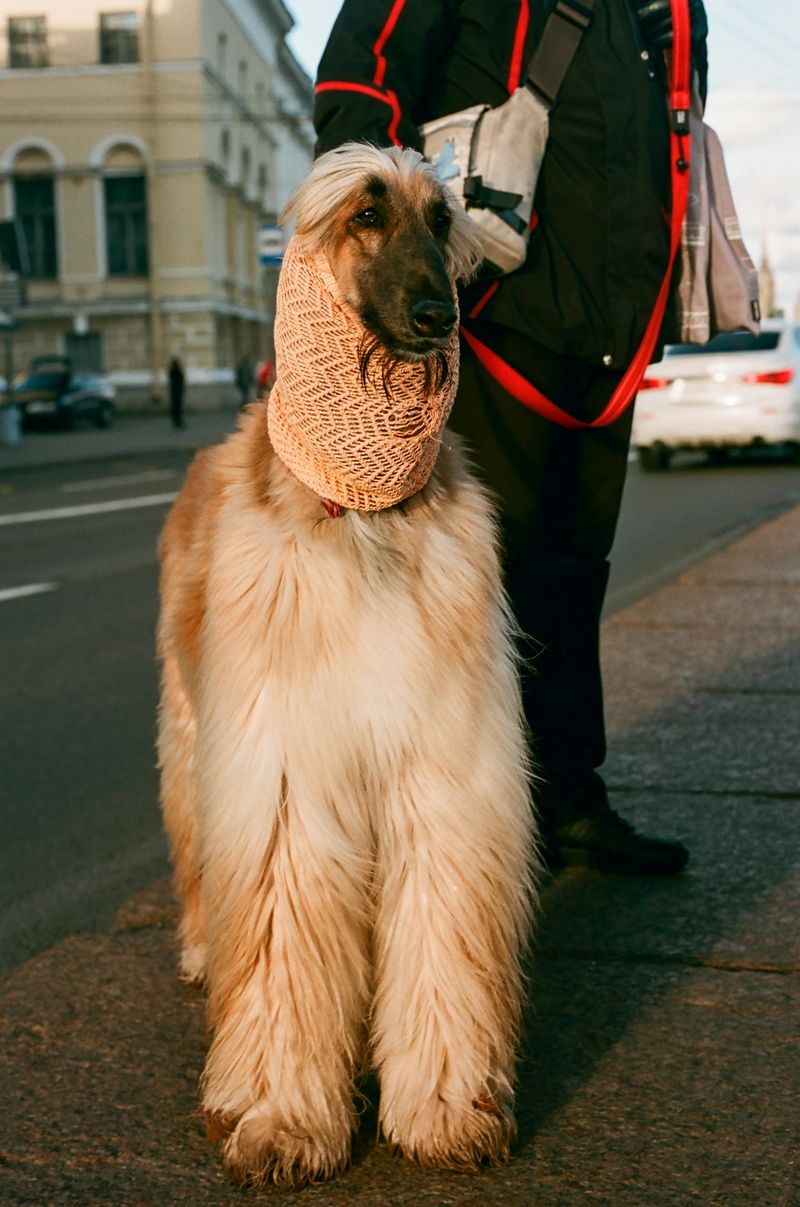
Afghan Hounds float like fashion models and think like philosophers. They are sensitive, aloof, and easily bored by repetition, so standard drills fall flat.
If training feels dull or harsh, they mentally leave the room and you lose the thread.
What works is calm confidence, silky handling, and novelty. Keep sessions short, playful, and graceful, using touch targets and chase games for engagement.
Reinforce with soft treats and quiet praise, then release to sniffing, which matters deeply to sighthounds.
Teach recalls using restrained chases toward you, trading speed for sardine level rewards. Use long lines in open fields to keep success high.
Grooming time doubles as training, pairing brushing with tiny cues, turning an obligation into bonding and practice.
Basenji
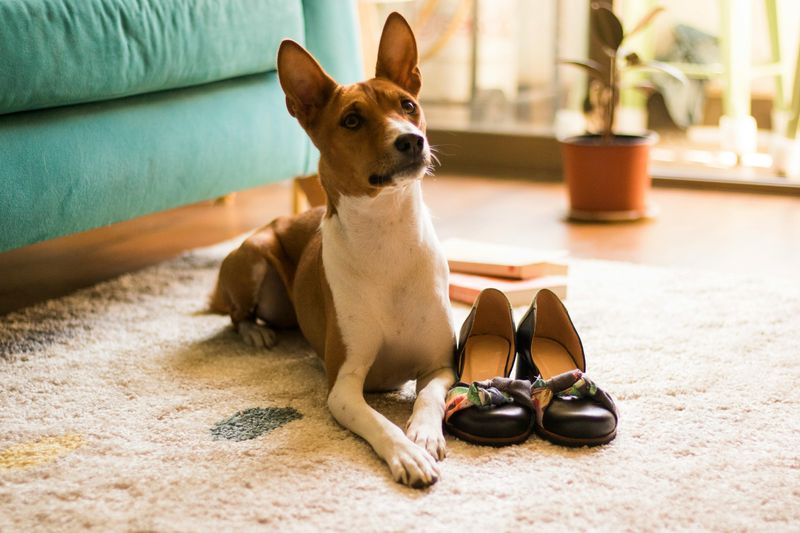
Basenjis are catlike, clever, and wonderfully mischievous. They do not bark much, but they absolutely communicate their opinions about training.
If you repeat the same cue twice, they start designing their own experiment and you become part of the data.
What works is novelty, scent work, and chase as currency. Use rapid fire hand targets, short parkour over low obstacles, and scatter feeding to reset arousal.
Reinforce recalls with movement, tossing treats past you, then pivoting into another quick game immediately.
Teach impulse control through premack trades, like sit to earn sprinting. Rotate rewards daily to keep curiosity high.
Basenjis thrive when you let them investigate safely, so long lines, secure yards, and puzzle feeders transform stubbornness into thoughtful cooperation.
Chow Chow
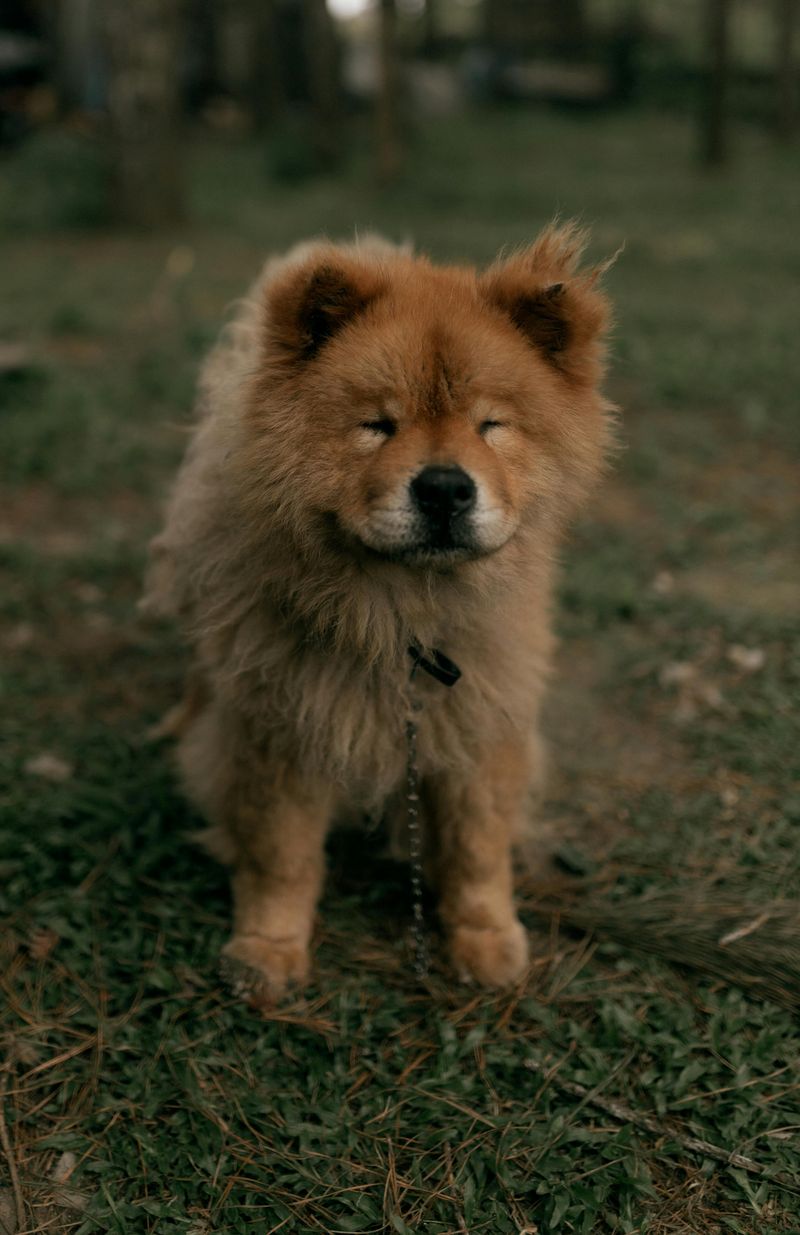
Chow Chows are dignified guardians who prefer making their own choices. Pushy training backfires, and bribery without structure teaches them to negotiate harder.
Their stoic vibe hides sensitivity, so rough handling or chaotic environments shut down learning fast.
What works is quiet structure, predictable routines, and clear boundaries. Use marker training with high value food, then fade pressure by reinforcing calm behaviors like sits and downs before doorways.
Socialize thoughtfully, at a distance where your Chow can observe and decompress.
Teach cooperative care with chin rests and consent cues, rewarding stillness for grooming. Practice loose leash skills in low traffic areas before meeting busy streets.
Keep sessions short, end on dignity saving wins, and protect neutrality around strangers through space and timing.
Shiba Inu
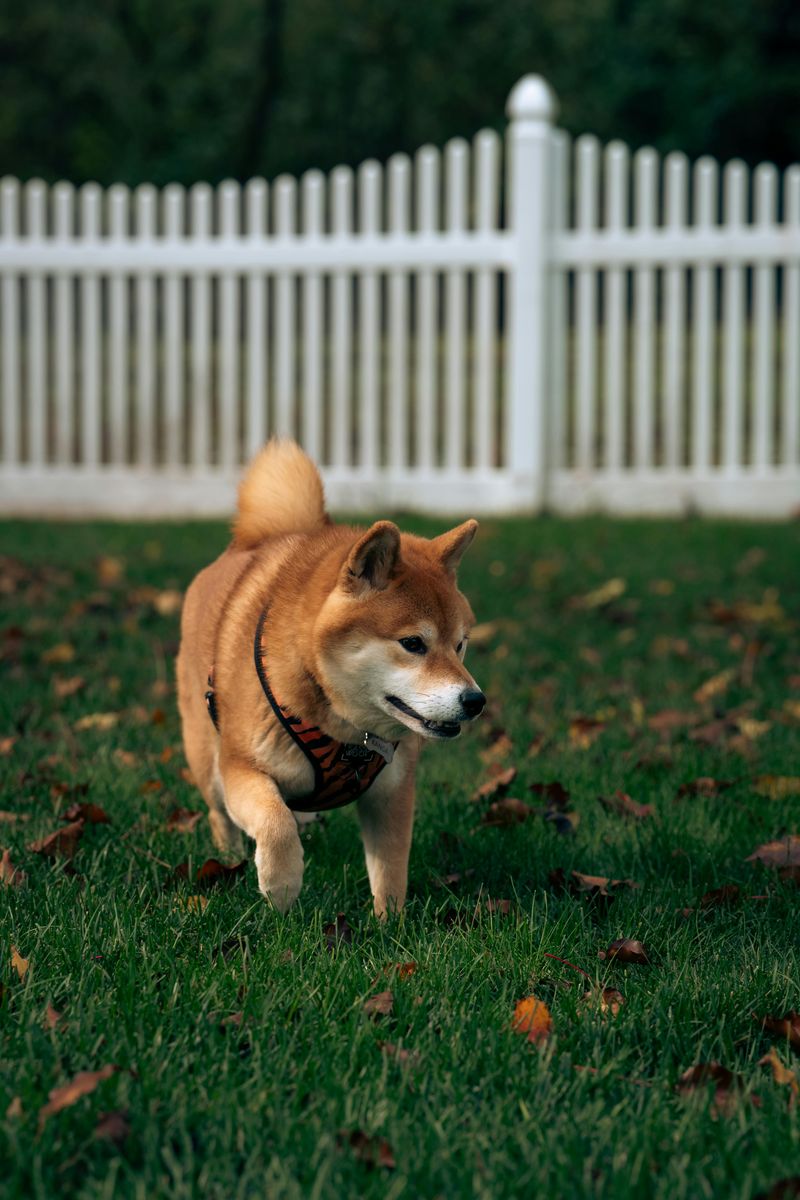
Shiba Inus are adorable anarchists with PhD level self preservation. They love freedom, novelty, and whatever you wish they would ignore.
If you chase them, the game is on, and your recall turns into a highlight reel of graceful escapes.
What works is strategic choices and consent. Teach trades using high value food for toys, then pay again after the handoff to build trust.
Use long lines in safe areas, reinforcing check ins, and release frequently so returning becomes the shortest path to freedom.
Teach harness handling with stationing on a mat. Practice elevator recalls in hallways where options are limited.
Keep training upbeat, avoid power struggles, and celebrate small wins that stack into reliability without crushing that charming Shiba sparkle you actually love.
Akita
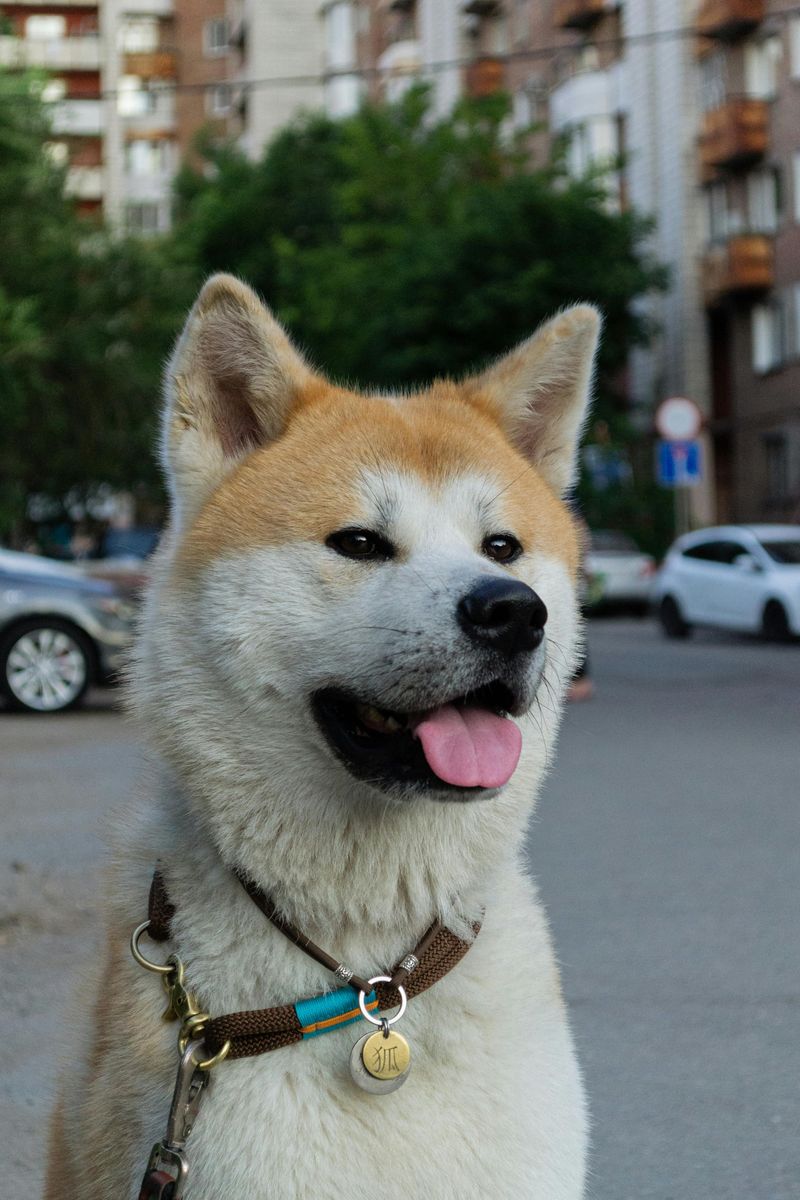
Akitas are loyal, imposing, and naturally discerning. They bond deeply but are not automatically obedient, especially around unfamiliar dogs.
Correct too hard and you damage trust, but allow chaos and they take the steering wheel without asking your permission.
What works is respectful leadership and clarity. Use platform training for place, then layer impulse control with sit wait at gates and car doors.
Reinforce with premium food and tug only when arousal stays within your set rules, ending the game before overload.
Teach neutrality drills around dogs at generous distances, paying for eye contact and quiet body language. Rotate obedience with scent work to satisfy the mind.
Keep sessions deliberate, end strong, and maintain consistent house rules that make decisions easy and predictable.
Dachshund
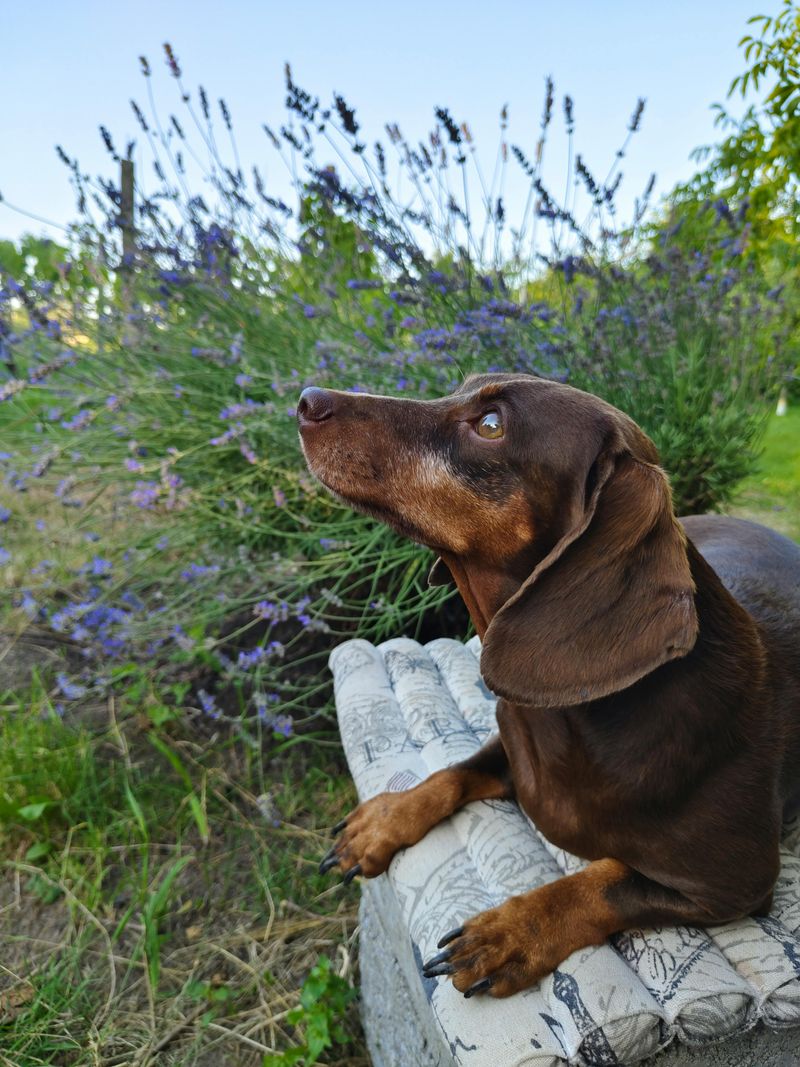
Dachshunds were built to go underground after prey, so listening is optional when there are smells. Their backs need protection, and jumping off furniture can become a risky habit.
When overexcited, they forget you exist and chase the next mysterious scent.
What works is scent first training with smart management. Teach nosework boxes, then call back to a big payout, pairing recall with the thrill of finding.
Use ramps and blocked furniture to protect spines, and practice polite greetings to reduce cannonball launches.
Teach settle on a mat for household calm. Reinforce harness handling and waiting before stairs.
Keep reps tiny, vary rewards, and let digging happen in a sandbox so natural behaviors get an approved outlet, turning stubborn streaks into wag fueled cooperation.
Jack Russell Terrier
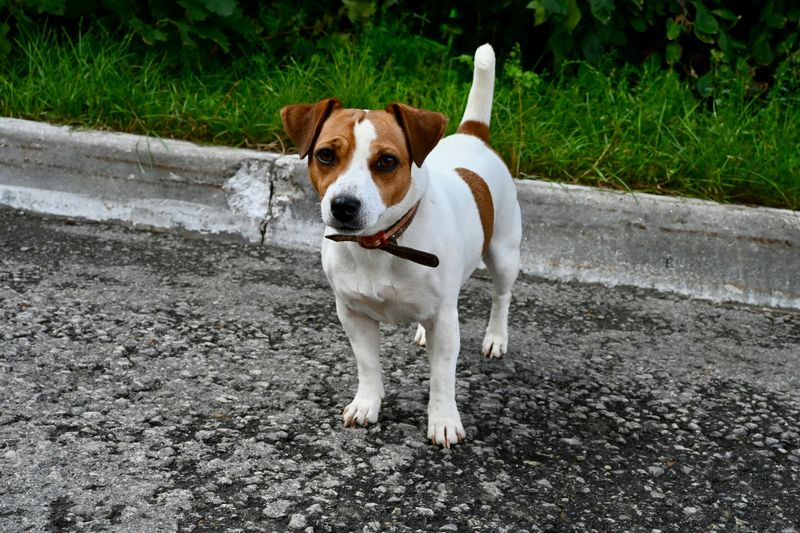
Jack Russells are kinetic poetry with opinions. They were bred to work all day, so idle time becomes demolition art.
Ask for stillness without meeting their needs and you will get improvisation that includes couch parkour and unauthorized excavation.
What works is channeling that fire. Use agility style obstacles, flirt poles, and rapid hand targets to build focus through movement.
Pay generously for brief stillness after fast reps, creating an on off rhythm your terrier can predict and enjoy.
Teach retrieve to hand for toy control, then layer impulse control with sits before release. Introduce scent puzzles to exhaust the brain.
Keep training spicy, short, and frequent, and turn jobs like carrying a toy on walks into meaningful, pride building work.
Beagle
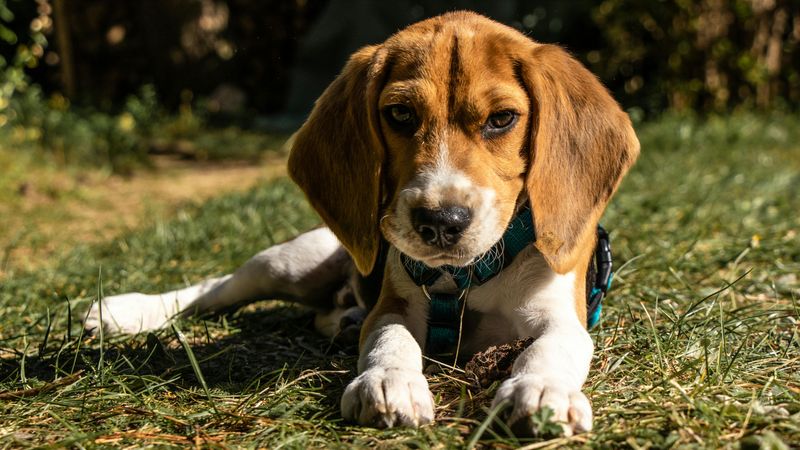
Beagles are scent savants who believe every breeze carries urgent mail. Once a smell grabs them, your words drop several priority levels.
Punishing the nose never works, and yelling only teaches them to tune out when the world gets interesting.
What works is making scent your teammate. Lay simple trails, reward check ins, then send back to the trail as the real jackpot.
Use long lines for safety, pairing whistles with food rain to build a recall that beats squirrels and sandwich wrappers.
Teach wait at curbs and doorways, paying heavily for calm. Rotate sniffaris with structured heel bursts to balance needs.
Keep training upbeat, use frequent micro sessions, and let that glorious nose earn privileges by choosing you before following the next story.
Scottish Terrier
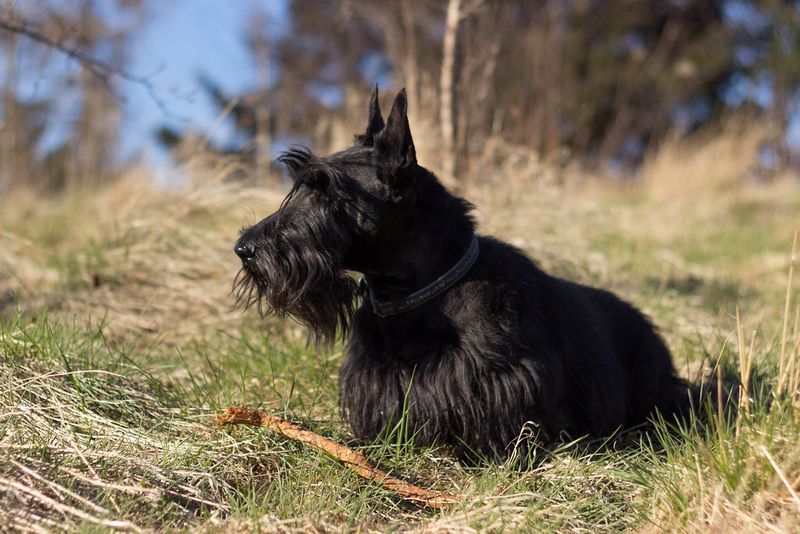
Scotties are bold, independent, and charmingly sure of themselves. They like jobs with clear rules and will test unclear ones.
Jerky corrections cause pushback, while pleading invites negotiation, so structure and respectful clarity make the difference between stubborn and steady.
What works is platform place training and tidy manners. Reinforce quiet sits before greetings, and use controlled games like tug that end on your marker.
Sprinkle nosework and brief rally style patterns to engage the sharp mind without endless repetition.
Teach grooming cooperation with chin rests, rewarding each step. Practice loose leash skills on quiet streets first, then level up gradually.
Keep sessions crisp, rotate reinforcers, and highlight wins with upbeat exits so your Scottie leaves training proud, not prickly or bored.
Borzoi
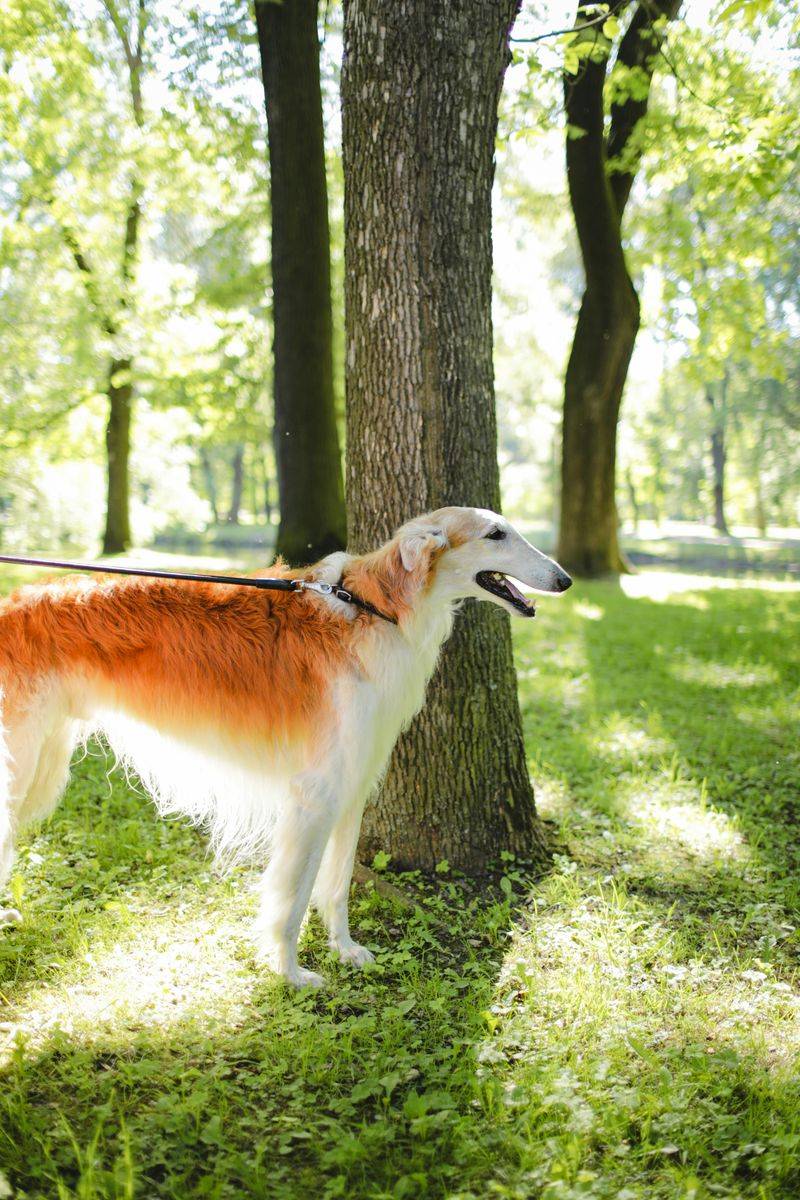
Borzoi are ethereal sprinters with big feelings about space and speed. They are gentle but easily overwhelmed by cluttered training.
If you try to outmuscle a sighthound, you lose the relationship, and without relationship, recalls evaporate the moment something moves.
What works is elegance and distance. Use long quiet fields, soft markers, and restrained recalls that release to chase toys.
Reinforce with smooth, predictable handling, and keep sessions short enough that curiosity never curdles into stress or stubborn avoidance.
Teach attention with find it scatters, then pivot into hand targets. Build recall through two person ping pong games that emphasize rhythm.
Keep gear light, protect decompression time, and celebrate calm bravery in new places so your Borzoi chooses you over wind.
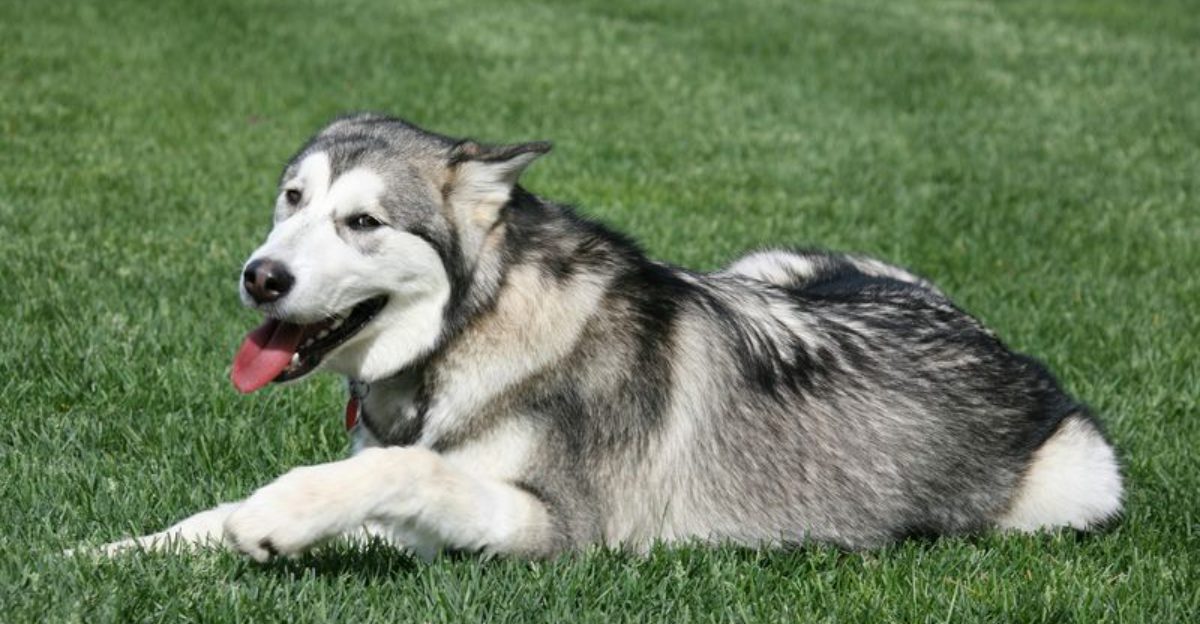
Alaskan Malamute
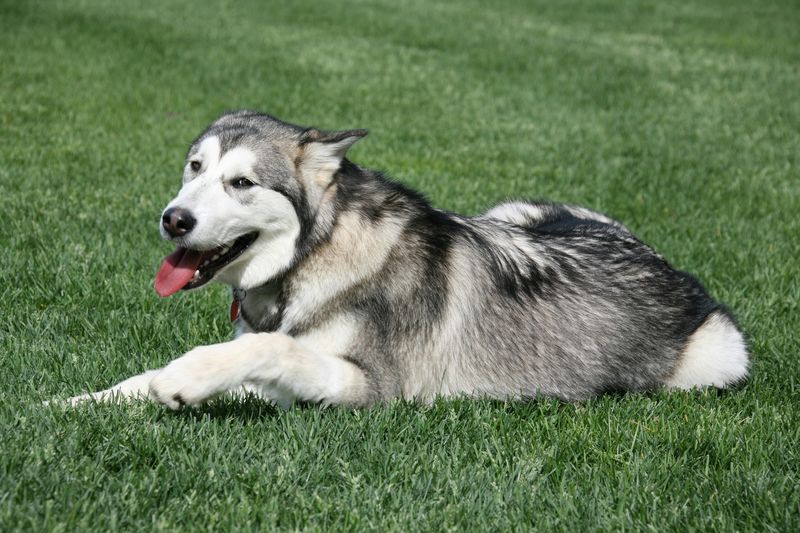
Malamutes are powerhouse workers with curious, social minds. They celebrate chaos if you do not offer real jobs.
When underworked, they dig craters, sing arctic songs, and treat recalls like optional suggestions because the horizon is calling louder than you.
What works is work. Weight pulls, backpacking, and drag lines provide legal labor, followed by structured freedom.
Use long line recalls with massive food jackpots, then release to trotting as the bonus, teaching that coming back unlocks the fun again.
Teach cooperative harnessing and paw handling with steady rewards. Rotate obedience bursts with cart pulls or hill hikes to bleed off steam.
Keep house rules simple, practice impulse control at doors, and protect recalls by avoiding them before unavoidable chores happen.
Shar Pei
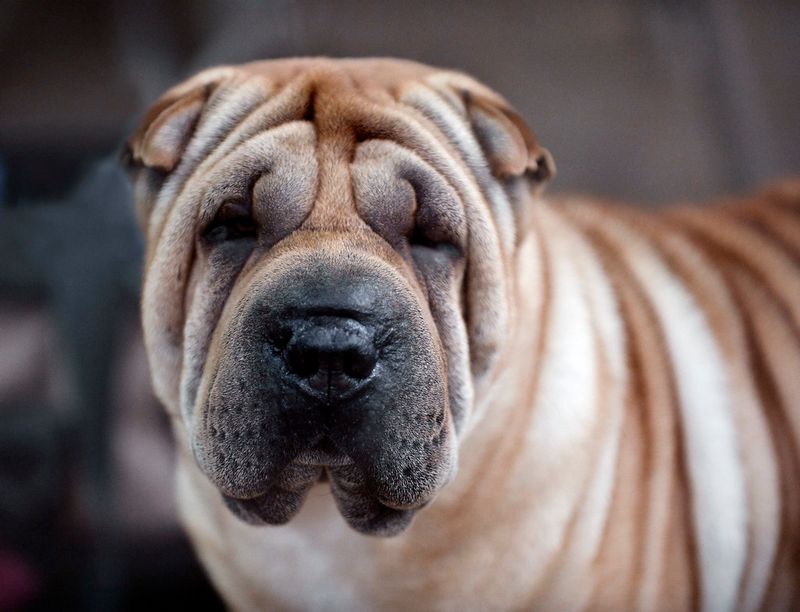
Shar Pei are thoughtful guardians with an independent streak. Skin folds and past discomfort can make handling tricky, so grooming and vet care deserve special training.
Push too fast and you get resistance that looks like stubbornness but really is self protection.
What works is cooperative care and quiet structure. Teach chin rests, bucket holds, and start button behaviors where your dog signals readiness.
Reinforce generously for stillness, keep sessions short, and create predictable routines so daily life feels safe and unsurprising.
Teach leash skills in low distraction areas, adding gentle exposure to new people at a distance. Pay for neutrality, not forced friendliness.
Keep rewards high value, use soft equipment, and celebrate small steps, turning a cautious thinker into a confident, willing partner.