
Some dogs get labeled stubborn, wild, or bossy when they are really just confused. Yelling louder or being stricter rarely fixes the problem.
Many breeds simply need simple cues, steady routines, and kind signals they can understand. Once you learn how your dog thinks, training can feel less like a battle and more like a conversation.
Shiba Inu
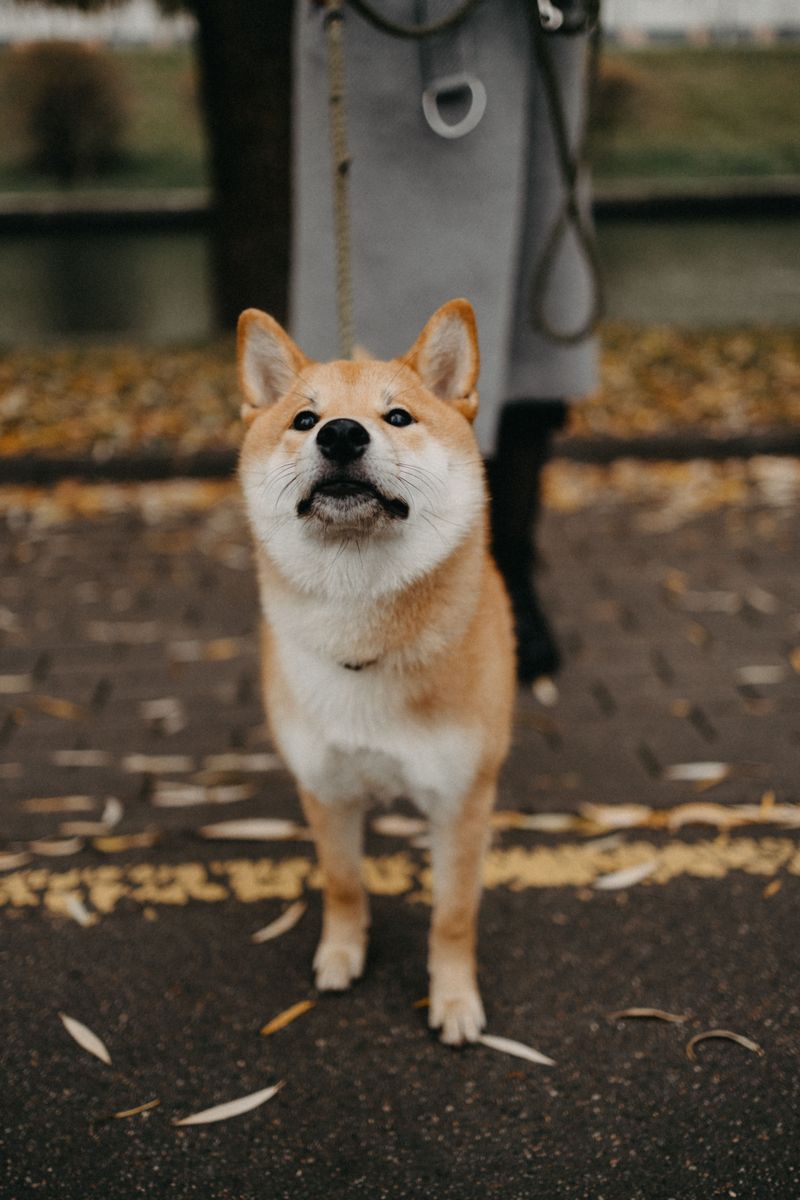
Picture a tiny fox with the attitude of a cat. That is the Shiba Inu, an ancient Japanese breed known for doing things on its own terms.
Harsh corrections usually make a Shiba shut down or dig in its heels. Short sessions work far better, along with tasty rewards and one clear word per action.
Fun fact: Shibas are famous for the dramatic Shiba scream when they feel upset. Calm handling keeps the volume down.
Siberian Husky
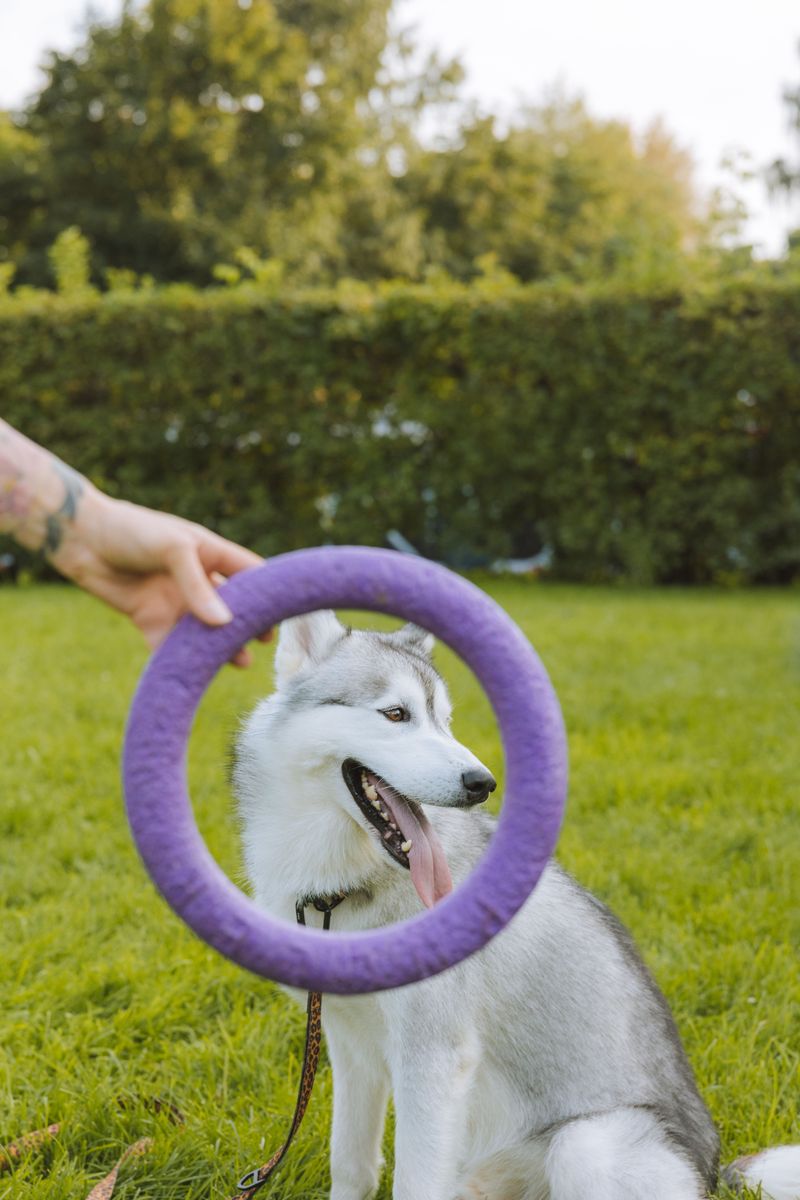
Bred to pull sleds across frozen Siberia, Huskies were taught to think for themselves when a musher could not see danger ahead.
So when your Husky ignores a command, it may not be defiance. It could be that the request seems pointless to them.
Make every cue meaningful and consistent. Pair words with hand signals, reward fast, and give plenty of exercise so that busy brain is ready to listen.
Basenji
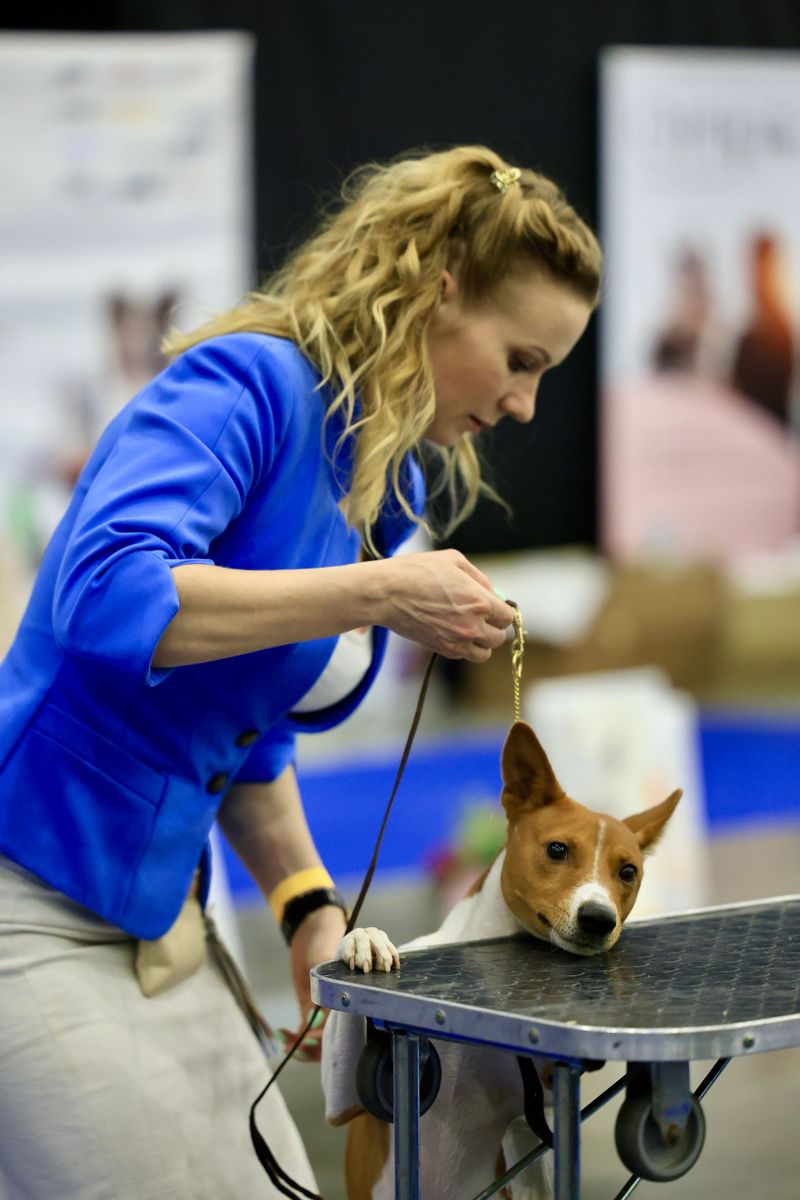
Did you know the Basenji does not bark? Instead, it yodels, which is fitting for a dog that marches to its own song.
Basenjis come from Central Africa, where they hunted with little human direction. They get bored with repeated drills quickly.
Keep lessons playful and varied. Use a marker word like yes the moment they get it right.
Clear timing tells a Basenji exactly what earned the reward.
Chow Chow
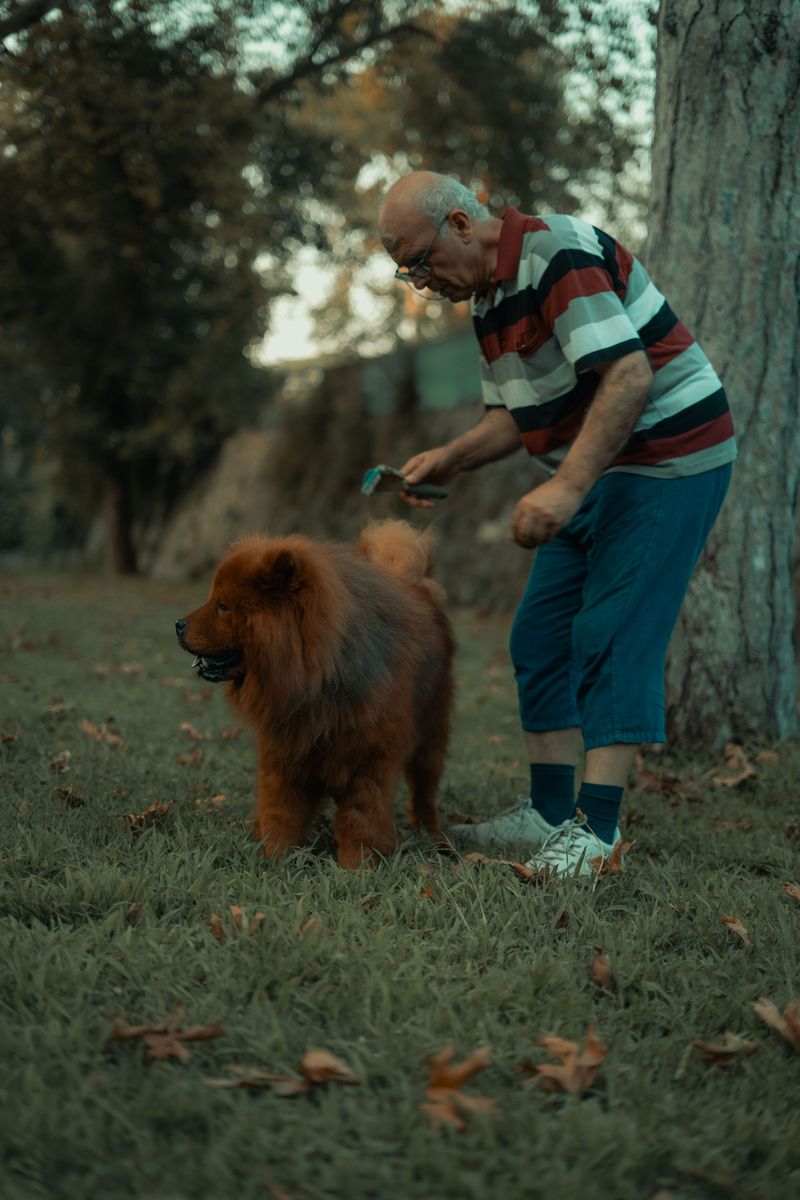
Dignified, quiet, and a bit reserved, the Chow Chow often acts more like a royal guest than a pet.
Pushing a Chow around tends to backfire. These dogs respect calm leaders who set clear rules and stick to them every single day.
Start socializing early with gentle new experiences. Speak in an even voice and avoid grabbing at their fluffy mane.
Trust grows slowly, but once earned, it lasts.
Beagle
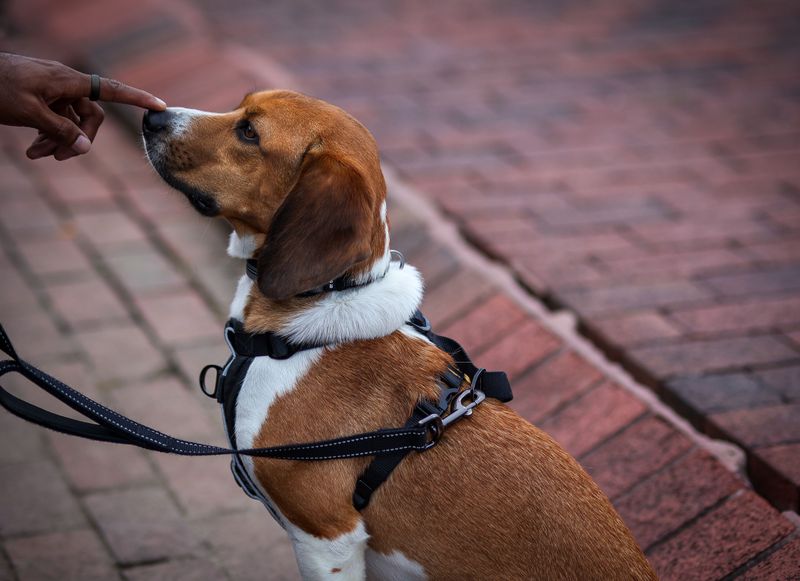
Ever called a Beagle while it is sniffing something? Good luck.
That nose holds around 220 million scent receptors, and it often wins.
Beagles are not ignoring you to be rude. Smells simply shout louder than your voice.
Work on recall in quiet places first, then build up to busier areas. Use high-value treats, and practice the word come only when you can help them succeed.
Afghan Hound
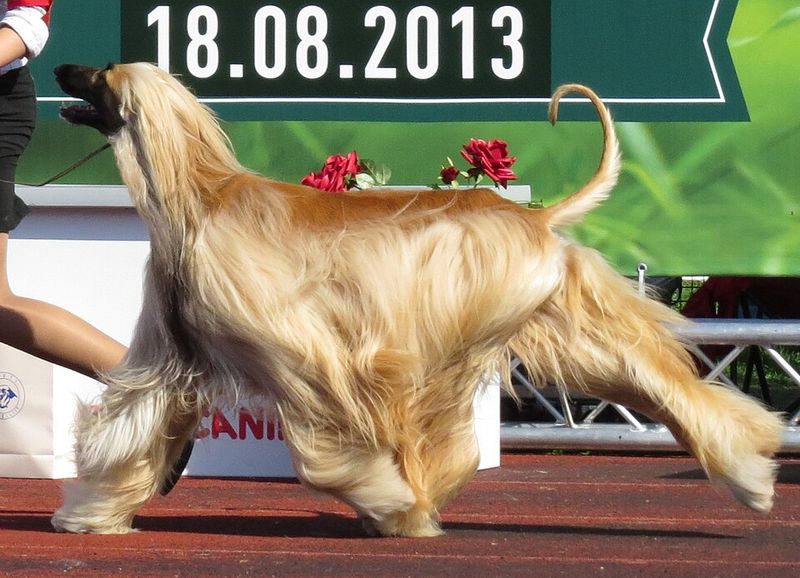
With flowing hair and a runway strut, the Afghan Hound looks like a supermodel. Underneath, it is a sensitive sighthound with an independent mind.
Loud scolding can make this breed nervous and distant. Gentle praise and patient repetition work much better.
Keep commands short and clear. If your Afghan zones out, end on an easy win and try again later.
Pressure rarely helps, but kindness usually does.
Dachshund
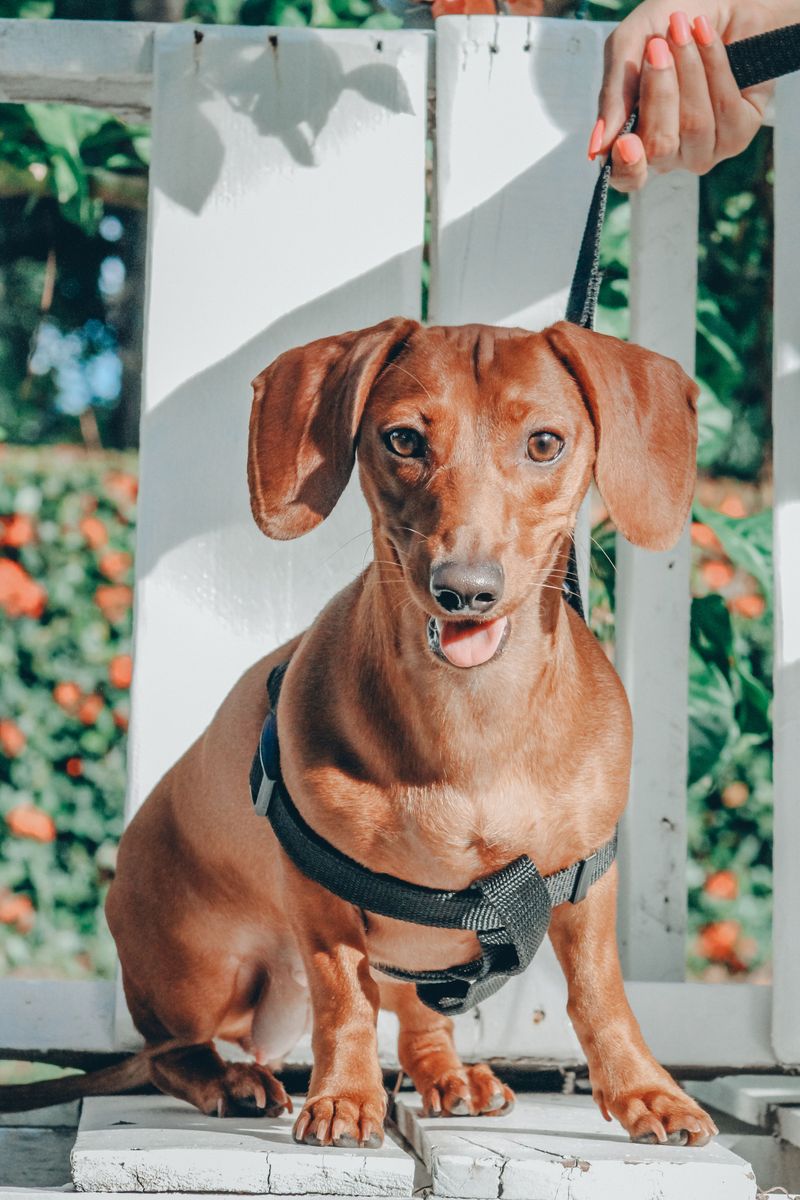
Small body, huge confidence. Dachshunds were bred in Germany to chase badgers into tunnels, so bravery and stubbornness come built in.
Potty training is a common struggle with this breed. Clear routines matter more than strict rules.
Take them out at the same times daily, reward right after success, and skip punishment for accidents. A wiener dog that understands the plan is much more willing to follow it.
Akita
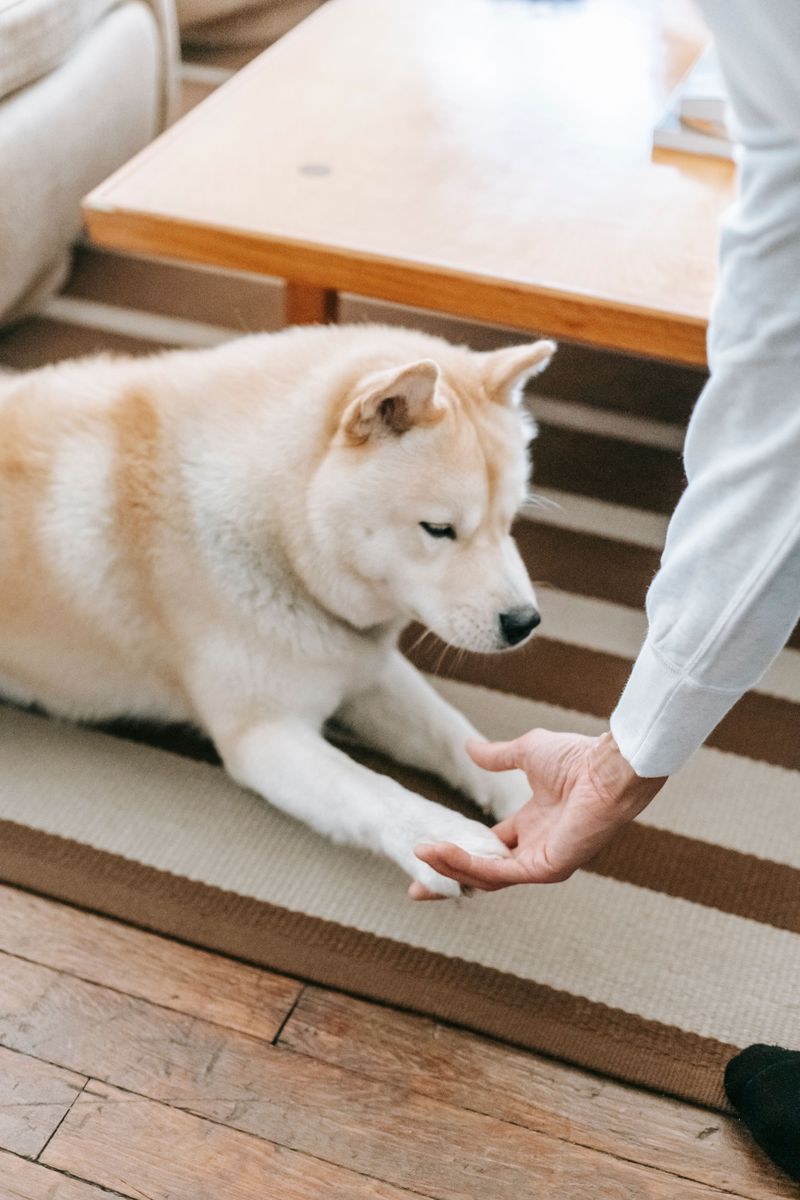
Loyal to the core, the Akita once guarded Japanese nobility. One famous Akita, Hachiko, waited for his owner at a train station for years.
That devotion comes with strong opinions. Force often creates conflict with such a powerful dog.
Instead, be calm, consistent, and fair. Teach boundaries early and reward good choices.
Akitas respond best to owners who communicate with quiet confidence rather than loud demands.
Border Collie
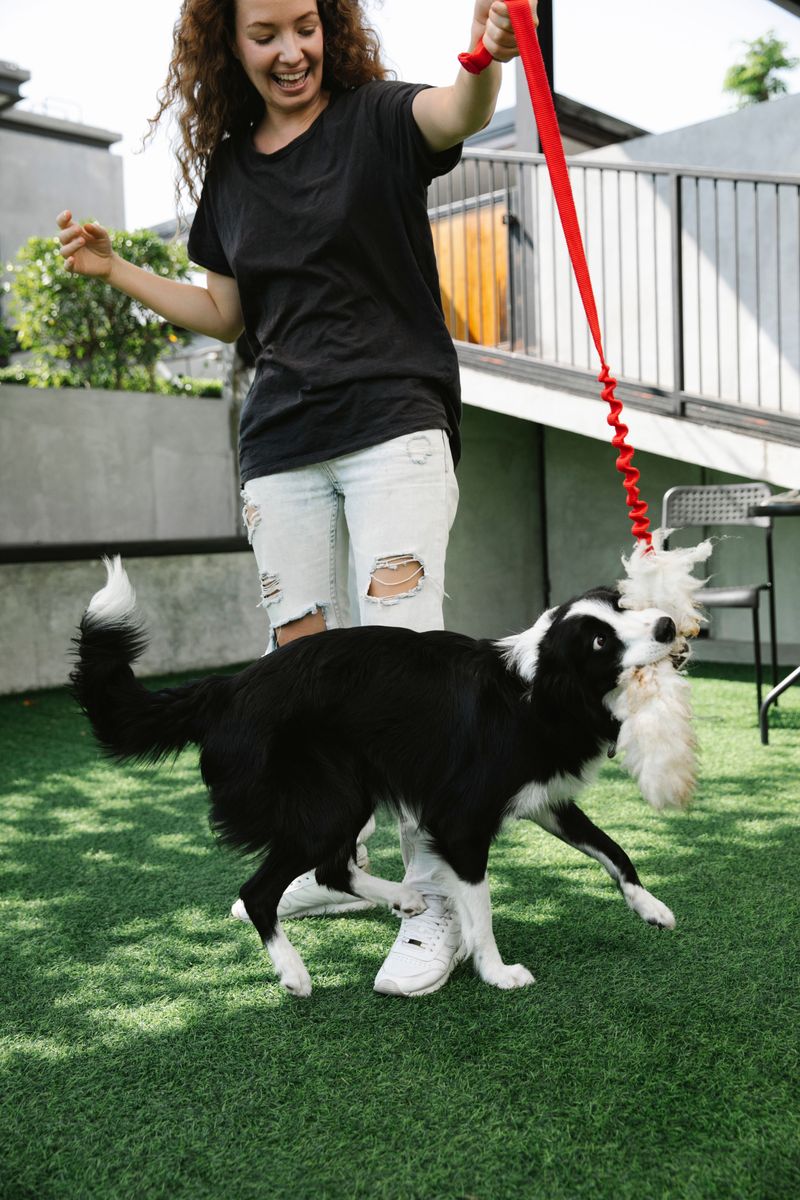
Here is a twist. Border Collies are super smart, yet many owners still struggle with them.
The problem is usually mixed signals. These dogs read tiny body movements, so a shifting hand or leaning shoulder can mean something you never intended.
Stay aware of your posture and keep cues identical every time. Give them jobs like puzzles or herding games.
A busy, well-understood Border Collie is a happy one.
Great Pyrenees
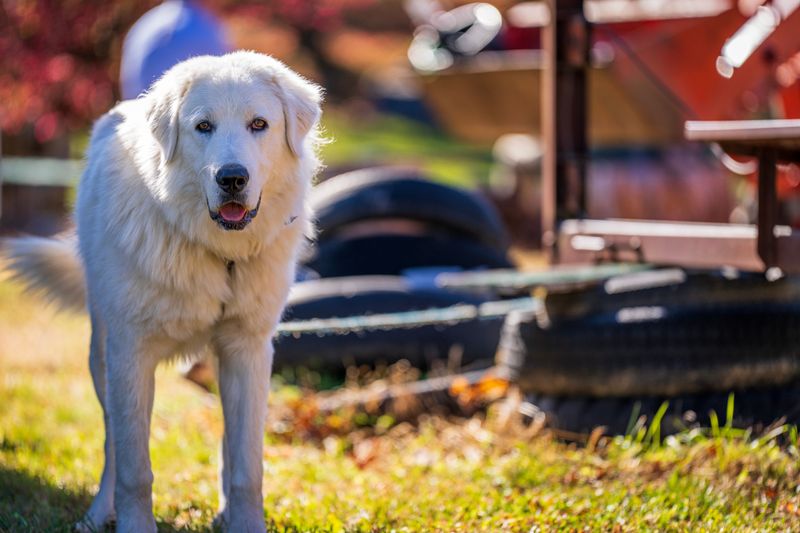
Night after night, the Great Pyrenees guarded flocks in the mountains between France and Spain, making decisions without a shepherd nearby.
That history explains why they sometimes look at you as if weighing your request. They are thinkers, not robots.
Explain with actions, not anger. Use simple cues, lots of patience, and a secure fence.
Their barking at night is often guarding, so redirect calmly instead of yelling.
Bulldog
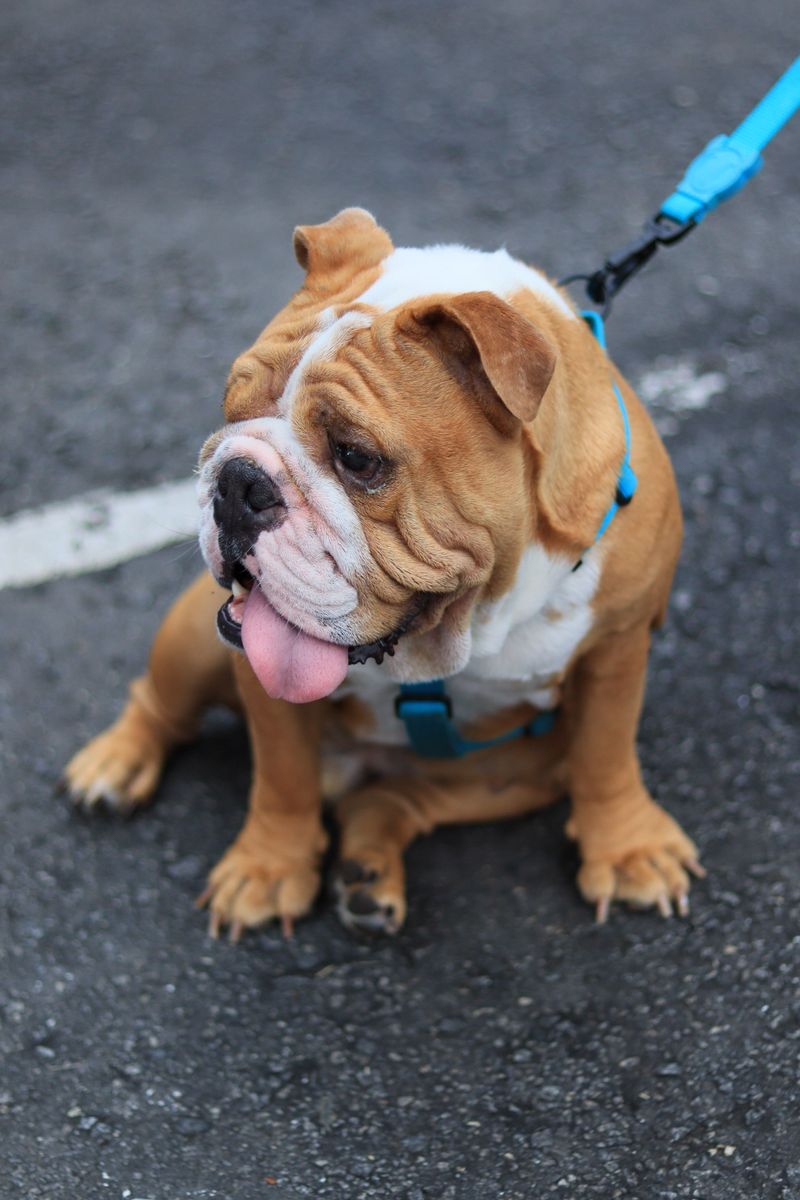
Anyone who has owned a Bulldog knows the famous sit-down strike on walks. One moment you are moving, the next you are stuck.
Often, the dog is tired, hot, or unsure. Bulldogs overheat easily because of their short snouts.
Keep walks short and cool, and use cheerful encouragement. Tugging the leash harder usually makes them plant their paws more.
A happy voice and a snack work wonders.
Jack Russell Terrier
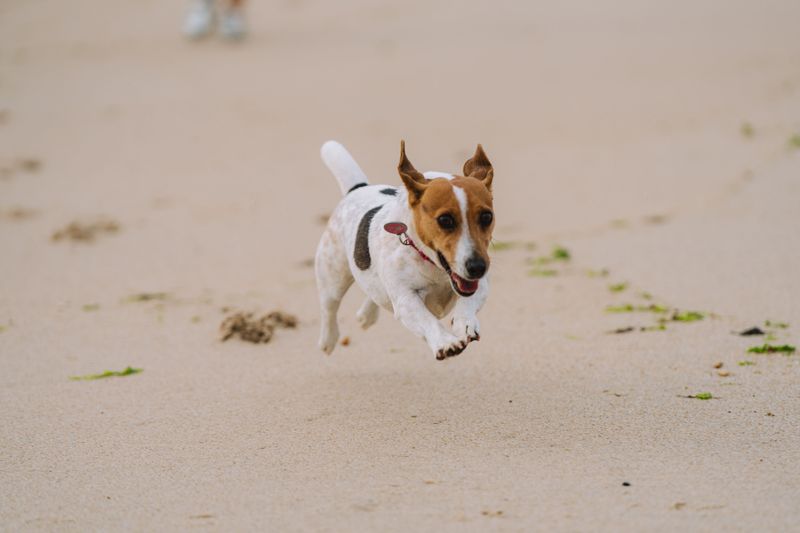
Zoom, bounce, dig, repeat. Jack Russells have energy that seems to come from a hidden battery pack.
Owners often think they need to be stricter, but what this terrier really needs is clear direction for all that drive.
Teach a solid settle cue and reward calm moments. Use games like fetch and tug with rules, such as drop it.
Structure gives a busy terrier something to aim for.
Rescue Dogs With Unknown Pasts
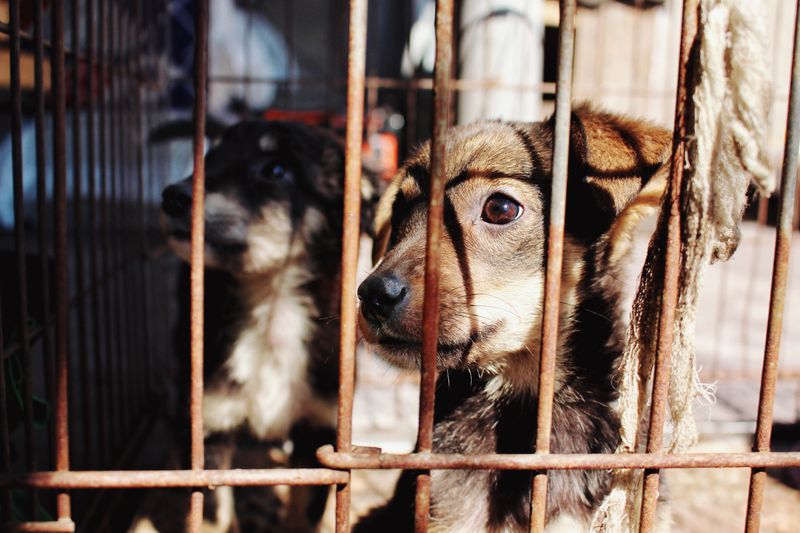
Sometimes the breed matters less than the backstory. Many rescue dogs arrive scared, unsure, or confused about human rules.
A firm hand can remind them of bad memories. Soft voices, slow movements, and predictable routines help them feel safe.
Let them come to you. Reward small steps, like eye contact or a wagging tail.
Over time, clear and gentle signals can turn a nervous pup into a confident friend.