
Some dogs do more than wag their tails. They feel your energy, sense your stress, and answer with the kind of empathy that stops you in your tracks.
If you have ever caught your pup studying your face like a close friend, you already know the feeling. These breeds are famous for wearing their hearts on their sleeves, and you will notice it fast.
Vizsla
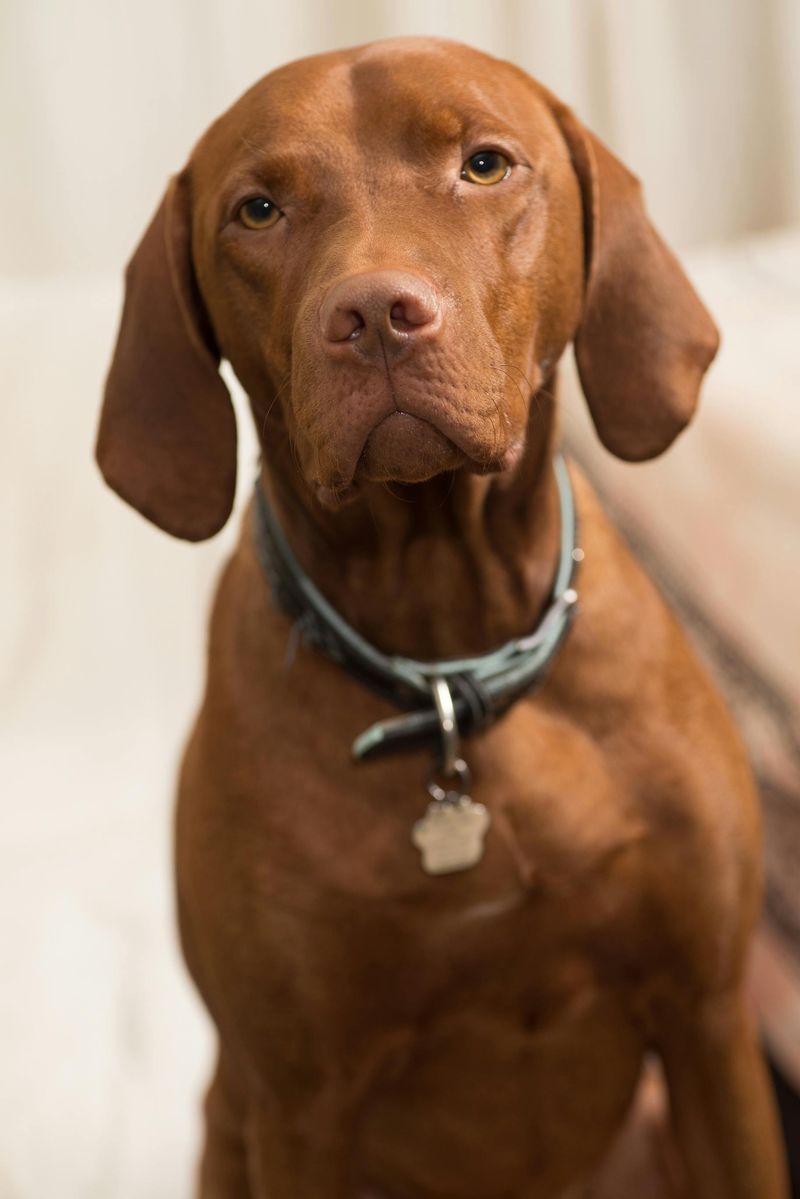
Known as velcro dogs, Vizslas lean into your mood and mirror it back. They read faces, follow you room to room, and settle only when you exhale.
If you feel anxious, they press their warm bodies closer, seeking to steady the moment. Training them feels like a conversation because corrections sting their hearts more than their ears.
Keep feedback soft, and praise like you mean it.
Exercise is emotional medicine for this breed, so daily runs and scent games keep worries low. Gentle routines help them decompress after excitement.
When visitors arrive, they beam with full body wiggles that ask for inclusion. Leave them too long, and you will hear it in their sighs.
Connection is the Vizsla superpower. Everyday.
Golden Retriever
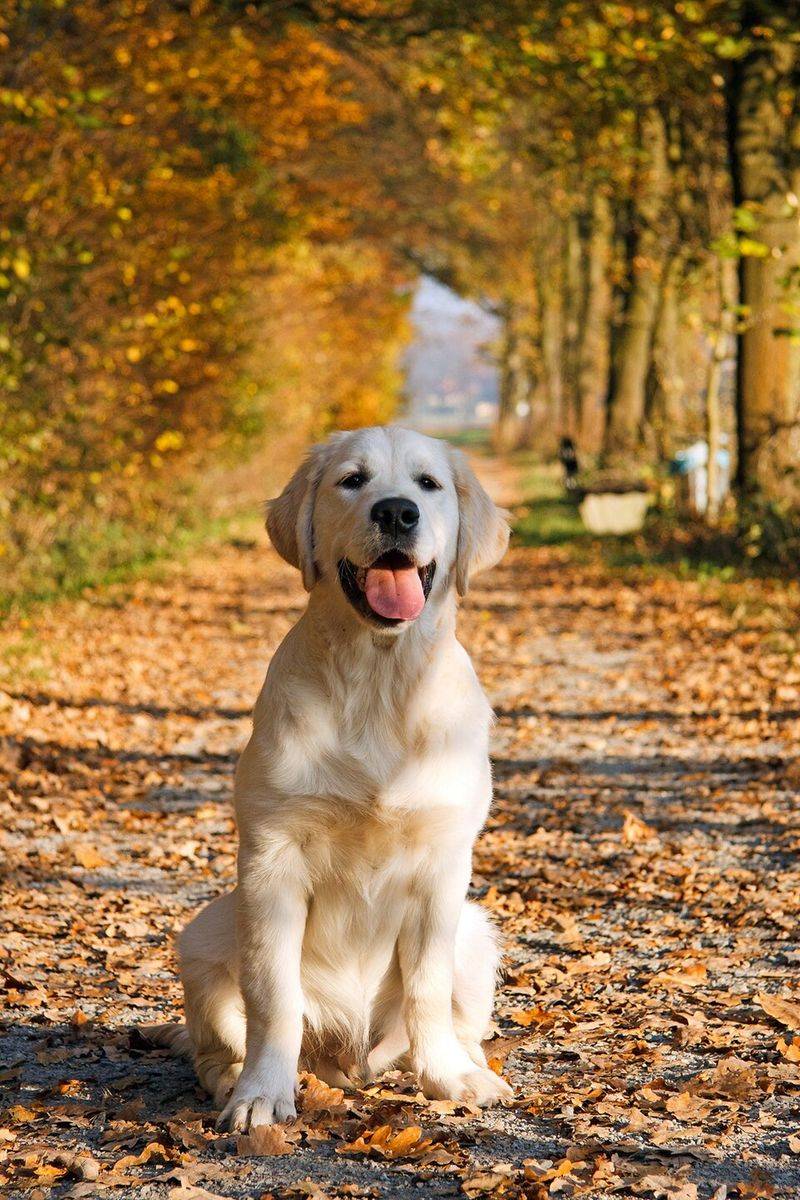
Golden Retrievers seem to tune into feelings like seasoned counselors. They pad over when tears fall and sit patiently when a hard day lingers.
Their famous smile is not just cute, it is reassurance that you are not alone. Goldens love purposeful work, so channel emotions into tasks like retrieve games, therapy visits, or scent work.
Gentle structure helps them thrive and feel useful.
They handle households with kids, chaos, and guests with peaceful optimism. If voices rise, a Golden may step in as a fluffy mediator, diffusing tension with a toy offering.
They can be sensitive to harsh tones, so keep guidance upbeat and clear. In return, you get unwavering cheer.
Their hearts speak first, every time.
Labrador Retriever
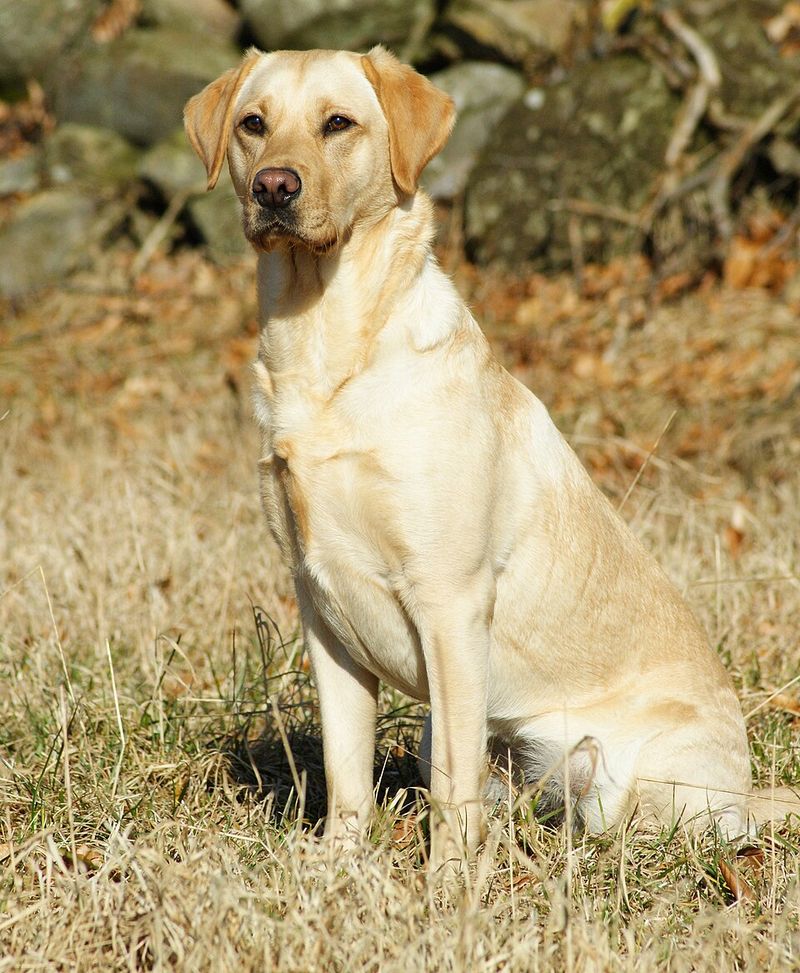
Labradors carry big feelings inside a sturdy, optimistic frame. They read rooms, watch hands, and offer a gentle lean when you pause.
Labs love solving problems with you, and that teamwork becomes an emotional anchor. Because they are people focused, long separations can weigh on them.
Give them clear jobs, consistent exercise, and meaningful connection to keep feelings balanced.
Labs often bring a toy to nudge you into play when tension creeps in. They respond beautifully to positive reinforcement and routines that promise success.
Harsh corrections can confuse their eager hearts, so redirect and reward. Swimming, retrieving, and sniffing settle their minds and bodies.
A Lab’s empathy feels steady, warm, and easy to trust.
Havanese
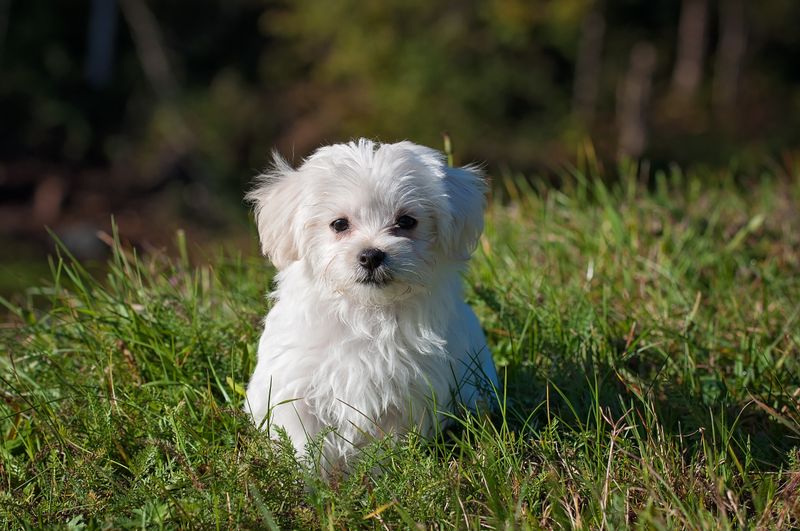
Havanese thrive on closeness, making eye contact that feels like a tiny hug. They notice your routines, nap when you pause, and brighten when you laugh.
Their sensitivity shows in how quickly they adjust to your pace. Because they dislike loneliness, gentle crate training and short separations build confidence.
Keep departures low key, and reunions calm but warm.
Small but mighty, Havanese can become emotional sponges in busy homes. Give them structured play, trick training, and quiet snuggle time to release stress.
They respond best to kindness and clear expectations, not raised voices. Visitors often receive soft wags and polite curiosity.
With a Havanese, your mood is the weather, and they prefer sunny skies.
Border Collie
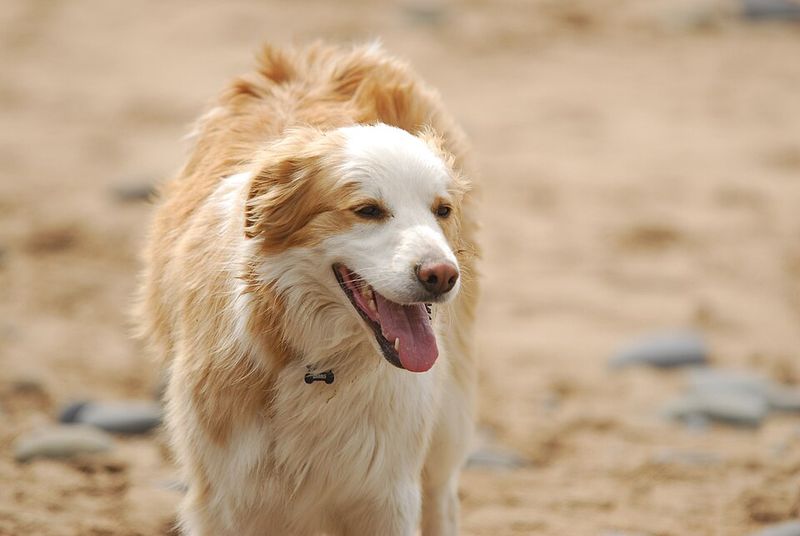
Border Collies feel deeply and think fast, which can amplify every emotion. They scan your cues like experts, picking up tension before you speak.
Without an outlet, those feelings may spin into restlessness. Give them purposeful work like herding games, obedience drills, or agility.
Structure transforms their sensitivity into brilliance you can guide.
They crave clear communication and thrive on calm, consistent leadership. Reward quiet focus, and you will watch anxiety melt into fluent teamwork.
Harshness can unravel their confidence, but patient feedback builds trust. Mental puzzles paired with steady exercise soothe their nervous system.
With the right balance, their emotional radar becomes an incredible partnership tool that reads your heart at sprint speed.
Doberman Pinscher
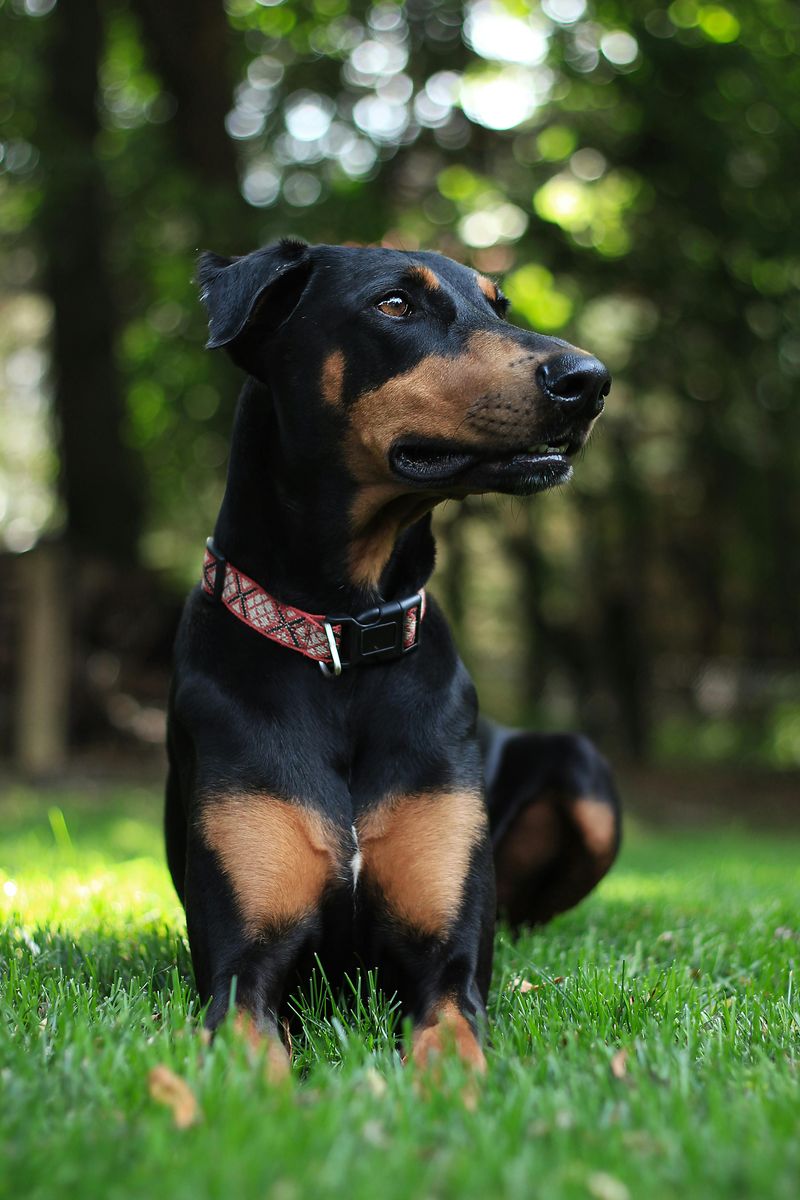
Dobermans are famously loyal and emotionally keyed into their people. They choose a favorite and shadow them, attentive to every shift in tone.
That attachment can become anxiety if boundaries and structure are missing. Daily training with clear rules gives them security.
Fair leadership and affectionate praise help them relax and shine.
They read intentions quickly, often stepping between you and a perceived threat with quiet confidence. Overcorrection can bruise their trust, so be firm yet kind.
Provide outlets like scent work, obedience, and brisk walks to discharge stress. They adore jobs that prove you rely on them.
With guidance, a Doberman’s depth feels like courage wrapped in devotion, always listening for your reassurance.
Shetland Sheepdog
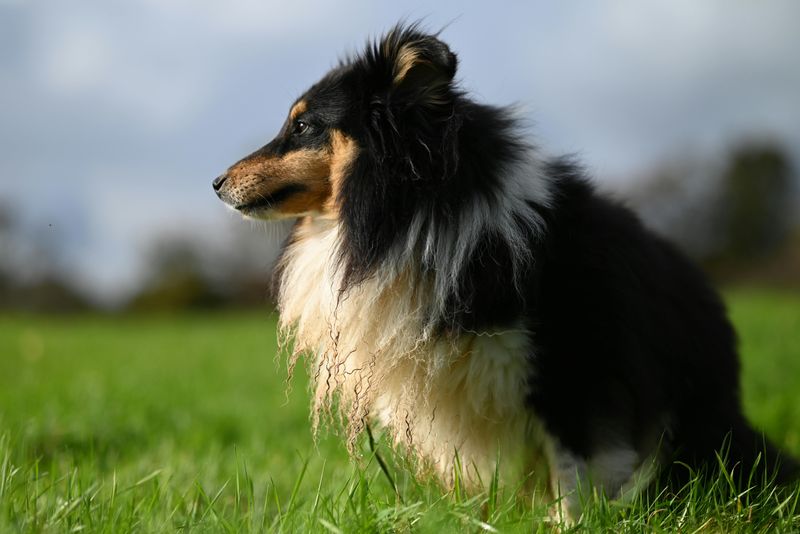
Shetland Sheepdogs are sensitive souls with quick minds and gentle manners. They notice subtle gestures and adjust with thoughtful precision.
Loud chaos can rattle them, so predictable routines and soft training keep confidence high. Shelties love learning, and success makes their eyes sparkle.
Pair mental games with light exercise to channel big feelings constructively.
They can be reserved with strangers, often checking your reaction before greeting. Earn their trust with patience and consistent praise.
Corrections should be brief and calm, followed by guidance toward the right choice. When they understand the plan, their enthusiasm blooms.
A Sheltie’s empathy shows in quiet loyalty, delicate nudges, and a gaze that asks, Are you okay?
Cavalier King Charles Spaniel

Cavaliers were bred to warm laps, and their hearts never forgot. They seem to absorb sadness and radiate comfort without trying.
These dogs tune into your voice like little therapists with feathery ears. They flourish with affection, gentle routines, and short, engaging play.
Too much alone time can dampen their sparkle, so plan for daily closeness.
They are naturally friendly, greeting guests with wagging ears and hopeful eyes. Positive reinforcement is magic for this breed, while harshness feels overwhelming.
Keep training light and sweet, sprinkled with treats and praise. Their empathy is simple and sincere, a steady presence on the couch or by your feet.
With a Cavalier, tenderness is always within reach.
Great Dane
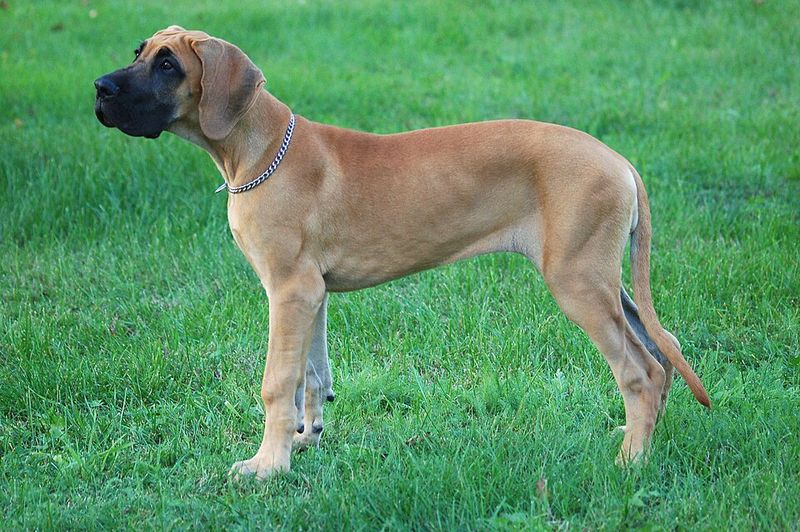
Great Danes are giant hearts wrapped in elegant frames. Despite their size, they are sensitive and surprisingly gentle with emotions.
They lean on you, literally, when reassurance is needed. A calm home and kind tone ground them.
Because they bond deeply, long isolation can weigh heavily without enrichment.
Danes respond well to steady routines, easygoing walks, and soft training that uses praise and treats. Their feelings can bruise under harsh handling, so keep feedback fair and brief.
When guests arrive, expect goofy joy and a desire to be included. Give them cozy surfaces for their joints and space to stretch.
The Great Dane’s empathy feels like a weighted blanket and a smile.
Boxer
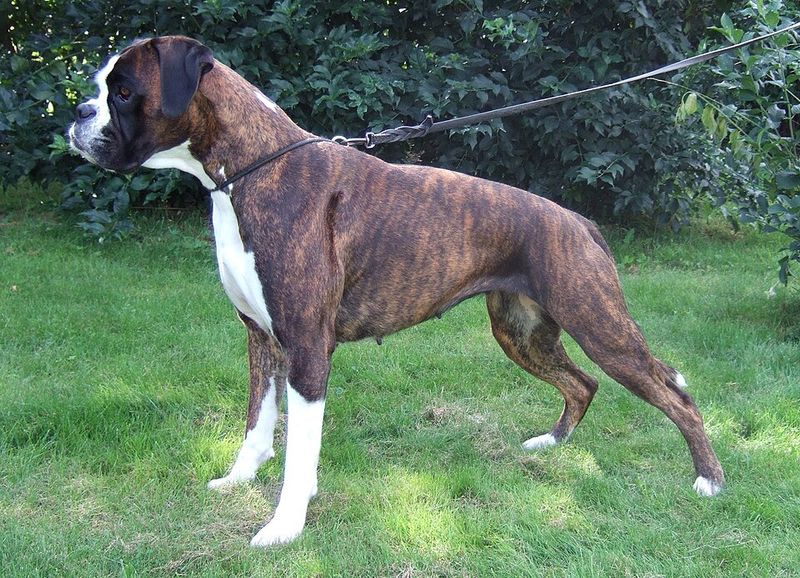
Boxers wear emotions on their whole bodies, from wiggly spines to soulful stares. They feel your excitement and sprint with it, then flop beside you when quiet returns.
Sensitive to tension, they clown around to lighten the mood. Use play as a reward and motivation during training.
Clear boundaries help channel their enthusiasm.
Because Boxers bond tightly, boredom can trigger mischief or frustration. Combine brisk exercise, puzzle toys, and short training bursts to keep minds happy.
Speak with upbeat clarity, avoiding harsh tones that dampen their spirit. They adore family life and make guests feel welcome.
With a Boxer, love is loud, goofy, and totally sincere, expressed in bounces, boops, and leaning hugs.
English Cocker Spaniel
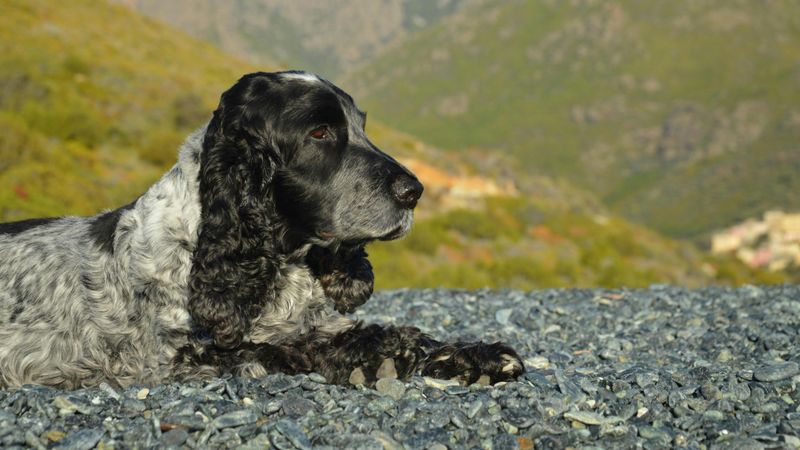
English Cocker Spaniels brim with tender feelings and curious energy. They read your tone and offer comforting closeness when days feel heavy.
Their sensitivity thrives under kind, consistent guidance. Keep training playful and brief, mixing retrieves, sniffing, and gentle obedience.
Too much pressure can wilt their confidence.
They greet friends with polite joy and press near your legs when uncertainty arises. Daily walks and enrichment games steady their mood.
Use praise and soft corrections, then celebrate wins with enthusiasm. Grooming time becomes bonding when handled calmly and kindly.
An English Cocker’s empathy comes through bright eyes, soft paws on your knee, and a steadfast wish to make you smile.
Whippet
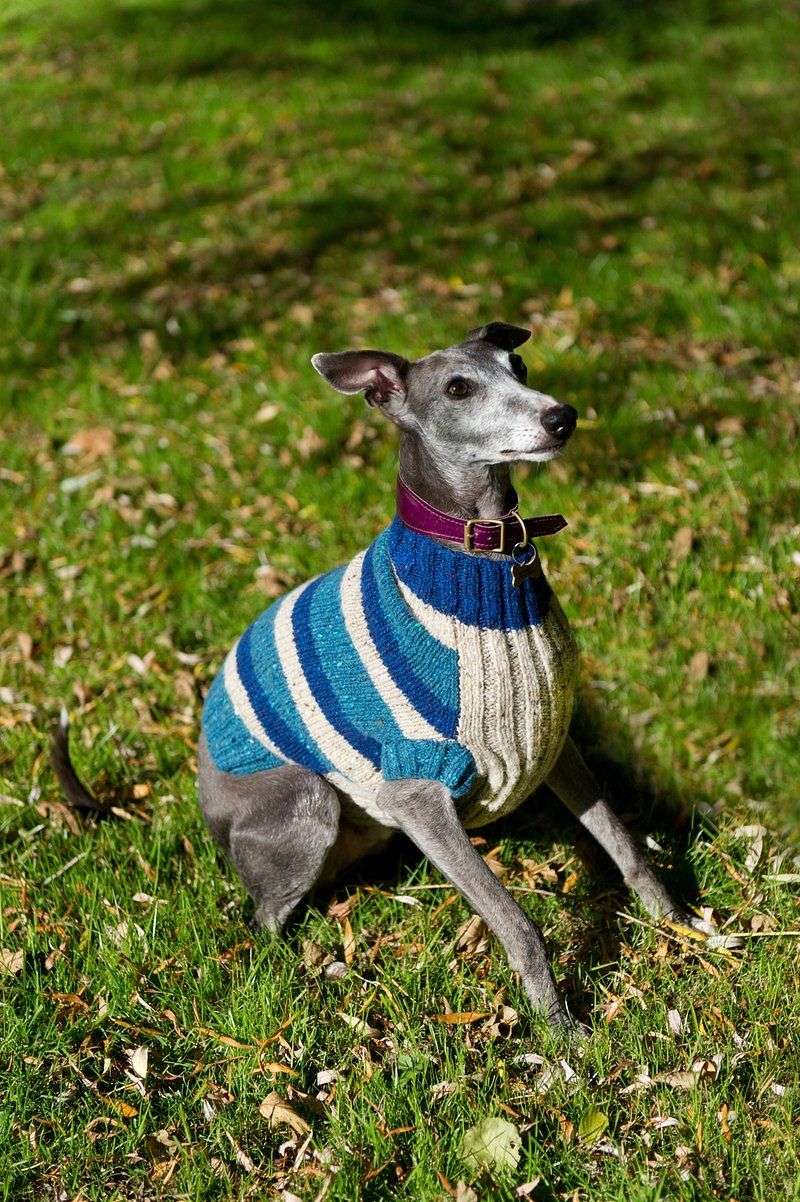
Whippets are sensitive, affectionate, and quietly attuned to your state. They love calm spaces and gentle voices, thriving on routine and closeness.
Sudden chaos can startle them, but soft reassurance brings balance. Their zoomies release emotion in gorgeous spurts, followed by couch cuddles.
Use positive reinforcement and patience to build confidence.
They may seem aloof to strangers, yet at home they become velvety shadows. Short, playful training sessions suit their delicate focus.
Provide cozy warmth, because chill can sour their mood quickly. With thoughtful care, their empathy blossoms into a peaceful partnership.
A Whippet will listen with stillness, then answer with a sigh and a lean that says, I understand.
Standard Poodle
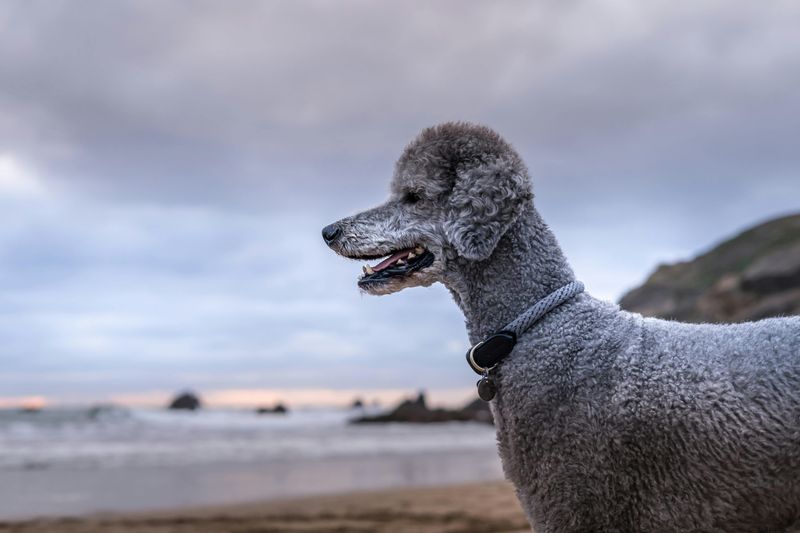
Standard Poodles pair sharp intelligence with tender sensitivity. They catch micro expressions and adjust like seasoned performers reading a crowd.
If you are tense, they often offer stillness and steady eye contact. Keep training creative and kind, because harshness echoes in their hearts.
Novel tasks and problem solving give their feelings somewhere to flow.
Poodles love to be included, whether on hikes, errands, or quiet evenings. Predictable routines and fair boundaries create emotional safety.
Regular grooming becomes a trust ritual when paired with patience and rewards. They can worry if left uncertain, so provide clear cues and celebrate progress.
A Standard Poodle’s empathy is elegant, witty, and deeply loyal.
Australian Shepherd
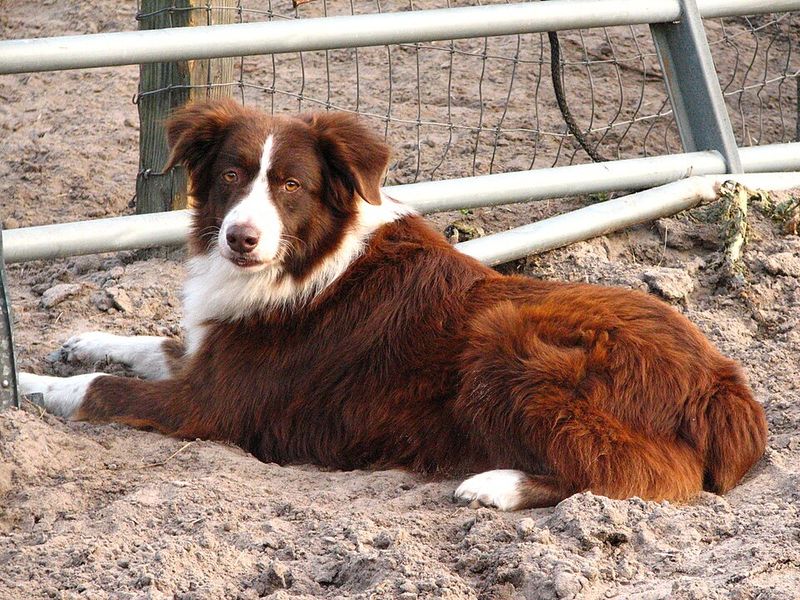
Australian Shepherds feel big and think fast, making emotions vivid. They study your posture, voice, and pace, then sync up like teammates.
Without purpose, those feelings can turn restless. Give them jobs, from trick training to herding games, to channel energy and empathy.
Keep corrections fair and brief, then reward focus with movement.
They adore routines and thrive on partnership. Long eye contact often says, What’s next together?
Socialization and impulse control class help soften overexcitement. Mental puzzles, nose work, and steady exercise calm busy minds.
When you are low, an Aussie will press close and wait for your breath to ease. Their devotion is kinetic, intelligent, and beautifully sincere.