
Even experienced owners get tripped up by tiny training habits that quietly snowball into big problems. The good news is that small, consistent tweaks can transform everyday chaos into calm cooperation.
If you have ever wondered why your dog listens sometimes and tunes you out other times, this is for you. Let’s demystify the most common mistakes so you can see faster progress and enjoy a happier partnership.
Inconsistent rules
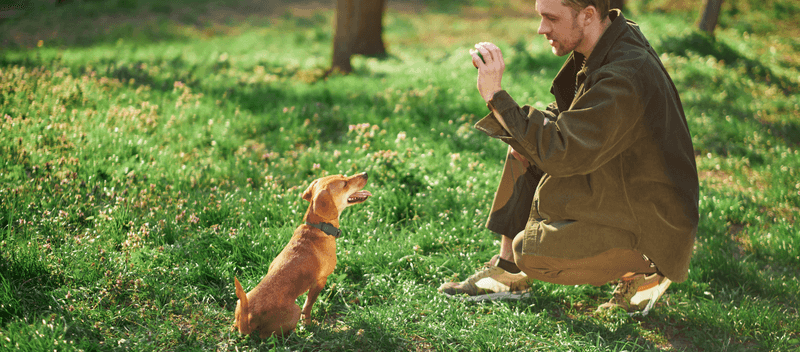
Dogs thrive on patterns, so inconsistent rules feel like static in a radio. One day the couch is forbidden, the next day it is a cozy invitation.
Your dog is not being stubborn; the outcome keeps changing, so guessing becomes the strategy. Mixed messages also dilute rewards, because a treat for sitting today might compete with attention for jumping tomorrow.
Pick simple boundaries, write them down, and ask every family member to match them. Reward what you want, ignore what you do not, and reset calmly after slipups.
Consistency builds trust, which unlocks faster learning and easier living for both of you. When mistakes happen, guide the dog to the right choice, then pay generously to make that path shine.
Repeating commands constantly
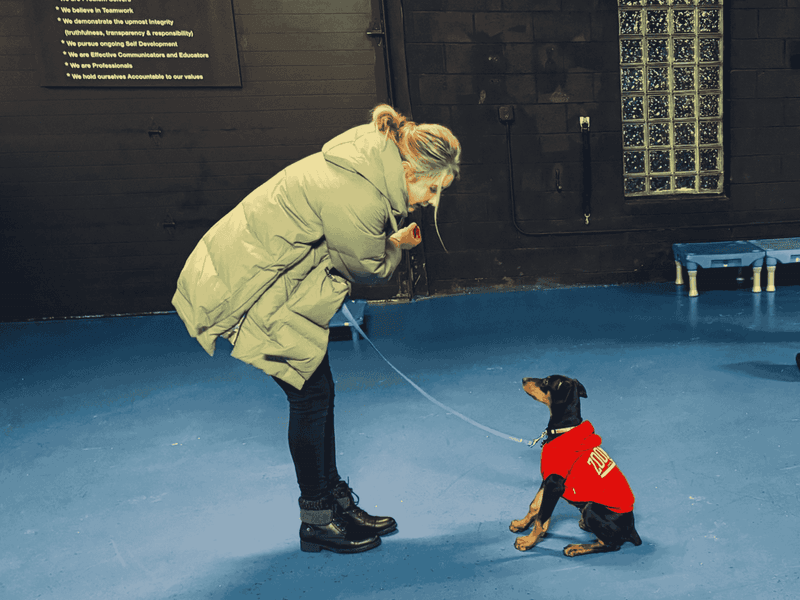
Saying sit sit sit teaches your dog that the first cue is optional noise. Repeats blur meaning, and your tone often grows frustrated, which your dog reads as pressure rather than clarity.
The result is slower responses and a habit of waiting you out. Say the cue once, pause a beat, then calmly help the behavior happen with a lure, leash guidance, or environmental setup.
Mark and reward the instant they comply, building value for prompt responses. If they do not respond, reset the picture or lower difficulty instead of chanting.
Soon your single quiet cue will feel meaningful again, and your dog will move faster. Practice in tiny, successful reps so momentum replaces nagging and both of you enjoy cleaner communication.
Exercising the body but not the mind
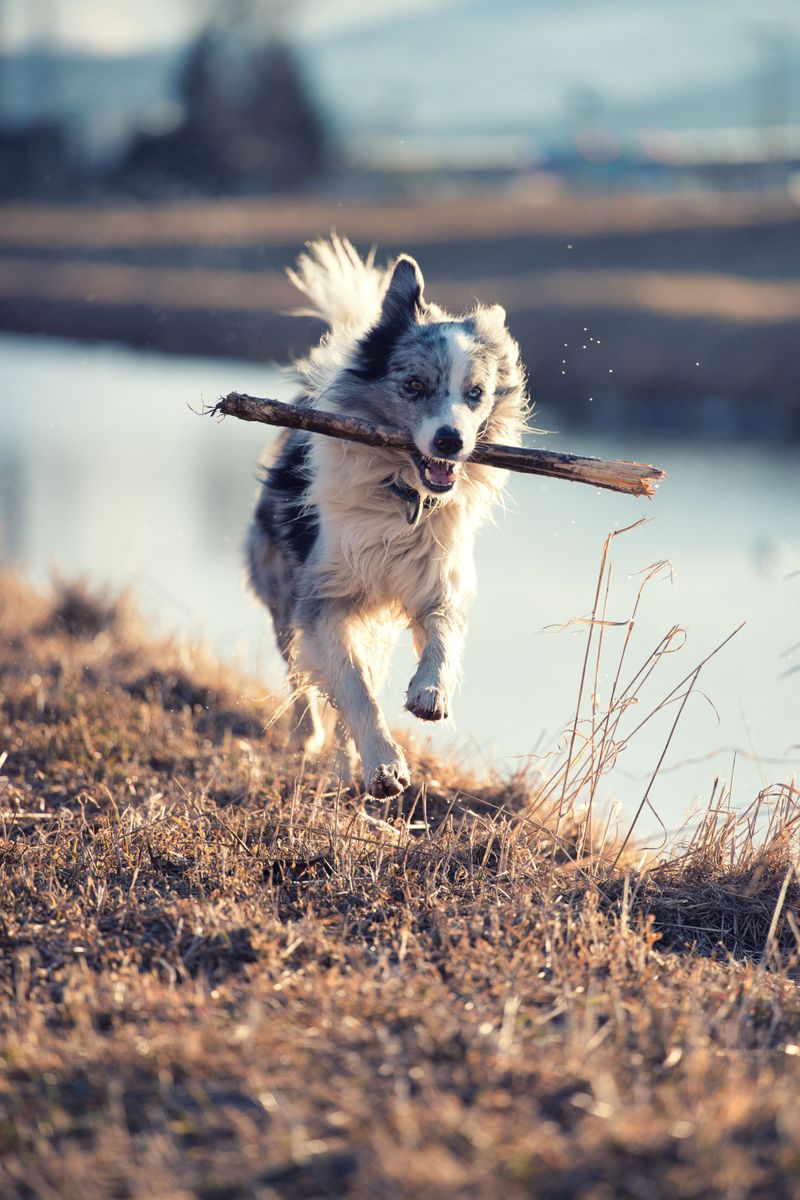
A long run can calm legs, yet an idle brain still looks for mischief. That is why dogs destroy shoes after miles or spin up at night despite daytime hikes.
Energy without engagement becomes restlessness. Trade some miles for nose work, scatter feeding, puzzle toys, and short training games that tap natural instincts.
Give two or three five minute brain breaks sprinkled through the day, especially on rainy afternoons. Teach easy tricks, sniffari walks, or calm settle on a mat between bursts of fetch.
Mental work tires more efficiently and leaves your dog satisfied, not just depleted. Balanced enrichment prevents boredom from becoming so called bad behavior and strengthens your teamwork every single day together.
Punishing growling
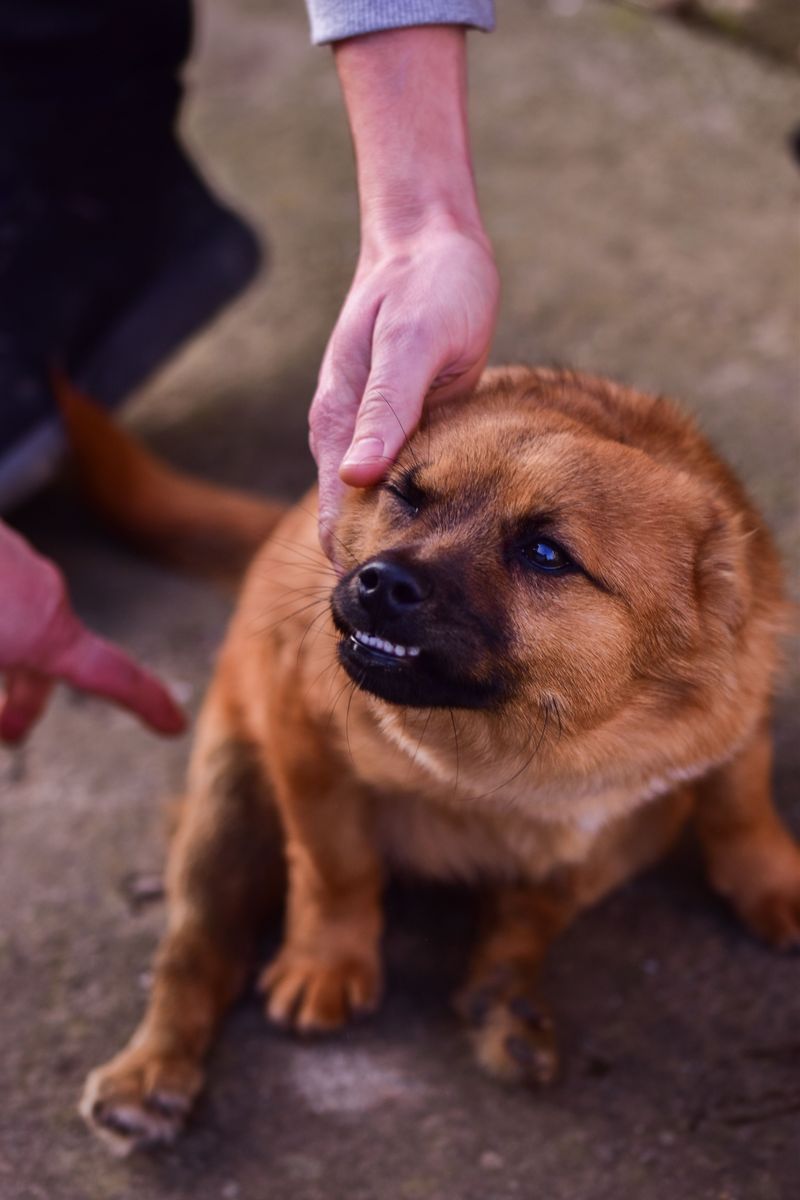
Growling is a warning, not a crime, and punishing it removes the safety valve. When you shut down the growl, the dog may skip straight to a bite later.
Listen to the message instead of silencing the messenger when possible. Create space, relieve the pressure, and address the cause like pain, fear, resource guarding, or overcrowding.
Document the context so patterns emerge and you can modify environments proactively over time. Pair triggers with distance, choice, and high value rewards to rebuild trust.
Teach alternative behaviors like moving away, targeting a hand, or relaxing on a mat. Respect the growl as information, and your dog will feel heard and settle sooner next time in stressful situations.
Ignoring subtle stress signals
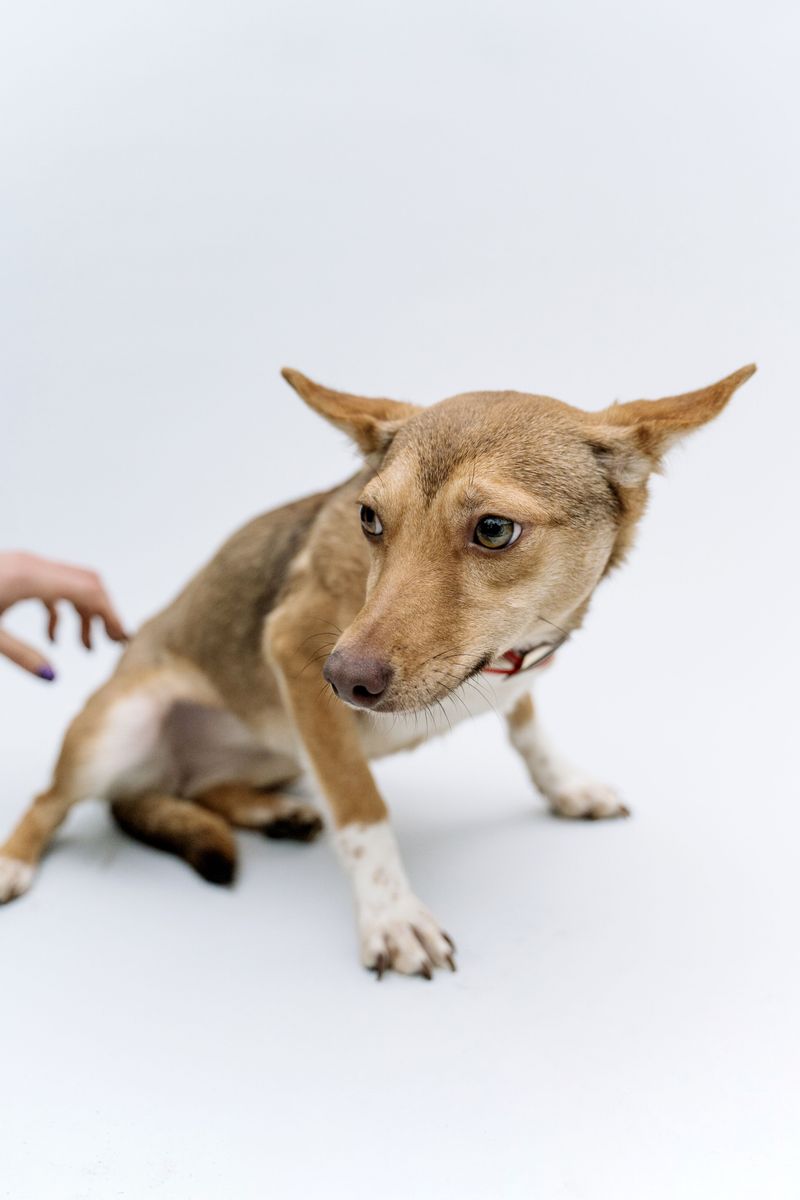
Lip licks, yawns, whale eye, and shake offs whisper discomfort long before a bark or snap. If you miss these, your dog learns that only big displays move the world away.
Catch the whispers and you can help sooner before emotions boil over. Pause petting, give space, or change the environment to reduce the social pressure immediately when needed most.
Track patterns like crowded rooms, rough play, or certain strangers and sudden touches. Then pair those triggers with distance and calm activities, reinforcing relaxed body language generously over many sessions.
Your dog will truly build resilience when you advocate early and make safety dependable. This is how tiny choices prevent explosions and deepen trust between you and your dog.
Allowing unwanted behaviors “just this once”
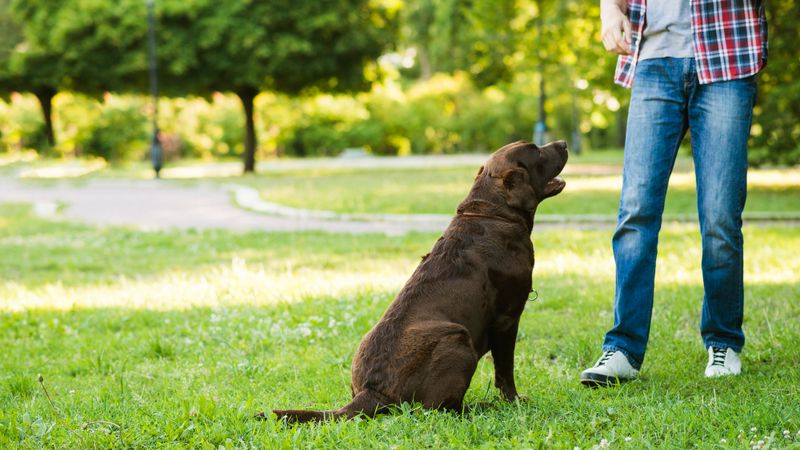
Dogs are statisticians, and one jackpot teaches them to keep trying that behavior again. Letting jumping slide for a holiday guest rewrites weeks of practice in seconds.
You think it is temporary, but your dog thinks new rule unlocked for keeps today. Decide your boundaries before temptations arrive, then make the right behavior easy and rewarding consistently.
Use leashes, baby gates, or tethers to prevent rehearsals when company comes and excitement. Have treats ready, ask for sits, and deliver attention only when four paws land and calm greetings.
If someone insists on exceptions, redirect them kindly and protect your training for everyone present. Consistency during exciting moments separates chaos from manners and keeps progress steady.
Socializing too aggressively
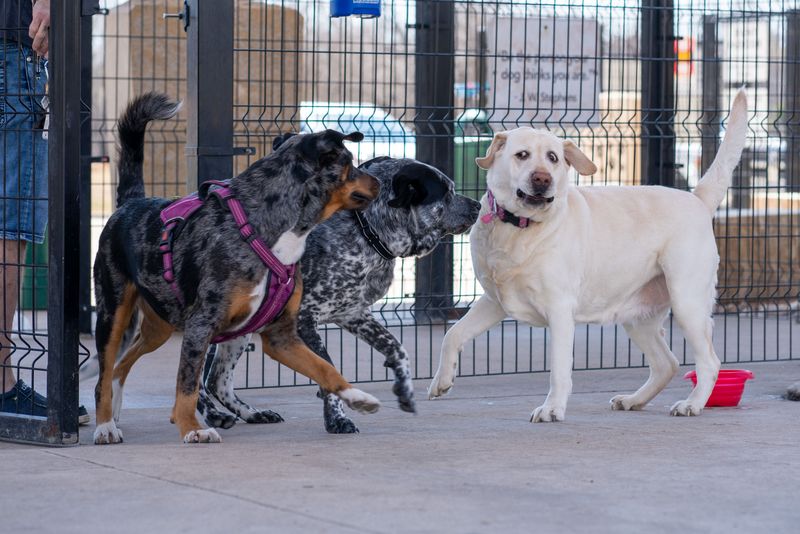
Socialization is about positive exposure, not collecting chaotic encounters like badges at all. Rushing greetings or flooding with busy dog parks can scare sensitive puppies.
They learn other dogs predict overwhelm, not fun from the start. Start with distance, one calm friend, and short sessions that end while your dog still feels confident.
Measure success by loose bodies, soft eyes, and quick recovery after surprises in real life. Advocate when pushy greeters rush, and give your dog choice to engage or step away without embarrassment.
Pair new sights, sounds, and surfaces with tasty snacks to gently build optimism. Smart socializing creates resilient dogs who trust you to manage the world kindly over the long haul.
Expecting too much too soon
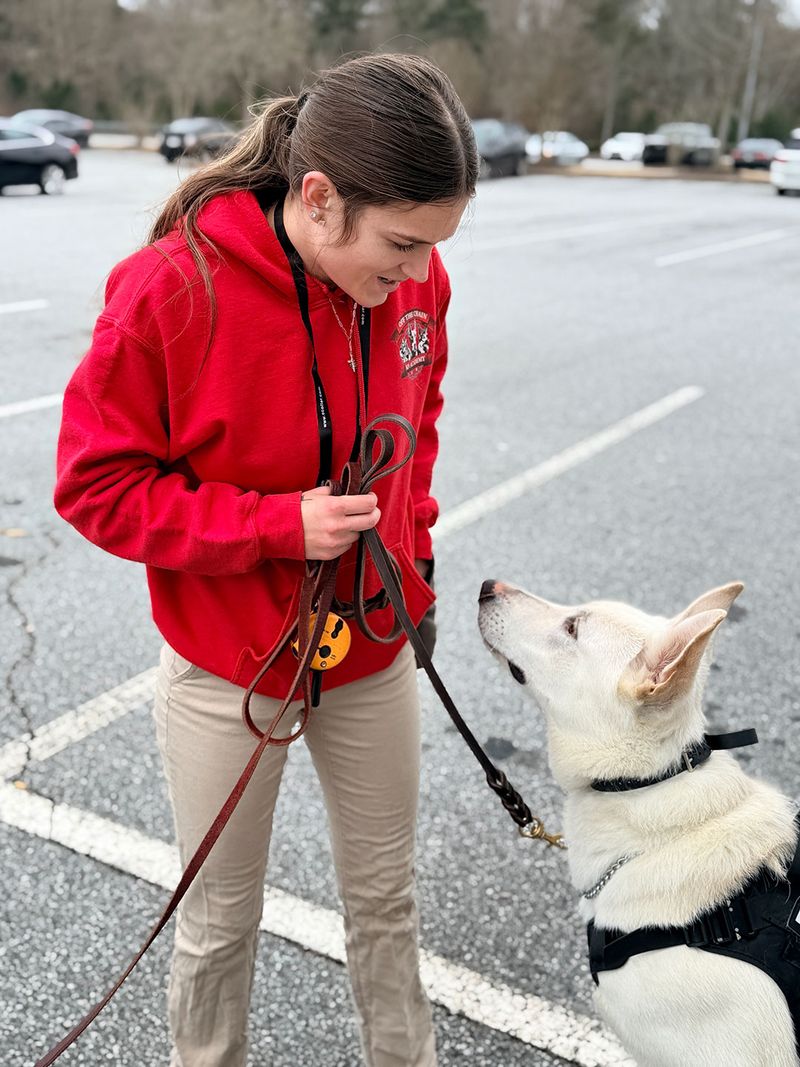
We picture movie ready obedience and forget that behaviors grow in layers in real homes. Asking for perfect stays at a festival after two backyard reps invites failure.
When dogs fail, confidence shrinks and you feel frustrated for anyone. Instead, raise criteria slowly, add distractions one by one, and keep sessions short and upbeat for both of you.
Track progress, celebrate tiny wins, and quit while you are ahead without confusion. Use distance, management, and rewards to make the right choice obvious whenever possible.
Confidence compounds when tasks feel achievable, then challenging, then easy again over time. Pace the journey and you will reach reliability sooner, with fewer mistakes and a happier teammate for everyday life.
Accidentally rewarding barking
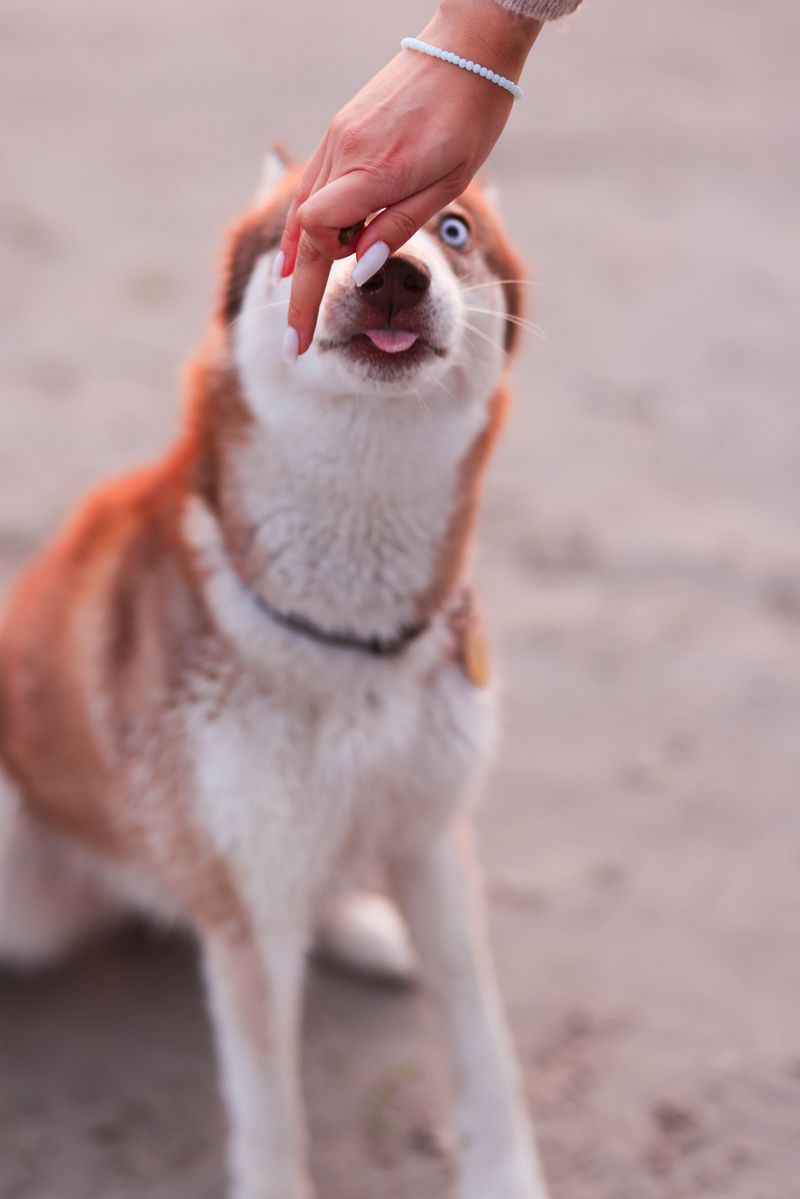
Barking often works because doors open, toys appear, or you talk back for many families. Your attention is currency, and eye contact or scolding can pay richly sometimes unintentionally.
Dogs repeat what produces results especially under stress. Decide the quiet behavior you want, then make that path faster and more profitable.
Preempt barking by meeting needs and using strategic management like visual barriers around windows and fences during training walks. Teach a go to mat, nose target, or bring a toy as alternative outlets instead of shouting.
Reward silence generously and wait out noise whenever practical when safe. Over days, your dog will discover that quiet opens doors while barking closes them more often than not.
Skipping recall practice
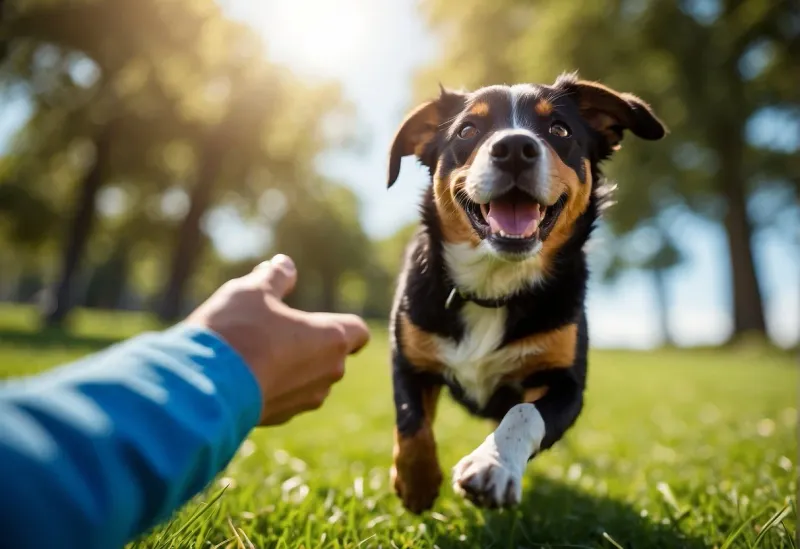
A great truly recall is built in layers, not rescued in crises for reliability. If you only call at the park, the cue equals capture and fun ends.
Dogs learn to dodge or drift just outside reach over time. Practice daily at home, pay heavily, and release often to keep the game joyful for motivation.
Use long lines, safe fields, and irresistible rewards that compete with squirrels during early stages of training. Call once, turn, run, and celebrate like a party when they chase you with joyful praise.
Randomized jackpots build speed, while boring payments erode interest. Protect the cue by avoiding calls you cannot enforce and by ignoring name spam in busy places consistently.
Using punishment instead of guidance
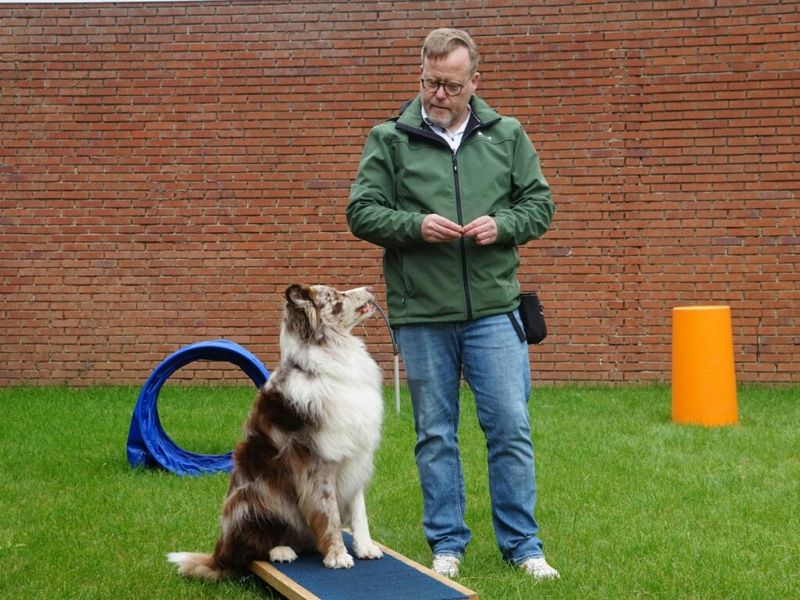
Punishment may stop behavior briefly, but it does not teach a better option or understanding for long. Side effects include fear, avoidance, and sometimes aggression pointed back at you and stress.
Guidance shows the path and pays the toll for using it for clarity. Set the environment so the right choice is easy, then reinforce generously without coercion instead.
Redirect unwanted behaviors into simple jobs that meet the same need. For jumping, ask for sits; for mouthing, offer textured chews; for chasing, play gently structured games.
Mark successes and gradually raise difficulty only when your dog is winning as needed. You get fewer conflicts, more learning, and a stronger relationship grounded in trust over months.
Inconsistent walking expectations
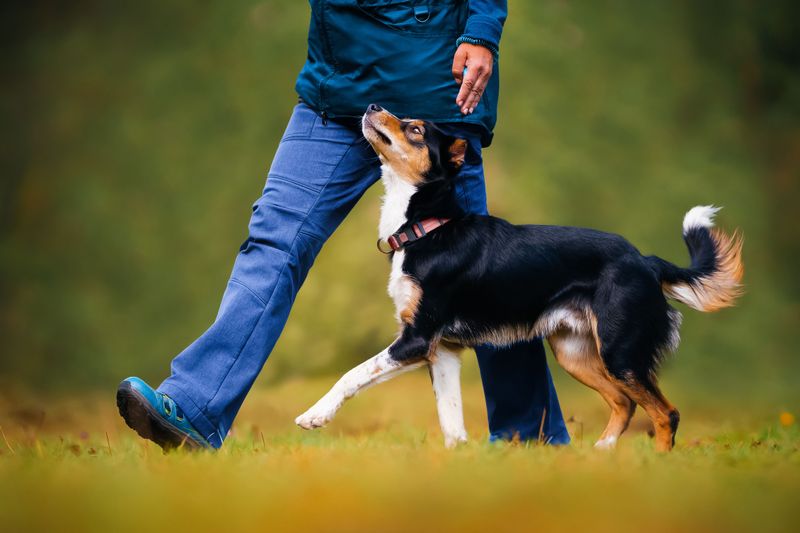
Sometimes heel, sometimes pull, sometimes sniff creates a confusing walk contract for everyone. Your dog tries options until something works, and your arm pays the price.
Define lanes so both of you know what happens where for predictable freedom. Maybe sidewalk rules mean at my side, while parks mean on a loose leash with sniff breaks as a baseline.
Use consistent cues, harnesses, and reinforcement patterns tied to each context you trust over time. If the leash tightens, stop and wait for slack before moving forward again without drama.
Pay generously for check ins and position choices you love outdoors. Clear expectations reduce frustration, protect joints, and make daily walks peaceful and enjoyable that stick.
Not respecting a dog’s need for rest
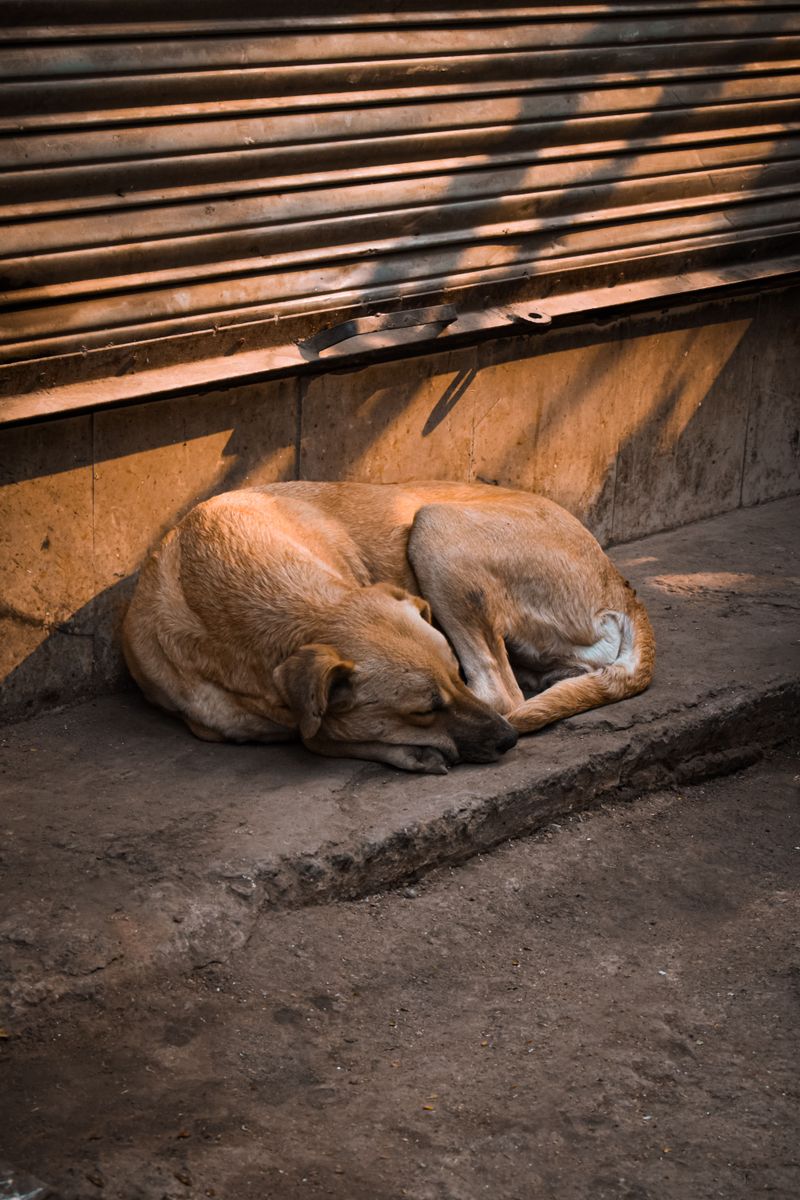
Puppies and active breeds need far more deep sleep than most people expect each day. Without rest, irritability rises, bite inhibition suffers, and training falls apart.
Overtired dogs look hyper, mouthy, and defiant when they actually need a nap, more than stimulation. Protect quiet zones, use crates or pens kindly, and enforce off time after busy outings when needed.
Teach kids to let sleeping dogs lie and to offer space during meals and naps. Schedule training like athletes, with work, recovery, and light days for balance.
You will see calmer behavior, better memory, and fewer meltdowns each week. Rest is not laziness; it is essential maintenance for brains and bodies over a lifetime.
Comparing one dog to another
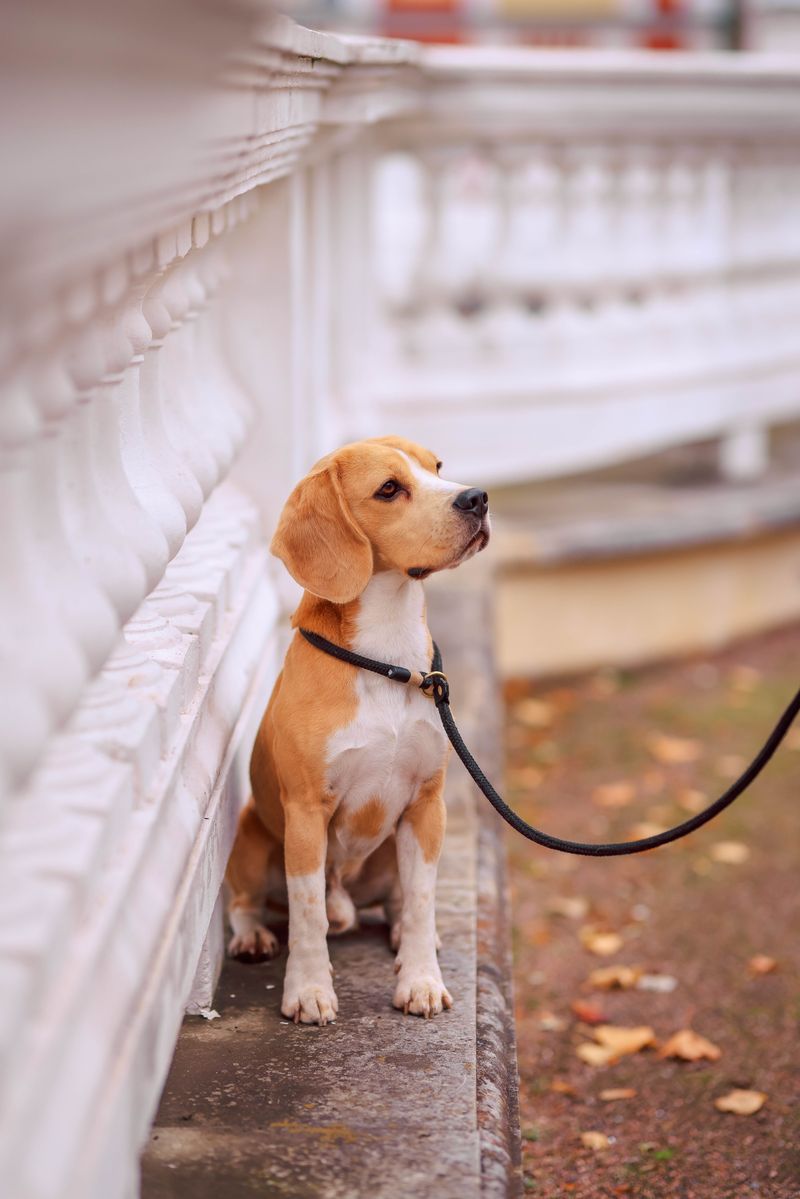
Comparisons steal joy and ignore the unique genetics, history, and needs of each dog and context. Expecting your beagle to act like a border collie sets everyone up to fail every day.
Even littermates bloom on different timelines with different motivators and contexts. Measure progress against yesterday, not against your neighbor’s Instagram highlight reel and wiring.
Get curious about who is in front of you and what lights them up right now with patience. Tailor rewards, pacing, and goals to that individual dog with care not averages.
When you honor differences, progress accelerates and relationships deepen for life over time. You will feel less pressure and your dog will shine brighter on their own timeline.
Waiting too long to address small problems
Little habits grow roots, and repetition makes them sturdy over weeks and months. Ignoring early leash chewing or doorway dashing lets neural pathways harden deeply and wider than you might expect.
Soon you face a bigger project with less patience on both sides. Catch the sparks and you will prevent the fire before it spreads.
Interrupt calmly, redirect to an appropriate behavior, and pay it well at home. Add management so the mistake is hard to repeat while new habits form during training for now.
Track triggers and frequency so you can see wins and adjust plans as needed. Small corrections today save big renovations tomorrow and keep your relationship smooth for everyone.