Some dogs sprint toward sprinklers, but others watch from a dry, dignified distance. If your pup tiptoes around puddles, you are not alone.
Certain breeds are famously water shy, thanks to their build, coat, and temperament. Let’s explore the floofs and gazelles of the dog world who prefer cozy towels over cannonballs.
Afghan Hound
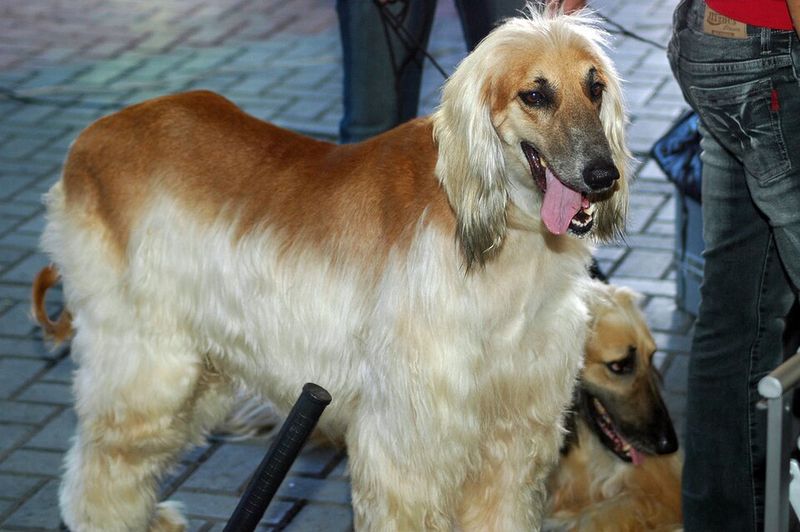
You know that glamorous, windswept look the Afghan Hound pulls off without trying. That incredible coat is part of why this breed avoids water.
Long, silky fur gets heavy, tangles easily, and takes ages to dry. Add a sensitive, independent personality, and you have a dog who prefers elegant strolls to splashy adventures.
They are built for speed and style, not pool parties.
When rain clouds roll in, an Afghan often votes for the sofa. Keep walks brief in wet weather, use a waterproof jacket, and dry thoroughly after any drizzle.
If you must bathe, use a gentle dryer and detangling spray. Reward calm behavior, skip rough waves, and protect that majestic coat.
Basenji
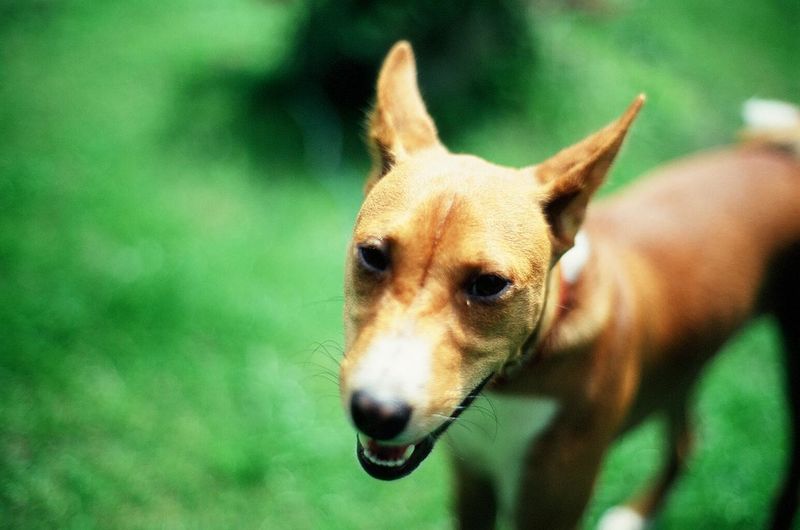
The Basenji is catlike in cleanliness and attitude, which explains that suspicious glance at puddles. This breed’s short coat dries fast, but their fastidious nature means they would rather avoid splashes entirely.
They are agile, sure footed, and careful about footing near slippery banks. Instead of swimming, they prefer sprinting, tracking scents, and surveying terrain.
If your Basenji must face a bath, keep it quick and calm. Use a handheld sprayer, lukewarm water, and plenty of treats.
Offer a nonslip mat so paws feel secure. Skip lakes with muddy edges and unexpected drop offs.
You will get better results with structured introductions, shallow water play, and lots of praise than with forced swims.
Chihuahua
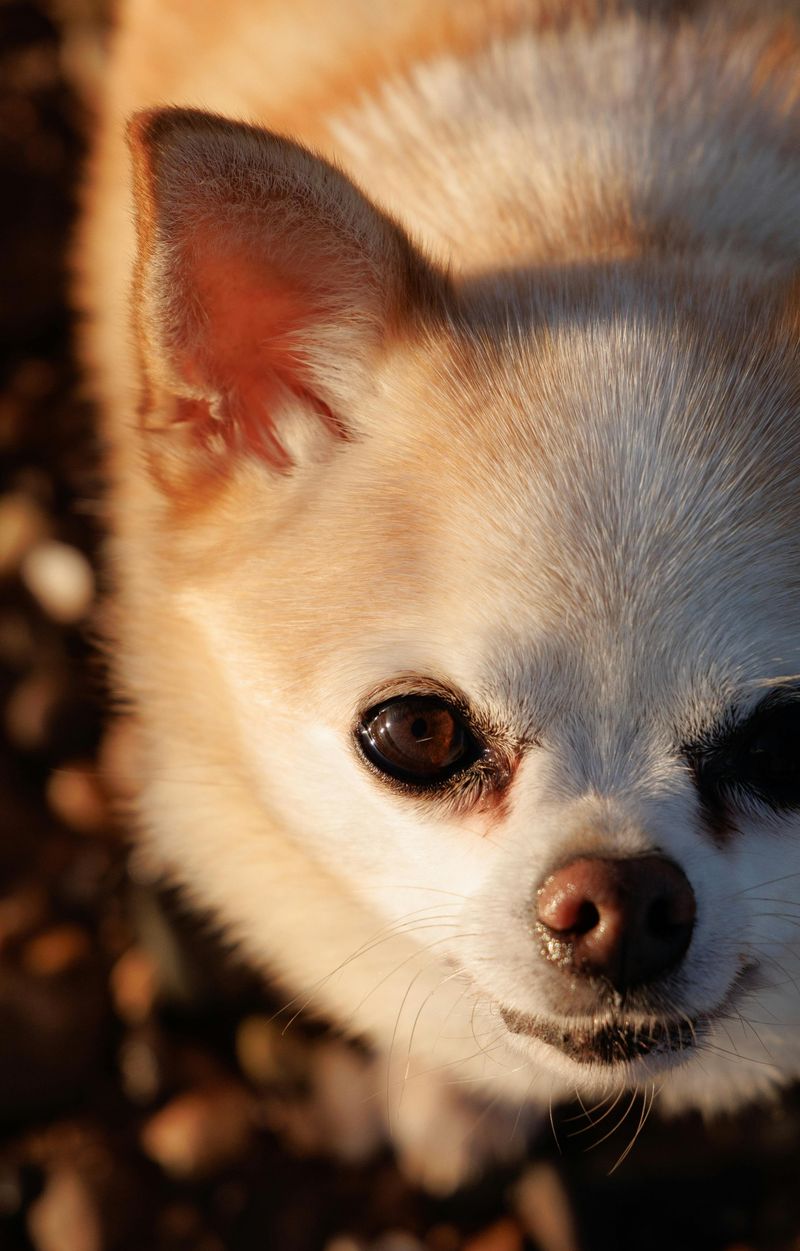
Chihuahuas are pocket sized charmers, and cold water can feel overwhelming for such a small frame. Even a shallow splash can chill them quickly.
Their thin coats offer minimal insulation, and many dislike the sensation of being submerged. You will often see a Chihuahua lifting tiny paws around puddles like a determined little ballerina.
Keep things warm, gentle, and brief. If bathing, preheat the room, use a soft cup pour, and towel wrap immediately after.
Dog life vests help with confidence, but do not expect a beach bum. Offer shallow basins, step by step introductions, and high value treats.
Your goal is comfort, not laps. Warmth, patience, and security make the biggest difference.
Dachshund
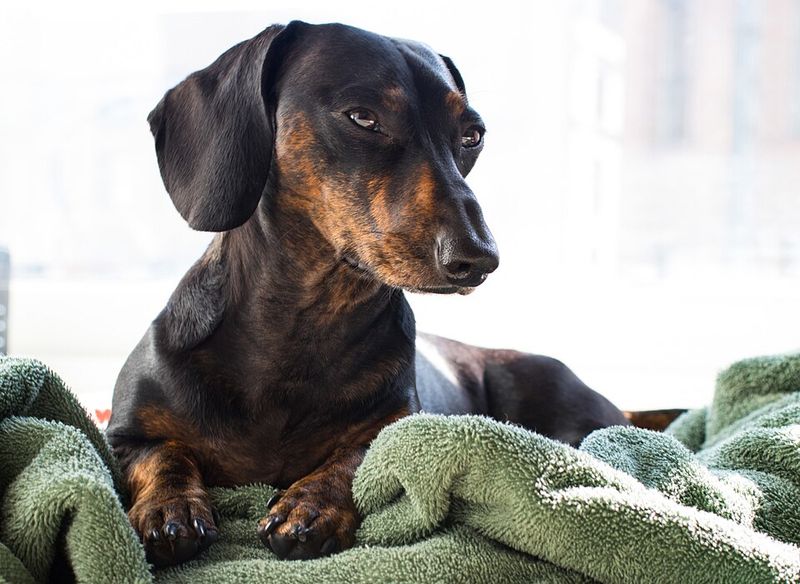
With that long back and short legs, the Dachshund is built for earth, not waves. Buoyancy is tricky when your body rides low and your belly brushes grass.
Many Dachshunds dislike water because it feels cold on their underside and awkward to paddle. They are brilliant diggers and hunters, not natural swimmers, and they know it.
Protect the spine by avoiding slippery entries and sudden plunges. If bathing, use a tub mat and support the chest and hindquarters.
Keep water shallow and warm, and finish with a quick towel dry. Life vests are wise near lakes.
Reward calm curiosity and let them decide the pace. Confidence grows when feet feel secure and backs feel supported.
Greyhound
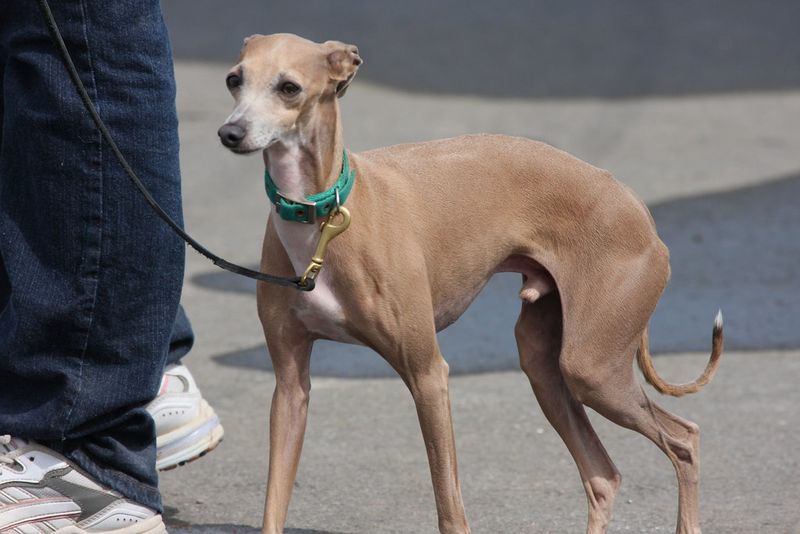
Greyhounds are aerodynamic on land, yet many dislike the drag of water on their light frames. With low body fat and thin skin, cold water bites fast.
They are sprinters, not paddlers, and prefer clean footing over mysterious depths. Some will tiptoe at the edge, ears pinned, deciding that dry zoomies sound better than damp ankles.
Keep swims optional and brief. Warmth matters, so choose sunny days, shallow entries, and calm water.
A snug life vest helps confidence and conserves energy. For baths, lukewarm water and a gentle sprayer are your friends.
Dry quickly with a soft towel or low heat dryer. Respect their sensitivity, and you will earn cautious, curious steps instead of stubborn refusals.
Italian Greyhound
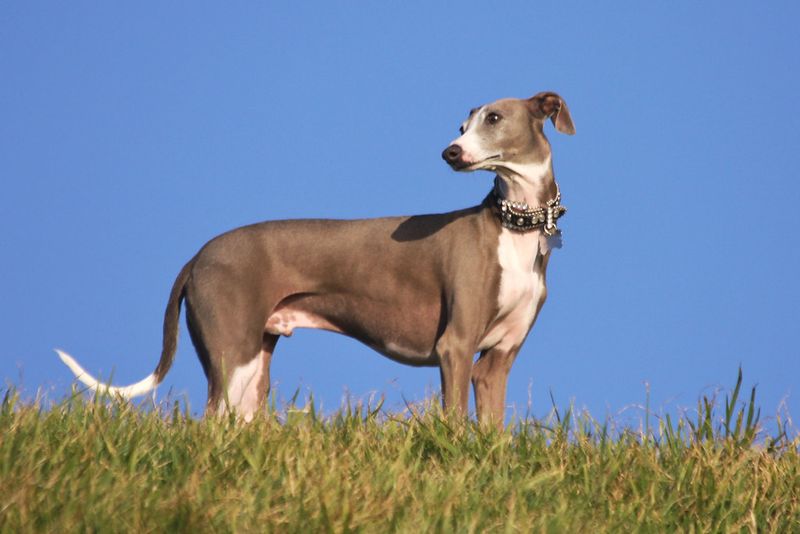
Italian Greyhounds are delicate athletes with very little insulation. Cold water can feel shocking, and even mild breezes make damp coats miserable.
Many of these elegant little sprinters prefer staying toasty and dry. They will tolerate a quick rinse but rarely volunteer for lake time.
You will often see a fashionable sweater win over any beach day plan.
For bathing, warm the room and keep sessions short. Use a soft sprayer, support the body, and towel dry immediately.
Provide a warm bed or sunbeam for recovery. If you introduce water play, pick shallow, still water on a warm day, and use a well fitted life vest.
Patience, treats, and security turn dread into cautious acceptance.
Maltese
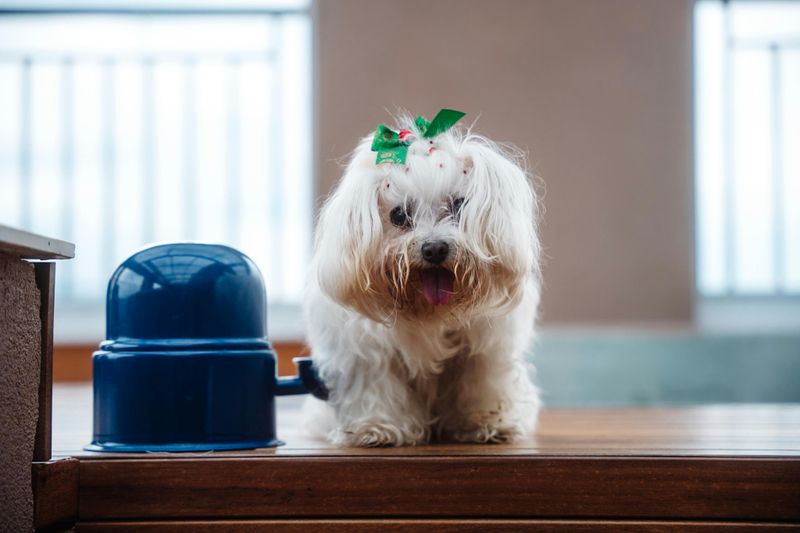
The Maltese coat is luxurious but high maintenance when wet. Water weighs it down, tangles quickly, and can irritate sensitive skin if drying is delayed.
Many Maltese learn to dodge puddles to protect that perfect fluff. They prefer careful grooming sessions over chaotic splashing, and who can blame them when every drop risks knots.
Before baths, gently detangle and use lukewarm water. Apply a quality conditioner, rinse thoroughly, and blot dry with microfiber towels.
A stand dryer on low heat helps prevent matting. Keep outdoor adventures on dry paths and avoid mucky banks.
If you try water play, keep it shallow and brief. Comfort and coat health always come first with this charming little companion.
Papillon
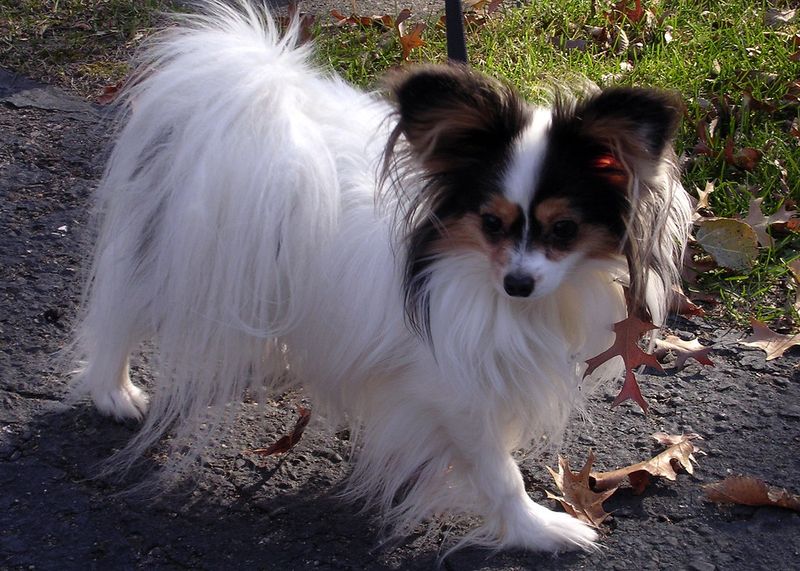
Papillons are cheerful and agile, but wet fringes and fine coats can mat in a heartbeat. They often sidestep puddles like tiny acrobats guarding their feathered ears.
Water can feel cold and heavy, dulling their lively bounce. While some individuals may dabble, many prefer agility courses, trick training, and sunny patios to swimming quests.
For baths, use a gentle dog shampoo and focus on thorough rinsing. Blot dry, then brush while slightly damp to prevent tangles.
Avoid gusty days after a bath to keep chills away. If introducing water play, pick warm, shallow spots and pair every paw dip with praise.
Remember, confidence grows when ears and feet feel safe and supported.
Pekingese
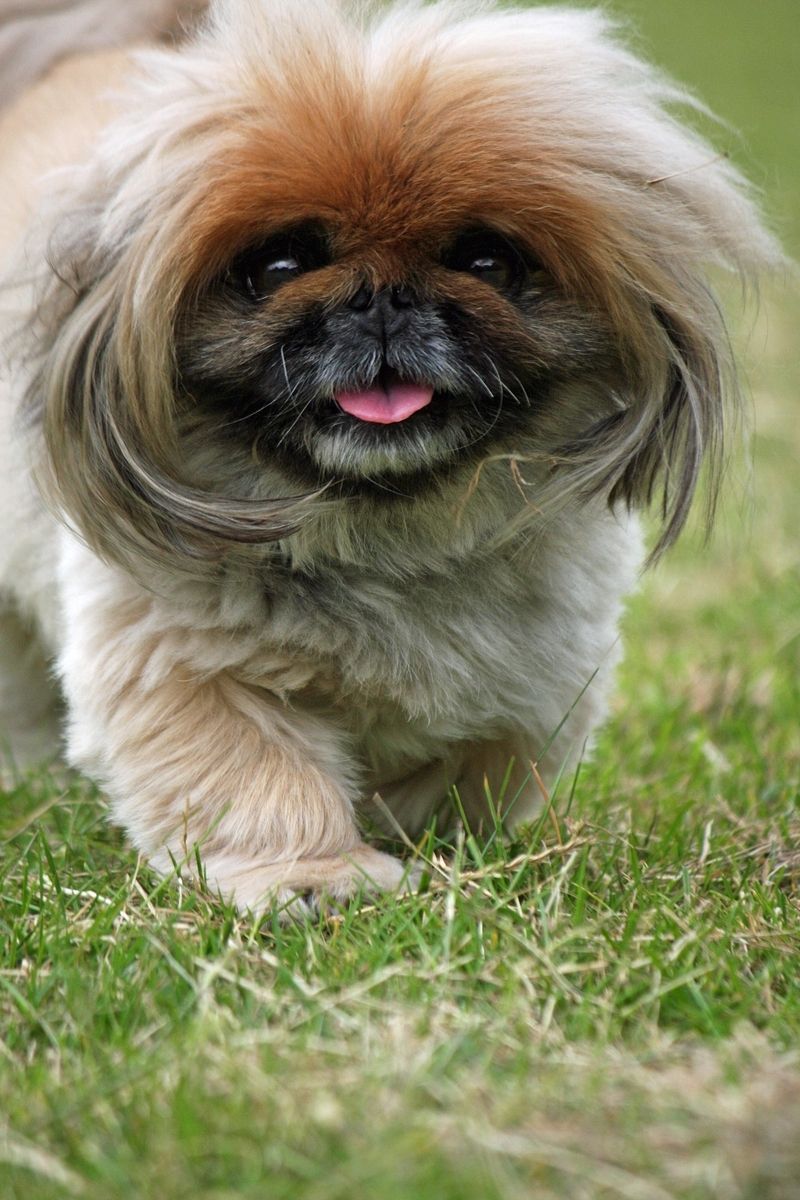
The Pekingese carries a glorious mane that turns into a sponge in water. Once soaked, that coat gets heavy, chilly, and slow to dry, which many Pekes strongly dislike.
Their compact build and short muzzle also make swimming inefficient and tiring. It is no surprise they choose royal thrones over damp adventures and prefer pampered grooming sessions.
When bathing, keep water shallow and lukewarm. Support the body, avoid splashes near the face, and dry thoroughly with towels and a low heat dryer.
Detangle gently to prevent breakage. Outdoor time is best on dry paths, with puddles politely avoided.
Introduce any water play gradually, prioritize comfort, and expect dignity to win over doggy paddles most days.
Shih Tzu
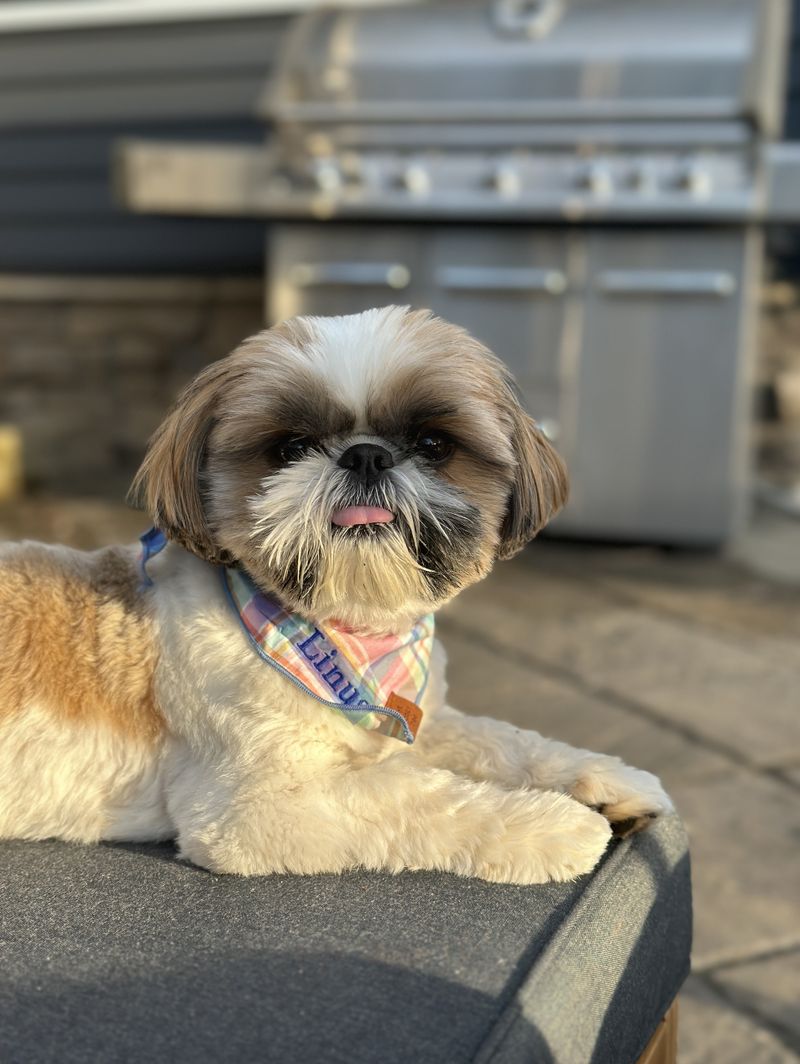
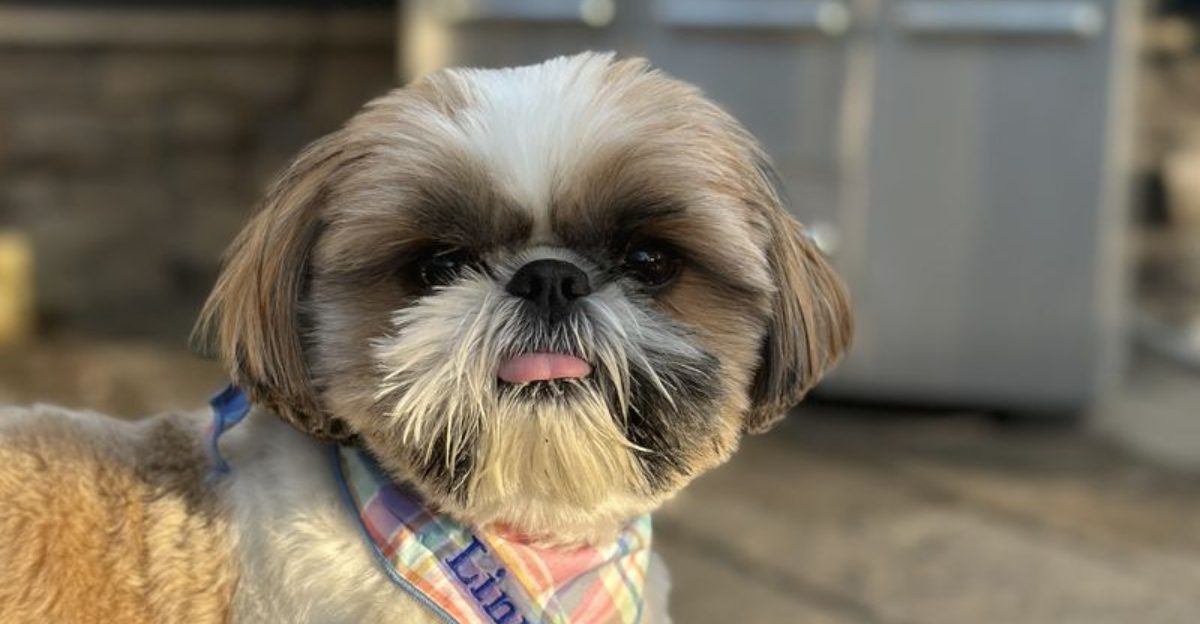
Shih Tzus wear plush coats that trap water and take time to dry, which can chill a small body quickly. Many simply decide wet fun is not worth the grooming aftermath.
Their friendly nature remains, just drier. You will see the strategic sidestep around puddles and the polite refusal at the pool edge.
For baths, detangle first, use conditioner, and rinse very well. Blot with microfiber towels and finish with low heat drying.
Keep bath floors nonslip to boost confidence. If you want water play, choose warm days, very shallow water, and a snug life vest.
Snacks and soothing praise help, but comfort wins over expectations every single time.
Yorkshire Terrier
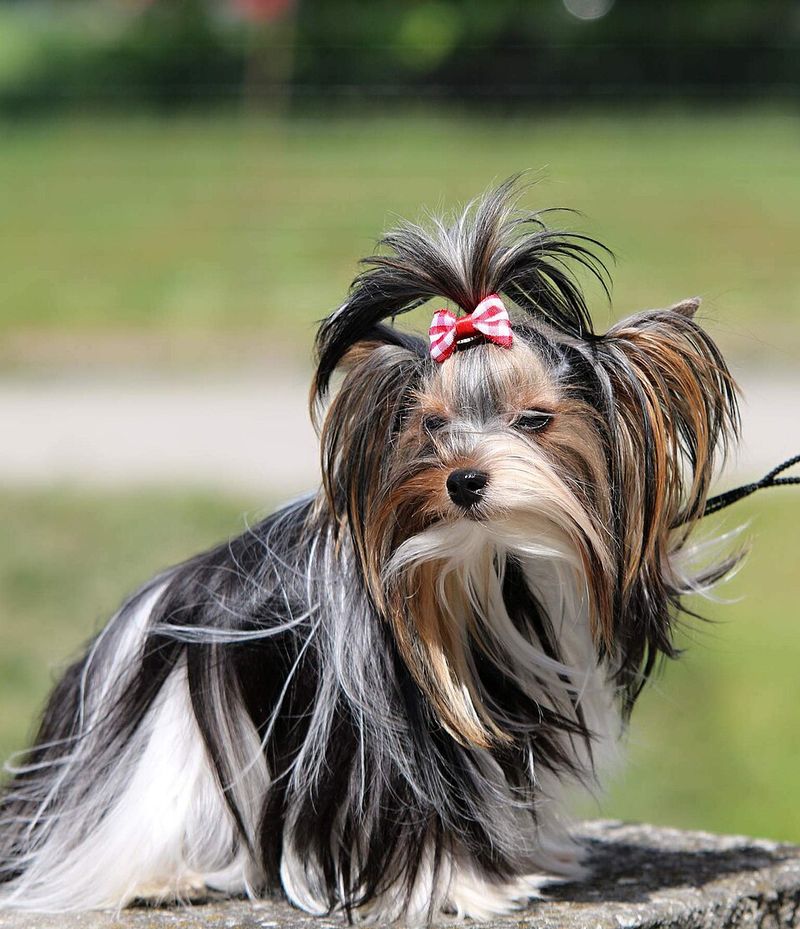
Yorkies boast glamorous, humanlike hair that mats if handled roughly by water. A casual splash can mean hours of detangling, so many wisely keep their paws dry.
Their small size and lean build also make cold water uncomfortable. They prefer brisk sidewalks, lively play, and tidy grooming tables to mysterious lake bottoms.
Before bathing, pre brush thoroughly and use a moisturizing shampoo and conditioner. Rinse completely to prevent residue, then blot and blow dry on low.
Keep bath surfaces grippy to avoid slips. For any water introduction, choose warm, calm shallows and add a tiny life vest.
Treats, patience, and gentle handling build trust without sacrificing that show stopping shine.
Whippet
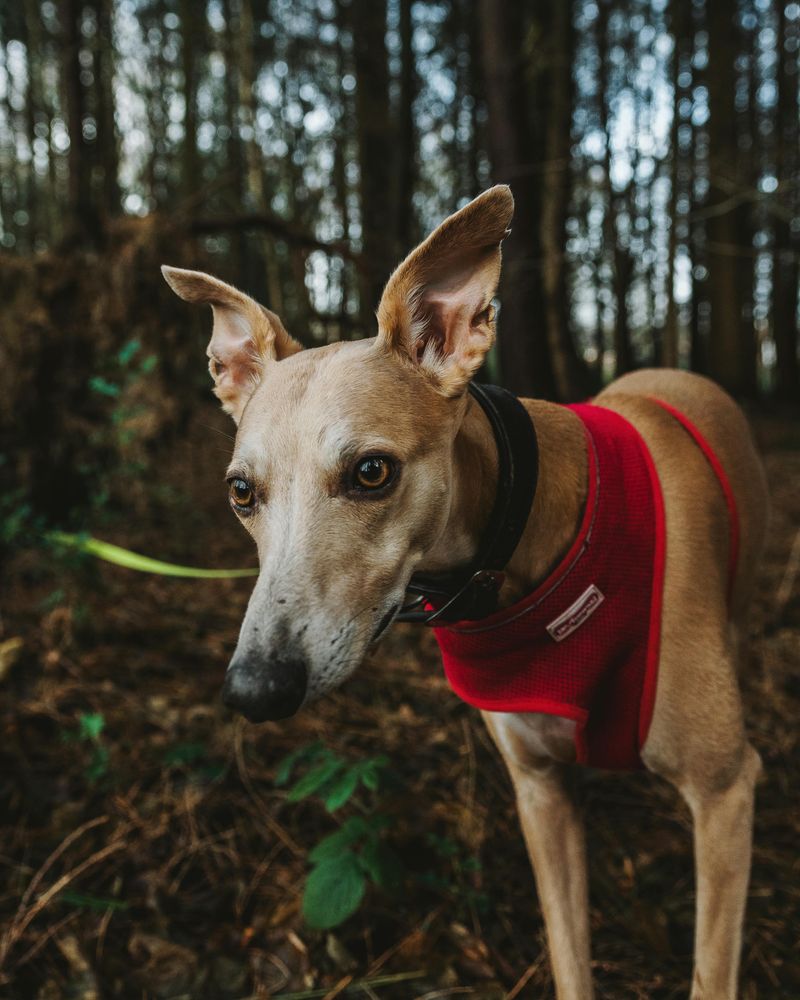
Whippets, like their Greyhound cousins, carry minimal body fat and thin coats, so cold water zaps warmth fast. Many dislike the sluggish feel of wet fur and the uncertainty of uneven riverbeds.
They live for dry speed, sun puddles, and couches. You will often get a polite pause at the shoreline followed by a decisive turn toward a sunny patch.
Keep baths short and warm, then dry thoroughly. Choose shallow, still water if you try introductions, and use a snug life vest.
Nonslip mats in tubs protect confidence. Reward curiosity and quit while they still feel brave.
Comfort and temperature control matter most for this elegant, gentle athlete who prefers sprints over splashes.
Chinese Crested
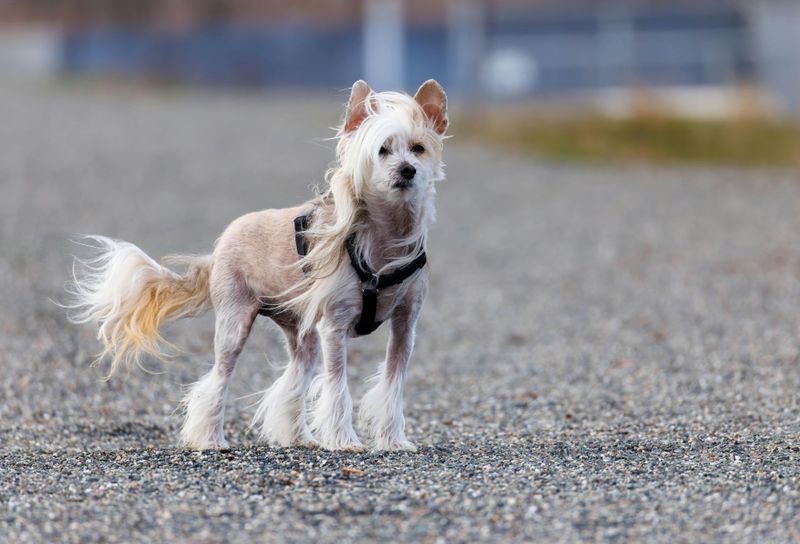
Hairless or powderpuff, the Chinese Crested often prefers to stay dry. Hairless skin needs careful protection from sun and cold, and chilly water can feel harsh.
Even the coated variety has fine hair that tangles when soaked. These playful companions usually choose sunbathing, trick training, and cuddle time over a dip.
If bathing, use lukewarm water, a gentle cleanser, and moisturize skin afterward for hairless types. Dry thoroughly and avoid drafts.
For any water play, pick warm days, shallow spots, and add a comfy life vest. Keep sessions short and praise every brave step.
Comfort, skincare, and warmth trump swimming distance, and your Crested will thank you with happy wiggles.
Lhasa Apso
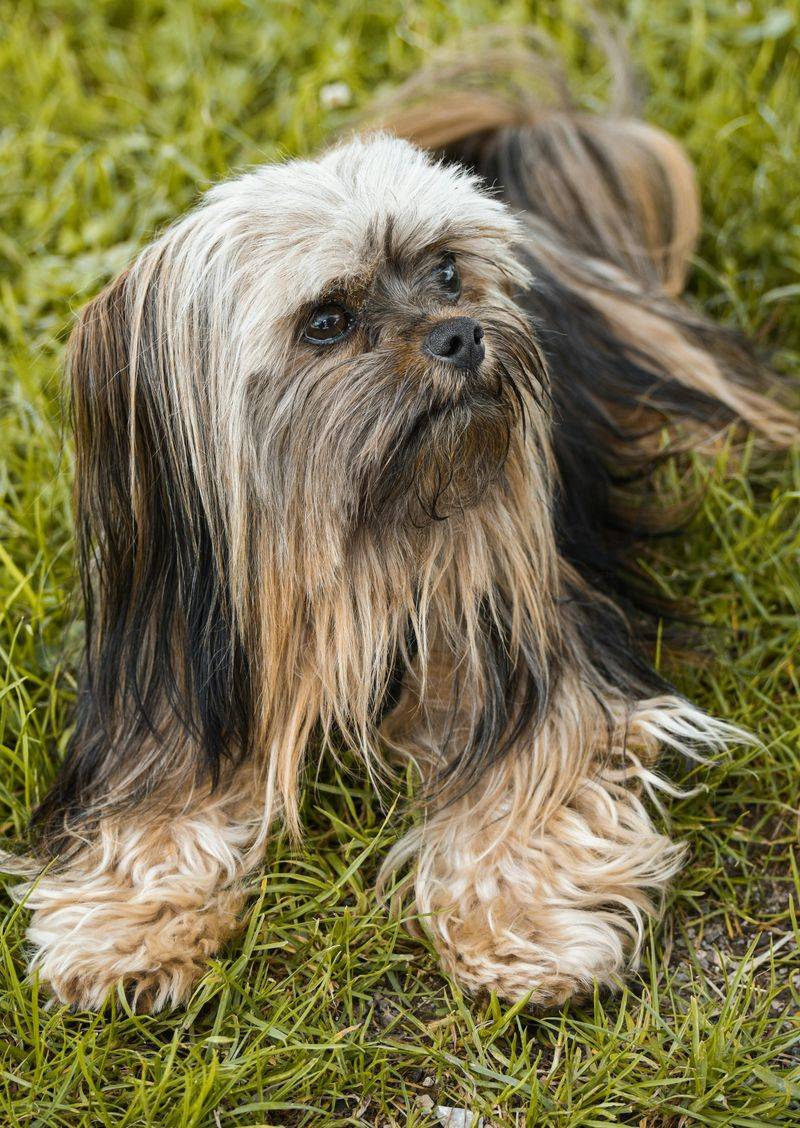
Lhasa Apsos wear impressive flowing coats that demand time and care, which water can quickly disrupt. A soak leads to tangles, heavy fur, and a long drying routine.
Add a dignified personality and you have a dog that prefers dry, steady ground. They are vigilant guardians at heart, more interested in watching over you than chasing waves.
Before baths, detangle thoroughly and keep water lukewarm. Use conditioner, rinse completely, and blot with microfiber towels.
A stand dryer on low heat protects coat health. Choose clean, dry walking routes and avoid muddy edges.
If you try water play, keep it shallow, warm, and optional. Respect their preference for comfort and order, and you will both be happier.
Pomeranian
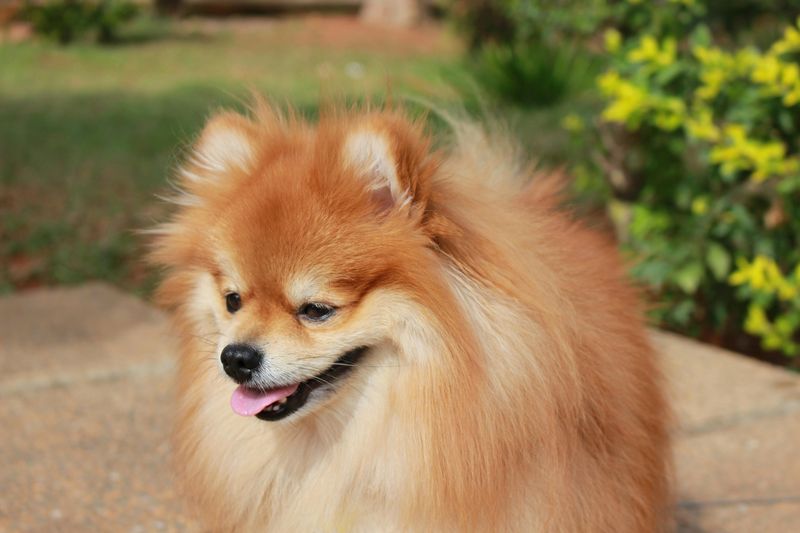
Pomeranians are walking clouds, and clouds do not like getting soggy. That thick double coat becomes heavy and chilly when saturated, and drying takes effort.
Many Poms step around puddles with dainty precision, choosing playtime on dry grass instead. They love attention, but not the kind that follows a mud bath.
For bathing, use warm water, a slicker friendly conditioner, and lots of blotting before low heat drying. Brush in layers as the coat dries to prevent matting.
Keep outdoor adventures on firm, dry paths when possible. If introducing water, pick shallow, warm spots and end early while confidence is high.
Treats and cheerful praise help, but comfort is always the top priority.