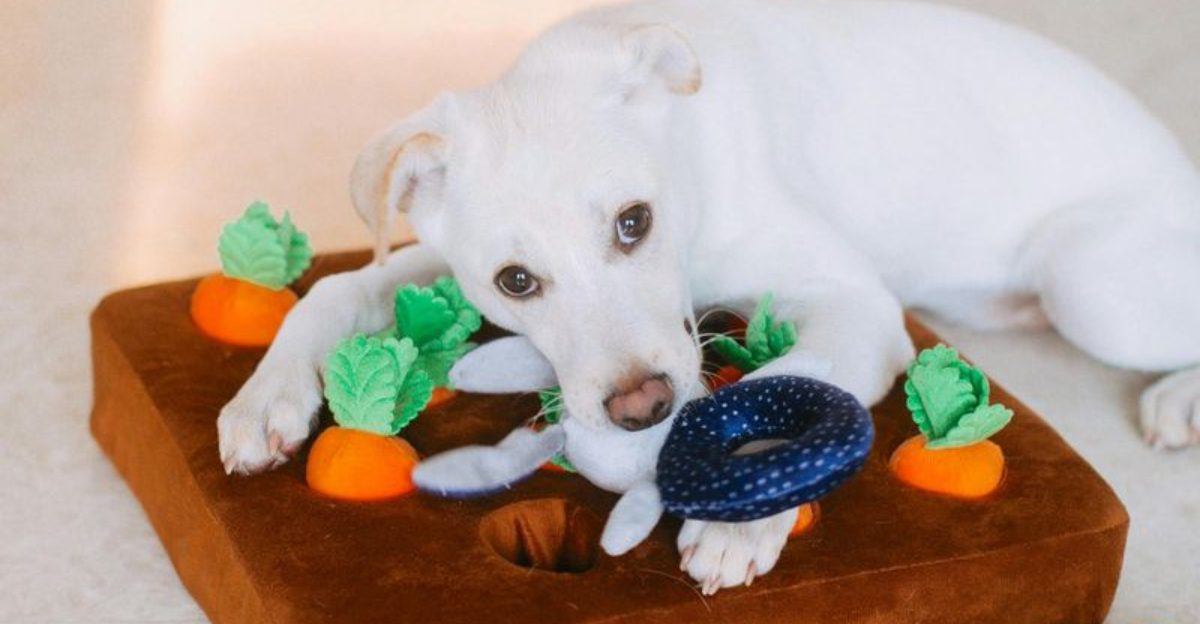
Your dog is clever, but are you giving that bright mind enough to do? Vets say the right toys can turn everyday play into powerful brain workouts that reduce stress and prevent boredom.
From puzzles to scent games, these picks challenge memory, focus, and problem solving in ways you can see. Ready to help your pup think smarter and feel calmer too?
Interactive Treat Puzzle Feeder
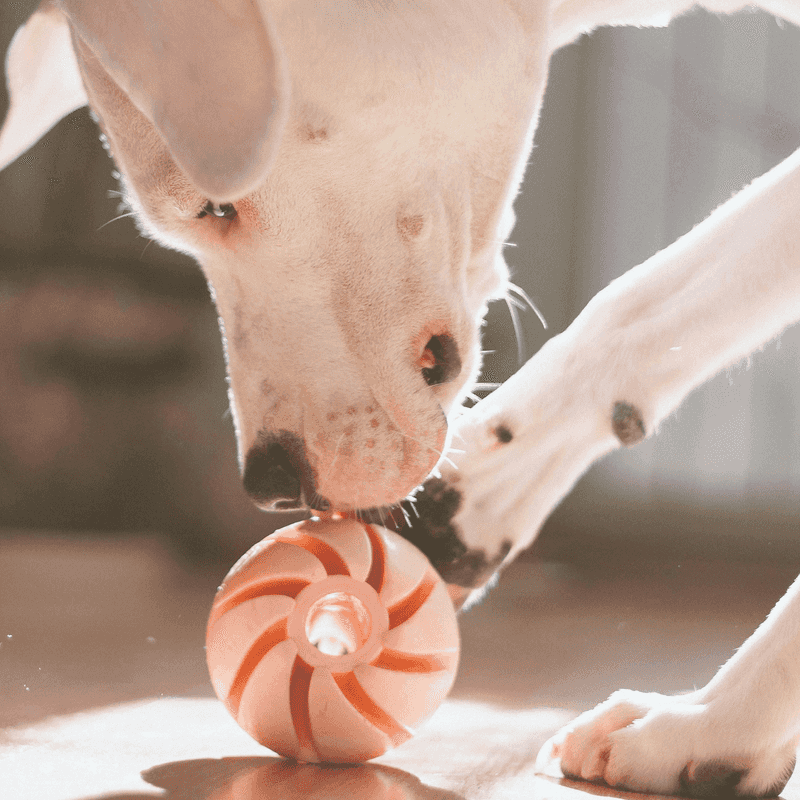
This puzzle feeder turns mealtime into a brain workout. Your dog nudges sliders, flips lids, and learns patterns to reveal kibble or small treats.
It slows fast eaters, boosts focus, and channels energy into problem solving instead of pacing or barking.
Start on the easiest setting, then increase difficulty as confidence grows. You will notice fewer anxious behaviors because mental effort can calm nerves like a long walk.
Keep sessions short, praise every success, and rotate puzzles so novelty stays high and frustration low.
Wash after use and inspect parts for chew damage to keep it safe. Choose a non slip base for stability.
If your dog stalls, demonstrate once, then let them try again.
Snuffle Mat for Nose Work
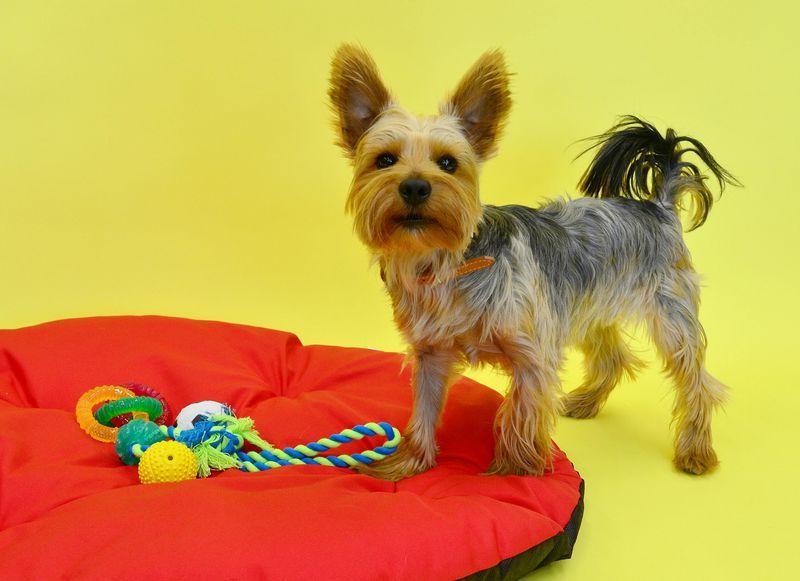
Dogs are natural foragers, and a snuffle mat taps into that instinct. Hide kibble in the fleece folds and watch your pup sniff, sort, and search.
Vets love it because nose work reduces stress hormones and teaches calm focus without high impact exercise.
Use it for part of dinner to slow gulpers and make meals last. You control difficulty by tucking food deeper or spreading it wide.
Short daily sessions can tire out energetic dogs in apartments when outdoor time is limited.
Shake out crumbs, machine wash on gentle, and dry flat. Supervise if your chewer tries to rip strips.
Rotate scents or add a few novel treats to keep curiosity fresh and engagement high.
Treat Dispensing Rolling Ball
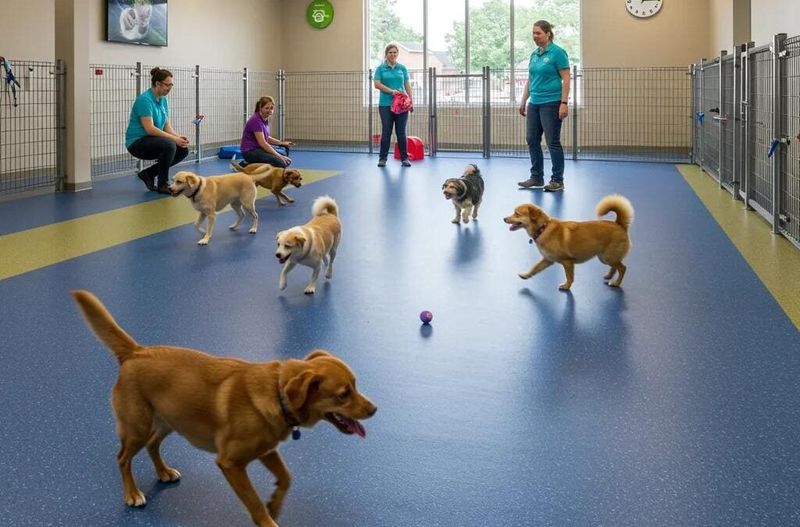
This rolling ball trades mindless chewing for strategic play. Adjust the opening so treats drop unpredictably as your dog paws, pushes, and tilts.
That variable reward keeps attention locked in while teaching persistence and problem solving.
Start with easy flow to build momentum. Then narrow the gap so your dog experiments with slower pushes and directional nudges.
It is great for rainy days when energy is high but space is limited, and you want quieter enrichment.
Pick a size that cannot be swallowed and a material suited to your dog’s bite. Rinse daily to prevent food residue.
If frustration appears, loosen the opening briefly, then tighten again once confidence returns and focus improves.
Level-Up Sliding Tile Puzzle
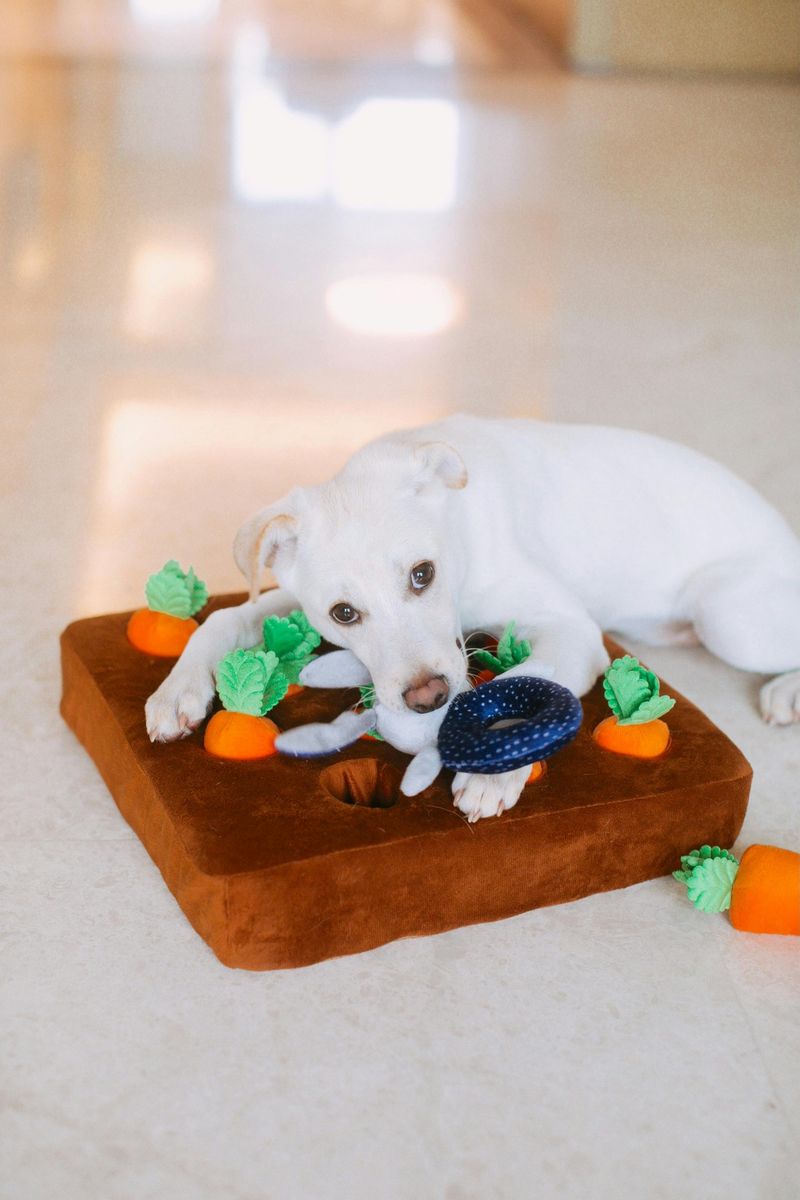
Sliding tile puzzles ask your dog to move pieces in sequence to uncover food. That sequencing challenges working memory and impulse control, two skills vets say support calmer behavior.
Because difficulty levels escalate, you can keep brains busy for months.
Begin with a single blocked tile and obvious scent cues. As your dog progresses, add locks, stacked sliders, and hidden channels.
Cue with a gentle “find it,” then step back so independent problem solving takes center stage.
Keep wins frequent to avoid quitting. Two to three minutes per round is enough for most pups.
Store the toy between sessions so novelty stays sharp and the puzzle feels special each time it appears.
Hide-and-Seek Plush Burrow
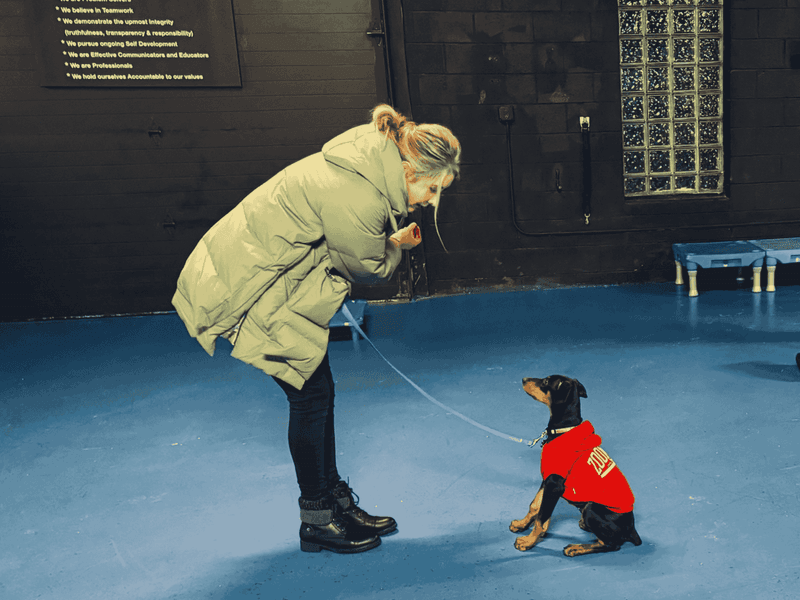
This plush burrow invites your dog to hunt squeaky critters from cozy pockets. It taps prey drive in a gentle way, mixing nose work, paw dexterity, and bite inhibition practice.
The repeated successes build confidence for shy or rescue pups.
Stuff the characters deeper for more challenge or add a few kibble pieces as scent markers. Play short rounds of hide and retrieve to strengthen recall and engagement with you.
It is quieter than fetch, perfect for evening wind downs.
Rotate characters to keep novelty strong, and supervise if your dog loves to de fluff. Mend small tears quickly so stuffing does not become a snack.
Machine wash on cold and air dry to preserve shape.
DIY Muffin Tin Brain Game
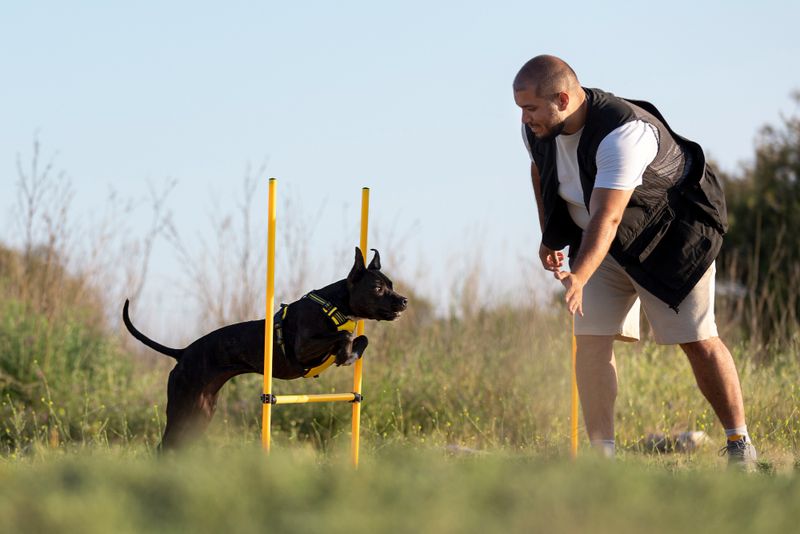
Simple household items can deliver big brain gains. Place treats in a muffin tin, cover each cup with a tennis ball, and let your dog figure out lifting, nudging, and sequencing.
It is budget friendly, adjustable, and surprisingly engaging for beginners.
Start with a few uncovered cups to spark interest, then increase coverage. You can vary scents, use different ball textures, and even add a light rattle for novelty.
Short, successful rounds prevent frustration and keep confidence growing.
Supervise to avoid chewing the balls or sharp tin edges. Clean the tray after each session.
This game is a perfect rainy day standby that encourages thoughtful movement and self control without overstimulating sensitive dogs.
Scent Trail Discovery Kit
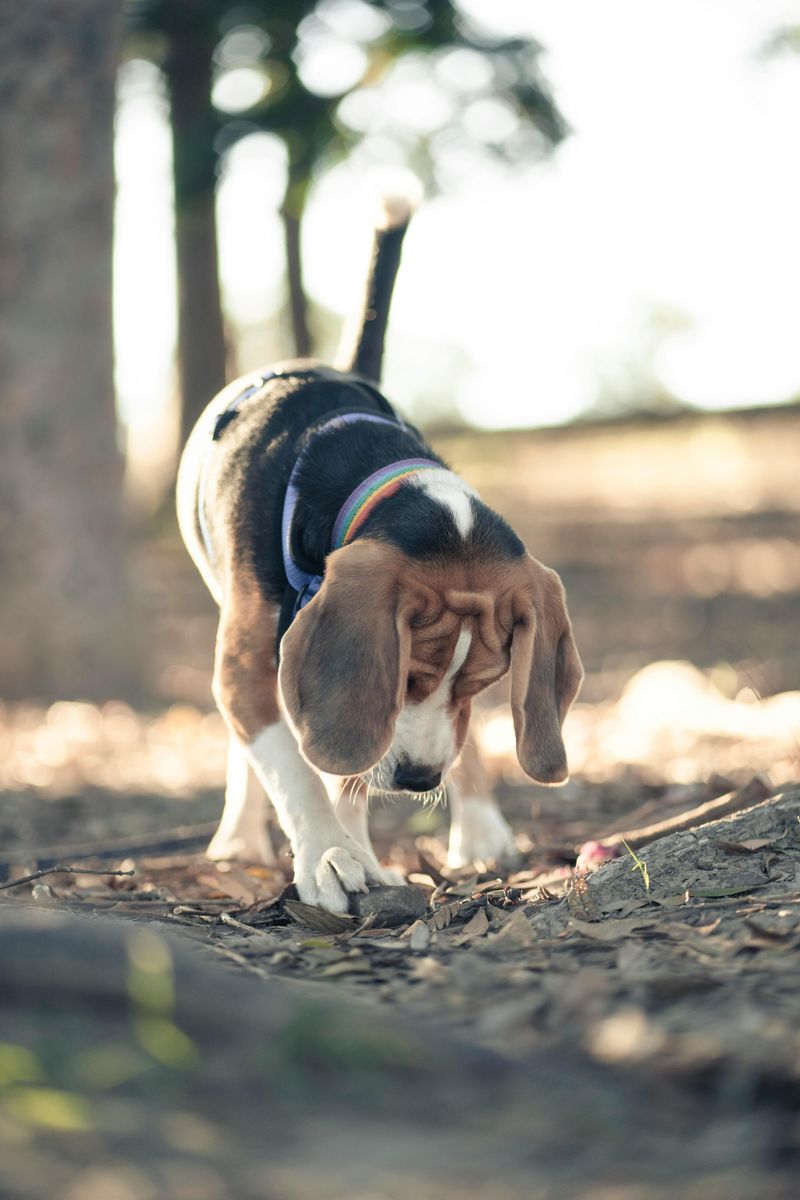
Teaching scent trails gives your dog a job that soothes the nervous system. Use dog safe essential aromas or food crumbs to build an easy track across grass or a hallway.
Your pup learns to map odor strength, pause, and reorient when the scent fades.
Begin with short, straight paths and jackpot the final find. Over time add curves, mild distractions, and aged trails to push problem solving.
Scenting burns mental energy fast, great for high drive breeds that struggle to settle indoors.
Keep water available, and avoid harsh cleaners that mask odors. Log sessions so you can measure progress.
You will see a more confident, focused dog who can work independently while still checking in with you.
Tug-and-Think Bungee Toy
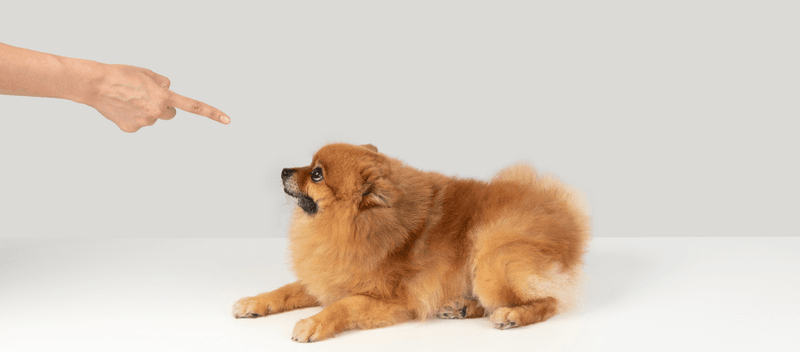
Tug is not just muscle work. With a bungee tug, resistance changes as your dog pulls, encouraging self modulation and bite placement.
Add rules like wait, take, and out to build impulse control while satisfying strong tug instincts safely.
Use short, structured rounds and end with a calm sit or down. Vets often suggest tug for confidence building, especially in shy dogs who benefit from winning controlled games.
The give in the bungee protects joints and your shoulders too.
Choose a handle that protects your hands and a bite area matched to jaw size. Inspect stitching regularly.
Store away when not supervised so the elastic does not become a chew target for enthusiastic power chewers.
Rotate-and-Reveal Treat Tower
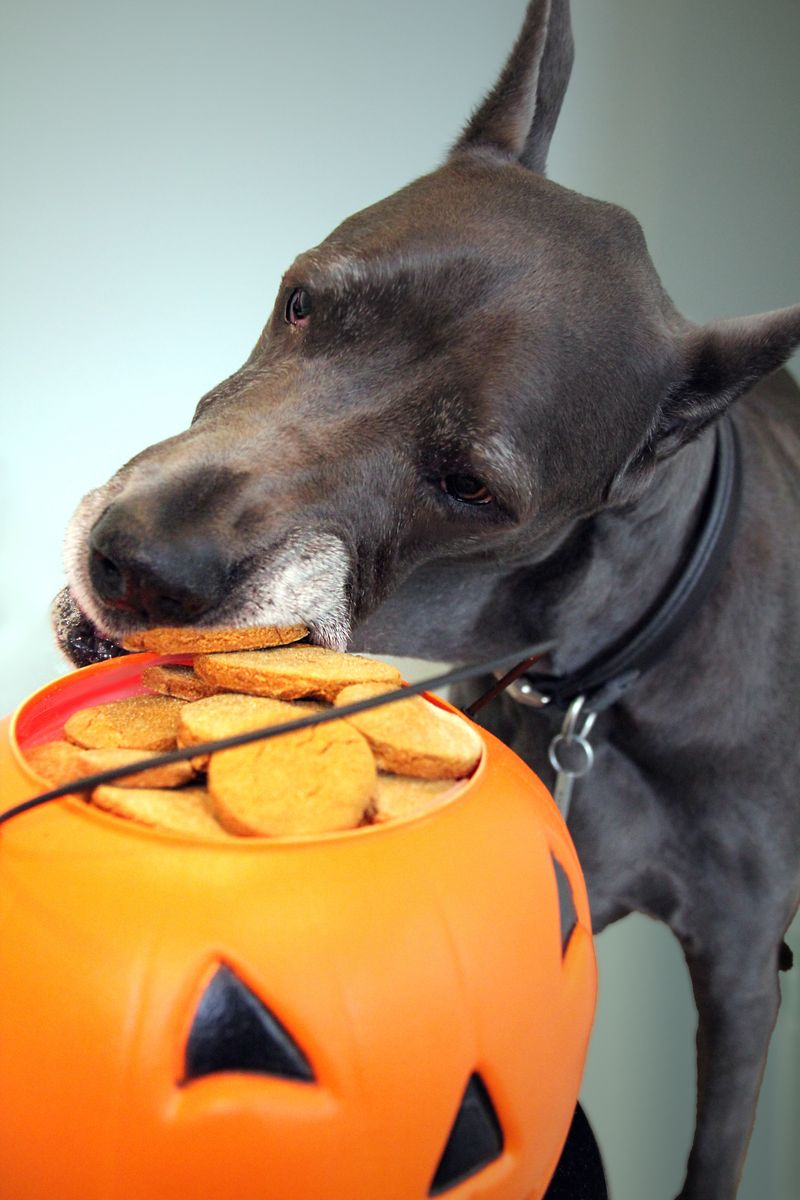
This vertical tower trains problem solving with gravity and timing. Your dog learns to paw and nudge rotating shelves so treats tumble down channels to the base.
It rewards persistence and coordination, ideal for clever pups who master basic puzzles quickly.
Start with wide vents and visible treats to teach the mechanism. Then reduce openings so your dog experiments with slower spins and better aim.
Short, supervised sessions keep excitement focused and prevent rough pawing that could tip the tower.
Sturdy bases and non slip feet matter. Clean after each use to prevent buildup in channels.
Rotate with flat puzzles to vary motor patterns and keep cognitive flexibility improving across different toy formats.
Frozen Kong-Style Stuffable Chew
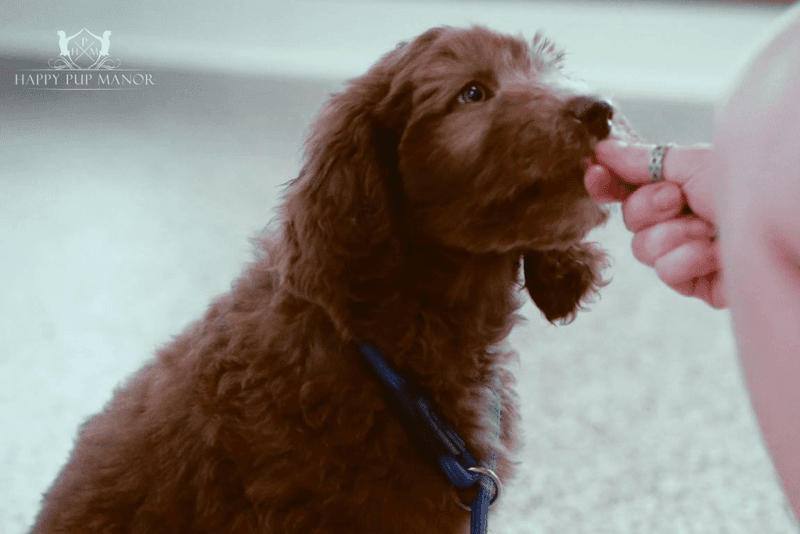
Stuffable chews turn licking into a soothing, focused task. Fill with layered textures like soaked kibble, pumpkin, or yogurt, then freeze for a longer challenge.
Licking lowers arousal, and the slow reward schedule keeps your dog engaged without frantic activity.
Use it during crate time, work calls, or thunderstorms to build positive associations. You can tailor ingredients for sensitive stomachs and calories.
Vets appreciate the dental benefits from sustained licking and the mental drain from persistent problem solving.
Size up to prevent choking, and supervise heavy chewers. Wash thoroughly to remove residue in crevices.
Rotate recipes, add a few hidden high value treats, and your pup will stick with it longer while staying calm and content.
Flip-Board Strategy Game
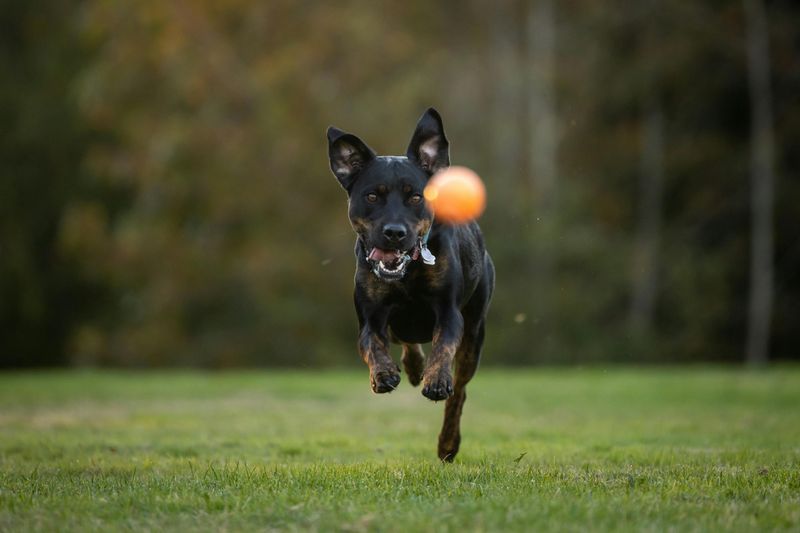
The flip board challenges dogs to use different techniques in one session. Lids lift, knobs slide, and cones tip, demanding flexible thinking.
By mixing mechanics, it prevents pattern learning and forces your dog to evaluate each station anew.
Start by propping lids slightly and scenting each piece. Fade the aids as your dog learns to experiment.
You will notice calmer persistence because the puzzle rewards curiosity and deliberate actions over frantic pawing.
Keep treat sizes tiny to limit calories. Run two to three rounds, then put it away so enthusiasm stays high.
Inspect plastic parts for wear, and teach a gentle touch to avoid breakage and keep the game enjoyable long term.
Talking Buttons Communication Set
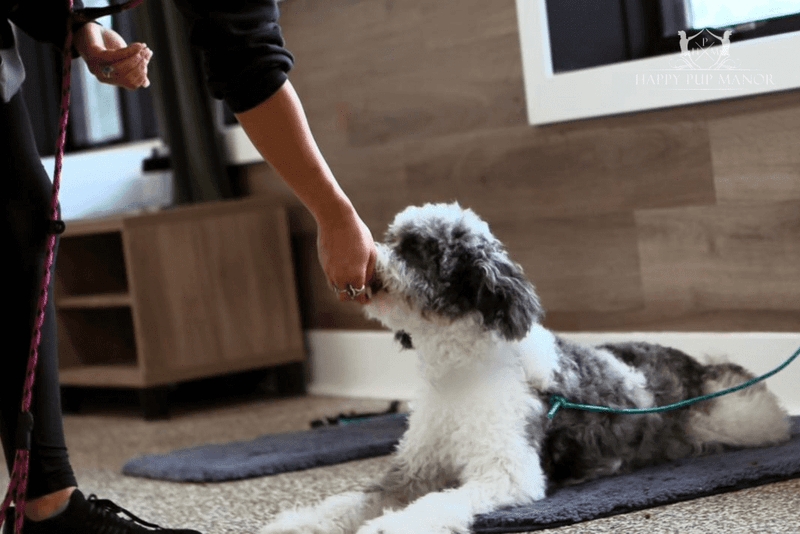
Programmable buttons let your dog practice cause and effect, memory, and choice making. Start with one or two highly meaningful words like outside or play.
Consistency teaches that pressing a button yields a predictable outcome, building communication and confidence.
Keep sessions short and upbeat. Model presses, then wait for attempts and reward generously.
Over time, space buttons to reduce accidental hits and encourage deliberate selection. You will see clearer requests and a calmer dog who feels heard.
Record in a neutral tone, place buttons on non slip mats, and avoid crowding new words. Track usage with notes or videos.
Always honor reasonable requests so the learning loop stays strong and motivating.
Puzzle Cube With Hidden Drawers
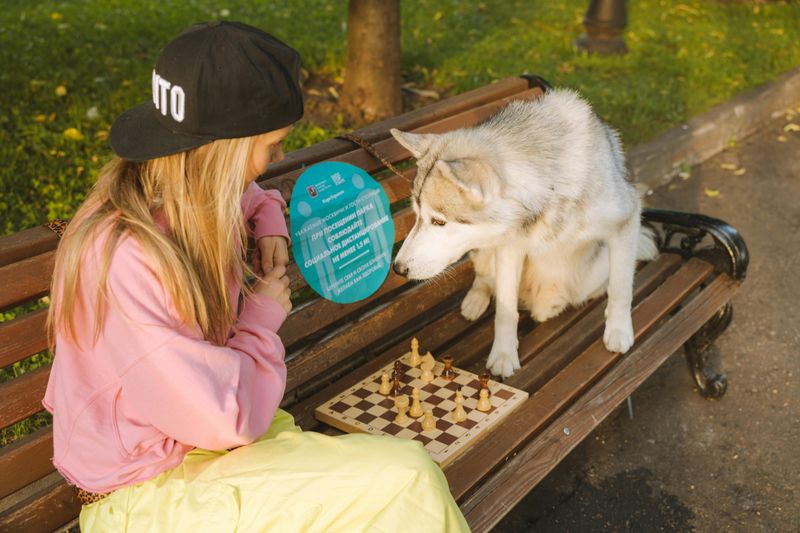
This cube hides treats in drawers that slide, lift, or pivot. Each side presents a different mechanic, nudging your dog to test strategies rather than repeat one trick.
It targets working memory and perseverance as your pup maps which actions release rewards.
Begin with partially open drawers and clear scent trails. Progress to closed compartments with light resistance.
Celebrate small wins to keep motivation high and avoid chewing out of frustration.
Choose durable materials and supervise to protect teeth. If your dog gets stuck, reset to an easier step, then rebuild difficulty.
Pair the cube with simpler puzzles on alternate days so your dog stays eager, engaged, and mentally balanced between challenges.
Smart Fetch Launcher With Rules
Fetch can grow brains when structure meets speed. Use a launcher, but add rules like place the ball in the chute, sit, and wait for release.
That sequence trains impulse control, task switching, and memory while satisfying high energy play drives.
Keep throws short at first to reduce arousal spikes. Gradually extend distance once your dog nails the routine.
Reward the calm wait most of all, since patience is the real skill you are building here.
Choose soft balls for joint safety, and limit reps to prevent overuse. Mix in sniff breaks between rounds.
End on success, then cool down with a slow leash walk so your pup returns home relaxed and content.
Wobble Board Balance Trainer
Balance work engages body and brain together. A wobble board asks your dog to adjust posture, shift weight, and plan micro movements, which sharpens proprioception and focus.
Vets often recommend it for confidence and joint friendly exercise.
Start with the board against a wall for stability. Lure a few seconds of stillness, then release.
As skills grow, add slow turns or place paws off center to challenge coordination.
Keep sessions under two minutes and rest between sets. Use a non slip surface and monitor for fatigue.
Pair balance drills with nose work after to alternate skill types, leaving your dog pleasantly tired without the over arousal of fast games.
Puzzle Ring Stackers
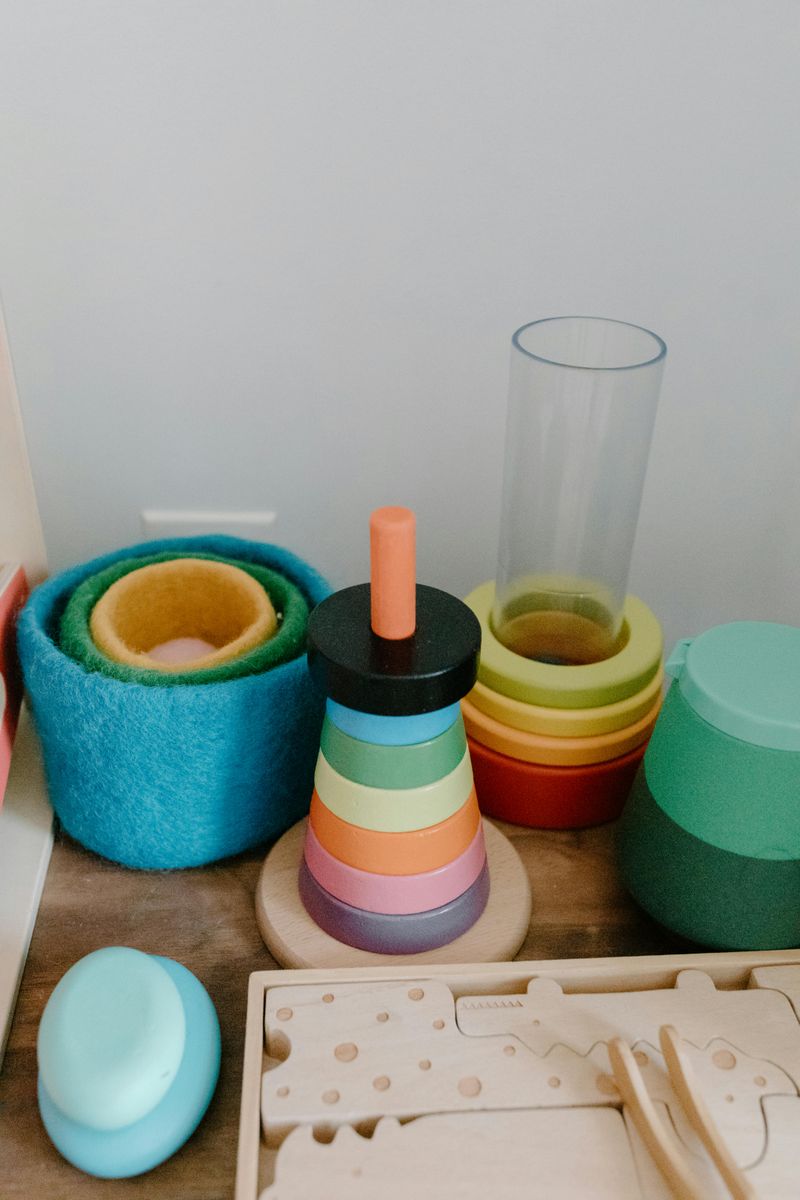
Ring stackers convert toddler logic play into canine brain training. Oversized, chew safe rings encourage careful mouth placement and targeting.
Teaching your dog to pick up, carry, and place rings builds coordination, patience, and task sequencing.
Start by reinforcing any contact with the peg, then shape toward a clean drop. Use low arousal praise so excitement does not derail accuracy.
A few minutes daily grows skill without fatigue.
Choose lightweight rings for small dogs and textured options for better grip. Keep the peg steady with a rubber mat.
Finish with a simple victory lap to celebrate, then store the toy so it remains special and motivating next time.