
Big dogs make big impressions, but living with a giant breed is a whole different story. These gentle heavyweights need thoughtful training, smart routines, and a home that truly fits their needs.
Before you fall for those soulful eyes and bear-sized paws, there are practical truths to consider about health, space, and lifestyle. Let’s explore what experts wish you knew, so you can choose with confidence and care.
Great Dane
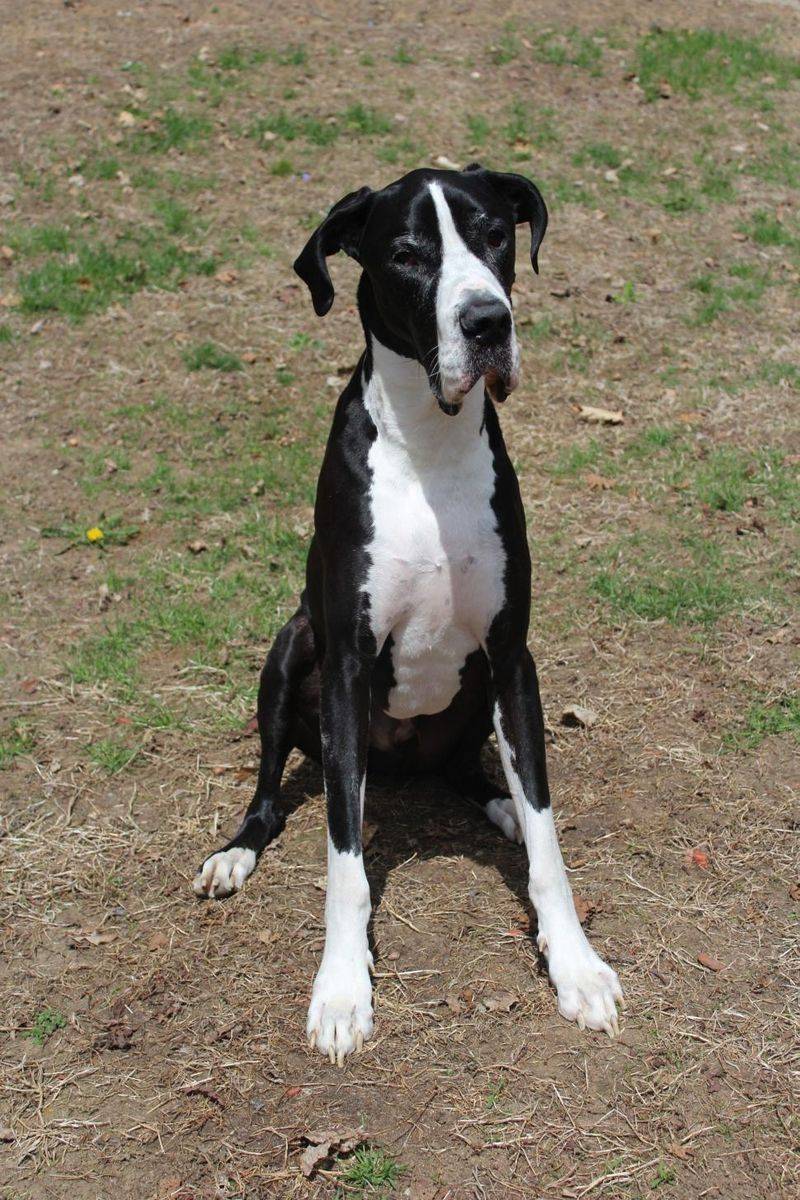
The Great Dane looks like living artwork, but daily life with one requires planning. Their size makes basic routines like feeding, walking, and car rides feel larger than life.
You will need a sturdy bed, elevated bowls, and patience as they learn manners in tight spaces. Gentle leadership matters because excited zoomies in a hallway can topple a lamp in seconds.
Health is a major conversation. Deep chests heighten bloat risk, so slow feeders, meal spacing, and vet guidance are essential.
Their joints appreciate soft surfaces and controlled exercise rather than endless sprints. Expect short training sessions focused on calm behavior and reliable recall.
With attention and structure, you get an affectionate, sofa-sized shadow who thrives beside you.
Saint Bernard
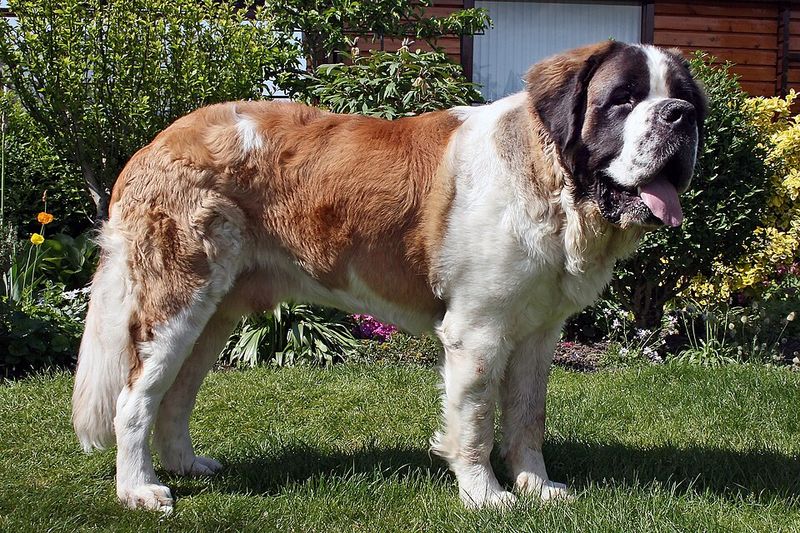
Saint Bernards are famous rescuers with hearts as big as their paws. Expect a mellow companion who loves family time and naps by your feet.
You will also meet drool on walls, floors, and occasionally your jeans. Keep towels handy and clean their mouth folds to prevent irritation.
Their double coat sheds seasonally, so weekly brushing helps keep tumble-fur controlled.
Moderate exercise is perfect, especially in cool weather. Heat management is critical due to their size and coat density.
Socialization builds confidence and curbs clumsy enthusiasm around kids and guests. Training should prioritize loose-leash walking and calm greetings.
Because of orthopedic risks, invest in supportive surfaces and controlled stair use. With consistency, you gain a tender, loyal guardian who truly adores home.
Newfoundland
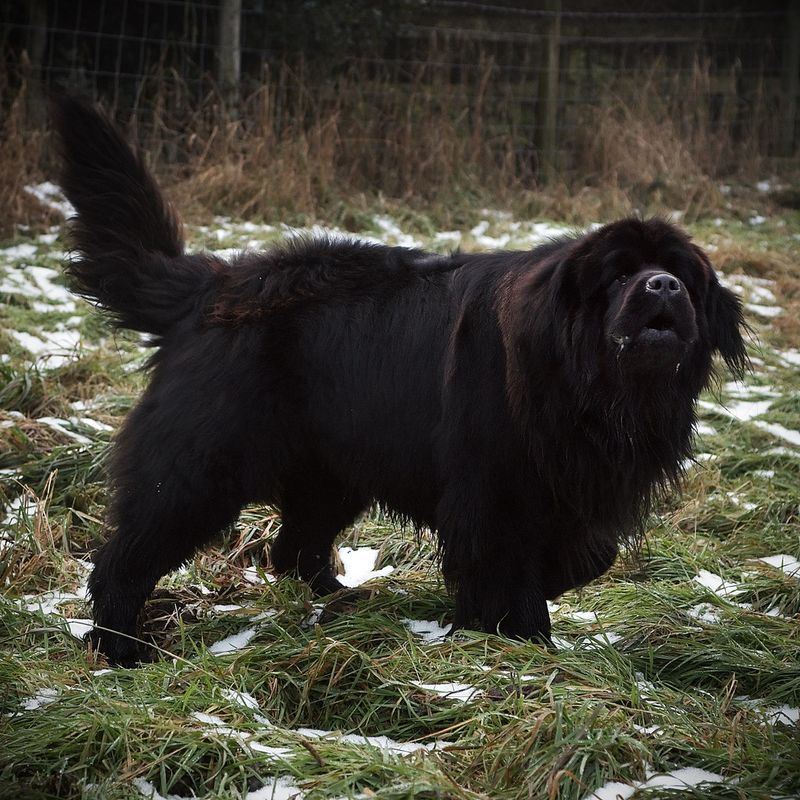
Newfoundlands are gentle water lovers with a lifesaving legacy. Their thick double coat, webbed feet, and calm strength make them natural swimmers.
You will need space, reliable grooming, and a plan for damp dogs after every splash. Expect seasonal shedding and steady brushing.
They are sensitive, people-focused, and happiest when included in your daily rhythm.
Because of their bulk, joint health is a lifelong priority. Keep exercise low impact and controlled, and maintain lean body condition.
Training should be quiet and fair, using rewards to reinforce calm choices. They are not guard dogs so much as steady watchdogs who read the room.
Provide shade in warm weather and plenty of water. In return, you get a steadfast, huggable friend.
Irish Wolfhound
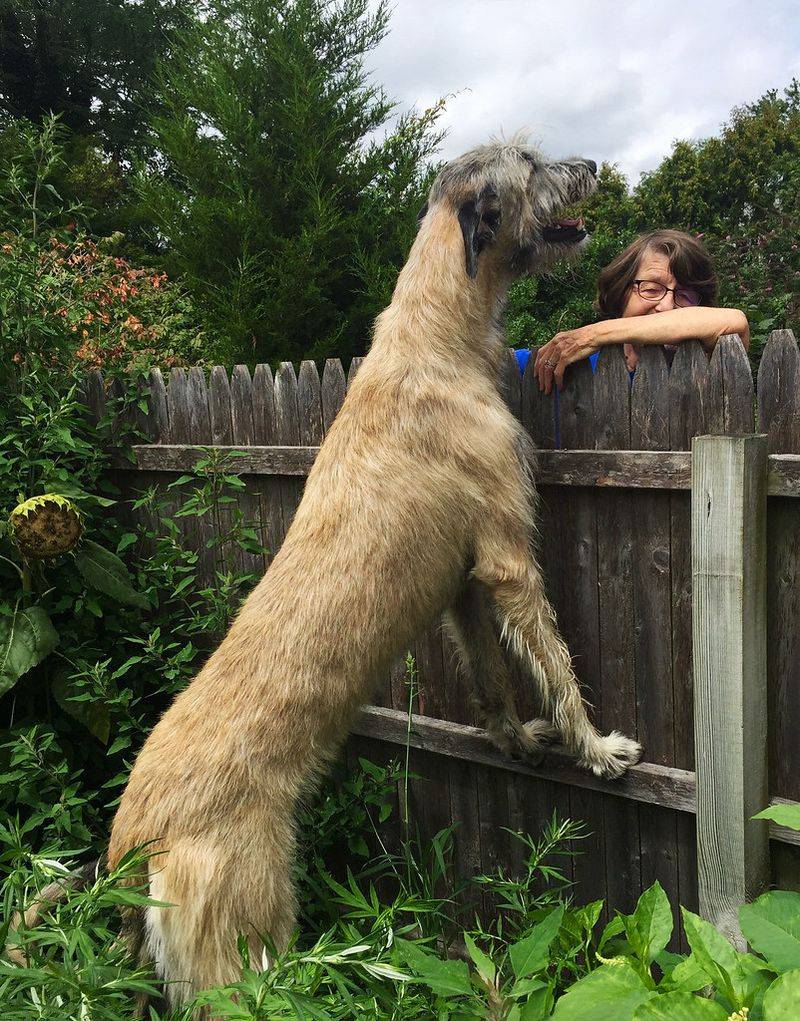
Irish Wolfhounds are towering sighthounds with surprisingly soft manners. Their calm presence fills a room without effort.
You will notice bursts of playful speed followed by enormous naps. Because of their height, you must dog-proof counters and consider car and doorway logistics.
Their rough coat needs regular slicker-brushing and tidy trims, but heavy matting is avoidable with consistency.
Joints and heart health deserve proactive veterinary care. Gentle conditioning, non-slip flooring, and careful nutrition protect long limbs.
Training is about building trust and recall amid distractions, since prey drive can light up outdoors. They are sensitive souls who respond best to kind structure.
Keep adventures spacious and safe. With thoughtful management, you gain a noble, affectionate companion who loves quiet company.
Leonberger
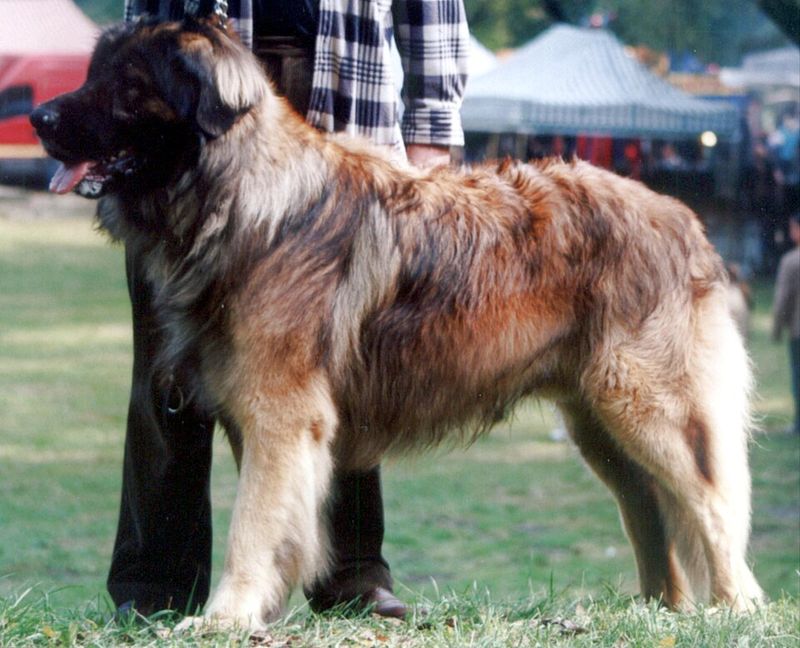
Leonbergers blend working-dog power with a friendly family vibe. Their lion-like mane and balanced temperament draw attention everywhere you go.
Expect seasonal coat blowouts and consistent grooming to prevent mats. A bath-and-blow routine helps manage undercoat.
You will need room for sprawling naps and a thoughtful plan for summer heat. They thrive when included in hikes, swims, and relaxed gatherings.
Training should be upbeat and clear. Focus on cooperative care like nail trims, brushing, and ear cleaning, since size can complicate appointments.
Socialization builds steadiness around strangers and other dogs. Orthopedic care, controlled growth, and measured exercise protect joints.
With calm leadership and daily enrichment, a Leonberger becomes a devoted, steady partner who reads your mood and sticks close.
Tibetan Mastiff
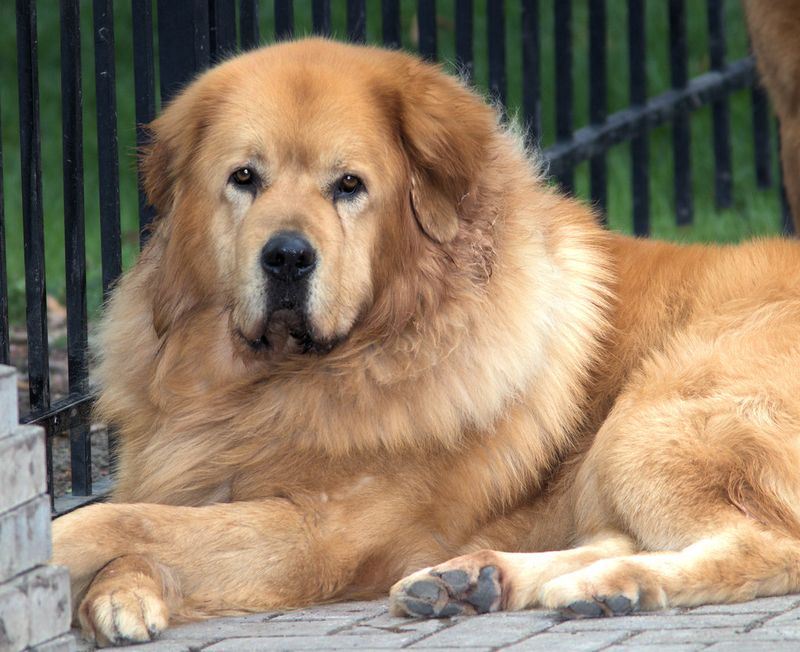
Tibetan Mastiffs are ancient guardians with a strong independent streak. They bond closely yet make thoughtful decisions on their own.
You will need secure fencing, structured routines, and calm consistency. Their dense coat sheds seasonally and benefits from thorough brushing and a powerful dryer.
Nighttime alertness can mean vocal guarding, so plan for neighbors and sound management.
Training focuses on boundaries, polite greetings, and reliable leash skills. Heavy-handed methods backfire, while fair leadership earns respect.
Socialization should be careful and ongoing, especially around unfamiliar dogs. Heat is challenging for this coat type, so prioritize shade and cool surfaces.
Regular health checks for thyroid and orthopedic issues help. With the right match, you gain a dignified protector who values peace at home.
Anatolian Shepherd Dog
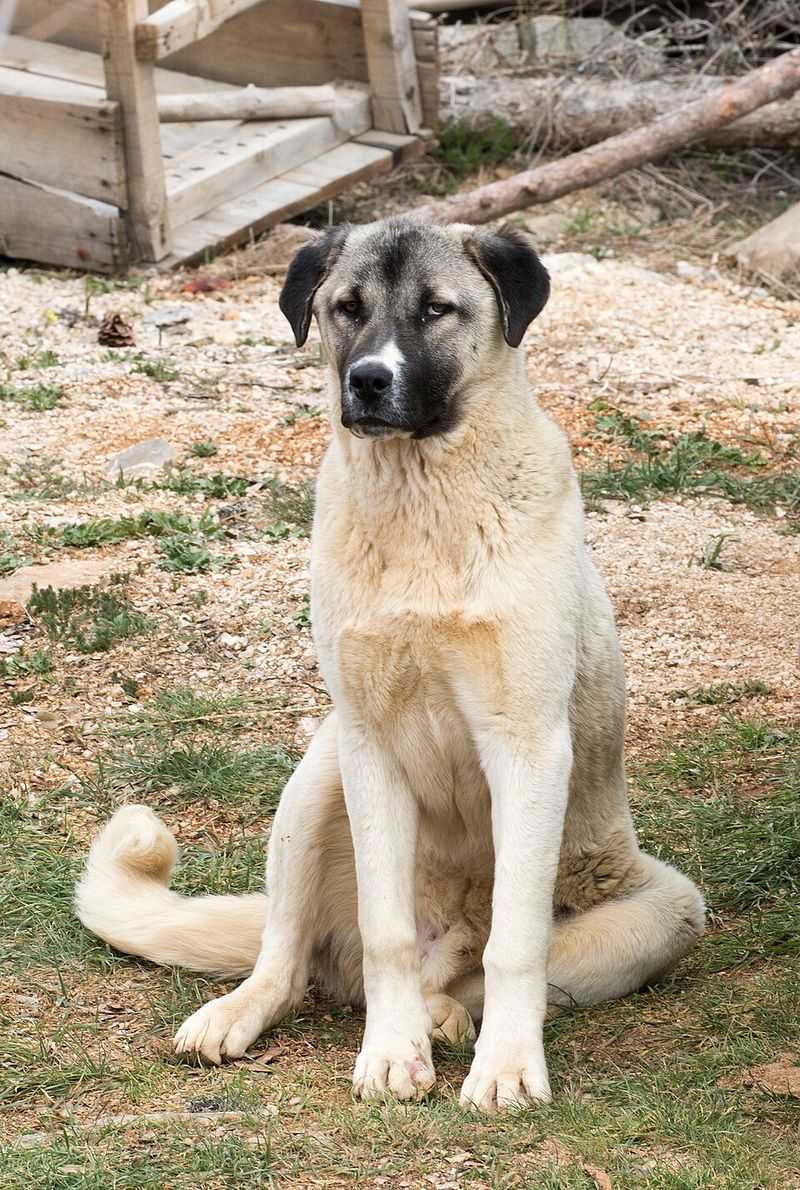
The Anatolian Shepherd Dog is a livestock guardian bred for independent problem-solving. Expect a confident dog who evaluates situations before acting.
You will need secure fencing, leashed walks, and structured introductions with visitors. Their coat is moderate to maintain, with seasonal shedding.
Mental work matters as much as mileage. Give purposeful jobs like perimeter walks or scent games.
Training should emphasize calm impulse control, rock-solid recall, and cooperative care. Heavy correction is unnecessary when clarity and consistency are present.
Socialization must be thoughtful to prevent overguarding. Heat tolerance varies, but shade and cool rest spots are smart.
Monitor joints and maintain lean condition to support longevity. With respectful leadership, you gain a vigilant partner who quietly keeps watch while you live your life.
Great Pyrenees
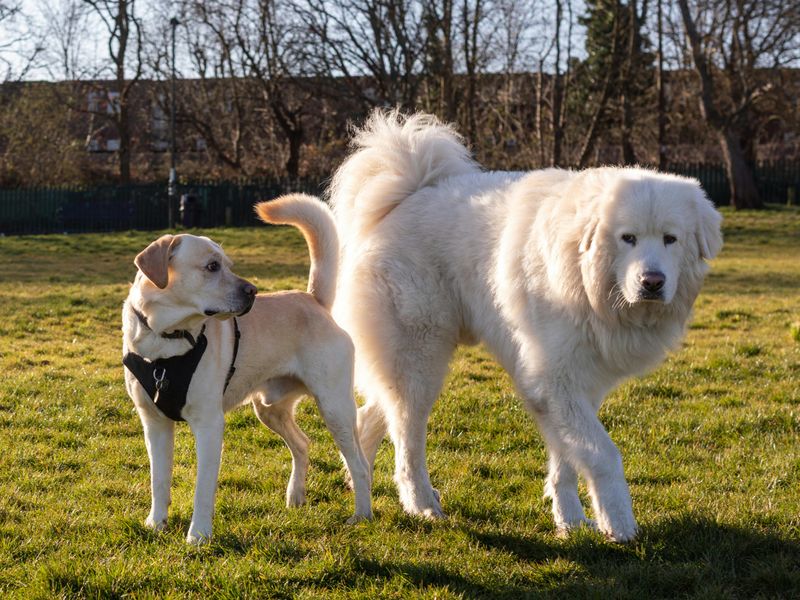
The Great Pyrenees is calm, steady, and tuned to their environment. Expect night guarding instincts and a deep bark that carries.
You will need sturdy fencing, predictable routines, and patient training. Their white double coat blows seasonally, requiring diligent brushing and strategic vacuuming.
They are affectionate with family yet may be reserved with strangers, which is normal for the breed.
Exercise is about purposeful movement rather than marathon runs. Teach solid recall and boundary awareness early.
Cooperative care like brushing and nail trims is easier when started young. Heat awareness is crucial with that dense coat.
Keep shade and water available. With respectful structure, you gain a gentle sentinel who lounges by day and quietly watches your world by night.
Bernese Mountain Dog
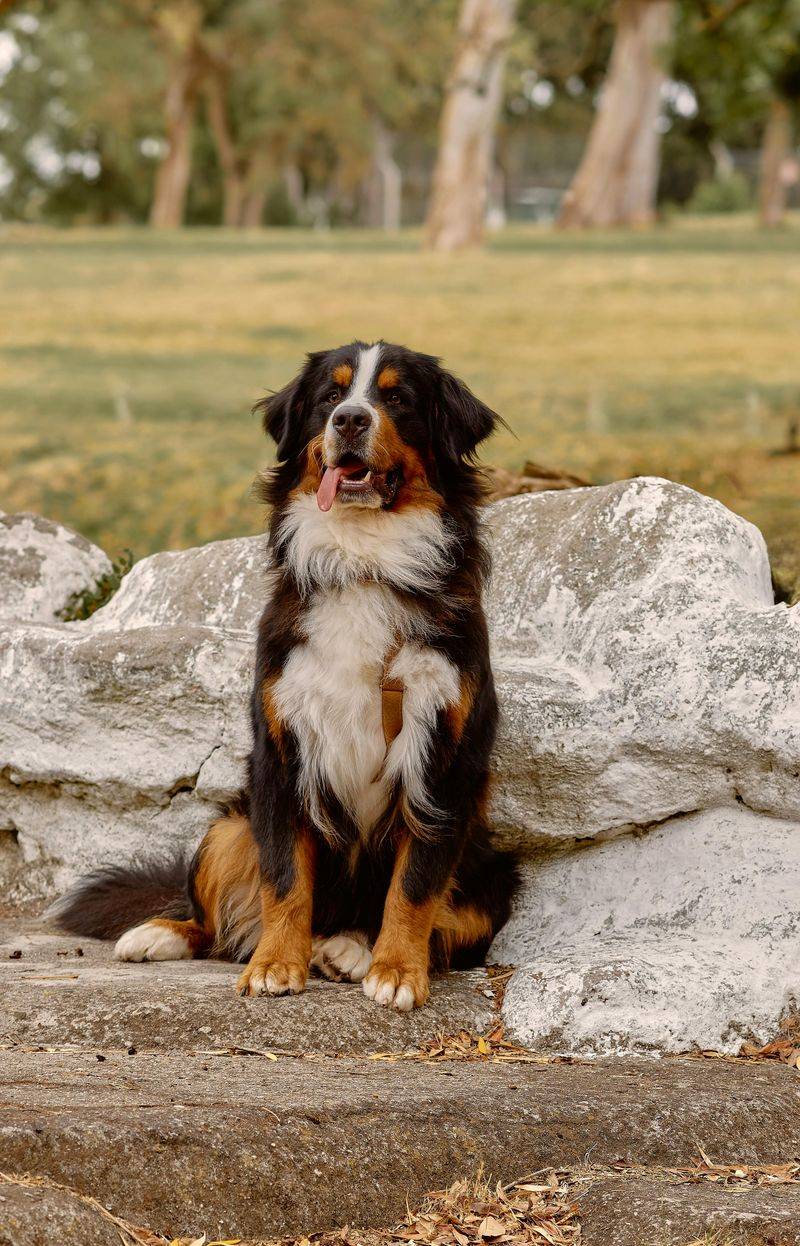
Bernese Mountain Dogs are affectionate working companions with a famous tri-color coat. They adore being included in everything, from patio coffees to weekend hikes.
You will need steady grooming, since undercoat sheds heavily. Their sweet nature can be sensitive, so keep training kind and clear.
Introduce new environments gradually to build confidence and reduce stress.
Because the breed faces certain health vulnerabilities, proactive veterinary care matters. Keep them lean, support joint health, and avoid repetitive high-impact activity.
Focus on cooperative care and calm leash skills, since they draw attention in public. Heat management is essential due to that thick coat.
In exchange for thoughtful care, you get a devoted partner who leans on your leg and brightens the room.
Scottish Deerhound
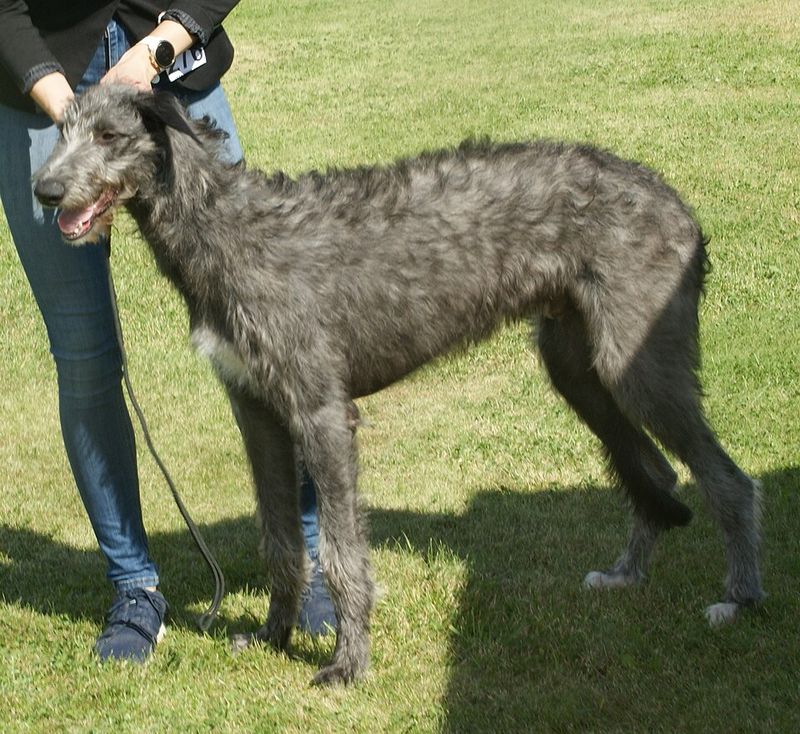
Scottish Deerhounds move like poetry when given space. They are gentle, courteous, and happiest with soft beds and quiet company.
You will see bursts of speed followed by luxurious lounging. Their rough coat needs regular brushing but minimal trimming.
Because of their height, house logistics like counters, cars, and crate size deserve planning.
Training focuses on recall and calm greetings, supported by patient, reward-based methods. Sighthound instincts mean fenced areas and leashed walks in tempting terrain.
Joint care, heart health, and careful growth are priorities. Keep exercise low impact with occasional sprints in safe spaces.
Heat can be tough, so schedule play in cool hours. With considerate routines, you gain a graceful friend who brings serenity and understated charm.
Cane Corso
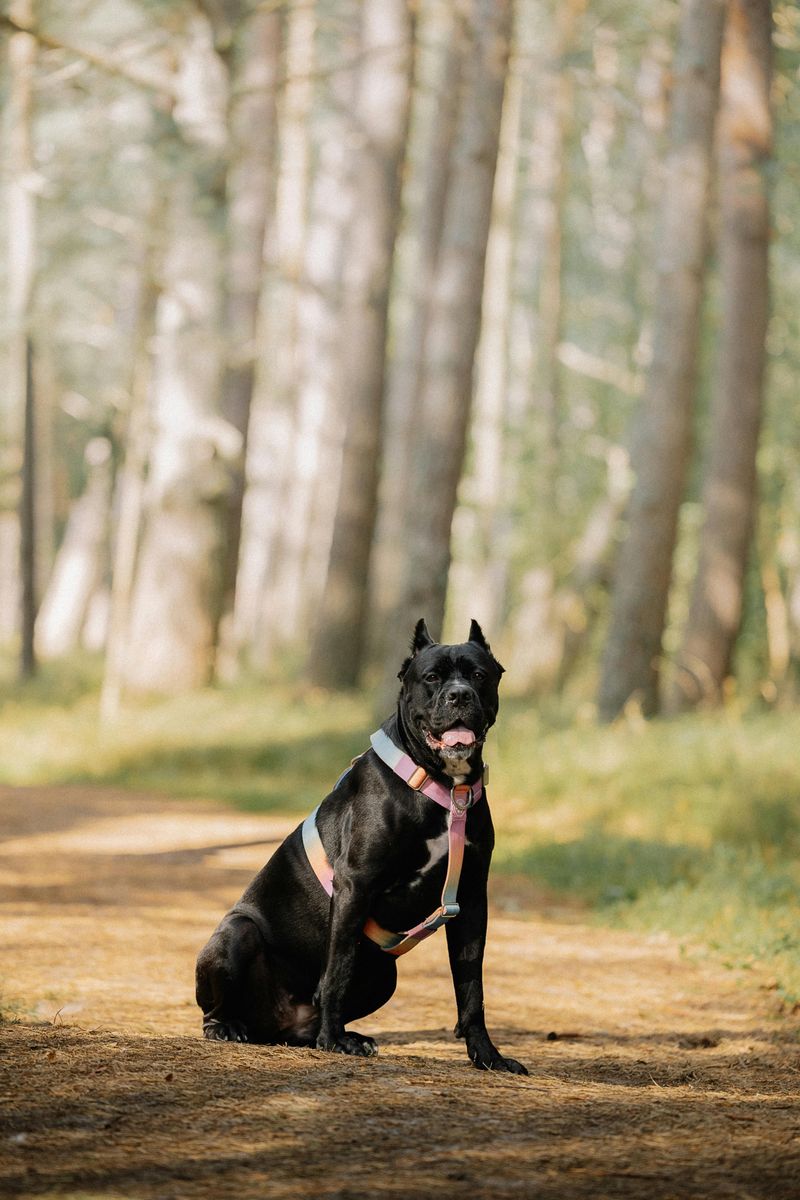
The Cane Corso is confident, athletic, and deeply bonded to family. Clear boundaries and daily structure matter from day one.
You will want early socialization, polite leash work, and calm door manners. Mental outlets like obedience drills, scent games, and place training help channel intensity.
Their short coat is easy, but drool can surprise you after water breaks.
Because of natural guarding instincts, leadership must be steady and fair. Focus on neutrality around strangers and other dogs, not endless meet-and-greets.
Joint health and growth control are critical in adolescence. Maintain lean weight and prioritize purposeful exercise over chaotic fetch.
With consistent expectations and ample engagement, you gain a discerning protector who settles beautifully at home.
Boerboel
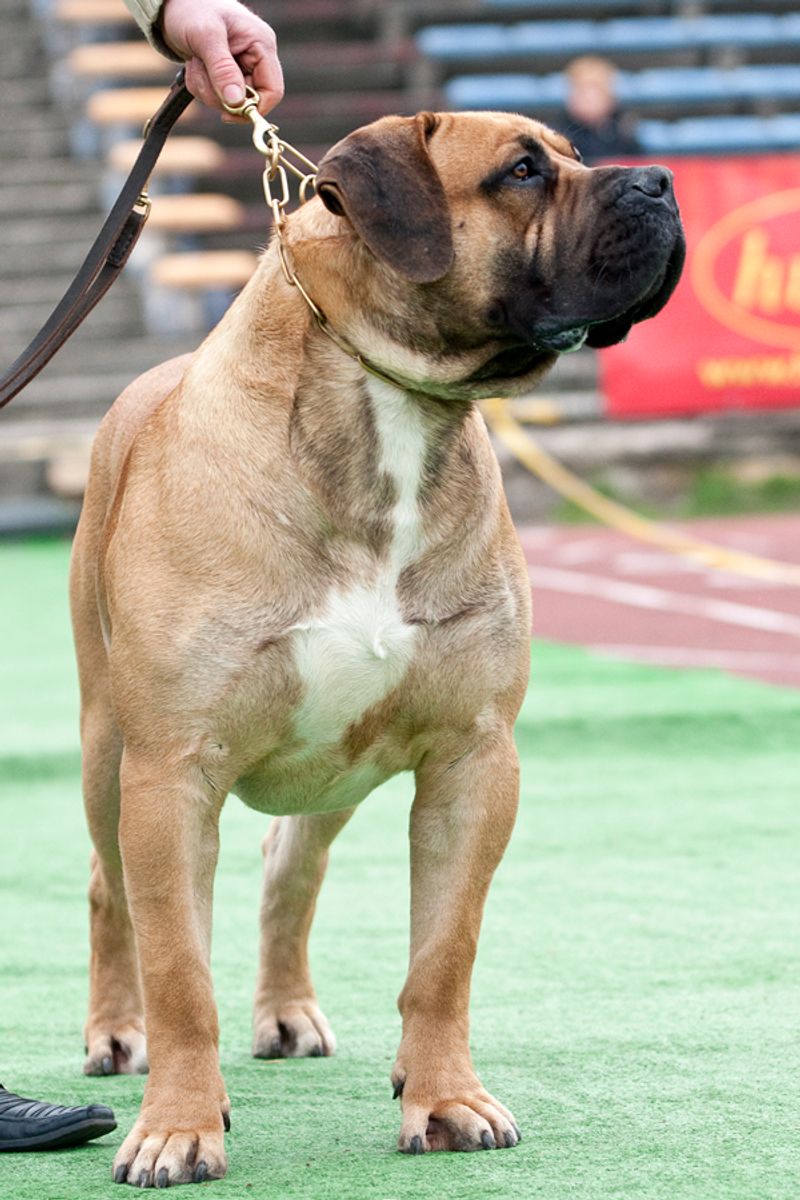
The Boerboel is a South African farm guardian known for power and presence. Expect a confident dog who needs structure, purpose, and respectful handling.
You will prioritize impulse control, recall, and neutrality around guests. Secure fencing and thoughtful introductions are essential.
Coat care is minimal, but joint protection and lean nutrition are lifelong goals.
Training rewards calm decision-making over flashy tricks. Heavy-handed methods create resistance, while fair consistency builds trust.
Mental work like boundary games and obedience patterns is satisfying. Daily exercise should be steady and focused, not frantic.
Heat awareness is smart for this muscular breed. With strong leadership and predictable routines, you gain a devoted family guardian who relaxes peacefully when the job feels handled.
Dogue de Bordeaux
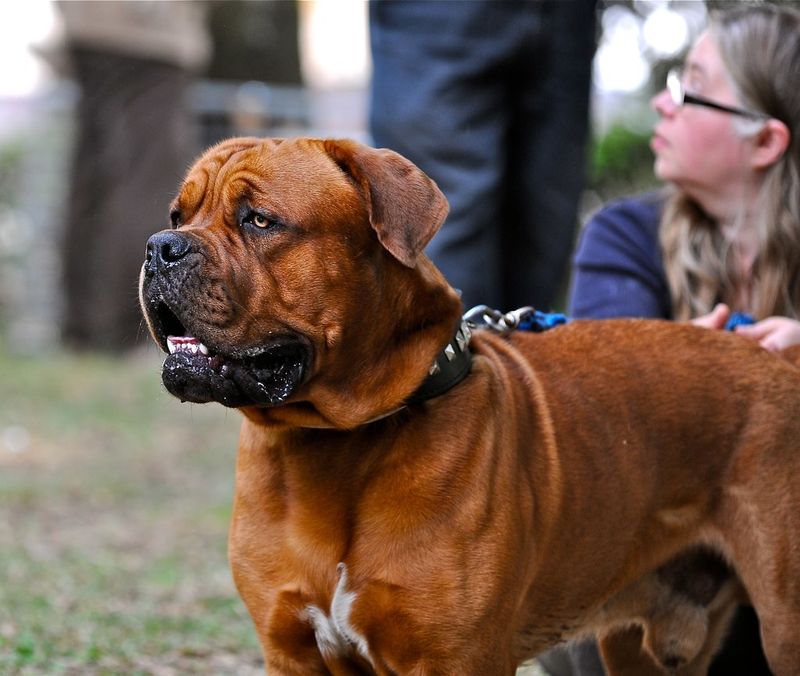
The Dogue de Bordeaux is famous for a massive head and an even bigger heart. Expect drool, snoring, and comedic charm.
You will want soft beds, cool floors, and a plan for warm weather. Their short coat is simple to maintain, but skin folds need regular cleaning.
They bond closely and thrive with gentle, predictable routines.
Training should be calm and reward-based. Teach loose-leash walking, polite greetings, and cooperative care early.
Exercise is moderate and controlled to protect joints and breathing. Keep sessions short in heat.
Proactive veterinary care for heart and orthopedic health is wise. With patience and affection, you gain a devoted couch companion who looks formidable yet melts for family time.
Black Russian Terrier
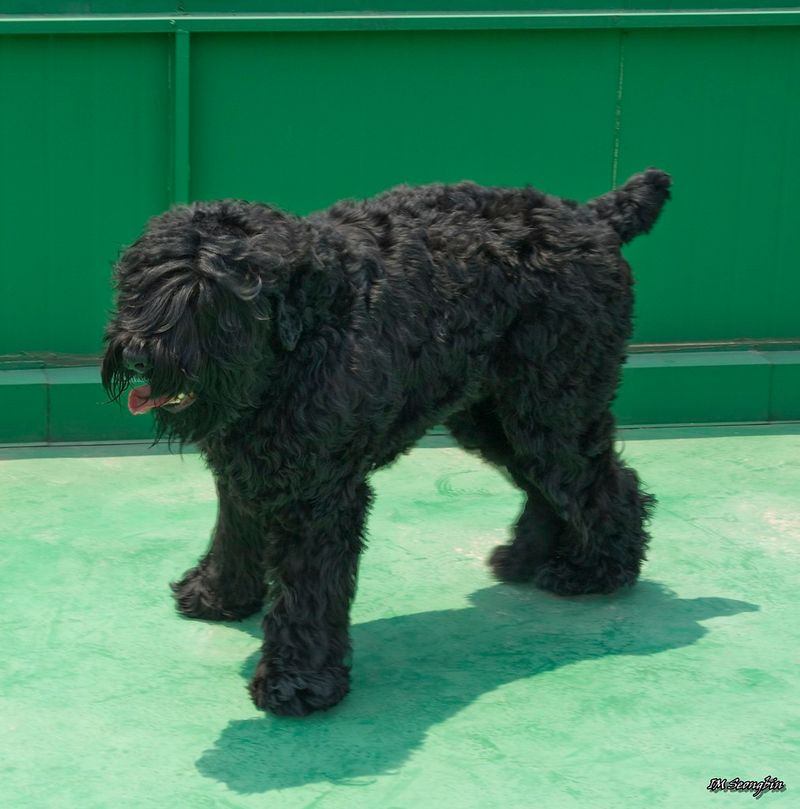
The Black Russian Terrier is a purpose-bred working dog with brains and brawn. Expect a loyal partner who thrives on training structure.
Their dense coat requires serious grooming, including line-brushing and professional shaping. You will need time, tools, and consistency to keep mats at bay.
They can be reserved with strangers, so thoughtful socialization builds confidence without forcing interactions.
Training should include impulse control, heelwork, and reliable recall. Mental tasks like scent work or advanced obedience keep them satisfied.
Heat management is important due to the dark coat. Provide shade and rest on warm days.
Joint health and balanced conditioning support longevity. With engaged leadership and meaningful jobs, you gain a formidable teammate who settles sweetly with family.
Komondor
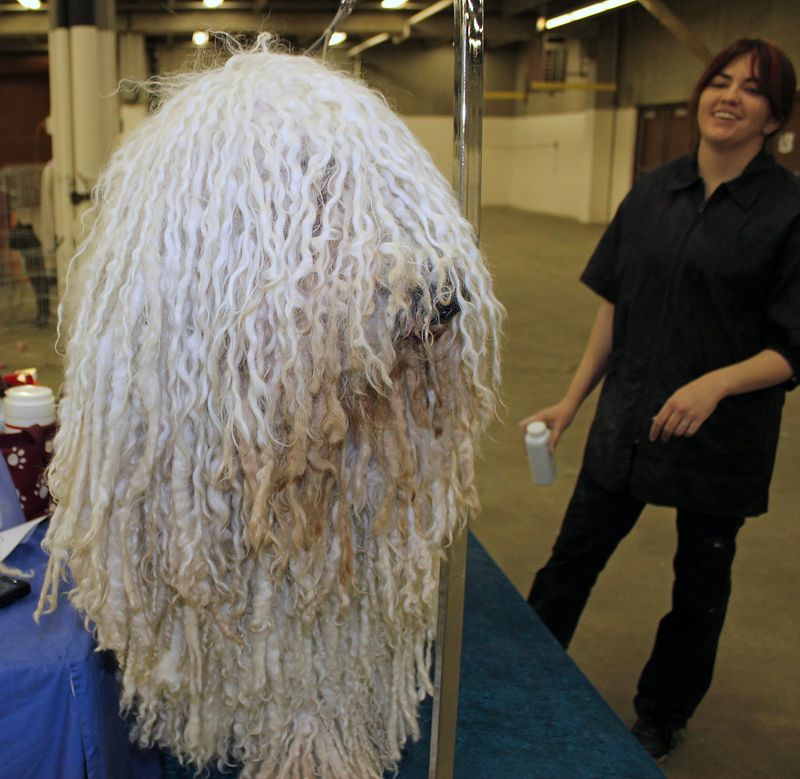
The Komondor’s corded coat turns heads, but maintenance is real. Forming and separating cords takes time, patience, and knowledgeable hands.
You will manage drying after baths carefully to prevent odor or skin issues. Their livestock guardian mindset means independence and watchfulness.
Secure fencing and structured introductions keep everyone comfortable.
Training emphasizes calm boundaries, recall, and cooperative handling for grooming. Socialization should be steady, not overwhelming, to prevent overprotective behavior.
Heat can be challenging with heavy cords, so provide shade, airflow, and cool surfaces. Exercise is purposeful and moderate, focusing on patrol-like walks.
With respectful routines and diligent coat care, you gain a devoted protector whose unique silhouette hides a tender, loyal heart.