
Some sounds flip a switch in dogs faster than you would expect. A sudden bang or piercing beep can turn a calm evening into a scramble for safety.
The good news is you can reframe many noises with simple, consistent steps. Let’s explore which sounds rattle dogs quickly and which ones invite them to relax.
Fireworks

Fireworks explode without warning, and dogs cannot predict the next bang. The sudden cracks, whistles, and vibrations feel overwhelming, especially when they echo off buildings.
You might notice pacing, trembling, panting, or frantic attempts to hide, all signs of a nervous system on high alert.
To help, start sound desensitization at a very low volume paired with treats and play. Create a quiet retreat with white noise, blackout curtains, and a snug vest that provides gentle pressure.
On holidays, plan early walks, update tags, and keep you indoors together, turning the night into calm training time. If anxiety spikes, talk with your veterinarian about pheromone diffusers, supplements, or medication plans tailored to your dog’s history.
Practice weeks before expected celebrations.
Thunderstorms

Thunderstorms combine low rumbles, sharp claps, wind gusts, and flashes of light. Dogs feel barometric pressure changes and static buildup, which can make fur prickle before thunder even arrives.
You might see lip licking, yawning, velcro behavior, or escape attempts as your dog anticipates the sky’s next crack.
Prep a safe room with curtains closed, white noise playing, and a familiar chew to lower arousal. Try counterconditioning with recorded storms at a barely audible level, rewarding calm as volume gradually increases over weeks.
During real storms, stay relaxed, play simple cue games, and avoid scolding nervous reactions. If your dog panics, ask your veterinarian about anxiety wraps, pheromones, nutraceuticals, or short-term medication to create learning opportunities.
Introduce strategies between storms.
Vacuum cleaners

Vacuum cleaners roar, whine, and move unpredictably across territory dogs guard every day. The sudden start, shifting pitch, and strong airflow can feel like an intruder sweeping through scent maps.
You may notice barking, lunging, retreating to corners, or vigilant tracking of the machine’s path around your furniture.
Start with the vacuum unplugged, pairing its presence with treats and relaxed play at a distance. Next, turn it on in another room, feeding a steady stream of snacks while it stays still.
Gradually add motion and duration, finishing sessions before stress climbs. Consider robot vacuums scheduled while you walk.
If fear persists, ask a trainer about desensitization plans, management, and reinforcing calm on a mat with a long-lasting chew during cleaning.
Sirens

Sirens rise and fall with piercing frequencies that travel far and bounce off buildings. Dogs hear the approach long before you do, which can trigger confusion or protective arousal.
You might see howling, pacing, startle responses, or frantic scanning as emergency vehicles pass through your neighborhood intersections.
Teach a conditioned relax cue, like settling on a mat, then practice with recorded sirens at low volumes. Pair every rise in sound with high-value treats and calm breathing so your dog predicts comfort, not threat.
When real sirens appear, engage in scatter feeding, cue nose targets, and praise recovery. If sensitivity escalates, consult your veterinarian or trainer about structured plans, ear protection options, and management while first responders move nearby in emergencies.
Smoke alarms
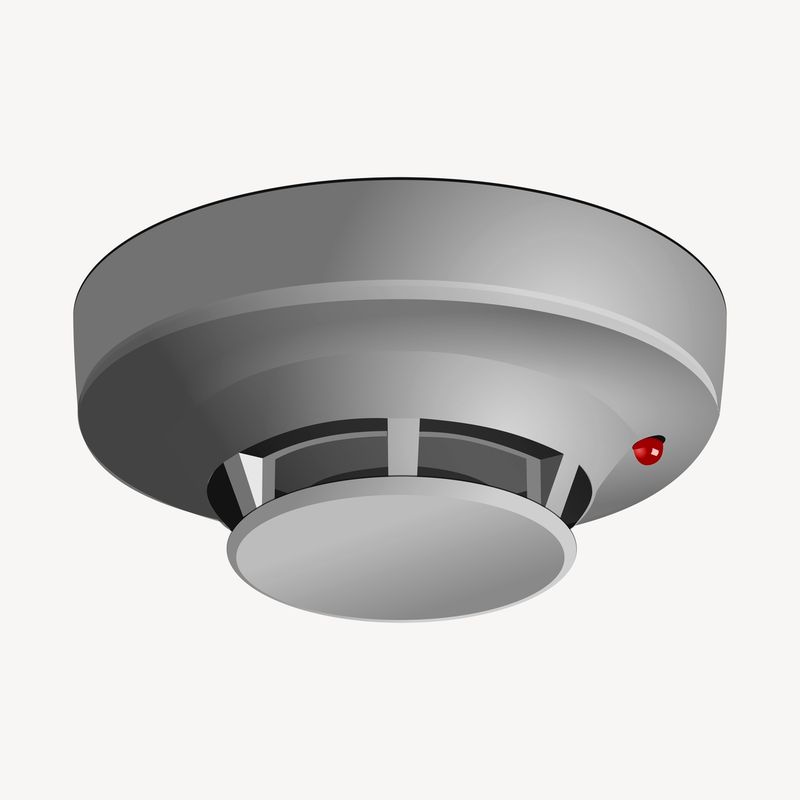
Smoke alarms deliver abrupt, high pitched chirps that feel like a lightning strike to sensitive ears. The shock often arrives during sleep, stacking fear on confusion.
You might notice bolting, shaking, drooling, or clinginess as your dog scrambles to escape the unpredictable piercing beeps.
Replace low battery chirps immediately and test at predictable times, pairing each beep with treats and praise. Create a quiet refuge with soft music, dim lights, and a snuggly bed.
Practice evacuation calmly so alarms predict movement to safety. If panic persists, consult your veterinarian about desensitization and supportive medication.
Teach a hand target, then guide to the safe area during tests, rewarding steady breathing and relaxed posture with gentle massage and slow feeding for confidence.
Construction equipment
Construction equipment brings grinding motors, beeps, metal clanks, and shaking ground that rattle canine nerves. Vibrations travel through paws and floors, making the environment feel unstable and risky.
You might see refusal to walk, frozen posture, tucked tail, or darting glances near job sites or noisy street repairs.
Choose quieter routes and add distance, rewarding each step that stays under threshold. Use patterned games like find it, hand targets, and sniff breaks to shift focus.
Gradually reintroduce closer proximity on weekends when crews are minimal. For urban living, combine window film, white noise, and enrichment to reduce stress.
If fear lingers, collaborate with a force-free trainer for structured plans and teach a go to mat cue for portable calm anywhere.
Hair dryers
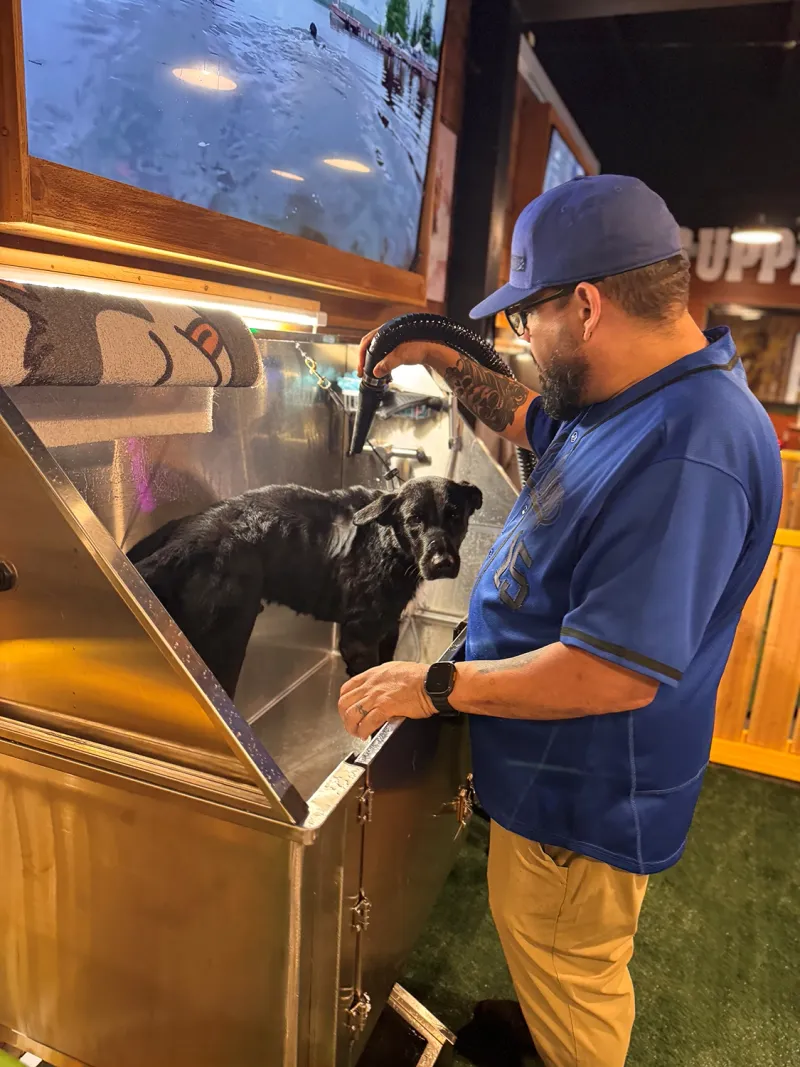
Hair dryers blast hot air and high pitched whines directly toward sensitive ears and whiskers. That combination of heat, noise, and proximity can feel threatening, especially around the face.
You might see squirming, lip licking, pawing, or head turns as your dog tries to create space from the stream.
Switch to towel drying first, then introduce the dryer across the room at low heat. Feed a slow treat trail while air flows past, not at, the body.
Short sessions build tolerance, especially if you add breaks for sniffing and shakes. Sensitive dogs may prefer quiet grooming stations or canine dryers.
If fear persists, consult a groomer and trainer to design cooperative care routines with consent cues and predictable handling protocols.
Loud yelling
Loud yelling is abrupt, intense, and directed, which many dogs interpret as social conflict or threat. Even if it is not aimed at them, the tension fills rooms with uncertainty.
You might notice appeasement signals, cowering, hiding, or barking back as your dog tries to resolve the situation.
Trade shouting for clear, calm cues and generous reinforcement of the behaviors you want. If arguments arise, move the dog to a quiet space with a chew and white noise.
Practice calm voice games, like whisper sits and slow treat delivery. Over time, your home can feel predictably safe and cooperative.
If reactivity persists, seek help from a credentialed trainer to build coping skills and household agreements that prevent repeated stressful escalations.
Soft classical music

Soft classical music often lowers arousal by providing gentle, predictable patterns without startling spikes. Slow tempos and simple arrangements can cover outside noises while encouraging settled breathing.
You might see relaxed ears, heavier sighs, slower blinking, and an easier transition into rest when the playlist comes on.
Create a music station you use during downtime, training, and recovery after exciting outings. Pair the sound with comfy beds, lick mats, and dim lighting so your dog associates peace.
Avoid sudden volume changes and keep speakers away from sensitive ears. Over days, the soundtrack becomes a cue for relaxation.
Test pieces from different composers, noting which tracks soften posture, deepen breathing, and encourage calm chewing without adding too much stimulation for them.
Gentle white noise
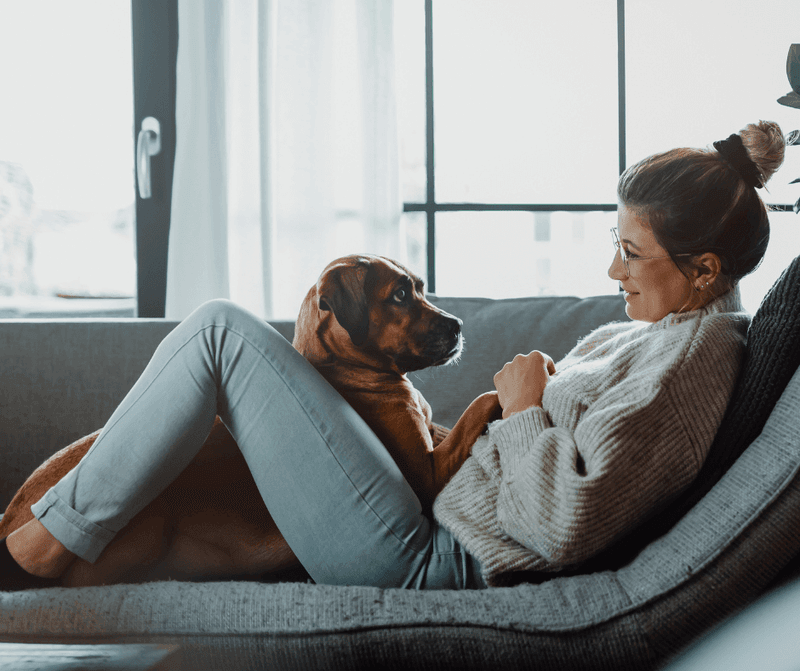
Gentle white noise masks sharp environmental sounds by creating a steady, neutral backdrop. That consistency helps buffer random doors closing, distant traffic, or hallway chatter in apartments.
You may notice fewer startles, easier naps, and smoother recoveries from excitement when a soft fan or noise machine is running.
Choose low to moderate volumes and place the source away from beds to protect sensitive hearing. Pair the sound with predictable routines like settling on a mat or chewing a stuffed toy.
Avoid harsh, hissy tracks. Over time, this consistent hum signals safety, helping your dog downshift from alert to relaxed.
Test pink or brown noise options, choosing whichever softens posture, reduces scanning, and supports breathing during naps and evening wind downs.
Calm human voices
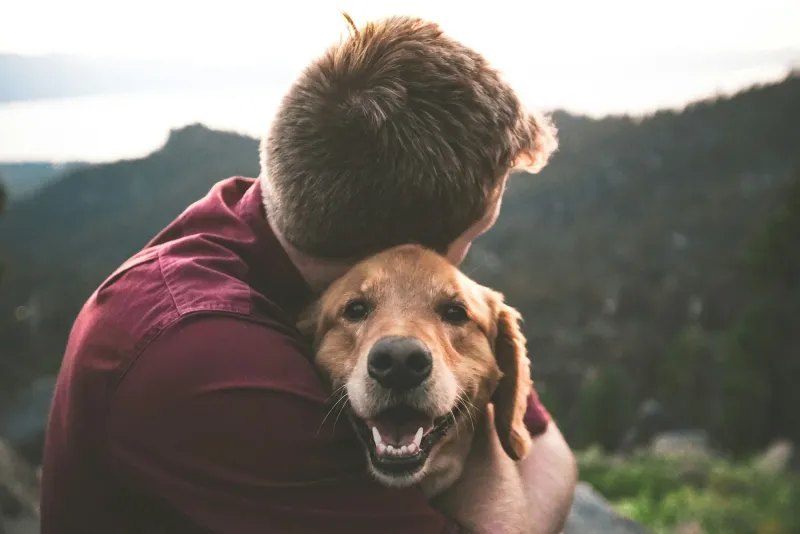
Calm human voices can anchor nervous dogs by offering familiar rhythms and social reassurance. A steady, low tone says everything is safe, even when outside sounds fluctuate.
You might notice softer eyes, relaxed shoulders, and a willingness to follow light cues when you narrate routines in a friendly way.
Read aloud during quiet time or work calls, delivering predictable pauses and gentle emphasis. Pair speech with slow petting only if your dog seeks touch, avoiding crowding.
Sprinkle food for simple searches as you talk. Over days, your voice becomes a calming context cue that helps your dog settle faster.
Record short reassurance clips for absences, testing volumes so messages soothe without startling when mail carriers or neighbors make noise nearby.
Quiet nature sounds

Quiet nature sounds like rain, rustling leaves, or soft streams can cue rest through gentle, organic patterns. These textures lack abrupt edges and often mirror calming outdoor experiences.
You might see cozier nesting, longer stretches of sleep, and smoother transitions after walks when the background is lightly natural.
Build a playlist with running water, distant birds, or wind through pines at consistent, low levels. Pair with cozy beds, chews, and lights dimmed to evening mode.
Avoid thunder or sudden animal calls. Over time, your dog can link these sounds with comfort, allowing relaxation to arrive more predictably.
Test different tracks and note which selections help reduce vigilance, smooth breathing, and encourage restful positions like side sleeping or a relaxed curl.