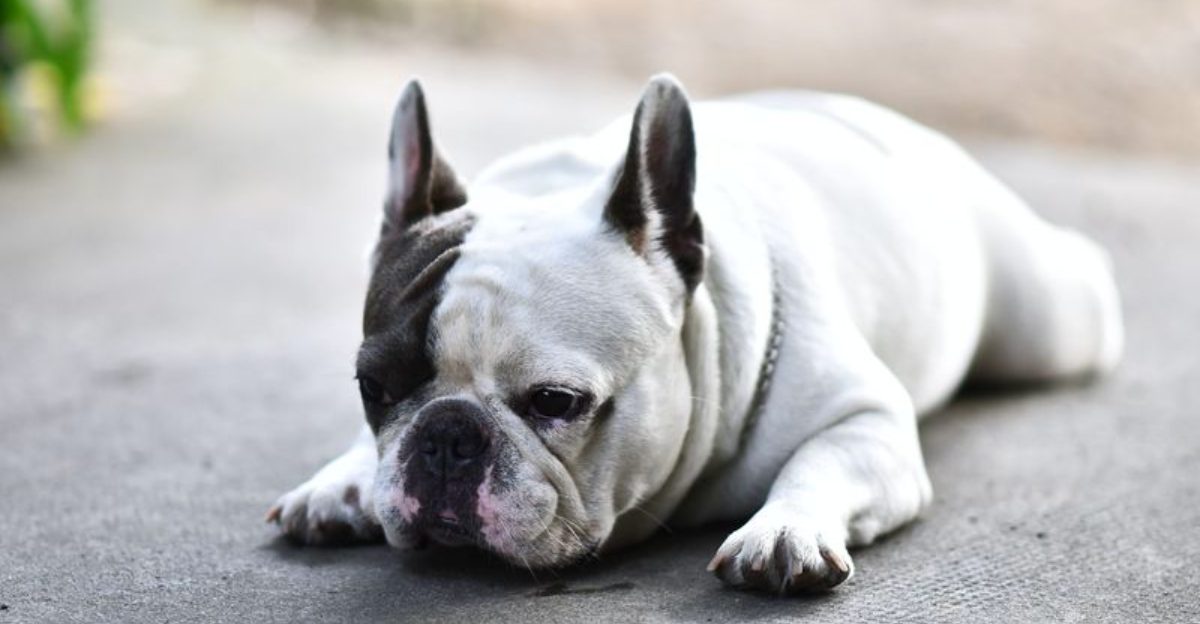
A little doggy snore can be cute, but sometimes that nighttime rumble hints at something more. If you live with a short-nosed breed, you probably know the soundtrack well.
The trick is learning the difference between normal sleepy noises and warning signs you should never ignore. Here is how to tell when to relax and when to call your vet.
English Bulldog
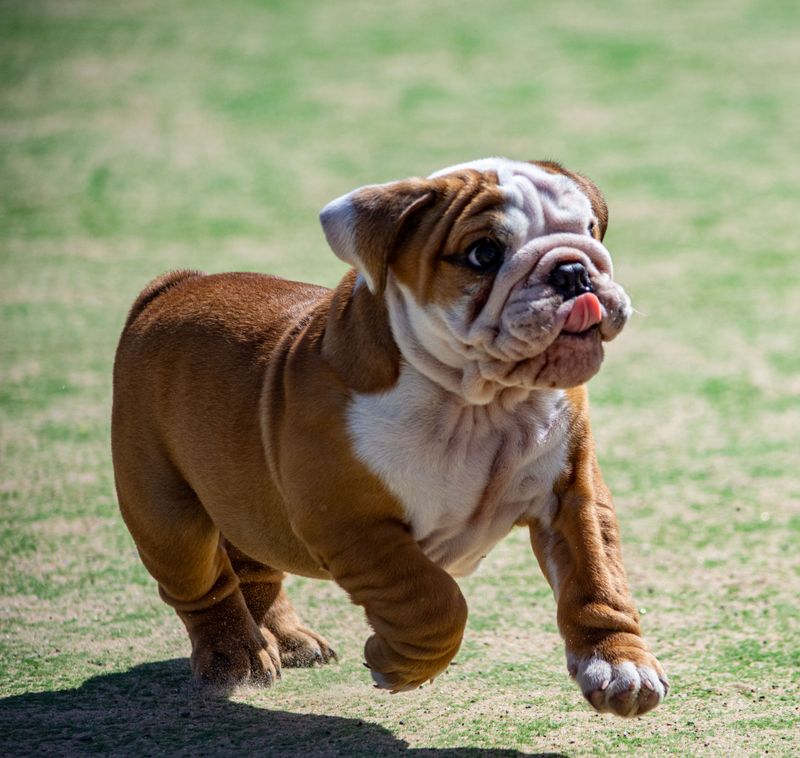
English Bulldogs are champion snorers thanks to short muzzles, thick necks, and narrow nasal passages. That rumble is usually harmless when your dog is relaxed on its side after a busy day.
But heavy snoring paired with labored breathing or frequent wakeups can signal airway inflammation. Loudness often spikes when they sleep flat on their back or after a hot walk.
Watch for blue-tinged gums, gagging, heat intolerance, or snoring that suddenly worsens with weight gain. I like using a harness, keeping rooms cool, and scheduling gentle exercise to support easier breaths.
If your bulldog struggles during sleep or play, ask your vet about nostril widening, palate trims, or allergy management. A modest weight loss and a raised head pillow can make nights noticeably quieter.
French Bulldog
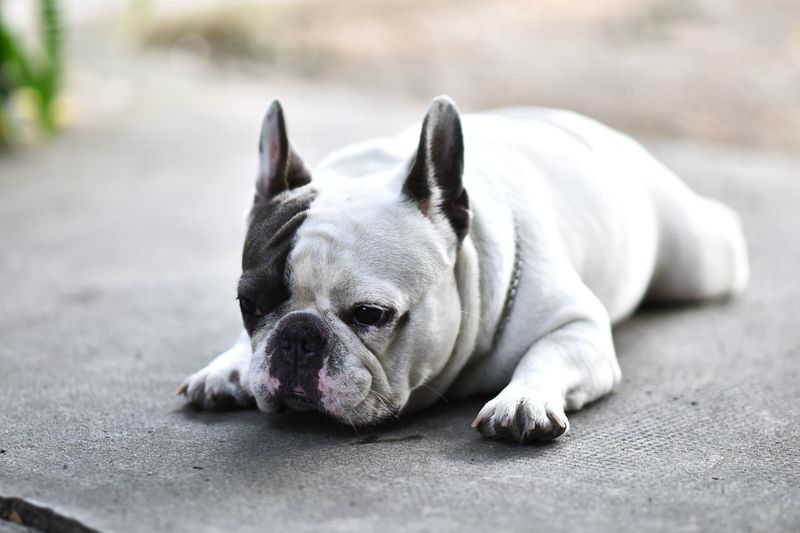
French Bulldogs snore because compact skulls and soft palates leave little room for smooth airflow. You will hear piggy grunts while they dream, especially after an energetic play session.
Most of it is normal, but choking sounds or pauses in breathing are red flags. Elevating the head and side sleeping can quiet the snorts.
Check for panting at rest, restless sleep, or snoring that gets louder with seasonal allergies. I keep mine slim, use a cooling mat, and run a white noise machine so I sleep too.
If your Frenchie tires quickly or struggles in heat, call your vet about airway exams and possible surgery. Short, cool walks at dawn help protect their airways and confidence.
Pug
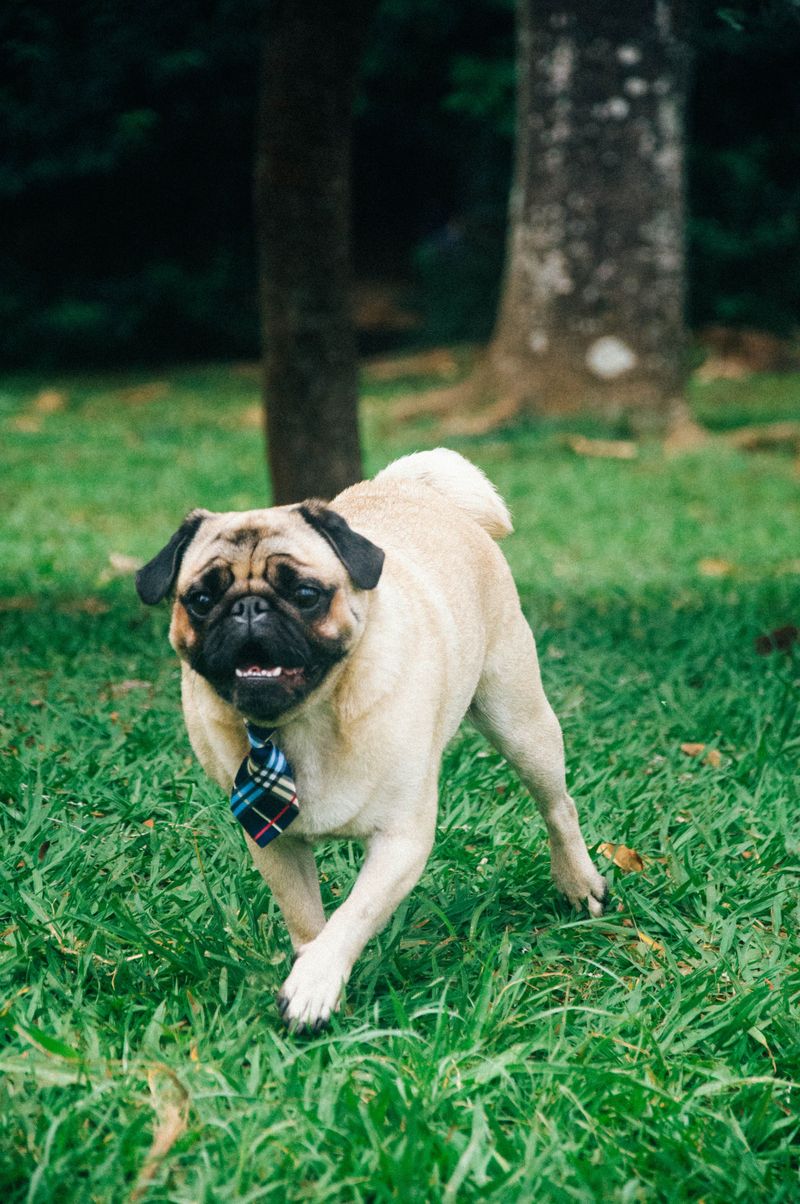
Pugs are adorable saxophones, producing honks and snores from squished noses and elongated soft palates. If the sound stays steady while they dream, it is probably routine.
Sudden volume spikes, restless pacing at night, or gasping should make you pause. A cooling vest and side-sleep training can reduce nighttime rumbling.
Look for nasal discharge, coughing, blue gums, or collapsing during play, which can hint at airway trouble. I wipe facial folds, use an air purifier, and keep treats light to avoid extra neck bulk.
If your pug seems anxious when lying down, ask your vet about stenotic nares or palate trimming. Short snout, big heart, so keep walks slow and shady when temperatures climb.
It helps more than you think.
Boston Terrier
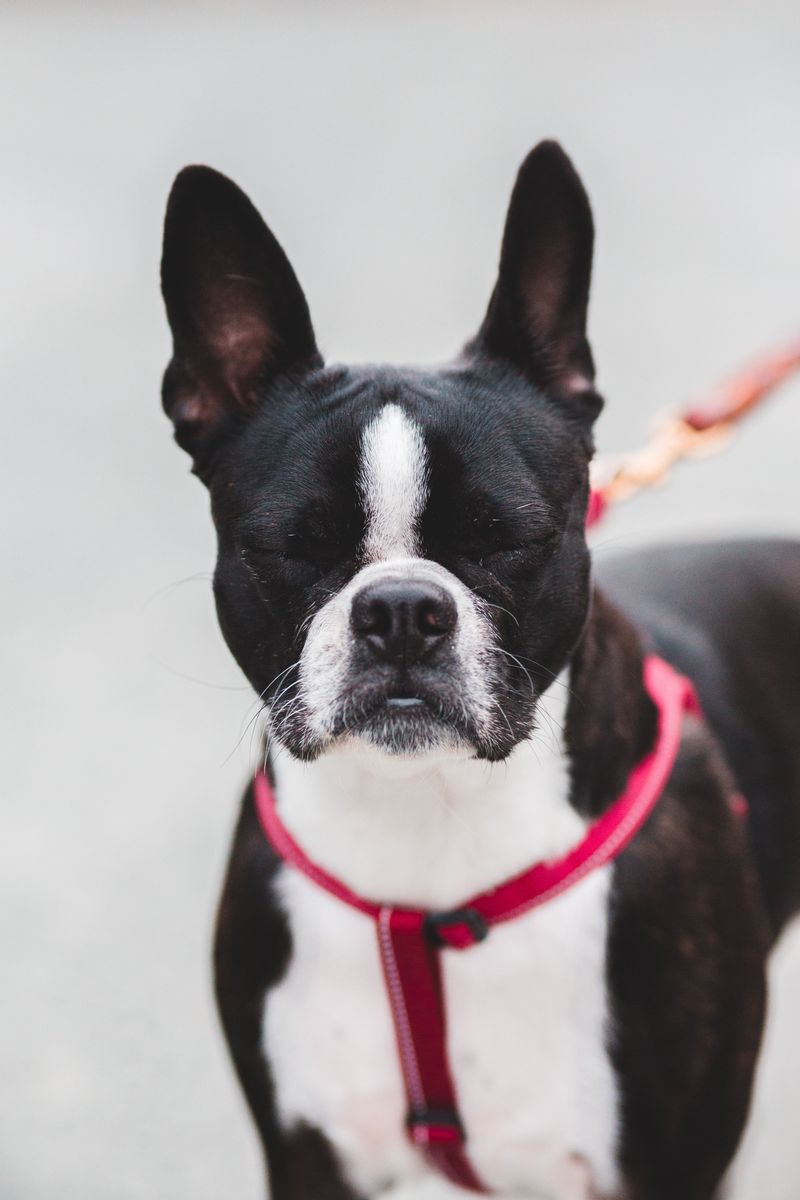
Boston Terriers often snore because their noses are short and their palates floppy. Light snorting during naps is typical, especially after zoomies.
What is not typical is gagging, coughing fits, or pauses that jolt them awake. Soft bedding near a fan can keep nights calmer.
Monitor for heat intolerance, mouth breathing at rest, or noisy sleep that worsens with colds. I aim for lean muscle, short training bursts, and a raised bed to help airflow.
If your Boston snores sitting up or struggles to settle, schedule a brachycephalic airway evaluation. Avoid neck pressure by choosing a harness and a slow-feed bowl for calmer meals.
If allergies flair, talk about antihistamines or humidifiers. Catching problems early keeps that happy snort safe.
Boxer
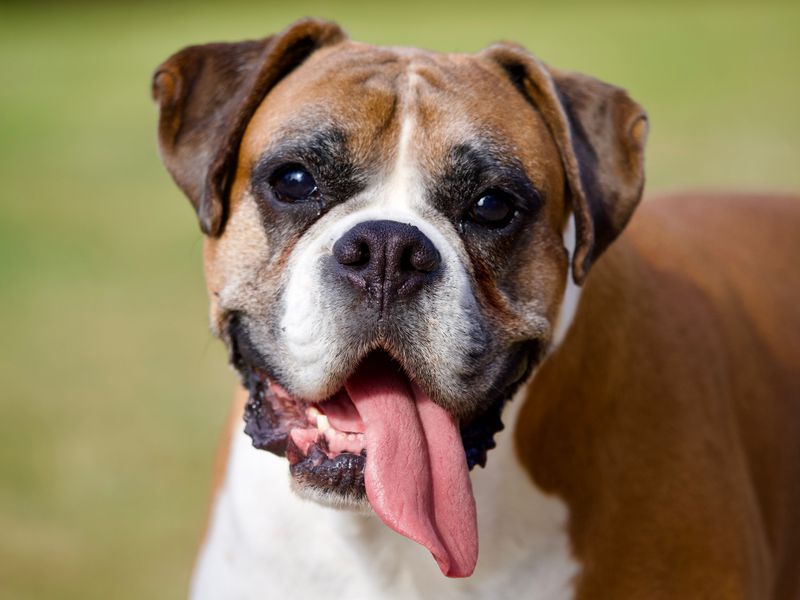
Boxers can snore loudly due to broad heads, soft tissue crowding, and enthusiastic dreaming. Many simply saw logs after a run and dinner.
But raspy breaths, coughing, or collapses after excitement mean something needs checking. Side sleeping often helps the rumble settle.
Watch for drool changes, pale gums, exercise intolerance, or snoring that intensifies with weight gain. I prioritize heart screenings, because Boxers can hide issues that mimic simple snoring.
Keep rooms cool, try a wedge pillow, and break workouts into shorter sessions. If your Boxer faints or coughs at night, see your vet promptly.
Early advice can prevent emergencies and keep that goofy grin shining. Small steps make big changes over weeks.
Consistency is your secret tool.
Shih Tzu
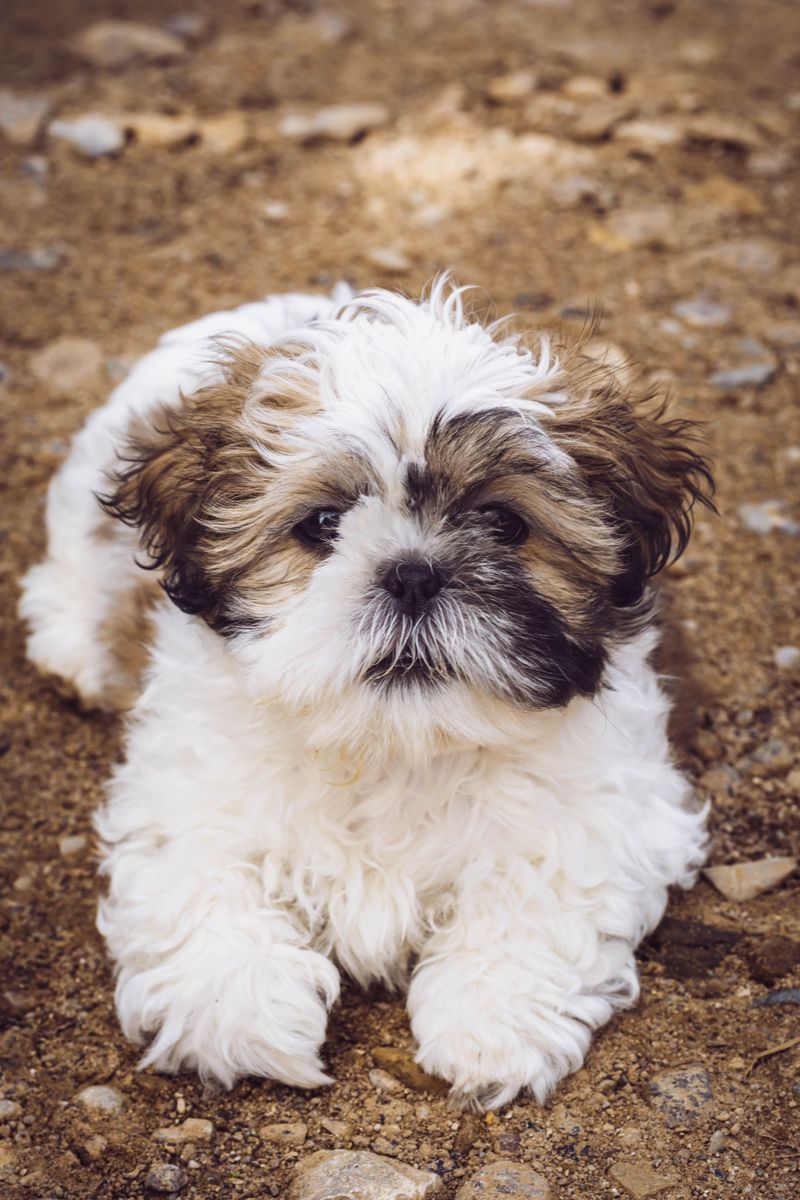
Shih Tzus are cozy companions that often snore from short snouts and plush throats. Quiet, rhythmic snores are common, especially after grooming day or couch cuddles.
Noisy gasps, restless tossing, or gray gums deserve attention. A slightly raised bowl and harness reduce neck strain during meals and walks.
Track whether snoring changes with seasons, weight, or sleeping position. I brush daily, clear tear staining, and use a humidifier to soothe delicate tissues.
If your Shih Tzu snores sitting up or coughs after play, ask your vet about airway testing. Keep naps in cooler rooms and encourage side sleeping with a supportive pillow.
Small tweaks add up to quieter nights and calmer mornings. You will both rest easier.
Pekingese
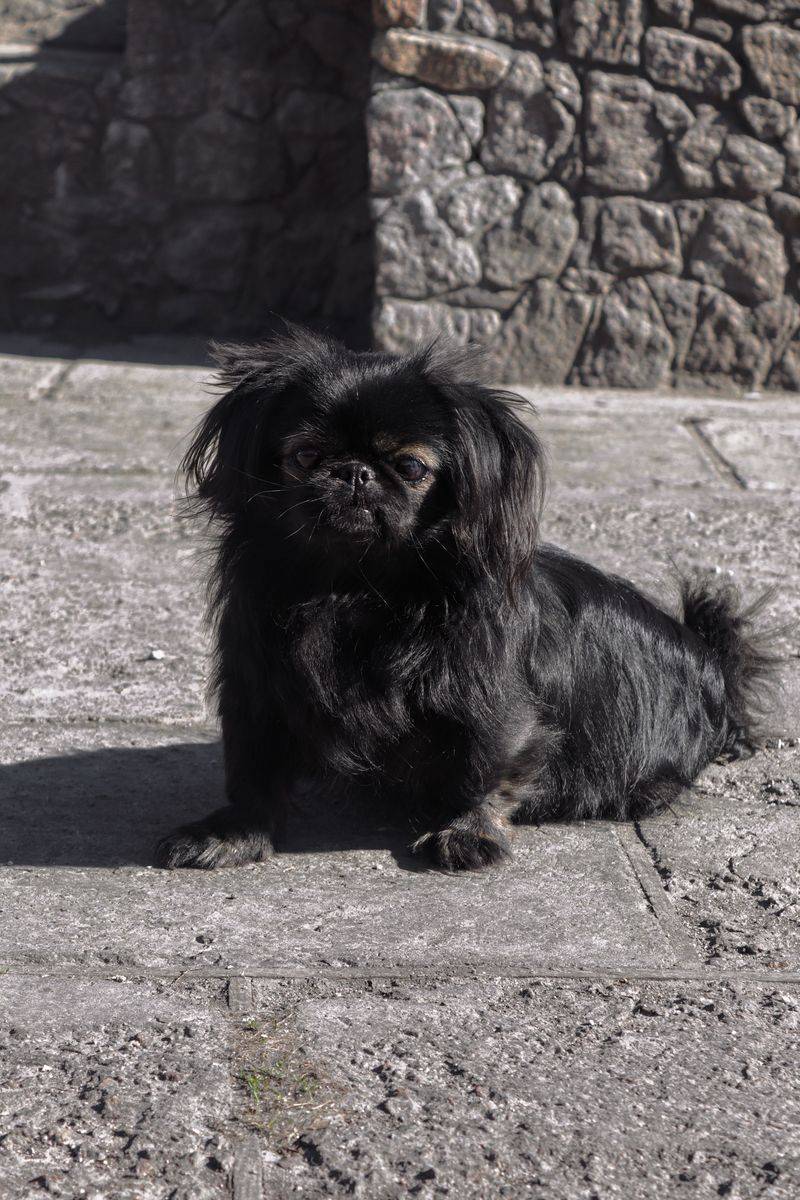
Pekingese have glorious manes and compact airways that make snoring a regular soundtrack. Gentle rumbling is normal when they are cool, calm, and curled on their side.
Harsh buzzes, choking, or pauses point to irritation or obstruction. Side sleeping and a wedge pillow can calm nighttime noise.
Check for intolerance to heat, blue gums, trouble chewing, or snoring that worsens with colds. I trim chest fur lightly, use cooling mats, and keep weight tightly managed.
If your Peke snores loudly while awake or faints after play, book a prompt exam. Humidifiers and allergy plans often turn chaos into quiet.
Steady routines keep breathing predictable and stress low. Your patience truly matters.
Small choices protect health.
Cavalier King Charles Spaniel
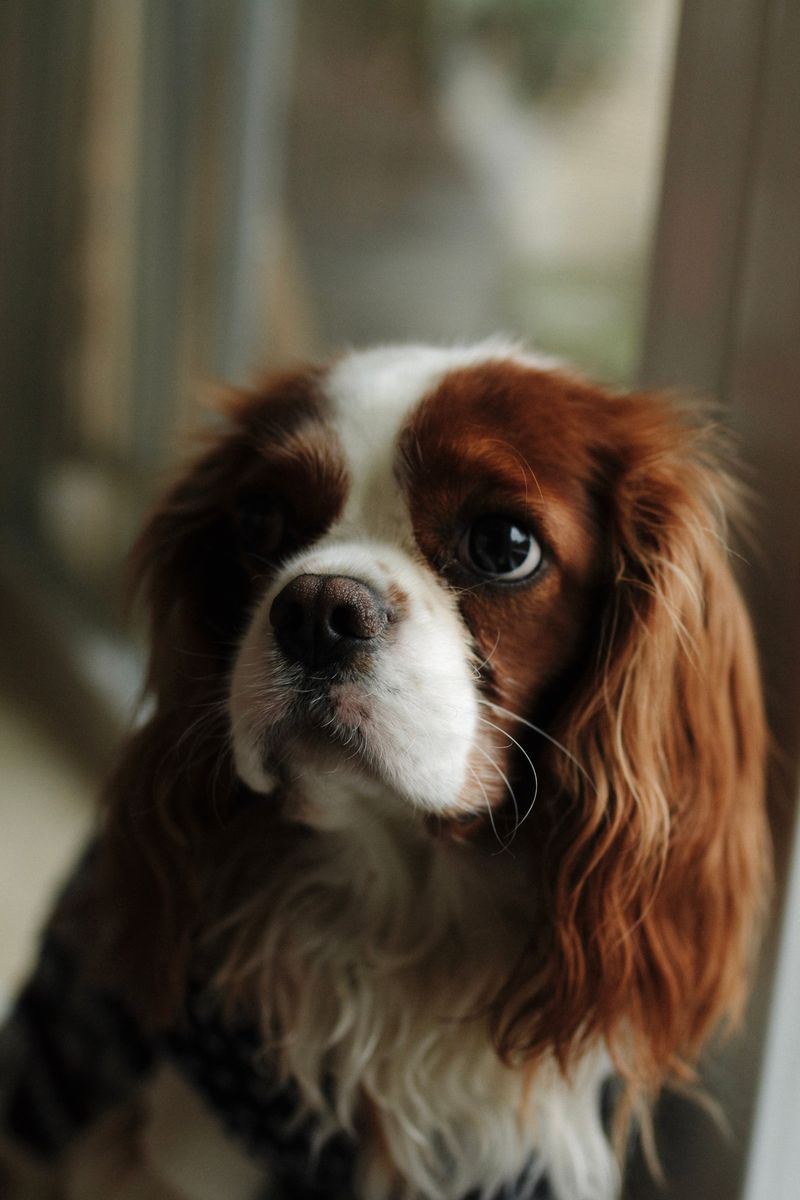
Cavalier King Charles Spaniels may snore from soft palates, allergies, or relaxed tongues during deep sleep. A gentle purr after a walk is usually fine.
But coughing, exercise intolerance, or fainting can signal something bigger than snoring. Cool rooms and side sleeping keep airways happier.
Cavaliers are prone to heart issues, so ask your vet about regular auscultation and scans. I keep weight trim, brush often, and use a pillow to elevate the head at night.
If snoring shifts to honking or your dog pants at rest, book an appointment quickly. Gentle walks at dawn and dusk support comfort without overheating.
Trust your gut if breathing seems off. Early checks spare worry.
You know your pup best.
Chow Chow
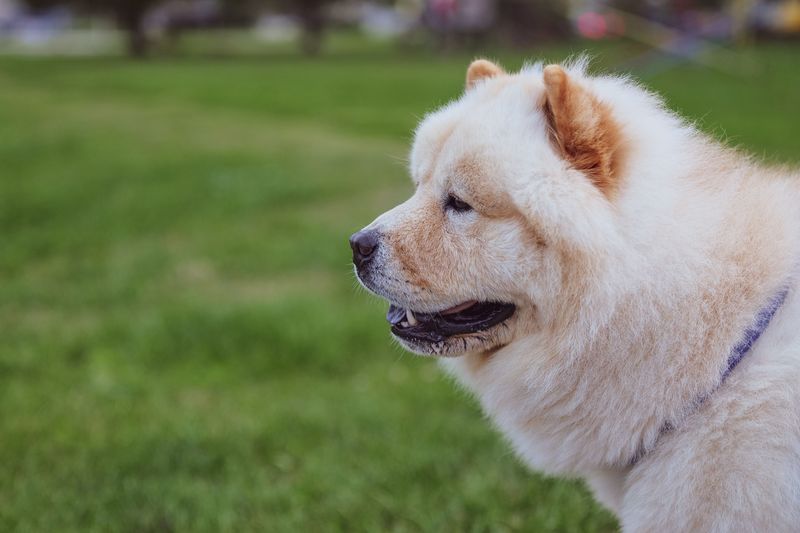
Chow Chows can snore due to heavy coats, thick necks, and shorter nasal passages. Mild nighttime rumbling is common, particularly in warm rooms.
Harsh rasping, gagging, or blue gums need attention right away. A cool, quiet room often turns thunder into a soft purr.
Keep them lean, brush daily to reduce heat, and use cooling pads under bedding. I favor harness walks and slow feeding to avoid neck strain and gulping.
If snoring worsens with exercise or during naps, ask your vet about airway or thyroid checks. Regular vet visits catch problems before they roar.
Small changes stack into big relief over time. You will hear the difference.
Comfort builds confidence and better sleep. Your patience pays off.