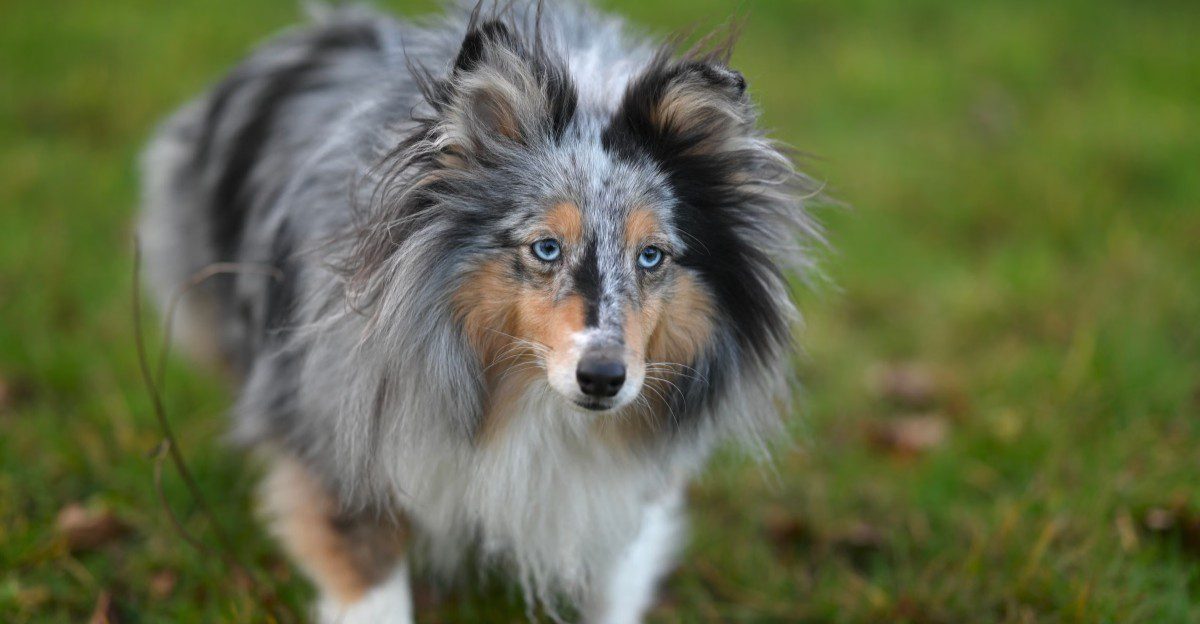
Smart dogs are fun to teach, but they also need a busy mind every day. Without the right jobs, clever pups invent their own, and you may not like the results.
The breeds below learn fast and love a challenge. Use these ideas to keep training fresh, safe, and rewarding.
Border Collie
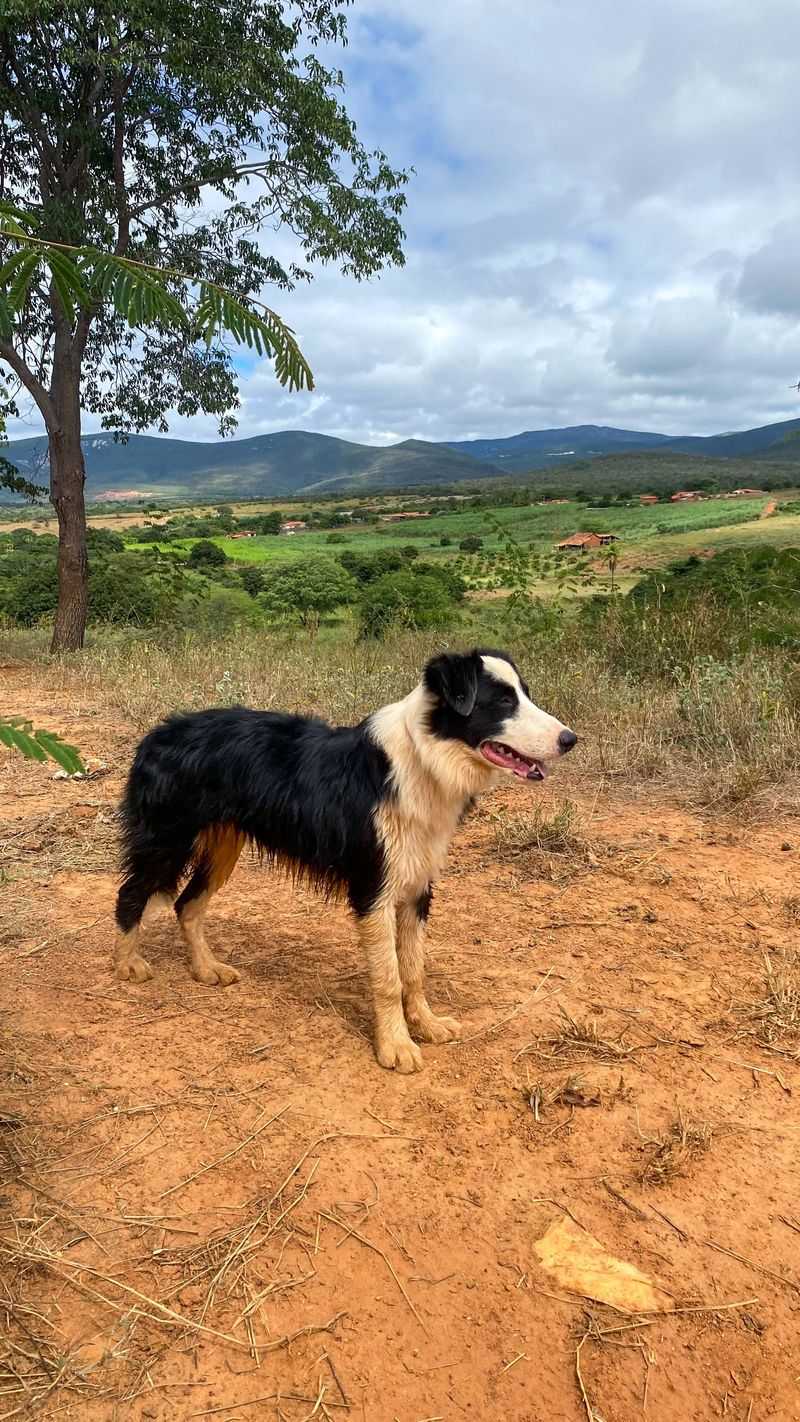
Farm kids tell stories about Border Collies that seem to read minds. Quick learns come easy, but the real trick is feeding that sharp brain every day.
Try scent games, puzzle toys, and fast direction changes during fetch.
Rotate jobs often. Teach names of toys, practice urban agility using park benches, and add short herding style drills with a flirt pole.
Without brain work, they can herd skateboards or chase shadows. With structure, they glow.
German Shepherd
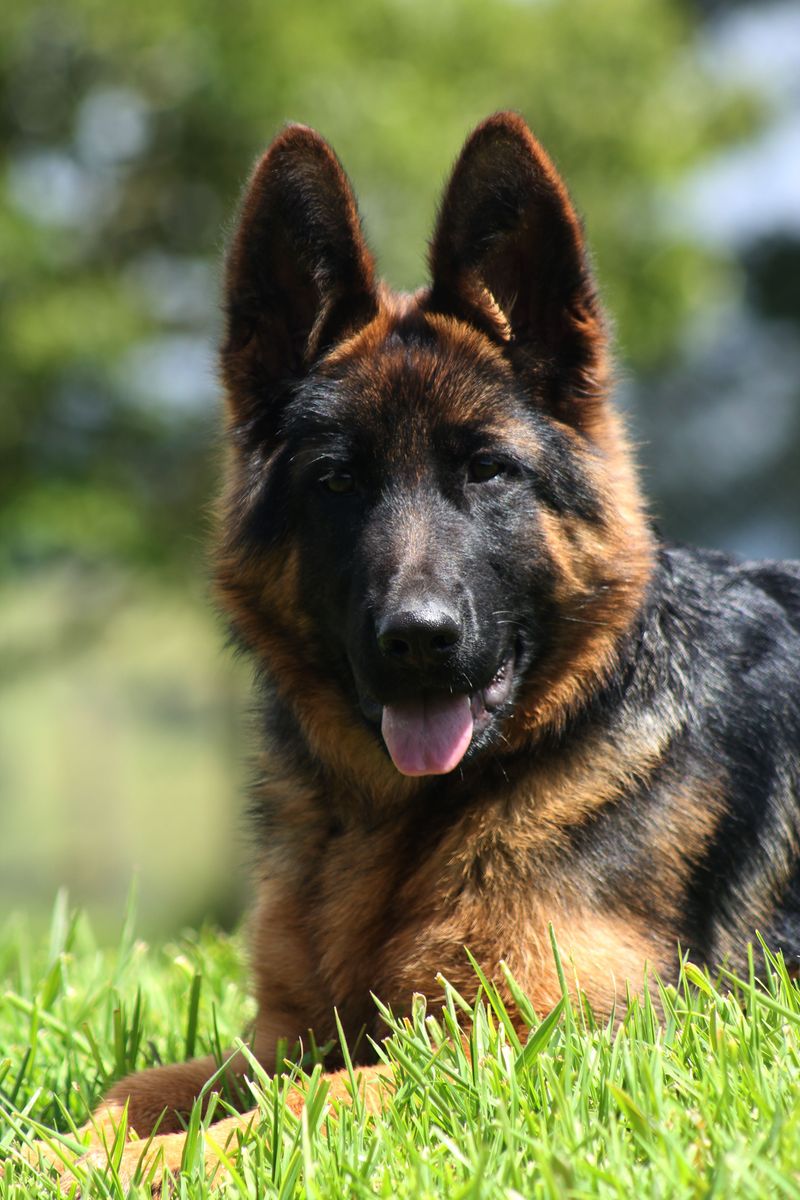
Neighborhood legends say German Shepherds remember routes after one walk. Training clicks fast, yet their alert minds crave missions.
Create daily tasks like carrying a backpack, searching for hidden keys, or learning new door cues.
Balance power with calm. Mix nose work, tracking lines in a field, and slow obedience that builds patience.
Short tug sessions can become release-and-sit routines. Boredom invites barking or fence patrol.
Purposeful work turns that drive into steady, loyal focus.
Belgian Malinois
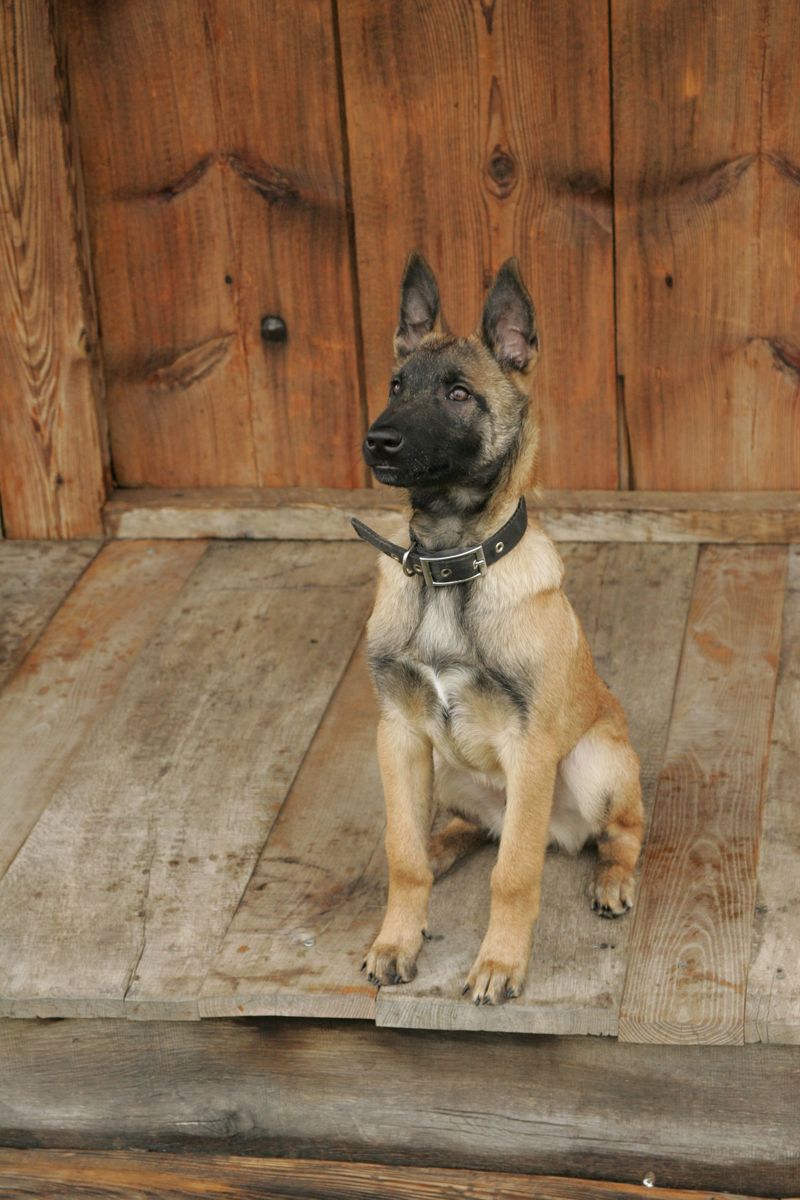
Handlers joke that Malinois come with a power cord. Energy stays high, and brains even higher.
Skills arrive fast, so your plan must stay faster. Set clear on and off times to keep balance.
Use bite-safe tug, spring pole time, scent puzzles, and platform work for precision. Teach place, heel variations, and impulse control at doors.
Without outlets, they invent wild hobbies. Give them legal jobs, and you get a teammate with rocket focus daily.
Standard Poodle
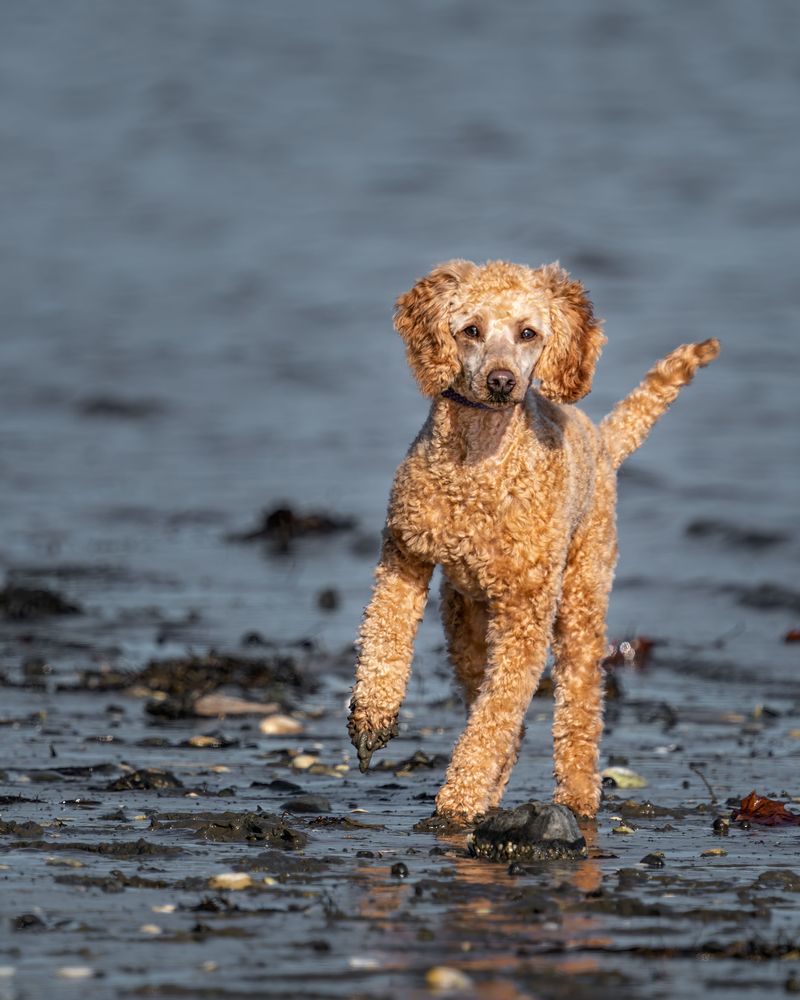
Behind the fancy trim lives a water athlete with sharp wit. Poodles learn patterns in a snap, then look for the next twist.
Variety matters. Alternate obedience, trick chains, and retrieve games in water-safe spots.
Grooming time can become brain time. Hide tiny treats in a towel, teach chin rest for brushing, and practice stillness.
History note, they once worked as hunting retrievers. When plans change often, their curiosity turns into cheerful, stylish problem solving.
Australian Shepherd
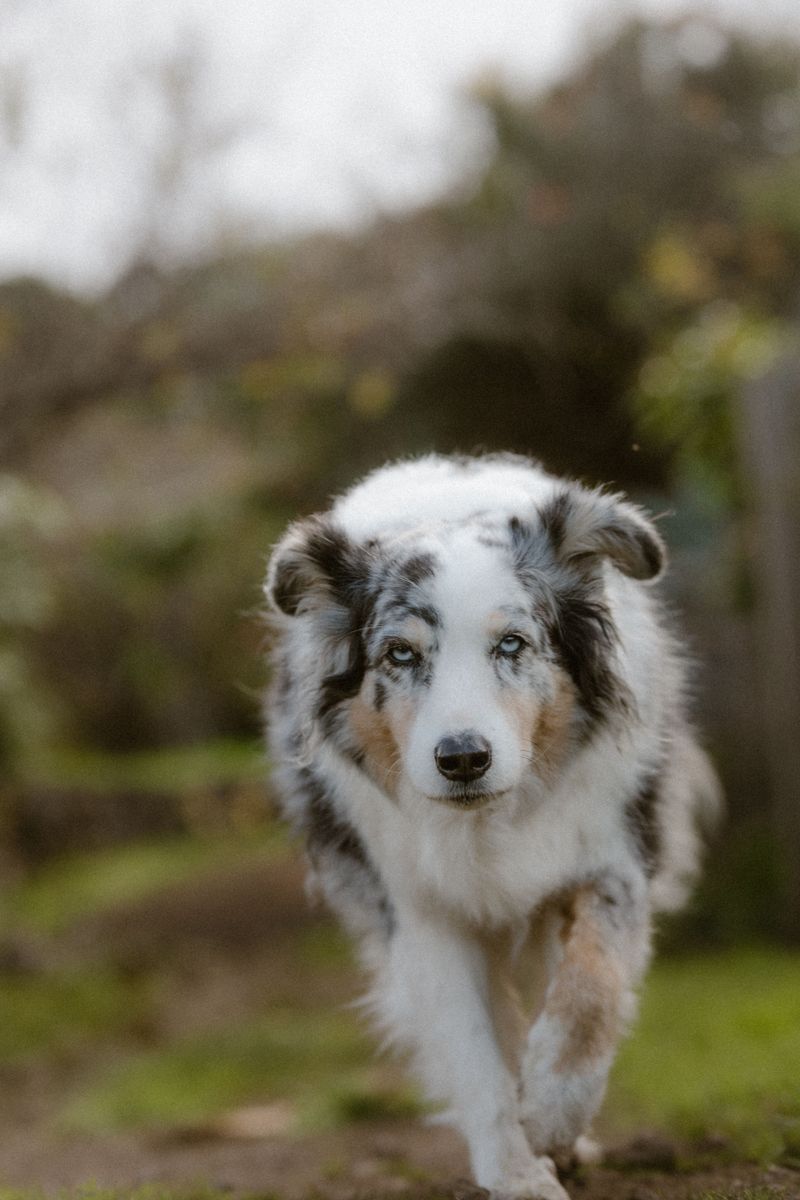
Those bright eyes watch everything. Aussie minds clock patterns, people, and doors like tiny supervisors.
They soak up new tricks, then ask for a tougher puzzle. Give them moving targets, like frisbee with sharp turns and stop cues.
City life can work with structure. Build parkour walks over logs and stairs, switch directions often, and add hand signals.
A flirt pole helps channel chase instinct. Without plans, they may herd kids.
With plans, they thrive.
Doberman Pinscher
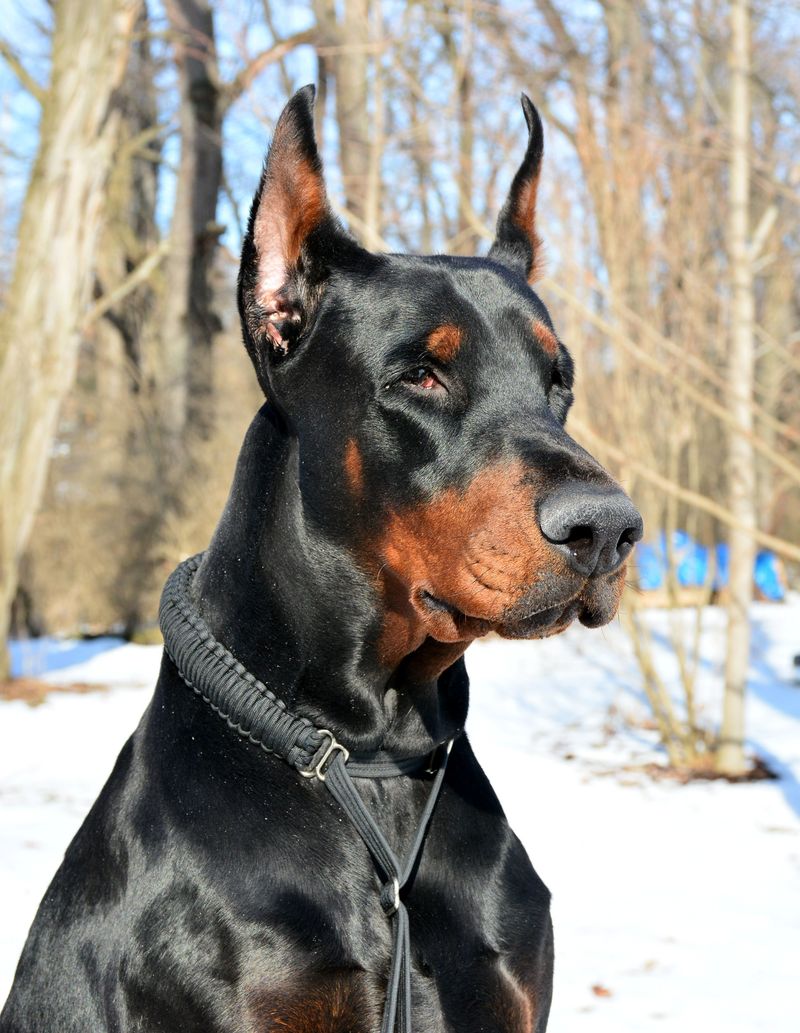
Think of a sleek athlete that loves a challenge. Dobermans learn house rules quickly, but they also track your mood.
Keep training upbeat and fair. Short, intense sessions with clear wins suit them well.
Mental workouts count as much as running. Teach object discrimination, practice quiet place commands, and use scent boxes.
Many enjoy canicross or bikejor with safe gear. Without guidance, they may guard the sofa.
With goals, they turn focus into grace daily.
Australian Cattle Dog
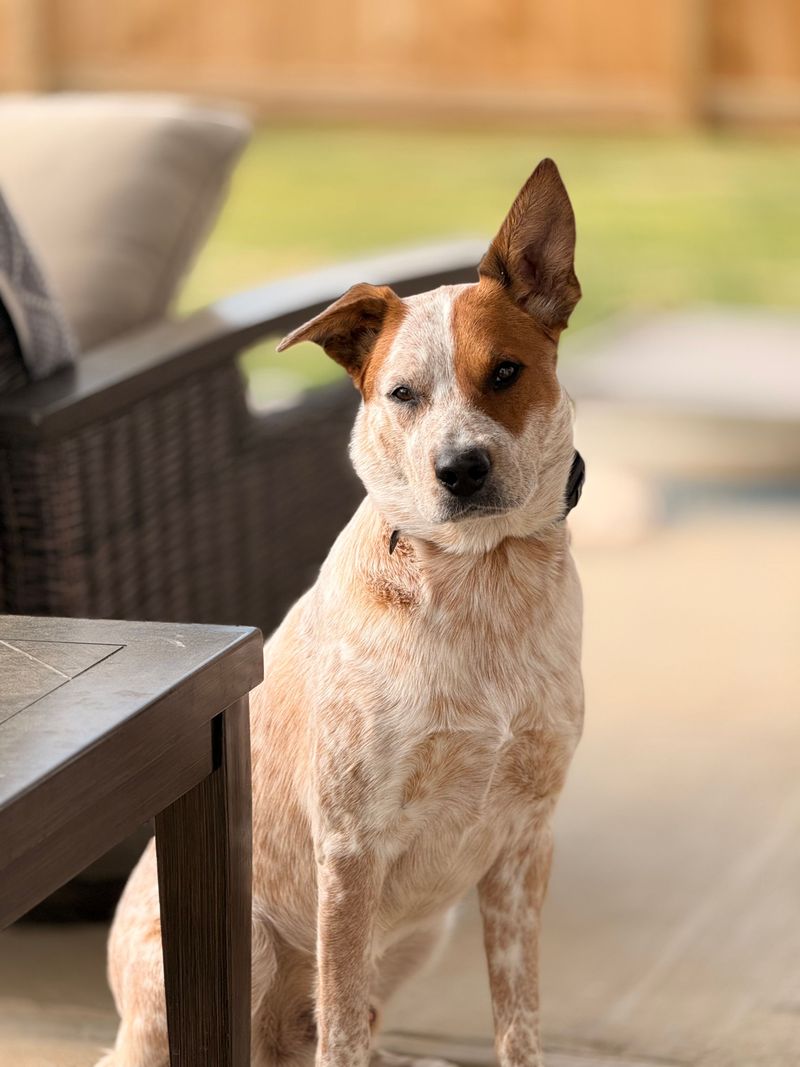
A tough worker with a cheeky grin, the Cattle Dog solves problems fast. They like a job, not a lecture.
Try stationing games where they move between mats on cues. Add long outs between bursts to build control.
Rural or city, give tasks. Hide balls in tall grass, run figure eights, and teach back up.
A sturdy tug routine helps too. Without direction, nipping can appear.
With structure and humor, they become amazing teammates everyday.
Miniature Schnauzer
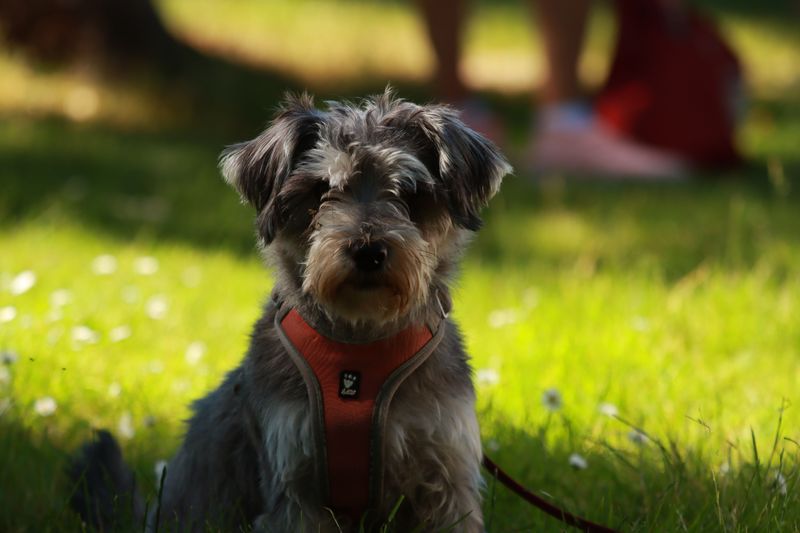
Big eyebrows, bigger attitude, tiny body. Mini Schnauzers learn patterns quickly and love to feel involved.
Keep sessions short and zippy. Trick chains, platform pivots, and quick sits keep their minds bright without overtaxing small joints.
Noise alerts come standard, so channel that spark. Play find it with kibble, teach quiet on cue, and practice go to mat when the doorbell rings.
With enough challenges, they shift from bossy barker to cheerful sidekick at home.
Papillon
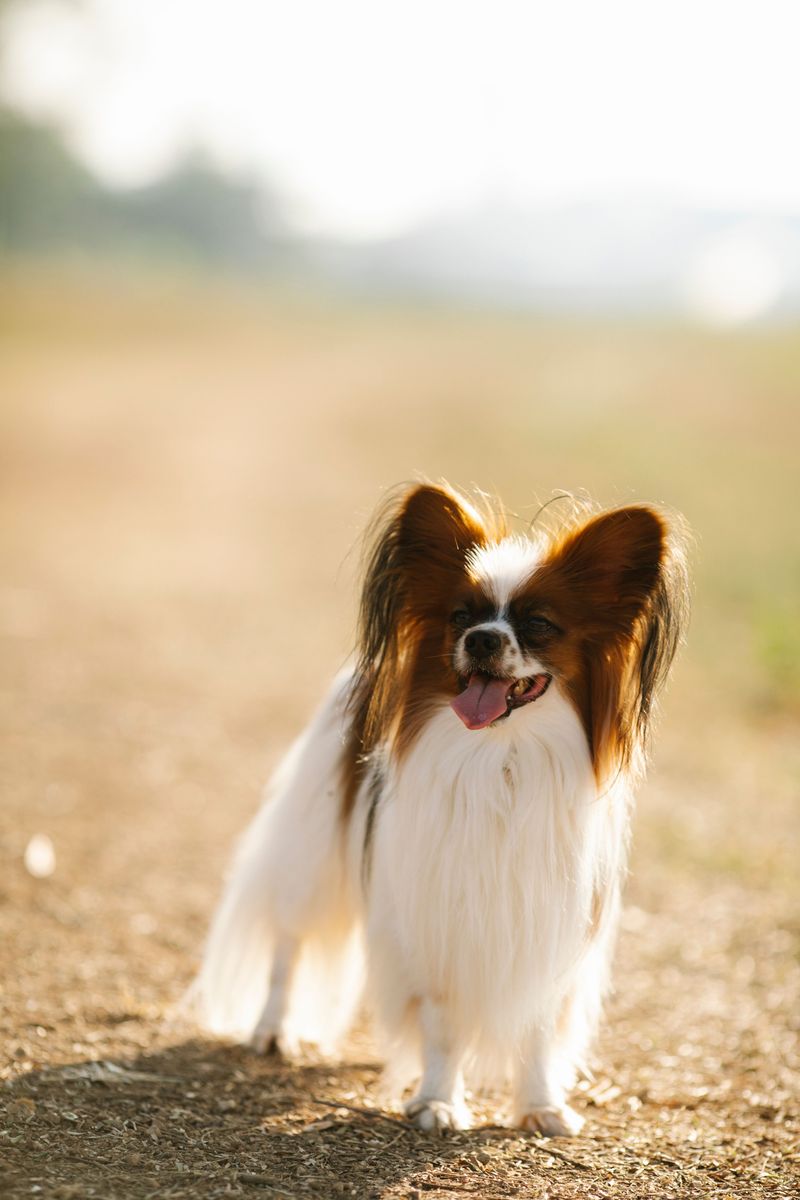
Do not let the butterfly ears fool you. Papillons learn fast and jump high, making them stars in tiny packages.
Warm up brains with trick ladders and fit paws on small targets to build balance.
Games beat long lectures. Rotate fetch, weave between feet, and tiny scent boxes that fit the kitchen.
Many enjoy rally signs taped to chairs. Without plans, they may boss bigger dogs.
Give creative jobs, and you get sparkle every day.
Giant Schnauzer
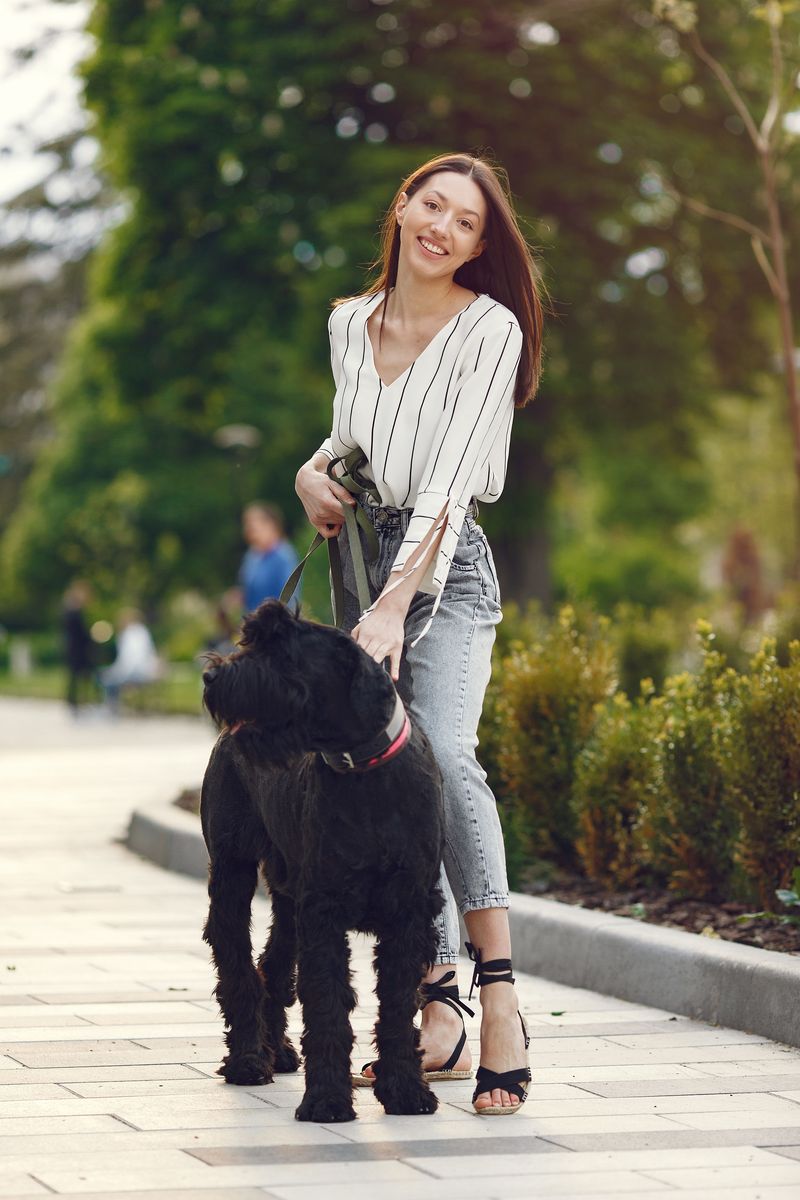
Imagine a bouncer who aces math. Giant Schnauzers learn patterns quickly and bring serious push.
Keep rules clear and fair. Reward calm sits at doors and stillness before meals to build good manners.
Work the brain, then the body. Use tracking games, object finds, and precision heelwork with turns.
Strong tug needs solid out cues. Many thrive in carting with safe harnesses.
Bored giants invent security patrols. A strong plan turns power into polish beautifully.
Jack Russell Terrier
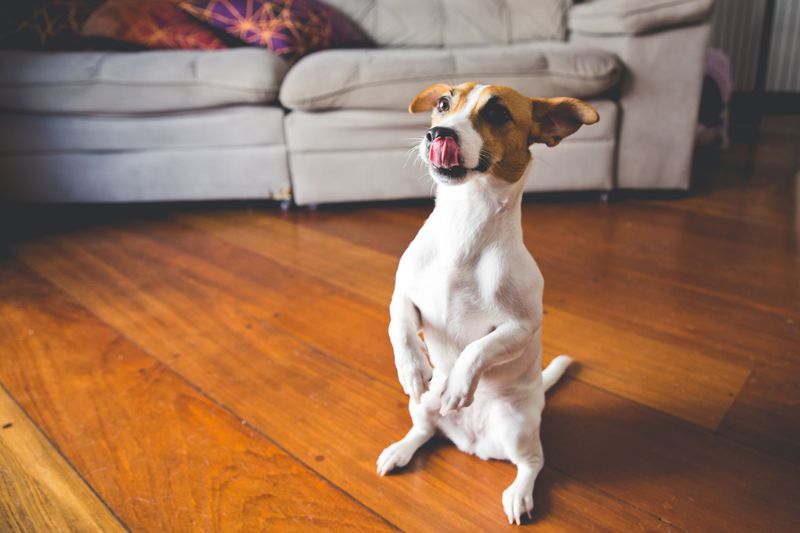
A spring on four legs, the Jack Russell greets each day ready for action. Smarts come quick, so channel that speed.
Teach impulse control with wait games, then release into fast drills.
Hunt instincts love nose work. Scatter food in grass, try simple barn hunt style searches, and reward quick check ins.
Daily parkour helps, using benches and curbs. Without brain jobs, digging appears.
With puzzles and purpose, they shine like tiny fireworks at night.
Shetland Sheepdog
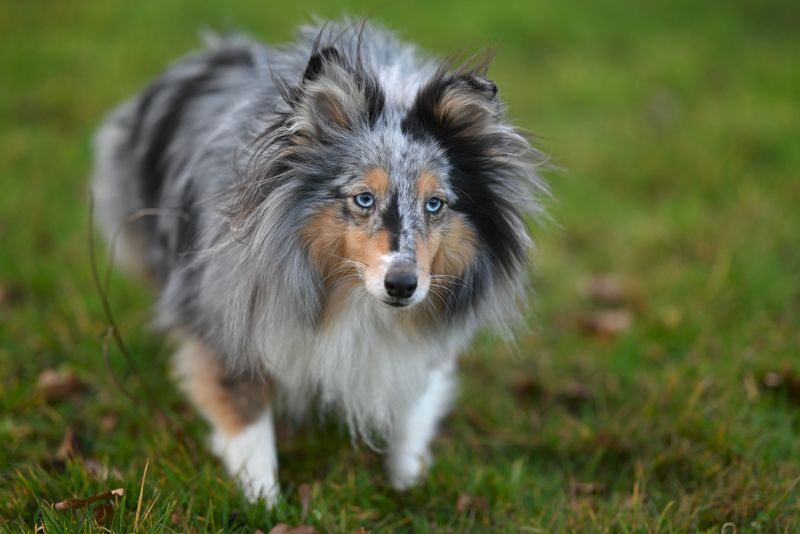
Graceful and chatty, the Sheltie loves to study people. They notice small changes and respond to the lightest cue.
Training goes fast when rewards are clear and gentle. Keep variety high so they do not script the routine.
Sound sensitivity needs care. Pair noises with treats, add distance, and teach a settle on a mat.
Trick titles and rally provide goals. Without brain time, spinning can start.
With confident games, they beam with bright spirit.