
Some dogs do not rush toward new people, and that can confuse folks. They are calm, private, and slow to trust, but still loving with their families.
Knowing the difference between shy, independent, and truly unfriendly behavior can help everyone stay safe and happy. Meet breeds that value space and steady bonds over quick attention.
Akita
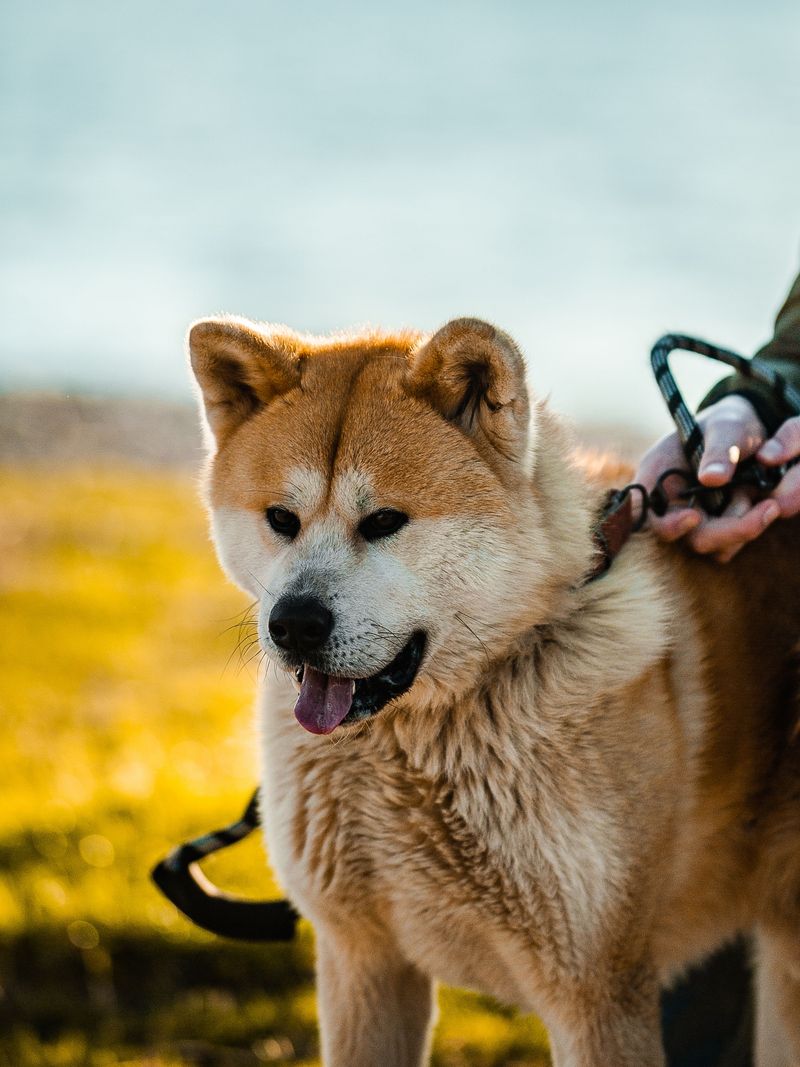
Picture a silent guardian at the doorway, watching before greeting. Akitas read the room first, which can look cold to strangers.
With their families, they are steady, watchful, and deeply loyal. Respect goes far: slow introductions, calm voices, and no sudden hugs from guests.
Daily structure helps. Short training sessions with clear rules build trust.
Give them a job, like carrying a pack on walks. They shine when praised for thoughtful behavior, not silly tricks.
Shiba Inu
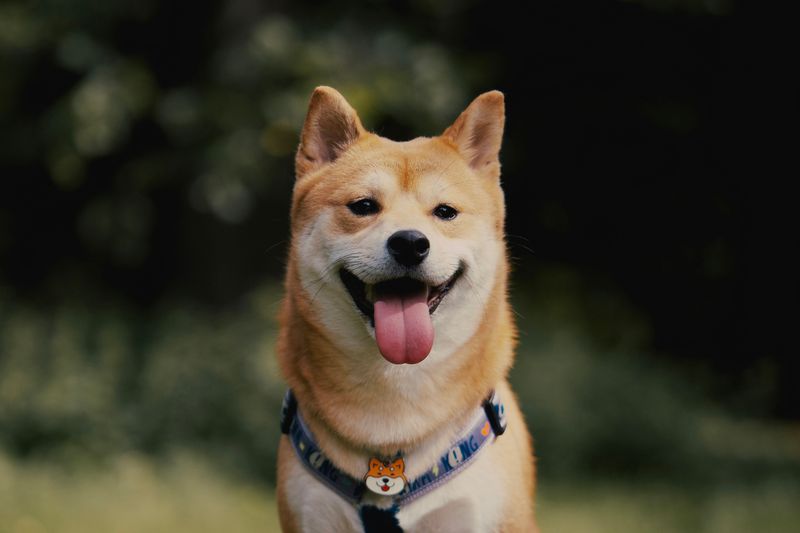
Like a cat in a dog suit, the Shiba Inu prefers to make the first move. They keep their feelings tidy, which some people mistake for snobbery.
Earn their trust with treats they actually love and quick, upbeat training games.
Leash skills matter because curiosity runs high. Set up quiet meet-and-greets so they can sniff and step back when needed.
Give them puzzle toys and gentle handling, and you will see warm sparks of affection.
Chow Chow
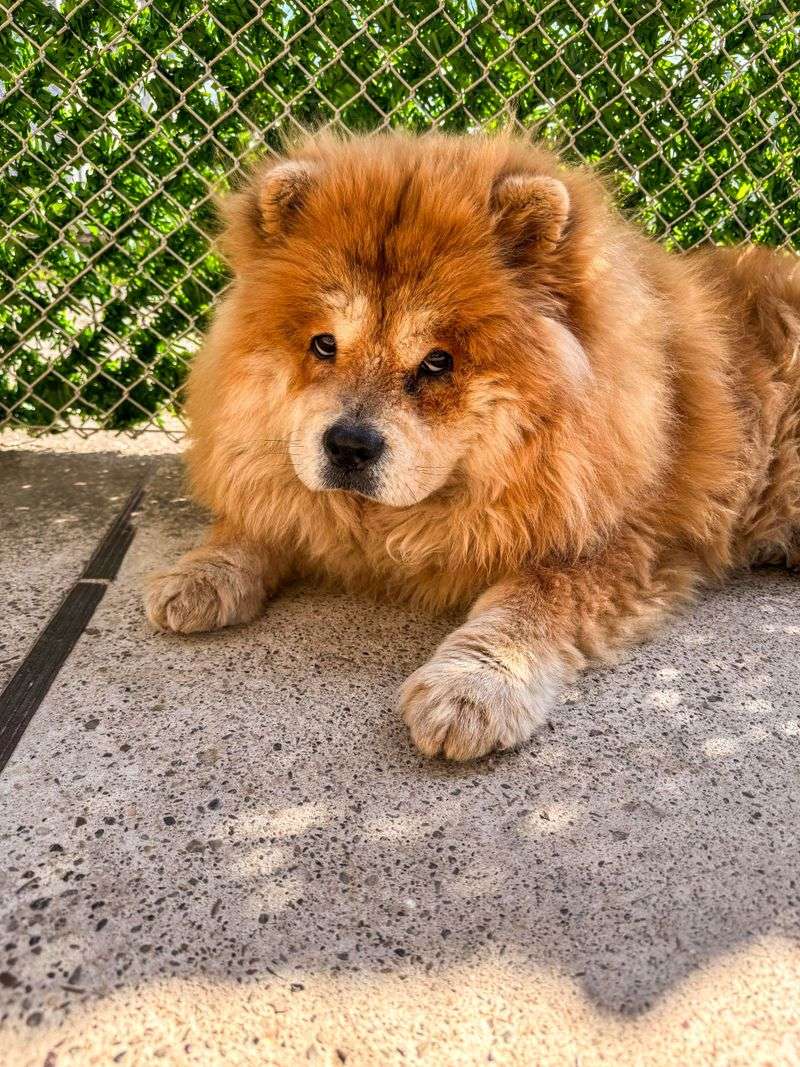
Ancient nobles of the sidewalk, Chow Chows carry themselves like royalty. They value personal space and steady routines.
Quick pats from strangers can feel rude, so teach kids to ask first and approach from the side.
Grooming time becomes bonding time if kept calm and short. Use low-pressure socialization, like watching from a distance and rewarding relaxed body language.
With patient owners, their quiet loyalty and dry humor show in small, sweet moments.
Basenji
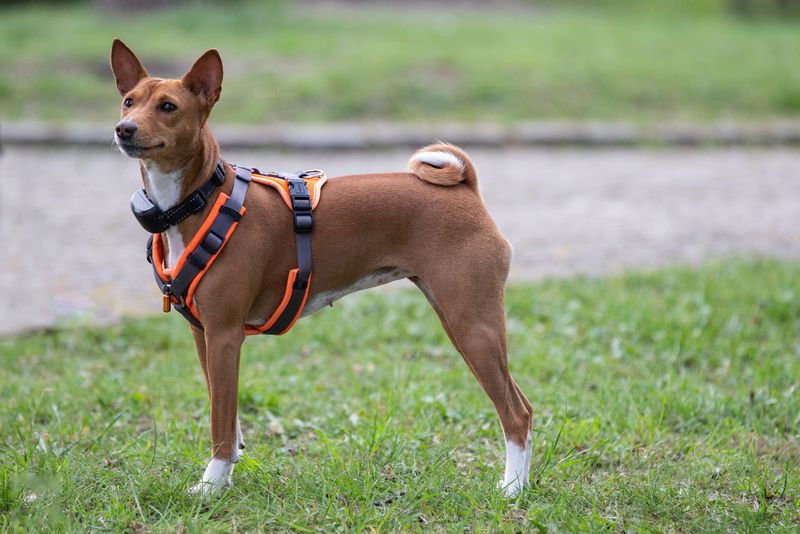
The barkless wonder does not need a crowd to feel complete. Basenjis love to explore, think, and stay clean.
Because they are sensitive, harsh corrections shut them down. Use calm guidance, tasty rewards, and short, varied activities.
Exercise sharpens the brain, so pair sprints with scent work. Give clear boundaries, then let them show off clever problem solving.
They may not beg for attention, yet they bond closely with people who respect their independence.
Scottish Terrier
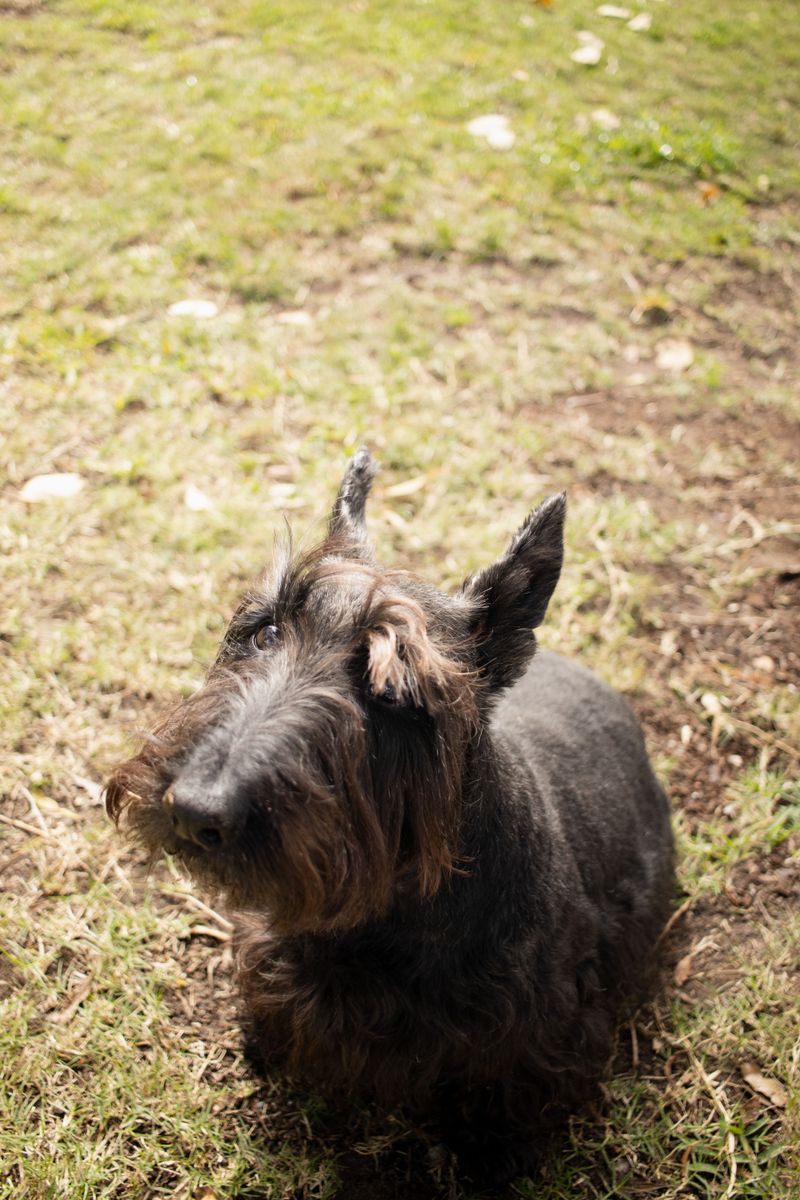
Small body, big self-respect. Scotties stride like they own the block, not because they dislike people, but because they know themselves.
They respond best to clear rules and a gentle, no-nonsense tone. Fussing over them can backfire.
Channel that bold heart into nose games and tidy obedience. Let them observe before greeting new folks.
With fair leadership and purposeful walks, their dry wit and private cuddles come out when they choose.
Shar-Pei
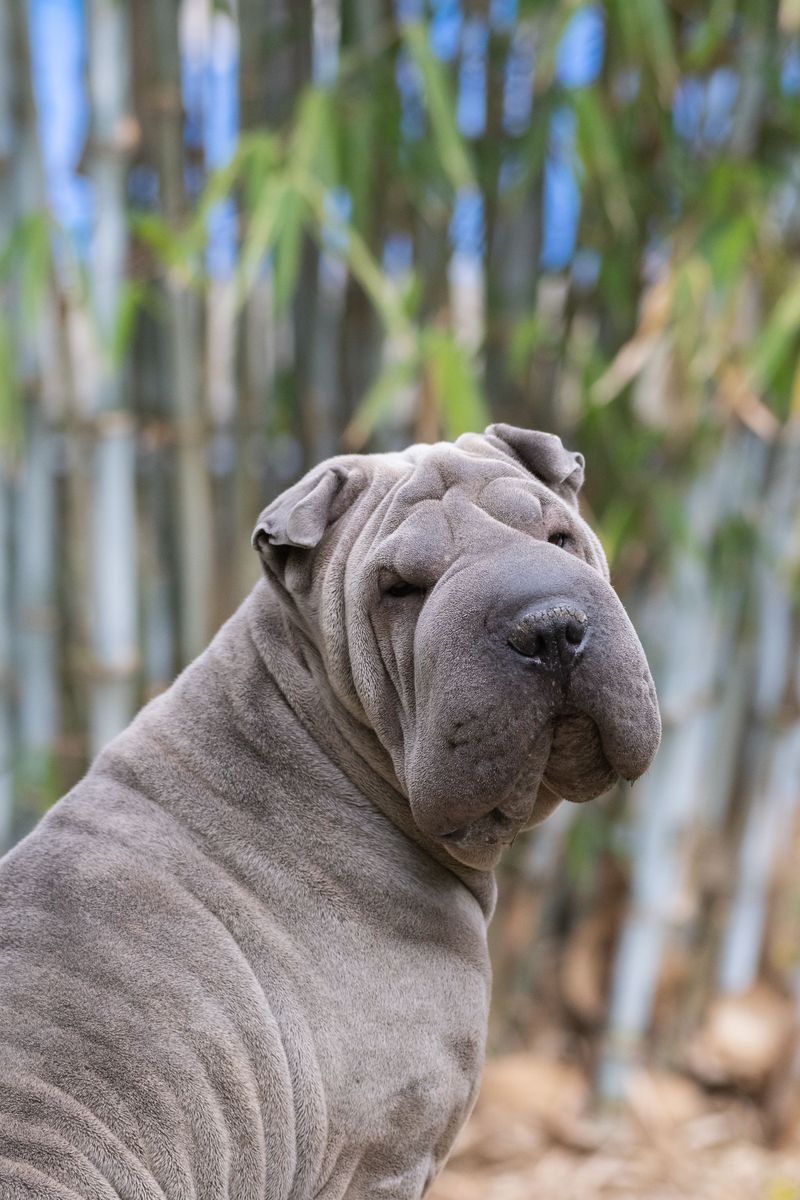
All those wrinkles hide a thoughtful mind. Shar-Peis often need time to decide if a situation feels safe.
Rushing greetings or crowding their space can spark worry. Instead, invite them with sideways body language and allow sniff breaks.
Short walks with predictable routes build confidence. Keep training simple and respectful, using soft praise and food they enjoy.
Over time, they reveal a steady devotion to the people who let them move at their pace.
Great Pyrenees
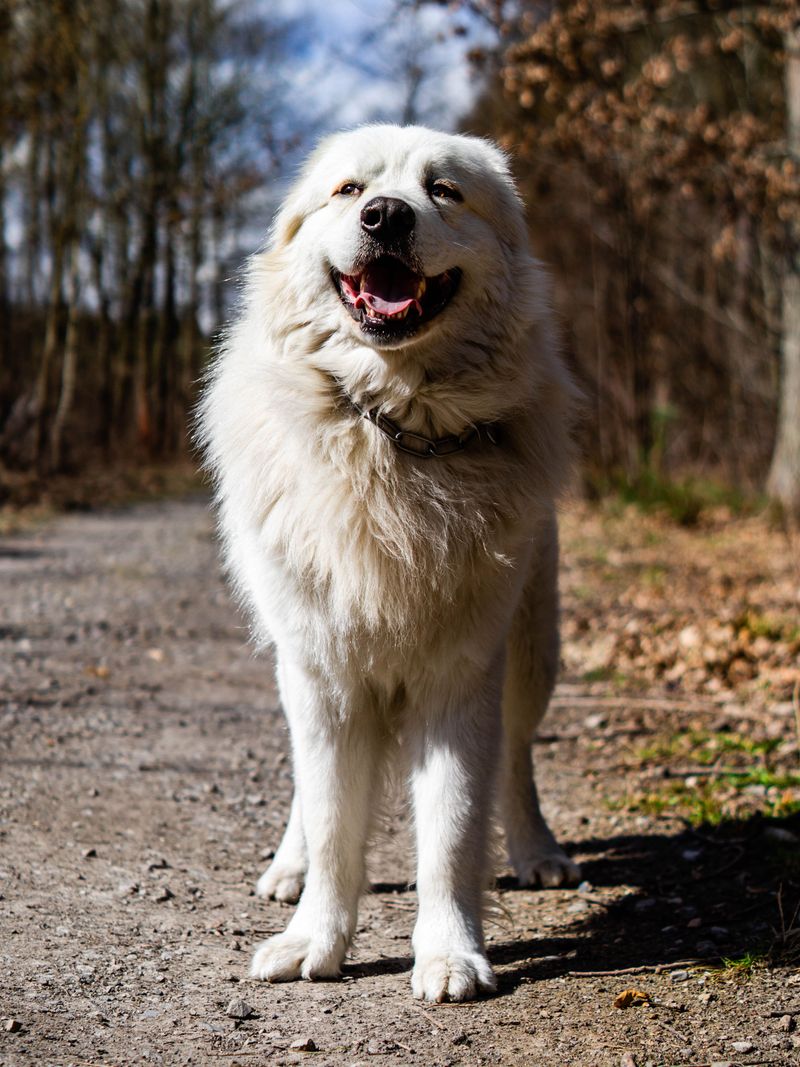
Born to guard flocks at night, Great Pyrenees make decisions without waiting for orders. That calm independence can look stubborn to new owners.
Instead of drills, use firm boundaries, safe fencing, and predictable routines.
Quiet praise goes further than loud excitement. Give them meaningful work, like watching the yard or practicing place stays.
They may not fawn over guests, yet they stand steady for family, offering comfort with their huge, gentle presence.
Rhodesian Ridgeback
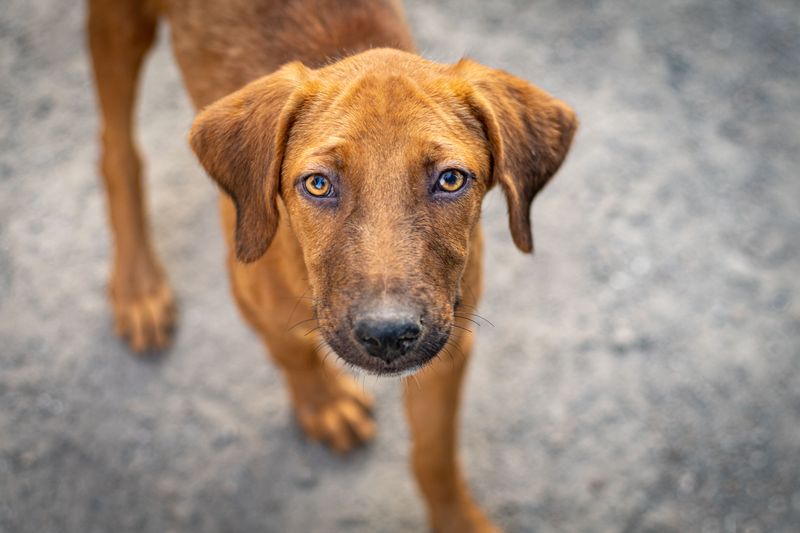
Athlete first, social butterfly later. Ridgebacks like people, but they do not gush.
They respect calm leaders who give clear boundaries and strong recall training. Early practice around wildlife smells keeps that hunting history in check.
Long hikes and steady jogging time calm the mind. Reward relaxed greetings and a loose leash.
When their needs are met, you see a quiet comedian at home, leaning into your leg like a living, warm blanket.
Afghan Hound
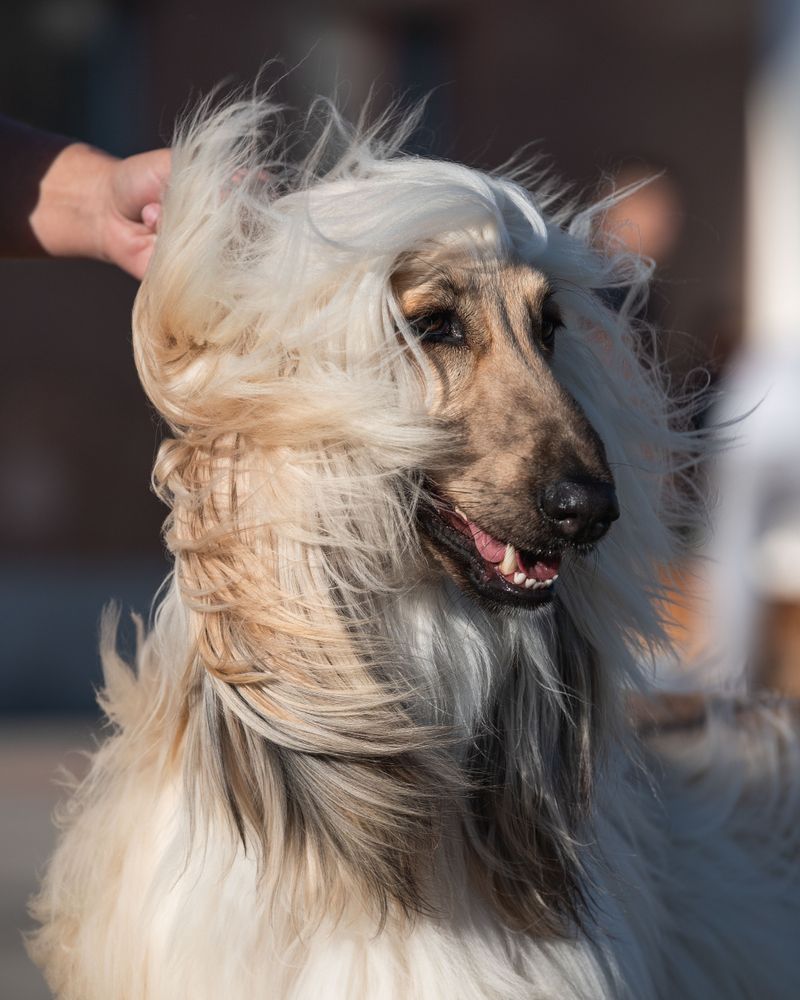
Elegance in motion tells the story. Afghan Hounds were bred to think fast over harsh terrain.
They value freedom and do not chase constant praise. Use soft handling, beautiful movement games, and quiet rewards to connect.
Grooming becomes a meditative ritual if you start slow and keep sessions calm. Teach recall with long lines and high-value treats.
Behind the glamorous coat lives a gentle soul that blooms when given room to breathe.
Alaskan Malamute
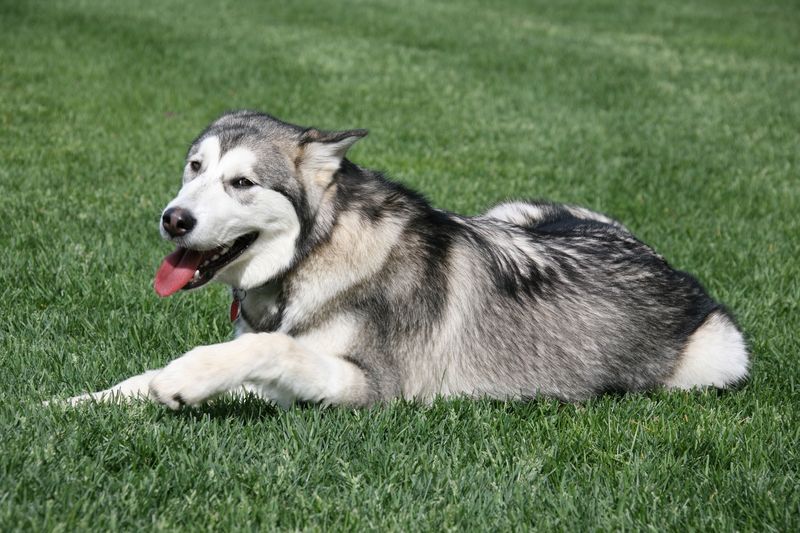
Built to haul and think, Malamutes prefer teamwork over people-pleasing. They are friendly, yet they do not obey just because you asked twice.
Clear rules, strong recall, and secure yards are essential. Trade nagging for purposeful jobs.
Weight pulls, carting, or backpack hikes make them shine. Keep greetings polite and teach them to settle on a mat.
With structure and challenge, their good humor and big-heart attitude glow at home.
Anatolian Shepherd Dog
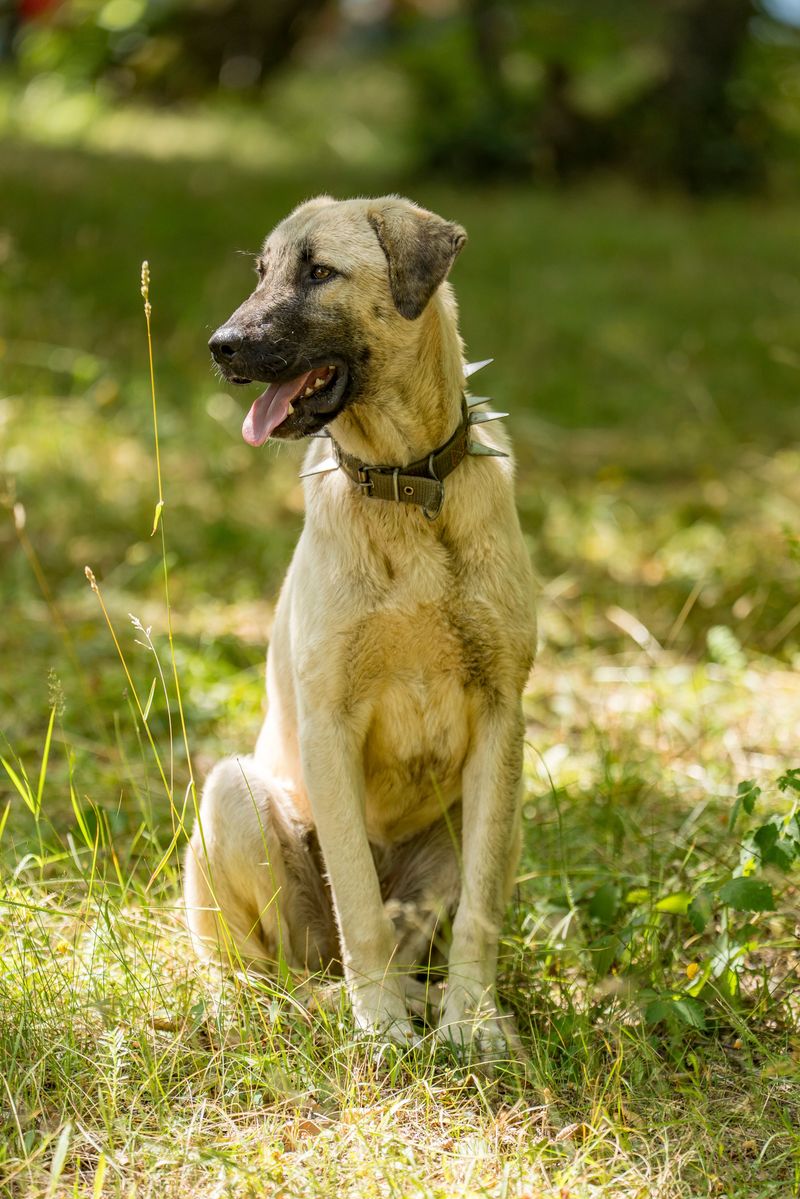
Serious work requires serious thinking. Anatolian Shepherds guard livestock by judging threats on their own.
That strong will can surprise first-time owners. Build trust with consistent routines, sturdy fences, and low-pressure training.
Socialization should be careful and ongoing, focusing on neutrality rather than hugs. Reward calm scanning and a reliable recall.
When respected for their judgment, they become steady protectors who keep watch quietly, choosing presence over fuss.
Greyhound
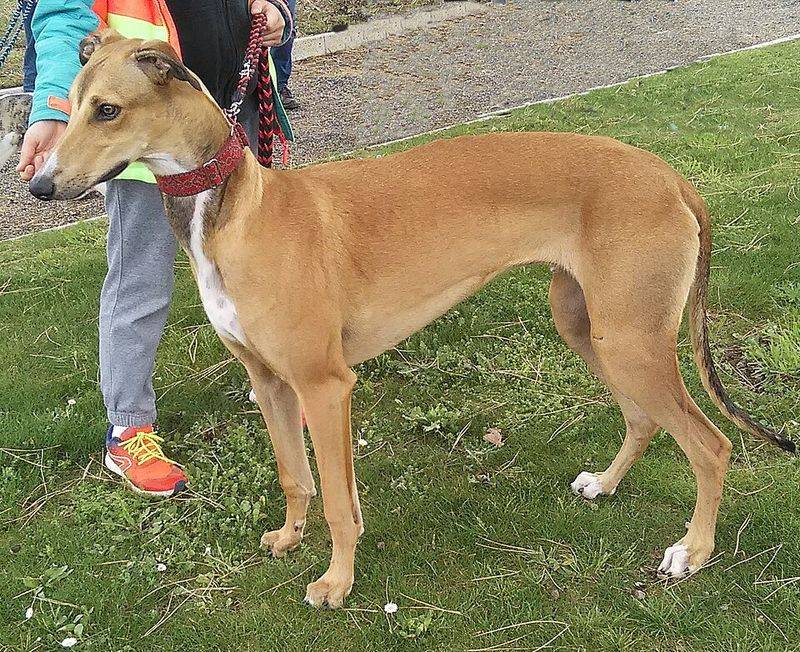
Sprinter on the track, couch artist at home. Greyhounds are polite yet reserved with new people.
They appreciate gentle voices, soft beds, and walks that let them sniff without rush. Big crowds can feel overwhelming at first.
Use a well-fitted martingale collar and reward relaxed walking. Short bursts of play followed by long naps keep them happy.
Affection arrives quietly, often as a lean against your leg during a peaceful evening.