
Some dogs look sleepy, but they are actually smart about when to move. They save their strength for moments that count, like a quick sprint or a focused sniff.
Knowing this helps you plan better play, training, and rest. When you match their rhythm, life gets easier for both of you.
Greyhound
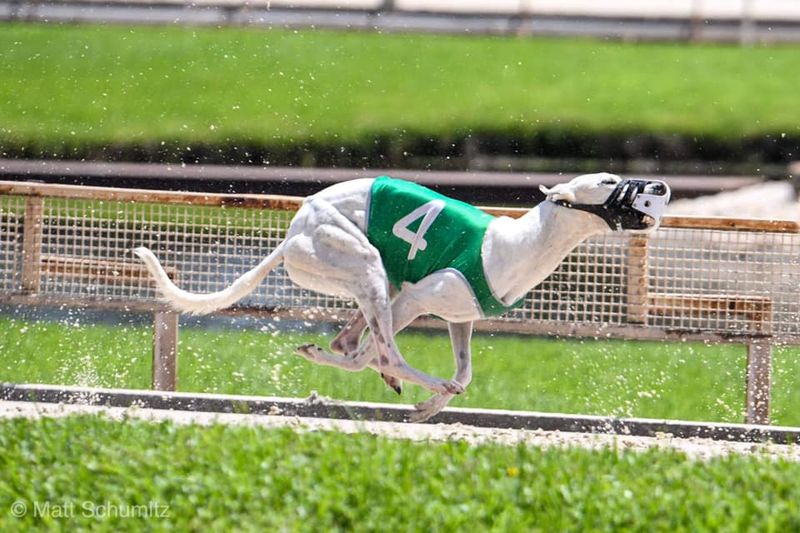
Ever seen a sprinter nap like a pro? Greyhounds race in short bursts, then switch to quiet mode to save energy for the next game.
Soft beds and calm rooms help them relax.
Walks with quick trot intervals keep muscles happy. Then finish with snuffle mats or food puzzles to work the mind.
Many love car rides and sunny spots by a window. Respect their sprint-and-chill rhythm, and you will see a confident, content friend.
Whippet
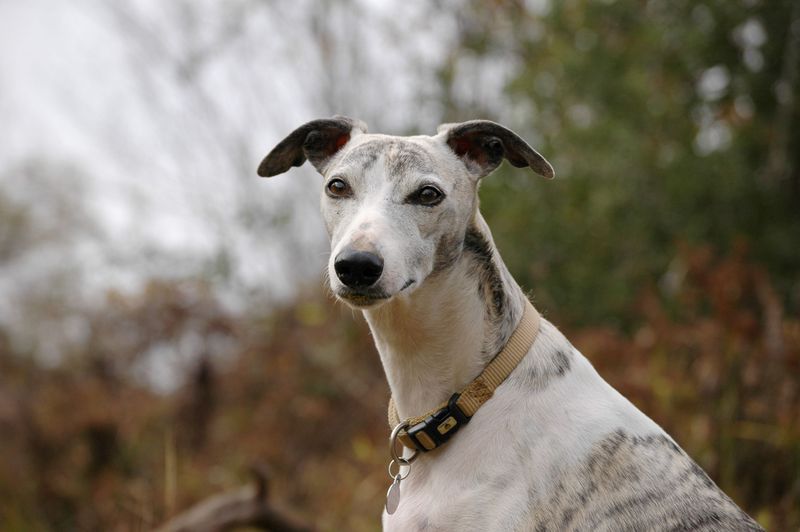
Lightning fast in the yard, yet a couch magnet indoors, the Whippet measures effort with surprising wisdom. Short zoomies scratch the itch, then it is back to calm breathing and soft blankets.
Gentle kids often match this vibe.
Plan two brisk walks, not marathons. Add flirt pole chases for five minutes, twice a day.
After dinner, a scent game around the living room tires the brain. A steady routine keeps nerves settled and hearts happy.
Great Dane
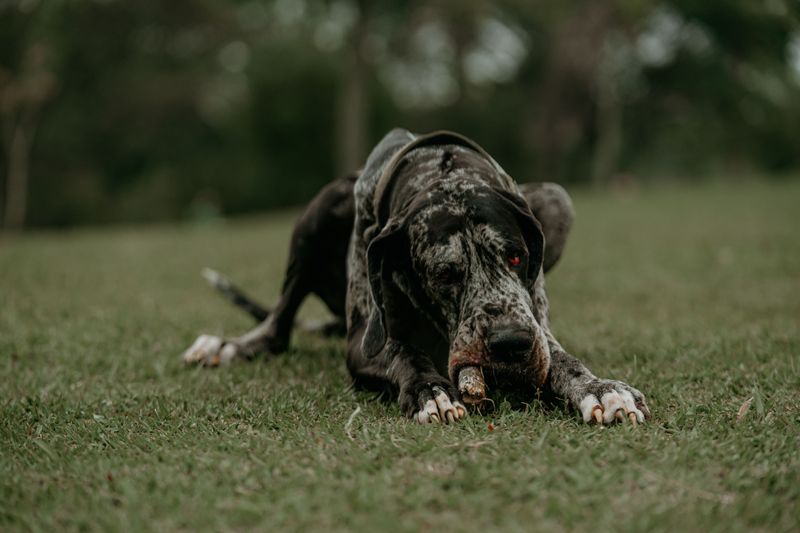
A room feels smaller when a Great Dane sighs and flops down. Big bodies cost energy to move, so they pace themselves wisely.
Many prefer slow mornings with soft greetings and gentle stretches.
Protect those joints with short, even walks on grass or smooth paths. Training in low, calm tones works best.
Food puzzles that do not require jumping are ideal. Meet their size with patient care, and you get a mellow, watchful buddy.
Basset Hound
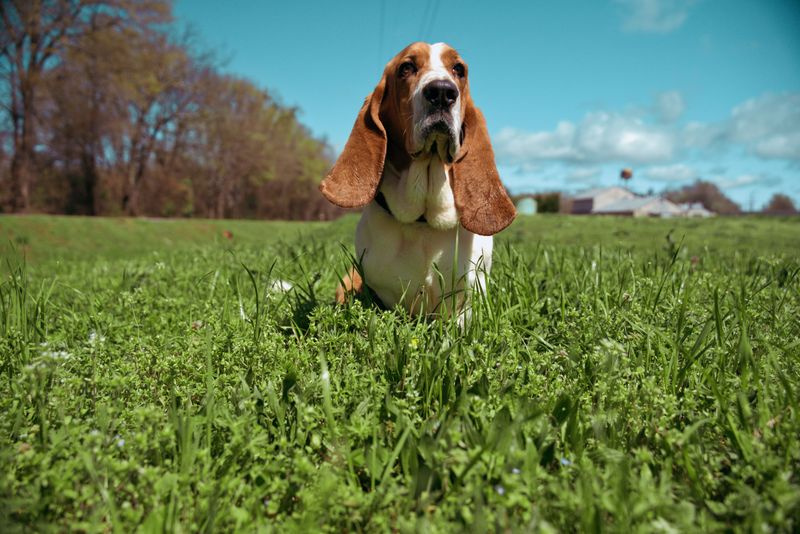
Ears to the ground, heart set on smells, the Basset Hound saves energy for serious sniffing. Long backs and short legs mean steady, careful movement.
A shady yard and a comfy rug make perfect pit stops.
Try nose-work games using hidden treats under boxes. Keep walks unhurried, letting that famous nose lead the route.
Use ramps for couches and cars to protect the spine. With patience, you will discover a thoughtful, humorous partner.
Bullmastiff
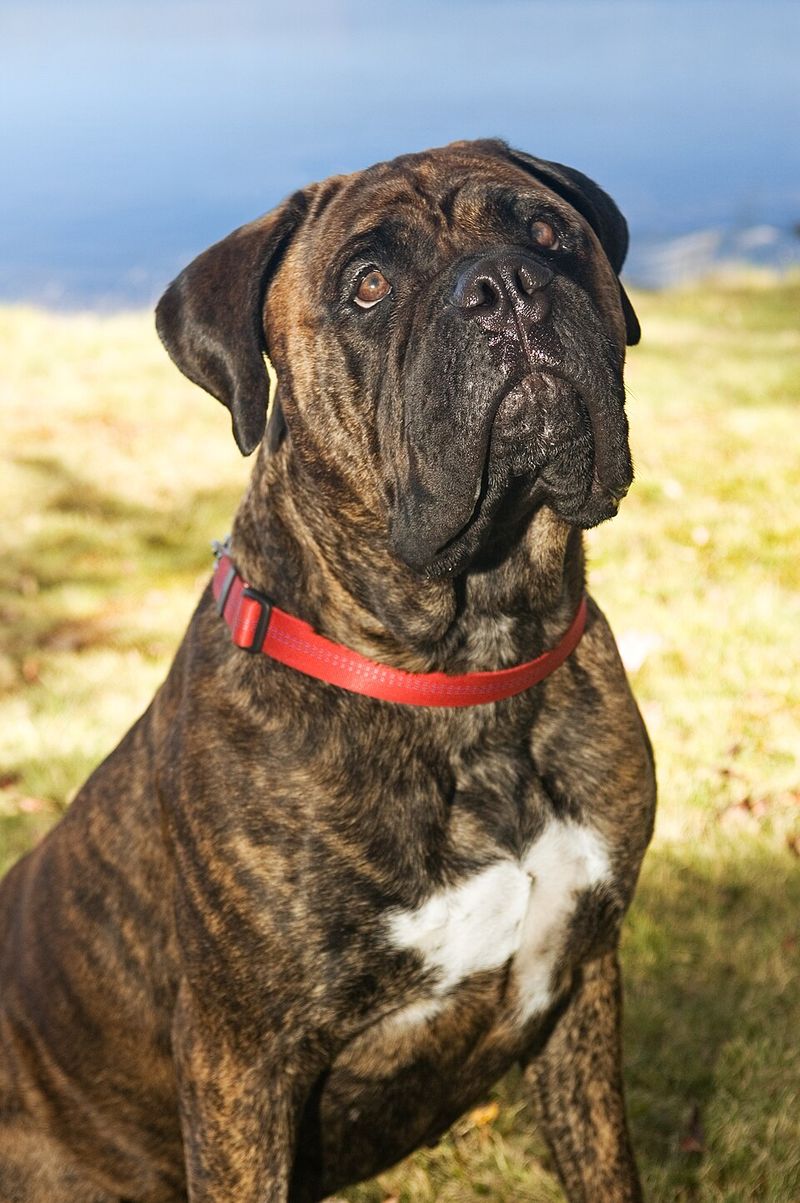
Calm eyes that scan the room before moving, the Bullmastiff is a master of measured effort. Historically a night guardian, it knows when to stand, and when to simply watch.
Easy mornings with quiet check-ins work wonders.
Focus on strength without strain. Two short walks and some controlled tug build confidence.
Teach place cues on a thick mat to promote rest between activities. Clear boundaries, plus gentle praise, unlock a steady, loyal teammate.
Clumber Spaniel
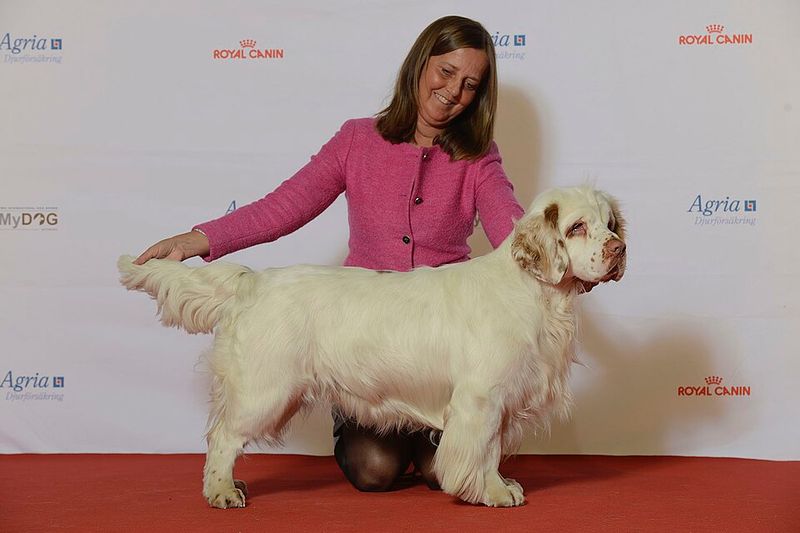
Picture a forest scout who saves pep for the hard parts. The Clumber Spaniel moves low and steady, built for careful work in thick cover.
Indoors, they prefer cool floors and quiet snoring.
Keep play smart and short. Retrieve soft toys down a hallway, then practice calm stays.
Sprinkle simple scent drills using herb jars or tea bags. A tidy schedule, regular grooming, and kind humor bring out this breed’s sweet, reliable focus.
Irish Wolfhound
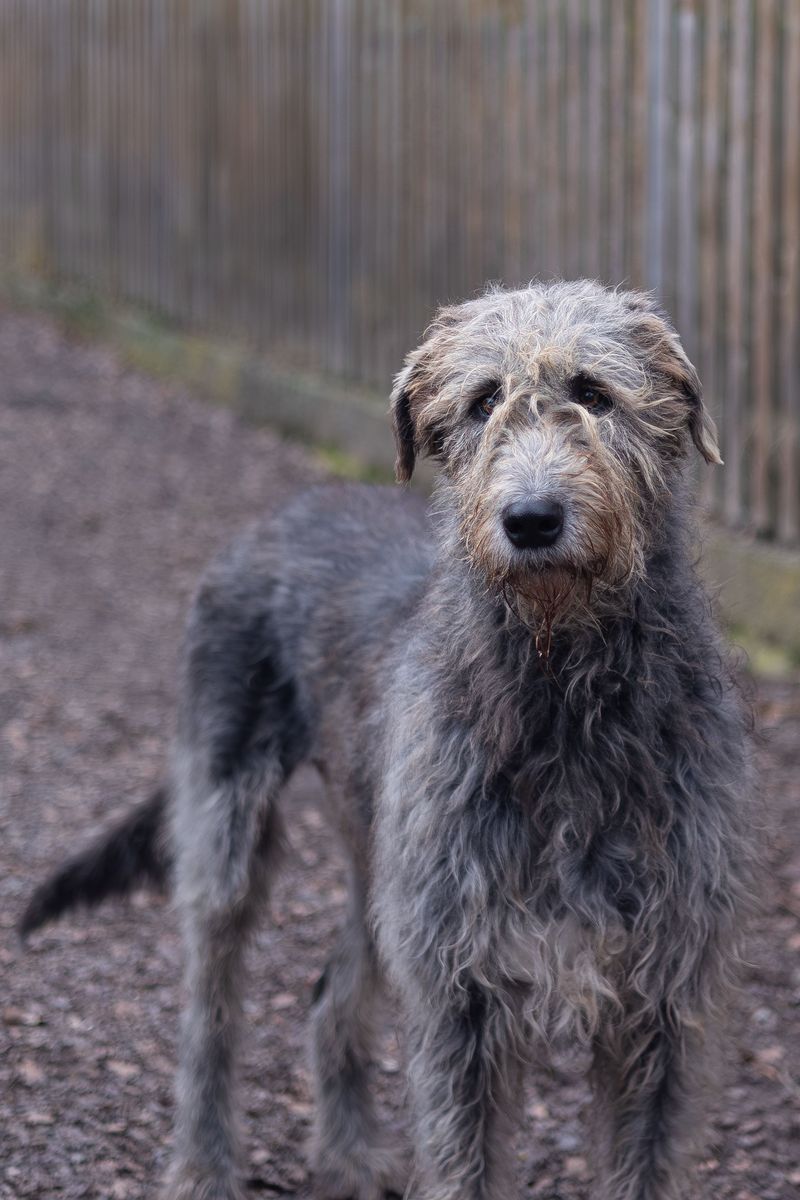
Despite the giant frame, many Irish Wolfhounds move with gentle care, almost like tiptoeing. Rapid growth and long legs encourage a pace that protects joints.
Sunlit naps and soft greetings suit them well.
Plan low-impact exercise on grass. Short trots, balanced with long, lazy pauses, keep spirits high.
Teach polite leash manners early, since size matters. Offer chew sessions after walks to settle the mind.
Affection plus space creates a peaceful, noble companion.
Mastiff
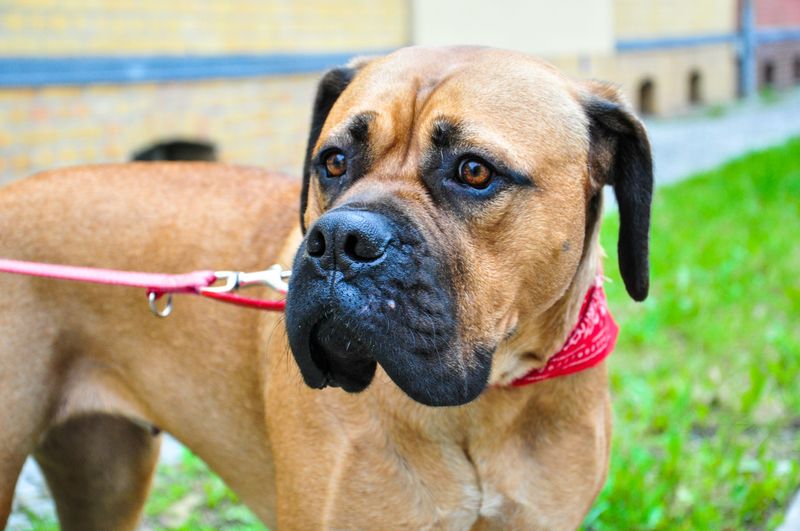
A Mastiff reads the room with quiet wisdom, moving only when there is a good reason. Heavy frames and thoughtful temperaments mean they conserve energy for needed moments.
Cool water, shade, and slow greetings keep them relaxed.
Practice short obedience bursts with long breaks. Work on steady sits, gentle downs, and patient waits at doors.
Add slow stair practice to build balance. Calm leadership, consistent rules, and kind words shape a trustworthy house guardian.
Saint Bernard
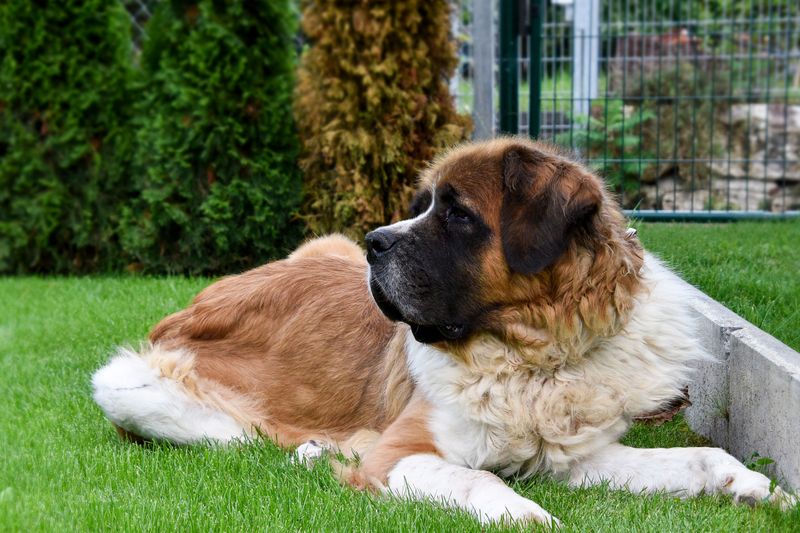
Big hearts, big paws, and a careful pace, the Saint Bernard chooses work that matters. Pulling a cart or steady hiking on cool days suits them better than sprinting.
Indoors, they enjoy cool floors and quiet company.
Support joints with controlled movement. Two medium walks and brief hill climbs are plenty.
Keep training upbeat and simple to match their calm nature. After effort, offer water and a shady rest.
You will see steady pride shine.
English Bulldog
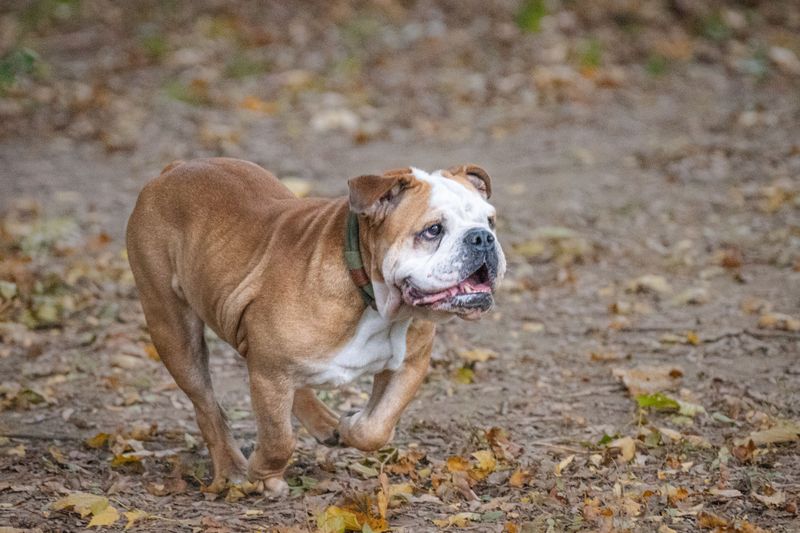
Comedic snorts aside, Bulldogs are strategic with energy, especially in warm weather. Short, cheerful bursts of play followed by air conditioning are perfect.
Many adore gentle tug toys and low-key family time on a soft rug.
Because of shorter snouts, keep workouts cool and brief. Try indoor fetch down a hallway with water breaks.
Teach calm leash skills and polite greetings. Watch for heat, and choose mornings or evenings.
Comfort brings out their silly charm.