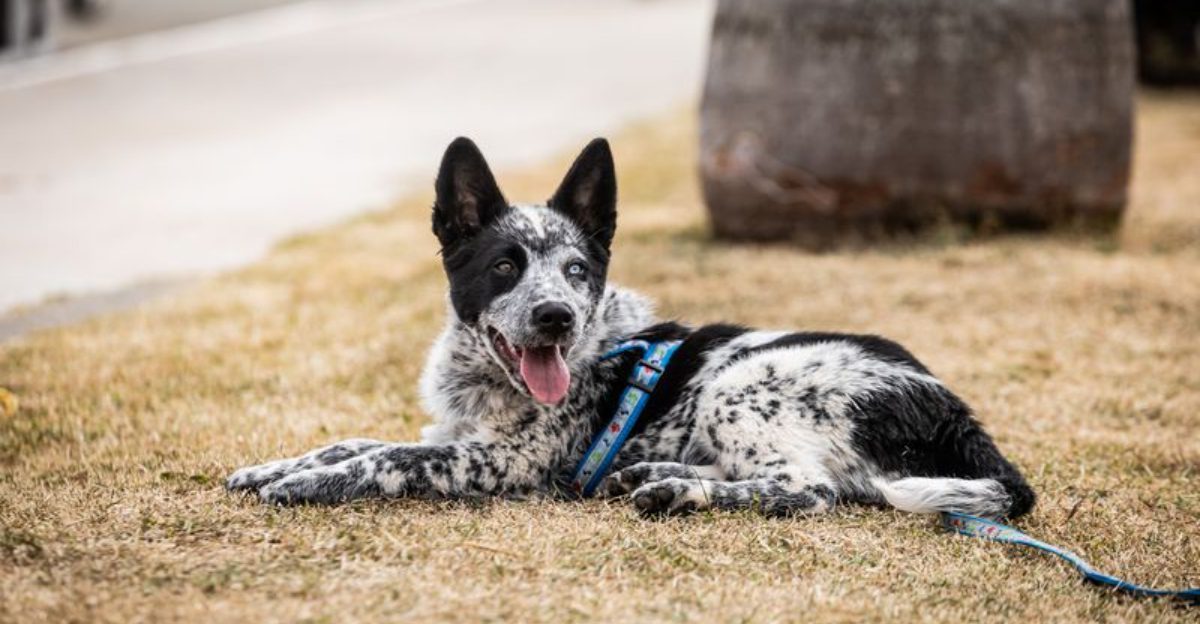
Some dogs seem stubborn, loud, or full of endless energy, but there is usually a reason behind it. Many breeds were created for hard jobs like herding sheep, guarding land, hunting, or pulling sleds.
When those jobs disappear, their drive can show up as chewing, barking, digging, or pacing. Understanding their history helps families choose better routines, kinder training, and a happier life together.
Belgian Malinois
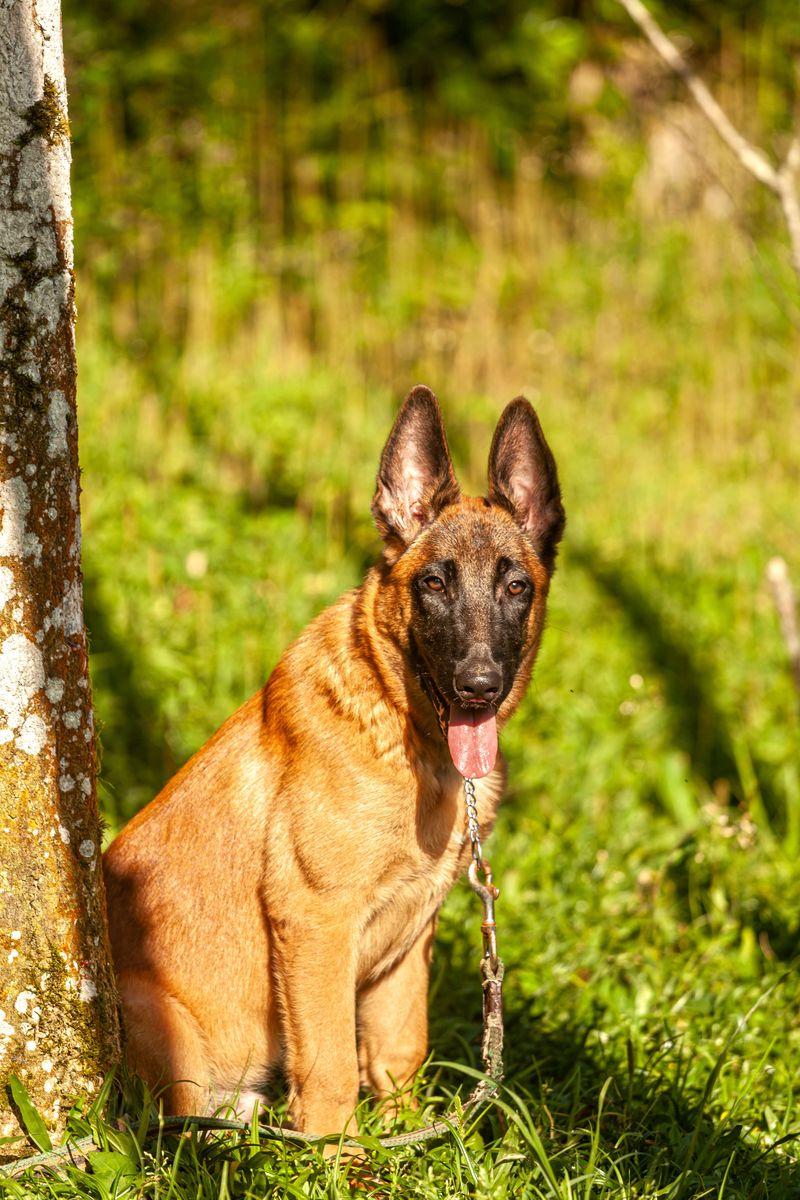
A Belgian Malinois often looks like it has a secret mission, because it was built for serious work. Police, military, and protection roles fit its quick mind, strong body, and sharp focus.
At home, boredom can turn into pacing, barking, or grabbing sleeves. Daily training, scent games, tug rules, and safe exercise matter a lot.
This breed needs a calm leader, not harsh handling, and usually does best with people who enjoy structured activities.
Border Collie
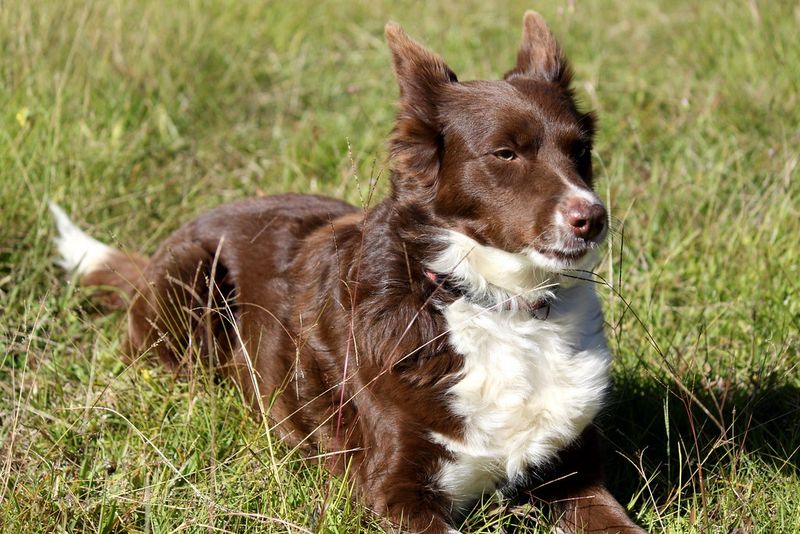
Border Collies can stare at a tennis ball like it owes them money. That famous focus comes from generations of moving sheep across fields with tiny signals from a handler.
Without a job, they may herd children, chase bikes, or invent naughty projects. Puzzle feeders, trick training, agility, and calm rest practice help balance the busy brain.
A tired Border Collie needs mental work too, not just miles of running in the yard.
Siberian Husky
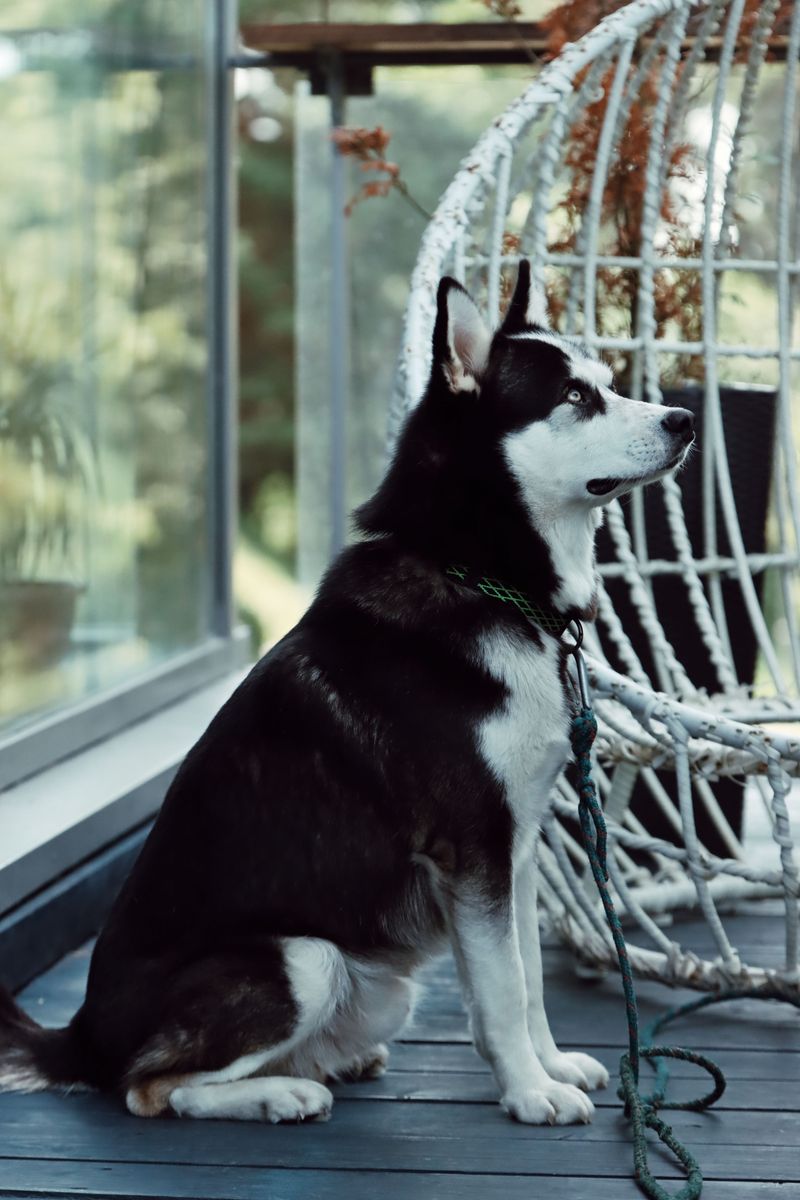
Siberian Huskies were made to run far, often in freezing weather, while pulling sleds with a team. Their love of movement and company is written into their whole body.
In a small yard, that history can become digging, escaping, or loud singing at the window. Secure fences, leash skills, and planned runs are key.
Many Huskies also enjoy canicross or hiking, but they need careful heat protection when the weather gets warm.
Australian Cattle Dog
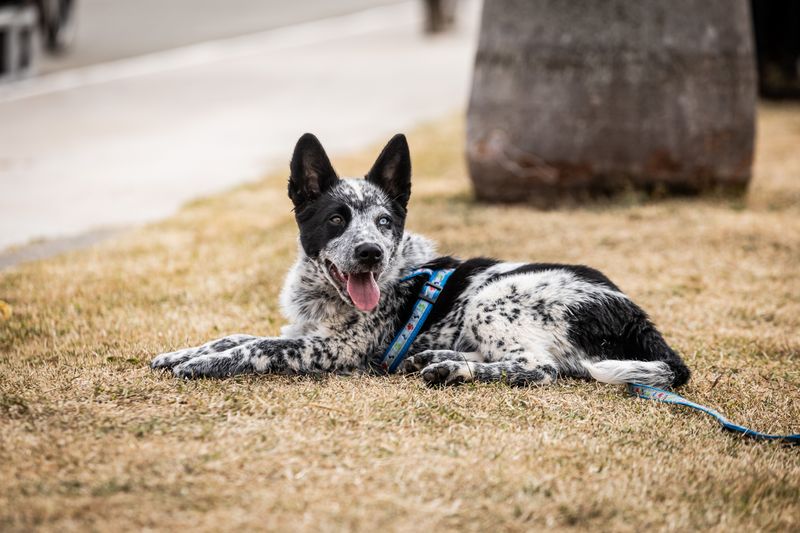
An Australian Cattle Dog can act like a tiny ranch boss in a suburban kitchen. Bred to push tough cattle over rough land, it learned to be bold, fast, and very determined.
That same grit may show as heel nipping, bossy play, or guarding favorite spaces. Clear rules, reward training, and chores like carrying items or learning names of toys help.
Short, boring days rarely suit this clever, rugged dog.
Jack Russell Terrier
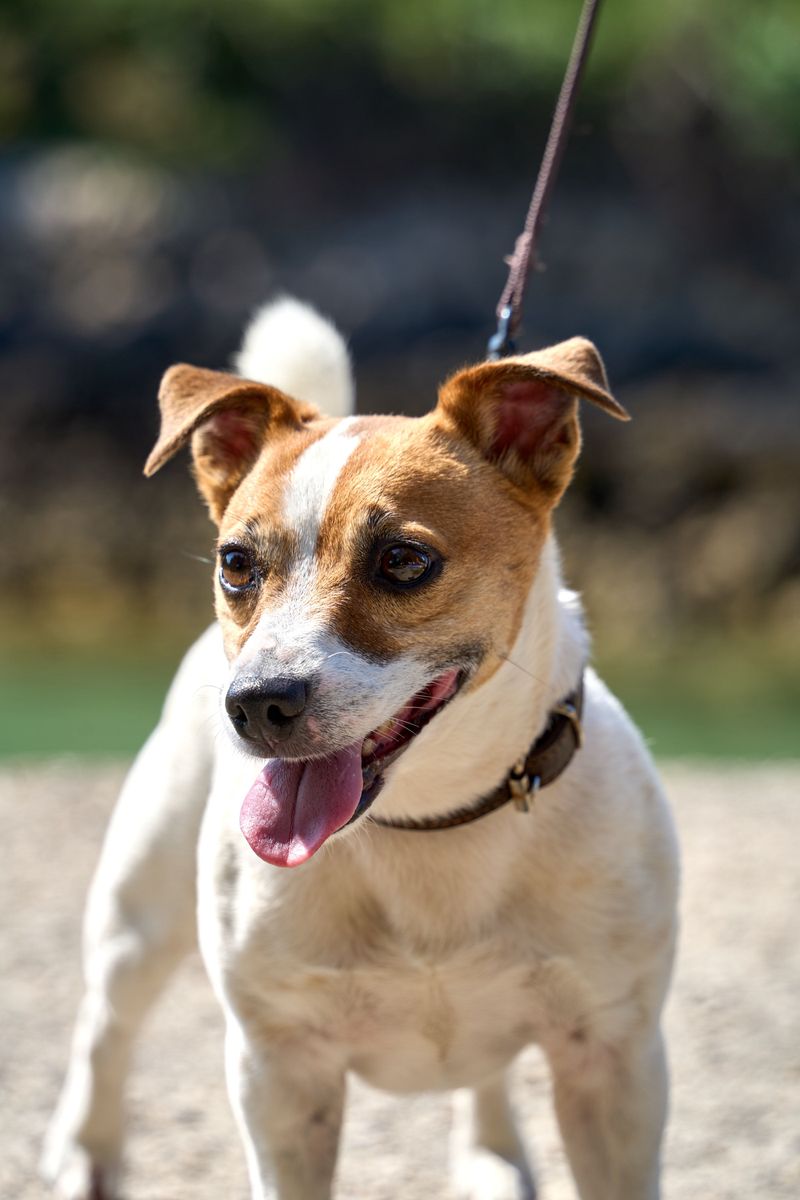
Jack Russell Terriers may be small, but their confidence can fill an entire room. They were bred to chase foxes and work underground, so bravery and quick reactions were prized.
Apartment life can feel too quiet for such a busy little hunter. Dig boxes, scent trails, fetch with rules, and short training sessions can prevent chaos.
Because they are smart escape artists, secure gates and solid recall practice are more than nice extras.
German Shorthaired Pointer
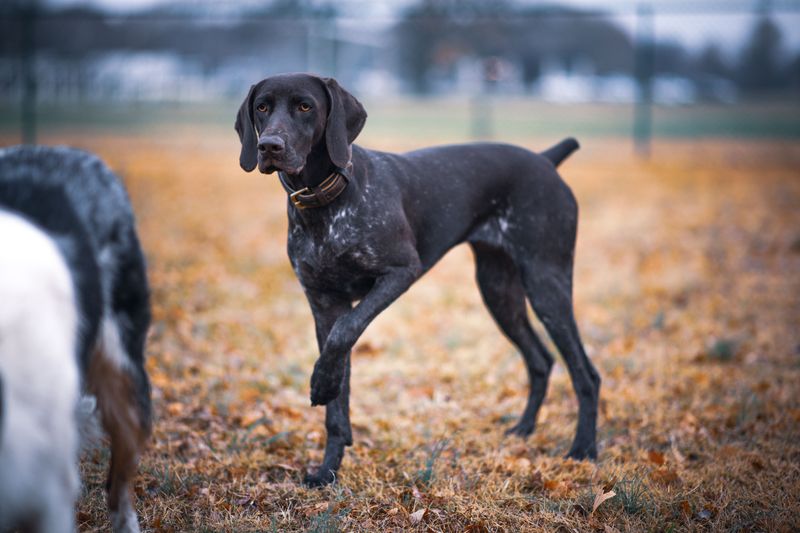
A German Shorthaired Pointer moves through the world like every breeze carries a message. This sporting dog was developed to point, track, and retrieve during long hunting days.
Family life can work beautifully, but only if its nose and legs get fair use. Long walks, field training, swimming, and hide-and-seek games fit its nature.
Left alone too long, it may bounce off furniture or chew from frustration, not because it is trying to be bad.
Great Pyrenees
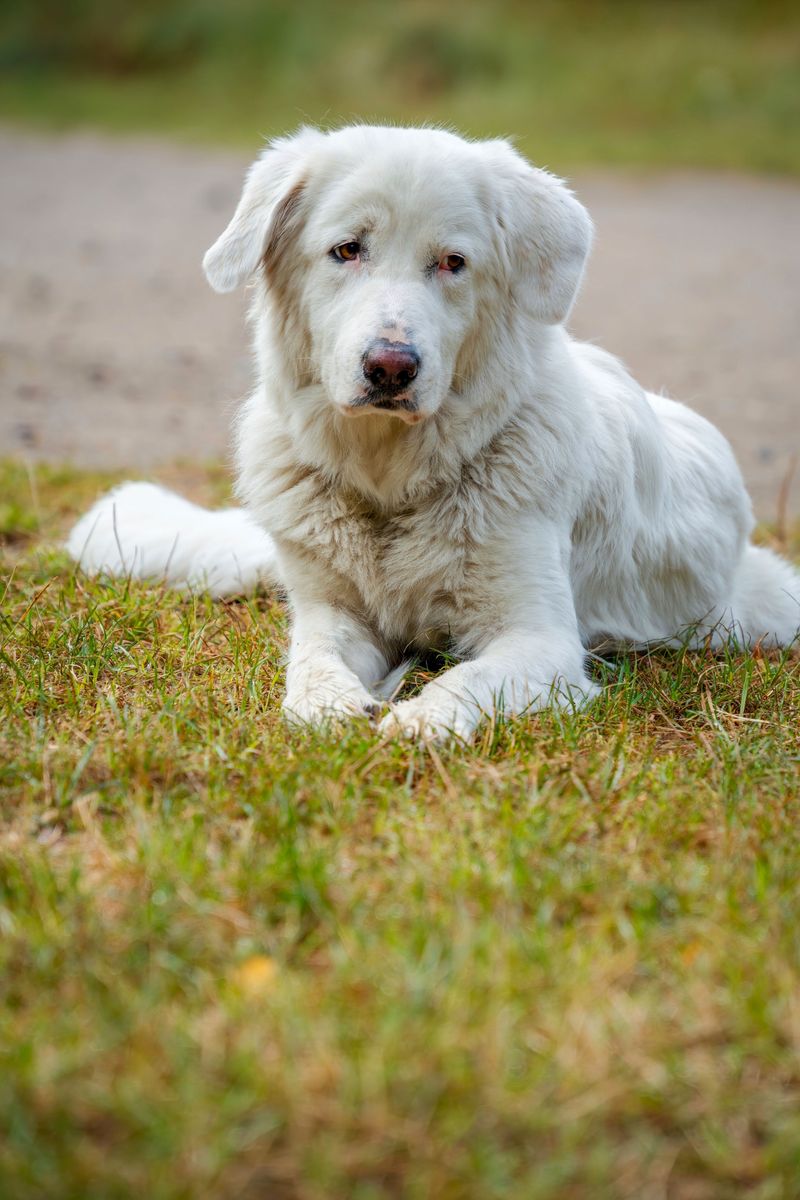
Great Pyrenees dogs have watched over sheep under moonlit skies for hundreds of years. Their calm face can hide a very independent thinker, trained by history to make choices without constant human direction.
In neighborhoods, that guarding instinct may become booming nighttime barks or suspicion of strangers. Early social time, strong fencing, and patient leash work help.
They are not usually eager robots, so training should feel respectful, steady, and rewarding.
Beagle
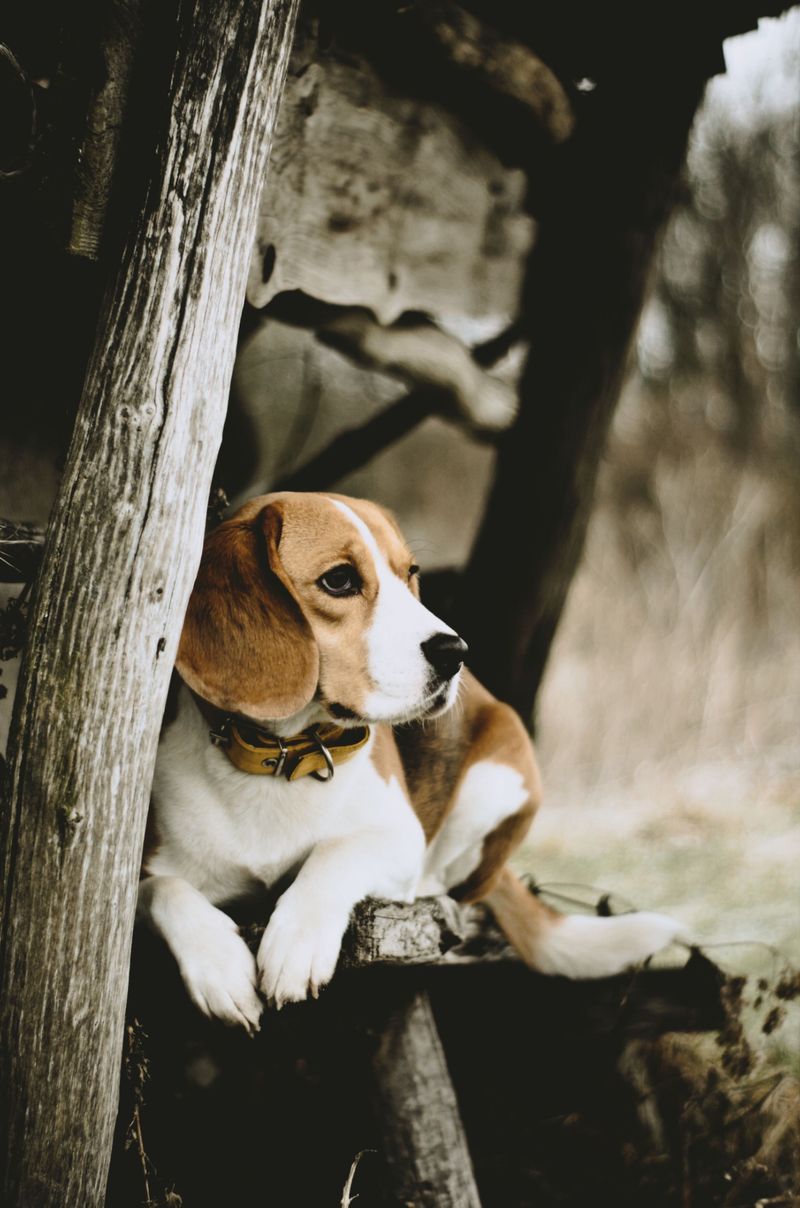
A Beagle with its nose down is reading a story humans cannot see. Pack hunting shaped this cheerful hound to follow scent trails with loud voices and amazing patience.
That talent can cause trouble when dinner scraps, squirrels, or open doors appear. Use food puzzles, sniff walks, and fenced play to satisfy the nose.
Recall takes extra practice, so many Beagles are safest on leash in open areas, even when they seem sweet and friendly.
Weimaraner
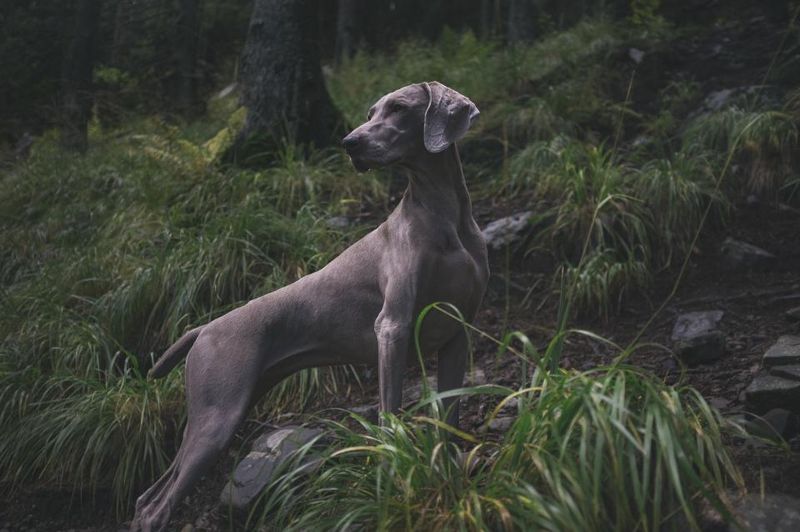
Weimaraners earned the nickname gray ghost because they move smoothly and often stay close to their people. German hunters bred them for stamina, tracking, and working right beside the family.
Separation can be hard for a dog so people-focused. Crate comfort, gradual alone-time practice, and steady exercise make daily life easier.
Running games, nose work, and polite greeting lessons are useful too. When needs are ignored, this elegant athlete may become clingy, restless, or noisy.
Giant Schnauzer
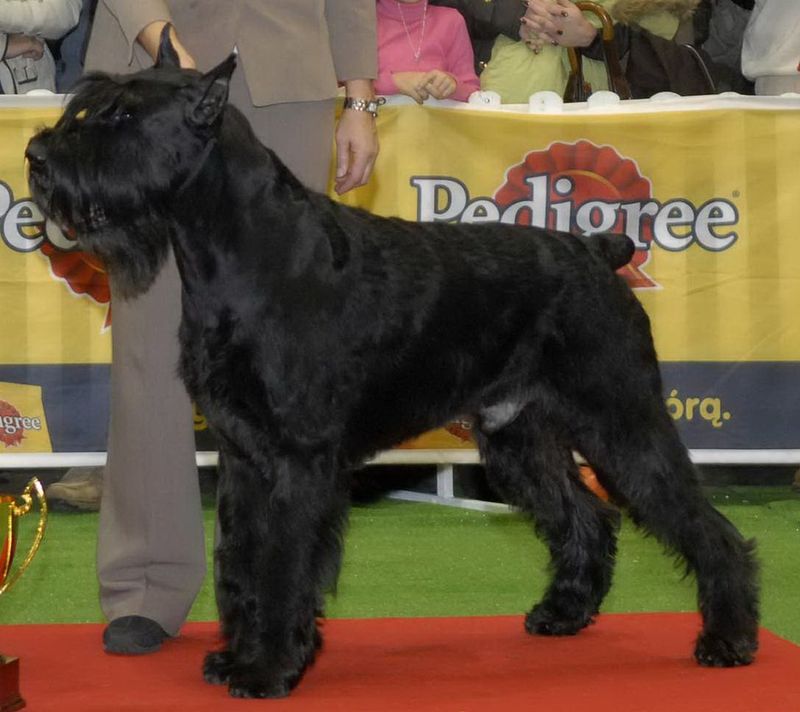
Giant Schnauzers carry themselves like serious gatekeepers, and that is no accident. They helped drive cattle, guard property, and protect farms, so strength and judgment were part of the package.
Modern families may be surprised by their intensity. They need early manners, social practice, and jobs that use both muscle and brain.
Obedience sports, tracking, and controlled tug can channel power well. Clear household rules are especially helpful before this large dog invents its own policies.
Australian Shepherd
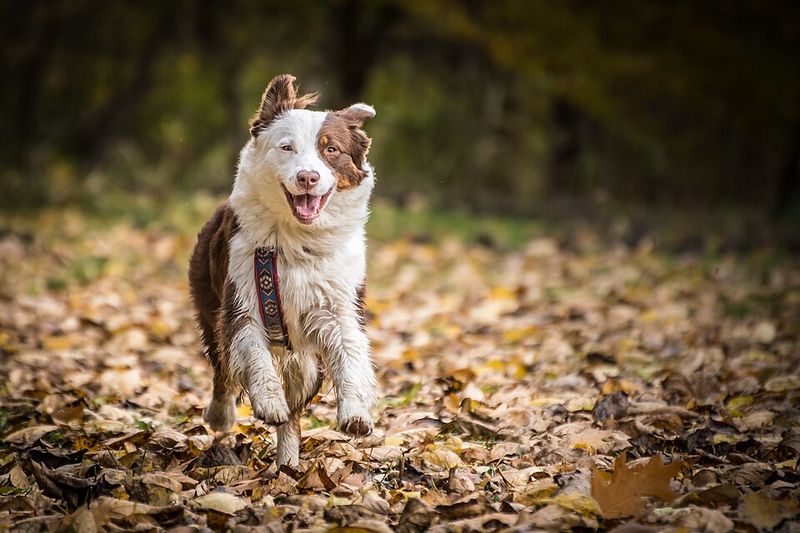
Australian Shepherds often seem ready to organize the whole household before breakfast. Despite the name, the breed grew popular in the American West as a smart ranch helper.
Those herding roots can lead to chasing, barking, and intense staring when life feels dull. Teach settle cues, reward calm behavior, and offer learning games that change often.
Many Aussies shine in agility, rally, or frisbee, but they also need downtime so their busy minds can switch off.