Thin apartment walls have a way of turning one excited bark at 6 a.m. into a building-wide alarm clock. Plenty of people assume a small dog means a yappy dog and a big dog means trouble, but the breeds that stay calm at sunrise often break both rules.
Some were shaped by centuries of quiet work, while others simply have a laid-back temperament that makes early hours easier for everyone. Here are eight breeds known for gentler mornings, along with what really makes each one a good fit for apartment life.
Basenji
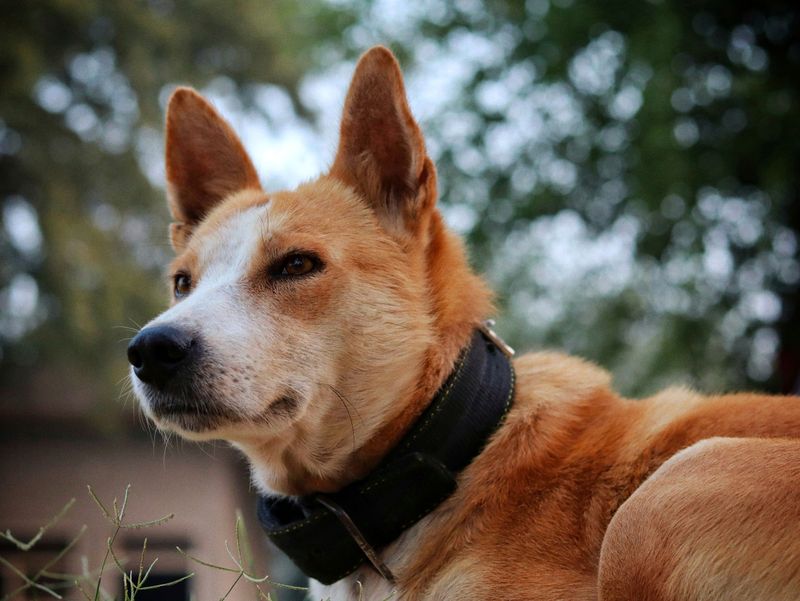
Picture a dog that physically struggles to bark the usual way. The Basenji, an ancient hunting breed from Central Africa, has an unusually shaped larynx, so instead of a classic bark it tends to make a yodel-like sound often called a baroo.
That does not make it silent. Basenjis can whine, chortle, and even scream when frustrated, so quiet should never be confused with mute.
What helps in an apartment is that the morning racket many dogs make at hallway noises usually comes out softer here. The catch is energy and independence, since these dogs were bred to hunt by sight and think for themselves.
A bored Basenji may chew rather than bark, so a solid walk and puzzle feeder before work matter more than with most breeds on this list.
Greyhound
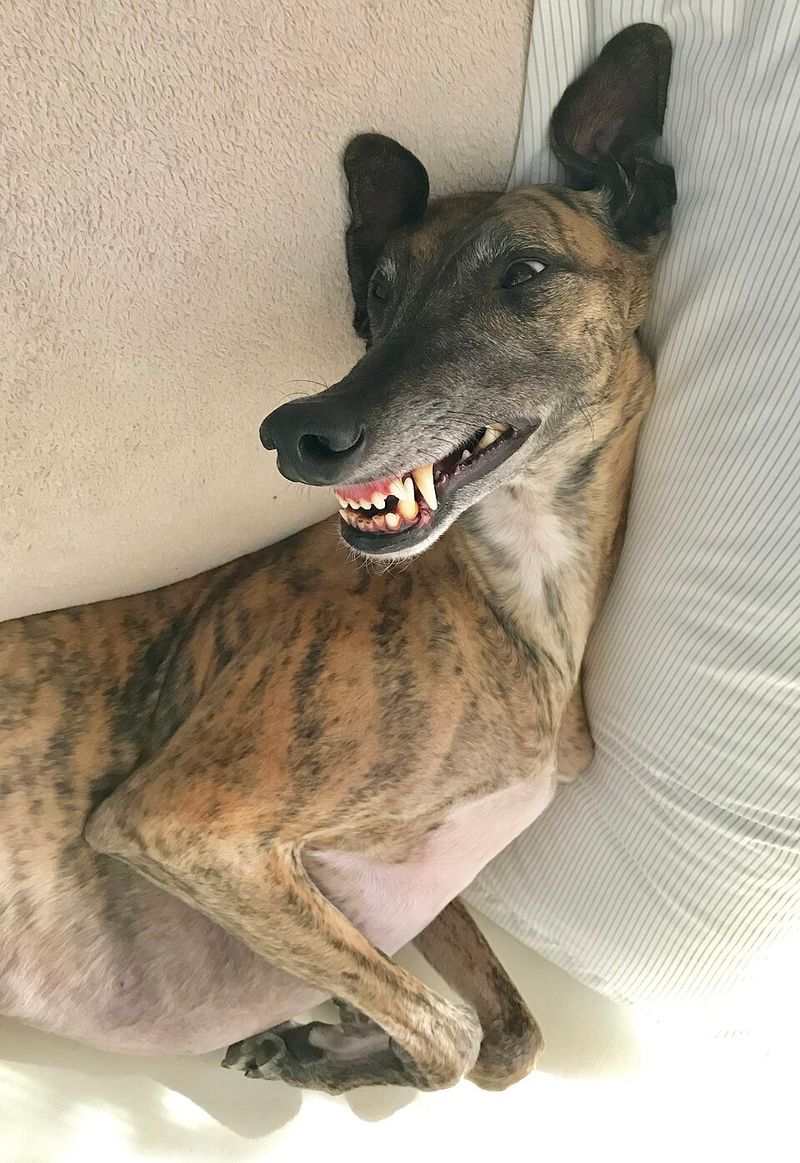
Here is the twist most people never see coming. The fastest dog breed on the list is also one of the laziest roommates, and retired racing Greyhounds are famous for sleeping a large part of the day.
Greyhounds are sprinters, not marathon runners. A couple of brisk walks and the occasional chance to run in a secure fenced area typically satisfies them, and the AKC describes the breed as quiet and gentle at home.
Mornings often look like a long stretch, a slow amble to the water bowl, and a return to the couch. They rarely bark much.
One real consideration is a strong chase instinct, so leashes stay on outdoors and introductions to cats need care.
Cavalier King Charles Spaniel
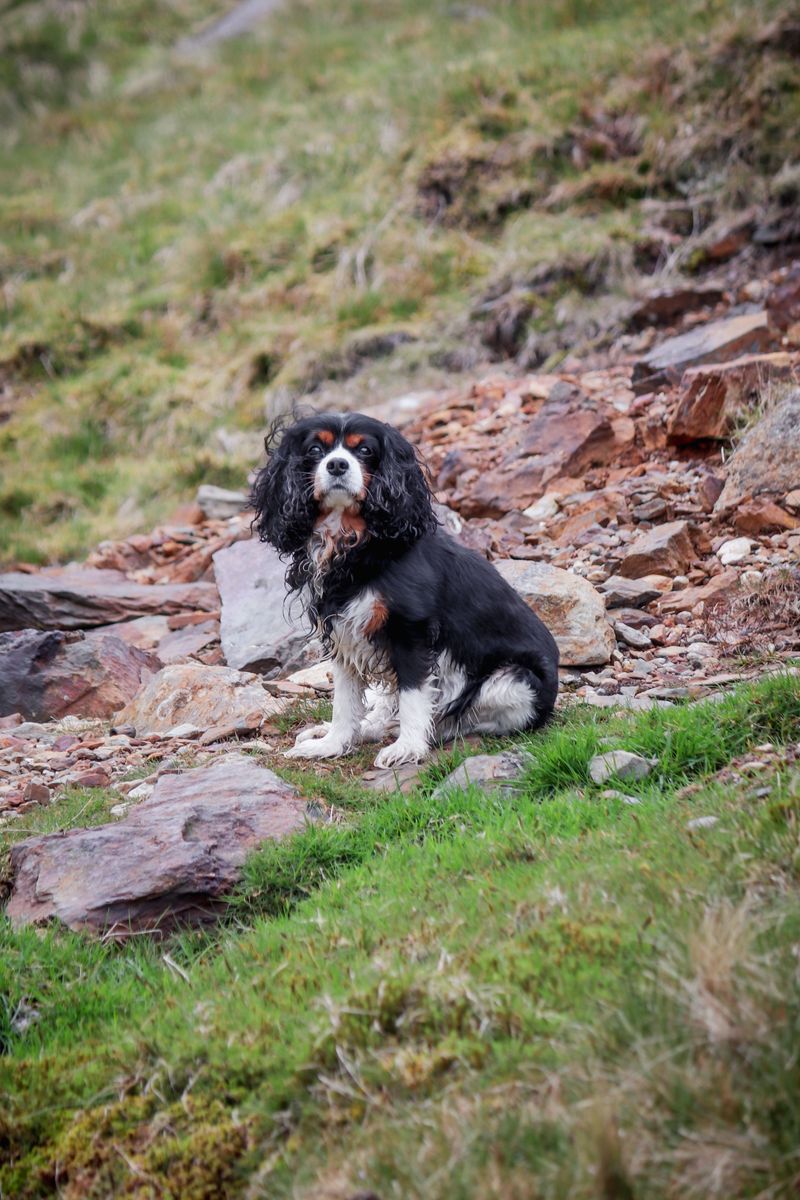
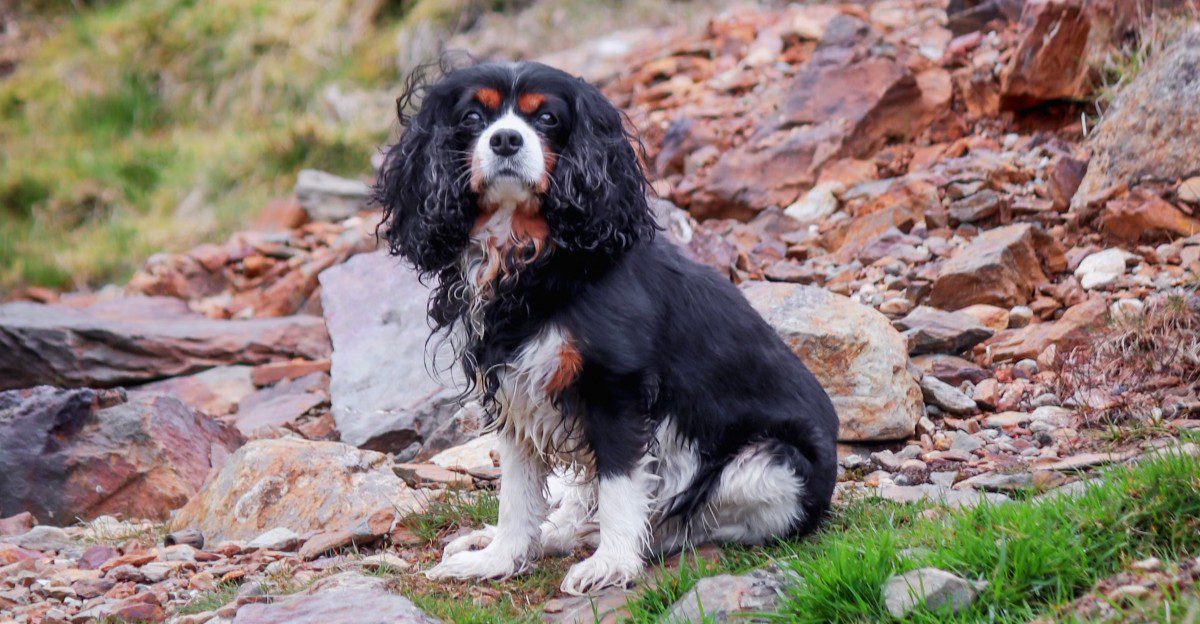
Royal lapdogs had one job, and it was not guarding the door. Cavaliers descend from toy spaniels kept by British nobility for companionship, and that history still shows in a breed that usually prefers snuggling to sounding off.
Most Cavaliers are friendly toward strangers, which means the delivery person is more likely to be greeted with a wagging tail than a barrage of barks. That social streak keeps hallway encounters low-drama.
The tradeoff is attachment. Some individuals can struggle when left alone, and distress can turn into vocalizing.
Building short, positive practice absences from puppyhood helps keep those quiet mornings intact once the workday begins.
Bulldog
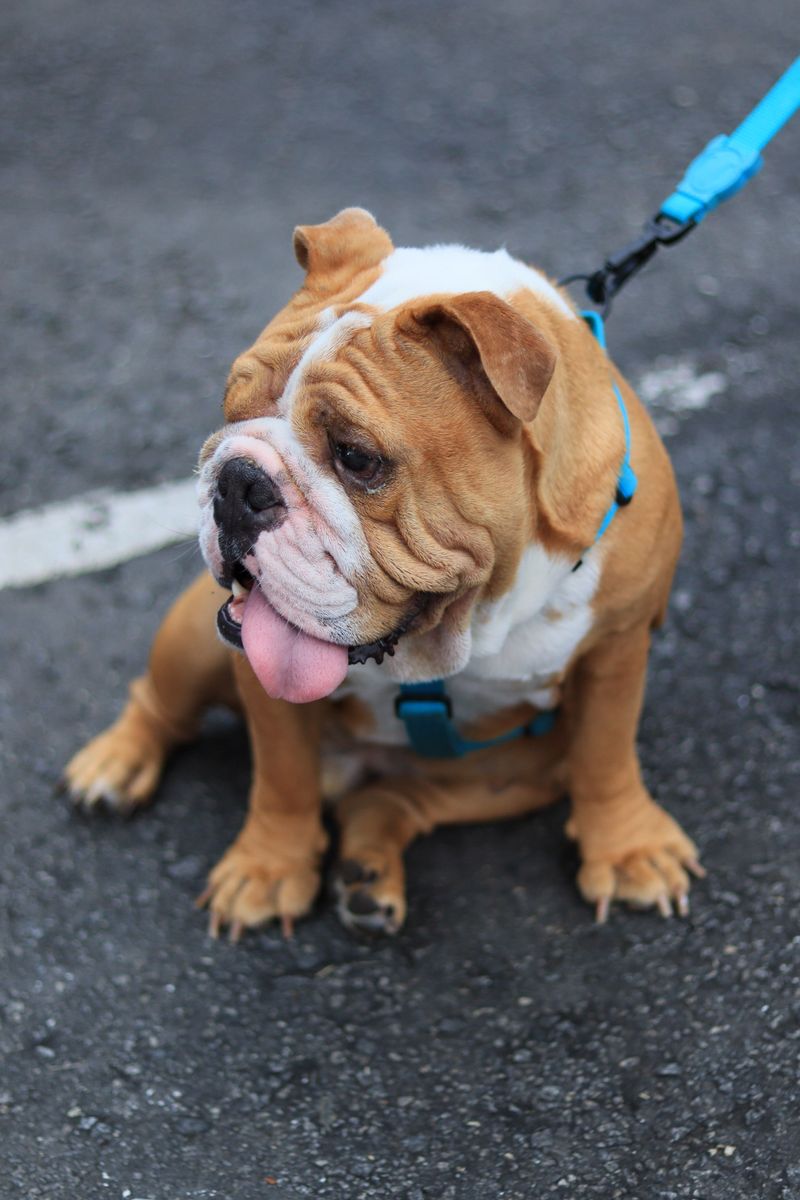
Ask a Bulldog to start the day early and you may get a heavy sigh in response. The English Bulldog tends to be calm, steady, and not much of a barker, which suits buildings where neighbors sit just a few feet away.
Do expect other sounds, though. Snoring, snorting, and wheezing are common because of the breed’s short, flat face, so the room may not be silent even if the bark count stays low.
That same face makes them sensitive to heat and heavy exercise, which actually fits apartment life with short morning strolls. Ask a vet about breathing health, especially before summer.
Shiba Inu
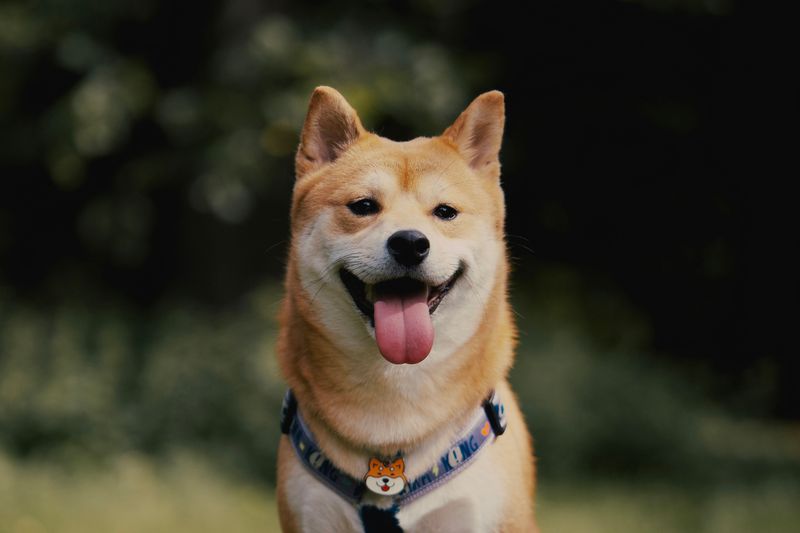
Cat-like is the word owners reach for most often. The Shiba Inu, an old Japanese hunting breed, is famously tidy, self-possessed, and generally sparing with barks.
Instead of announcing every footstep in the hall, many Shibas simply watch. They groom themselves fastidiously and tend to keep a dignified distance from fuss.
Fair warning, the breed has one dramatic sound up its sleeve. The so-called Shiba scream can come out during nail trims or when the dog is unhappy about being handled.
Gentle, reward-based handling practice keeps those moments rare, and a predictable morning routine suits this independent thinker well.
Whippet
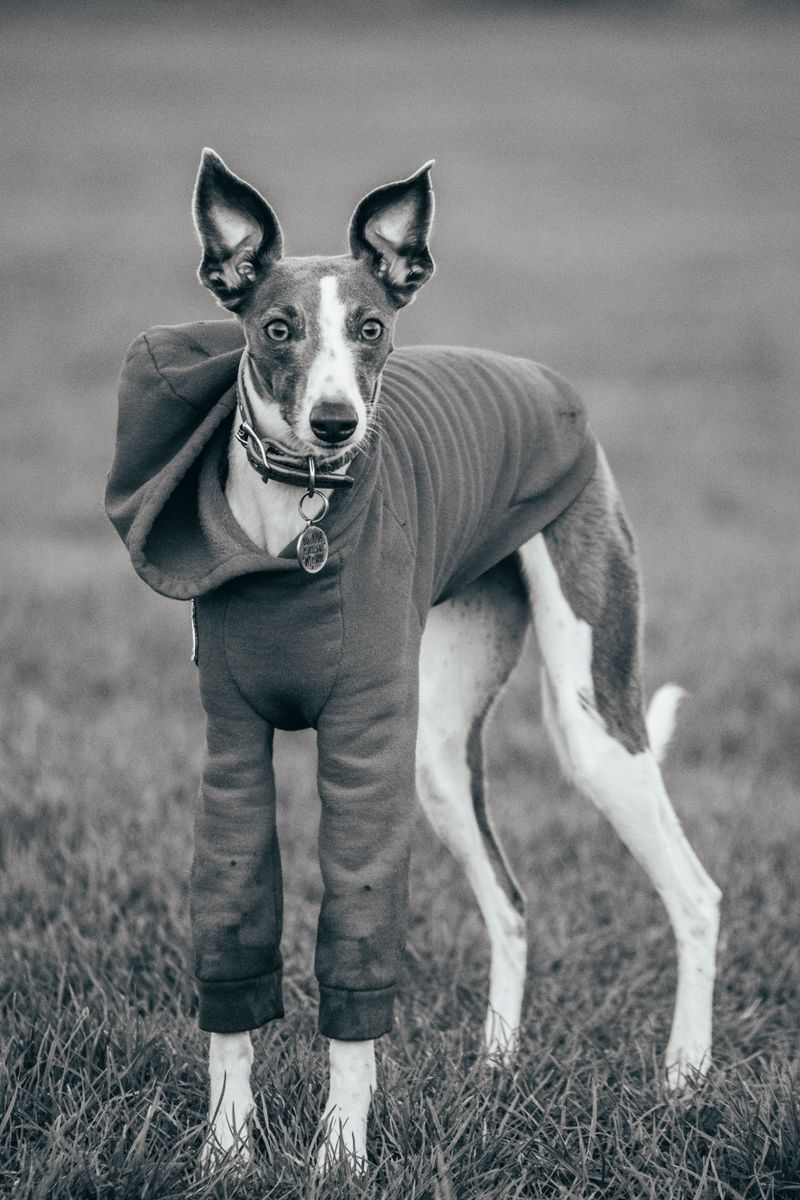
Think of a Greyhound shrunk to apartment size and you are close. Whippets were developed in England as rabbit-coursing and racing dogs, yet indoors they are quiet and content to burrow under blankets.
Barking simply is not their style for the most part. Their thin coats and low body fat make them seek warmth, so chilly mornings often mean a Whippet staying tucked in rather than demanding attention.
Give them a chance to run hard in a safe place a few times a week, plus daily walks, and they settle easily. A coat or sweater for winter outings is practical, not just cute.
Bernese Mountain Dog
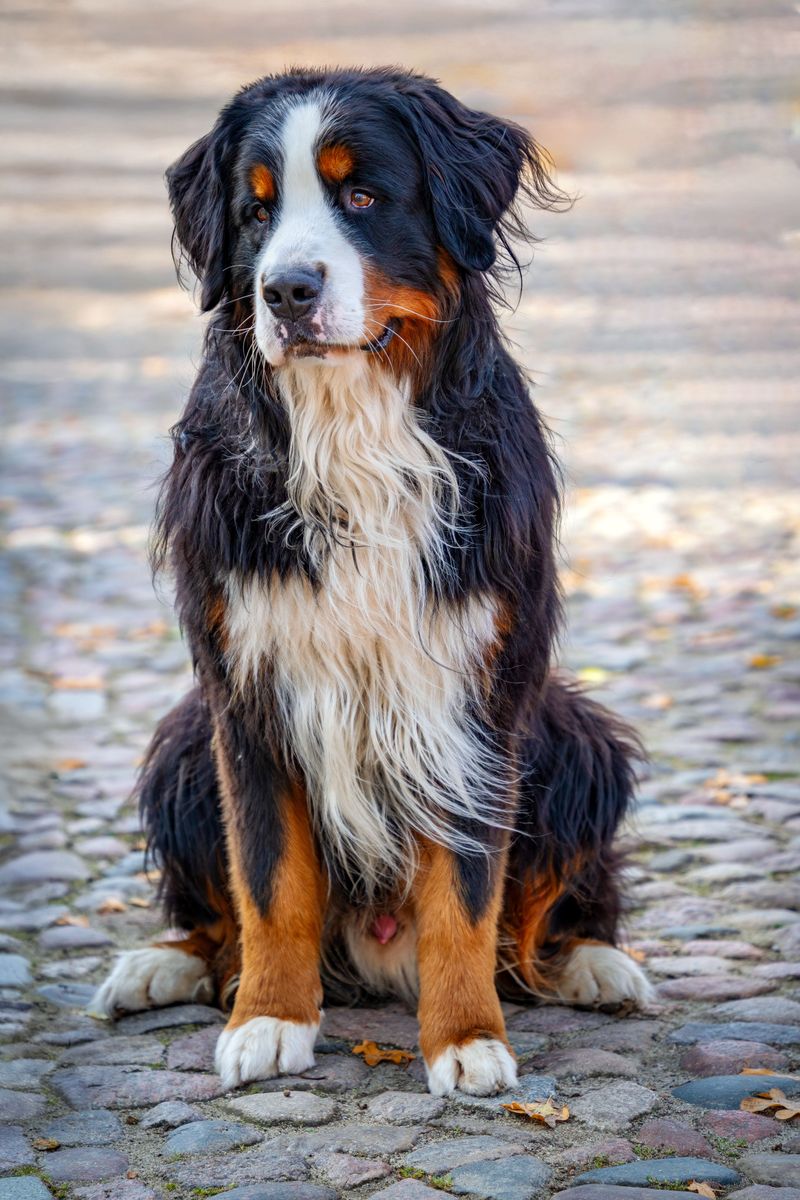
Big dogs in small spaces sound like a mismatch. Still, the Bernese Mountain Dog, a Swiss farm dog once used to pull carts and watch over property, is known for an easygoing temperament that often translates into calm, unhurried mornings.
Berners may bark to alert, but they are rarely nonstop noisemakers. Their placid attitude can surprise people expecting a giant ball of chaos.
Space and shedding are the real challenges. A roomy unit, ideally with an elevator or ground floor access, and frequent brushing make life easier.
Their large size also means they need moderate daily exercise, not a couch-only lifestyle.
Japanese Chin
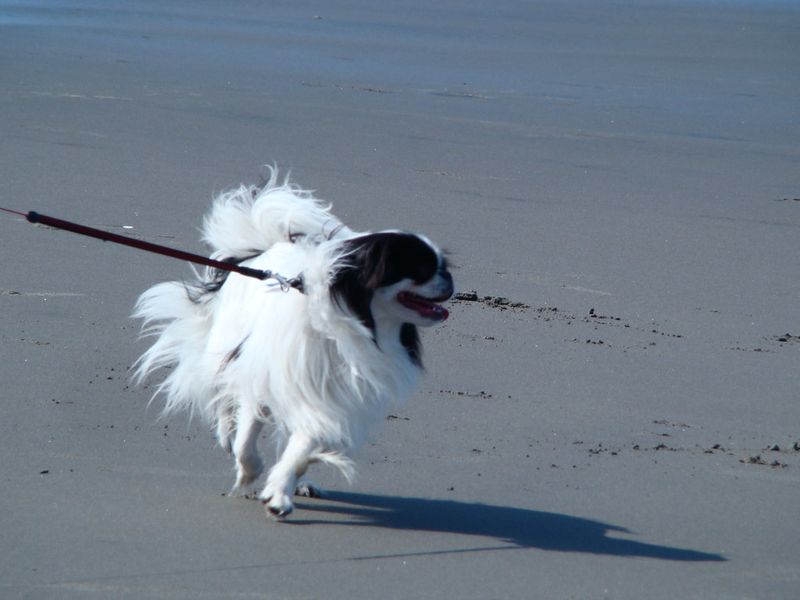
Some toy breeds earn their noisy reputation, but the Japanese Chin bucks the trend. Bred as an elegant companion for Japanese aristocracy, the Chin is generally quiet and not inclined to bark at every passing sound.
The breed is often compared to a cat. Many like to perch on high spots, wash their faces with their paws, and keep themselves impressively clean.
Exercise needs are modest, a short walk and indoor play typically do the job. Their flat faces mean warm weather requires care.
For a small home where early hours matter, few breeds fit as neatly.