Starting dog training for the first time can feel scary, but the right breed makes everything easier. Some dogs love to learn, enjoy routines, and stay calm in busy places.
With the breeds below, simple steps and kind praise go a long way. You will build skills together and feel proud of every small win.
Labrador Retriever
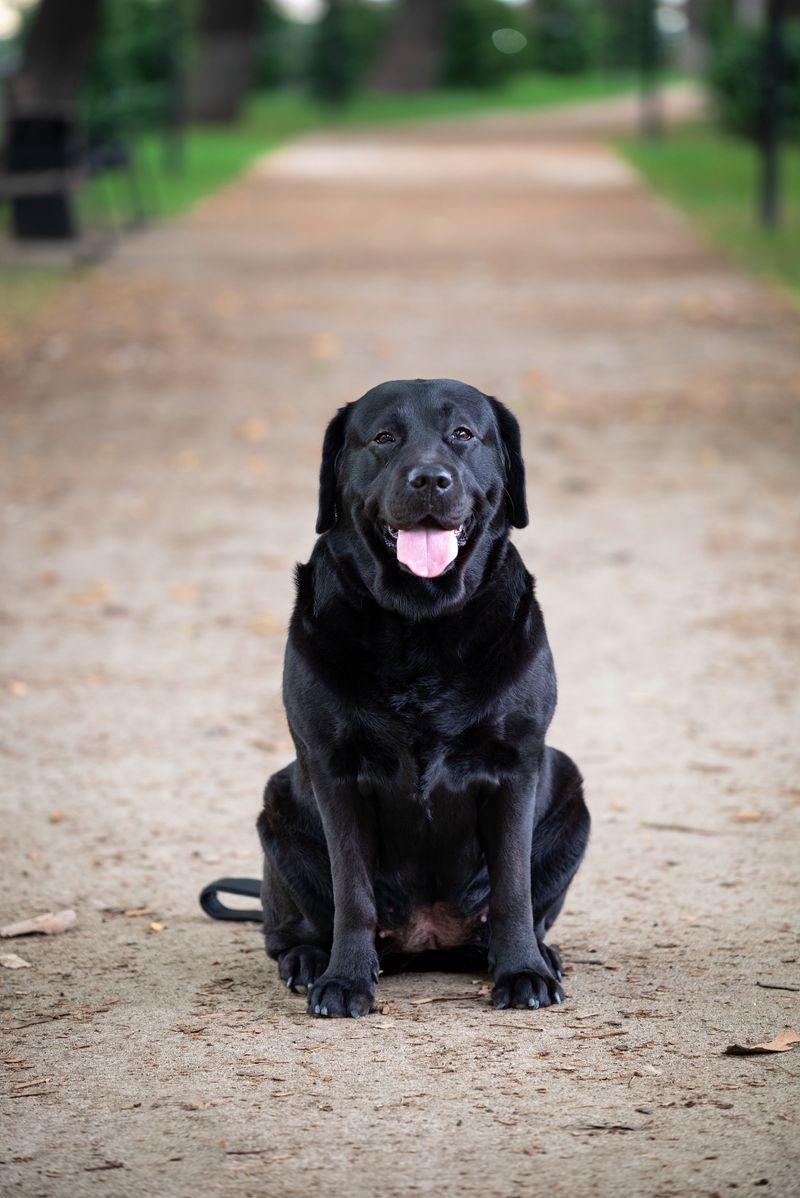
With a grin that wins you over, the Labrador loves learning games. Food rewards, short sessions, and clear cues turn training into a happy routine.
Start with sit, stay, and loose-leash walking, then add fetch to burn energy. Social meetups and calm greetings keep manners steady, even around exciting distractions.
Labs mature slowly, so patience and play keep progress rolling without stress for new trainers.
Golden Retriever
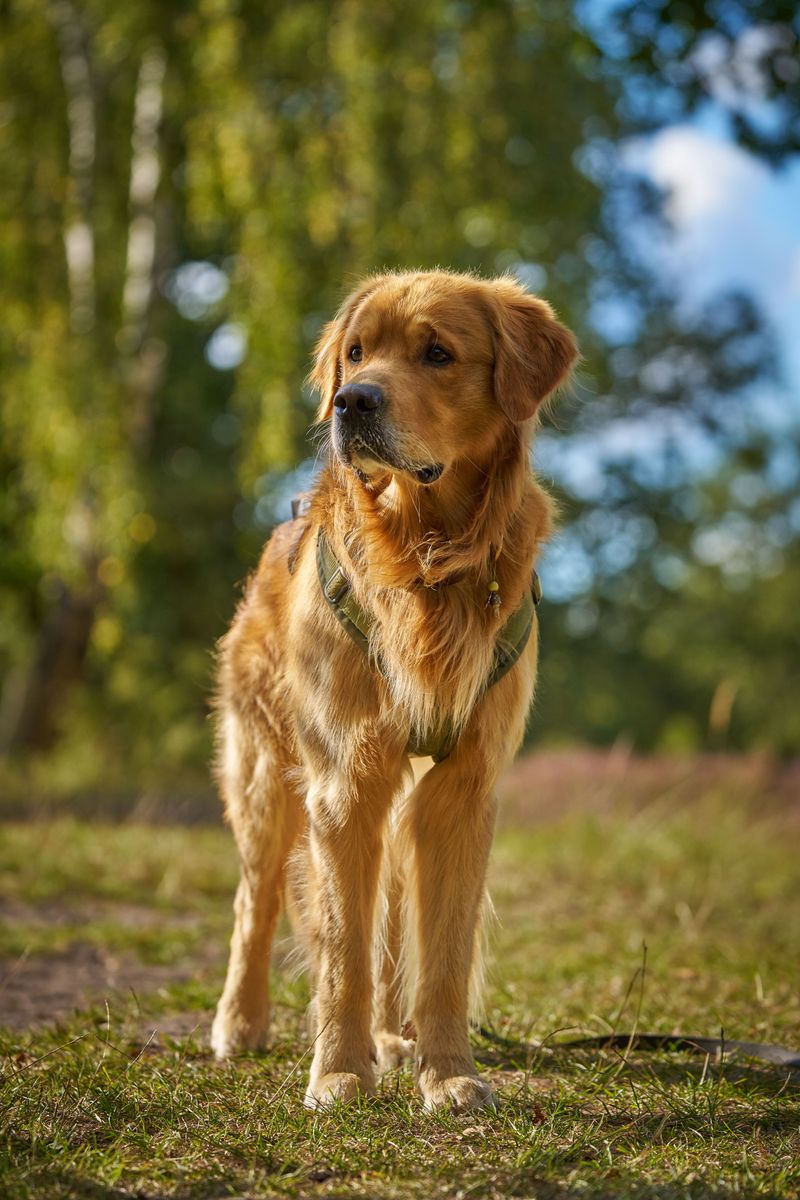
Friendly by nature, the Golden soaks up praise like sunshine. A soft voice and a steady rhythm help lessons click fast.
Teach basic cues, then practice polite doorways, car loading, and gentle item delivery. Daily brushing doubles as bonding time, and mental puzzles keep that bright mind satisfied on rainy days.
Goldens often excel in beginner obedience classes, building confidence for everyone from day one.
Papillon
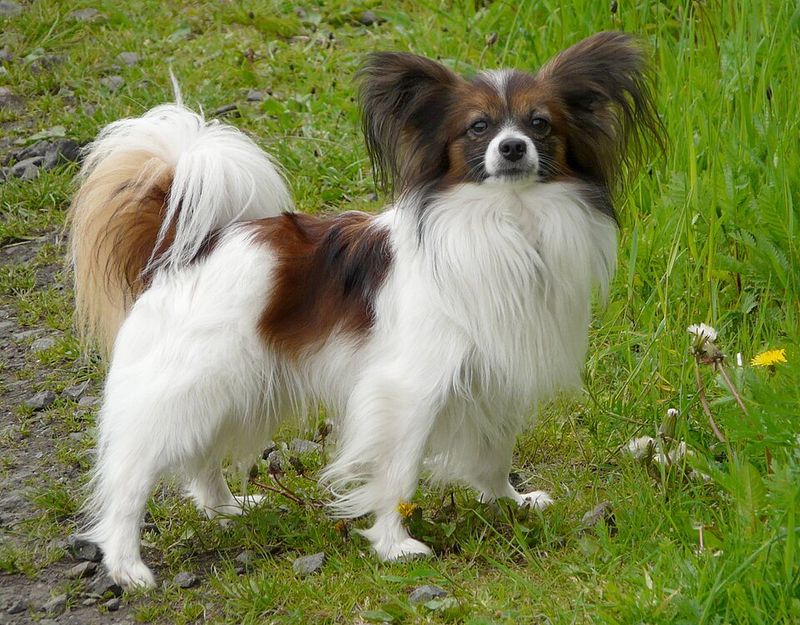
Those butterfly ears are little radar dishes for your voice. Quick and curious, the Papillon thrives on tiny challenges that earn big cheers.
Keep sessions short, mix sits with spins and target touches, and finish before boredom appears. A snug harness protects the neck, while indoor fetch and nose games burn energy without overwhelming small legs.
Watch for jumpy excitement and reward calm moments too.
Havanese
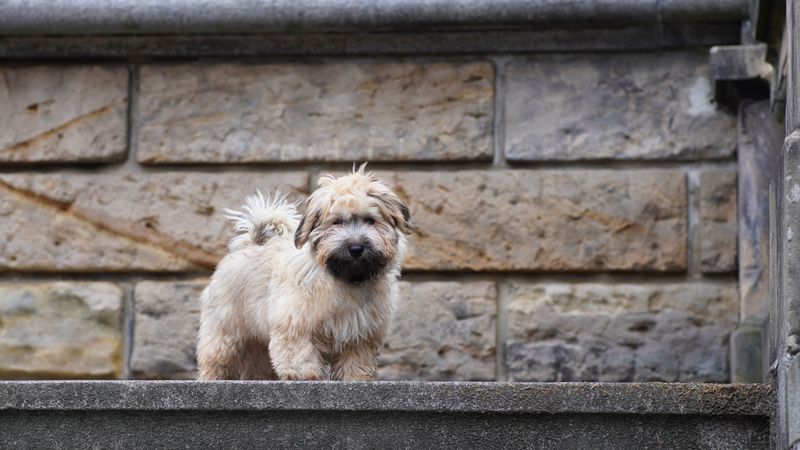
Lively yet polite, the Havanese turns training into a friendly chat. They read faces well, so smile, relax, and celebrate small wins.
House manners improve with consistent potty breaks, crate comfort, and quiet praise. Teach a settle mat for coffee shop visits, use gentle brushing as a reward, and rotate toys to prevent clingy behavior when you leave for errands.
Short walks build brave spirits.
Miniature Schnauzer
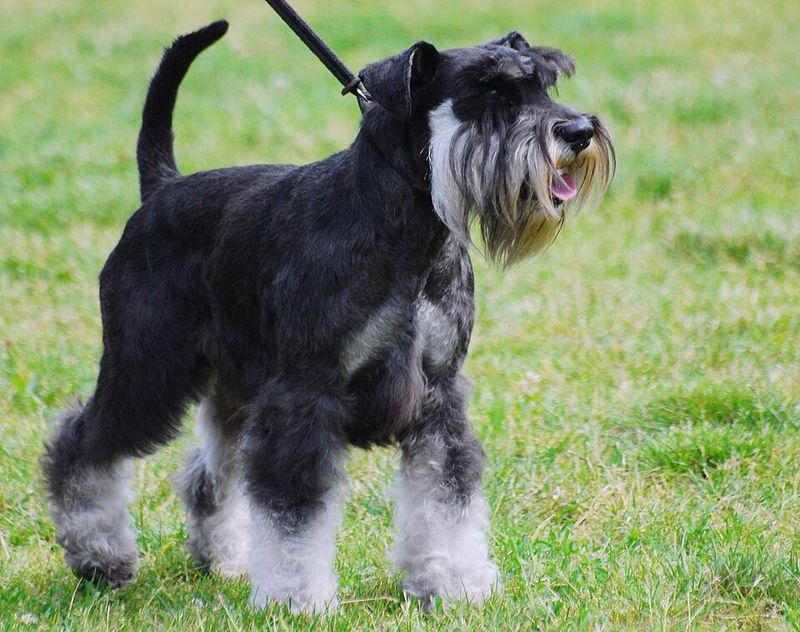
Whiskers twitching, this watchdog loves a job. A clear plan and firm kindness keep that smart brain focused on you, not squirrels.
Start with quiet sits before doorbells, then reward eye contact during neighborhood distractions. Clip nails and brush regularly, pairing grooming with treats, and try scent games to satisfy natural curiosity without encouraging nuisance barking.
Consistent rules keep confidence high during early lessons together.
Standard Poodle
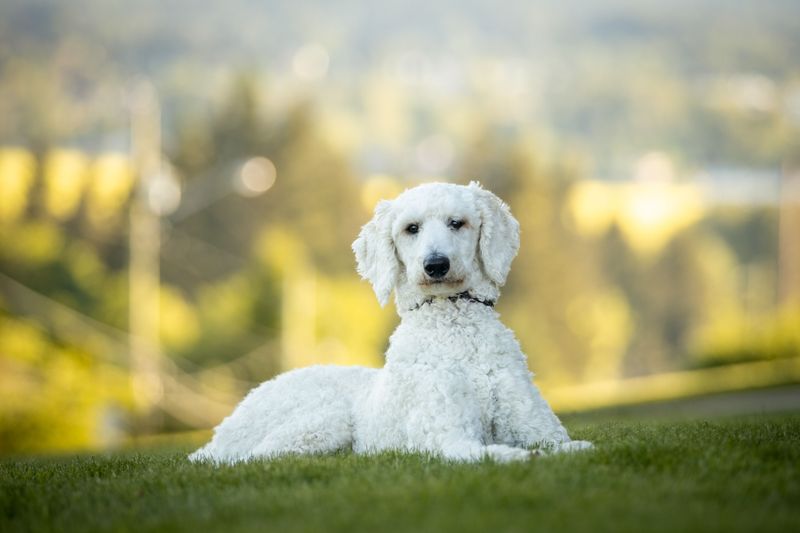
Elegant looks aside, the Poodle is a problem solver at heart. Variety is the secret, because repeating the same drill bores this bright student quickly.
Alternate obedience with retrieve games, platform work, and easy agility. Regular coat care becomes cooperative when you teach chin rests, still paws, and relaxed standing, turning grooming into a calm partnership you both enjoy over time.
Poodles love learning names.
English Springer Spaniel
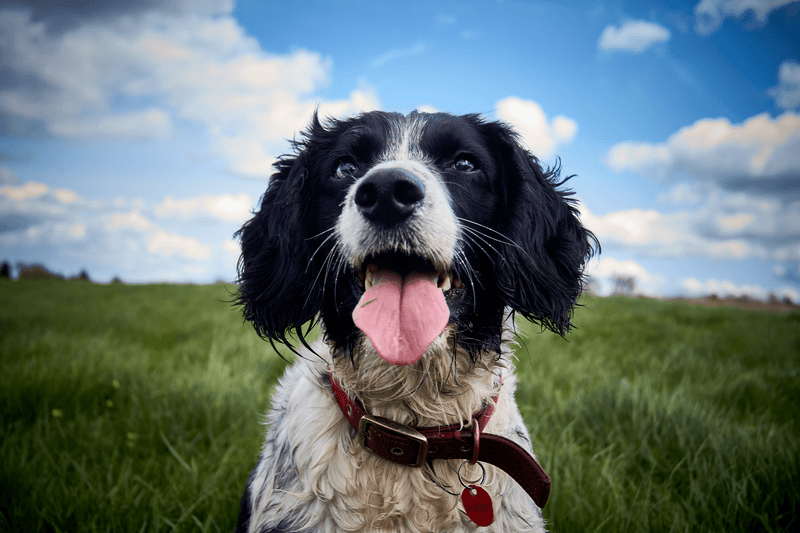
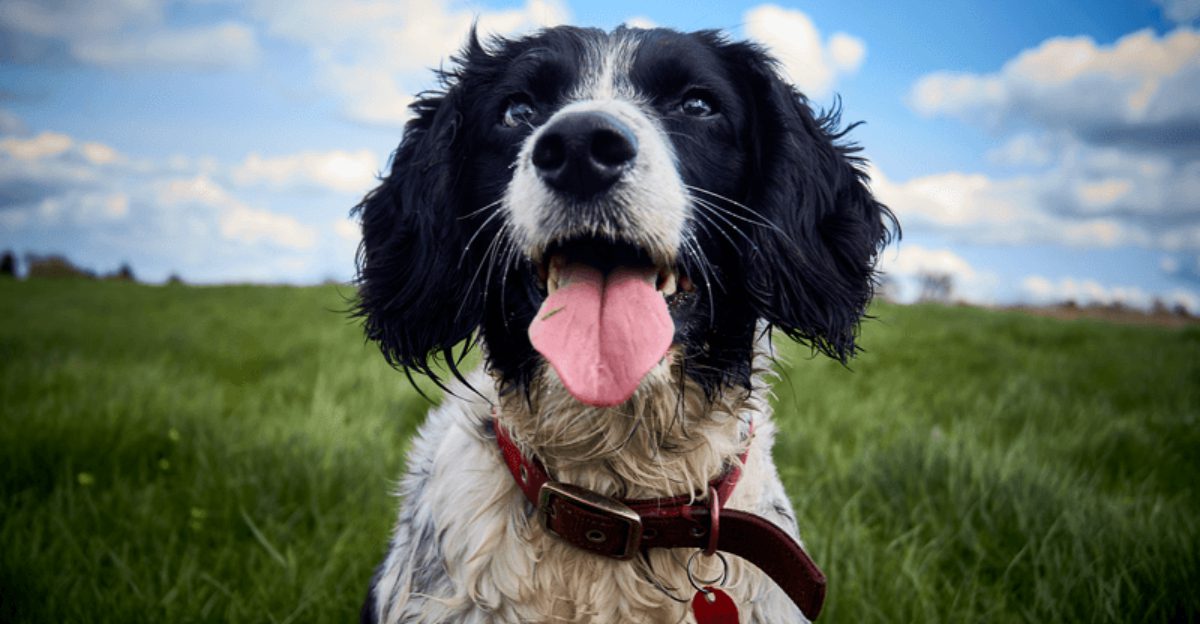
Born to work the field, Springers bring eagerness to every lesson. Channel that drive into sniff walks and structured fetch so excitement has a job.
Teach impulse control with sit, watch, and wait before doors or toys, then reward fast release cues. Regular exercise plus calm downtime helps prevent hyper zooms at home, and gentle ear checks keep training sessions comfortable and distraction free.
Praise generously.
Shetland Sheepdog
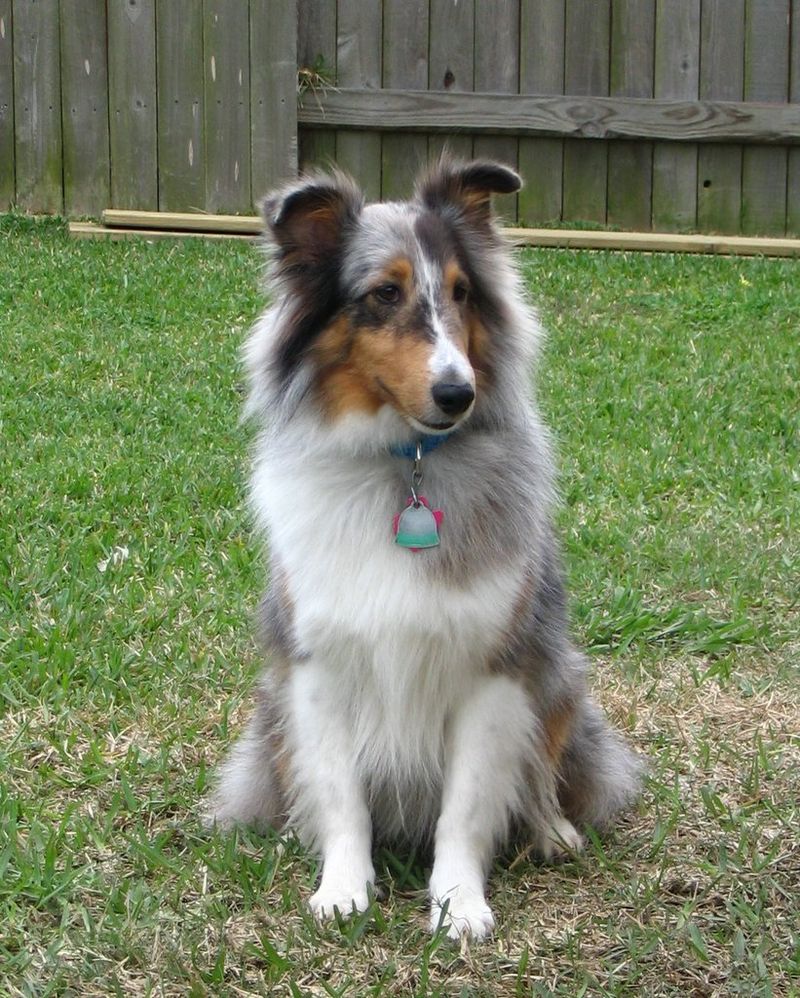
Quick on their paws, Shelties notice everything. That sensitivity becomes a superpower when you use quiet markers and clear patterns during practice.
Teach tricks that channel herding instincts, like circle around, perch pivots, and heel position. Rotate calm social time with confident strangers, pair sounds with treats to ease noise worries, and give puzzle feeders to occupy the mind while you cook dinner.
Gentle encouragement works.
Boston Terrier
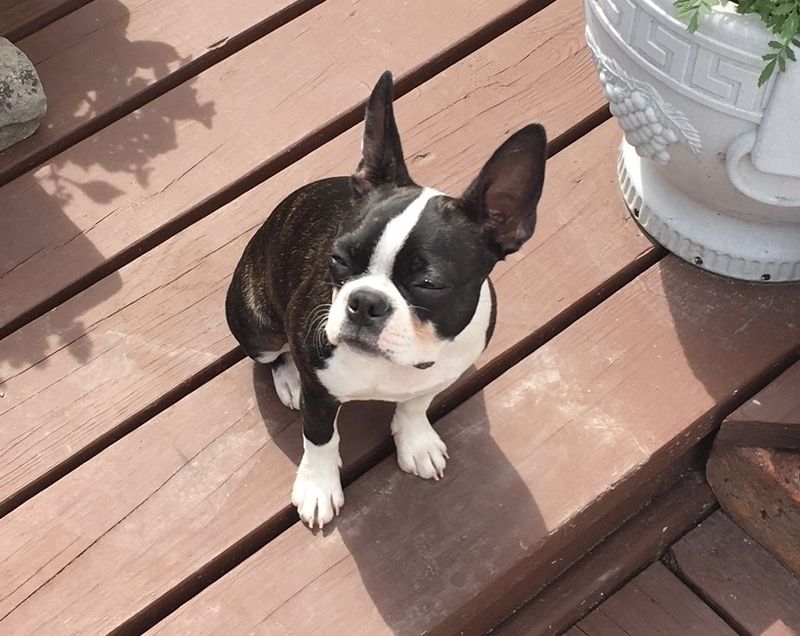
Big eyes, bigger personality, the Boston brings humor to homework. Short bursts of training fit their style and keep breathing easy.
Teach hand targets, polite greetings, and a go to mat for visitors. Avoid overheat by practicing indoors on hot days, use soft treats, and add calm tug games that end on a drop cue so manners grow along with fun.
Eye contact earns jackpots.
Cocker Spaniel
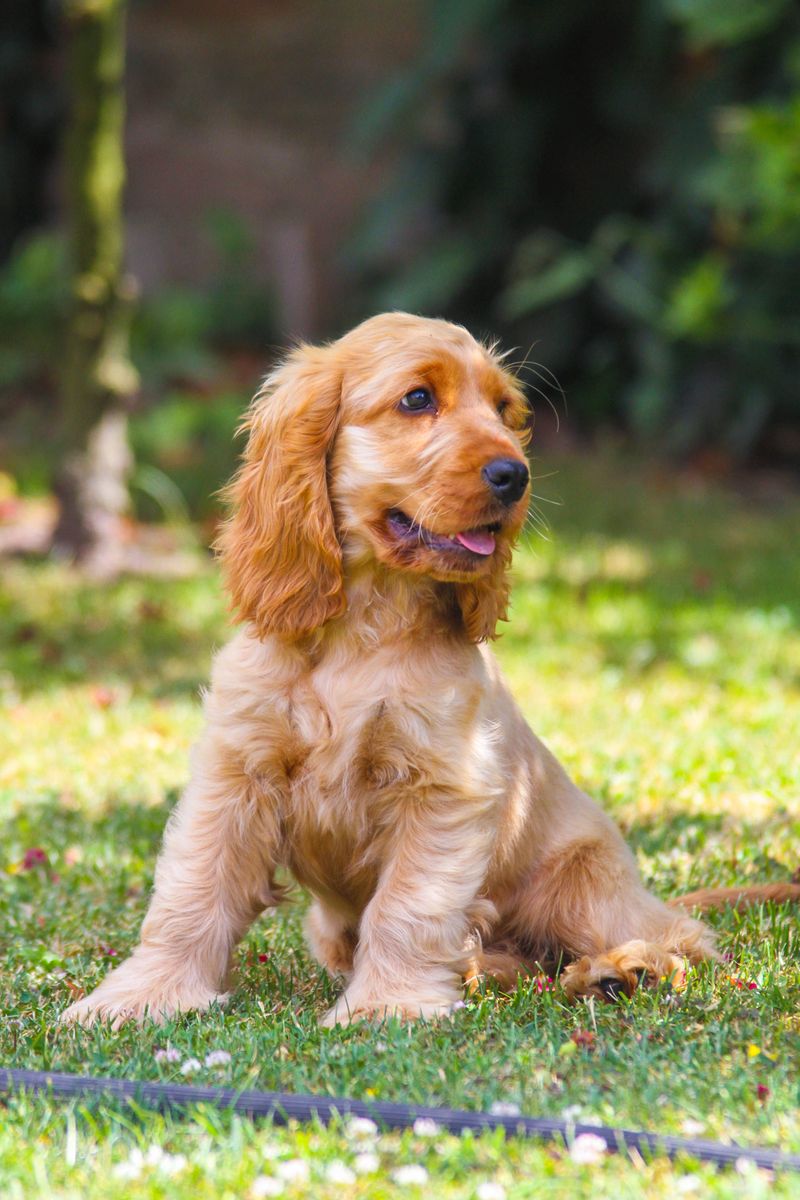
Silky ears, soft eyes, and a willing spirit make lessons pleasant. Many Cockers respond best to steady routines and gentle feedback instead of loud corrections.
Work on calm brushing, ear care, and paw handling between sits and stays so grooming feels normal. Daily sniff walks, games of find it, and simple retrieves reduce stress while building confidence for kids and adults practicing together at home.
Bichon Frise
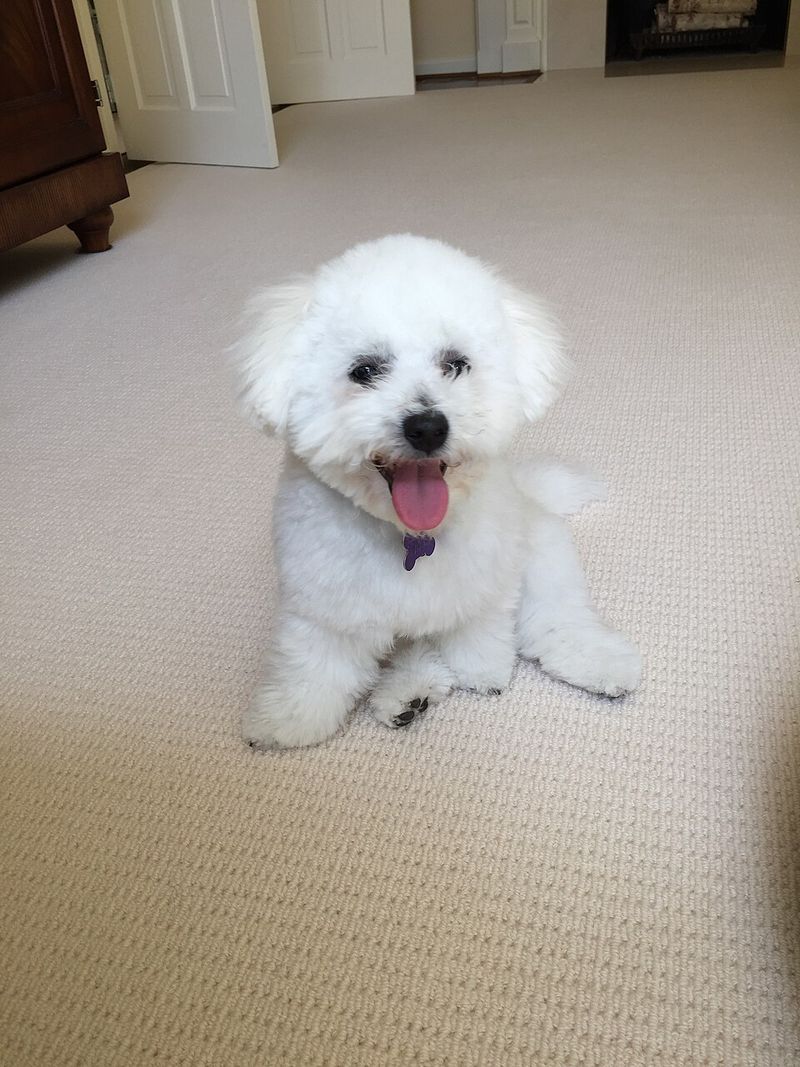
Like a cheerful cotton cloud, the Bichon floats through training with wagging enthusiasm. Laughter and tiny treats make repetition feel like playtime, not homework.
Focus on house training with consistent schedules, then teach a happy go to bed cue for visitors. Practice gentle brushing and tear-stain care with rewards, and use indoor obstacle courses on rainy days to burn energy without stirring up mischief under the couch.