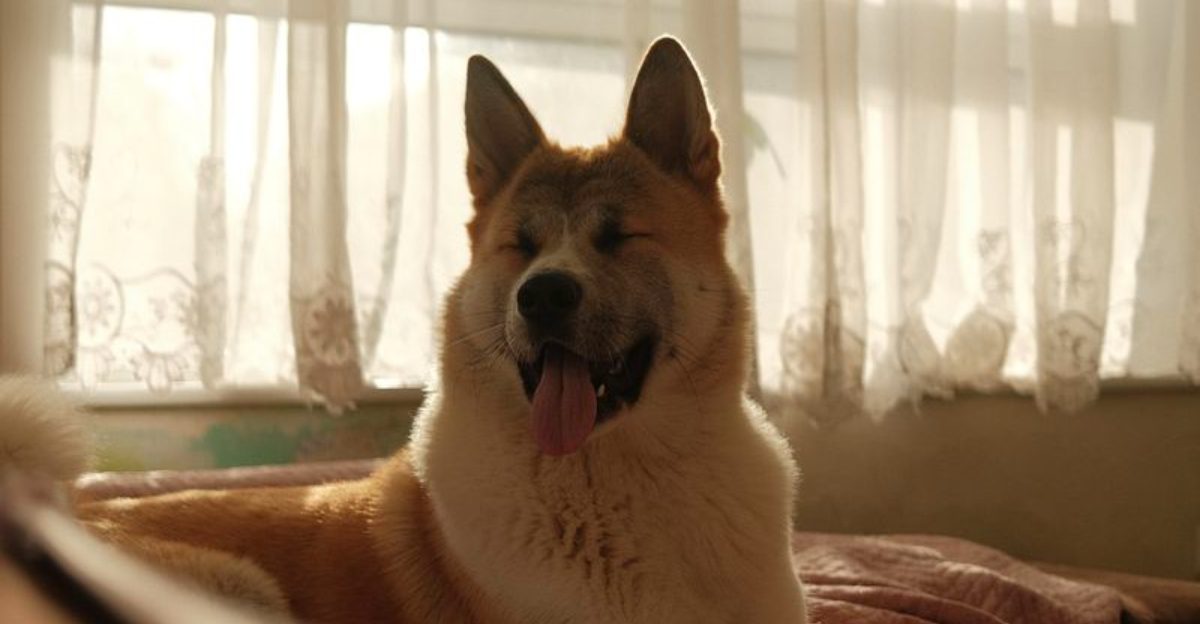
Some dogs learn best when we slow down and keep things calm. Rushing can confuse them and turn lessons into stress.
With patience, clear steps, and short sessions, many breeds suddenly shine. Here are thoughtful ways to teach them so learning feels fun and steady.
Akita
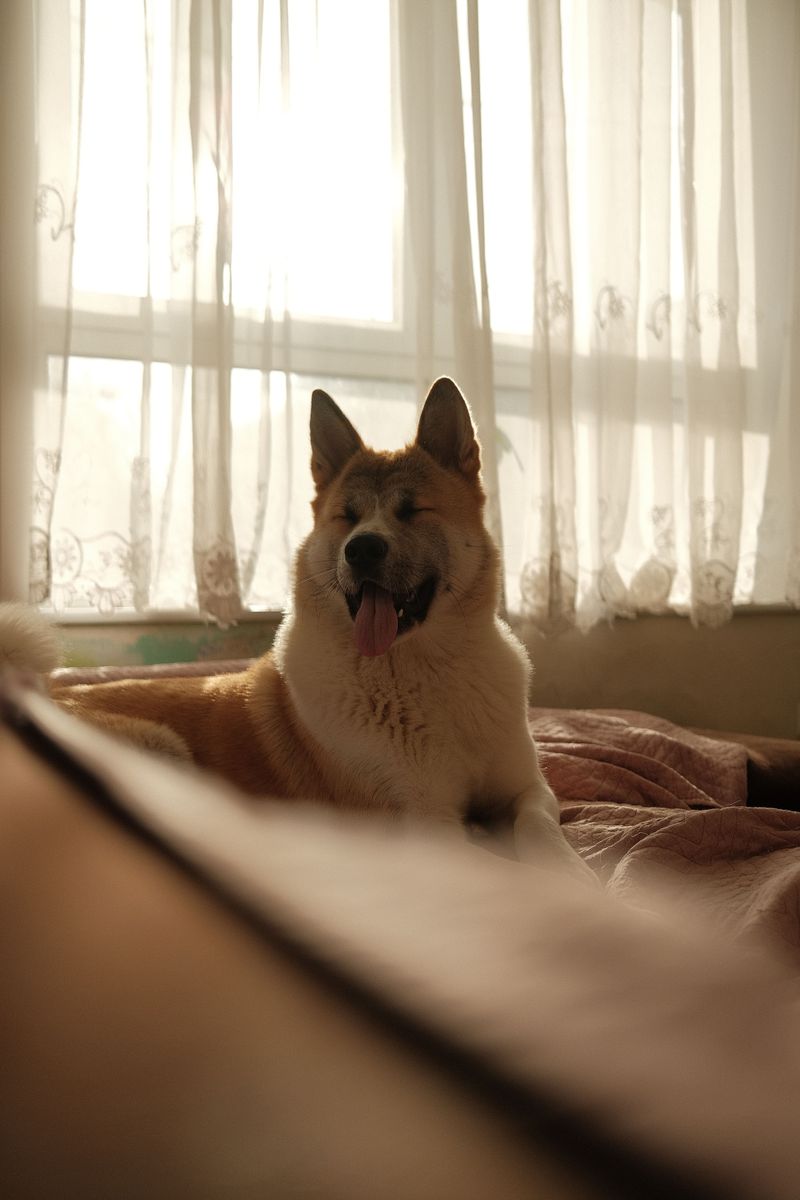
With a proud gaze and steady heart, the Akita learns best when lessons feel calm and fair. Pushing too fast can make this thinker shut down, but steady routines light up their confidence.
Try five-minute sessions, clear hand signals, and quiet praise instead of loud hype. Add jobs they respect, like carrying a backpack or waiting at doors, and you will see focus grow day by day.
Shiba Inu
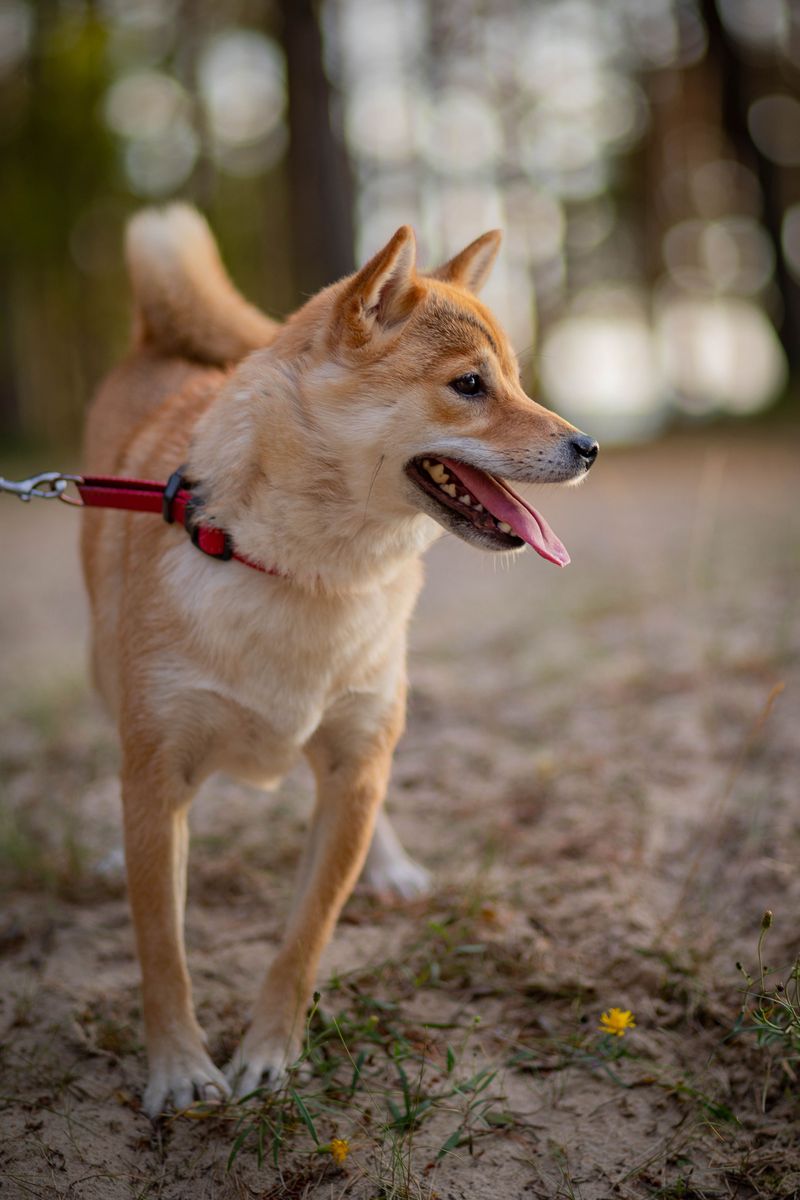
A little fox look and a big opinion, the Shiba loves earning things, not being forced. When you slow the pace, curiosity replaces sass, and they start offering smart choices.
Think problem-solver, not puppet.
Use tasty jackpots for quiet check-ins, and let them sniff paths before asking for sits. Short leash games, pattern feeding, and patient recall practice turn that independent streak into calm, quick learning.
Great Pyrenees
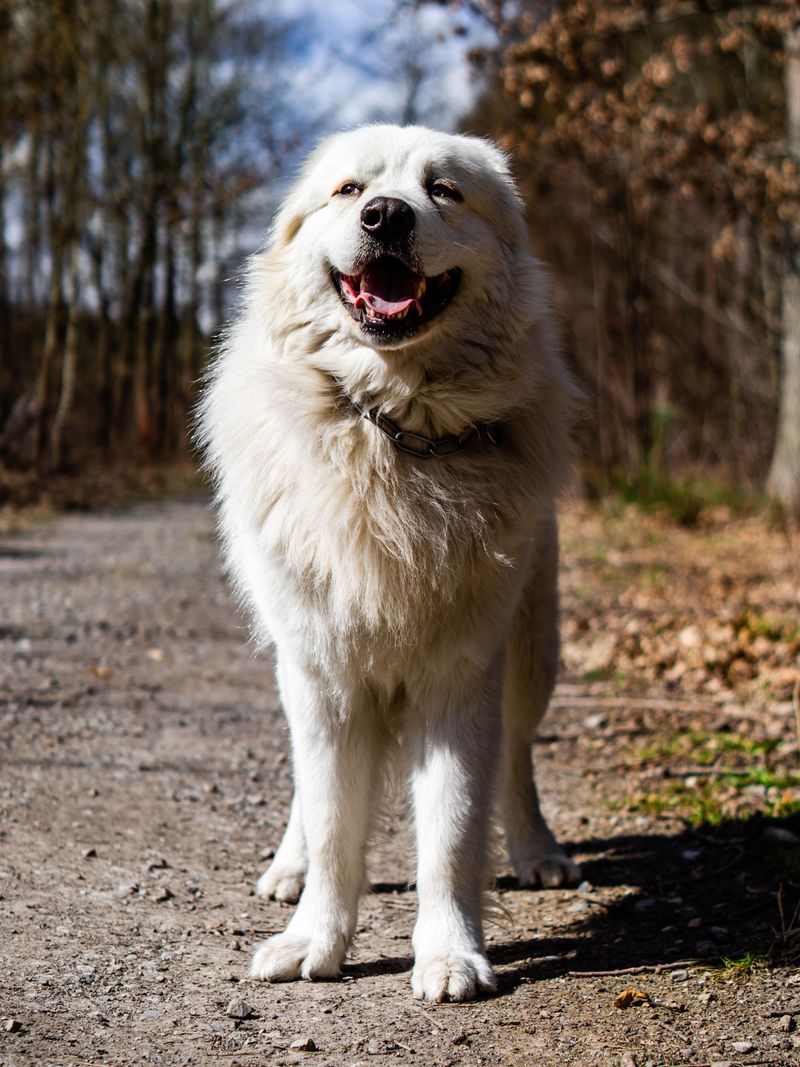
Born a night watchman, the Great Pyrenees studies everything before deciding. Rush them and you get stubborn pauses, but give room to process and they shine with soft, steady understanding.
Let patience be your loudest tool.
Teach one cue on quiet walks, then proof it in the yard, then near a fence. Gentle praise, a slow voice, and meaningful jobs like place work or boundary training unlock their loyal attention.
Chow Chow
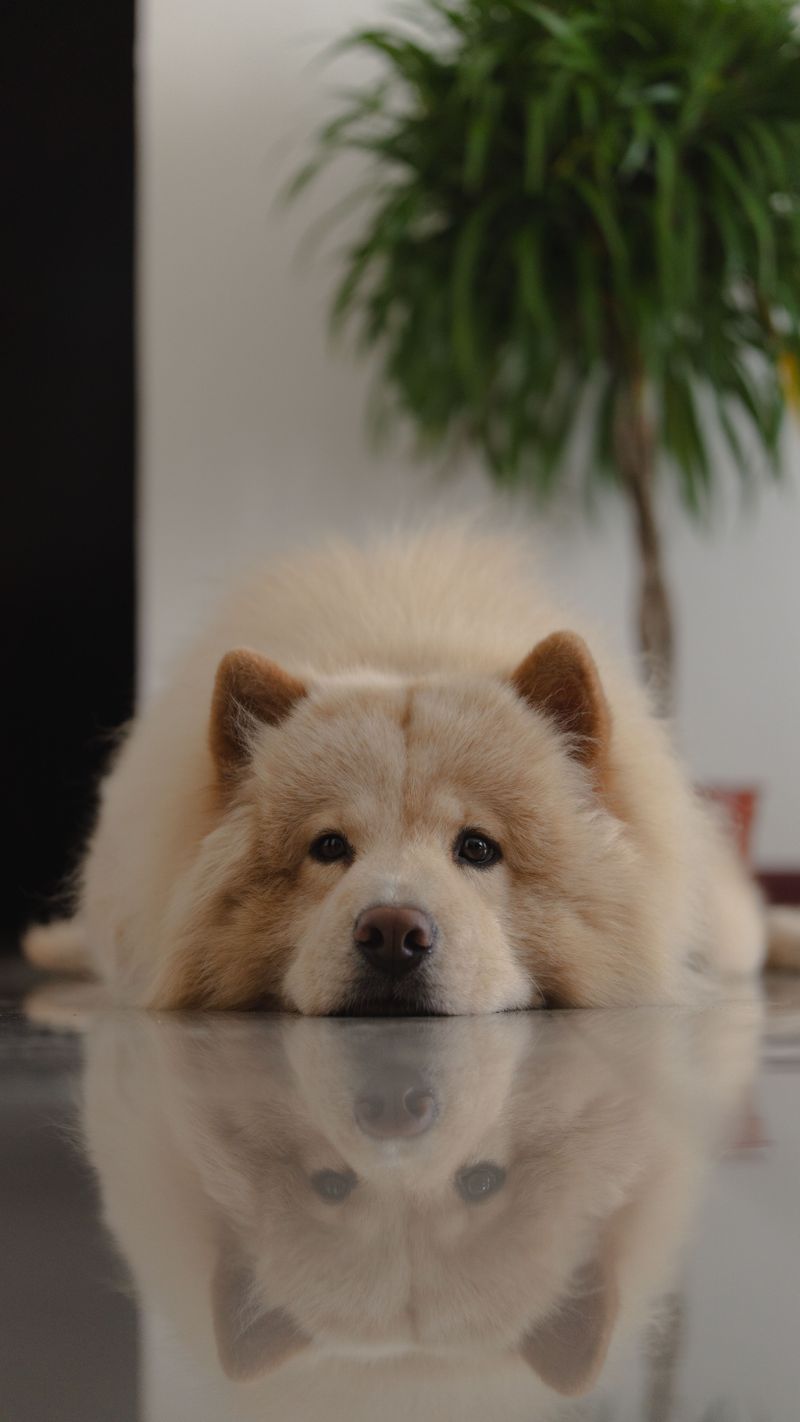
A lion-like ruff hides a careful mind. Many Chows warm up to training when people slow introductions and respect personal space.
Give them time to sniff the scene first.
Trade pressure for choice. Offer a chin rest, wait for eye contact, and mark calm stands before asking for sits.
With thoughtful handling and short, sweet sessions, you transform caution into trust, then into reliable skills.
Basenji
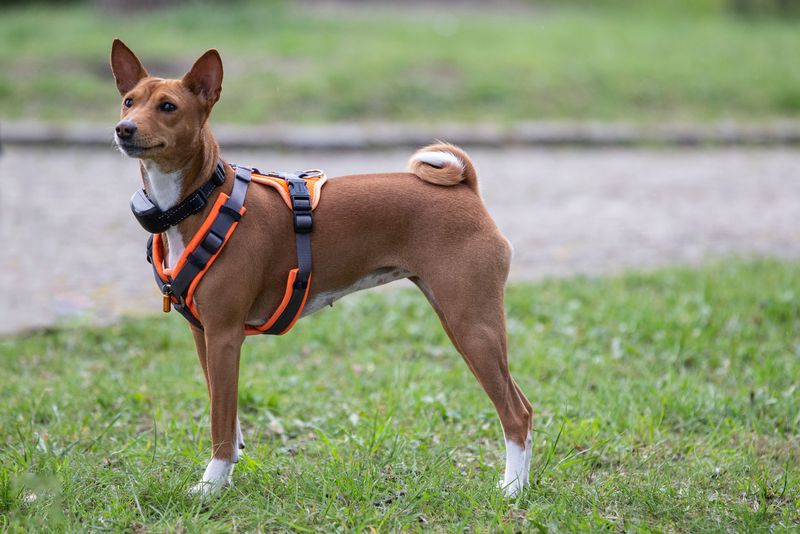
Quiet like a cat, the Basenji reads body language better than chatter. Pushy drills backfire, yet playful puzzles and calm patterns wake up their quick brain.
Let curiosity lead each step.
Try scatter feeding for focus, then ask for a pause before the next sniff. Reward check-ins, practice hand targets, and keep sessions breezy.
History note, they hunted by sight, so movement games feel natural and make learning stick.
Cane Corso
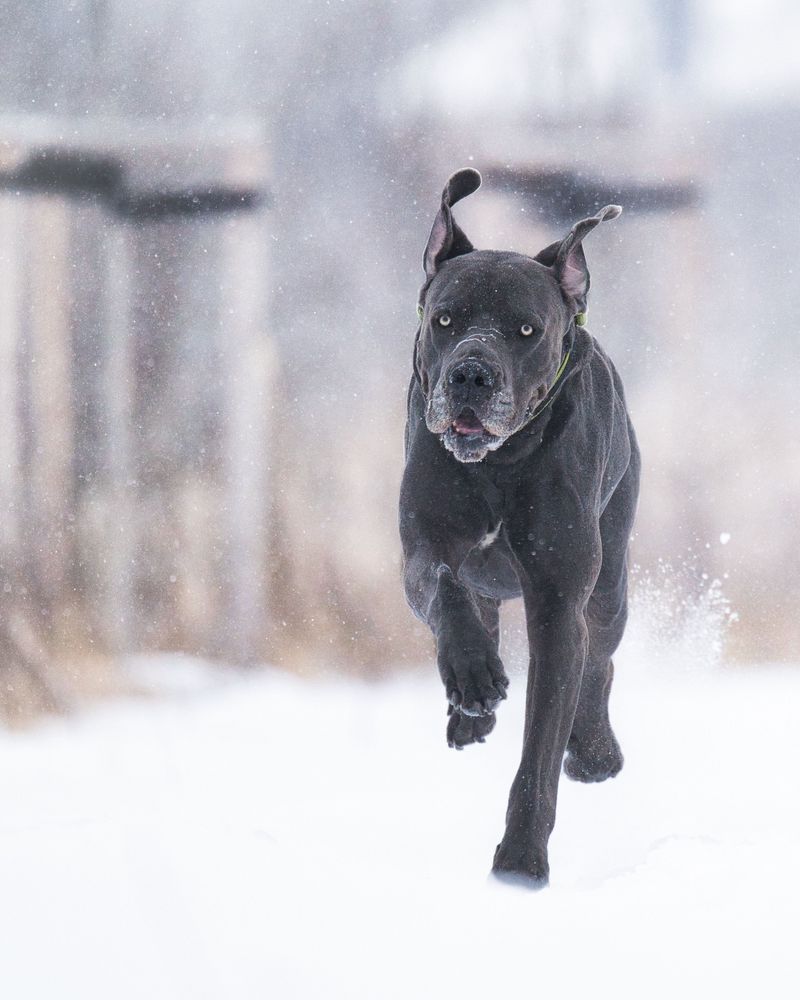
Built like a guardian, the Cane Corso learns fast when respect runs both ways. Move slow, set clear rules, and you get a thoughtful partner instead of a freight train.
Use structured play, leash pressure-and-release, and place training to teach impulse control. Keep sessions short, end on wins, and add real jobs like carrying a tug or waiting at gates.
Confidence grows, and obedience becomes smooth and dependable.
Doberman Pinscher
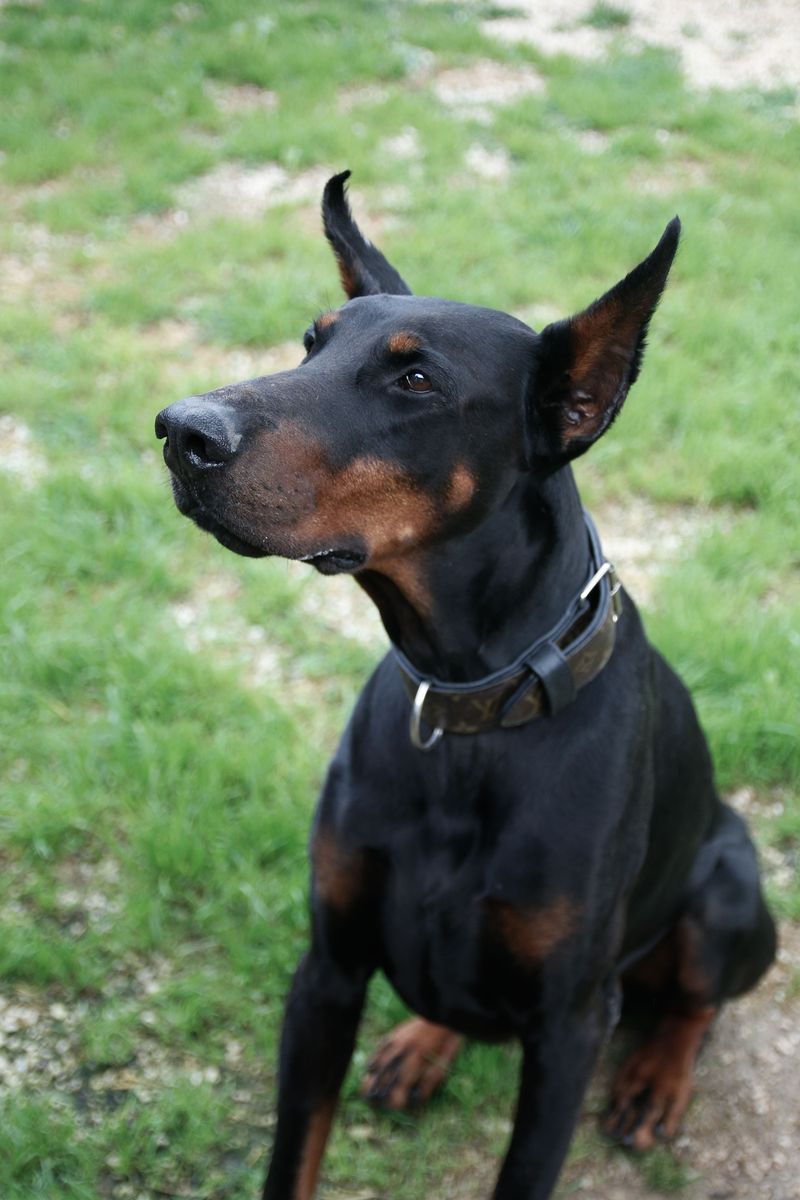
Energy meets empathy in the Doberman, a breed that mirrors your mood. Race through cues, and they fizzle.
Slow down, add eye contact, and they surge with precision.
Pattern training works wonders. Heel to a rhythm, pause for breaths, then reward with play or a fetch toss.
Mix obedience with scent games to tire the mind, and you will see lightning-fast recall grow steady and reliable.
Weimaraner
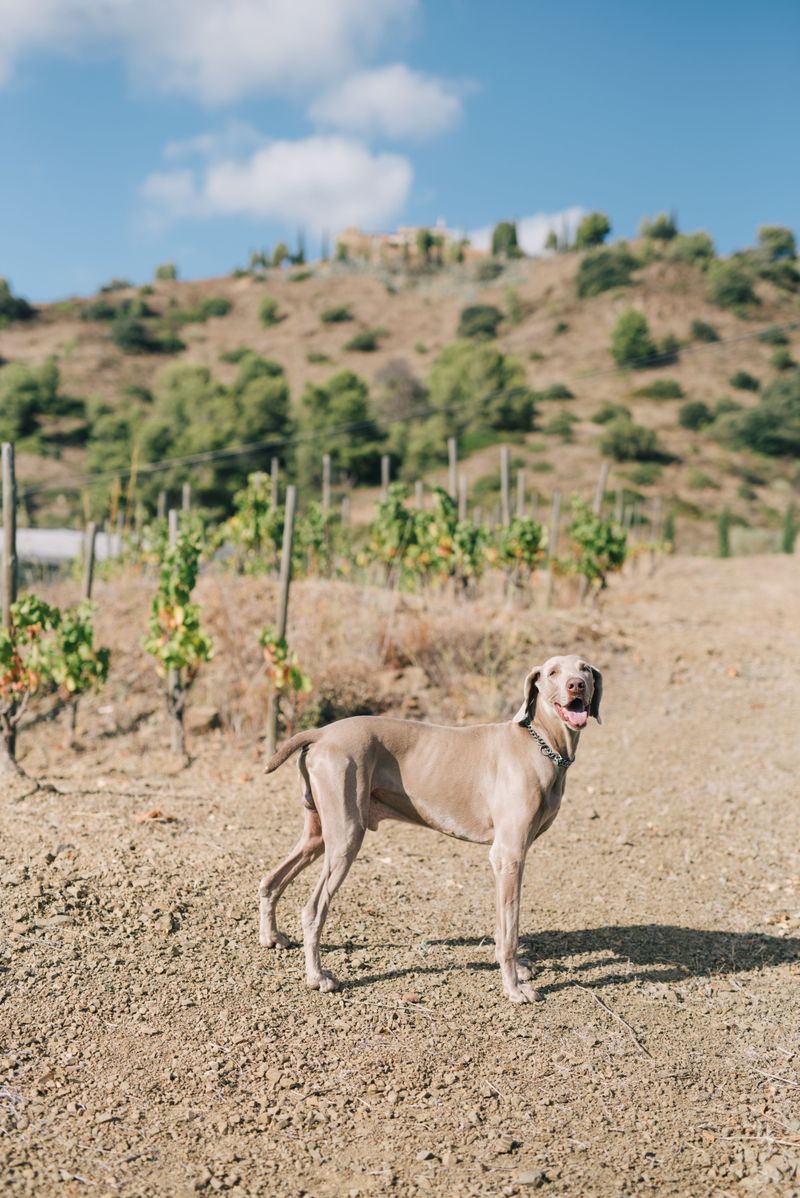
Silver speedster by day, couch cuddler by night, the Weimaraner needs pacing to learn. Flood them with commands and you get bounces.
Give breaks and clear steps, and the focus sticks. They thrive on feeling successful.
Work in sprints. Two minutes of heelwork, a sniff reset, then a settle on a mat.
Use soft voices, food lures, and then fade lures to marks, and watch problem-solving replace frantic jumping.
Standard Poodle
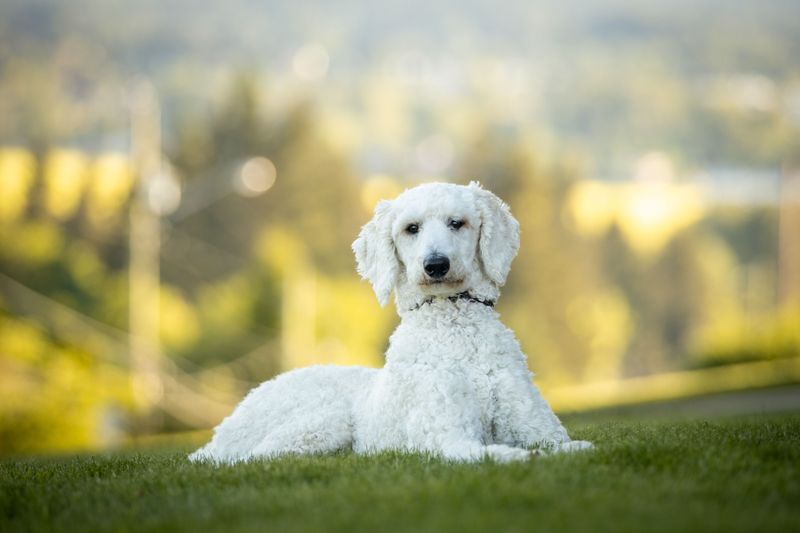
Clowny face, scholar brain, the Standard Poodle reads patterns like a pro. Patience unlocks creativity, and creativity makes drills feel like games.
Rushing only blurs that bright focus.
Teach chains of behavior, such as touch, spin, bow, then down on a mat. Shape with tiny steps, celebrate small tries, and end with a joyful release.
Soon they anticipate cues and offer brilliant choices without pressure.
Belgian Malinois
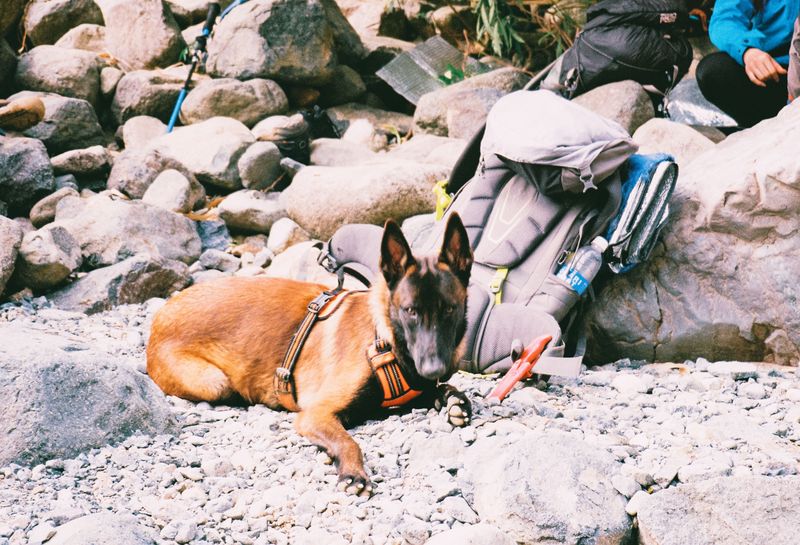
Like a rocket with a notebook, the Malinois learns everything, including your mistakes. Speedy teaching can create chaos, but measured steps build power with control.
Breathe between reps, and they bloom.
Balance drive with stillness. Practice sit, then release to a tug, then back to place.
Add nosework and obstacle skills so the mind works as hard as the muscles, and you get crisp responses without frantic spinning.
Border Collie
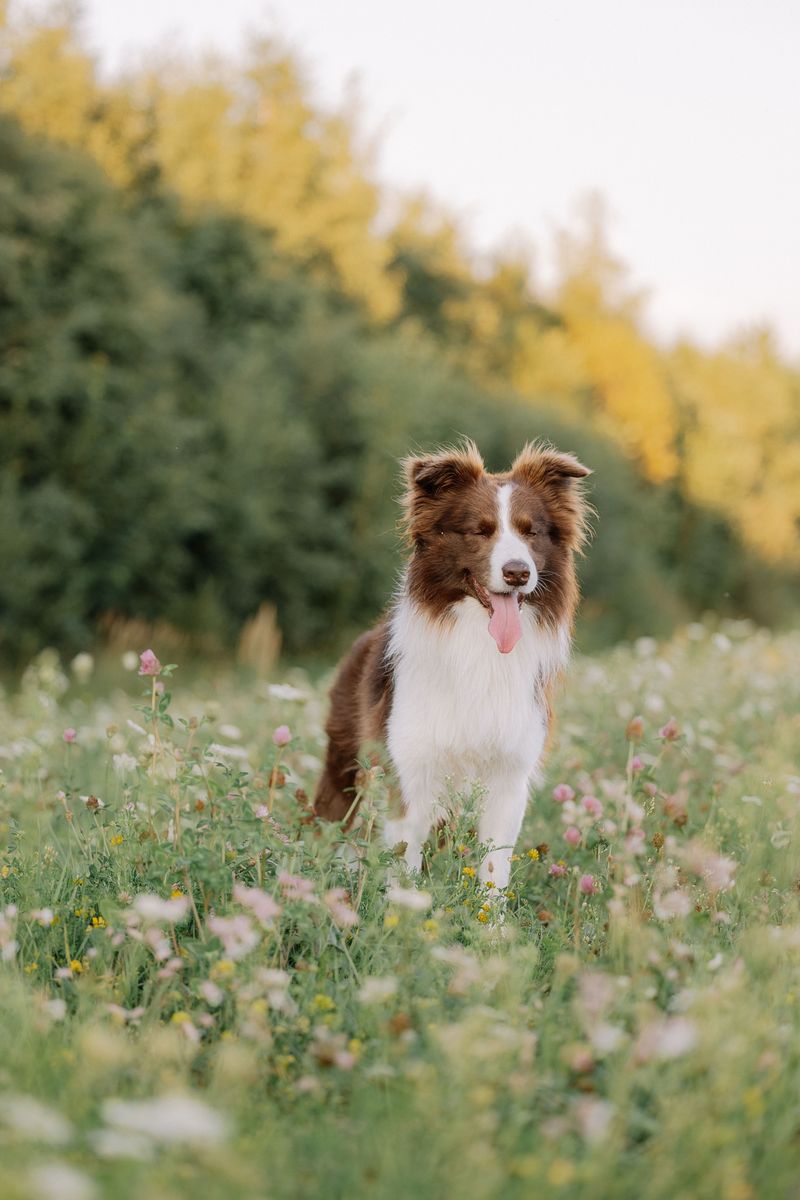
Everyone calls them geniuses, yet Border Collies still need pacing. When you pile on cues, they start guessing.
Break tasks into tiny pieces, and watch their eyes soften with clarity.
Use targets, flank moves, or simple herding games in the yard to meet their instincts. Insert sniff breaks and quiet rests.
With choice-rich sessions, their famous speed turns into accuracy, and errors fade before frustration appears.
Vizsla
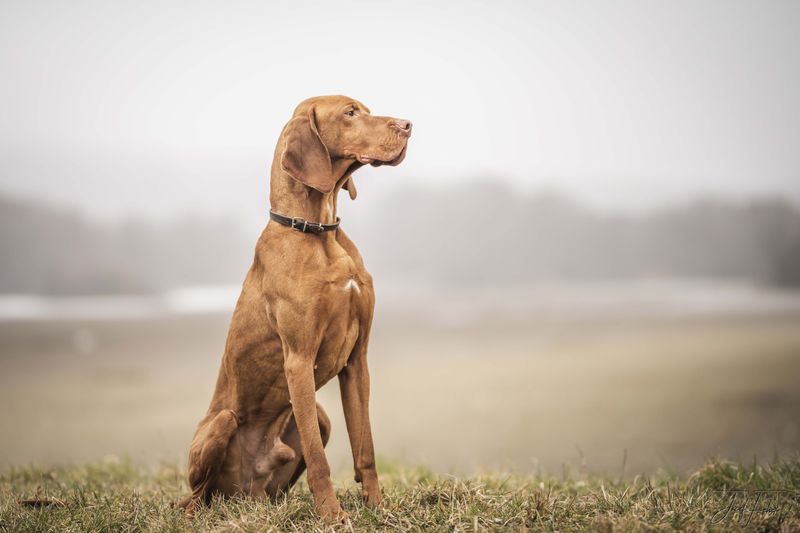
Velcro by nature, the Vizsla learns best when emotions feel steady. Rushed tone scares them off, but gentle feedback keeps tails wagging and ears tuned in.
Pair cues with touch and play. Ask for a sit, scratch the chest, then toss a treat into a reset.
Keep lessons sunny, keep mistakes quiet, and you will see a soft, eager worker who holds skills in busy places.
English Setter
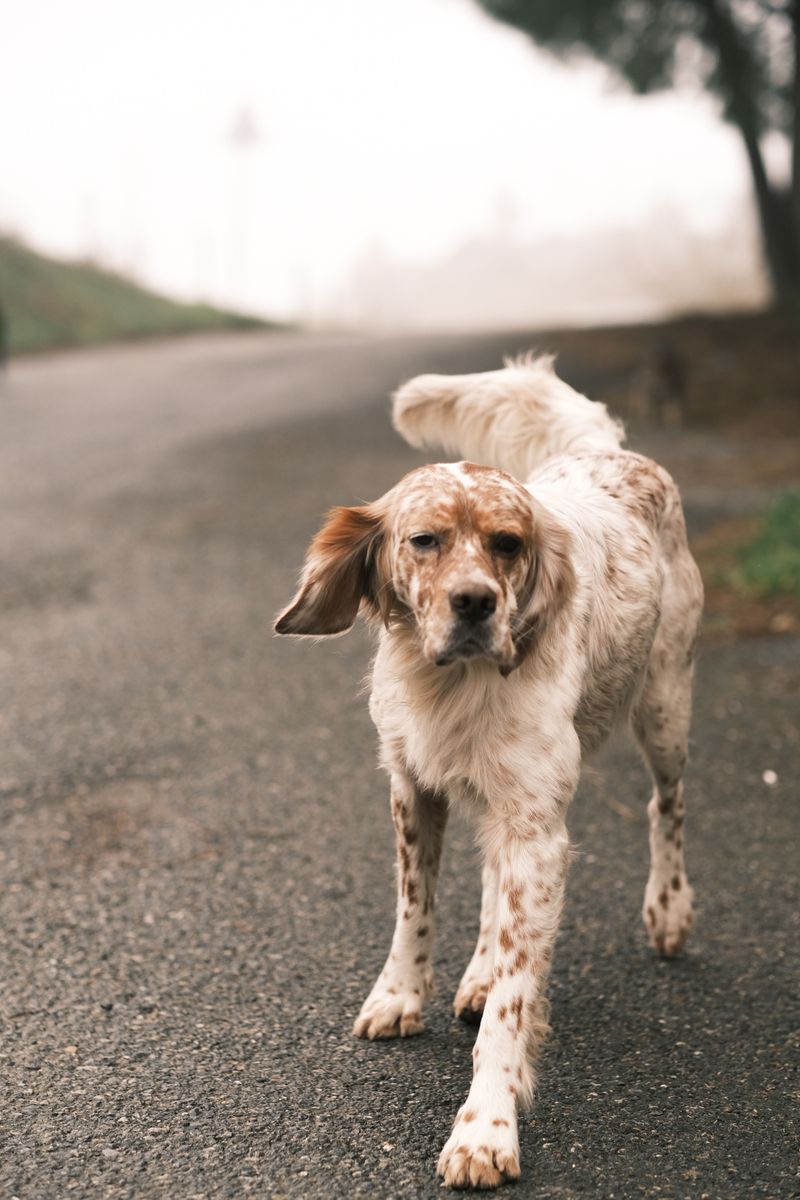
Feathered ears, dreamy eyes, and a nose that never clocks out, the English Setter can seem distracted. Patience turns that roaming attention into a skill you can use.
Teach a check-in cue before birds appear. Practice look at that, then back to you, and reward with movement.
Layer calm leash skills and a comfy mat, and soon field walks become classrooms filled with steady, happy learning.