
Some dogs hear a strange noise and run away. Others tilt their heads, sniff the air, and look for answers.
Curious dogs often stay calm because they like to learn first. Knowing which breeds act this way can help families pick a confident, friendly buddy.
Beagle
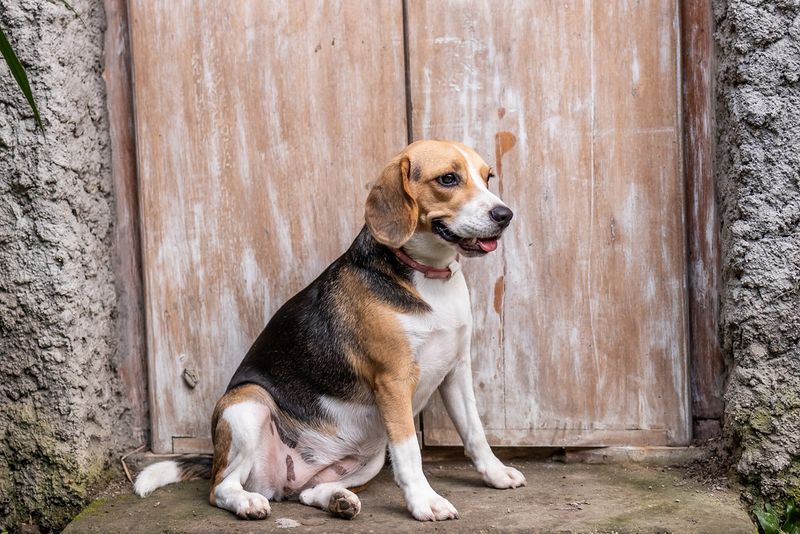
Nose to the ground, the Beagle turns surprises into scavenger hunts. A sudden clang often means, “Where did that come from?” rather than “Run.” Bred for tracking, they use scent like a mystery-solving tool, which keeps their brains busy instead of worried.
Give puzzle feeders and scent games to channel that energy. Short sniffing walks can calm them faster than long sprints.
Friendly greetings and predictable routines help them connect sounds and smells with safe discoveries.
Papillon
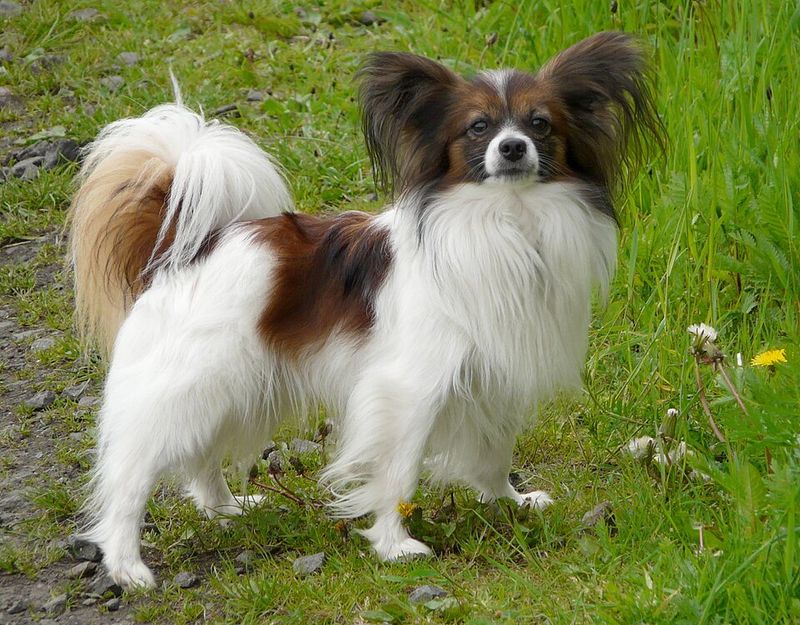
Feathered ears up high, the Papillon treats new sights like headlines to read. Quick brains and light bodies make them nimble thinkers, not nervous wrecks.
Many will step closer to study a buzzing scooter or a whirring fan, choosing observation over alarm.
Teach tiny “look” and “touch” games to guide their focus. Short trick sessions build confidence fast.
Because they love people, cheerful praise and tiny treats turn weird moments into mini wins.
Brittany
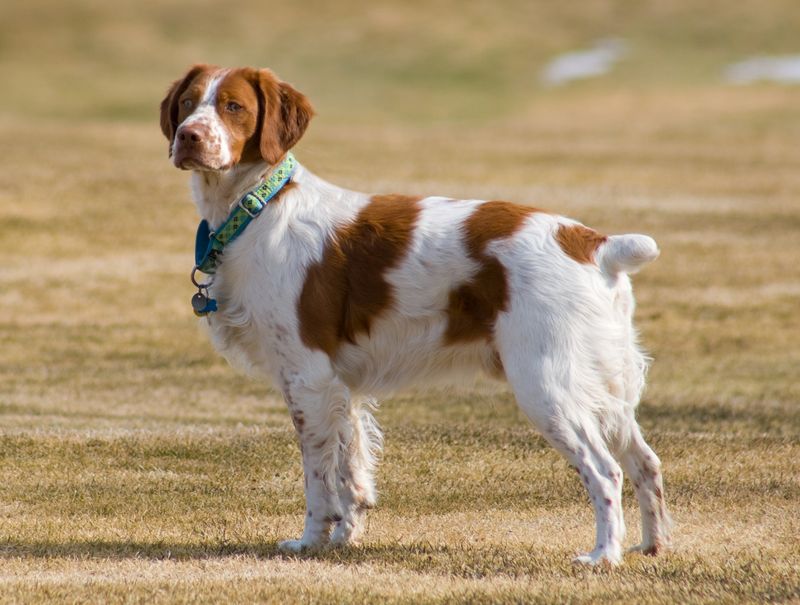
Born to scout, the Brittany greets the unexpected like a field note to examine. Instead of freezing up, many will pause, scan, and move closer with purpose.
Their hunting roots teach them to read wind, motion, and terrain before making choices.
Channel curiosity with scent trails, bumper fetch, and soft whistle cues. Keep training upbeat and mobile.
A few focused jobs each day, like finding hidden toys, can turn restlessness into steady confidence.
Standard Poodle
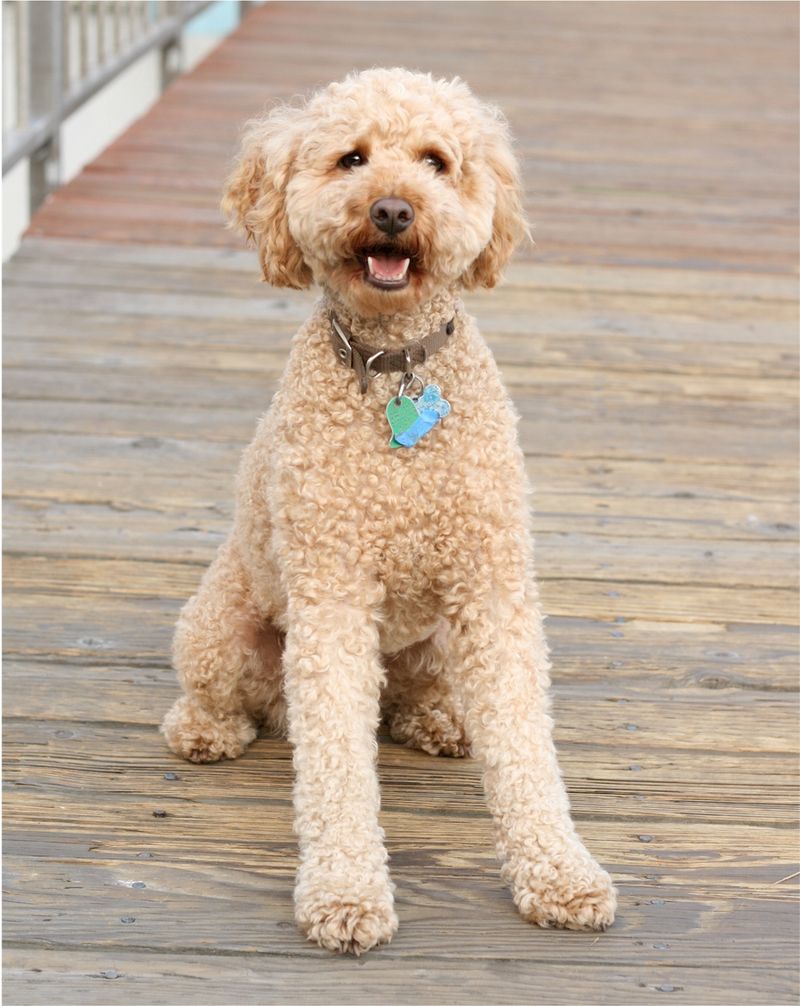
Brains and balance show up fast with the Standard Poodle. New scenes feel like puzzles, not threats.
Many will watch carefully, then choose a thoughtful step forward, as if checking boxes before reacting. That measured approach helps them stay cool in busy places.
Teach novelty games, like exploring a box or stepping on a wobble board. Calm exposure builds resilience.
Clear hand signals and steady praise let their sharp mind turn curiosity into quiet confidence.
English Springer Spaniel
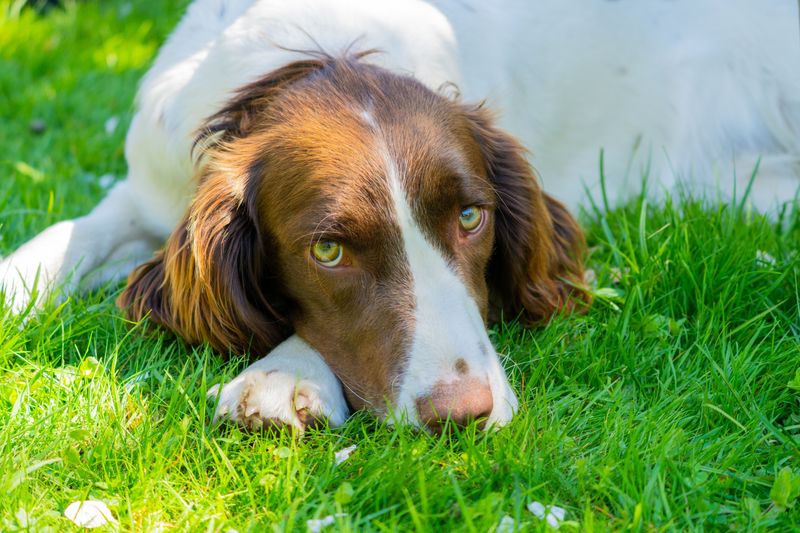
With a tail that writes happy notes in the air, the Springer often greets odd sounds with eager interest. Field work taught them to push through brush and figure things out.
That habit turns unknowns into quests rather than triggers.
Fun retrieves, gentle water play, and search games suit their style. Keep instructions clear and playful.
If a noise startles them, lead a quick “find it” game to shift focus from worry to wonder.
Portuguese Water Dog
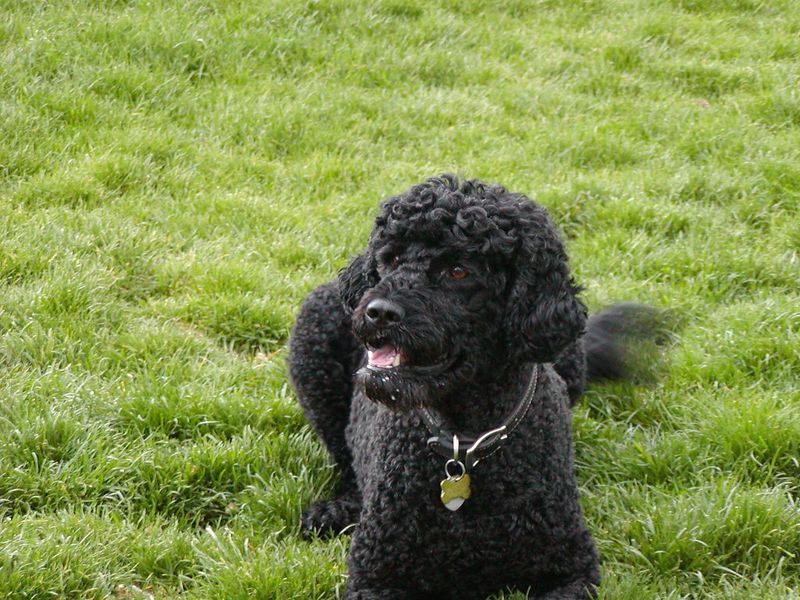
Seaworthy by design, the Portuguese Water Dog treats surprises like shifting waves to read. Movement and sound say “investigate” more than “escape.” Many will step onto damp rocks, sniff gear, and test footing with steady curiosity.
Water retrieves and dockside obedience sharpen their cool head. Rotate toys and practice polite approaches to new objects.
Reward calm sniffing and slow steps forward. That routine builds a confident teammate who handles storms, crowds, and clatter with poise.
Flat-Coated Retriever
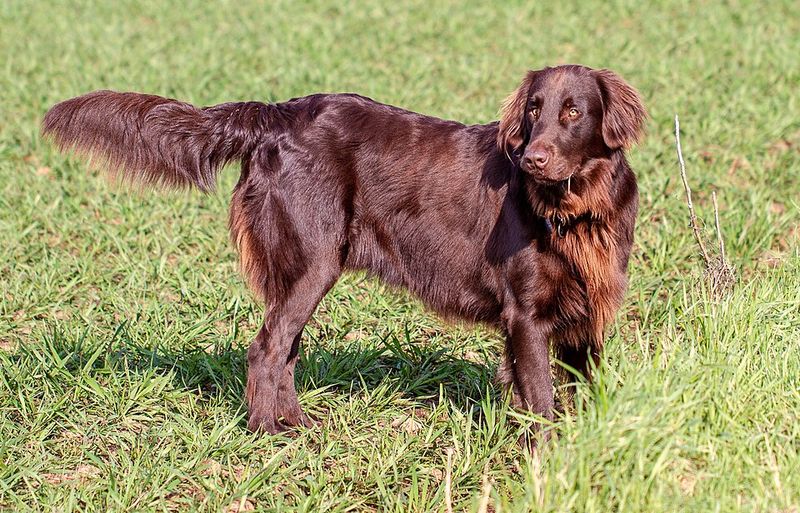
Optimism wears a glossy coat with the Flat-Coat. New gadgets, new trails, new people, they often stroll up with a friendly sparkle.
That sunny attitude keeps panic far away and turns learning into a game.
Keep sessions lively with varied fetch, scent hides, and short obedience bursts. Teach a solid “check in” to keep excitement focused.
Lots of praise and a few well-timed breaks help maintain curiosity without tipping into chaos.
Miniature Schnauzer
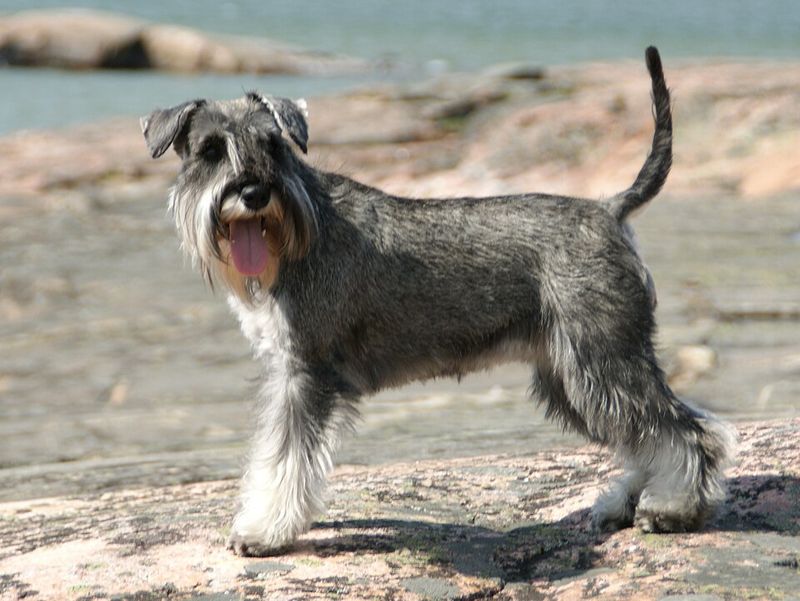
Big eyebrows, bigger questions, the Miniature Schnauzer loves to inspect. Instead of shrinking from odd street noise, many march forward with a confident sniff.
Their alert nature means they notice everything, but wit and bold spirit help them process calmly.
Teach a cheerful “go see” cue for new items. Pair exploration with treats and praise.
Short threshold exercises, like waiting before doors, build self-control so their brave curiosity stays polite and steady.
Australian Shepherd
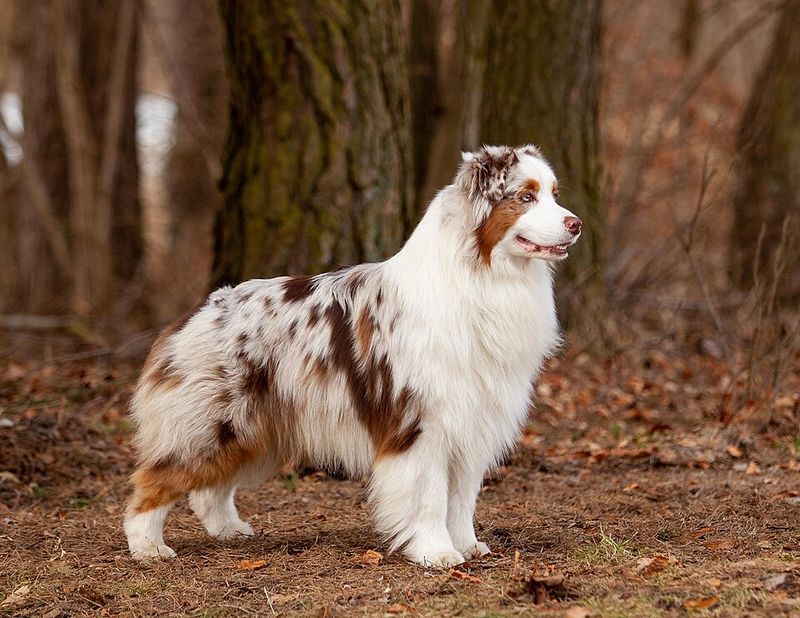
Work first, worry later fits the Australian Shepherd. Herding instincts push them to study motion and manage space.
When something clatters, many Aussies track the movement, circle thoughtfully, and figure out how to respond.
Give jobs like target work, agility foundations, or simple herding-style games with cones. Train a calm “settle” between tasks.
Structure keeps their busy brain comfortable, so curiosity flows into smart action, not spinning wheels.
German Shorthaired Pointer
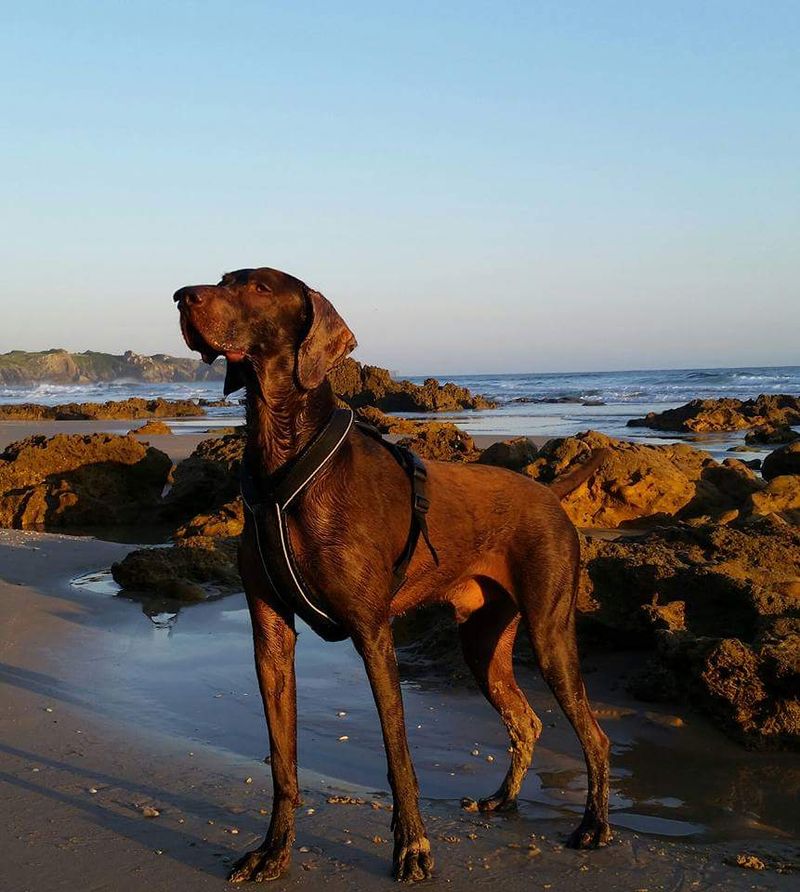
Like a living compass, the GSP points interest before judgment. Ripples, rustles, and distant calls invite investigation.
Their hunting heritage favors thoughtful tracking, which often beats panic to the punch.
Balance field-style games with calm obedience. Practice “stand,” “wait,” and controlled retrieves to steady excitement.
Offer clear paths to explore, then call them back for rewards. That rhythm teaches them to check in, learn fast, and greet the unknown with calm intent.
Nova Scotia Duck Tolling Retriever
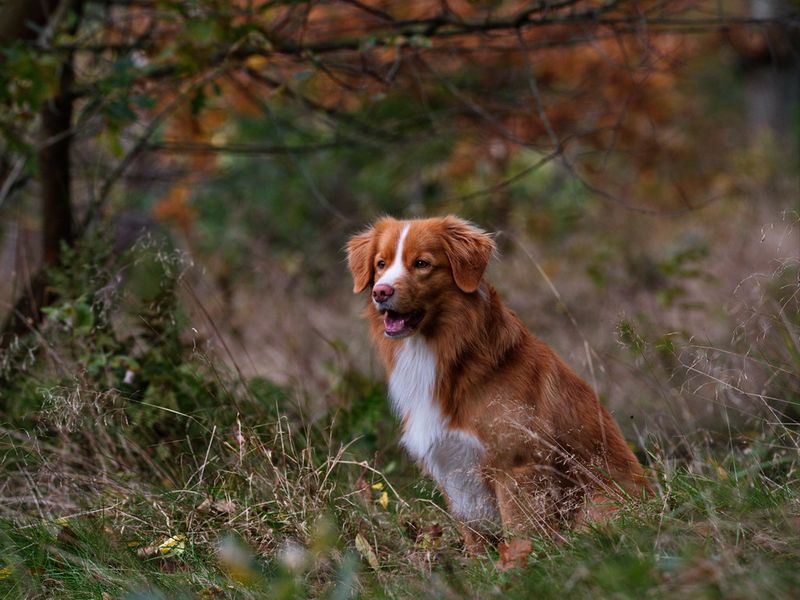
Playful lures built the Toller’s legend. In the field, they tease curiosity from ducks, and that spark lives in their daily life too.
New sights usually earn a prance and a look, not a fearful retreat.
Blend fetch with quiet observation breaks. Reward patient stares and slow approaches.
A couple of brain games, like shell games or scent boxes, keep their mind pumping, so curiosity becomes a calm, clever habit wherever they roam.