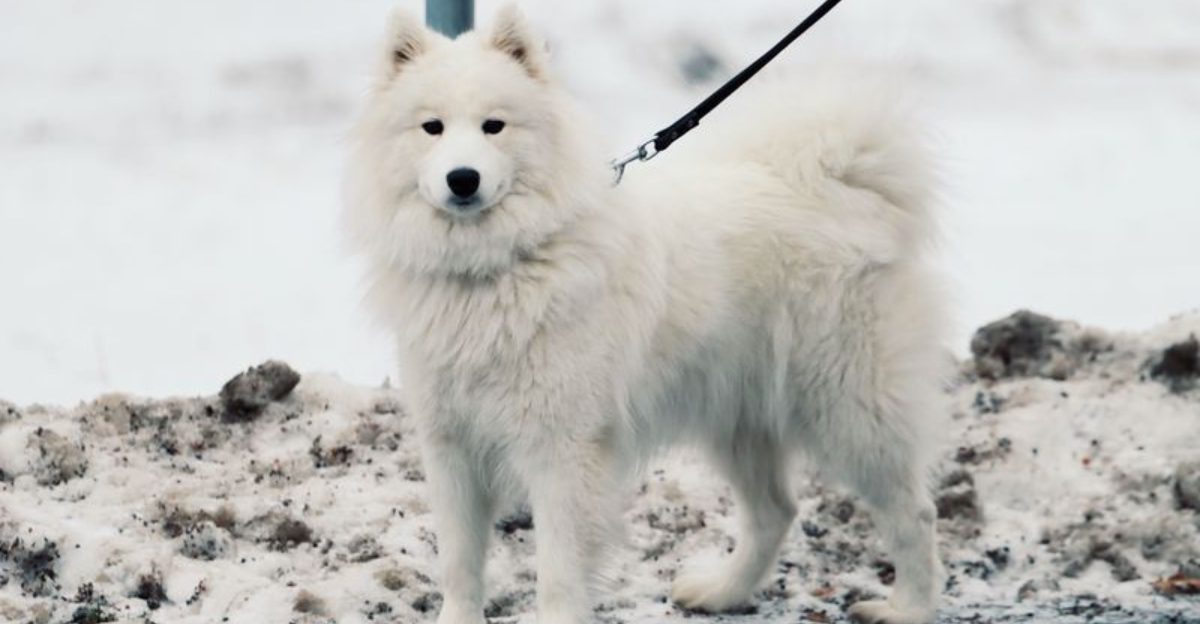
Some dogs feel most alive when the air bites and the snow squeaks under their paws. Their coats, bodies, and instincts were built for icy weather.
Learning which breeds love the cold helps you keep them happy and safe on winter days. If you dream of snowy hikes and frosty fun, meet the pros of the powder.
Siberian Husky
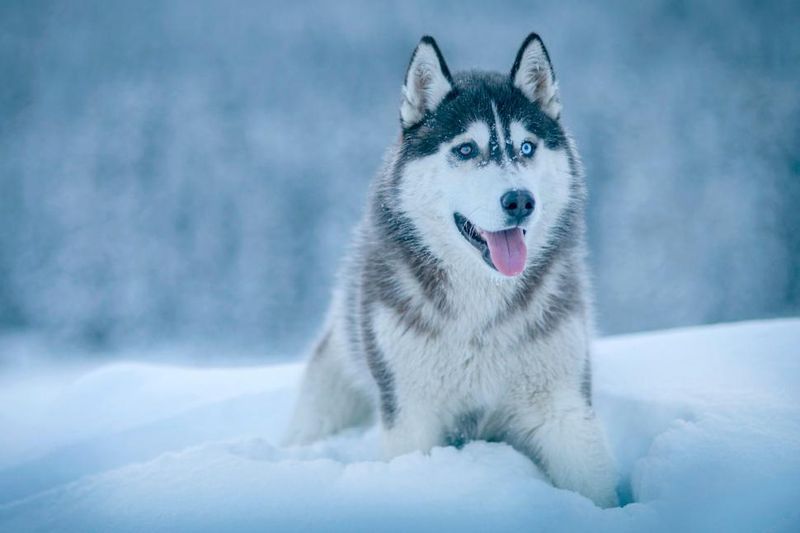
Blue eyes, frosty breath, and endless zoomies make the Siberian Husky a snow-day legend. Bred to pull sleds across long distances, they have a thick double coat and incredible stamina that keeps them comfortable in bitter winds.
Daily runs, puzzle feeders, and firm training prevent boredom from turning into mischief. Give them a secure yard, plenty of water even in winter, and booties if ice is sharp.
Expect vocal opinions and a fun, athletic partner.
Alaskan Malamute
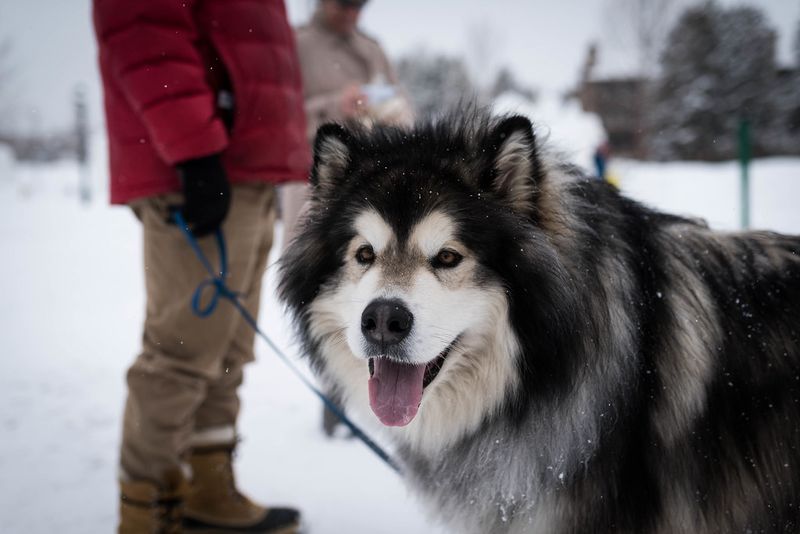
Massive paws and a grin that shrugs off blizzards define the Alaskan Malamute. Built for hauling heavy loads, their dense, coat insulates against snow while their broad chest powers through drifts with steady strength.
Long hikes with a backpack satisfy body and mind. Teach leash manners early, since enthusiasm can feel like a tractor.
Provide chew toys, regular brushing during seasonal sheds, and a cool resting spot indoors. Loyalty runs deep with this old soul.
Samoyed
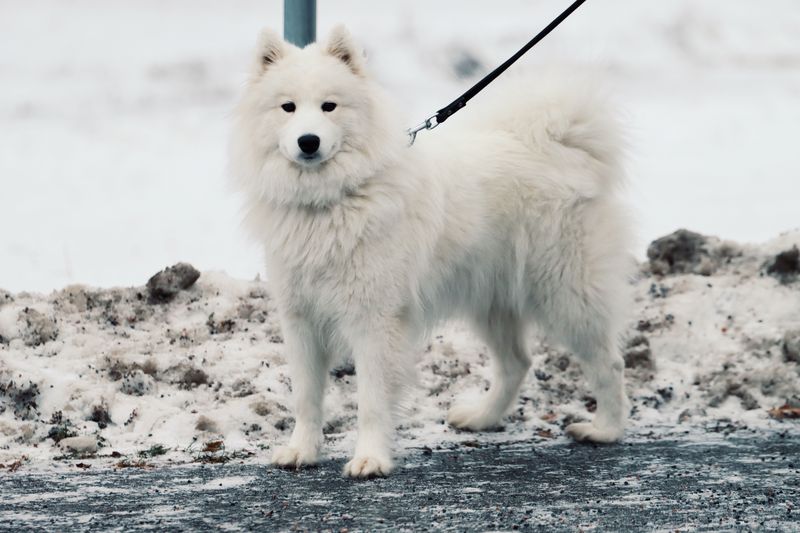
A smile that shines brighter than fresh snow belongs to the Samoyed. Their fluffy, weather-resistant coat once kept Siberian herders warm at night, and today it protects them while they romp and play in icy backyards.
Brush a few times each week to prevent mats and manage shedding. Gentle, training works best with their cheerful spirit.
Give jobs like pulling a sled or carrying items in a harness. Friendly greetings come standard, even on mornings.
Norwegian Elkhound
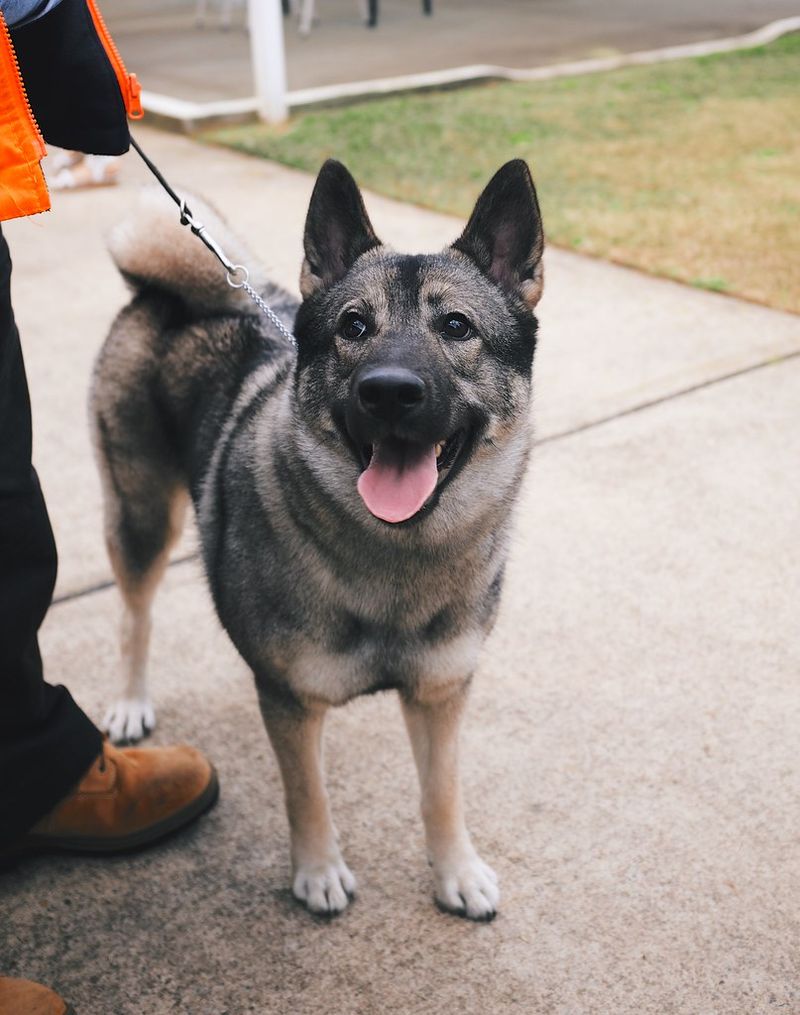
Compact, and built like a frost-proof tank, the Norwegian Elkhound loves crisp air. Viking hunters prized their courage, and that heritage shows in their thick coat, curled tail, and alert eyes that scan snowy trails.
Plan brisk hikes and sniffing games to satisfy their tracking instincts. Recall training helps manage independence.
Keep nails short for ice grip, and feed meals to avoid weight creep. They thrive beside confident owners who enjoy cold-weather adventures and boundaries.
Finnish Lapphund
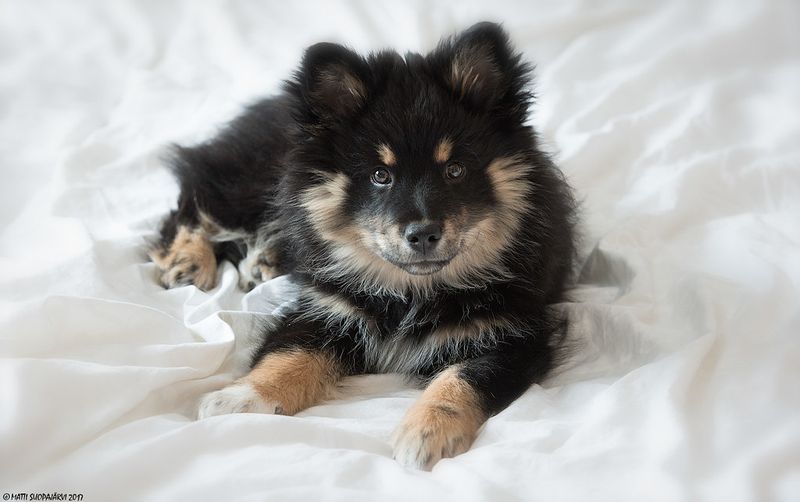
Warm eyes and a foxlike grin make the Finnish Lapphund a sight in blowing snow. Traditionally used for herding reindeer in Lapland, they combine a weatherproof coat with nimble feet that dance across icy ground.
Short training bursts keep their quick minds happy. Offer herding-style games, fetch, and social time with dogs.
Brushing and a trim around paws help prevent ice balls. Expect a people-focused partner who enjoys laughter, chilly walks, and a snug cuddle.
Great Pyrenees
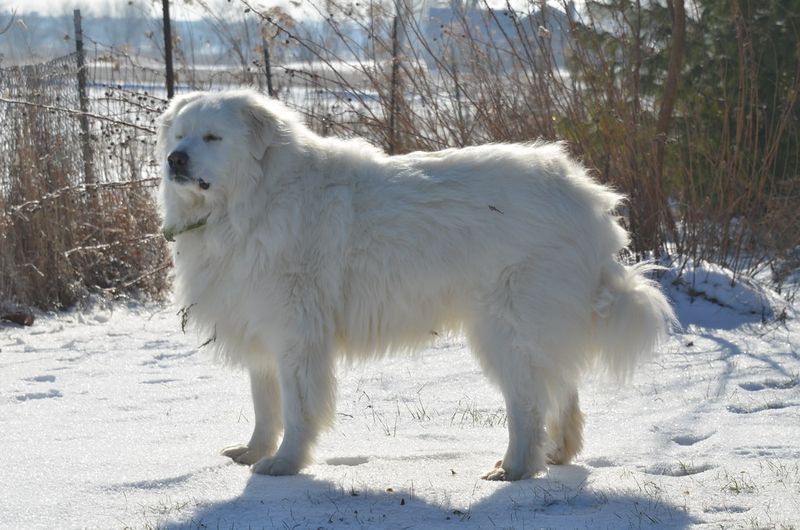
Picture a snowy hillside guarded by a calm, watchful giant, and you have the Great Pyrenees. Their thick, weather-resistant coat and steady nature come from centuries of protecting sheep in rugged, mountains.
Quiet confidence shines with patient, consistent training. Provide long, walks and a job like watching the yard.
Fencing is essential, since they patrol by instinct. Brush weekly, check for ice between toes, and keep outings brief during extreme cold.
Gentle persistence earns trust.
Newfoundland
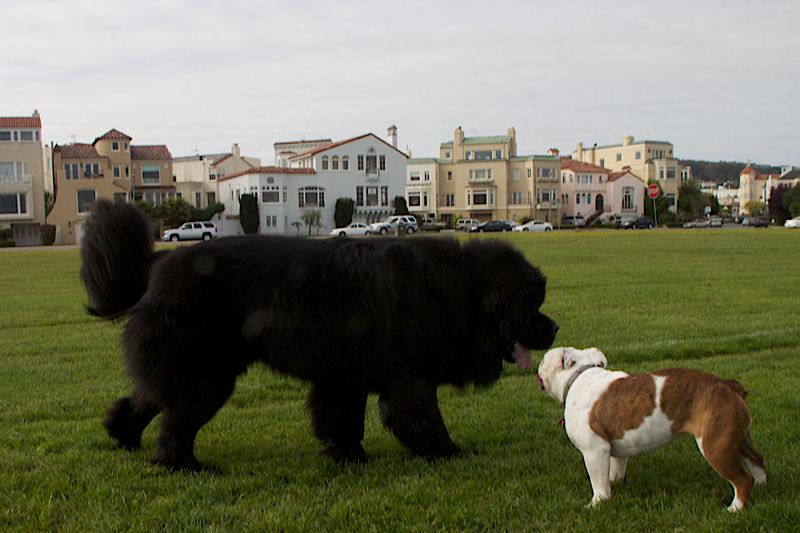
With a heart as big as its paws, the Newfoundland turns snow days into rescue practice. Bred for icy water work, their heavy coat and broad frame help them handle sleet, slush, and winds.
Short bursts of play suit their joints better than sprinting. Keep training kind and clear, they respond to guidance.
Tow a kids sled, learn carting, or practice leash walks. Dry after wet outings, and monitor weight to protect hips and elbows.
Bernese Mountain Dog
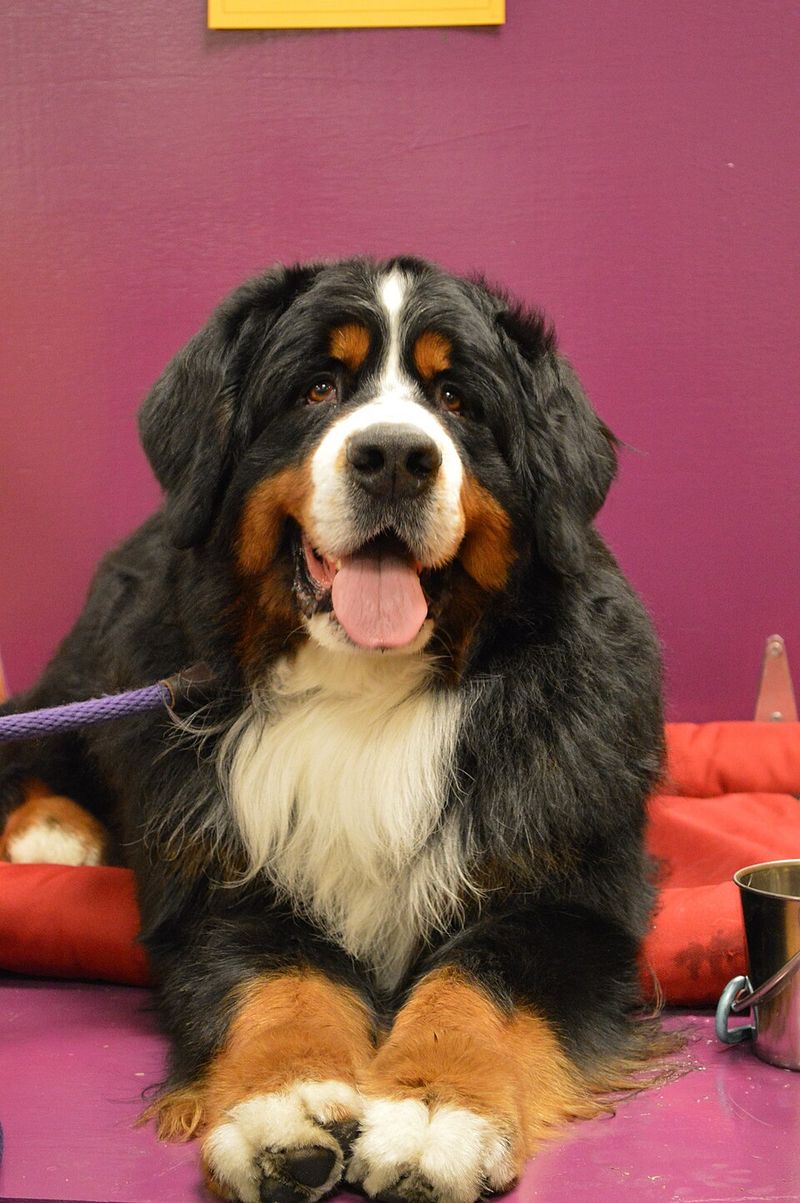
Think hot cocoa with fur and feet, and you picture the Bernese Mountain Dog enjoying a frosty afternoon. Originating in Switzerland, they carried loads and guarded farms, which gave them a thick coat and patience in cold weather.
Training sessions work best for their focus. Teach greetings, since lean for hugs.
Enjoy moderate hikes, fetch on snow, and of nap time indoors. Grooming keeps the coat tidy, while weight control supports joints as seasons change.
Akita
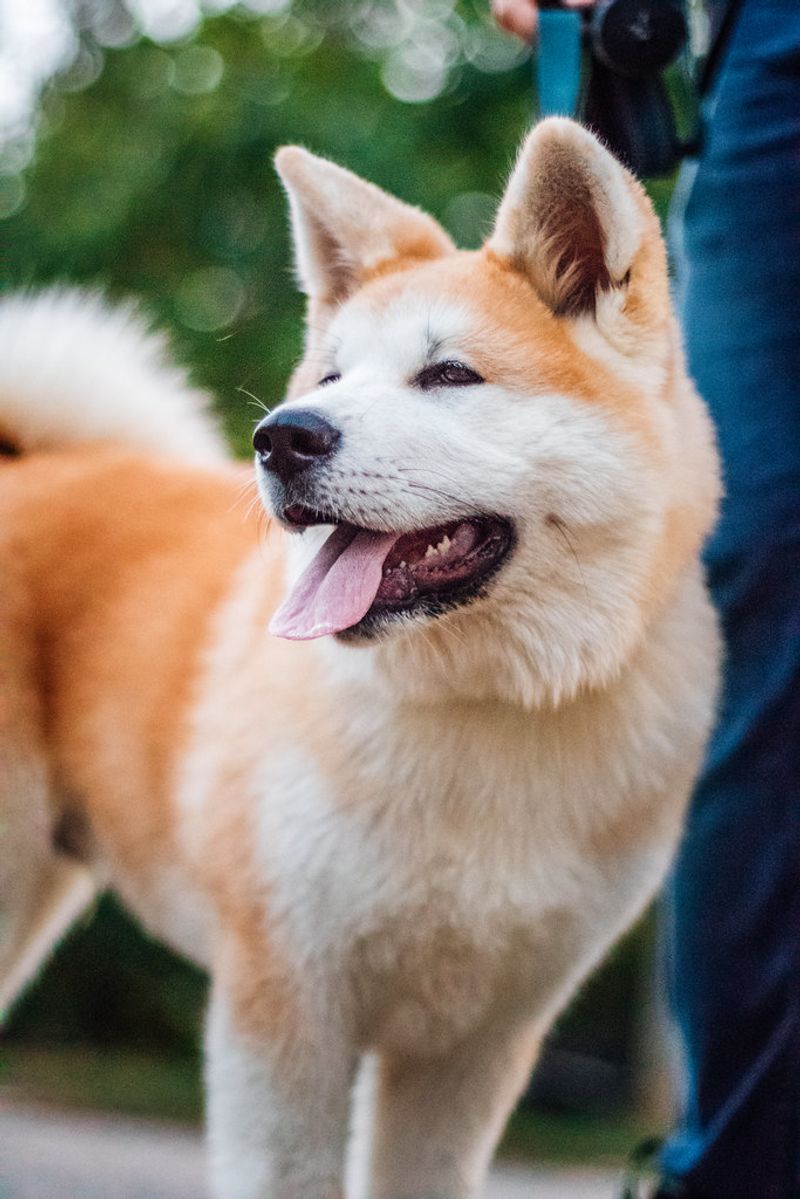
Silent as snowfall, the Akita carries a noble presence that fits winter’s hush. Their plush double coat shields against biting air, and a strong build handles slick sidewalks with steady steps.
Bonding comes from respectful training and clear routines. Limit off-leash freedom unless recall is rock solid.
Rotate durable toys, practice meet-and-greets, and offer work like scent games. Keep nails trimmed for traction, and watch heat indoors, since coats can overdo near fireplaces and heaters.
Tibetan Mastiff
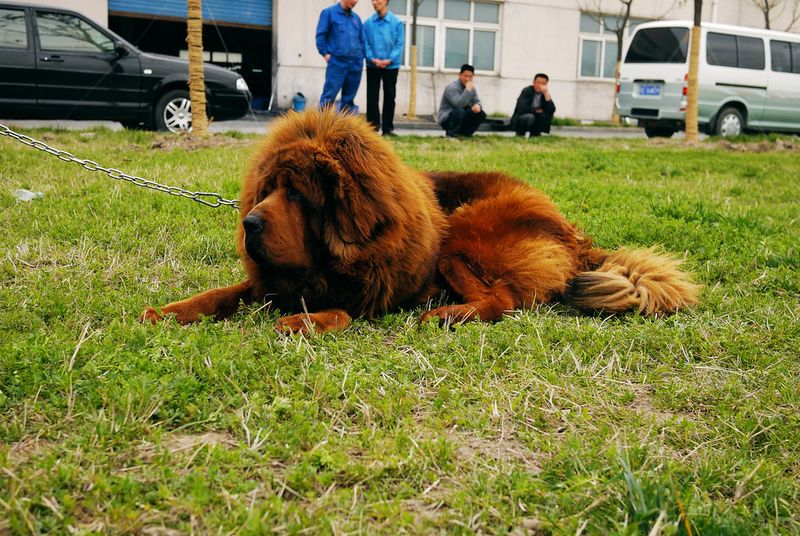
Snow swirling around a silhouette tells you the Tibetan Mastiff has clocked in for night duty. Bred to guard monasteries and flocks, they carry a coat and an independent mind that reads situations before acting.
Early socialization balances protective instincts with manners. Use fair rules, short sessions, and rewards.
Provide a yard, gates, and time during gatherings. Brush the undercoat, check ears after weather, and keep workouts steady rather than intense sprints on slick ice.