
Some dogs are cool under pressure. They pause, think, and then choose what to do next.
That kind of self-control makes daily life calmer and safer for everyone. Here are breeds known for steady minds and thoughtful choices, plus tips to help them shine.
Akita
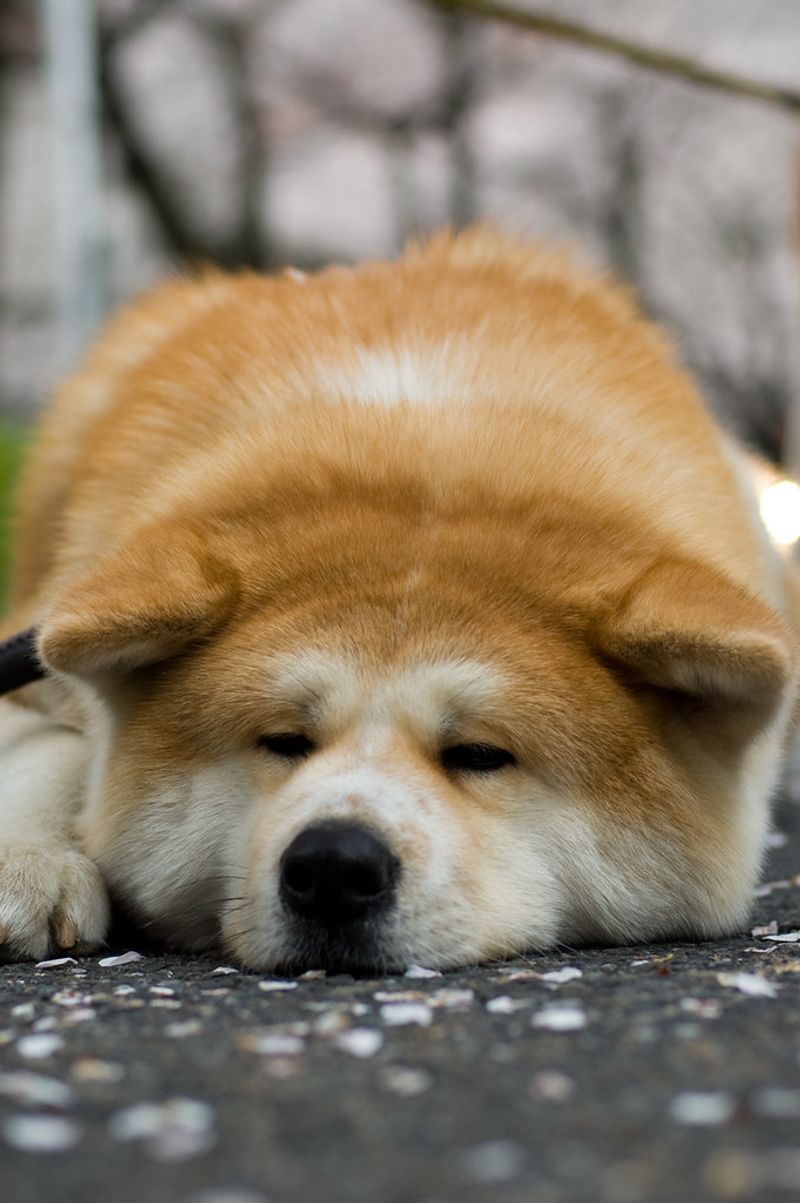
Stoic as a mountain sunrise, the Akita thinks before reacting. In busy homes, that level head helps them ignore chaos and focus on what matters, like your next cue.
Training works best with calm routines, clear boundaries, and brief sessions. Give meaningful jobs, such as carrying a soft pack or practicing quiet stays, and you will see steady confidence.
Socialize early, keep greetings low-key, and their measured spirit shines in daily life.
Great Pyrenees
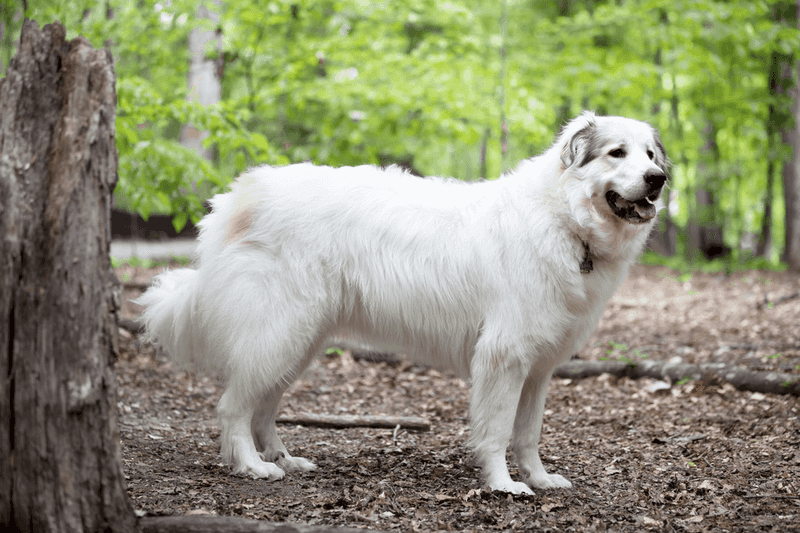
Picture a snow-capped guardian that stays cool when others get rattled. The Great Pyrenees scans first, then decides, which makes them steady problem-solvers around kids, guests, and barnyards.
Use quiet praise and predictable schedules. Long, slow walks help them process the world without racing hearts.
Teach a solid place cue near doors to prevent pushy greetings. With patient handling and meaningful chores, like boundary patrols, their composed nature becomes a calming anchor for the whole household.
Beauceron
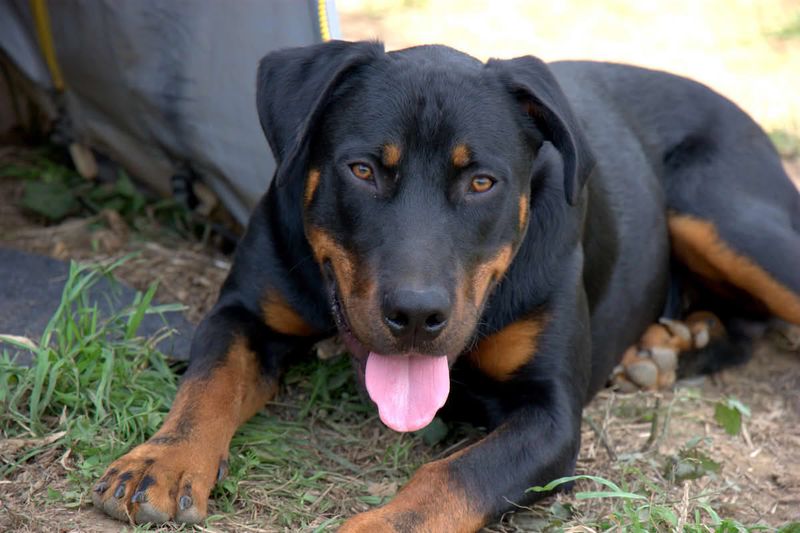
French farm wisdom lives in the Beauceron, a breed that sizes up situations with sharp, steady eyes. Instead of leaping first, they check in, then act with purpose.
Channel that judgment with advanced obedience, scent games, and herding-style drills. Rotate tasks to prevent boredom-fueled mischief.
Clear rules, fair corrections, and sincere praise bring out balanced confidence. Early exposure to city sounds and rural tools keeps their brain cool, so excitement never carries the leash.
Standard Schnauzer
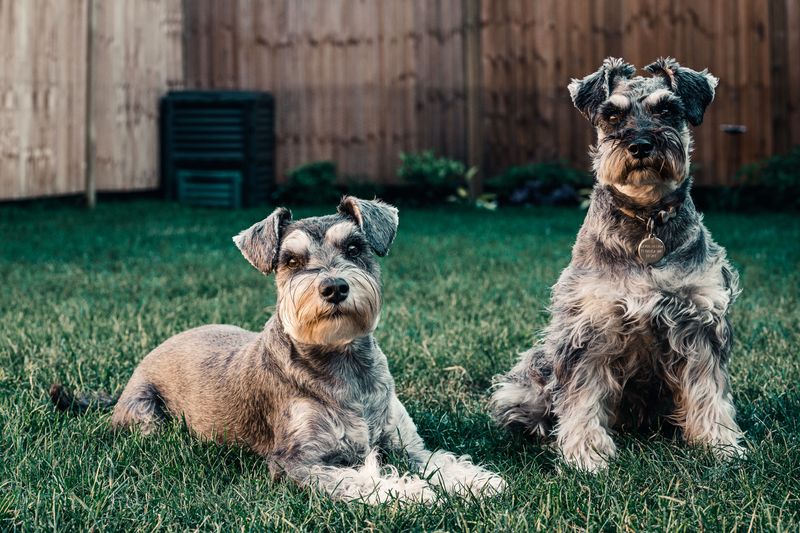
Part detective, part comedian, the Standard Schnauzer keeps a cool head while observing everything. Sudden noises?
They pause, look to you, and decide with surprising maturity for a lively breed.
Make decisions easy by teaching impulse games like wait, leave it, and settle on a mat. Short, clever training turns curiosity into control.
Daily problem-solving toys, urban walks, and polite greeting practice build habits that outlast thrills, so excitement becomes a signal to think first.
Anatolian Shepherd Dog
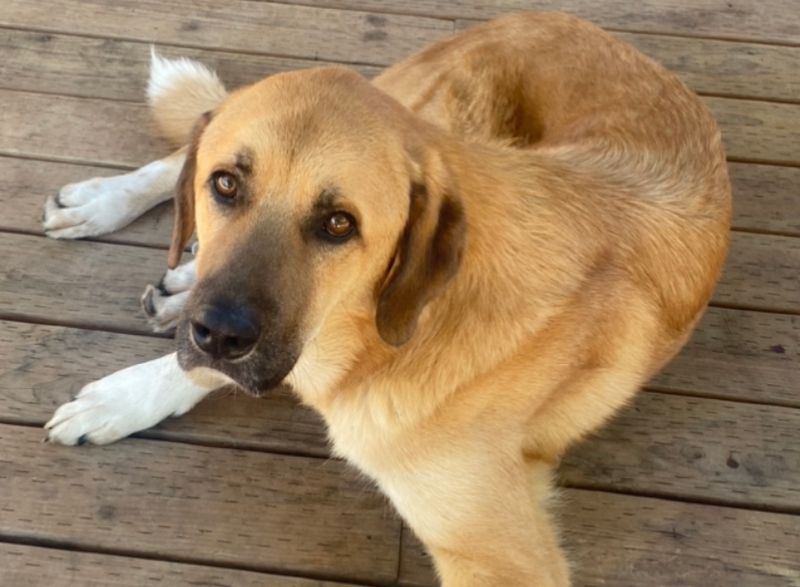
Quiet strength defines the Anatolian Shepherd Dog, a breed bred to guard without panic. When situations change fast, they prefer to assess from a distance before stepping in.
Respect that mindset with consistent boundaries and purposeful exercise. Perimeter walks, car line waiting, and calmly supervised livestock time reinforce thoughtful habits.
Keep greetings bland, reward stillness, and practice long downs in distracting places. Their patience grows when leadership is steady, which helps the household feel safe and predictable.
Finnish Lapphund
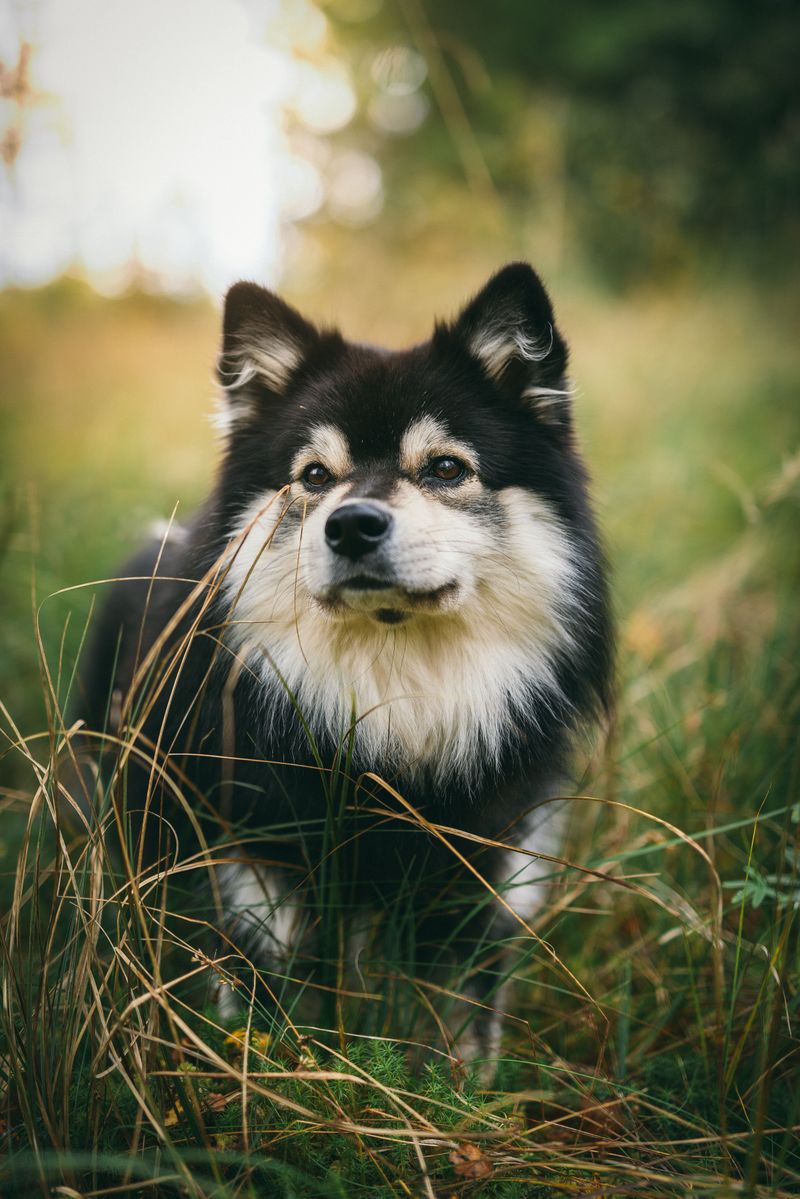
A cheerful smile meets a careful brain in the Finnish Lapphund. Historically guiding reindeer, they learned to think on their feet without chasing every rush of motion.
Support that balance with gentle structure. Trick training, moderate hikes, and calm meet-and-greets keep arousal low and attention high.
Use soft voices and food rewards to encourage thoughtful choices. When excitement shows up, redirect to nosework or a sit-watch routine, and you will see patience bloom in real moments.
Rhodesian Ridgeback
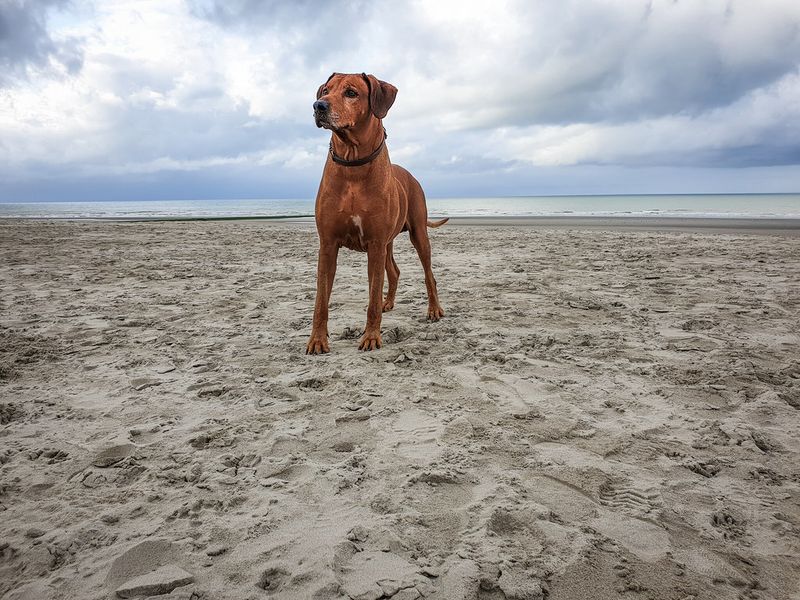
Built like an athlete with a philosopher’s pause, the Rhodesian Ridgeback weighs options before springing ahead. That cool judgment shows up in parks, at doors, and during play.
Work with it using structured sprints, place training, and rock-solid recalls. Keep greetings brief, offer sniff breaks, and avoid nagging.
Clear signals and consistent expectations prevent impulsive choices. Add tracking games to satisfy their hunting history, and you gain a partner who meets excitement with measured steps instead of leaps.
Belgian Sheepdog
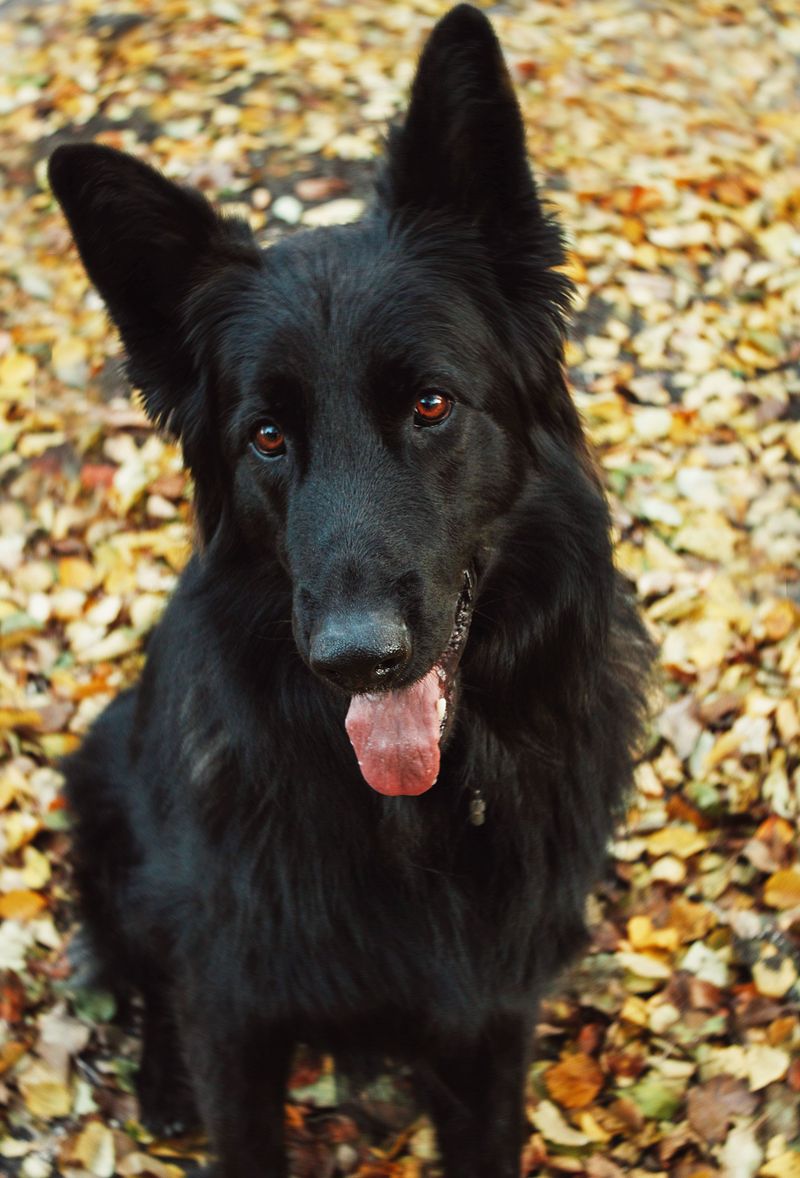
Like a black shadow that thinks first, the Belgian Sheepdog reads environments with laser focus. Instead of buzzing with nerves, many prefer a job, a cue, and a plan.
Offer structured agility, pattern games, and controlled fetch. Use hand targets and eye contact to reset arousal.
Rotate calm stations at home, such as a crate or mat, so choices feel simple. With fair leadership and steady enrichment, their alert mind stays balanced, even when the world gets loud.
English Setter
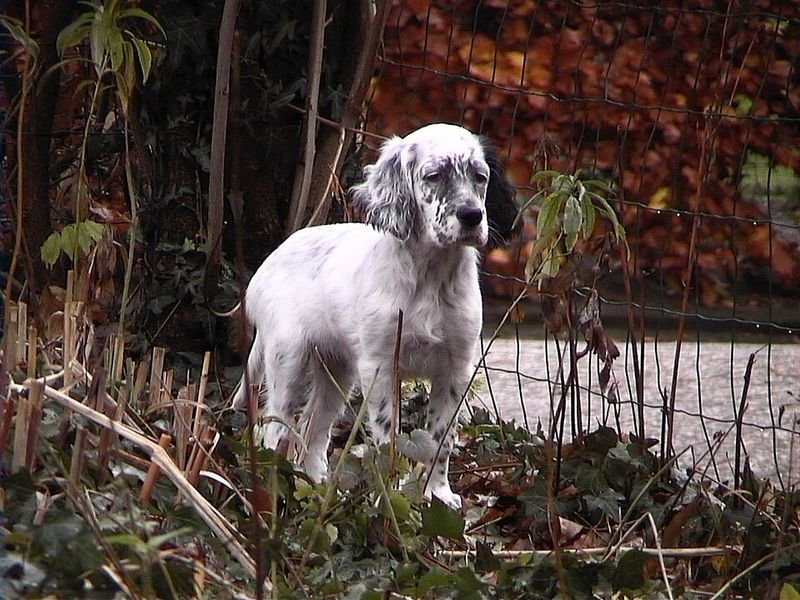
Feathered elegance hides a thinker in the English Setter. Out in fields or on sidewalks, they often pause, glance back, and wait for direction rather than dash headlong.
Capitalize on that pause with gentle check-ins. Teach a watch-me, reward slow breathing, and practice sit-stays while birds or bikes pass.
Regular brushing sessions double as calm training. When excitement rises, run a short obedience pattern, then release to sniff.
That rhythm builds patience without draining their lively sparkle.
Leonberger
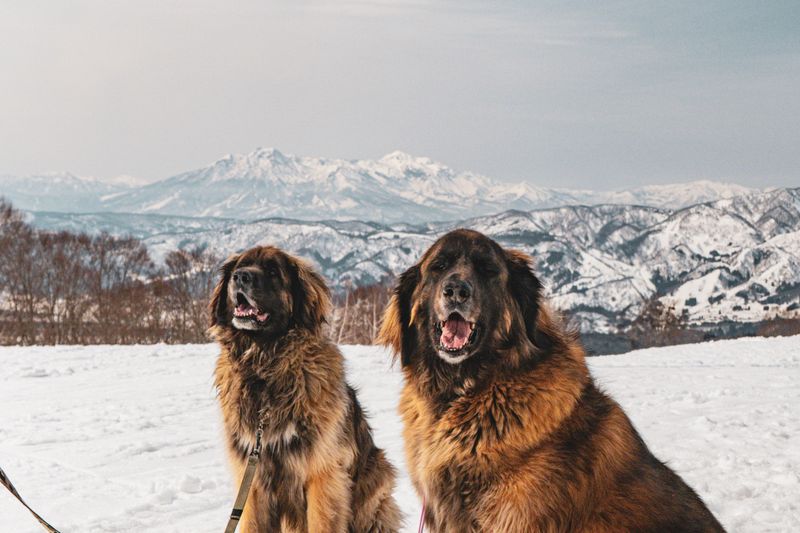
With a grin that softens stress, the Leonberger often chooses patience over drama. Size helps, but their temperament leans toward steady decisions that keep family life relaxed.
Encourage that vibe with calm leash skills, slow greetings, and thoughtful play. Water games are great for exercise without frenzy.
Practice down-stays during meals and door time. Praise quiet choices, give space during hype, and the big heart learns that good manners feel good too, even when the room buzzes.
Norwegian Elkhound
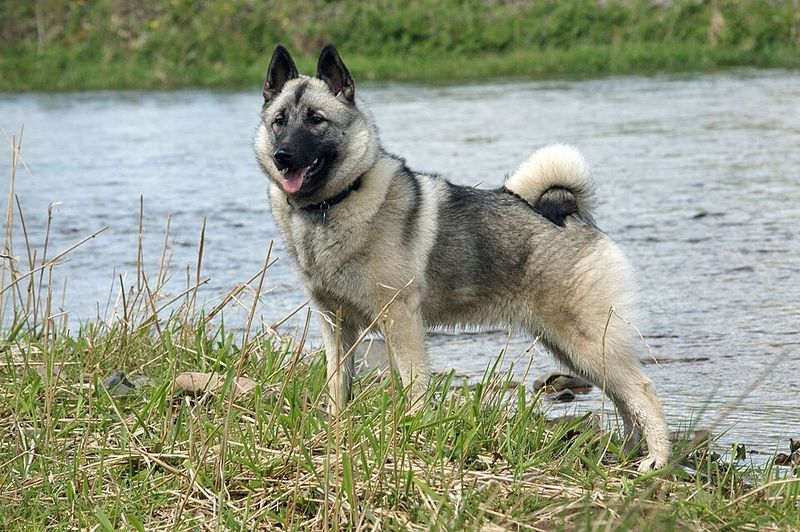
Mountain air and cool judgment travel with the Norwegian Elkhound. Rather than explode with excitement, many settle into a watchful mode and wait for a clear signal.
Build on that steadiness using hikes over varied terrain, balanced meals, and clear routines. Practice polite passing on trails and neighborhood routes.
Nosework and tracking satisfy instincts without chaos. When life speeds up, cue a pause-sit, reward eye contact, and move on.
Soon, measured choices replace jumpy habits in daily scenes.
Tibetan Mastiff
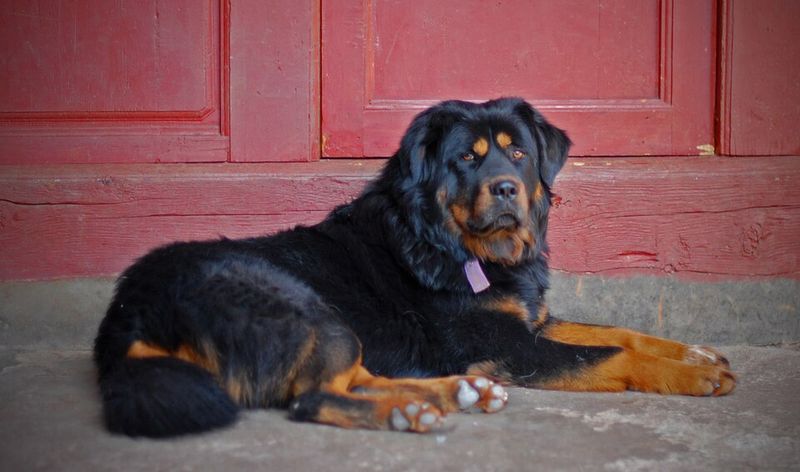
Temple-calm when it counts, the Tibetan Mastiff prefers space and assessment before action. Big feelings do not push them around.
They hold the line with quiet certainty.
Support that temperament with early social exposure, strong fences, and consistent house rules. Keep training short and meaningful, then let them think.
Evening patrol walks and place work reduce door drama. Reward stillness, manage visitors, and you will earn trust.
Their thoughtful style proves that composure can be taught and kept.