
First meetings can feel tense, but the right dog often breaks the ice. Friendly breeds greet new people with calm energy, wagging tails, and open hearts.
That kind of welcome helps neighbors chat, kids feel safe, and guests relax. Here are breeds known for making handshakes and hello’s easy.
Golden Retriever
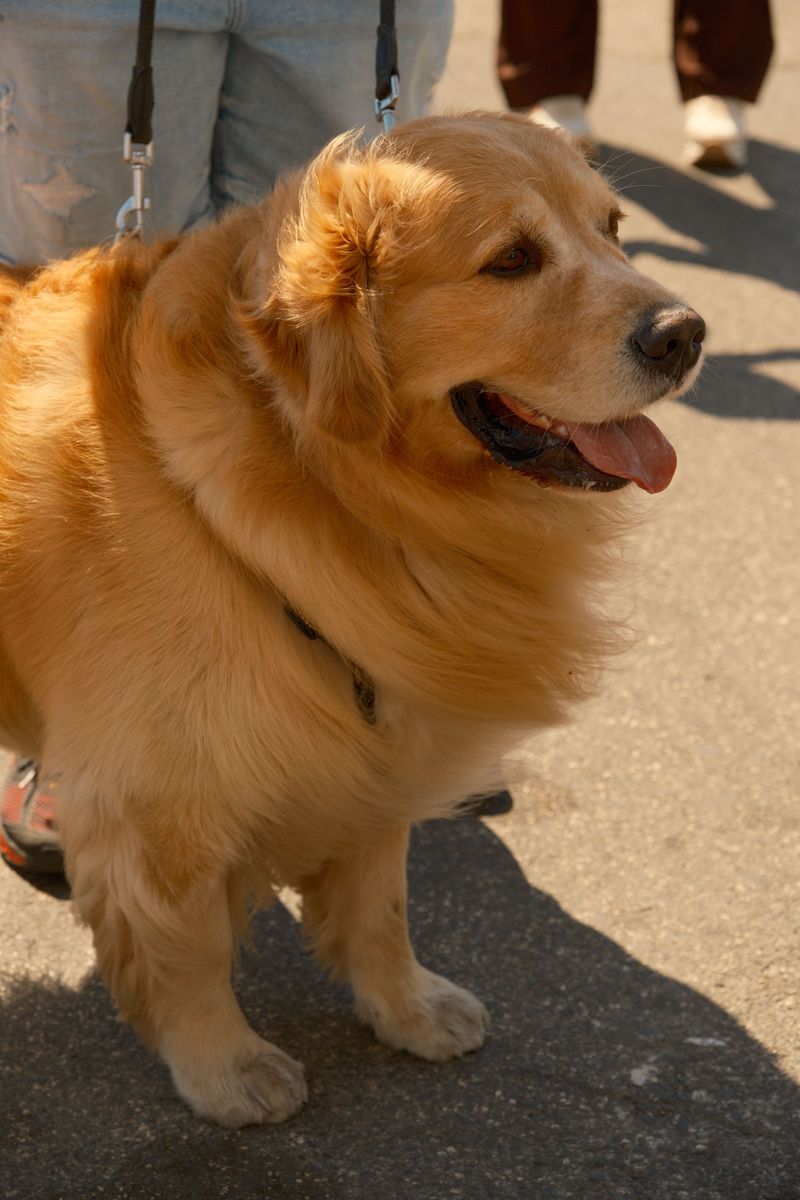
Big smiles often follow a Golden’s hello. With steady eyes and a steady tail, this breed warms up rooms like sunshine.
New visitors usually get a soft nudge, then a sit, which helps everyone feel calm. Many families report that even shy children relax when a Golden leans in gently.
For smooth greetings, keep a pocket of treats and reward polite sits. Regular walks build confidence in busy places.
Fun fact: Goldens were developed for gentle retrieving.
Labrador Retriever
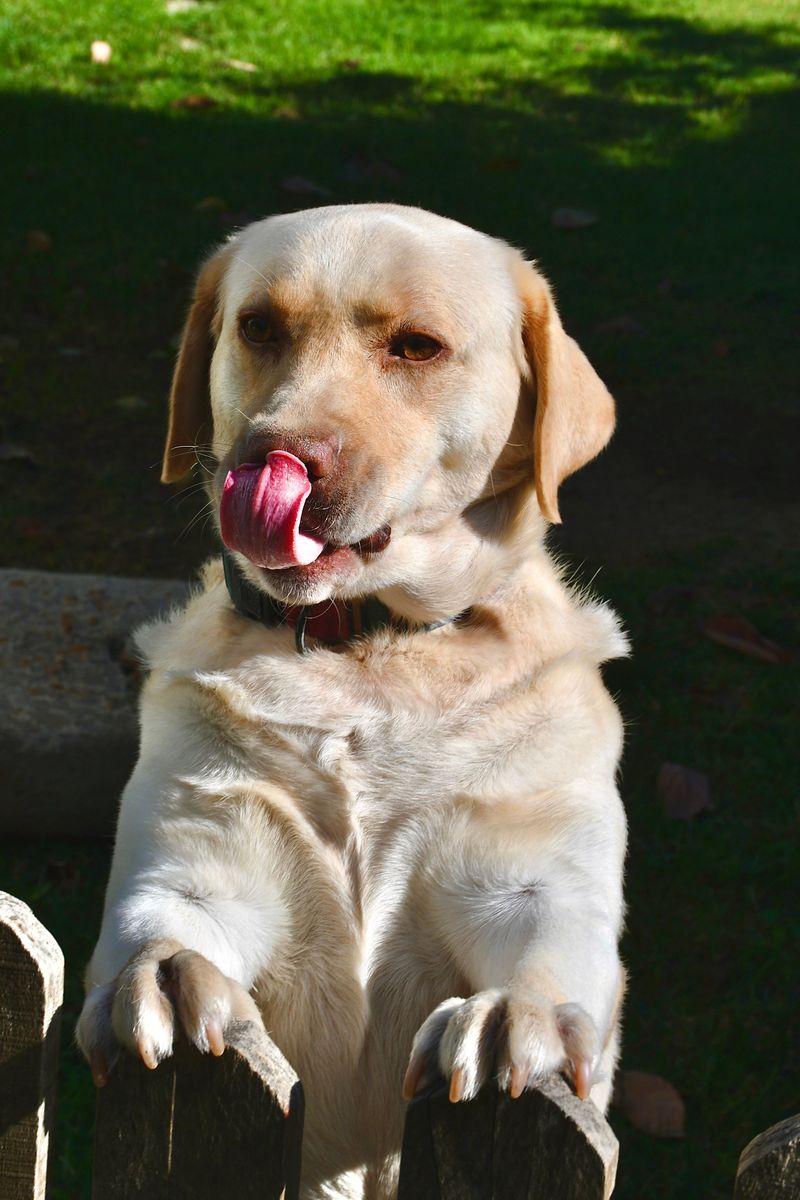
Few icebreakers beat a Lab’s happy prance. Their social spirit shines when the doorbell rings, and they often bring a toy as a peace offering.
That playful move gives strangers something to do right away, like a quick game of gentle tug or toss.
Training a simple “go say hi” followed by a sit keeps meetings polite. Short, positive visits to cafes or parks build skills.
Fun fact: Despite the name, Labs trace roots to Newfoundland.
Boxer
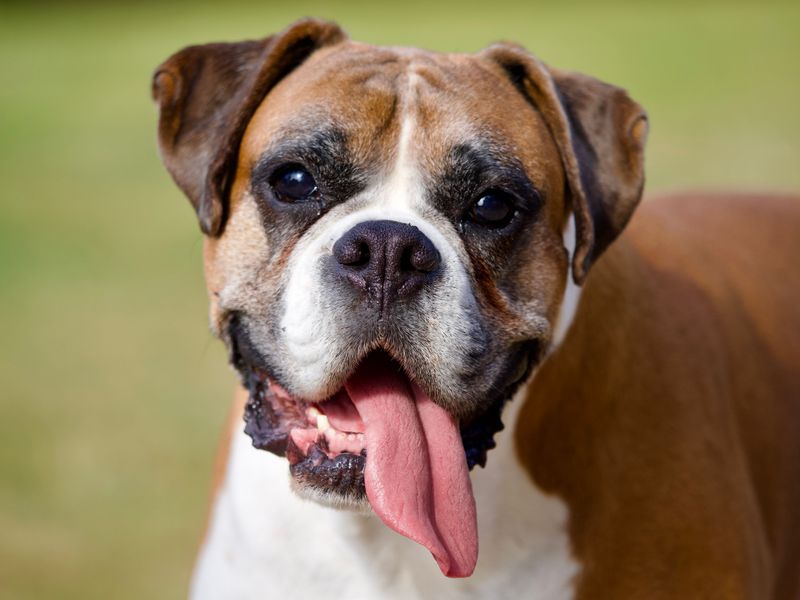
Silly wiggles, bright eyes, and a curious head tilt make Boxers unforgettable greeters. They read the room fast and often turn awkward silence into a laugh.
While energetic, they love structure, so a quick sit before petting keeps meetings smooth.
Practice short impulse-control games at the door, like “wait” and “touch.” A brisk walk before guests arrive helps channel extra pep. Bonus tidbit: Boxers were once valued as alert, loyal guardians with a clownish streak.
Flat-Coated Retriever
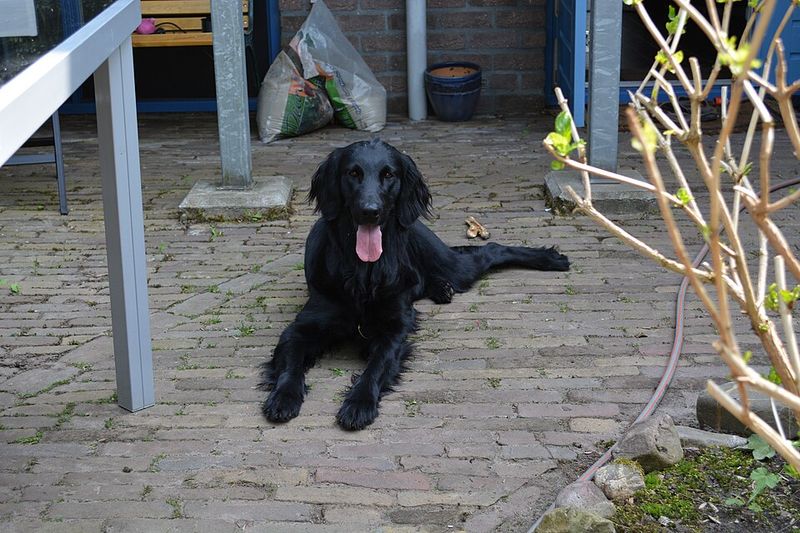
Think optimism with paws. Flat-Coats greet newcomers like old friends, bringing steady charm and a wag that says, welcome aboard.
Their graceful approach, paired with quick learning, prevents pushy behavior at the threshold.
Teach a cheerful “place” cue so the dog waits on a mat as guests enter, then release for calm hellos. Rotate favorite toys to prevent overexcitement.
Historical note: Flat-Coats were once the gentleman’s gundog in Britain, prized for friendly steadiness.
Havanese
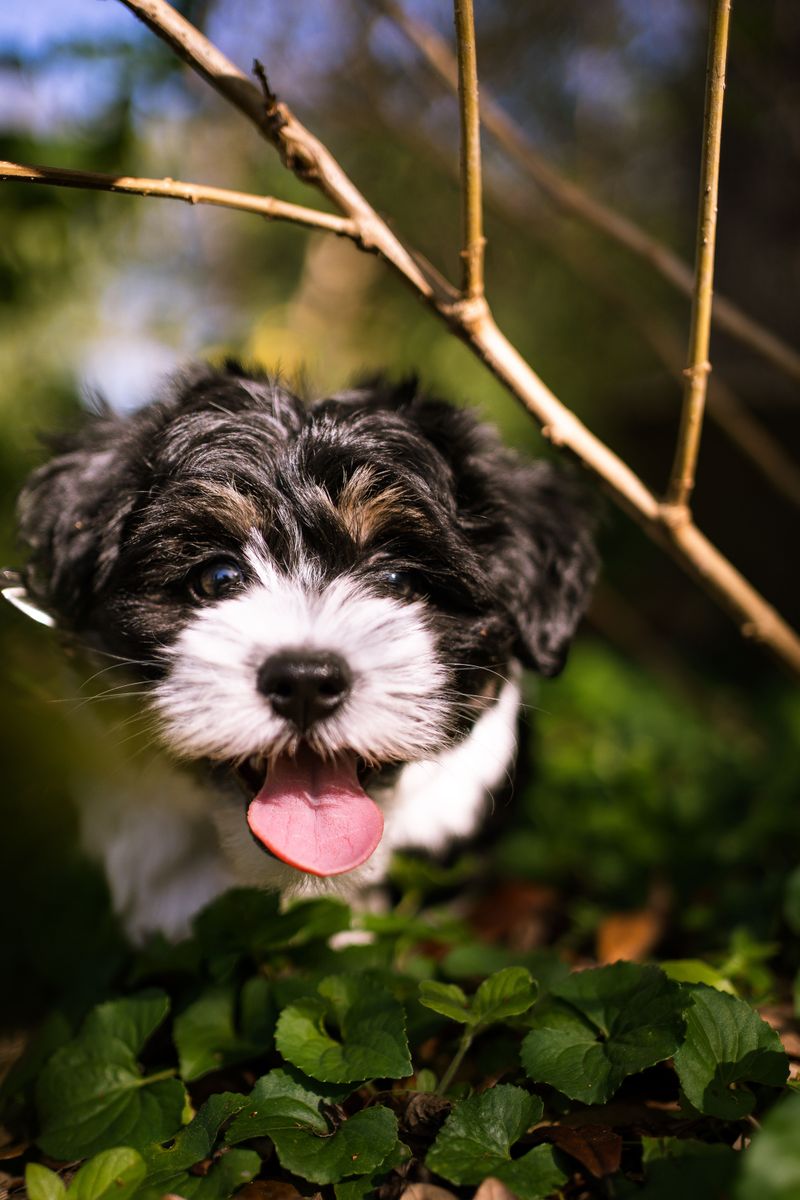
Tiny body, big welcome. A Havanese often pads over like a little host, eyes bright and inviting.
Their soft coat and gentle pace help nervous guests feel safe. Many will perform a polite sit or even a cute spin before easing close.
Keep treats handy and reward quiet greetings. Short social visits in elevators or lobbies build confidence.
Fun fact: The Havanese is Cuba’s national dog, long cherished in social city life.
Irish Setter
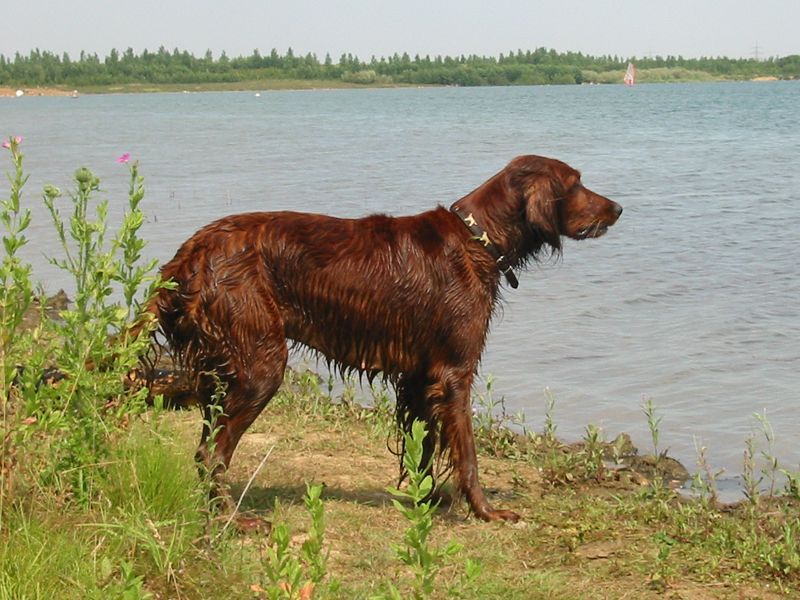
Flowing coat, big heart, and a joyful trot make Irish Setters natural icebreakers. They often greet like they are hosting a picnic, bright-eyed and eager to share the moment.
That upbeat mood lifts tension and gets people smiling.
Before company arrives, practice a calm “heel to sit” at the door. A quick fetch session takes the edge off extra energy.
Did you know? Irish Setters were bred to locate game birds with style and speed.
Beagle
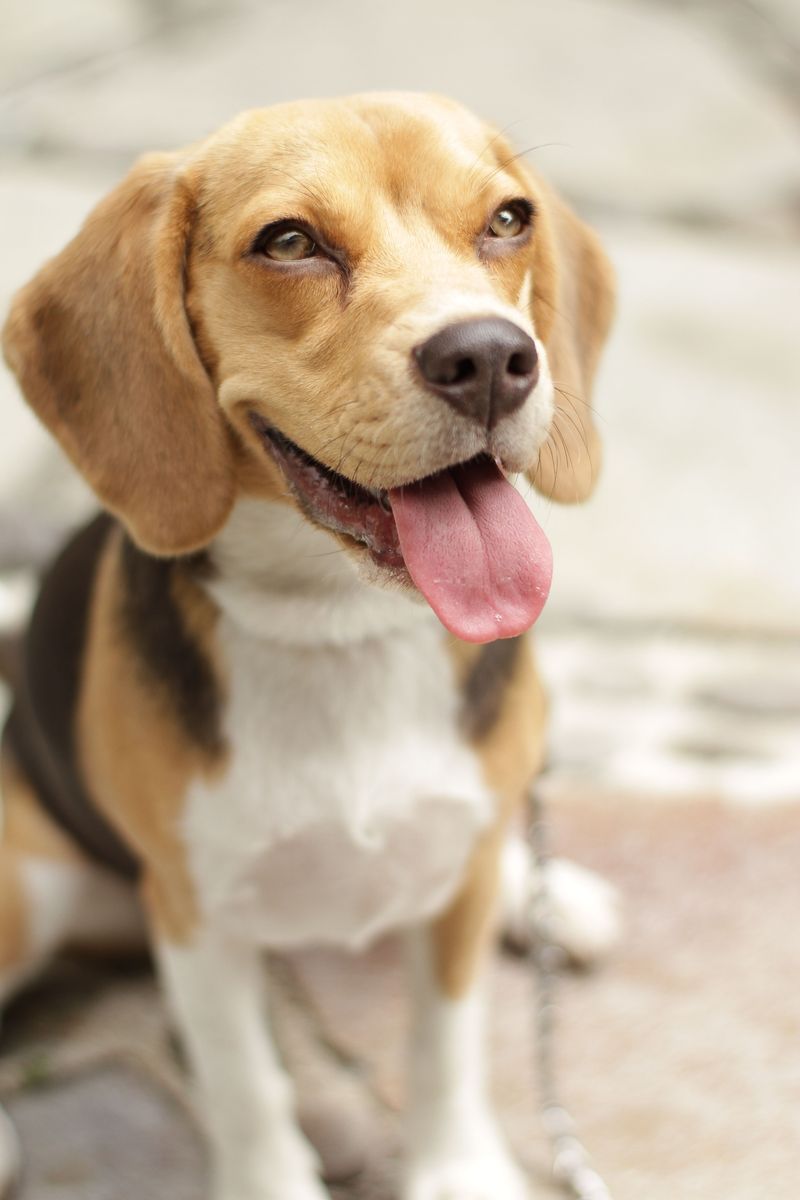
Noses lead the way with Beagles, but their cheerful spirit follows close behind. A gentle sniff and a wag create space for an easy hello.
Their small size and soft expression lower stress for cautious guests.
Teach a quiet cue to keep hound songs to a minimum during arrivals. Short practice sessions with friends at the door reinforce calm sits.
Trivia: Beagles once served in packs for rabbit hunting, which explains their social, team-ready mindset.
Bichon Frise
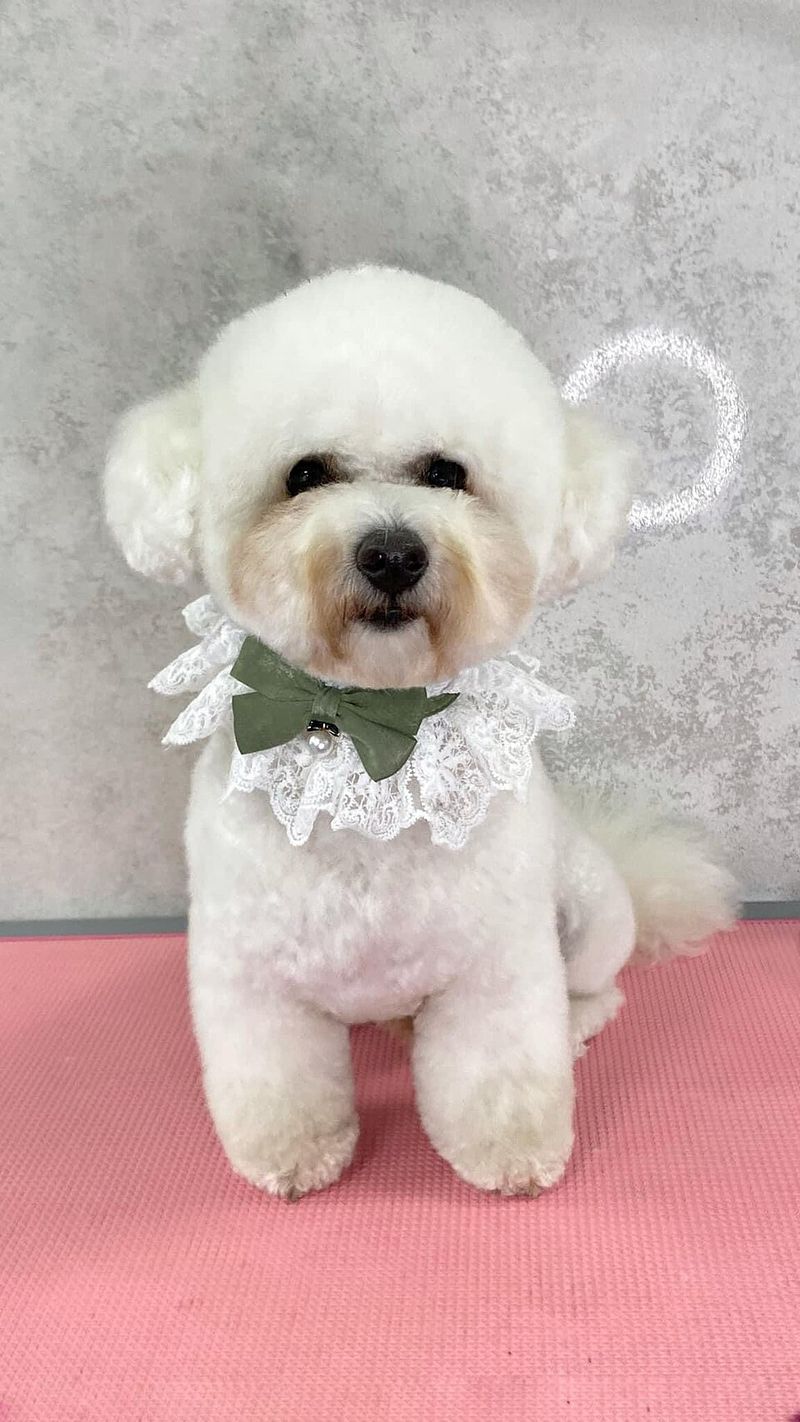
Like a little cloud of cheer, the Bichon floats into new friendships. Their springy steps and twinkling eyes encourage gentle petting and easy small talk.
Because they are light and soft, even guests unsure about dogs usually relax quickly.
Use a calm hand-target cue to guide polite approaches. Keep brushing quick and positive so the coat stays welcoming to touch.
Fun fact: Bichons traveled with sailors and charmed nobility, building serious social skills.
Boston Terrier
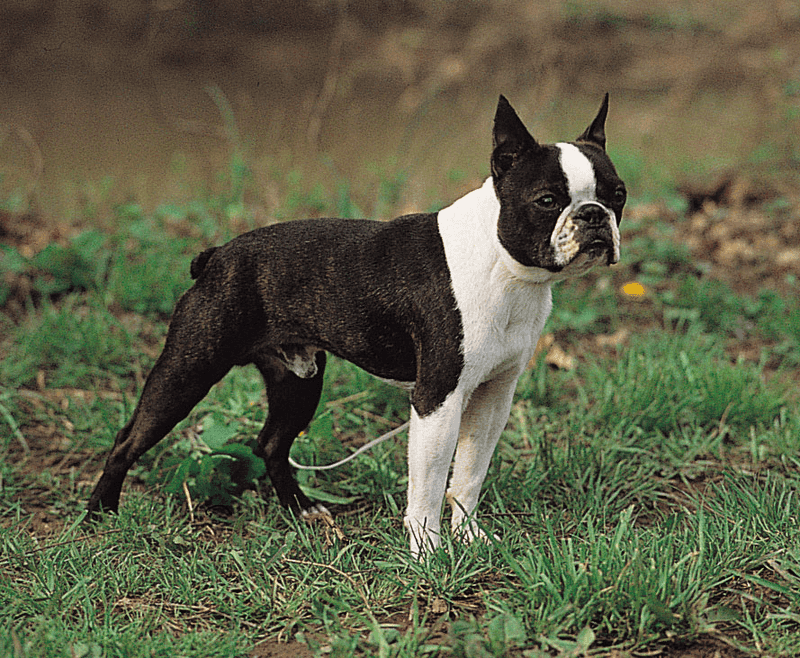
Those big round eyes say, nice to meet you. Boston Terriers bring goofy charm without taking over the moment.
They love quick, polite sniffs, then settle near their person like a courteous sidekick, which helps conversations flow.
Teach a cue like “look” to hold soft eye contact before saying hello. Keep greetings short so excitement stays balanced.
Fun tidbit: Nicknamed the American Gentleman for their tux-like coat and mannerly vibe.
Papillon
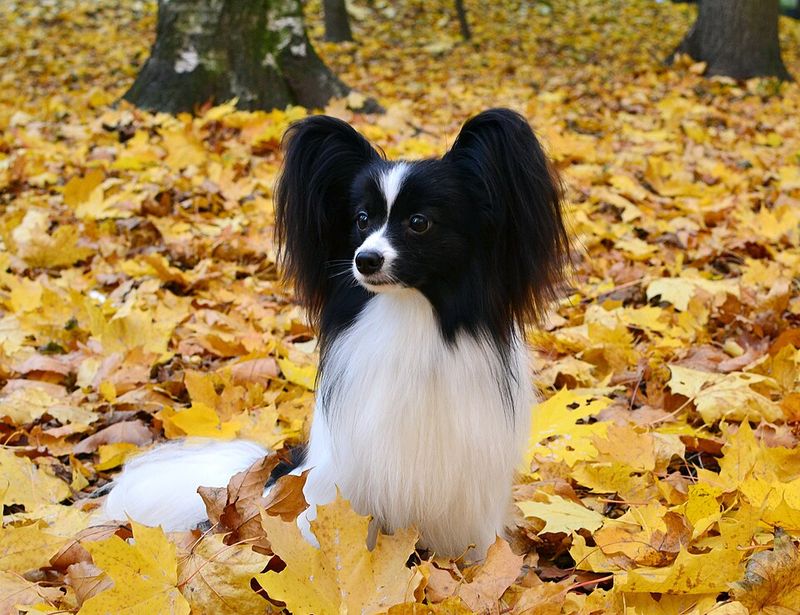
Graceful and bright, the Papillon often greets with dancer-like lightness. Those butterfly ears catch attention, and their confident posture invites calm petting.
Many prefer a gentle approach from the side, which keeps introductions smooth and respectful.
Practice a simple “come, sit, treat” routine for predictable greetings. Short confidence walks around friendly patios or markets help.
History note: Papillons charmed European courts, which explains their polished, people-focused style.
English Cocker Spaniel
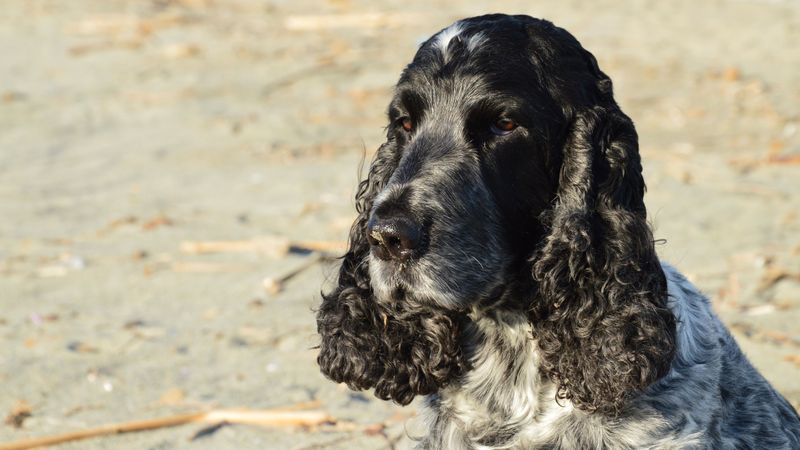
Eager eyes and a soft, velvety look make English Cockers easy to approach. They usually slide into greetings with a gentle tail swish and a curious sniff, which helps people feel welcome without pressure.
Their steady temperament fits busy doorways or casual trail chats.
Rehearse a calm sit before any petting begins. A short sniff walk before guests arrive helps meet-and-greet manners.
Fun fact: These spaniels once specialized in flushing woodcocks.
Newfoundland
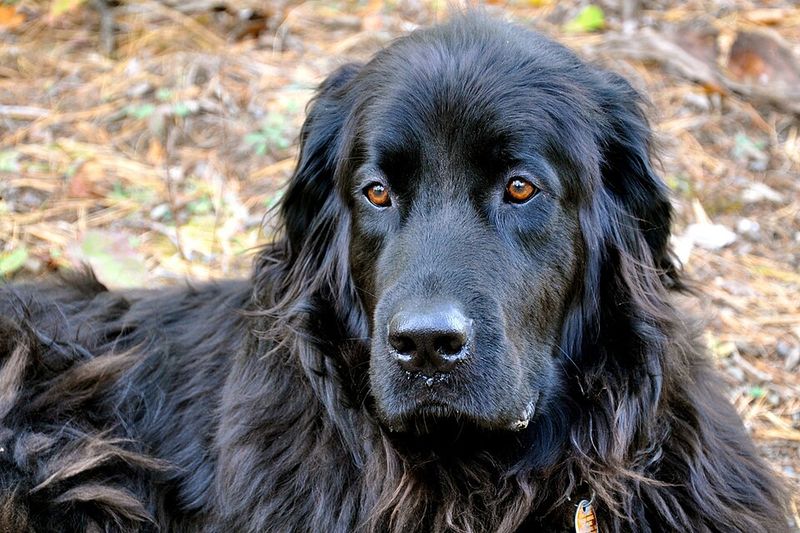
With a heart as big as its paws, the Newfoundland often melts worries on sight. Their calm eyes and slow, thoughtful movements make people feel safe.
Even first-timers are drawn to a careful lean or a patient sit that invites a careful pat.
Train a relaxed “down-stay” for door greetings. Regular grooming keeps that welcoming coat in top shape.
History note: Newfoundlands aided fishermen and are famous for water rescues, which fits their steady, caring vibe.
Samoyed
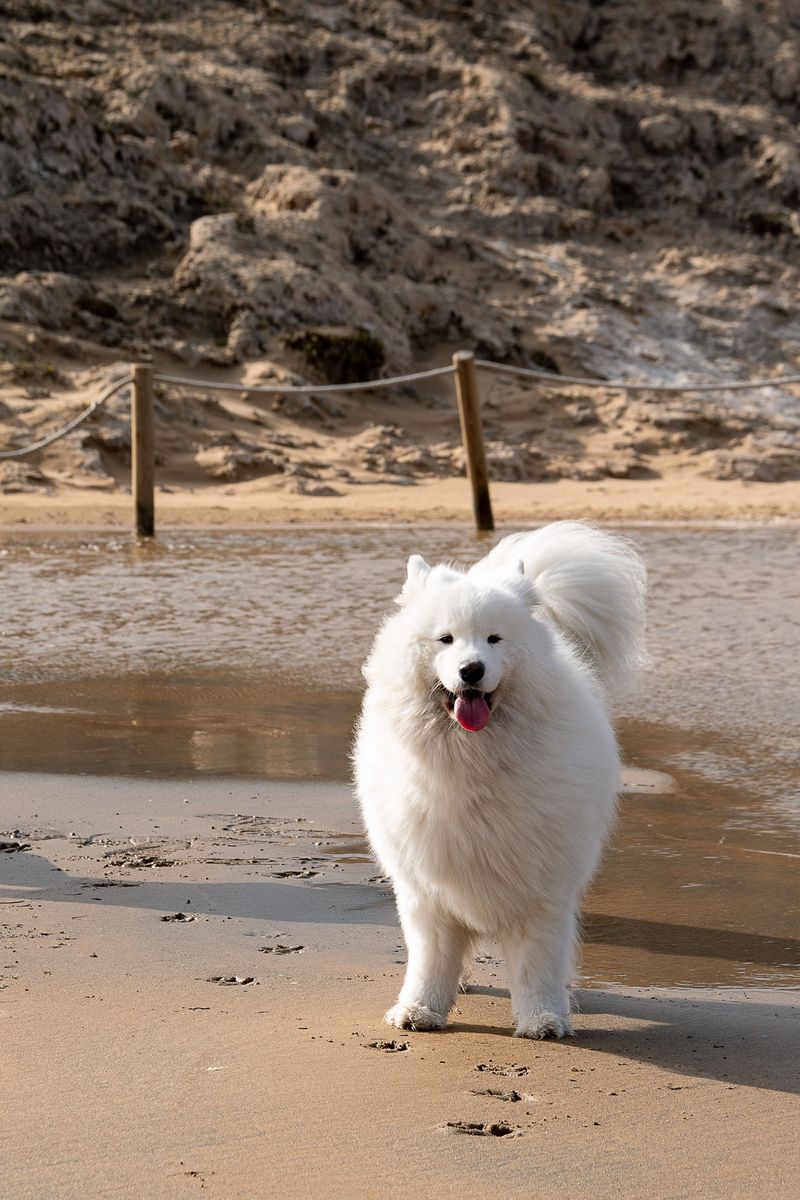
The famous Sammy smile does half the work. That bright expression and fluffy coat invite friendly chats, even on chilly days.
Many Samoyeds love short, polite sniffs and then sit close, almost like a living snow cloud keeping company.
Brush regularly so guests can comfortably pet. Practice a calm “sit and wait” before releasing to greet.
Origin story: Samoyeds lived with Siberian families and pulled sleds, building strong bonds with people of all ages.