Some dogs seem to read people like a book. They spot tiny shifts in mood, movement, or routine and respond with care.
That talent can help families notice stress, sickness, or low energy before anyone says a word. Here are breeds known for paying close attention and offering comfort right when you need it.
Rough Collie
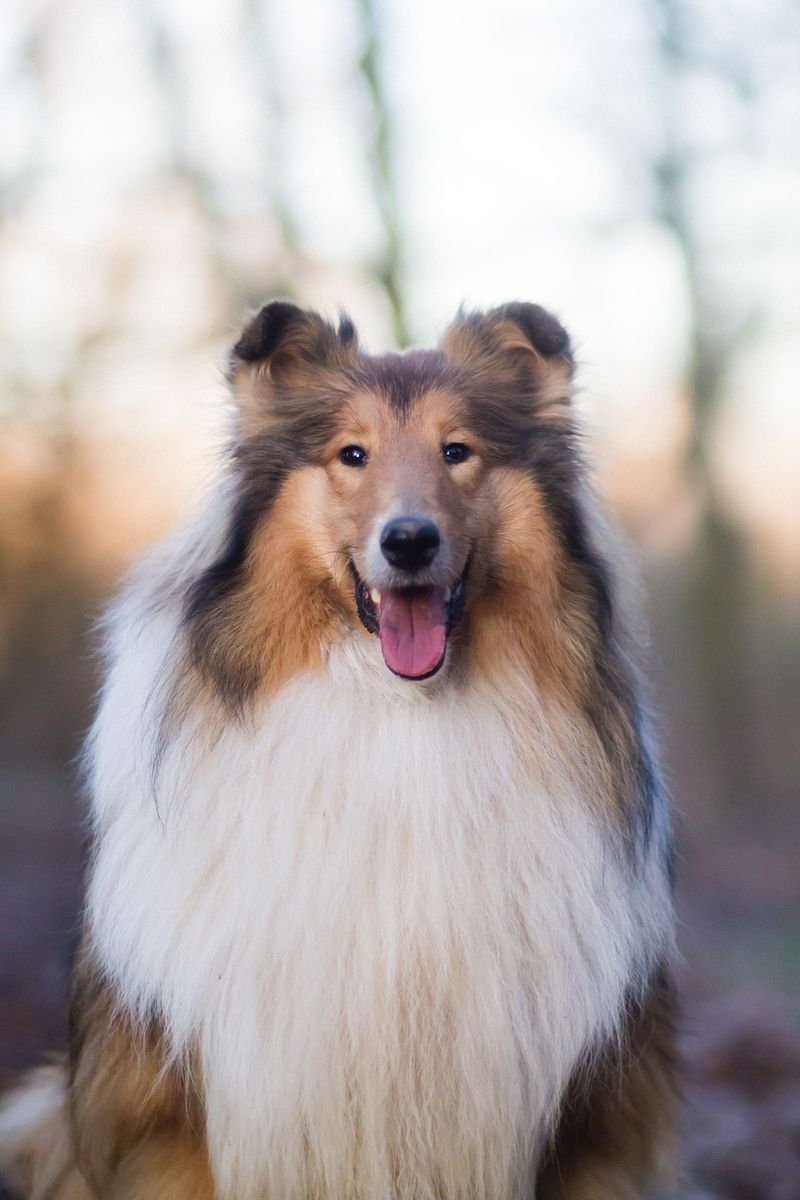
With storybook grace, the Rough Collie watches people the way a librarian tracks quiet whispers. Those almond eyes scan posture, pace, and tone for clues.
Many families say their Collie leans in when someone feels dizzy or sits closer when a teen looks upset.
Daily routines help them learn your normal. Keep training calm and consistent.
Offer gentle jobs, like fetching slippers or checking rooms. Mental games, short herding drills, and patient grooming time keep their focus sharp and their hearts steady.
Shetland Sheepdog
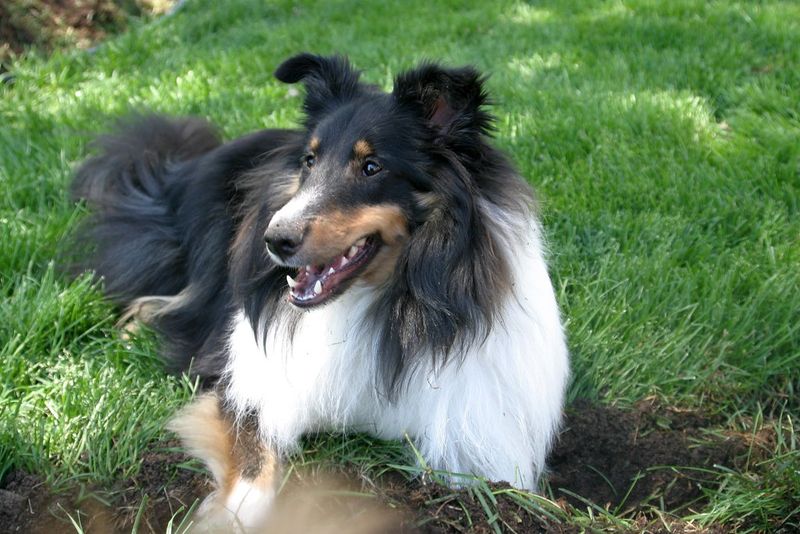
Quick as a spark, the Sheltie reads tiny shifts in footsteps and voice. A slight wobble, and it slows beside you.
A quiet sigh, and it curls at your feet. Their herding roots tuned them to small movements and group patterns.
Give this sharp thinker puzzles, trick training, and short bursts of agility. They thrive on praise and clear signals.
Keep social time gentle, and teach a cheerful “check-in.” Over time, they map your moods like stars in a friendly sky.
Doberman Pinscher
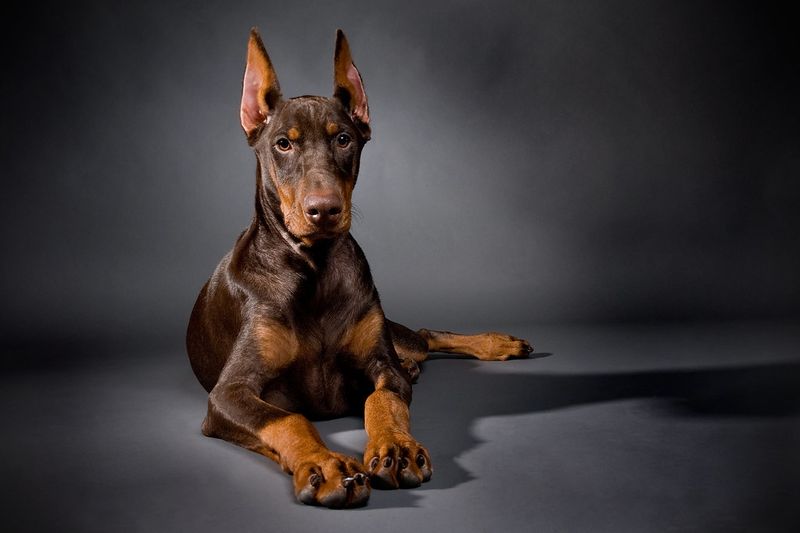
First to notice the offbeat rhythm in your day, the Doberman steps closer without fuss. Many owners say their Dobe senses stress before a meeting or lies across feet when pain flares.
Their loyalty pairs with sharp observation, making them natural guardians of routine.
Channel that focus with obedience drills, scent games, and calm exposure to daily sights. Clear boundaries and steady rules build confidence.
When your breathing slows, reward relaxed behavior. Soon, your Doberman becomes a steady anchor in choppy weather.
Standard Poodle
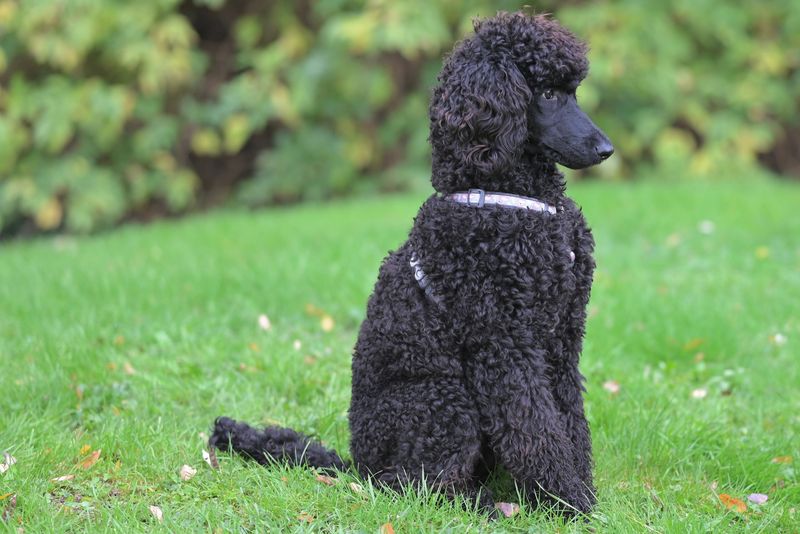
Brains meet empathy in the Standard Poodle. One minute it is solving a puzzle toy, the next it is nudging a hand when your shoulders tense.
Their keen eyes catch tiny posture shifts, and their timing often feels uncanny.
Teach names for objects, simple retrievals, and quiet settle cues. Rotate training games so their mind stays busy.
Regular grooming becomes bonding time to read each other’s signals. Before long, your Poodle predicts needs like a thoughtful friend.
English Cocker Spaniel
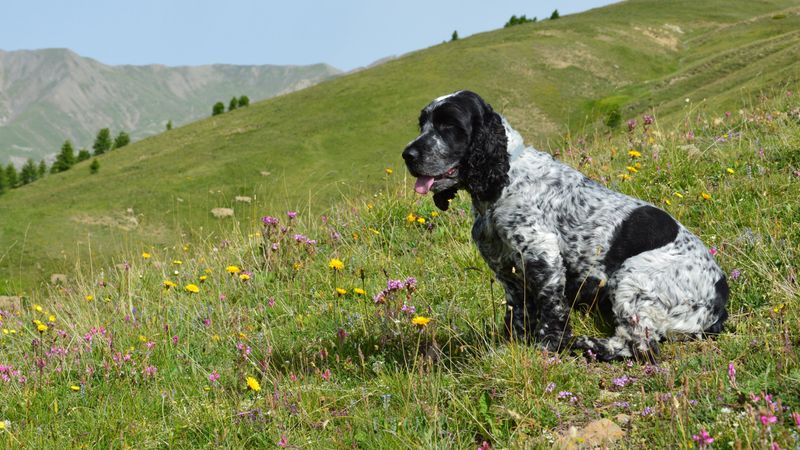
Sunny by nature, the English Cocker still notices the gray clouds in your day. A slower step, and it walks at your heel.
A quiet morning, and it brings a toy, hoping to spark a smile. Hunters at heart, they read environment and people alike.
Short sniffing trails, hide-and-seek, and friendly greetings build confidence. Keep sessions upbeat and brief.
Practice a soft chin rest as a cue for check-ins. Their warm presence often says, I’ve got you, before you ask.
Papillon
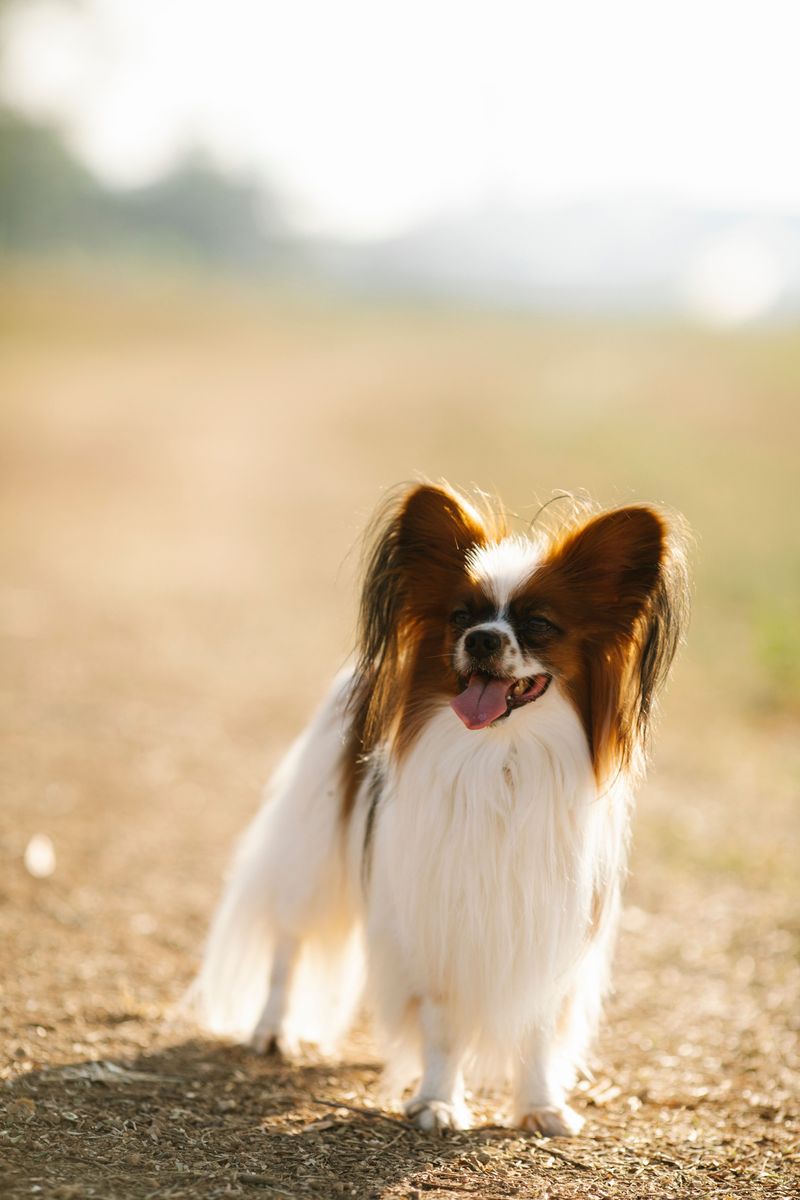
Tiny body, huge radar. The Papillon spots micro-changes fast, like a tap of the foot or a shift in breathing.
It may hop into your lap when tension rises or bring a toy as comic relief. Their bright eyes track your focus like a spotlight.
Teach light tasks that fit a small frame, such as target touches and bell alerts. Short, playful lessons keep them eager.
Build quiet cuddle breaks to reset everyone’s mood.
Boxer
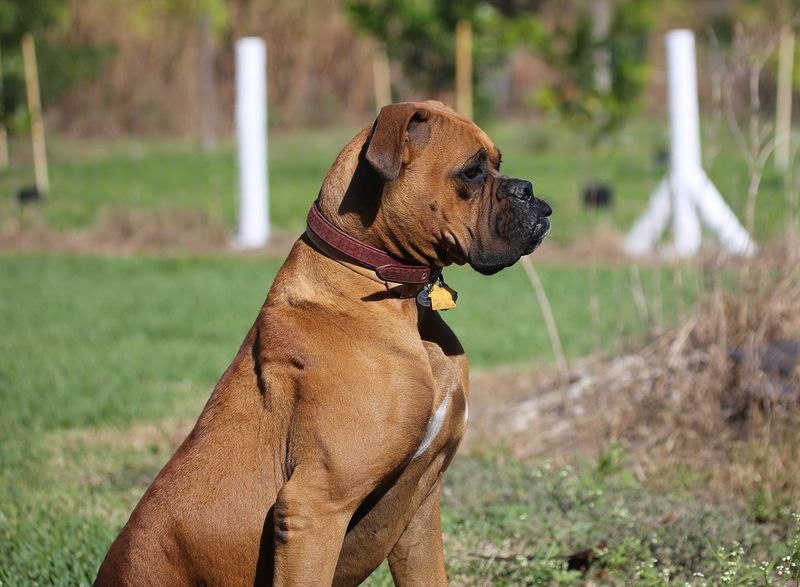
Clown at noon, caretaker by night, the Boxer responds to your energy like a mirror. When laughter fades, it presses close with a warm, steady weight.
Families often report a Boxer camping beside someone who feels sick, patient and still.
Use that big heart in structured play. Practice impulse control with sit-wait-release.
Include scent work and tug with rules. Clear, kind guidance turns their bounce into purpose.
Then their watchful side shines when you need downtime most.
Australian Shepherd
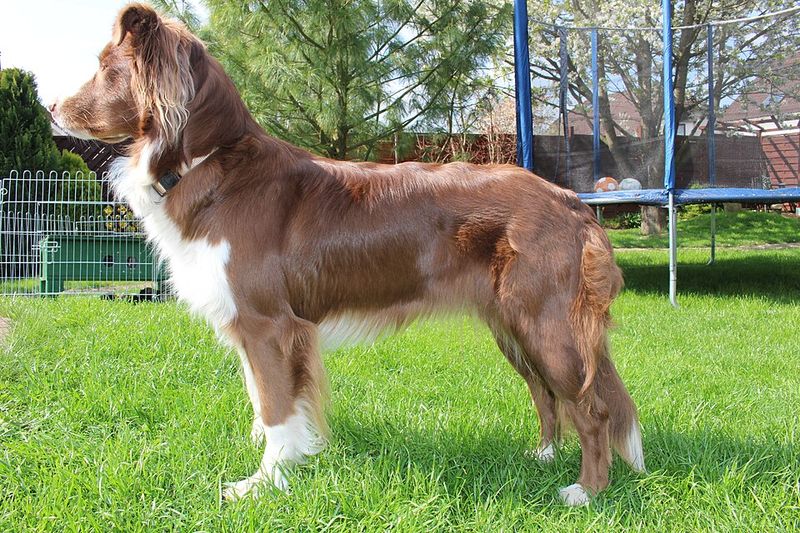
Born to manage motion, the Aussie notices when your stride shortens or your voice drops. It may guide you to a chair or block a doorway when you look unsteady.
That herding brain is always mapping patterns and predicting the next beat.
Give clear jobs, like fetching a water bottle, finding keys, or doing a room check. Rotate agility, trick chains, and herding balls.
Balanced exercise plus quiet cuddle practice builds a wise, responsive partner.
Vizsla
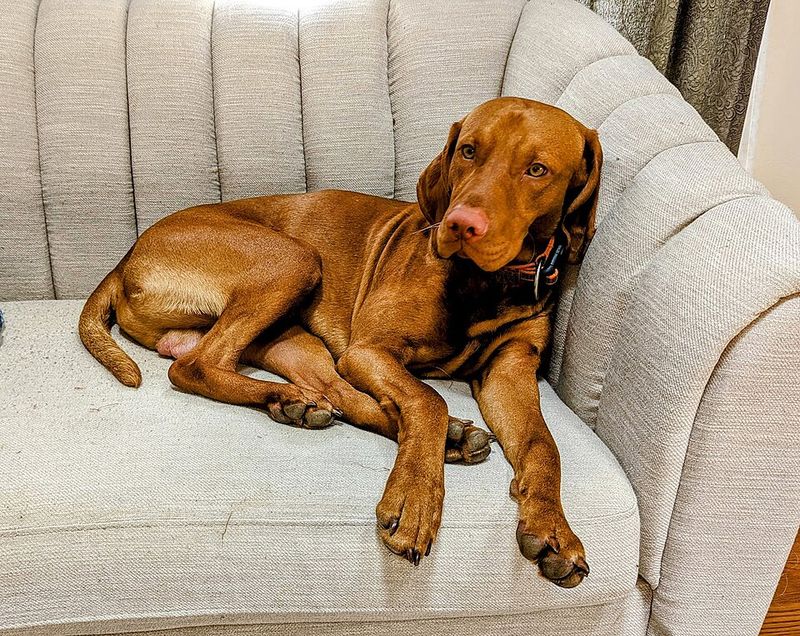
Called a velcro dog for good reason, the Vizsla sticks close and studies your signals. After a hard day, it softens its pace, sometimes placing a paw to invite a break.
Their hunting heritage tuned them to handler cues and tiny gestures.
Blend exercise with cooperation. Try recall games, tracking, and calm heel work.
Teach a settle on mat for quiet support. When routine wobbles, your Vizsla often notices first and leans in with quiet warmth.
German Shepherd
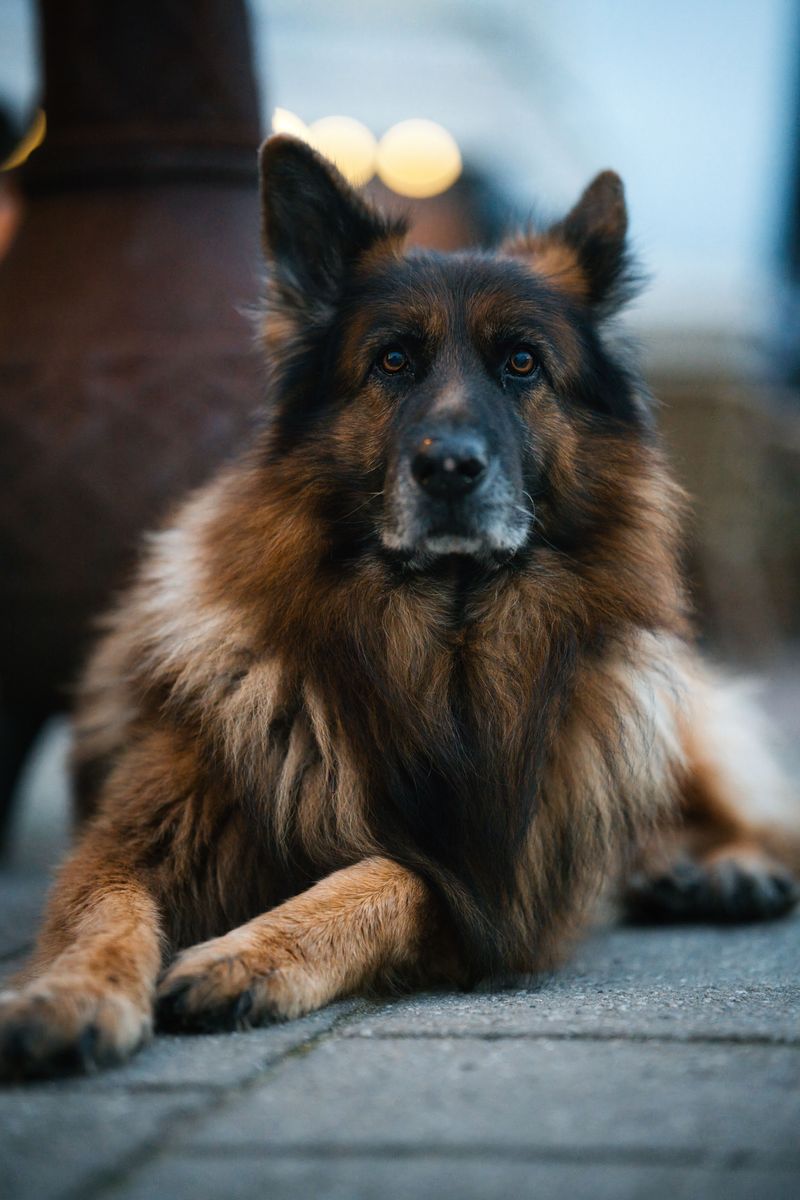
Guardian instincts meet careful study in the German Shepherd. A shift in your gait or a change in your scent can bring them to your side.
Many excel in service roles, alerting to anxiety spikes or guiding someone to a seat.
Structure is their comfort. Use clear commands, tracking games, and controlled outings.
Teach a gentle body block for safety. When trust is strong, your Shepherd anticipates needs and offers reliable, thoughtful support.
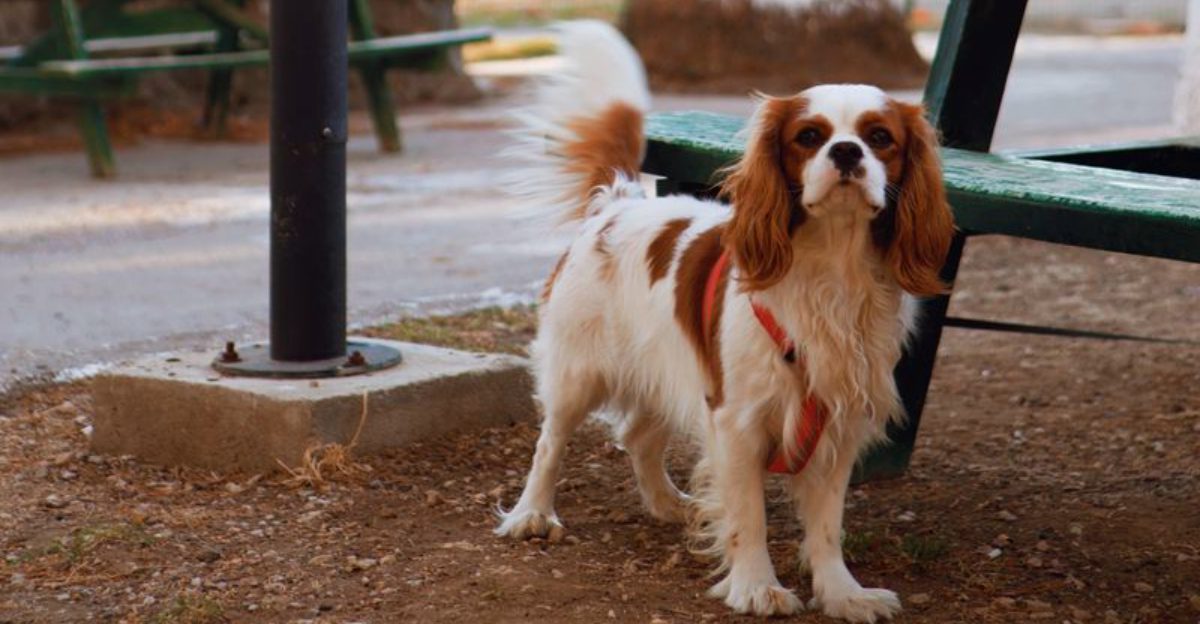
Cavalier King Charles Spaniel
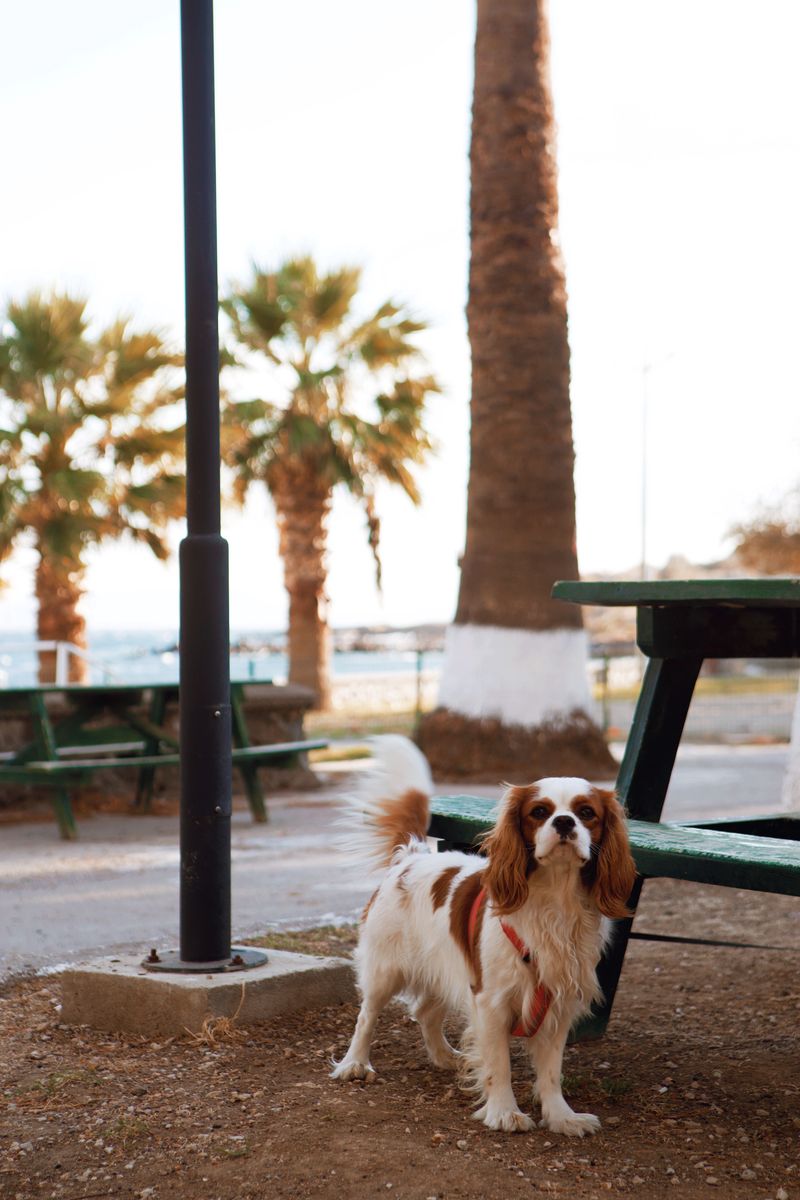
Soulful eyes seem to read your heart. The Cavalier often slides closer during worry, matching your calm like a small, warm blanket.
They notice sighs, slower mornings, and quiet tears, then offer gentle closeness without asking for anything back.
Short walks, light training, and cozy rest teach them when to be playful and when to be still. Practice a cue for soothing cuddles.
With patience, your Cavalier becomes a soft bell that rings before trouble grows.