Hunting dogs were not all made for easy jobs. Many were bred to face tough weather, tricky land, and dangerous animals.
Their stories show how courage, brains, and training can work together. Meet a lineup of breeds that took on hard quarry and still carry that bold spirit today.
Rhodesian Ridgeback
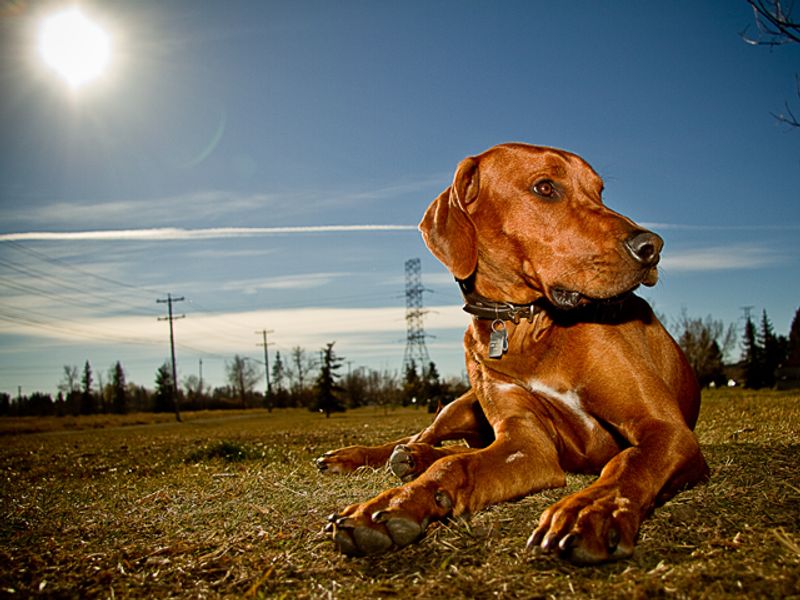
Legend says these athletic hounds kept pace with horses while tracking lions across hot African plains. Heat, thorns, and scarce water tested grit as much as speed.
Hunters needed a brave partner that could hold a lion at bay without charging recklessly.
Modern Ridgebacks still crave big challenges. Long trail runs, agility, and scent games burn energy and build confidence.
Teach impulse control early, use calm praise, and protect tough paws. A steady routine turns raw drive into thoughtful courage.
Dogo Argentino
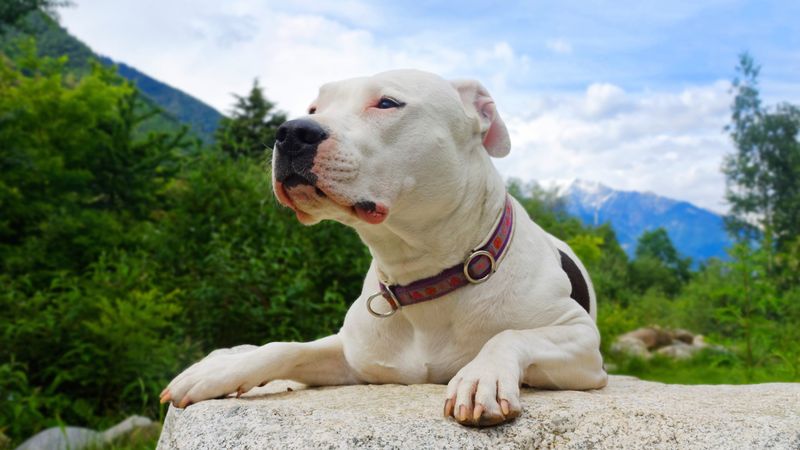
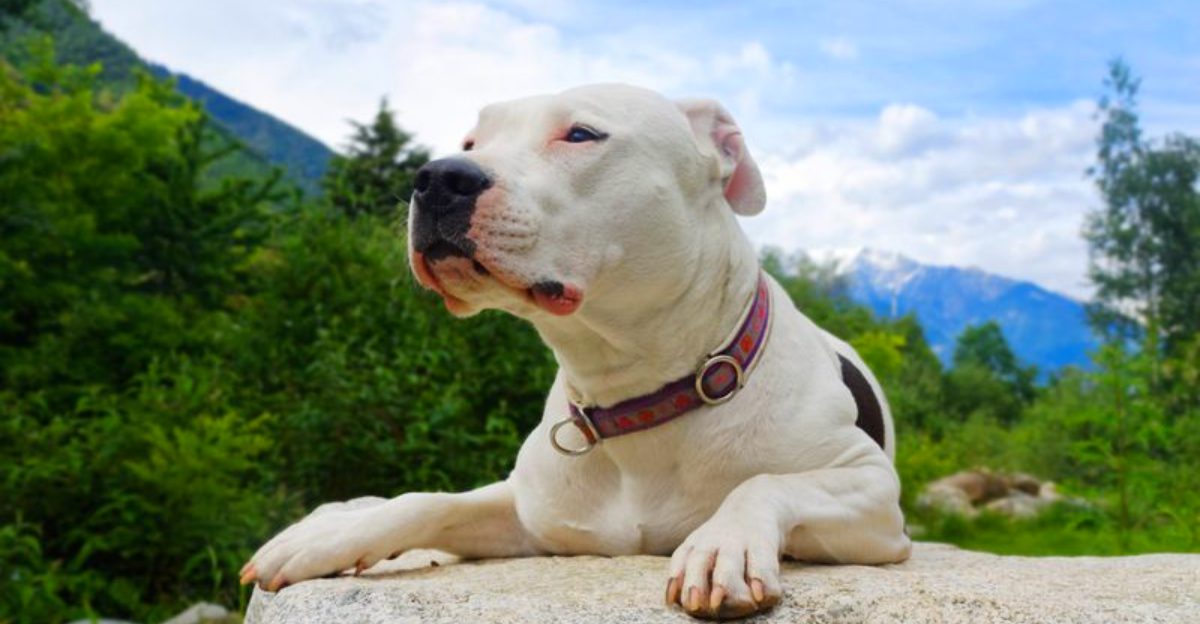
Built like a white tank, the Dogo Argentino was made to face wild boar in thorny scrub. Teamwork with catch dogs, boar tusks, and sudden charges demanded courage and pain tolerance.
Breeders selected for a steady head under stress.
At home, channel that power with structured cardio, obedience, and controlled tug play. Socialize widely, reward calm choices, and practice recall on a long line.
Clear rules plus enrichment toys keep this athlete focused and kind.
Plott Hound
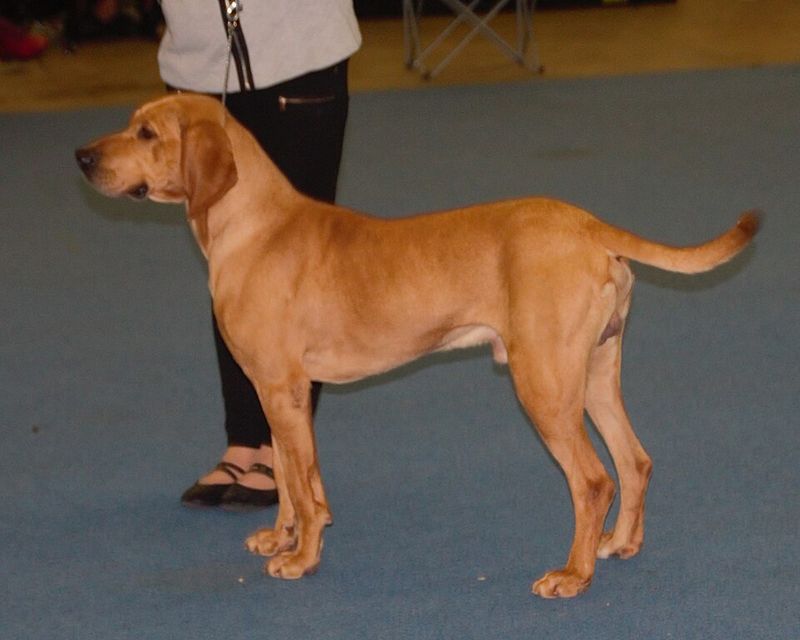
Born in the Smoky Mountains, the Plott Hound followed bear scent across cliffs and laurel thickets. Cold trails, sudden storms, and dangerous treeing work called for stubborn focus and a tough hide.
Families prized stamina more than fancy looks.
Today, scent puzzles, field tracking, and marathon hikes suit that relentless nose. Give a job every day, even if it is finding hidden treats at home.
Friendly structure plus miles of movement equals a calm, satisfied companion.
Black and Tan Coonhound
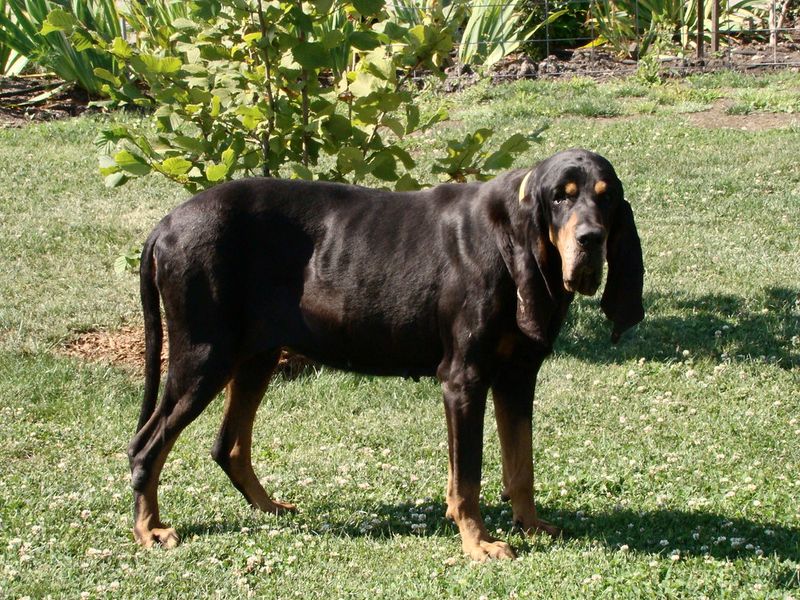
Night after night, Black and Tan Coonhounds trailed clever raccoons through swamps and steep hollows. Slick trees, flooded creeks, and pitch darkness demanded accurate noses and big, musical voices that handlers could follow.
Keep that heritage alive with nighttime nose work, long-line tracking, and respectful ear care after muddy adventures. Practice a solid check-in cue before freedom.
Consistent routines and patient training help channel the howl into useful alerts instead of boredom songs.
American Foxhound
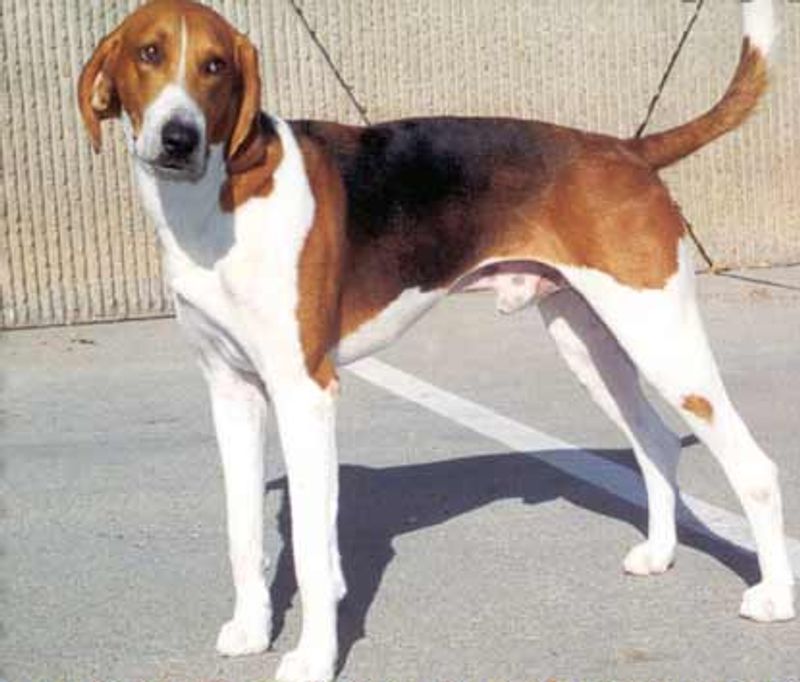
Speed was the whole point for the American Foxhound, bred to run for hours over rolling countryside. Packs chased red or gray fox while riders kept up on horseback.
Only the fittest, most even-tempered runners stayed in the breeding pool.
To meet those needs today, plan steady mileage and varied terrain. Park loops, canicross, and structured playdates with other runners satisfy the social athlete.
Gentle handling, reliable recall, and good nutrition protect a hard-working body and mind.
Norwegian Elkhound
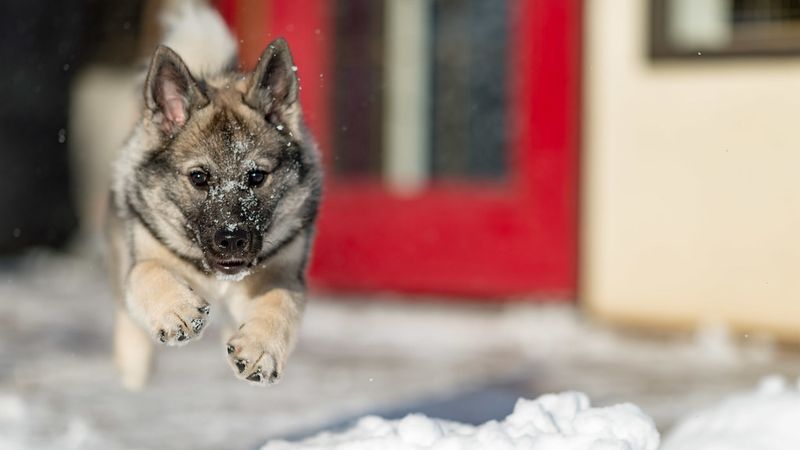
Frosty mornings and towering moose did not scare the Norwegian Elkhound. Hunters relied on a barking hold, where the dog located elk, kept a safe distance, and guided people through forest and snow.
Thick coats and keen judgment were essential.
Modern care means daily mental work, sturdy winter walks, and careful recall games. Practice directional cues and teach a solid stay.
Brush often, check paws for ice, and offer puzzle feeders to tire the brain when weather steals outdoor time.
Dachshund
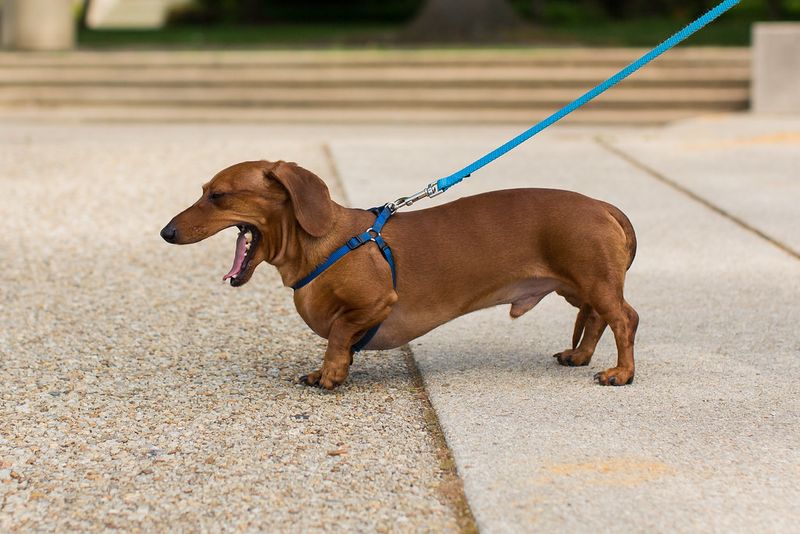
Do not be fooled by the short legs. Dachshunds were born to dive into badger dens, where darkness, tight tunnels, and sharp teeth demanded fierce bravery.
Loud voices and long backs helped push quarry from underground.
Because of that build, protect the spine with ramps, no high jumps, and strong core exercises. Nose games, barn hunt, and short tracking sessions satisfy their busy minds.
Teach patience at doors and reward careful choices around small pets.
Jagdterrier
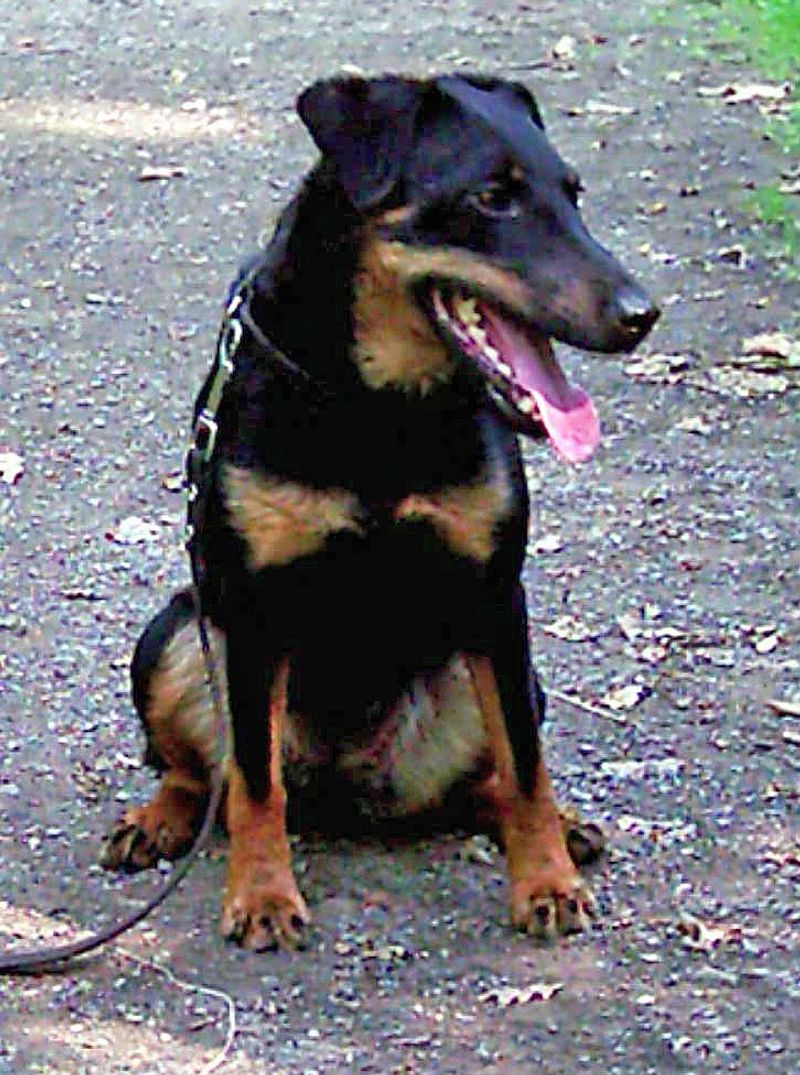
Small body, giant nerve. The Jagdterrier was crafted in Germany for fox, badger, and boar, switching from underground work to rough cover without blinking.
Grit, quick thinking, and handler loyalty were non-negotiable traits.
Give that intensity a purpose with mantrailing classes, controlled tug, and clear start-and-stop cues. Keep sessions short, fun, and fair.
Frequent social time, safe chew outlets, and crate training help this fiery worker relax between jobs and stay mannerly with guests.
Chesapeake Bay Retriever
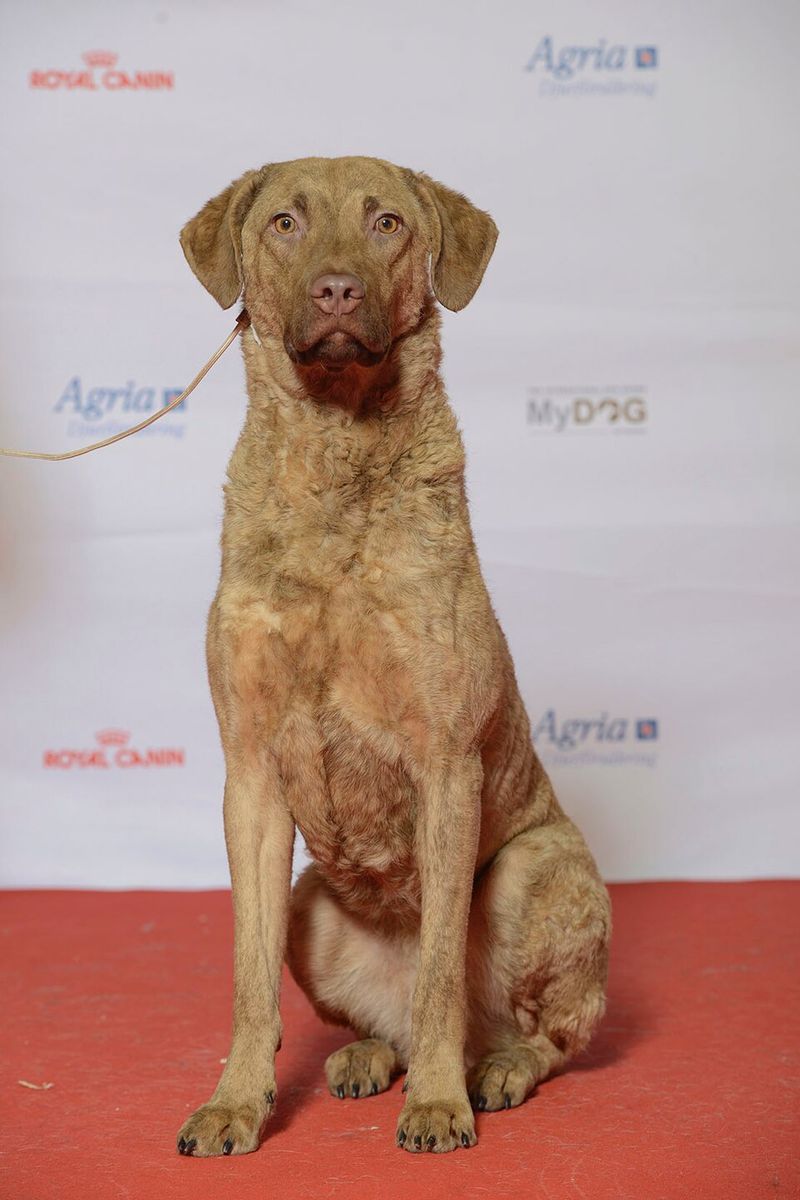
Ice, wind, and crashing waves shaped the Chesapeake Bay Retriever. Market hunters needed dogs that could break skim ice, mark fallen ducks in whitecaps, and haul heavy loads back to the boat.
A waterproof coat and stubborn heart were prized.
Cold-water steadiness starts with short, safe swims and strong obedience. Teach place, heel, and a reliable drop.
Daily retrieves, bumper drills, and joint care build strength while keeping the mind happy during the off-season.
German Wirehaired Pointer
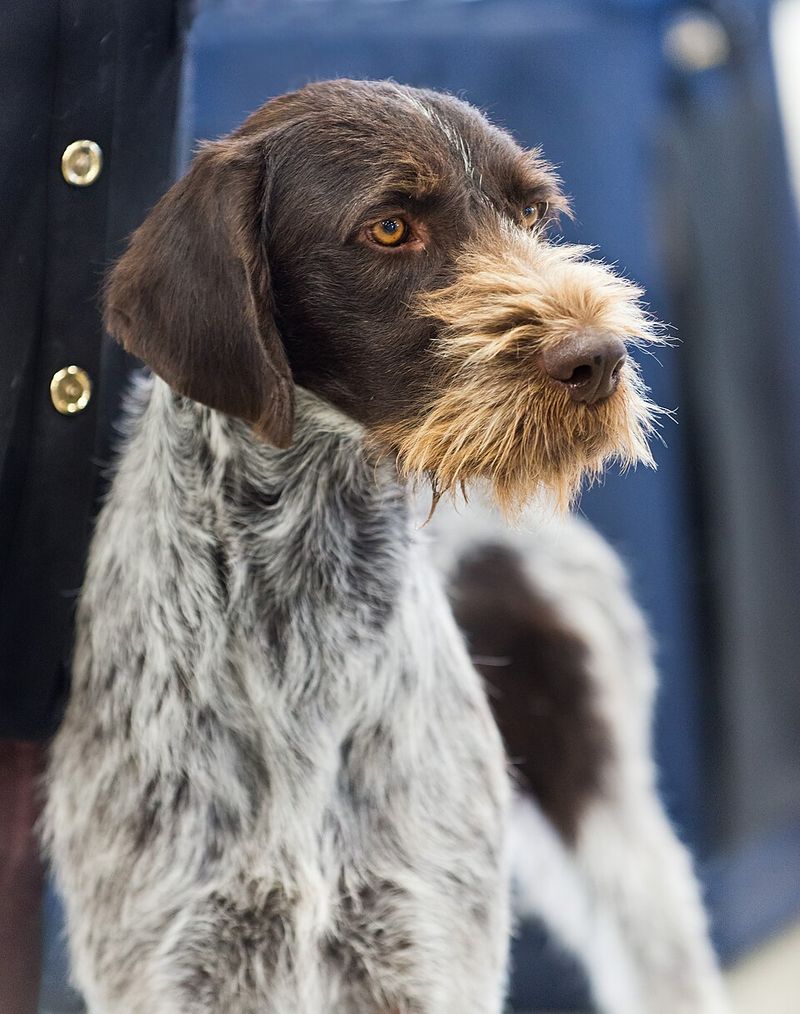
Thick thickets and shifting weather were no excuse for stopping a German Wirehaired Pointer. Hunters expected one dog to locate upland birds, retrieve ducks, and blood-track wounded game.
Harsh coats, sharp noses, and a no-quit attitude carried the day.
Balance freedom and rules with field searches, steadiness drills, and regular water retrieves. Reinforce a gentle mouth and a rock-solid recall.
Mental maps, varied cover, and calm praise help this problem solver shine without racing past thoughtful choices.
Irish Wolfhound
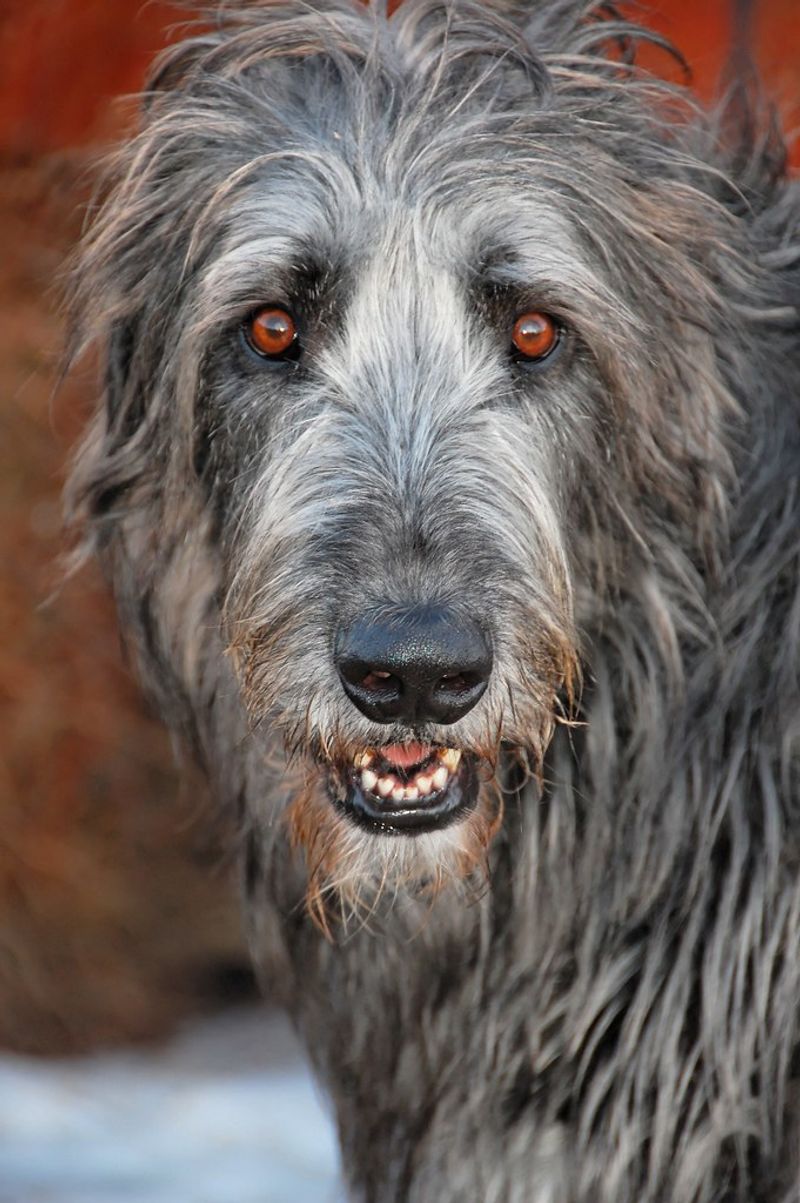
Stories tell of Irish Wolfhounds striding across bogs after massive wolves and elk. Their size offered reach, yet success depended on patience, teamwork, and smart pacing across rough ground.
Sighthound eyes and quiet confidence made them legendary hunters.
Because joints grow fast, choose soft surfaces, short training bursts, and a careful diet. Teach polite leash skills early.
Gentle enrichment, lure coursing in moderation, and regular rest protect a big frame while honoring an ancient working spirit.