
Dogs can notice small changes in us, like how we walk, breathe, or sit when we feel upset. Some breeds are extra tuned in and seem to know when we need comfort before we ask.
Learning about them can help families pick a good match and support everyone’s well-being. Here are breeds known for reading the room and quietly helping people feel better.
Golden Retriever
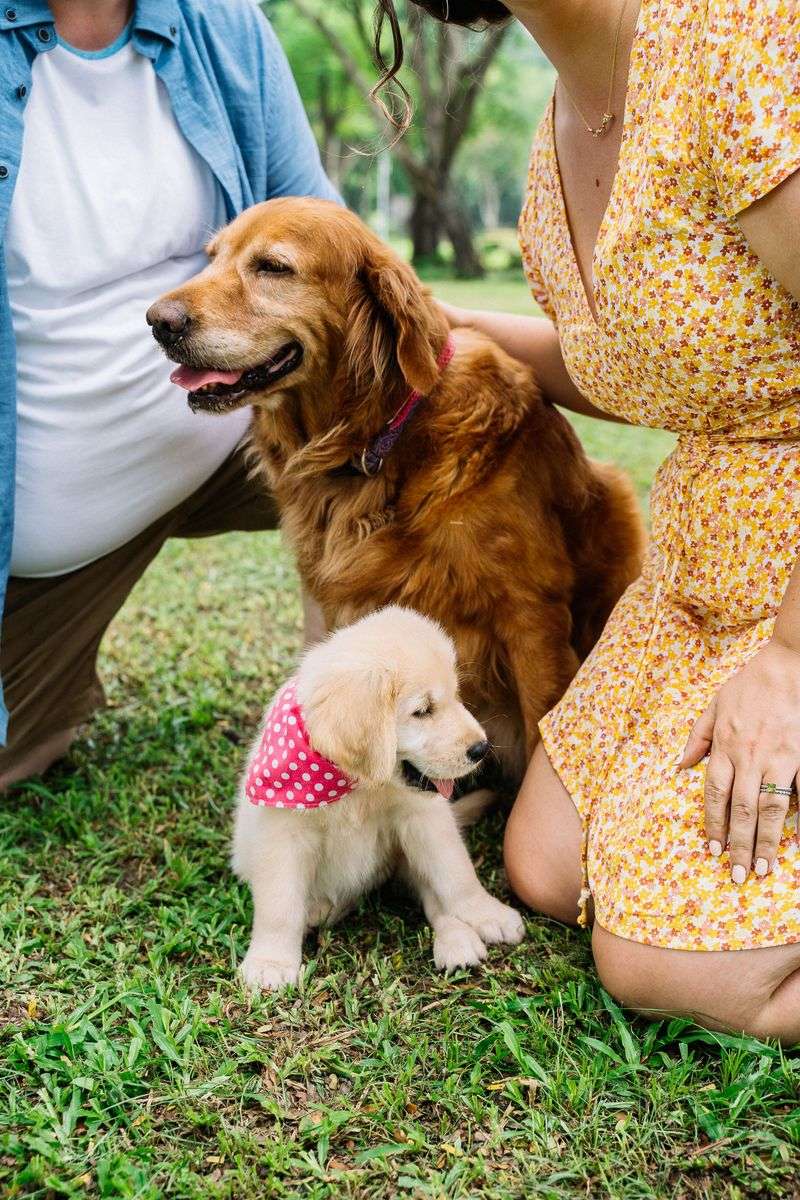
Sunny eyes and a steady tail often give away how quickly they read a room. A Golden Retriever seems to notice shaky hands, tight voices, and quiet sighs, then moves closer without fuss.
Offer calm praise and a gentle routine, and that soft head will rest on your knee during tough days. Daily fetch, puzzle toys, and consistent cues keep anxiety low and their empathy balanced, so they do not absorb every mood around you.
Labrador Retriever

A wag like a metronome can time your heartbeat when nerves spike. Many Labradors tune in to stress smells from sweat and breath, then lean in with comforting weight.
Guide their kindness with structure. Short training bursts, clear boundaries, and regular exercise help them support you without becoming overexcited, which keeps those big feelings steady for both dog and human.
Quiet cuddle breaks after play teach calm focus and deepen that unspoken bond each day.
Standard Poodle
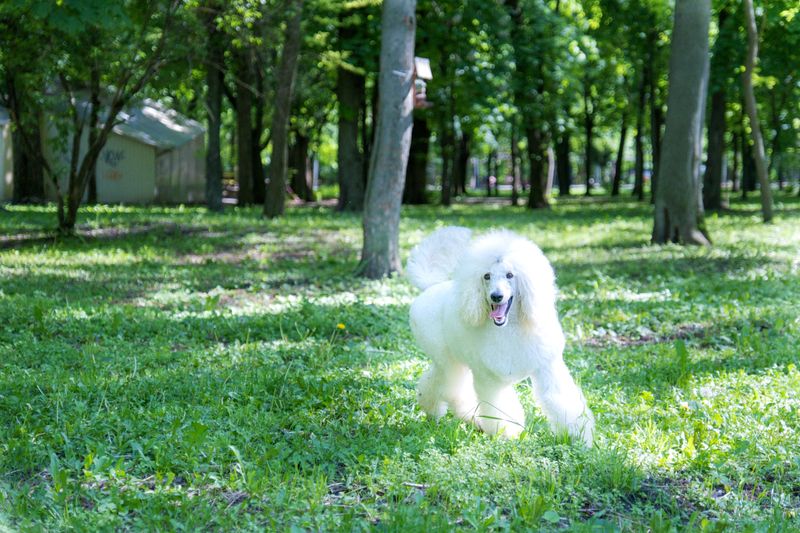
Behind the fancy curls lives a mind that notices tone before words. Standard Poodles watch faces, posture, and pacing, then mirror a calmer rhythm.
Brain work matters as much as walks. Teach scent games, name toys, and rotate jobs like door greeting or sock finding, and you will see their emotional smarts bloom while they stay relaxed beside you.
Grooming time can double as bonding, using slow brushes and calm talk to build trust daily.
Border Collie
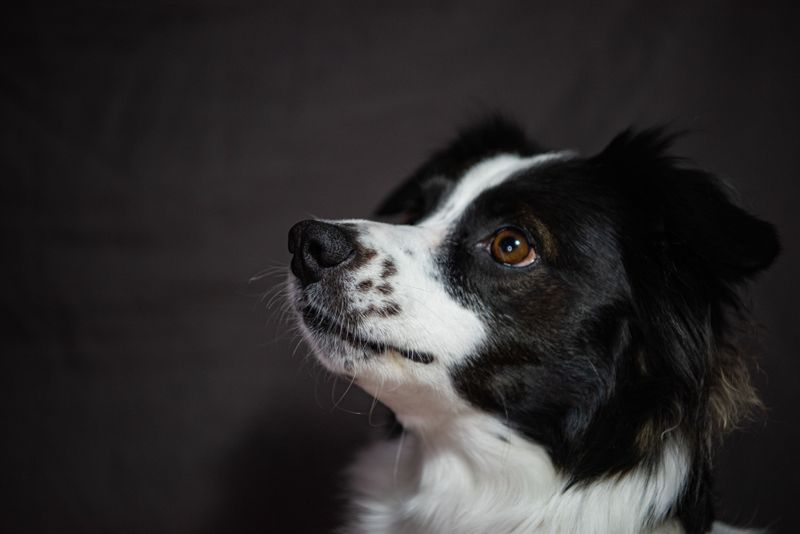
Like a librarian of feelings, the Border Collie files every detail. Quick eyes catch tiny cues, such as fidgeting fingers or a changed walking pace, and they respond fast.
Channel that talent into helpful tasks. Teach tidy-up games, herding balls, and targeted rests on a mat, so they learn when to help and when to settle, keeping everyone balanced and heard.
Short mindfulness walks with sniff breaks ease buzzing minds and steady their keen focus.
Vizsla
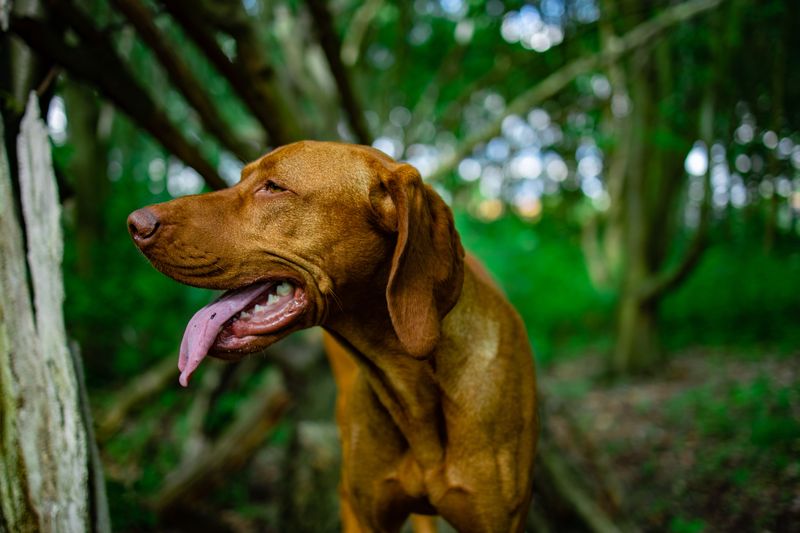
A shadow with a heartbeat, the Vizsla sticks close when moods dip. Sensitive by nature, they read shaky breathing and goosebumps, seeking body contact for comfort.
Plan togetherness with healthy boundaries. Crate games, off-switch cues, and steady exercise like trail runs help them cope with stress while keeping their affection sweet, not clingy, so everyone rests easier at night.
Teach place training near you during work hours to reduce pacing and worried whining at home.
Newfoundland
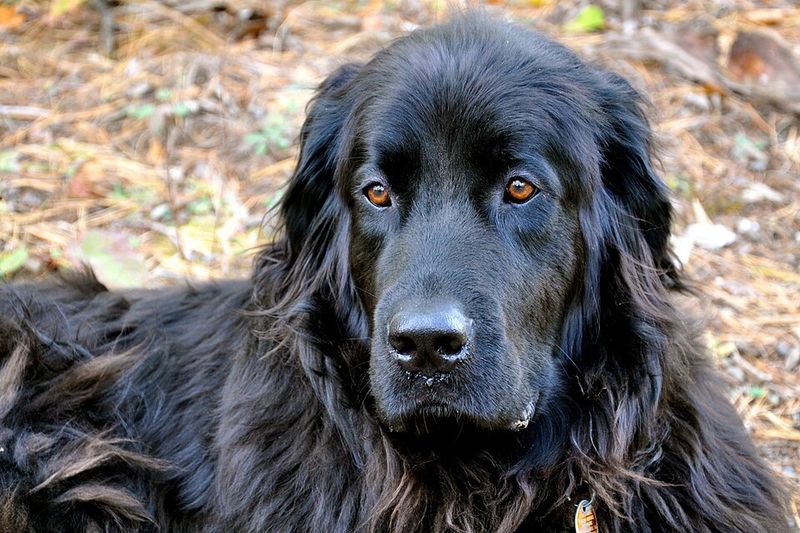
With a heart as big as its paws, the Newfoundland steadies stormy feelings like an anchor. Gentle observation comes first, then a quiet lean or a slow sit at your feet.
Water rescue roots show in their calm under pressure. Keep joints happy with low-impact swims, teach patient waiting at doors, and encourage soft eye contact, which turns their natural empathy into a steady, reassuring presence during hard moments.
Slow grooming sessions deepen trust beautifully.
Rough Collie
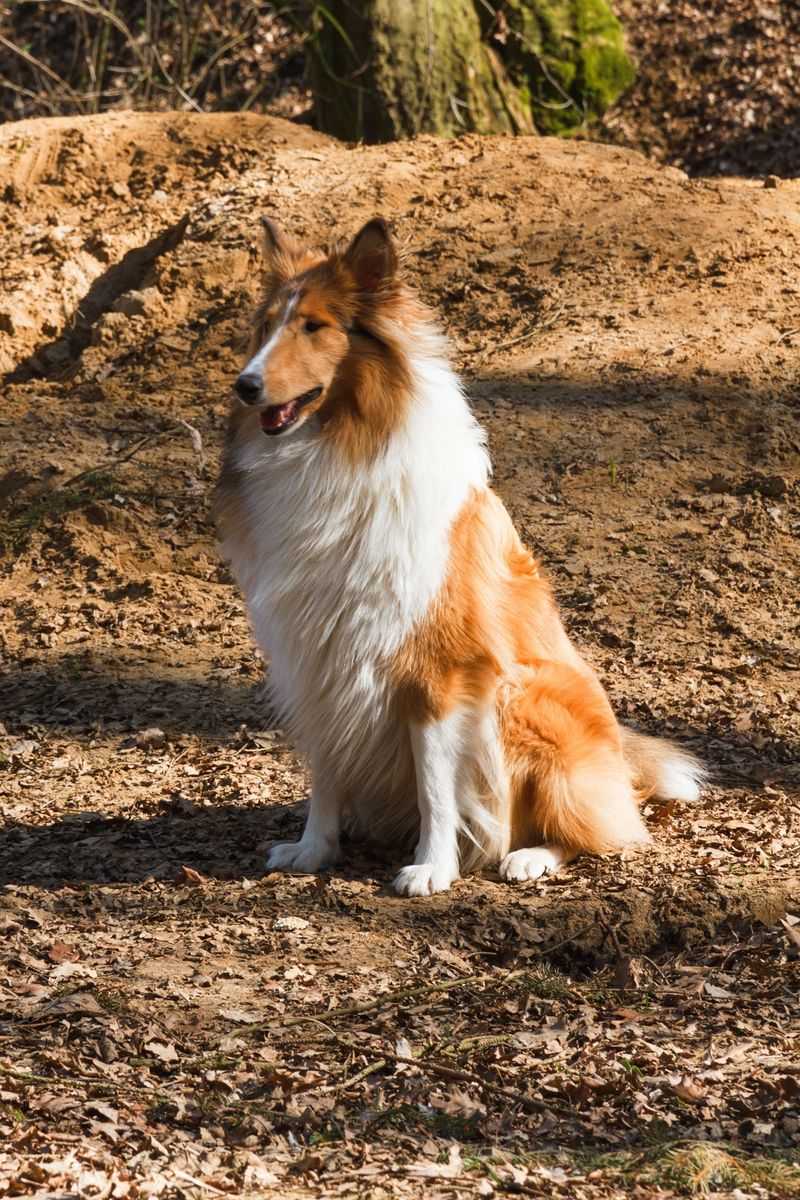
Stories of Lassie aside, the Rough Collie truly watches over moods. A fur curtain of comfort arrives when voices crack or shoulders slump.
Teach them a check-in cue, like touching your palm, to turn concern into action. Light herding games, slow walks on windy days, and calm brushing keep energy even, so they support feelings without becoming overstimulated by every change at home.
Quiet crate time after visitors helps reset their caring minds at peace.
Shetland Sheepdog
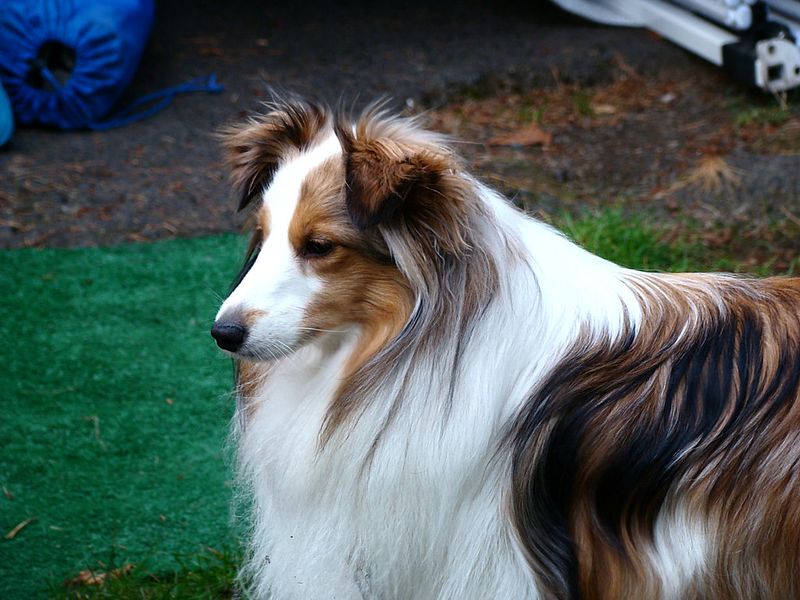
Small body, big radar. The Shetland Sheepdog notices tiny shifts in mood and echoes your pace, from brisk focus to slow rest.
Give their brain puzzles and their heart routines. Target training, nose work in boxes, and a daily settle on a blanket build confidence, turning sensitivity into helpful partnership that comforts without worry spirals.
Social walks with friendly neighbors teach balance, reducing reactivity to sudden laughter or arguments on busy evening streets near home.
Havanese
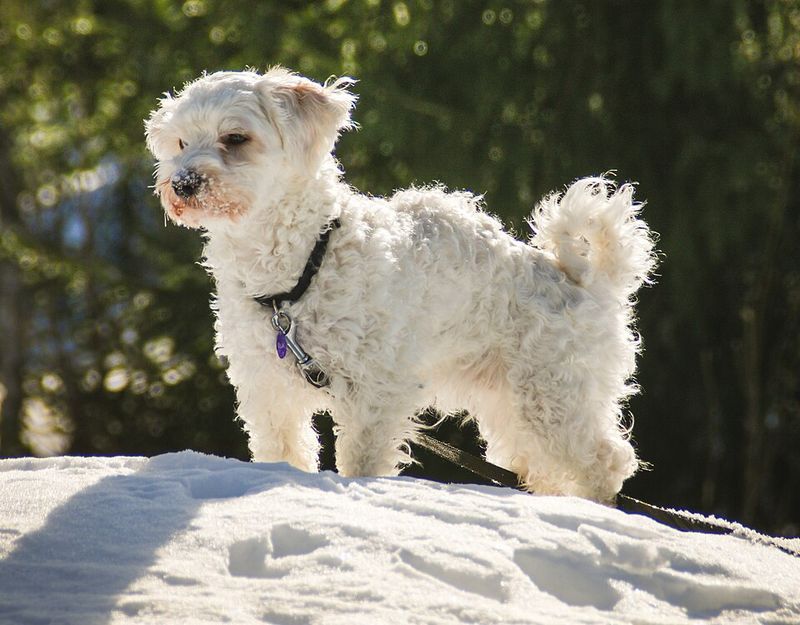
House comedians by day, quiet snugglers by night, Havanese read feelings like performers reading crowds. A tiny paw on your leg can be their way of saying I see you.
Short training games before guests arrive help them manage excitement. Rotate soft toys, teach a chin rest for vet visits, and keep routines predictable, so their social antennae bring comfort and cheer without tipping into worry when plans change suddenly.
Gentle music can soothe evenings.
Bernese Mountain Dog
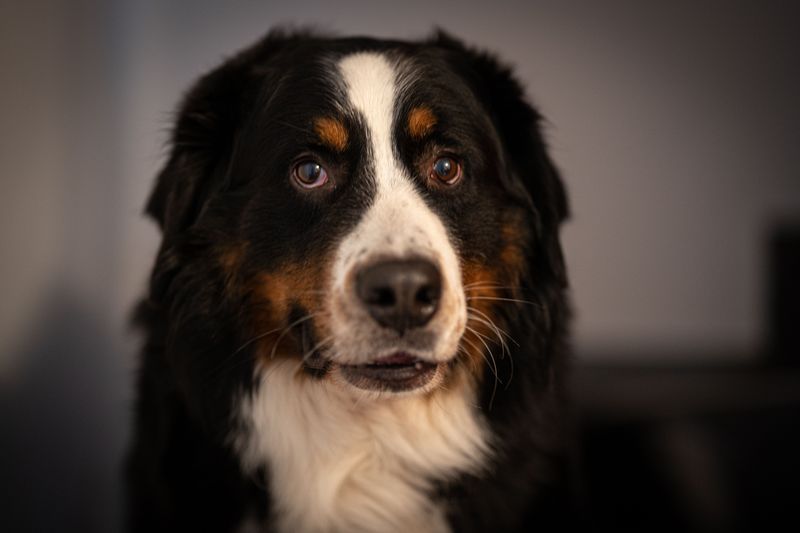
A calm giant with soulful eyes often becomes the household barometer. When tension rises, the Bernese Mountain Dog may quietly position between people, inviting slower, kinder voices.
Protect joints with steady walks and soft surfaces, then add easy jobs like carrying mail. Gentle greeting rules, predictable schedules, and kind handling help them support fragile moments without stress stacking on their broad, caring shoulders.
Cool resting spots prevent overheating during heartfelt, close-contact comfort sessions at home.
Australian Shepherd
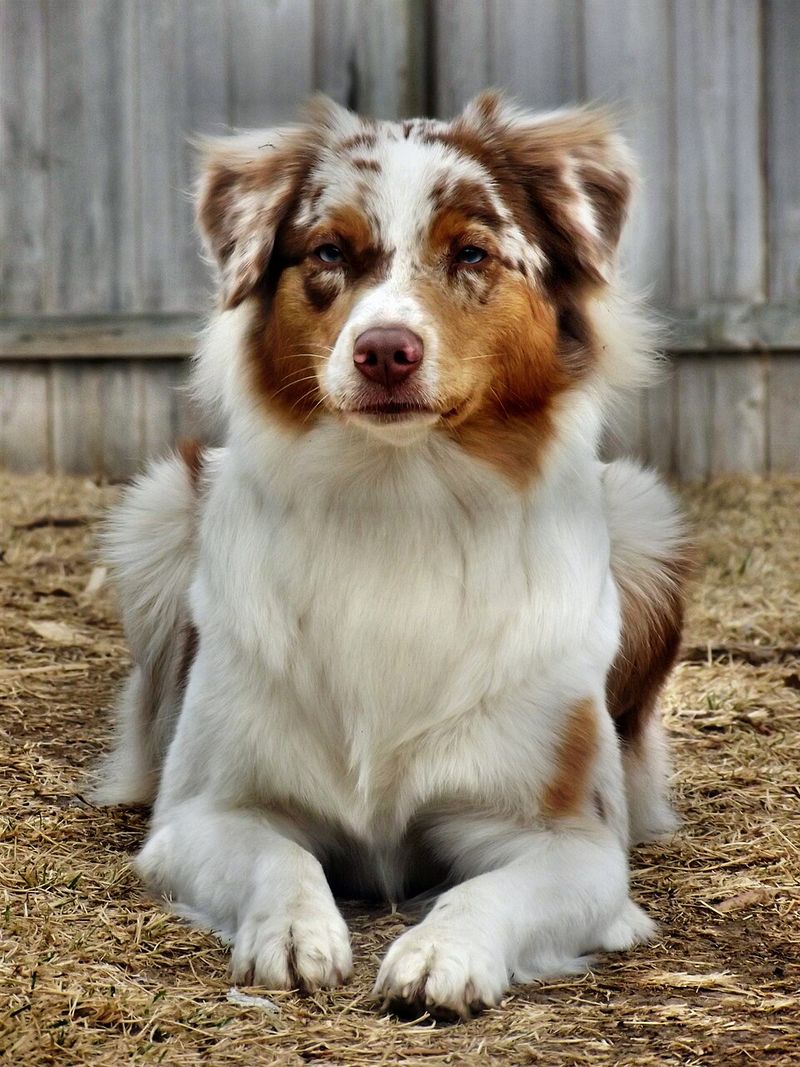
Energy meets empathy in the Australian Shepherd. Those bright eyes track every move, and they often nudge you toward action when gloom settles in.
Give that drive a job. Teach trick chains, moving stays, and scent searches in the yard, plus regular decompression walks, so their caring nature guides you forward without tipping into restless pacing or vocal worry during slow days.
A settle mat near your desk teaches calm while you work each day.
Doberman Pinscher
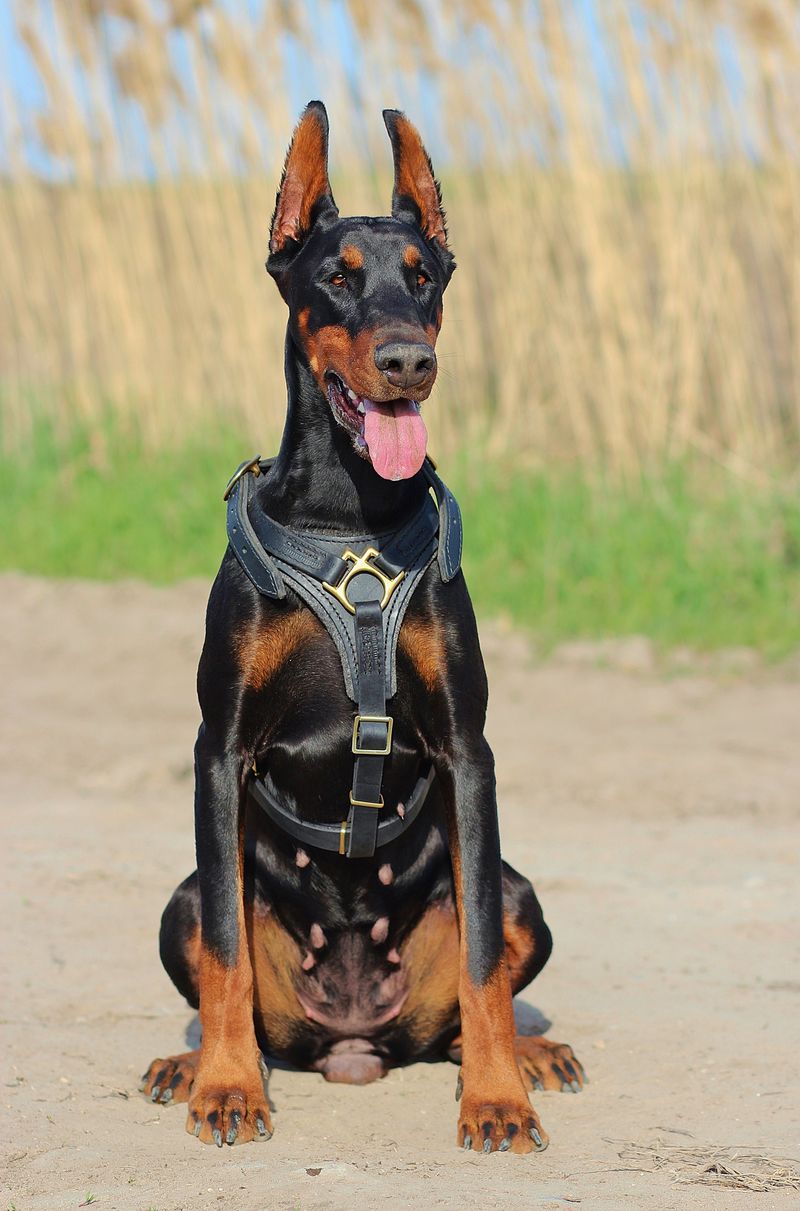
Under the sleek look sits a guardian heart that notices unease before footsteps. Many Dobermans check rooms, then return to place when they sense you need space.
Clarity builds trust. Firm but fair rules, impulse control games, and confident handling help them channel protective empathy into calm presence, not overreaction, so everyone can breathe easier during stressful conversations.
Teach a head collar gently for guidance on walks when emotions run high in busy public spaces.
English Cocker Spaniel
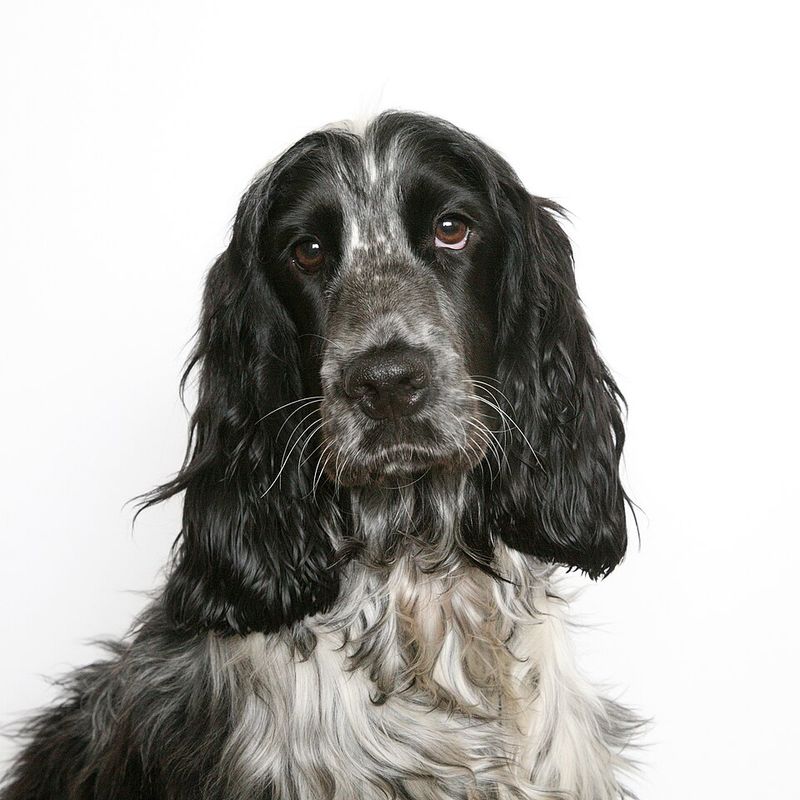
Soft ears, softer spirit, the English Cocker seems to hear feelings as well as words. A cheerful wiggle can turn into quiet closeness when sadness lingers.
Keep routines sunny and simple. Gentle fetch, sniffy strolls, and short grooming sessions prevent stress, while teaching a hand target gives them a helpful task that breaks tension and says I am here for you without a single bark.
Quiet tummy rubs before bed encourage sweet, untroubled sleep nightly.
Belgian Malinois
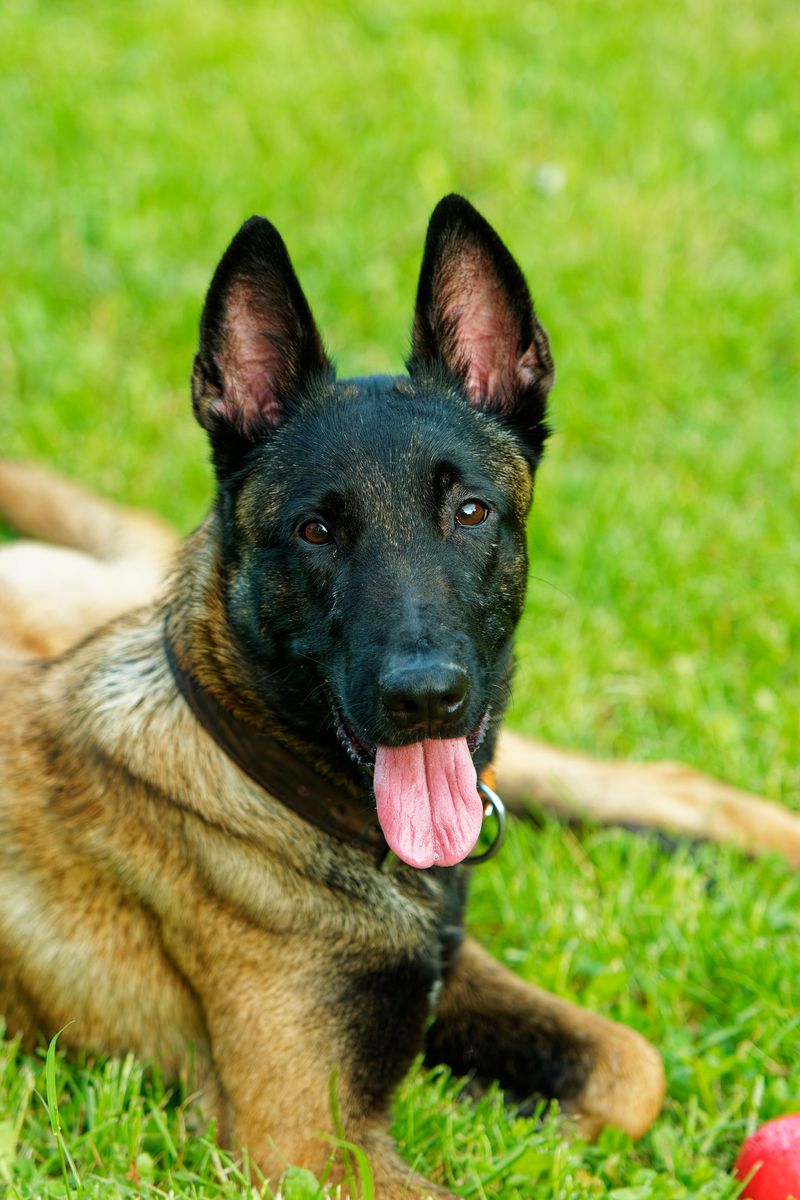
Like a tuned instrument, the Belgian Malinois reacts to the lightest touch of tension. High drive meets high awareness, so guidance matters a lot.
Think structure, then outlets. Clear markers, place training, and long down stays paired with serious exercise, such as bike runs or tug with rules, teach balance that turns sharp sensitivity into useful focus during challenging days at home or work.
Cool-down sniff walks help release tension without spiking arousal again afterward.
Cavalier King Charles Spaniel
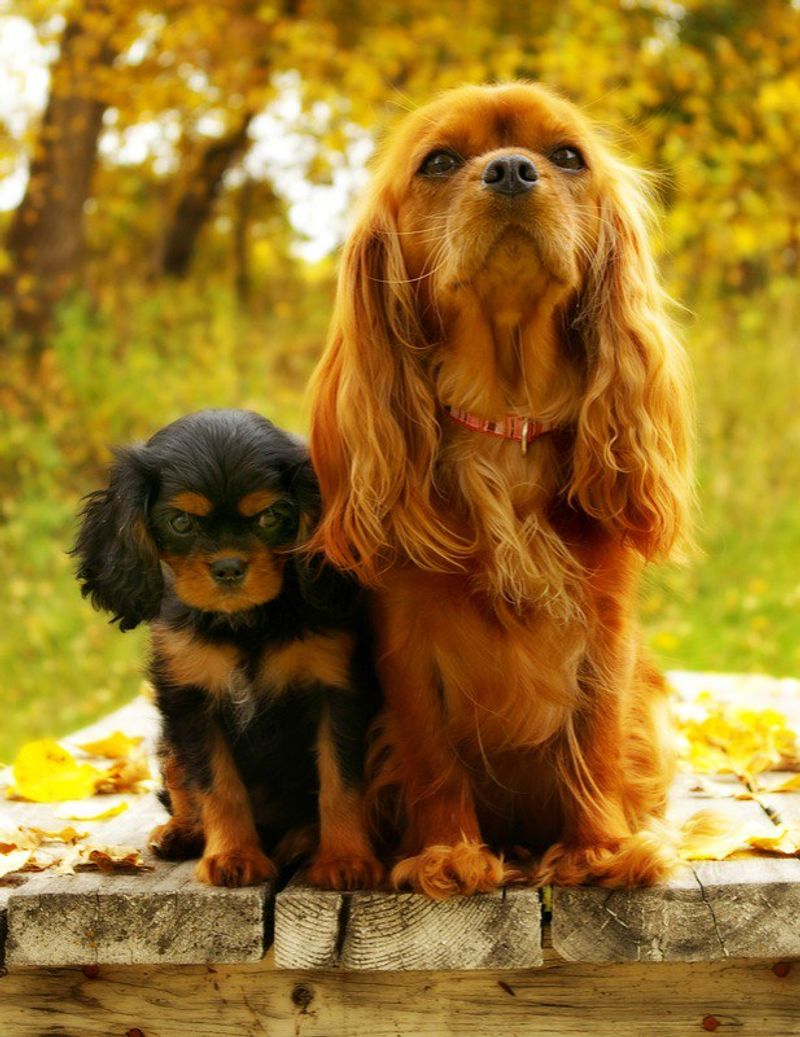
Big, soulful eyes often spot hidden tears before anyone speaks. The Cavalier King Charles Spaniel loves to curl into laps and slow racing thoughts.
Because they are tenderhearted, gentle routines help most. Soft play, predictable feeding, and a cozy bed near your chair create safe closeness, while a hand target or chin rest offers a quiet way to ask for help when emotions feel heavy.
Short sunlit walks lift mood and keep worries from lingering.