
Some dogs seem to understand a new lesson almost before you finish saying it. Responsive breeds can make daily training feel fun, clear, and full of small wins.
They still need patience, kindness, and steady practice, but their focus can help families build strong habits faster. If you enjoy teaching tricks, manners, or useful skills, these breeds are worth knowing.
Shetland Sheepdog
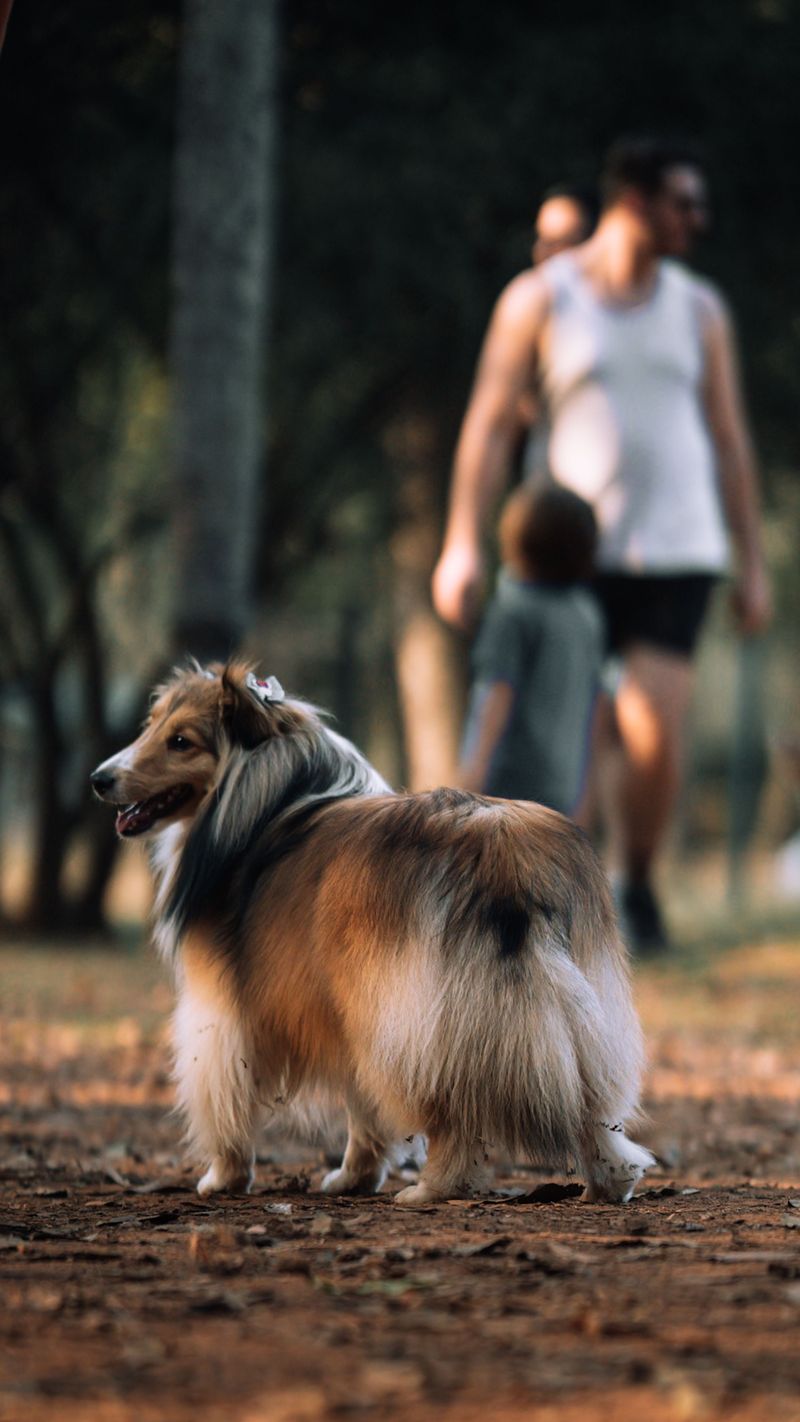
Small in size but big on focus, the Shetland Sheepdog often acts like a tiny scholar in a fluffy coat. Many Shelties watch faces closely, so they can pick up hand signals, voice cues, and routines quickly.
Keep lessons upbeat and not too loud, since this breed can be sensitive. Short games, praise, and gentle practice work well.
Their herding background also makes them enjoy jobs, from agility jumps to polite leash walking.
Papillon
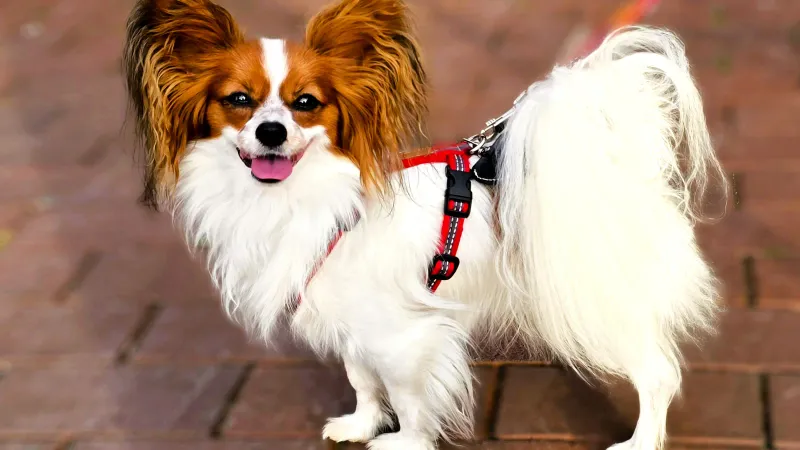
Those butterfly ears are not just adorable, because the Papillon often listens like it has a tiny antenna for learning. This little dog is quick, curious, and surprisingly bold, making trick training feel like a fun puzzle.
Use small treats and fast-paced sessions to keep its busy mind engaged. Papillons can shine in obedience and agility, even though they look delicate.
Teach calm greetings early, since their excitement may turn into happy bouncing.
English Springer Spaniel
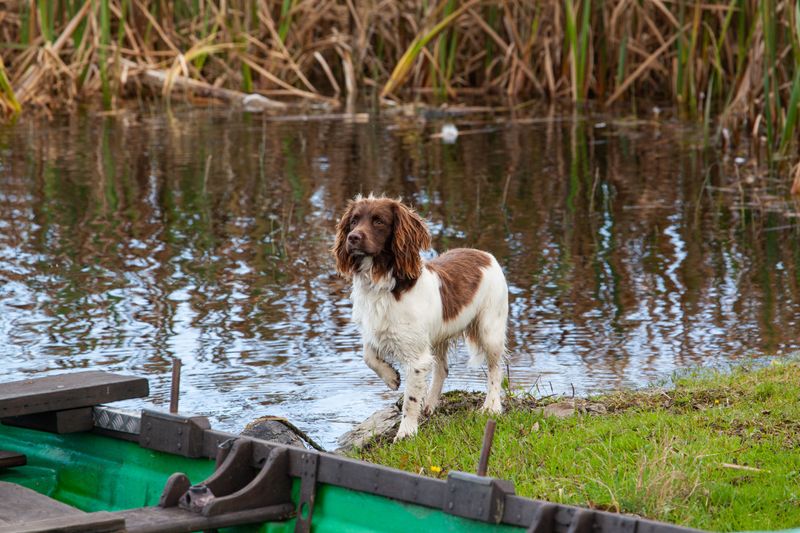
A Springer can turn a simple walk into a cheerful mission, nose working and tail swinging. Bred to flush birds for hunters, the English Springer Spaniel usually enjoys following directions when training includes movement and purpose.
Fetch, scent games, and recall practice suit this breed well. Keep rules clear, because their enthusiasm can get wiggly fast.
With daily exercise and kind guidance, many Springers become eager partners who respond happily to both work and play.
Standard Poodle
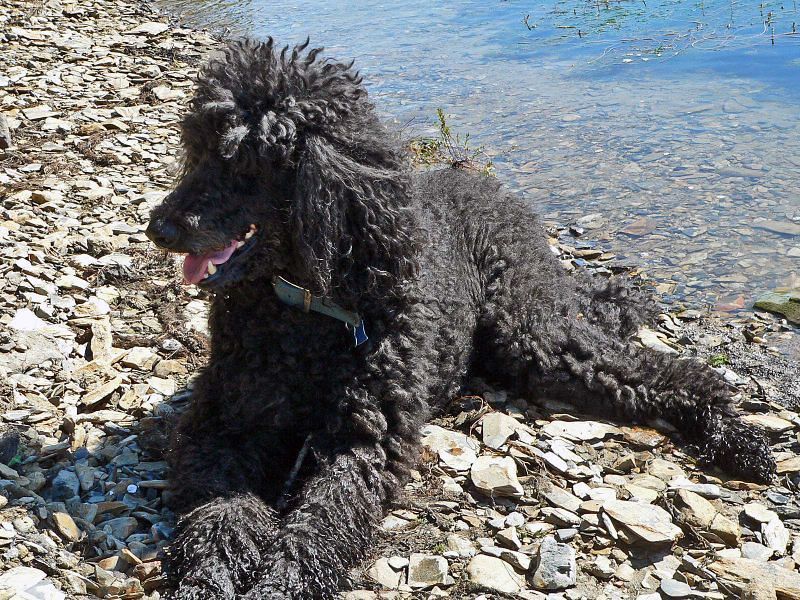
Behind the fancy haircut is a sharp thinker that often loves solving problems. The Standard Poodle learns patterns quickly, so many owners find that house manners, tricks, and sport skills can click into place with steady practice.
Make training varied, since boredom may lead to silly mischief. Try mixing sit-stays, toy searches, and leash skills in one session.
This breed was originally a water retriever, which explains its athletic build and love of active teamwork.
Golden Retriever
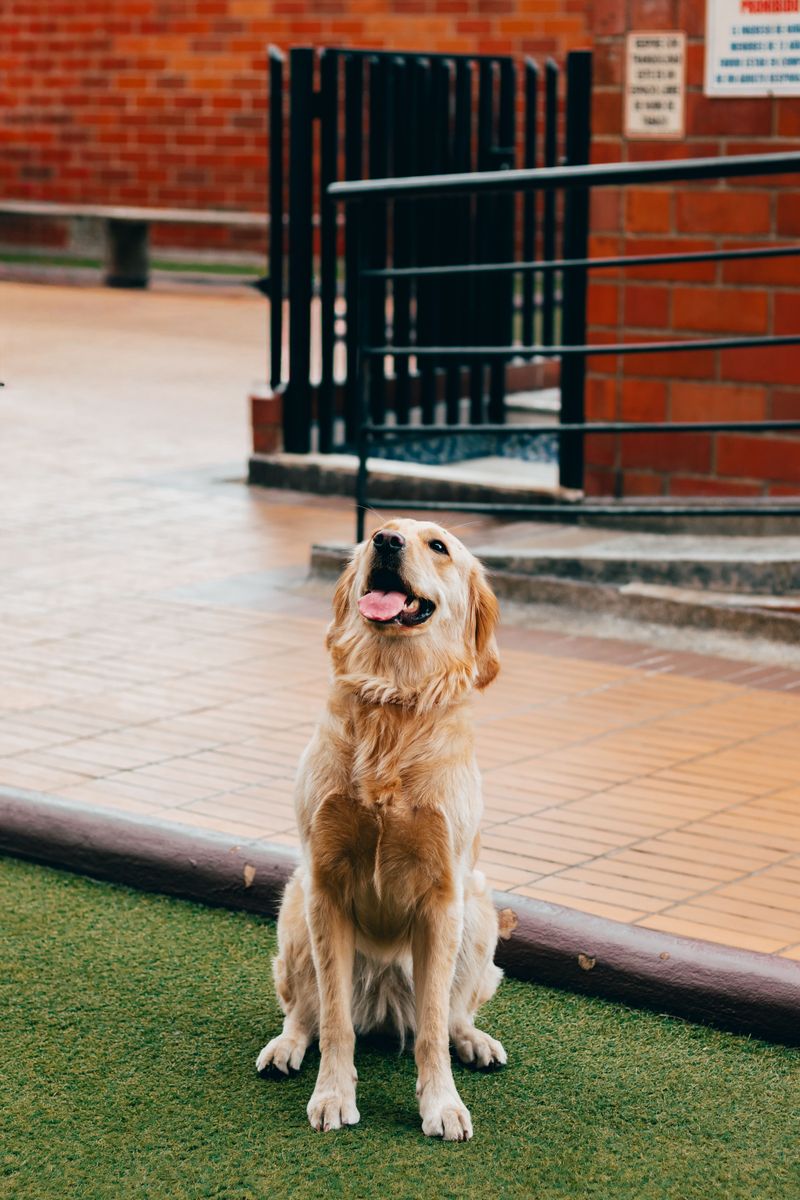
Few dogs greet a training session with the sunny attitude of a Golden Retriever. Their people-loving spirit often makes praise feel almost as exciting as a treat, which helps when teaching everyday manners.
Start early with calm behaviors, because a young Golden may forget its size during happy moments. Practice loose-leash walking, waiting at doors, and gentle toy play.
Their retrieving history gives them a natural love for carrying items, making fetch-based lessons especially useful.
Pembroke Welsh Corgi
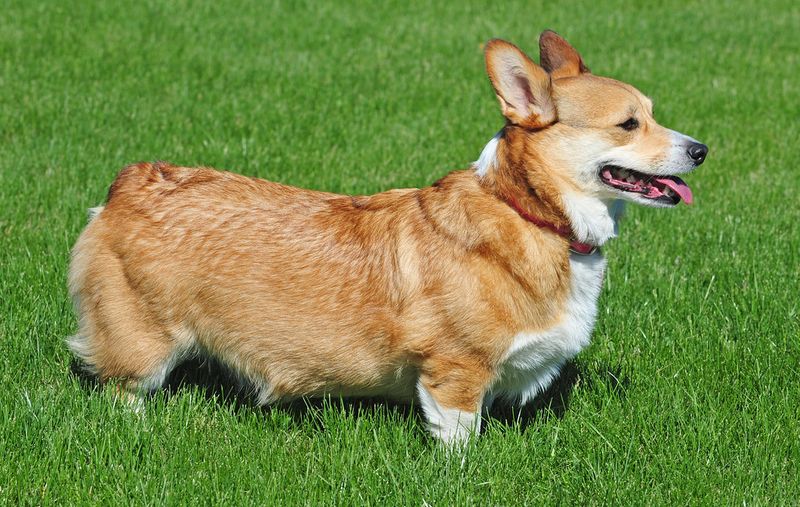
With short legs and a bossy sparkle, the Pembroke Welsh Corgi often trains like a farm manager in dog form. This breed was built to move cattle, so it tends to notice details and respond quickly to direction.
Channel that clever energy before it becomes barking or ankle-nipping. Reward calm focus, teach a solid leave it cue, and add puzzle toys.
Corgis enjoy learning when lessons feel useful, playful, and fair.
Miniature Schnauzer
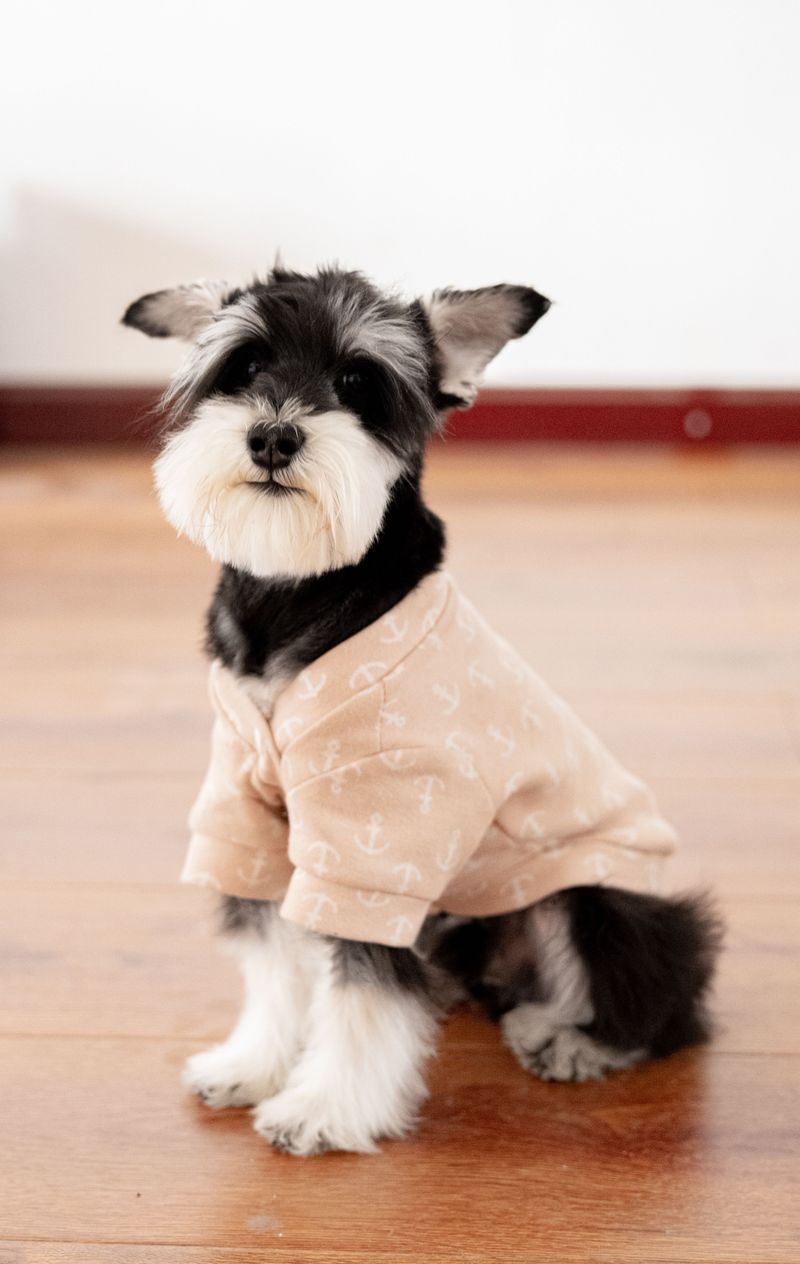
That bearded little face often hides a sharp, opinionated student. The Miniature Schnauzer is alert and quick to notice changes, which can make training lively, funny, and sometimes a bit dramatic.
Clear routines help this breed understand what earns rewards. Work on quiet cues, polite greetings, and coming when called, especially because Schnauzers can be vocal watchdogs.
Their terrier spirit likes challenges, so food puzzles and short trick sessions keep lessons fresh without causing frustration.
Labrador Retriever
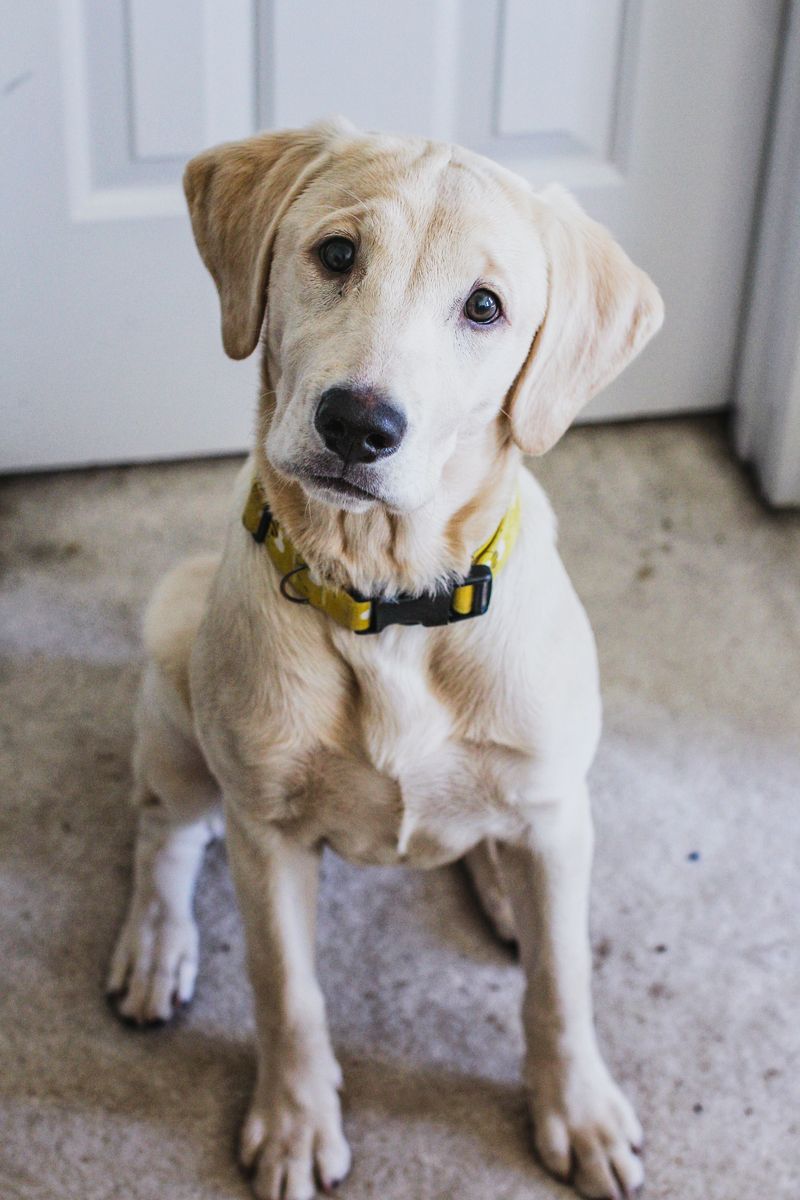
A Lab often believes every lesson might end with a snack, a ball, or both. That eager attitude can be a trainer’s dream, especially when teaching recall, basic manners, and service-style tasks.
Food rewards work well, but measure treats to avoid extra weight. Add swimming, retrieving, and sniff breaks so practice feels rewarding.
Fun fact: despite the name, the Labrador Retriever’s roots trace back to Newfoundland, where working dogs helped fishermen.
Rough Collie
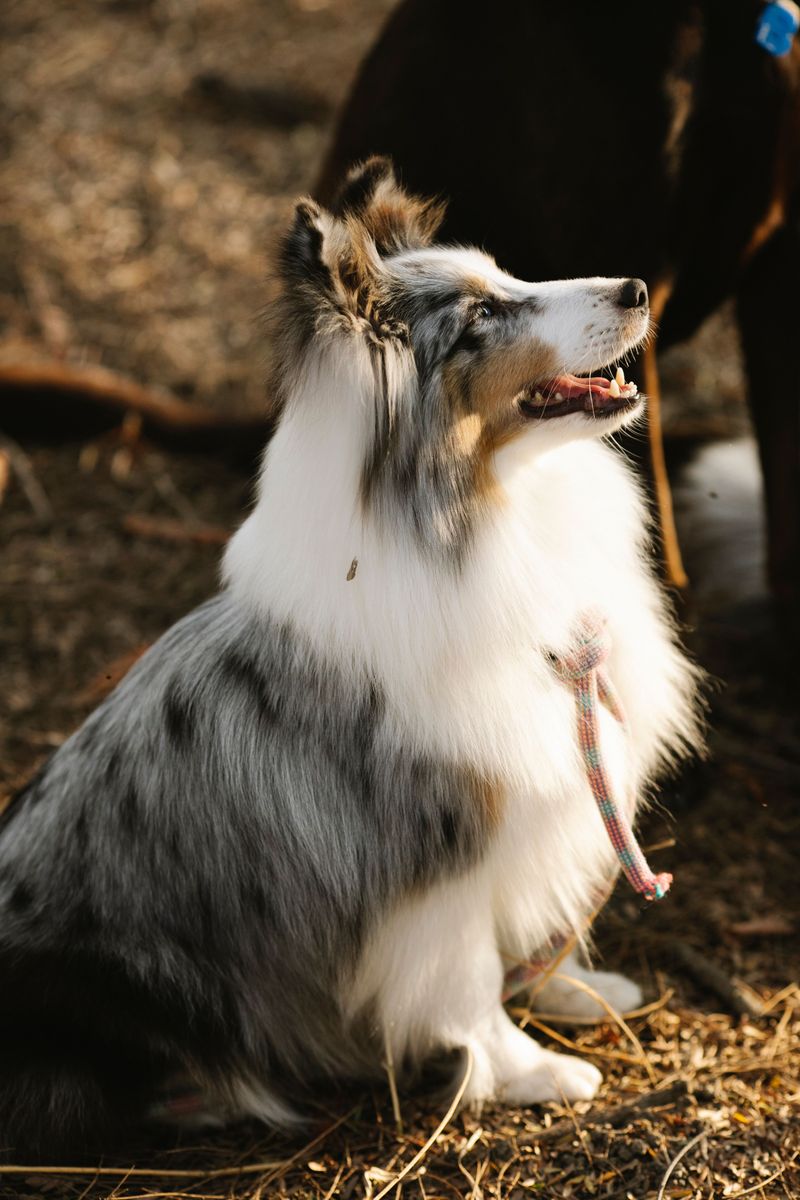
Many people picture a loyal Collie racing to help, and the Rough Collie often lives up to that thoughtful image. This breed is known for reading people well, which can make daily routines easier to teach.
Use a calm voice and patient repetition, since harsh corrections may worry them. Practice settling, leash manners, and recall in quiet places before adding distractions.
Their herding past gives them a watchful mind, but they also appreciate peaceful family time.
Doberman Pinscher
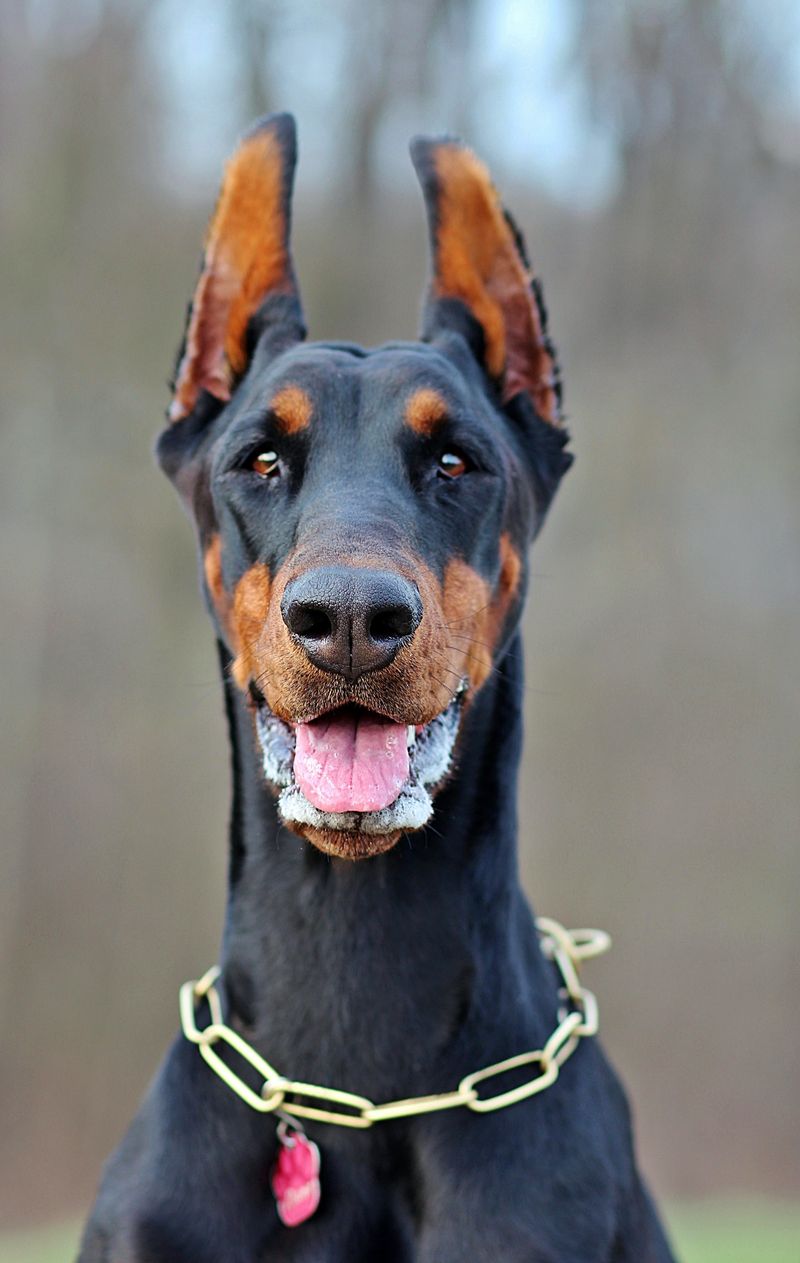
A Doberman can look serious, yet many are deeply devoted students who want a clear job. Their speed and focus make training powerful, so owners should guide that energy with structure from the start.
Begin with reward-based basics, social skills, and calm handling. A well-taught Doberman can excel in obedience, scent work, and protection sports, but consistency matters every day.
Give firm boundaries without anger, and this breed often responds with impressive attention and steady self-control.
Brittany
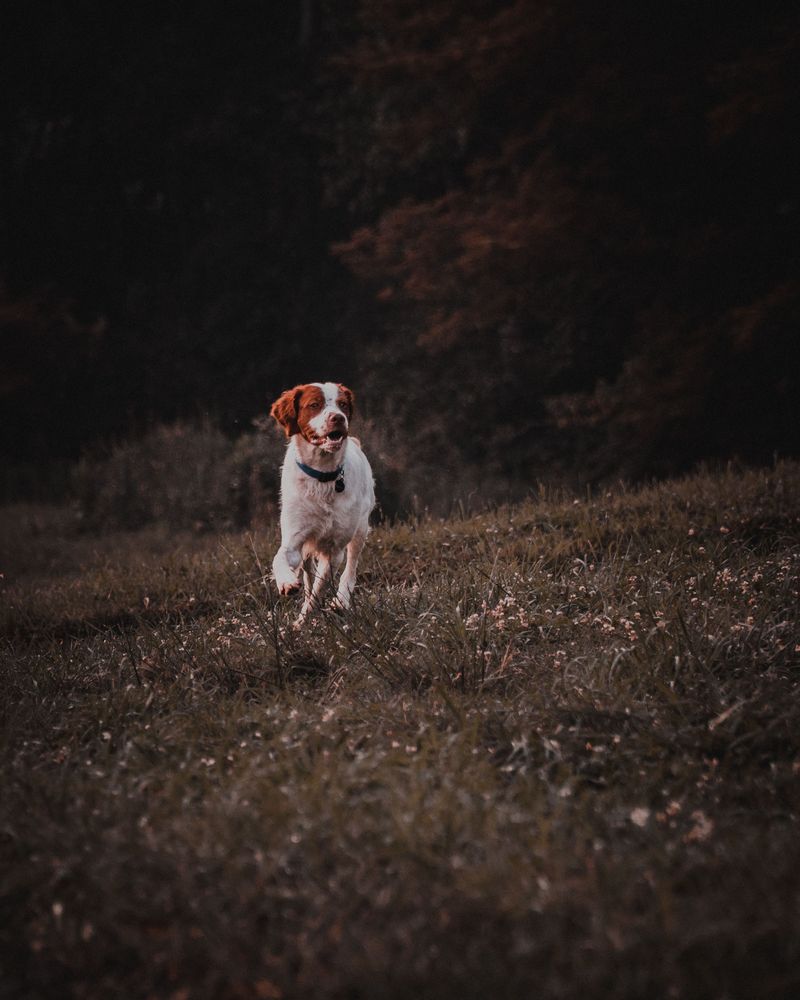
Energetic and bright, the Brittany often seems ready before you lace your shoes. This sporting breed was developed for bird work, so it usually loves teamwork, open spaces, and cues that lead to action.
Training goes best after exercise takes the edge off their wiggles. Practice recall with long lines, reward check-ins, and teach settle skills for home life.
Their quick feet and cheerful drive can make agility, field games, and nose work especially satisfying.
Portuguese Water Dog
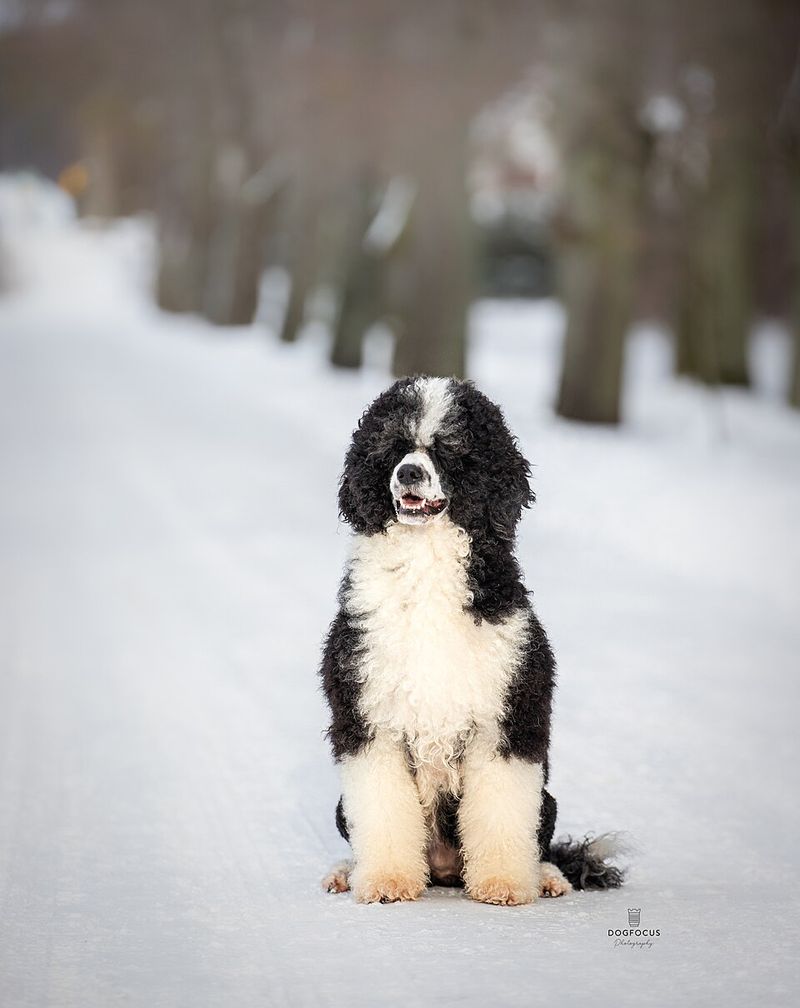
Give a Portuguese Water Dog a task near water, and you may see pure joy switch on. Once used by fishermen to carry messages and retrieve gear, this breed often enjoys learning skills that feel practical.
Because they are clever and active, mix obedience with swimming, tug rules, and problem-solving games. Teach impulse control early, especially around exciting places.
Regular practice helps their busy brain settle, while teamwork keeps their fun-loving personality pointed in the right direction.