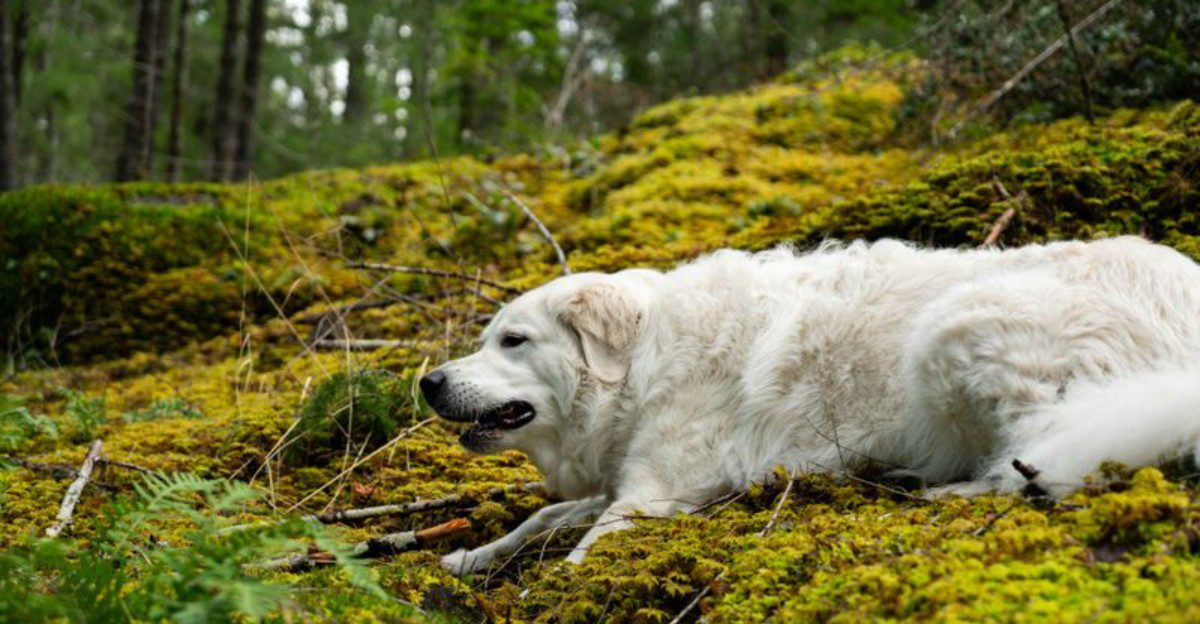
Many dogs enjoy people, yet not all want nonstop petting. Some breeds like calm, choice-based contact instead of constant hugs.
Learning their signals helps prevent bites and builds trust. Here are breeds that often prefer respect over grabby hands, plus tips that keep everyone happy.
Shiba Inu
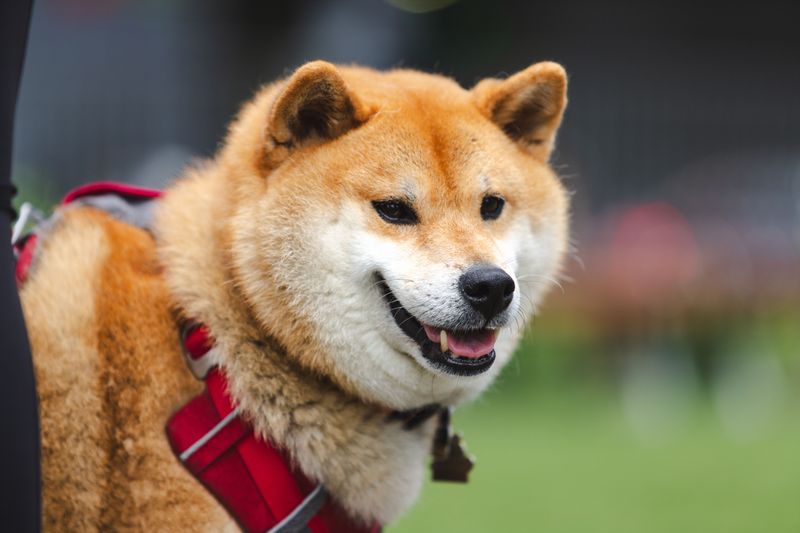
Picture a fox-like grin paired with big opinions. Shiba Inus adore their humans, but on their terms.
Many enjoy a quick scratch, then step away to reset.
Teach kids to invite, not insist. Offer a sniff first, pet the shoulders, and end before the dog does.
Daily exercise, puzzle toys, and calm routines reduce pushback and curb nipping during overhandling.
Use consent cues like leaning in, soft eyes, and relaxed tail to guide contact kindly.
Akita
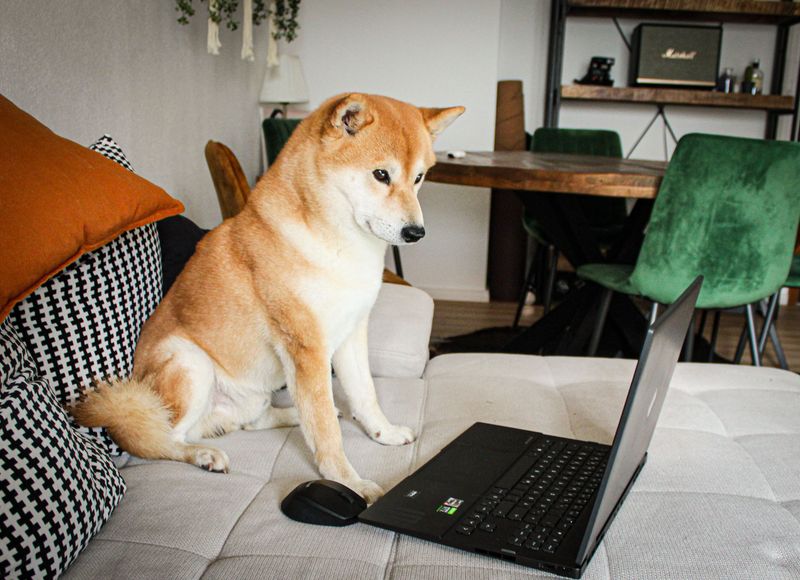
Quiet like snow, an Akita watches first. Loyalty runs deep, yet personal space matters a lot.
Sudden hugs or hovering hands can feel rude to such a dignified dog.
Practice side-by-side time instead of face-to-face pressure. Teach a touch cue, reward short, gentle strokes, then pause to let the dog choose more.
Solid obedience, early socializing, and clear family rules prevent misunderstandings.
Protect mealtimes, resting spots, and toys, and supervise visiting children carefully at all.
Chow Chow
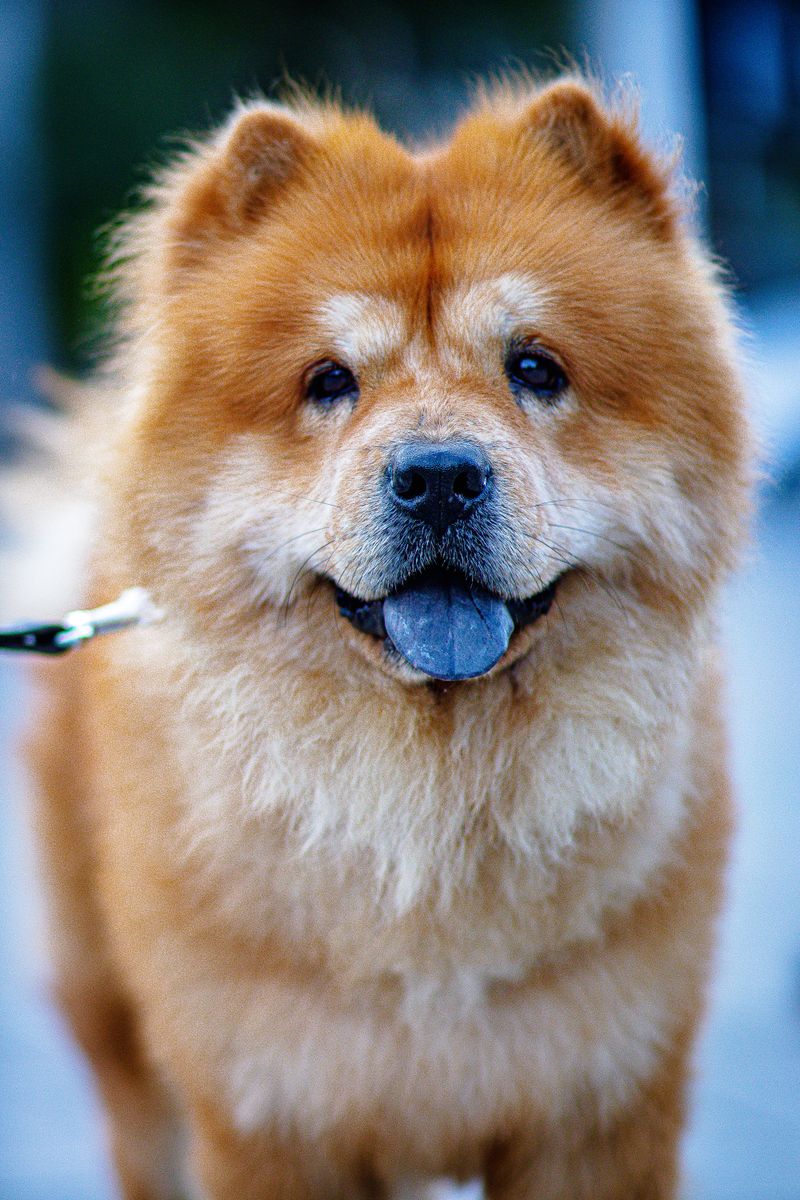
Like a lion in a rug, the Chow Chow carries calm pride. Affection exists, though it is often reserved.
Crowded petting or surprise pats can trigger a firm no.
Slow greetings work best. Ask for a sit, pet under the chin, and keep sessions short.
Brushing routines teach tolerance when paired with treats, breaks, and a predictable start-and-finish signal.
Provide a quiet retreat, limit house guests at once, and prevent doorway crowding during arrivals whenever.
Dachshund
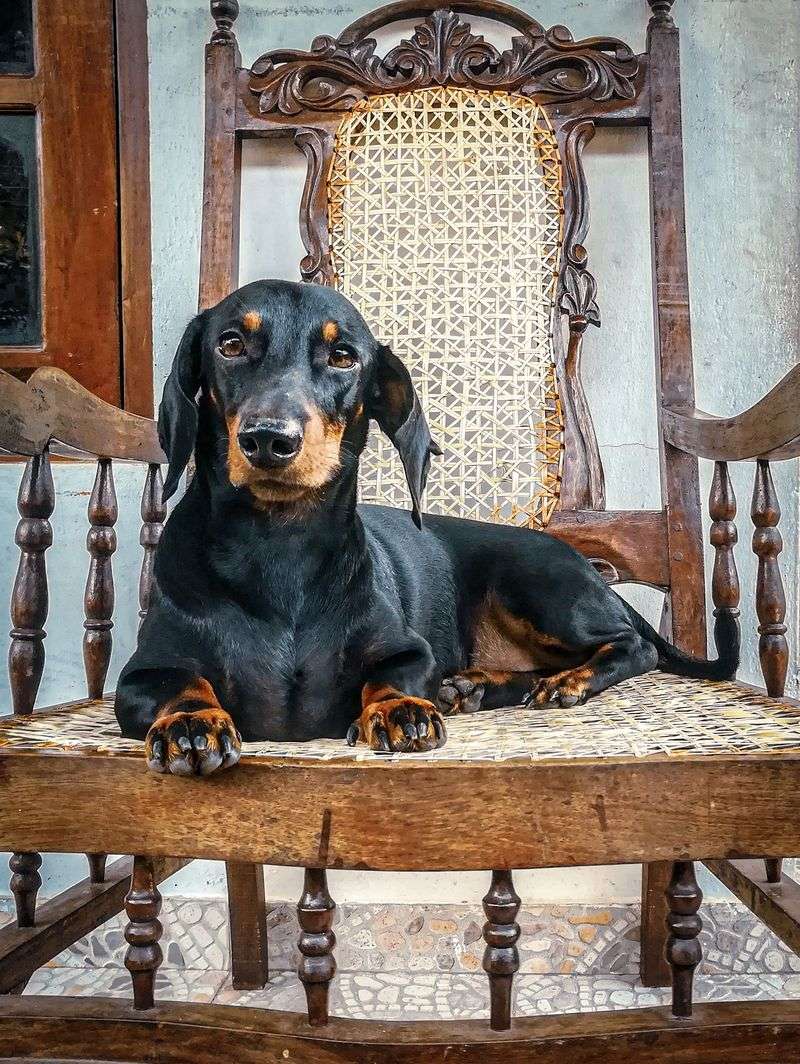
Short legs, tall spirit, the Dachshund speaks up about boundaries. Many prefer brief cuddles and then a cozy blanket alone.
Squeezing, lifting without warning, or poking their long backs invites protest.
Support the chest and hips when carrying. Teach a chin rest to request touch, and reward calm stillness.
Family games like find-the-treat and snuffle mats channel energy, reducing annoyance with constant handling.
Schedule nap windows, and let children admire without grabbing during rest periods.
Scottish Terrier
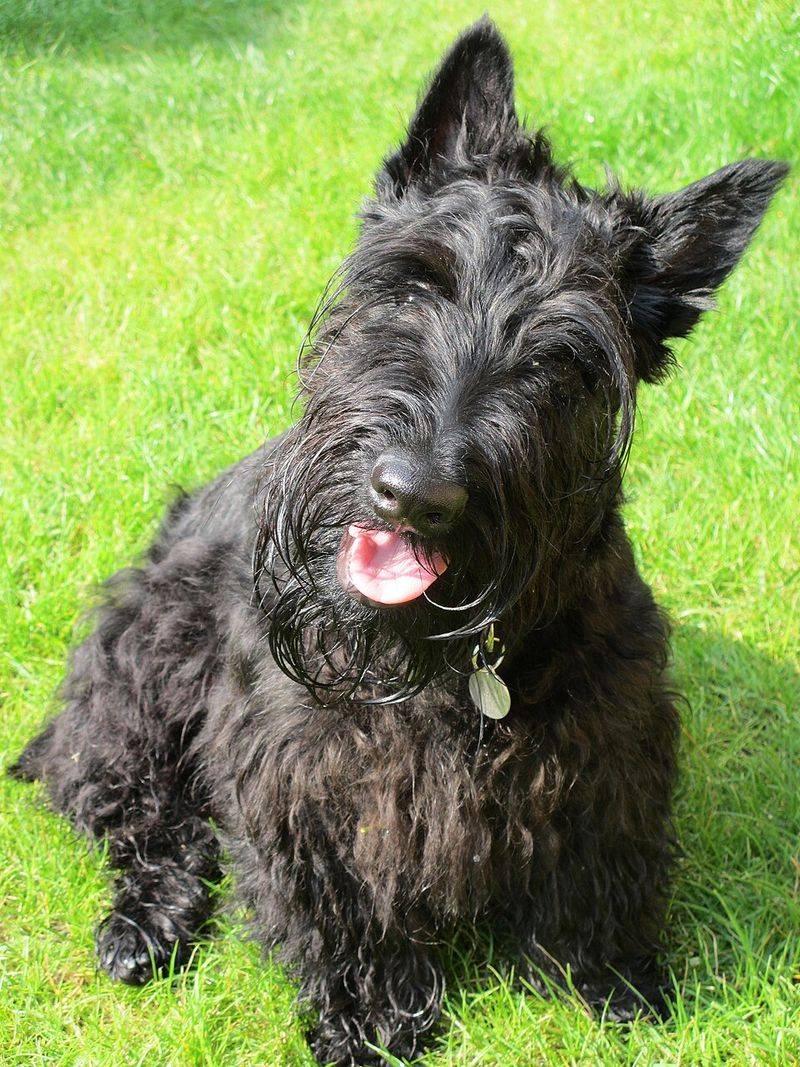
Small body, giant backbone, the Scottie votes for manners. Independent by design, they enjoy companionship yet dislike clingy hands.
Fast movements near the face can spark a warning growl.
Teach family members to kneel sideways and let the dog come closer. Short grooming drills with snacks build trust.
Add nosework classes to satisfy curiosity while giving space from constant petting.
Respect beds and crates, and swap grabbing collars for lightweight leashes during guidance at home.
Greyhound
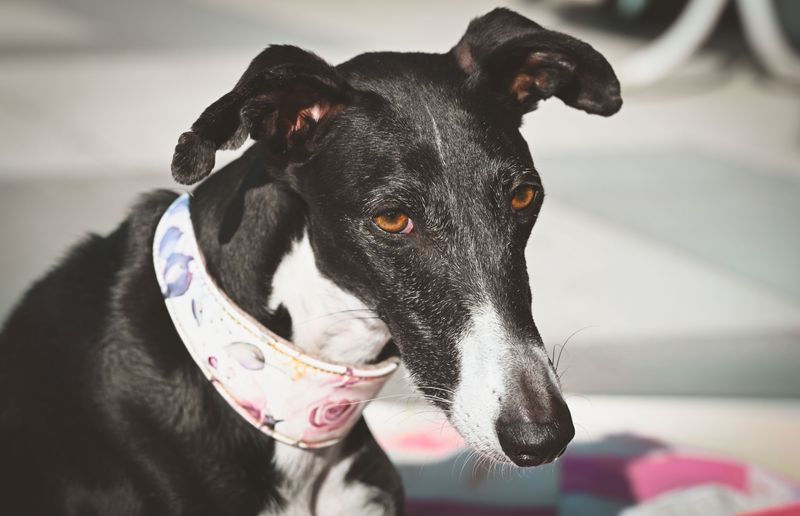
Fresh off the track or couch, Greyhounds love calm company. Many enjoy gentle strokes, but wake-up touches can startle them.
Thin skin and bony joints make heavy hugging uncomfortable.
Announce yourself before contact, then pet along the neck and chest. Offer soft beds and teach a polite wake word.
Short sprints, sunshine walks, and quiet evening snuggles meet needs without crowding.
Post signs for guests, and guide kids to use one-hand, slow petting during visits.
Great Pyrenees
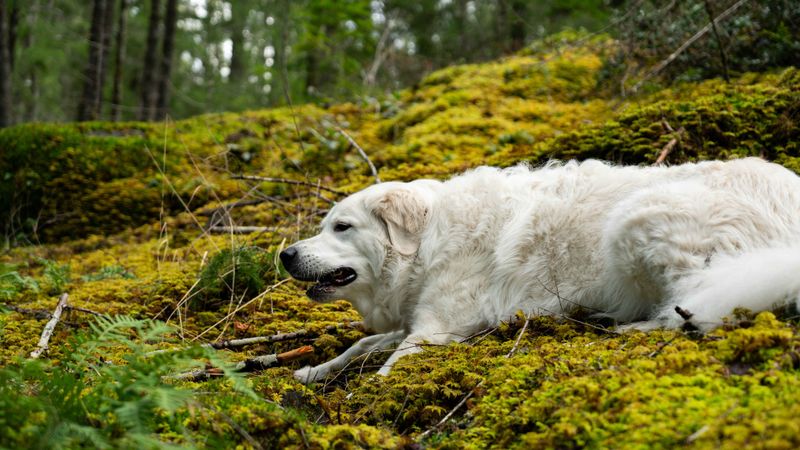
Guardian first, cuddle second, the Great Pyrenees watches the world like a night sentinel. Patience is steady, yet pushy affection feels odd to a working mind.
Unexpected hugs can raise eyebrows.
Teach visitors to greet with distance, then toss treats to build goodwill. Respect door duty, since many prefer observing hallways.
Long hikes, chew projects, and jobs like dragging a cart channel instincts without constant touching.
Create quiet zones and manage nighttime patrol barking humanely.
Lhasa Apso
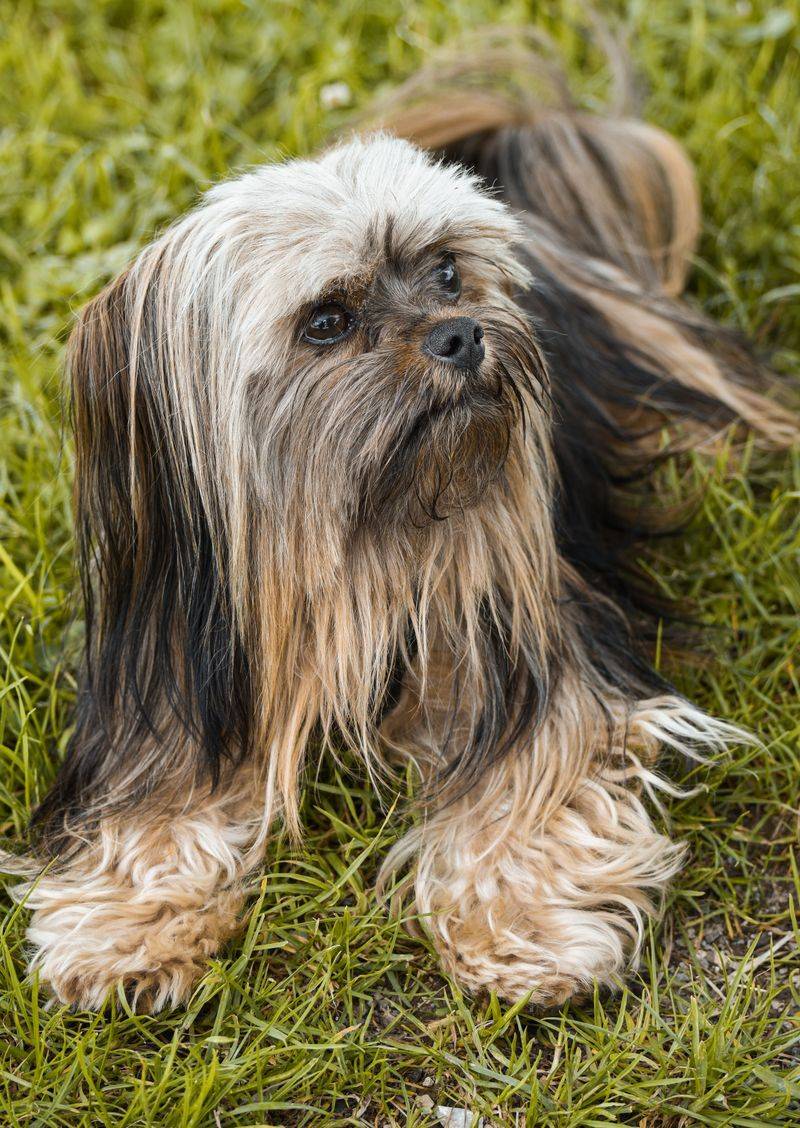
Palace watchdog vibes in a small package, the Lhasa Apso reads rooms fast. Attention is welcomed when invited, not demanded.
Reaching over the head can feel threatening to this alert breed.
Let them step forward and sniff your hand first. Stroke the chest, then pause for consent signals before continuing.
Daily combing with treats, plus short training bursts, keeps cooperation high and grumpiness low.
Limit noisy gatherings, and offer hideaways during busy holiday visits too.
Basenji
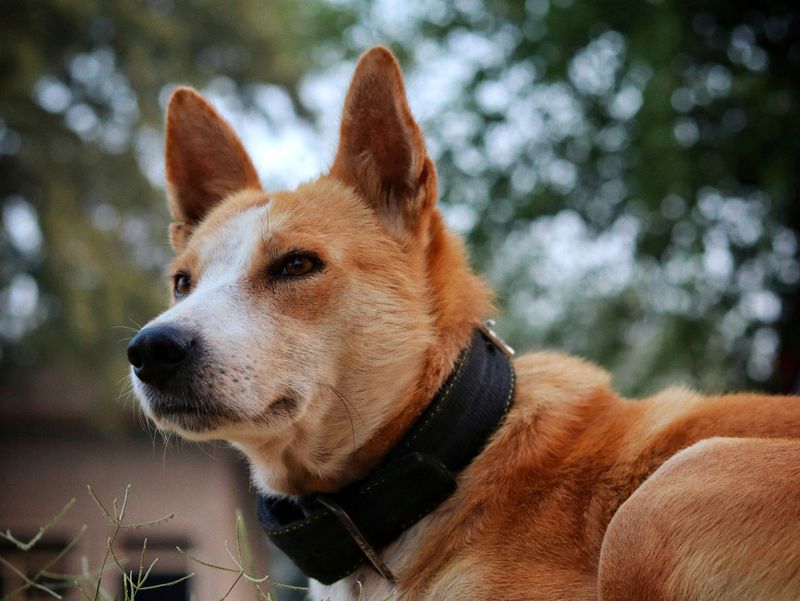
Cat-like and clever, the Basenji prefers respectful hellos. Many will lean in, then bounce away to explore.
Grabbing or blocking movement can spark resistance from this active thinker.
Trade constant petting for games that engage the brain. Scatter food in the grass, teach hand-targets, and practice short leash walks with sniff breaks.
A regular schedule helps the dog settle between adventures.
Ask before touching, and guide children to cheer from a friendly distance during play.
Afghan Hound
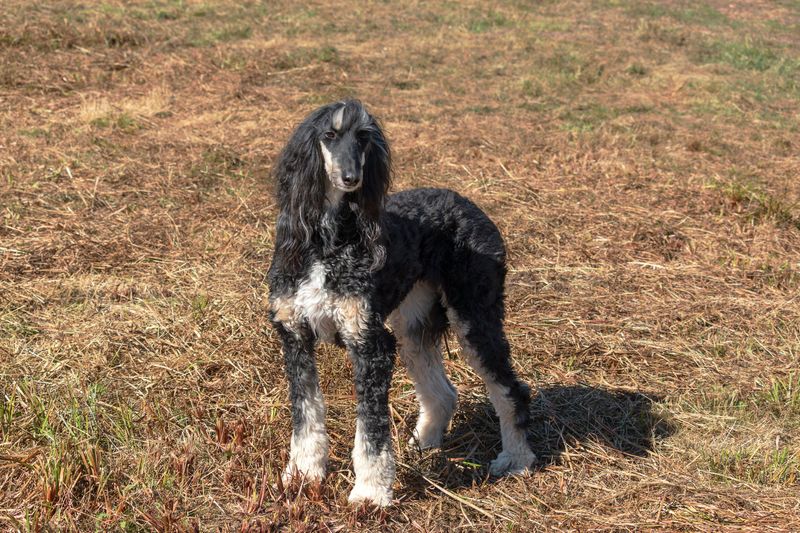
Silky hair, floating stride, the Afghan Hound brings regal cool. Affection arrives like a comet, bright but brief.
Heavy petting or sloppy hugs can feel clumsy to such a sensitive spirit.
Invite connection on walks, then share short grooming moments with plenty of rewards. Rotate soft brushes, keep sessions timed, and end with a play bow.
Long sight-chases in fenced fields satisfy instincts without wrestling for cuddles.
Teach a gentle greeting and honor departures gracefully.