
Many people believe a good guard dog has to growl, bark, and act scary all the time. The truth is that the best protectors stay calm until they truly need to act.
A dog that listens and thinks before reacting keeps your family safe without causing trouble with neighbors or guests. The breeds below prove that self-control is what makes a guardian truly great.
German Shepherd
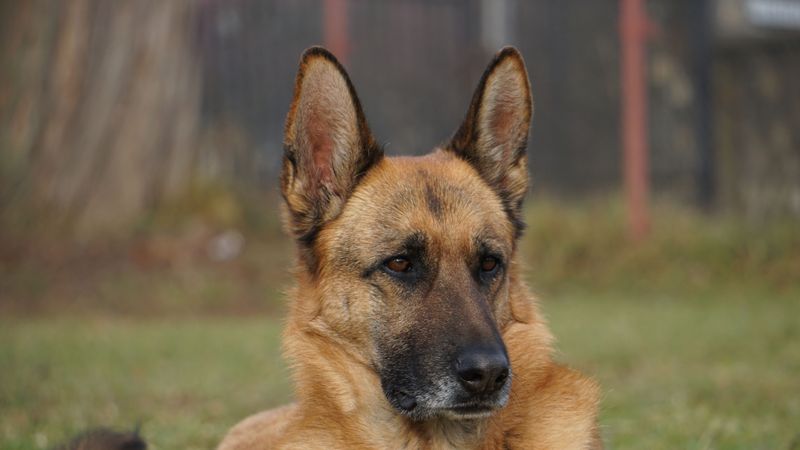
Police departments around the world trust German Shepherds for one big reason. They can switch from relaxed to ready in a second, then switch right back when told.
That off switch matters more than any bark. A shepherd that charges at every delivery driver is not protecting anyone, it is just stressed.
Daily training games, like sit-stay near the front door, teach yours to wait for your signal before reacting.
Rottweiler
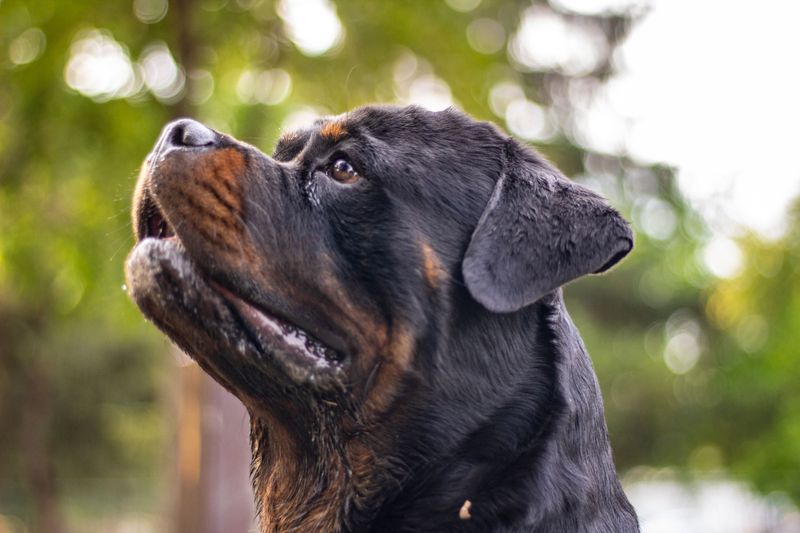
Picture a big, muscular dog snoozing on the porch while kids ride bikes nearby. That sleepy giant is often a Rottweiler.
Back in Roman times, their ancestors drove cattle and guarded money pouches for traders. Steady nerves were part of the job description.
Today, a well-raised Rottie watches quietly and only steps forward when something feels truly wrong. Early socialization with people, sounds, and other pets builds that rock-solid confidence.
Doberman Pinscher
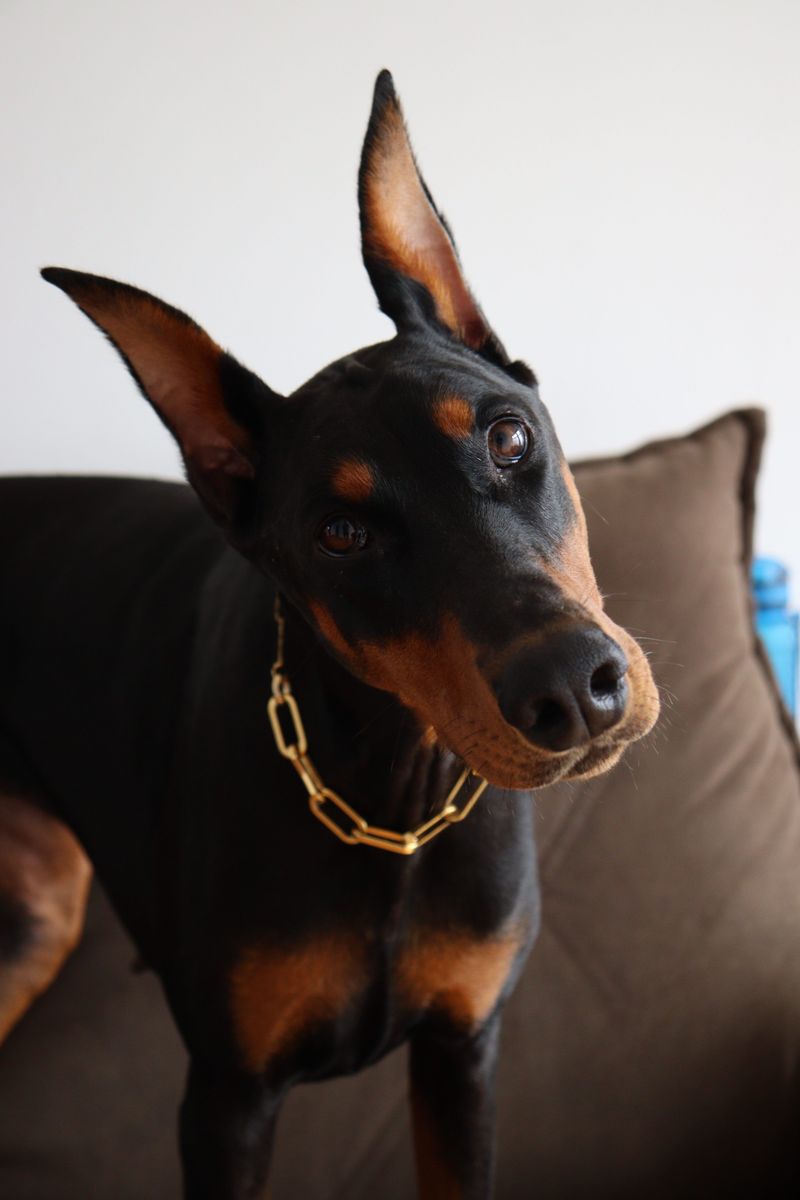
Fun fact: a tax collector named Louis Dobermann created this breed in 1890s Germany so he would feel safer on his rounds.
Dobermans have a scary reputation from old movies, but real ones are sensitive and eager to please. They actually read your mood closely.
Gentle, reward-based training works wonders here. Harsh methods can make them nervous, and a nervous dog makes poor choices.
Keep lessons short, upbeat, and consistent.
Belgian Malinois
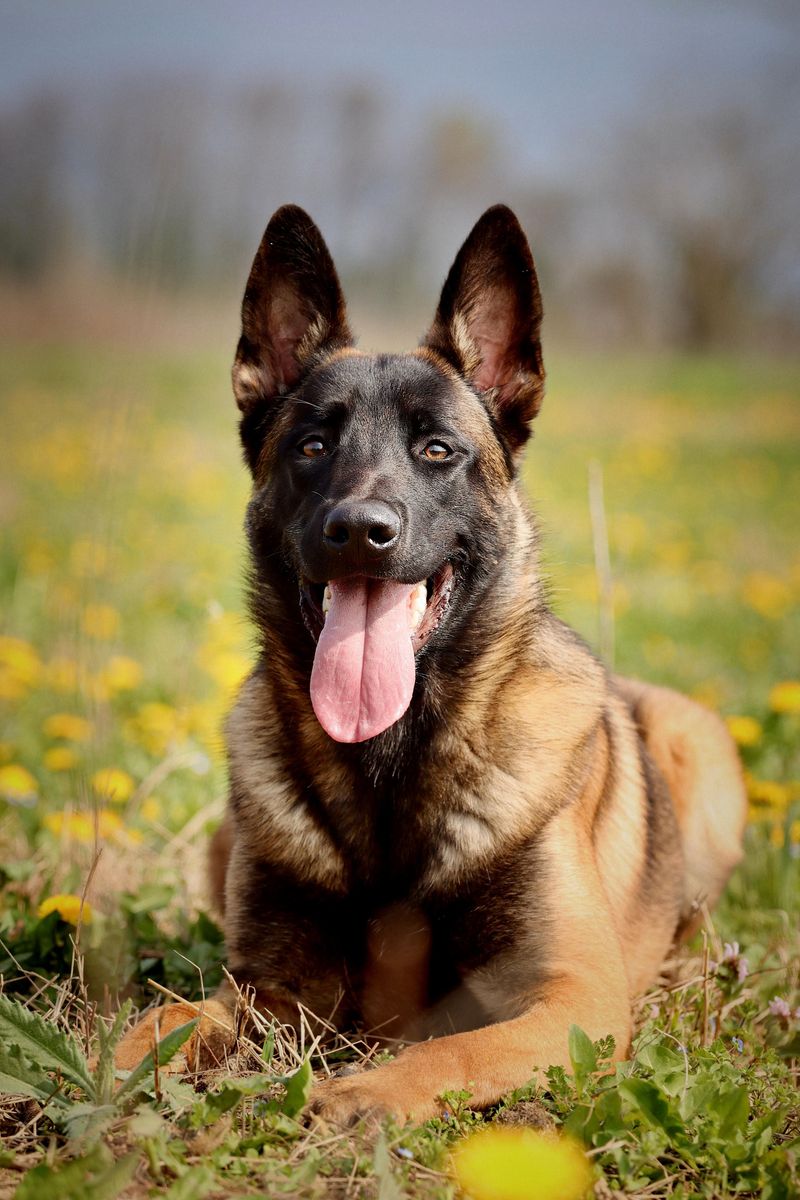
Got energy to spare? You will need it.
Belgian Malinois are the athletes of the guarding world, famous for working with military teams.
Their drive is huge, which is exactly why control matters so much. Without structure, all that power turns into chewing, nipping, and frantic barking.
Give a Malinois a job every day, like scent games or agility. A busy brain becomes a focused, reliable partner instead of a loose cannon.
Bullmastiff
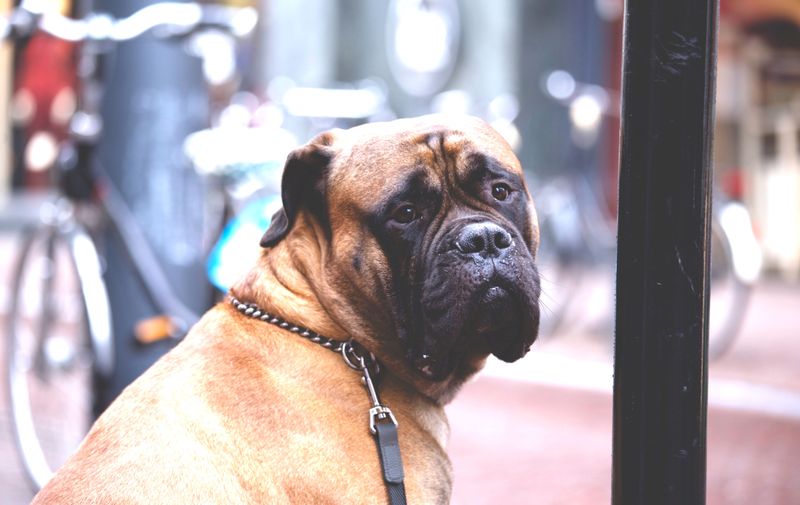
English gamekeepers in the 1800s needed a dog that could stop poachers without hurting them. The Bullmastiff was the answer.
Instead of biting, these dogs were trained to knock down and hold intruders until help arrived. Restraint was literally bred into them.
Modern Bullmastiffs are quiet couch lovers who rarely bark for no reason. Just remember, with a dog this heavy, teaching polite leash manners while young saves your shoulders later.
Boxer
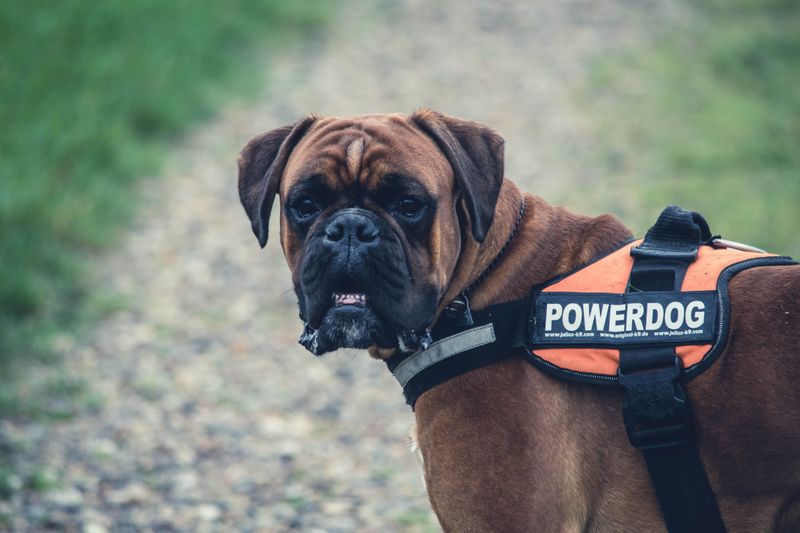
Goofy, wiggly, and full of bounce, Boxers might not look like guards at first glance. Yet they take family safety seriously.
Their silly side and alert side live together nicely when you set clear rules. A Boxer who learns to sit before greeting guests stays friendly without jumping on Grandma.
Try rewarding calm moments with treats. Over time, your clown learns that settling down earns the best prizes.
Akita
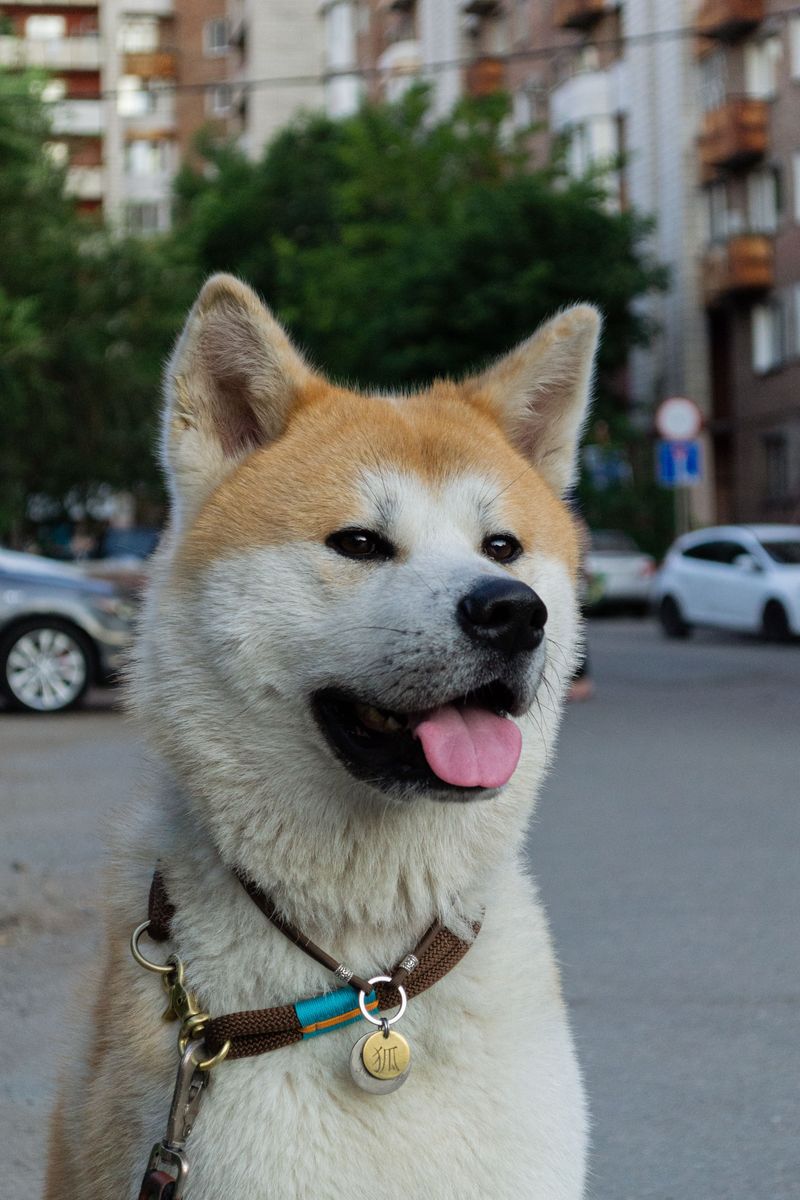
In Japan, Akitas symbolize good health and loyalty. The famous dog Hachiko waited at a train station for his owner for nearly ten years.
That devotion comes with a serious, reserved attitude toward strangers. Akitas do not need to bark loudly to send a message.
Owners should focus on steady socialization from puppyhood, especially around other dogs. A calm, confident Akita is dignified and dependable, never pushy.
Great Pyrenees
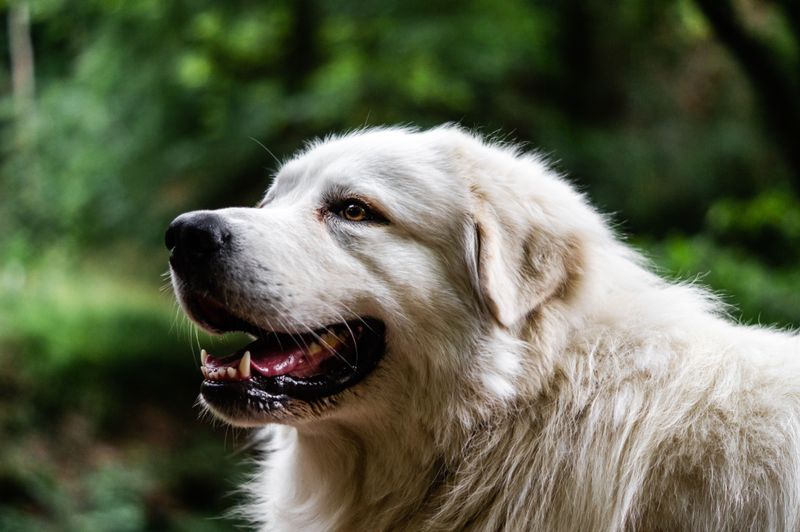
Shepherds in the mountains between France and Spain counted on these fluffy white giants to guard flocks from wolves overnight.
A Pyrenees mostly lounges and watches. When danger appears, a deep bark usually scares it off, no fight needed.
They think independently, so expect some stubbornness during training. Patience pays off.
Also, a good fence is a must, since these dogs like to patrol far beyond your yard.
Cane Corso
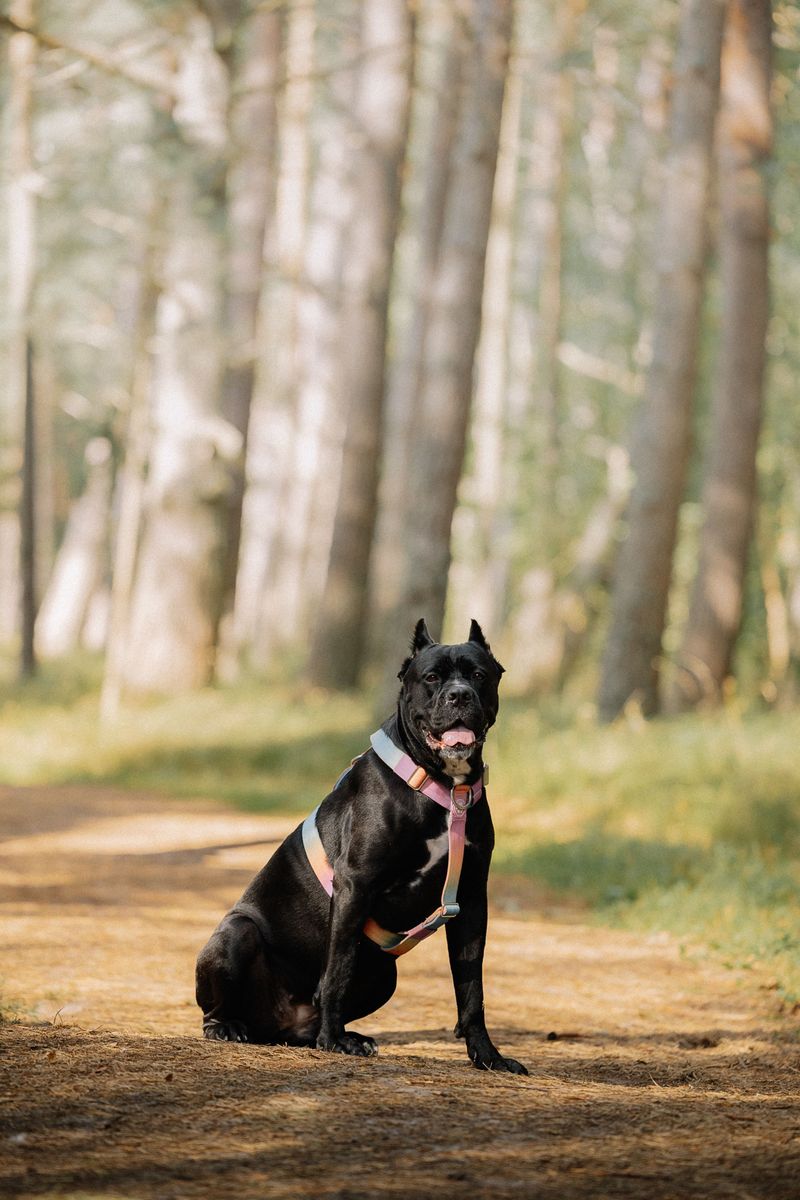
Strong as a tank and twice as serious, the Cane Corso once guarded farms across Italy. Their name loosely means guardian dog.
This breed is not for beginners. Its size and power mean poor training can quickly become dangerous.
The good news? A well-guided Corso is thoughtful and loyal, waiting for your cue.
Find an experienced trainer early, and practice leash walking in busy places to build steady manners.
Giant Schnauzer
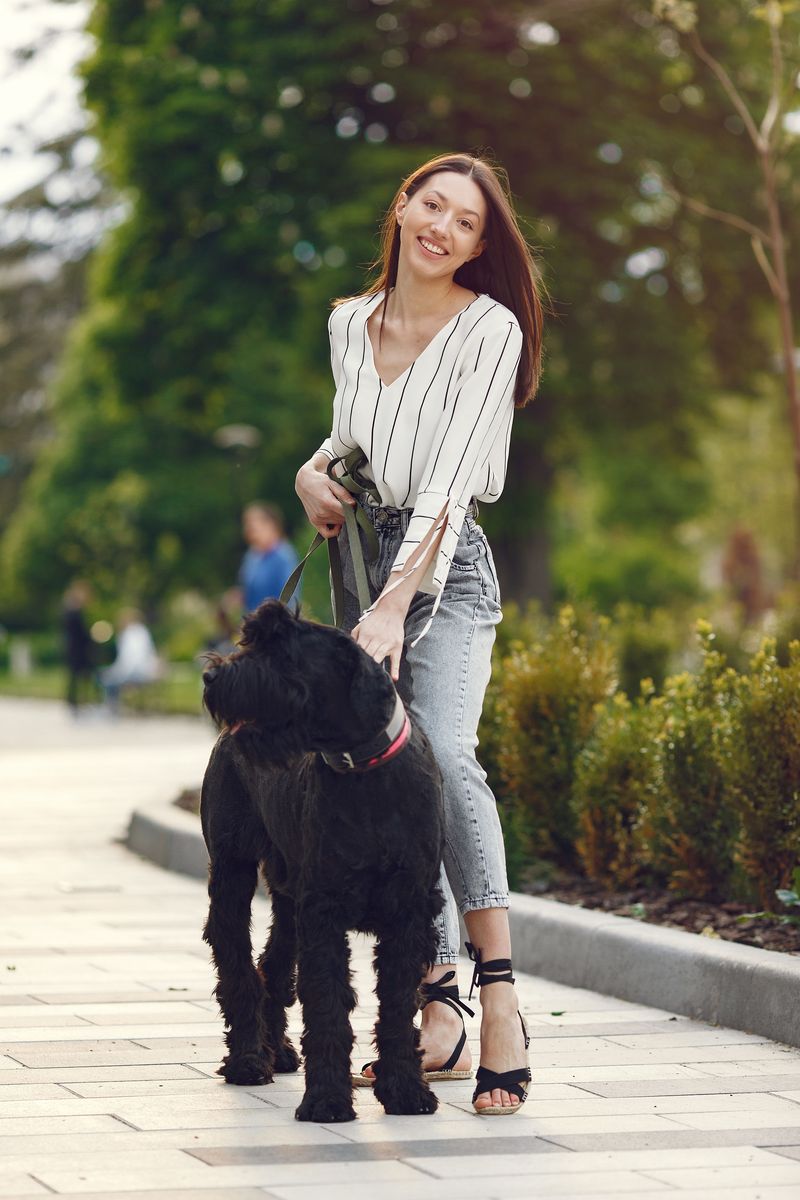
Bushy eyebrows, a big beard, and a brain that never stops. Giant Schnauzers were Bavarian cattle drivers before becoming guard dogs for butcher shops and breweries.
Smart dogs get bored fast, and boredom can look like bossiness. Puzzle toys, long walks, and obedience classes keep their minds sharp and calm.
Bonus tip: that wiry coat needs regular grooming, which also builds trust through gentle handling.
Rhodesian Ridgeback
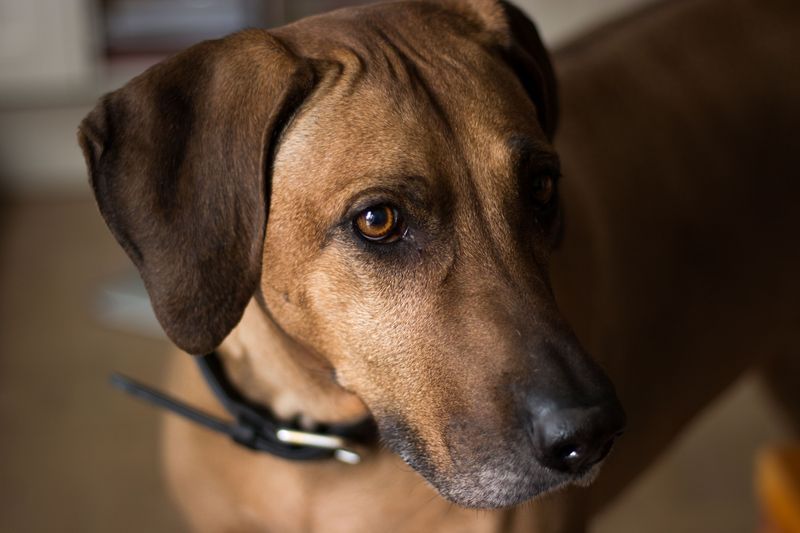
Here is a wild bit of history. Ridgebacks were bred in southern Africa to track lions and keep them at bay until hunters arrived.
Brave? Absolutely.
But they were never meant to attack. Their job was to hold steady, which takes amazing self-control.
At home, Ridgebacks are quiet and a bit aloof. Consistent, fair training helps them respect household rules while still keeping a watchful eye on things.