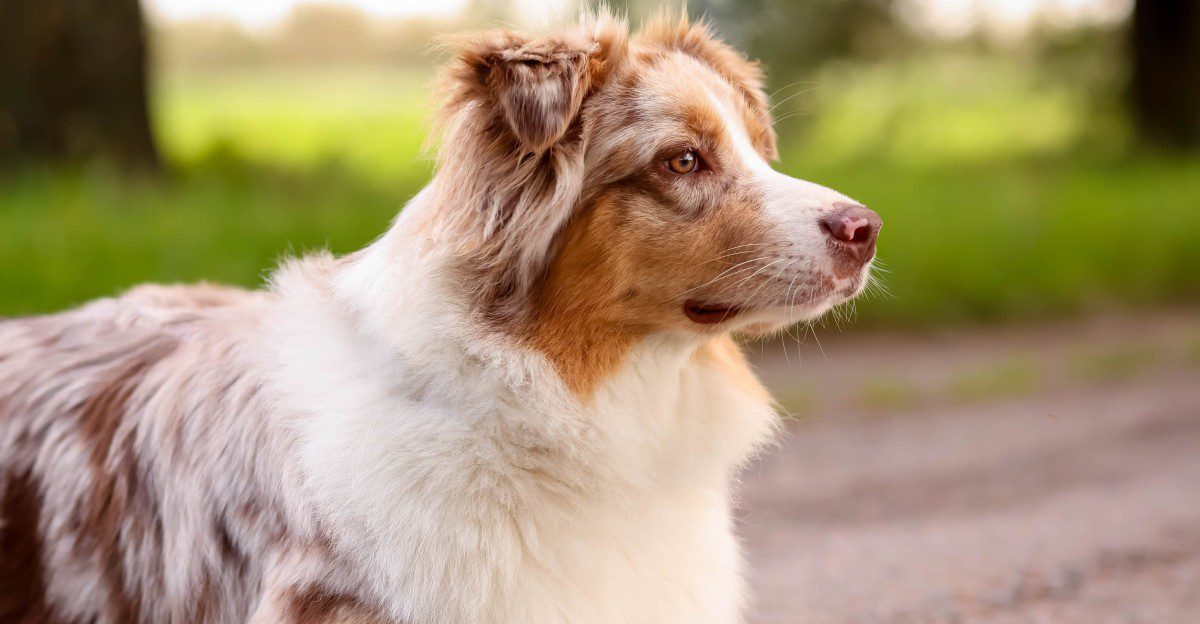
Many people believe a tired dog is always a good dog. But some high-energy breeds get more wound up the more you run them, like a kid who skips a nap and melts down.
Teaching a dog how to relax is a real skill, just like sit or stay. The breeds below show why calm time deserves a spot in every training plan.
Border Collie
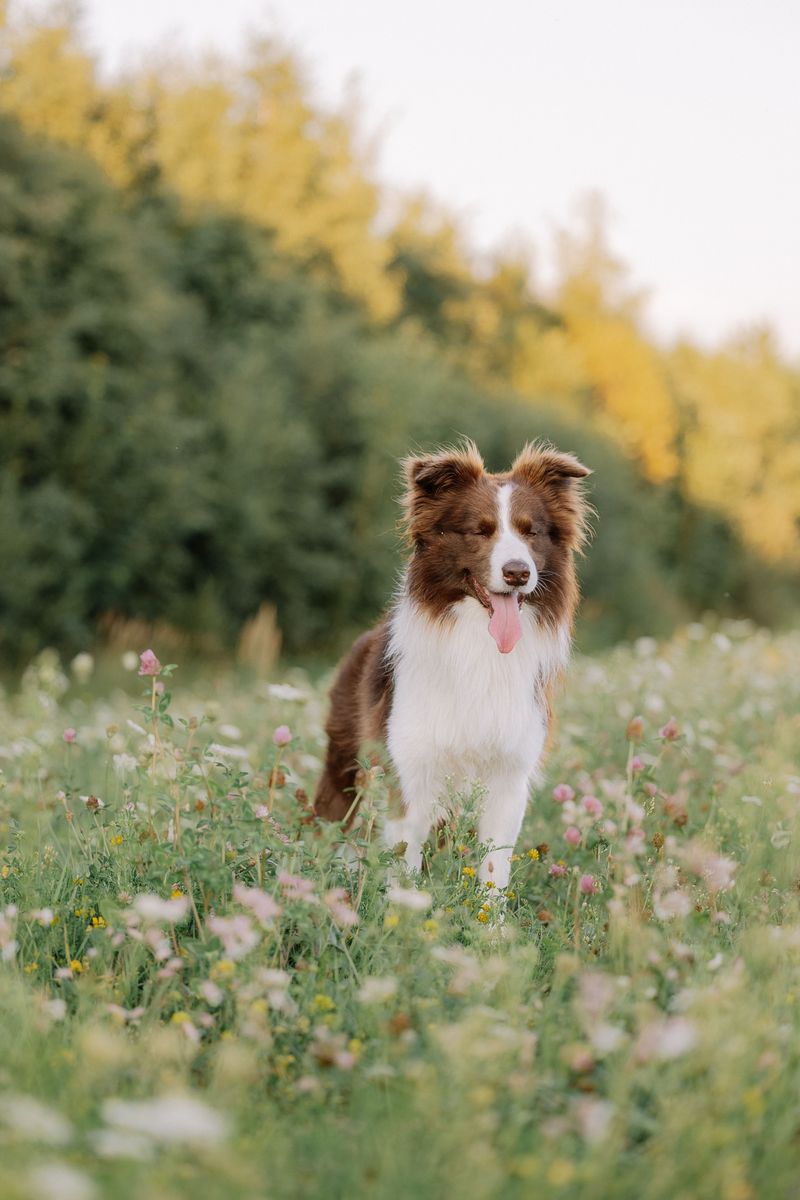
Picture a sheepdog that could work from sunrise to sunset and still want more. Border Collies were bred to herd for hours, so extra fetch sessions often just build a fitter, more obsessed athlete.
Instead, try short brain games followed by quiet time on a mat. Reward your dog for lying down and sighing.
Over a few weeks, that calm moment becomes a habit, and your collie learns that doing nothing is also a job.
Belgian Malinois
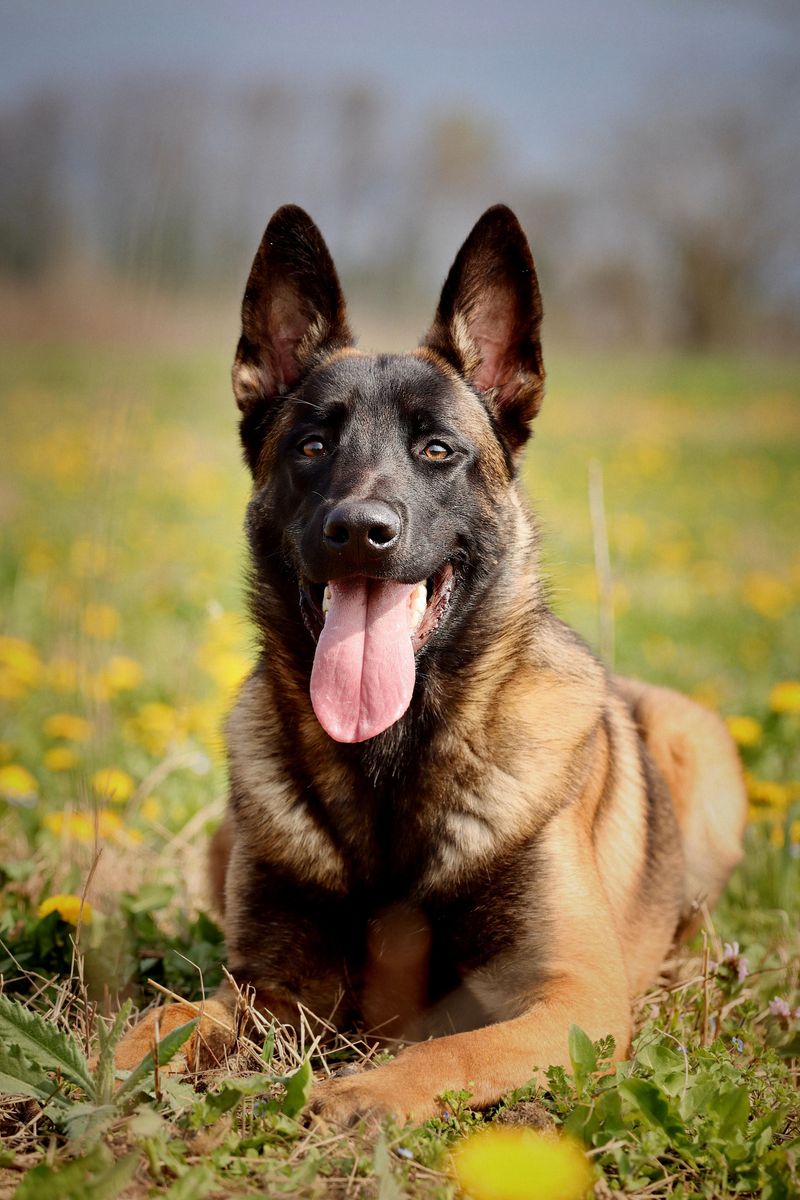
Police and military teams love the Malinois for its drive, but at home that same fire can burn nonstop. Owners often say their dog seems to have an on switch and no off switch.
Building that off switch takes practice. Use a crate or bed as a safe spot, add a long chew, and keep the room quiet.
Short, calm routines after work sessions teach this intense breed that rest is part of the deal.
Australian Shepherd
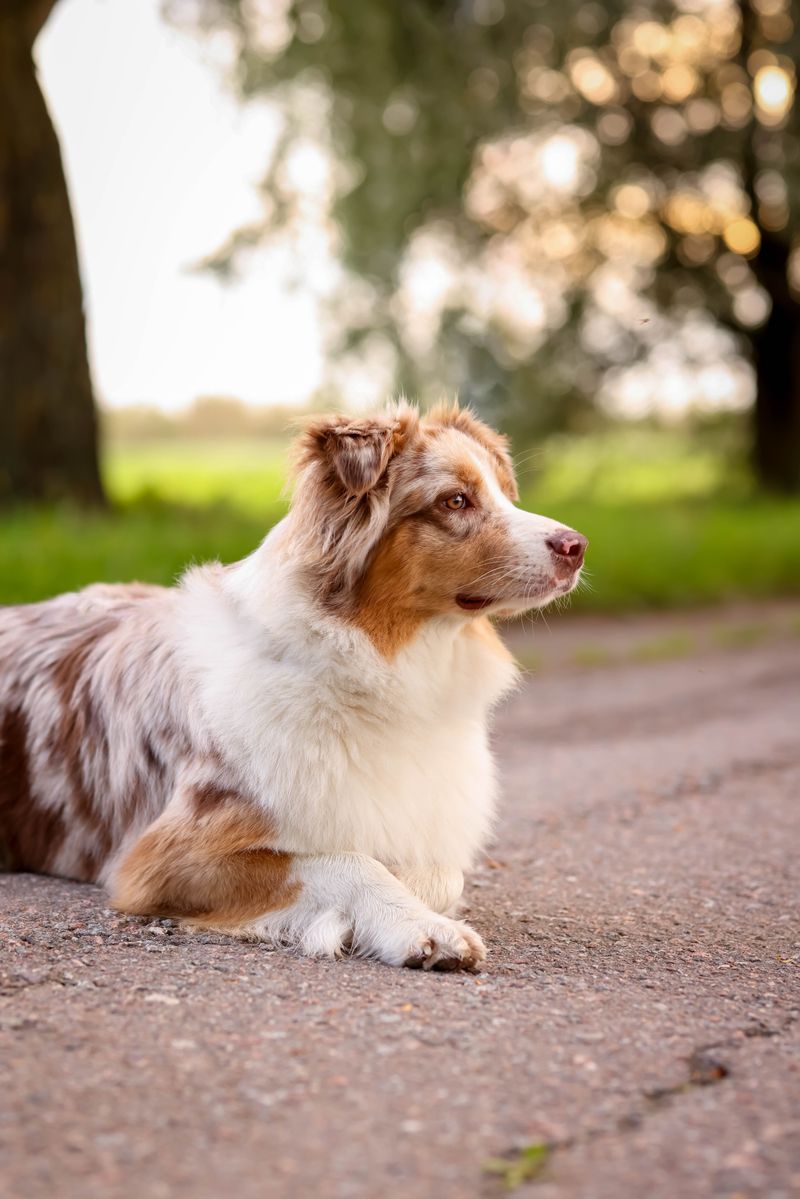
Fun fact: despite the name, Aussies were mostly developed in the American West, not Australia. Ranchers valued their endless hustle around cattle and sheep.
That hustle can turn into pacing, barking, and herding the kids if your Aussie never learns to settle. Long hikes help, but they are only half the answer.
Try a daily chill-out routine, like sitting together on the porch while you reward quiet, relaxed behavior with gentle praise.
German Shepherd
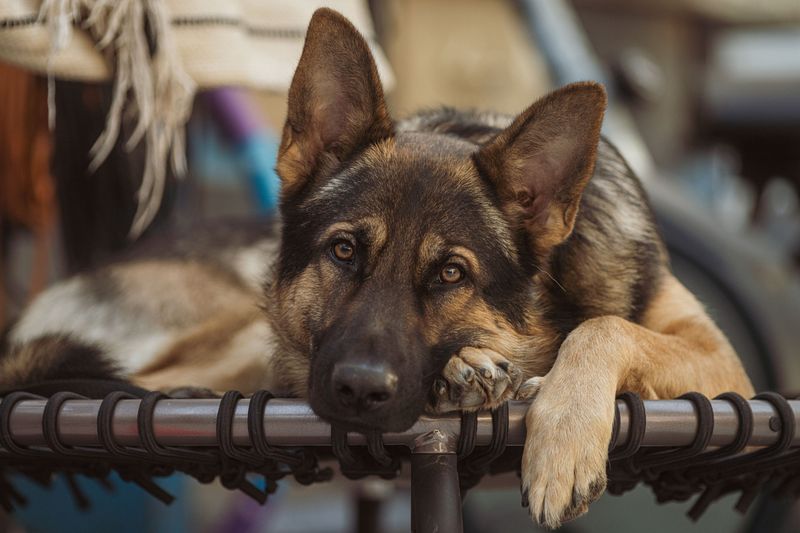
Loyal and watchful, German Shepherds often feel they must guard every sound and footstep. A dog that is always on duty can get tired yet still stay tense.
Help your shepherd relax by giving it a spot away from busy doors and windows. Calm music or a white noise machine can also soften household noise.
When your dog learns it does not have to patrol constantly, its body and mind finally get a real break.
Australian Cattle Dog
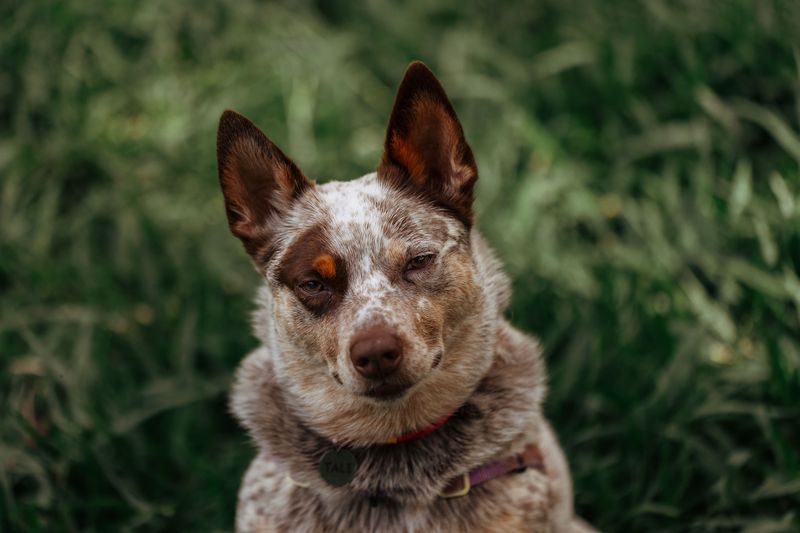
One cattle dog owner joked that her heeler could run a marathon and then ask for a second one. Bred to nip at stubborn cattle in the Australian outback, these dogs are tough as leather.
Wearing them out rarely works, because stamina just grows. Calm activities help much more.
Lick mats, snuffle mats, and slow sniffing walks lower their heart rate and teach the brain to shift into a peaceful gear.
Siberian Husky
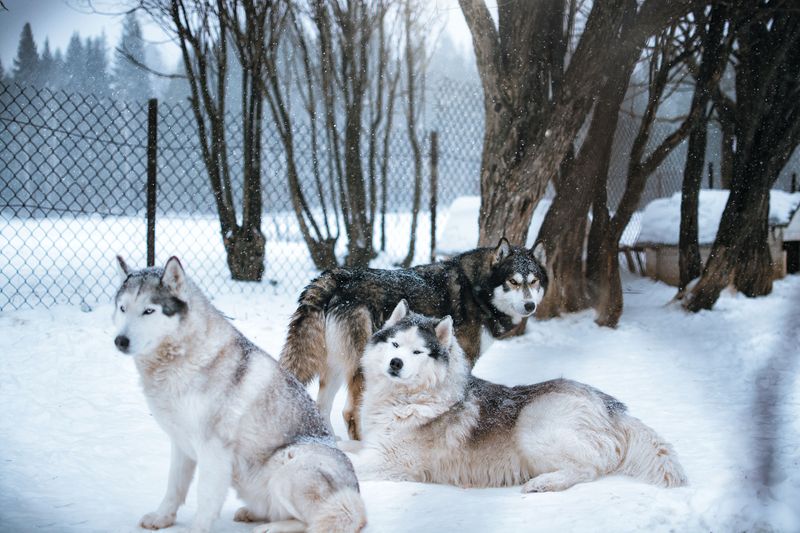
Sled dogs in Siberia pulled loads for miles, but they also knew when to curl up and save energy. That natural rest skill can fade in a busy modern home.
Huskies who get endless running without downtime often become loud, restless escape artists.
Balance matters. Pair exercise with scheduled nap times in a cool, quiet area, and your husky will rediscover the cozy tail-over-nose curl its ancestors perfected.
Jack Russell Terrier
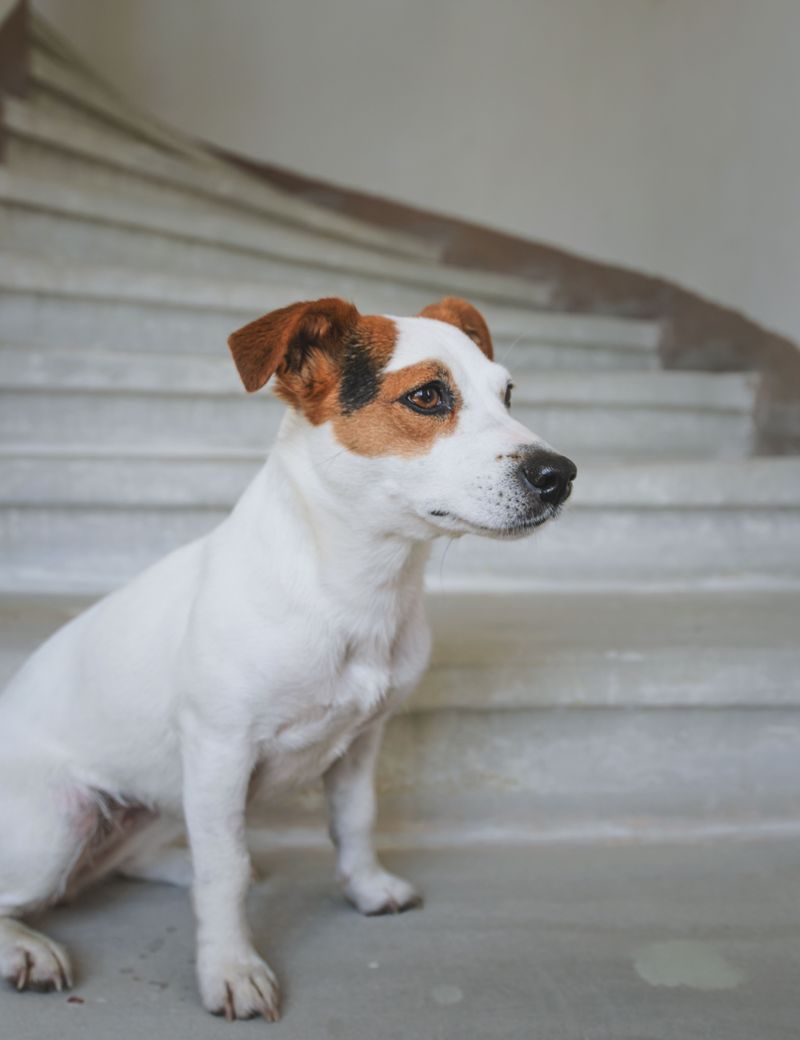
Small body, giant battery. Jack Russells were bred to chase foxes underground, and they bring that same spark to every squirrel sighting and doorbell ring.
Here is the twist: an overtired terrier often gets snappier, not sleepier, much like a cranky toddler.
Give your little firecracker a snug donut bed and practice calm cues like settle. Aim for plenty of sleep each day, since adult dogs often need twelve hours or more.
Weimaraner
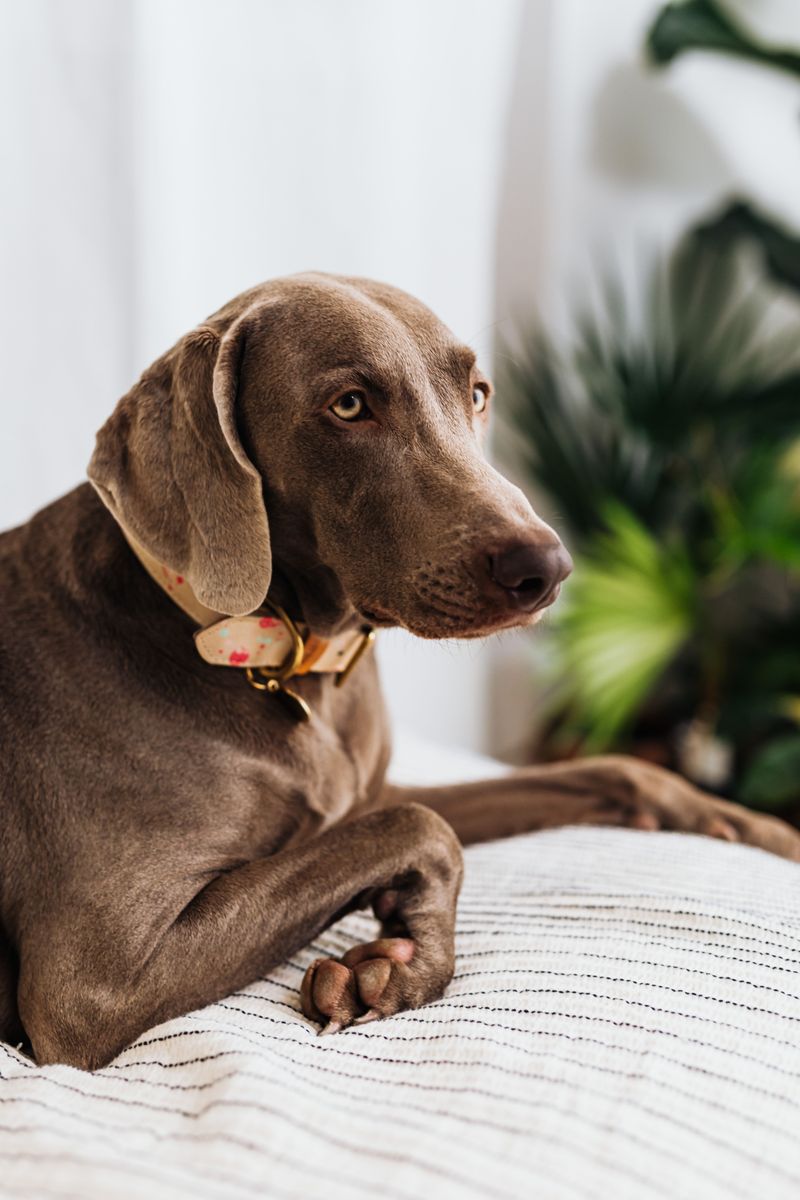
Nicknamed the gray ghost, the Weimaraner is famous for following its people from room to room. Much of its restlessness comes from worry, not just extra energy.
Running this dog hard will not fix anxiety about being alone. Practice short separations, then slowly make them longer.
A calm, predictable routine helps your velcro dog feel safe enough to snooze by itself, even when you step out.
German Shorthaired Pointer
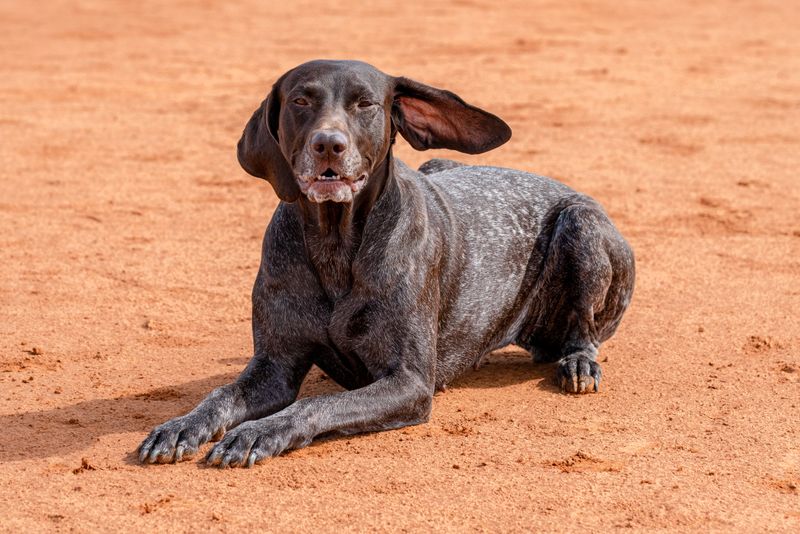
Did you know pointers freeze in place to show hunters where birds hide? That frozen stillness proves these dogs can be calm when they have a clear purpose.
At home, you can borrow that idea. Teach a place command and reward long, relaxed stays.
After a run, skip the extra ball throws. Offer water, a quiet corner, and a soft bed so your pointer learns that fun always ends with rest.
Vizsla
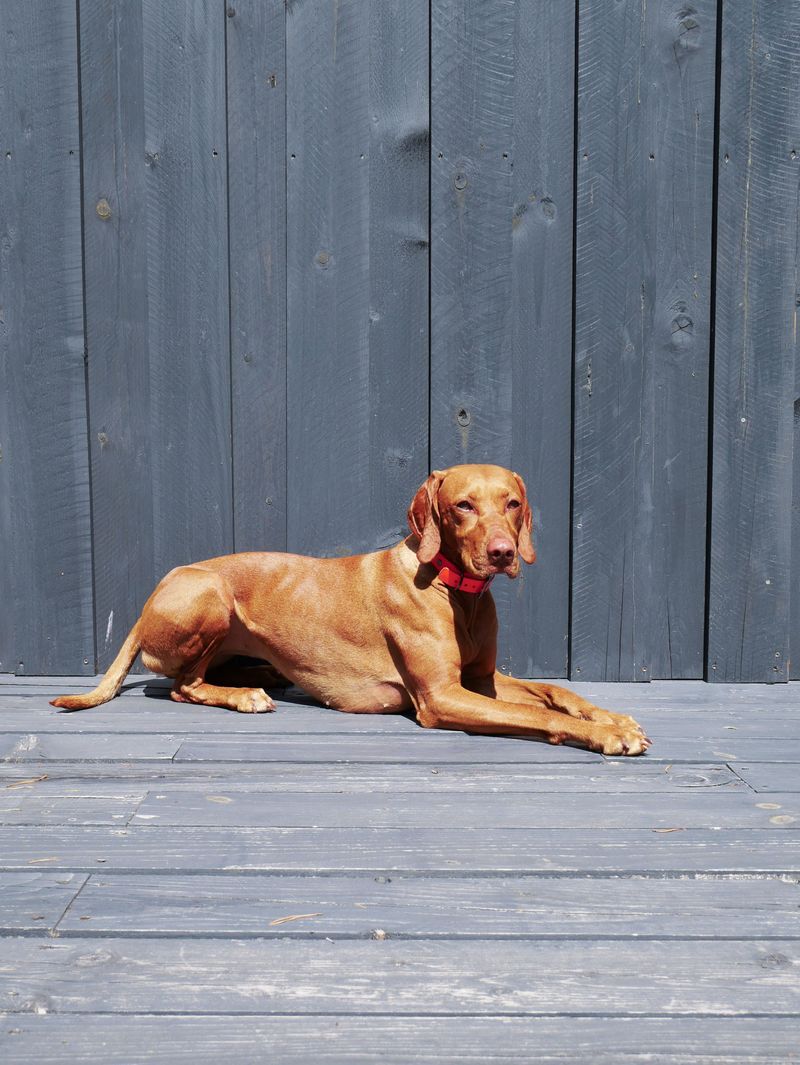
Warm, sweet, and a little dramatic, Vizslas love nothing more than burrowing under blankets. This Hungarian hunting breed has lots of zip, yet it also craves closeness.
Use that cuddly side to your advantage. A covered crate or cozy blanket den can signal that it is time to wind down.
Gentle massage and slow petting after exercise help your Vizsla switch from zoomies to deep, happy snoring.
Dalmatian
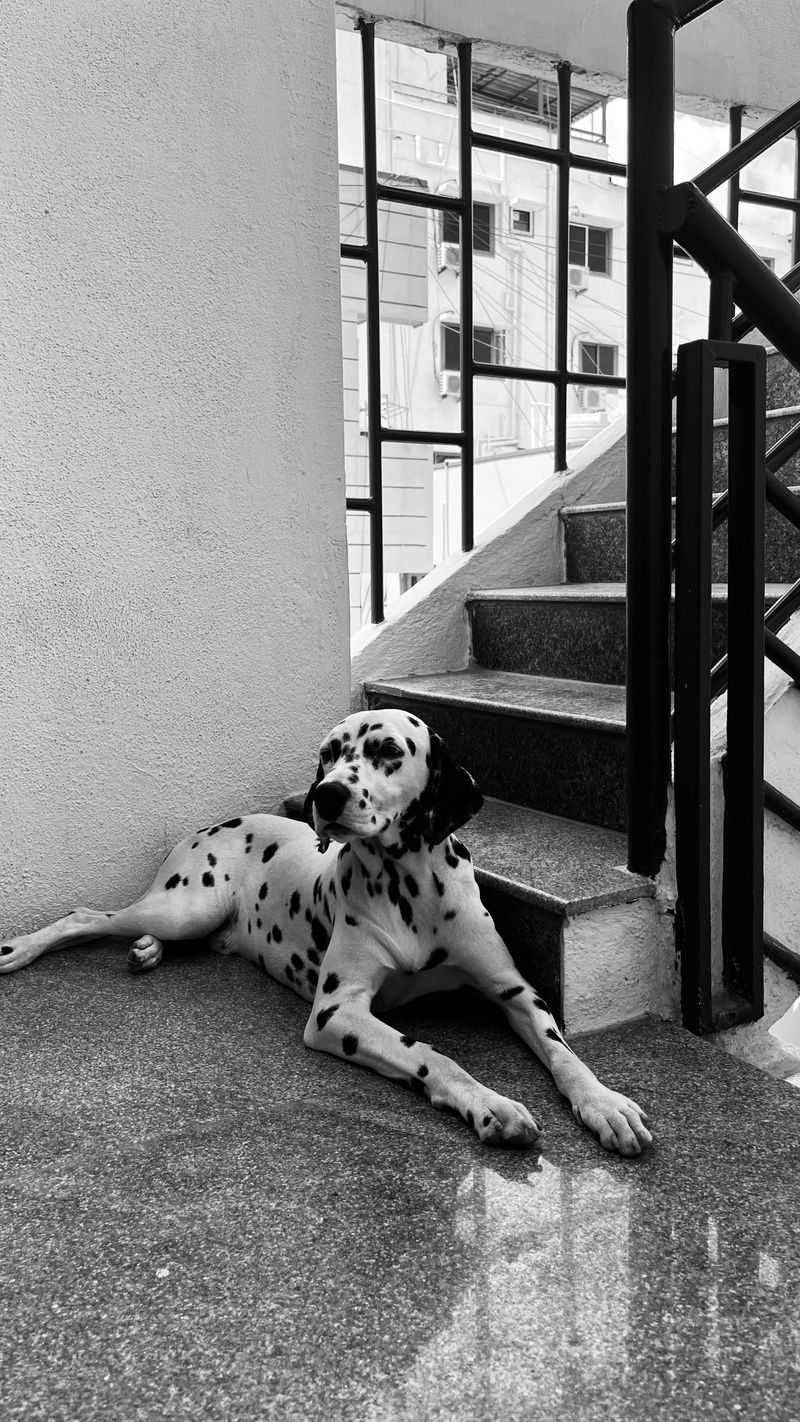
Long ago, Dalmatians trotted beside horse-drawn carriages for miles, guarding them on the road. Later they became firehouse mascots.
With that history, it is no surprise they can go and go. Yet a spotted dog with no downtime may become pushy or jumpy.
Mix daily jogs with calm training like chin rests and slow treat games. Your Dalmatian will learn that quiet moments earn rewards too.