
You love a fluffy dog until the fluff starts running your schedule. Some coats need more than a quick brush, and missing just a day can double your work.
Before a cute face wins you over, learn what it really takes to keep those locks healthy. These breeds prove how fast grooming can spiral if you are not ready.
Shih Tzu
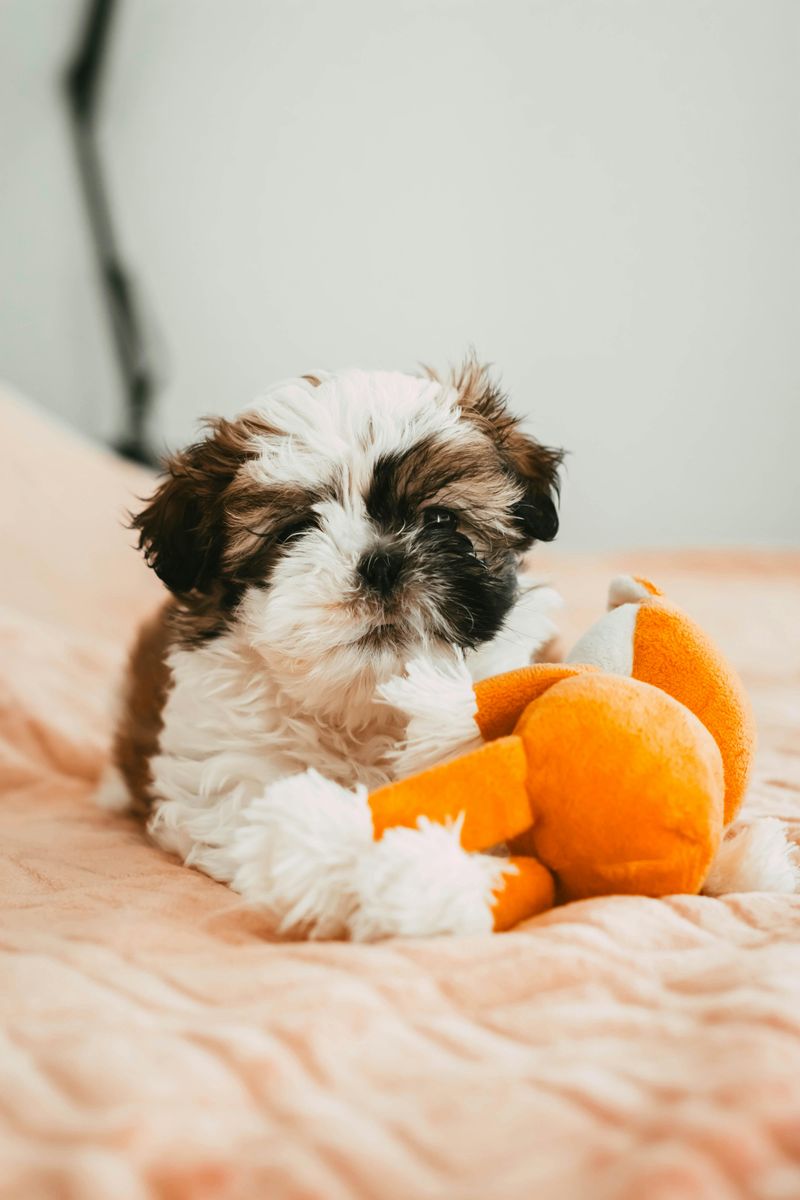
The Shih Tzu looks small, but that glamorous coat demands serious, daily attention. Skip a day, and you will meet mats that seem to multiply overnight.
A pinned topknot helps, yet face fur still needs gentle cleaning to prevent tear staining. Plan for combing to the skin, detangling spray, and patient parting after every walk.
Many owners book professional grooming every four to six weeks to keep things manageable. Without trims, feet, ears, and fringes tangle into tight knots that tug painfully.
You can clip short for easier maintenance, but that still means consistent brushing sessions. If you love the look, commit time daily, and your Shih Tzu shines.
Regular ear checks, teeth care, and paw trimming round out a steady routine.
Maltese
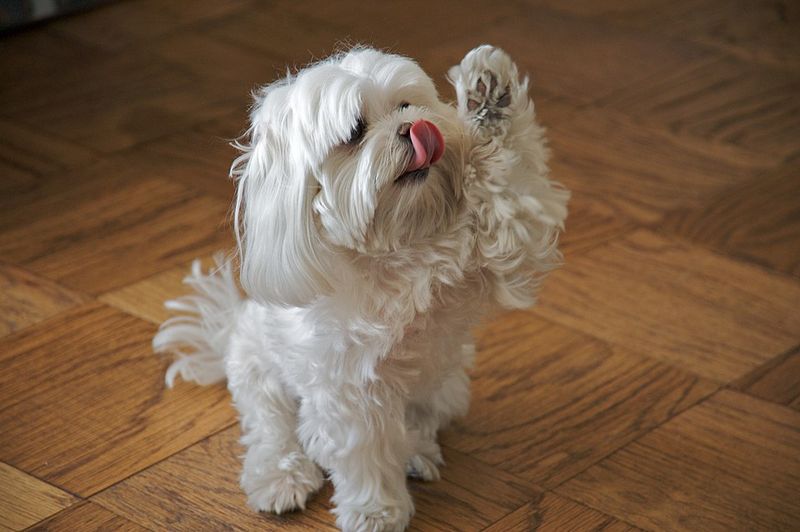
The Maltese wears a white waterfall that tangles the moment you glance away. Daily brushing to the skin keeps airflow moving and prevents tight knots that pull.
Tear staining can sneak in fast, so gentle facial wipes become a constant companion. You will also want a hydrating spray, metal comb, and slicker brush at hand.
Show length is breathtaking, but a puppy cut is kinder if time is limited. Even short styles need frequent touchups and a groomer visit every four to six weeks.
Fine hair mats at friction points like armpits and behind ears, so part thoroughly. Keep nails short, ears clean, and coat protected from grass burrs.
With routine care, that bright, cloudlike coat truly dazzles.
Havanese
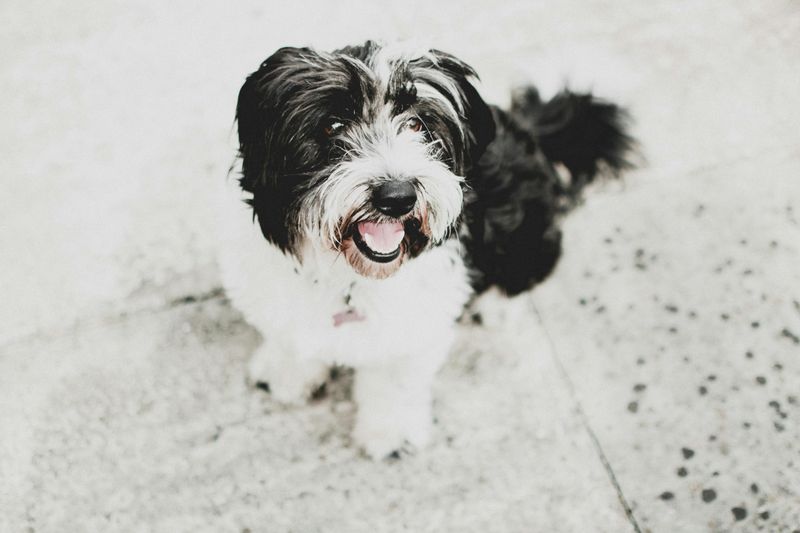
Havanese coats can be straight, wavy, or curly, and all of them mat enthusiastically. Brush to the skin several times a week, focusing on armpits, behind ears, and belly.
A light leave in conditioner helps strands glide instead of knot. Expect to separate small tangles with fingers before they harden into impossible mats.
Many owners choose a practical, fluffy trim that preserves the breed’s charm without marathon sessions. Plan regular baths followed by thorough drying, since damp curls lock mats in place.
Professional grooming every six weeks keeps shape tidy and hygiene areas neat. Keep eyes clear, check ears, and trim foot hair so debris does not collect.
Stay consistent, and your playful companion remains soft, airy, and adorably photo ready.
Afghan Hound
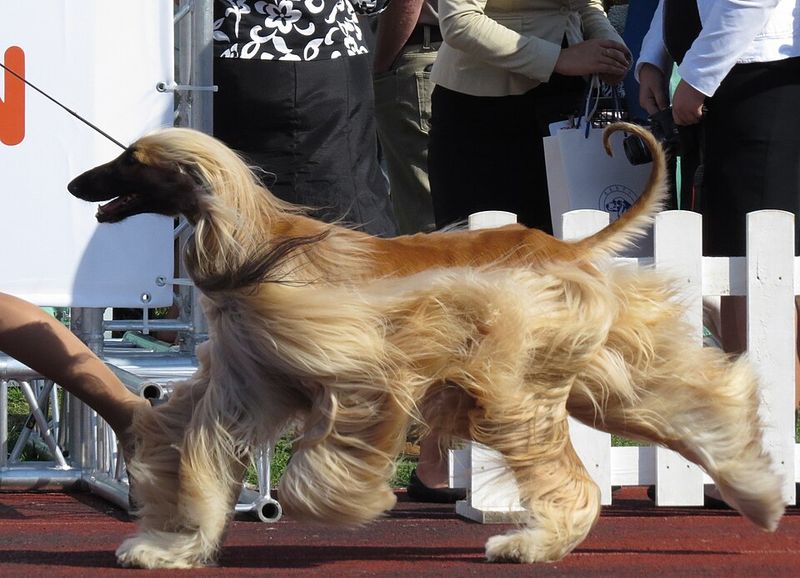
The Afghan Hound floats like a runway model, and the coat behaves like couture fabric. Weekly bathing and marathon blow drying sessions are normal to keep silk from felting.
Line brushing to the skin is non negotiable if you want that drape. Skipping maintenance quickly breeds tangles at elbows, behind ears, and under the saddle.
Training your dog to stand calmly makes everything smoother for both of you. Use gentle products, wide tooth combs, and patience through seasonal shedding shifts.
Feet feathers and tail fringe trap burrs, demanding careful inspection after romps. Many owners schedule professional sessions for finishing work and essential trimming.
With discipline, the payoff is stunning movement, glossy flow, and a timeless, aristocratic silhouette.
Old English Sheepdog
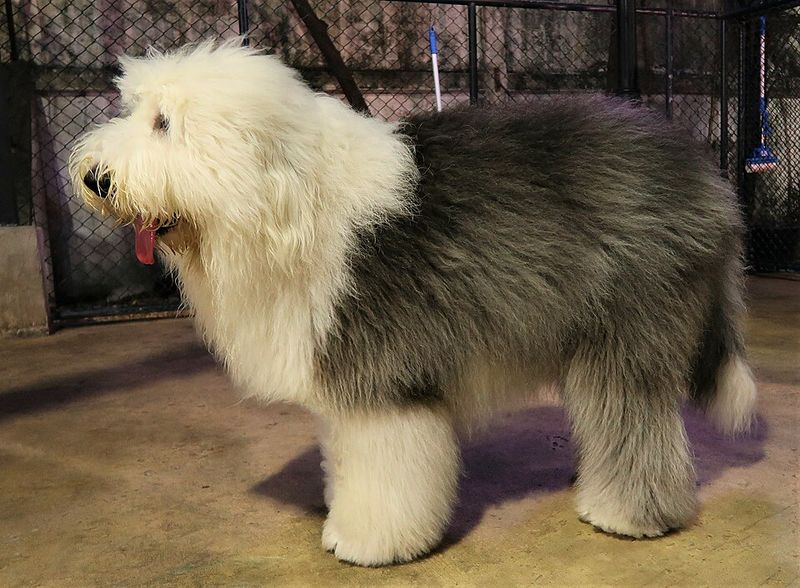
The Old English Sheepdog’s coat is a shag carpet that drinks in burrs, twigs, and weather. Undercoat blows in seasonal bursts, and loose fluff hides deep within the outer layer.
Line brushing is essential, section by section, until your comb hits skin. Miss a week, and you will face a full mat makeover session.
Bathing requires serious drying time or you risk trapping moisture and skin issues. Many families opt for a shorter pet clip to balance comfort and effort.
Professional grooming every six to eight weeks keeps hygiene and structure under control. Eyes need clearing, ears checked, and paw pads trimmed to improve traction.
Commit early, train for table time, and your bobtail remains a lovable, tidy cloud.
Komondor
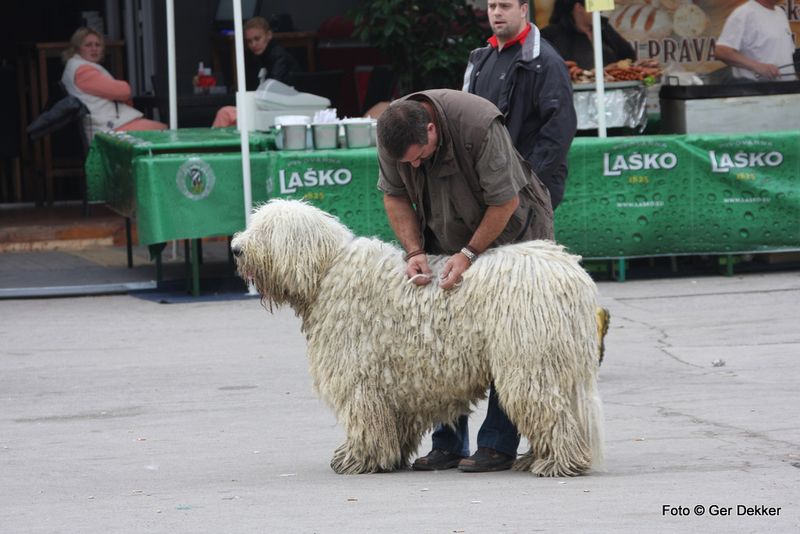
The Komondor’s cords do not appear magically overnight. They start as fluffy mats that must be split carefully by hand.
You guide each cord’s size, cleanliness, and separation through months of patient work. Dirt and moisture hide easily, so frequent drying and airflow are critical after baths.
Cording is rewarding, but shortcut grooming can cause heavy, dirty masses that stress skin. Expect to wash sectionally, squeeze water out, and allow very long drying times.
Trim cords that drag and collect debris, and keep nails short for stability. Ears and tail bases need extra attention to prevent trapped grime.
If you embrace the process, the majestic mop look becomes both functional and iconic, honoring the breed’s guardian legacy.
Puli
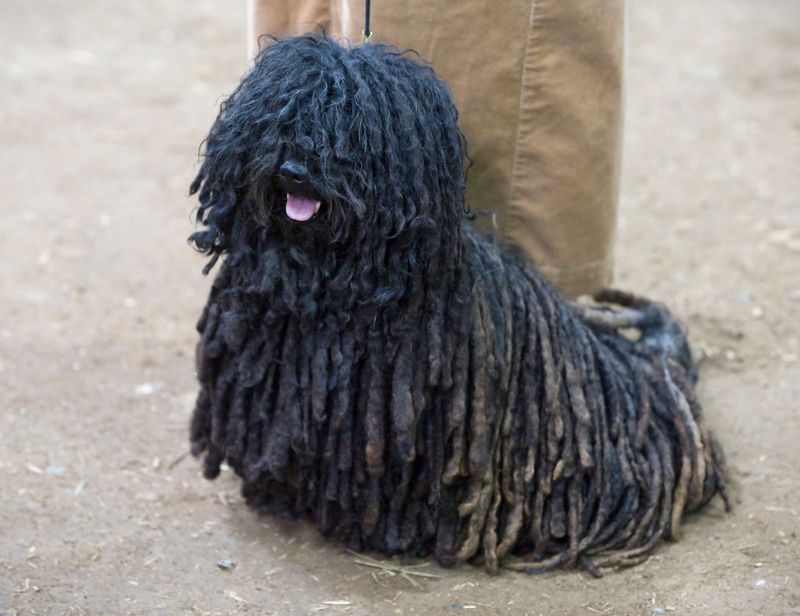
The Puli’s cords are lighter and springier than the Komondor’s, but they still demand intention. Puppies fluff first; you shape cords by separating mats into tidy strands.
Consistent separation prevents plates of felt that cannot be saved later. Bathing becomes a slow ritual, with careful squeezing and marathon drying sessions afterward.
Because cords tangle together during play, quick post walk checks are your best habit. Trim lengths to avoid tripping, especially when cords thicken with age.
Keep the coat clean, but avoid heavy conditioners that glue fibers together. Nails, ears, and teeth still need routine care, even when cords take center stage.
With a steady cadence, your Puli keeps that buoyant, sheepy silhouette that turns heads everywhere.
Briard
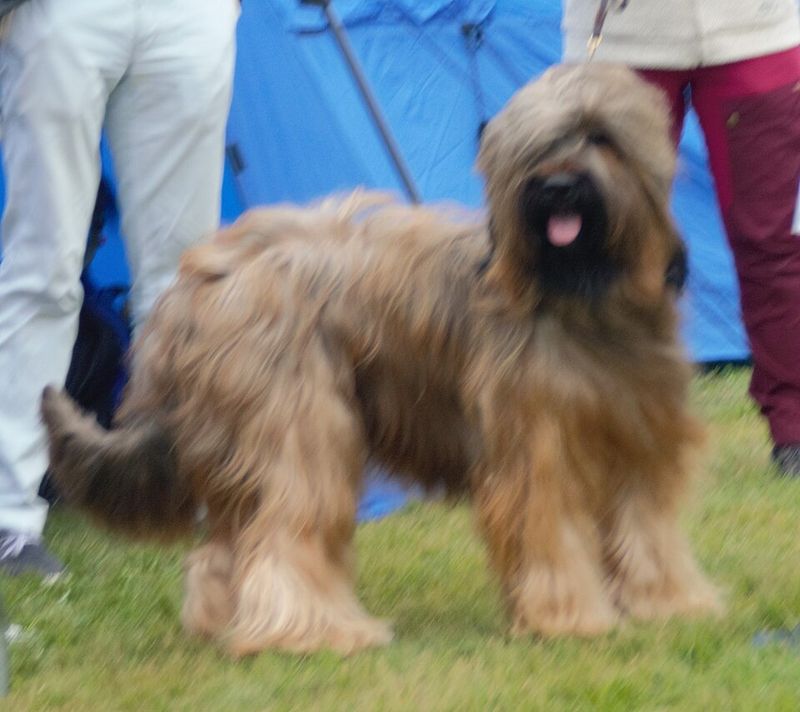
The Briard brings a coarse outer coat over a tight undercoat that mats stealthily. Regular line brushing is essential, or tangles weld near the skin where you cannot see.
Pay special attention to armpits, groin, and behind the ears. A blower helps lift debris and loosen undercoat before your comb follows through.
Bathing needs thorough rinsing because dense layers trap product and moisture. Dry completely or risk hot spots and lingering odors.
Many guardians keep a moderate working trim to protect the dog’s comfort and vision. Feet and hocks benefit from tidy work, especially in muddy seasons.
With structure and calm handling, your Briard’s sweeping coat moves beautifully while staying practical for real life adventures.
Soft Coated Wheaten Terrier
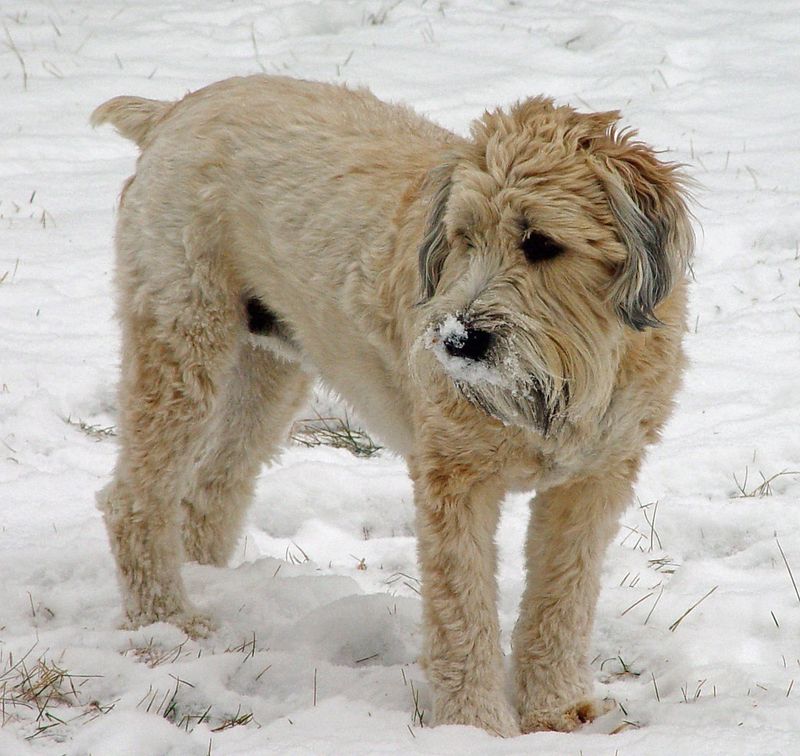
The Wheaten’s coat is silky, falls in waves, and mats whenever humidity joins the party. Daily misting with a light conditioner helps control friction before combing to the skin.
Expect extra work at the beard, furnishings, and undercarriage. Dirt loves to linger there, and tiny knots quickly become stubborn mats if ignored.
Professional grooming shapes a tidy outline and keeps the signature fall over the eyes manageable. Plan visits every four to six weeks, plus weekly at home sessions.
Blow drying after baths maintains that soft, swingy texture rather than frizz. Keep ears clean, nails trimmed, and feet tidy so debris does not hitch rides.
Stay consistent, and your Wheaten rewards you with that joyful bounce and silky shimmer.
Lhasa Apso
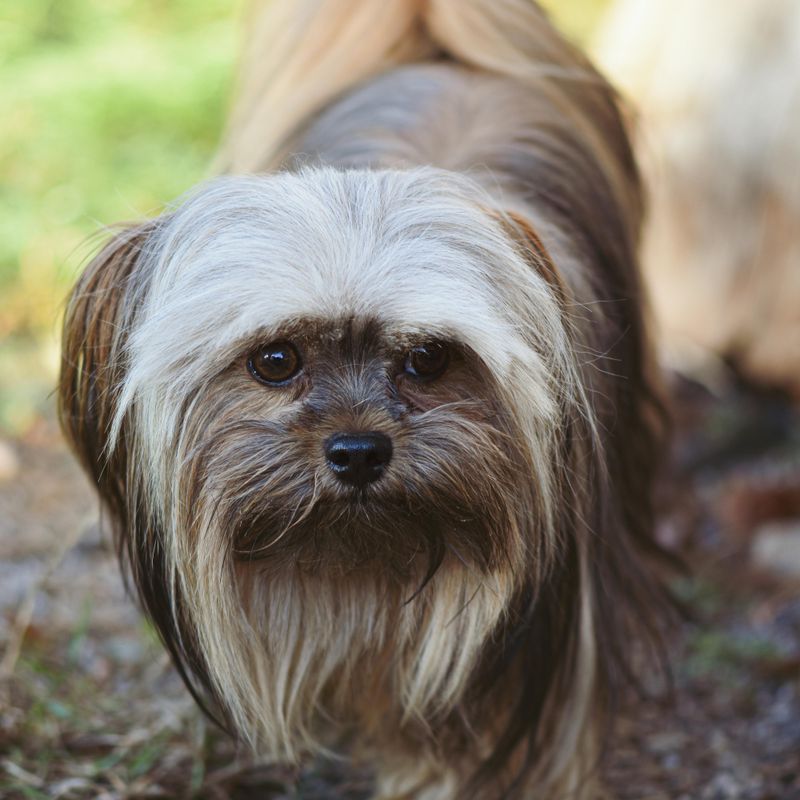
The Lhasa Apso wears a floor length curtain if you let it grow, and upkeep is real. Daily line brushing keeps the part straight and skin ventilated.
Eye corners and muzzle need gentle cleaning to avoid staining and odor. Moisture lingers in heavy hair, so blow drying matters more than you would think.
Many families choose a chic, shorter style that honors the breed without endless grooming. Even then, plan trims every five to seven weeks and regular home maintenance.
Check feet, especially between pads, where long hair mats painfully. Use quality tools, reward calm behavior, and break sessions into friendly chunks.
With steady care, your Lhasa’s dignified coat stays glossy, comfortable, and worthy of its ancient monastery roots.
Yorkshire Terrier
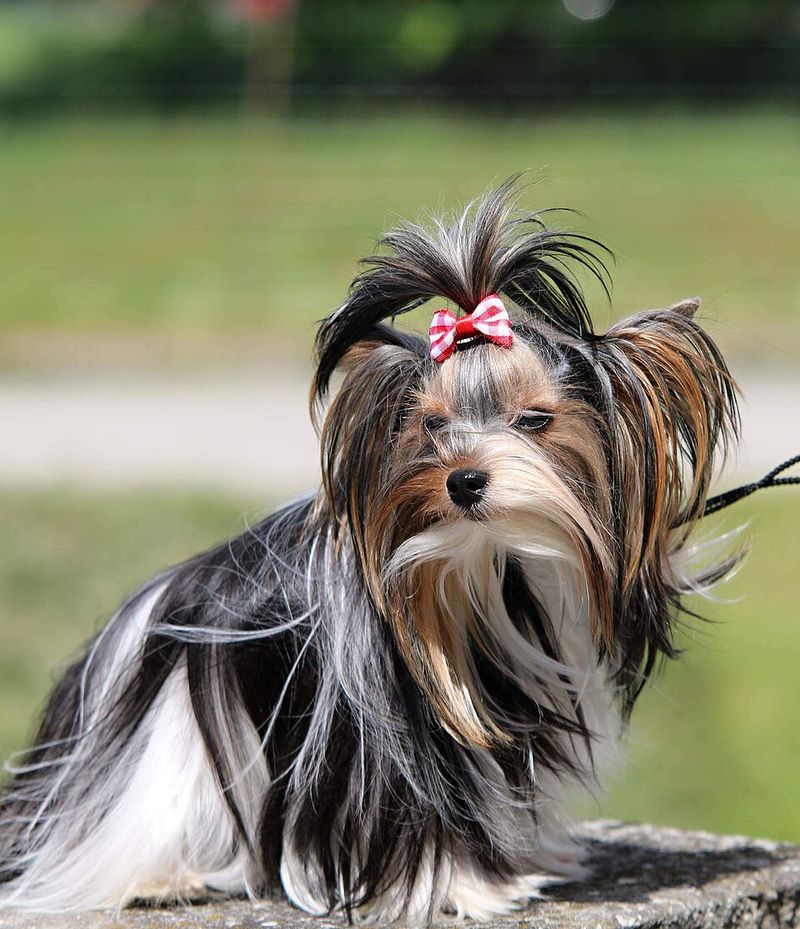
The Yorkie’s hair behaves like human hair, sleek and straight when well maintained. That beauty tangles quickly at the harness line, armpits, and behind ears.
Brush daily, use a light oil or conditioner, and comb to the skin. Many owners protect length with bands and wraps, especially for show growth.
For everyday life, a puppy cut saves time while staying adorable. Schedule trims every four to six weeks to keep shape tidy and hygiene handled.
Facial hair needs frequent wiping to avoid food residue and staining. Keep nails short and ears clean so the petite frame stays balanced.
With consistent care, your Yorkie’s shine steals the spotlight without stealing your entire weekend.
Tibetan Terrier
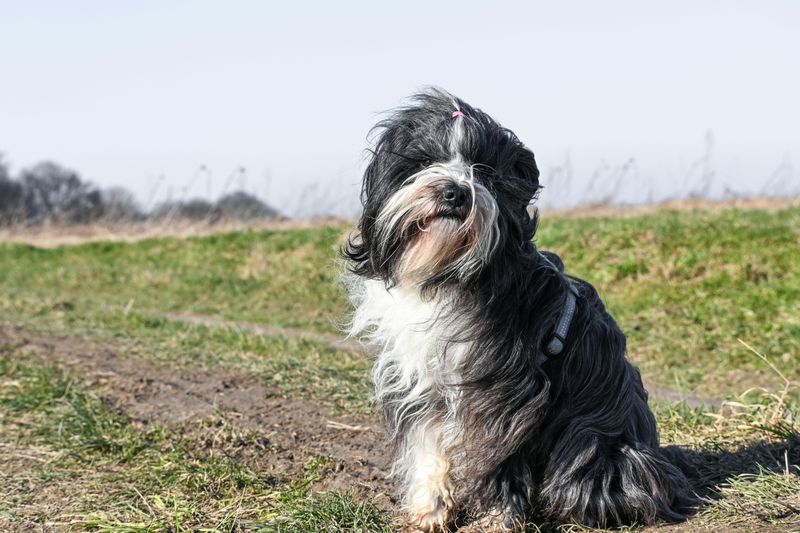
The Tibetan Terrier brings a profuse double coat that loves to hide sneaky mats. Weekly line brushing is the baseline, with extra attention during seasonal sheds.
Use a pin brush to lift, then a comb to confirm you reached skin. Keep the fall out of the eyes clean to prevent irritation and staining.
Bathing requires serious drying, because damp undercoat becomes a breeding ground for tangles. Many choose a moderate length trim that preserves the shaggy charm without chaos.
Feet hair between pads should be clipped for traction on slick floors. Plan regular ear checks, nail trims, and sanitary tidying.
With a rhythm in place, your Tibetan Terrier looks windswept and adventurous, not wild and knotted.
Bearded Collie
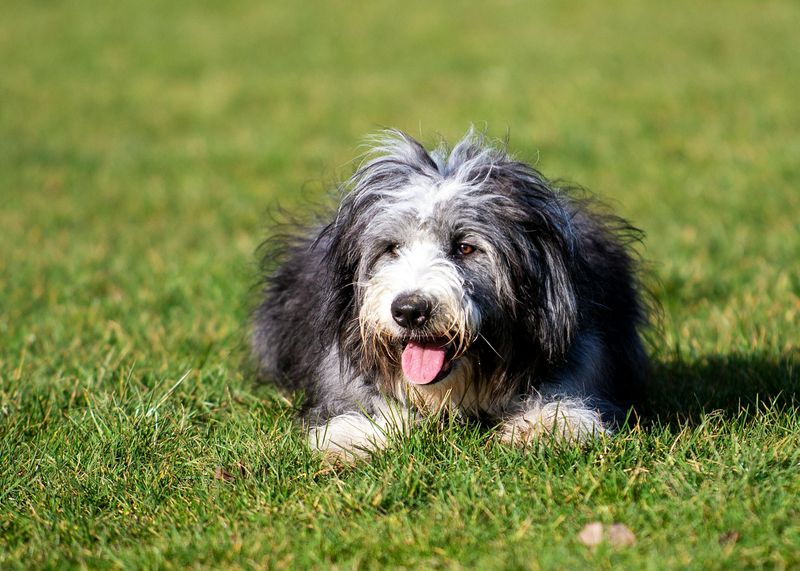
The Bearded Collie sports a dramatic coat and an even more dramatic matting schedule if you slack. Undercoat sheds in waves, hiding snarls beneath the surface layer.
Line brushing several times a week is necessary during peak seasons. Concentrate on the beard, elbows, and hocks, where dampness and friction create stubborn tangles.
Bath and blow dry days become projects, so train for calm, patient handling early. Use high velocity drying to separate hair as you brush, preventing future mats.
Consider a practical trim if outdoor adventures fill your calendar. Tidy feet and sanitary areas improve comfort, especially in wet weather.
With diligence, your Beardie keeps that joyful bounce and signature swish without turning into a felted mystery.