
People often think dogs and cats can never get along. The truth is, some dog breeds really enjoy having a cat buddy.
With the right match and slow introductions, many mixed homes become calm and fun. If you are dreaming of peace on the couch, these ideas can help.
Golden Retriever – the sunny roommate
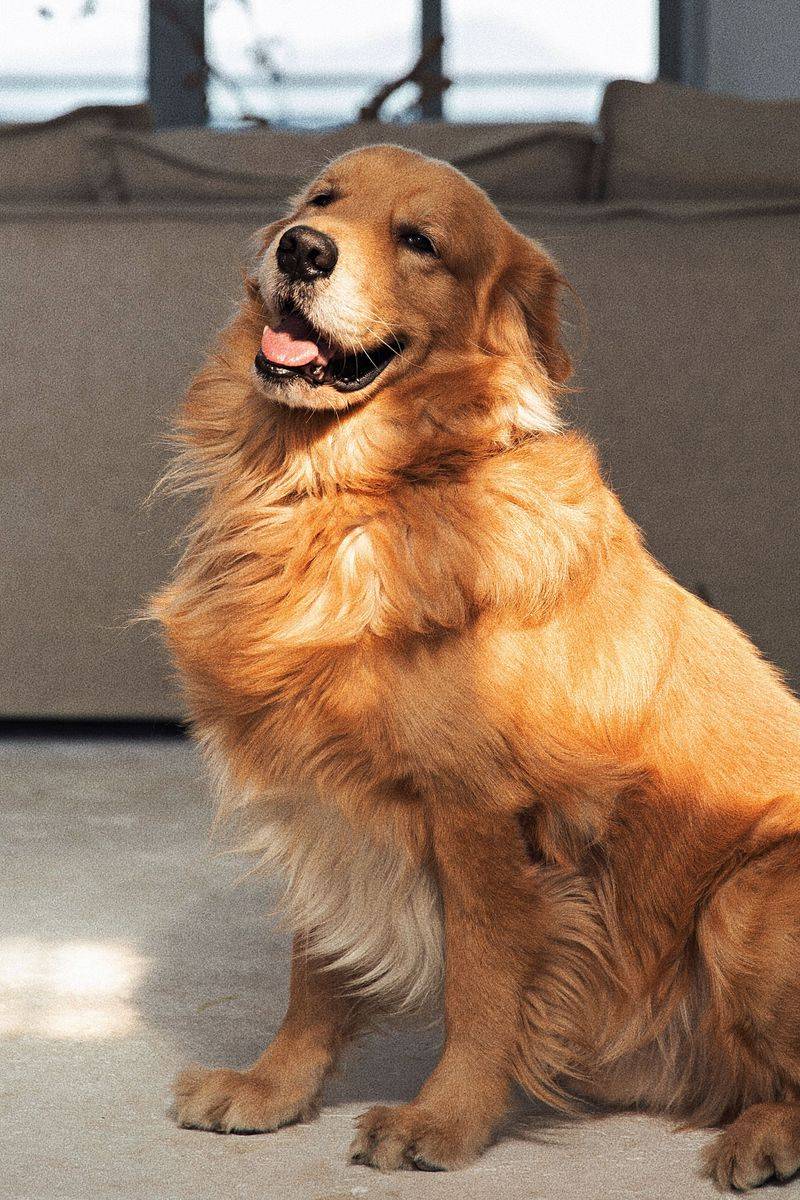
With a tail that never stops, this warm-hearted retriever often welcomes feline roommates. Goldens love company, and that can include a whiskered friend napping nearby.
Slow introductions, treats, and parallel play help build trust.
Daily exercise keeps energy in check, which makes gentle moments more likely. Teach a solid “leave it” so kitty gets space.
Many families report shared sunbeams, polite sniffing, and even team naps by week three.
Labrador Retriever – the cheerful peacemaker

Big smile, bigger heart. Labs are people-centered and often follow house rules well, which helps cats feel safe.
Start with baby gates so the cat can retreat. Reward calm glances and quiet sniffs.
Fetch time outdoors drains the Lab’s zoomies, leaving a softer vibe indoors. Add high perches for kitty confidence.
Many Labs become respectful door greeters, waiting for the cat to pass before moving through the hallway.
Cavalier King Charles Spaniel – the velvet companion

Quiet afternoons are this toy breed’s favorite, which suits many cats. Cavaliers crave cuddles more than chasing, and their soft approach helps skittish felines relax.
Introduce scent swaps using blankets to build comfort.
Short play bursts meet the dog’s needs without overwhelming the cat. Offer treats when the Cavalier ignores a swishing tail.
Over time, many pairs share window watching, each taking a turn on the best cushion.
Basset Hound – the mellow neighbor

Ears long, pace slow, the Basset usually brings a chill mood that helps cats feel secure. Sniffing is their hobby, so guide first meetings with leashes and tasty rewards.
A steady routine keeps everyone settled.
Because Bassets are scent-driven, practice recall and “come” before off-leash mingling. Give the cat vertical spaces and cozy hideouts.
Many households enjoy side-by-side naps and quiet evenings with minimal fuss.
Beagle – the curious buddy

Nose first, heart second, the Beagle notices everything, including feline neighbors. Curiosity can look pushy, so short, positive sessions work best at the start.
Use treats for calm sits and soft eye contact.
Plenty of walks and puzzle feeders prevent boredom that might lead to pestering. Teach a cheerful “go to mat” when the cat needs space.
Lots of families report friendly coexistence and even shared birdwatch duty at the window.
Pug – the comic cuddlebug

Big eyes, bigger charm, the Pug often prefers snuggle time over chasing tails. Short bursts of play followed by naps create a rhythm most cats appreciate.
Use baby gates to manage first greetings.
Because Pugs can be clingy with people, reward them for settling away from the cat when asked. Keep grooming gentle and quiet to avoid startling a feline friend.
Before long, you might find twin loaves snoozing on the couch.
Newfoundland – the big softie
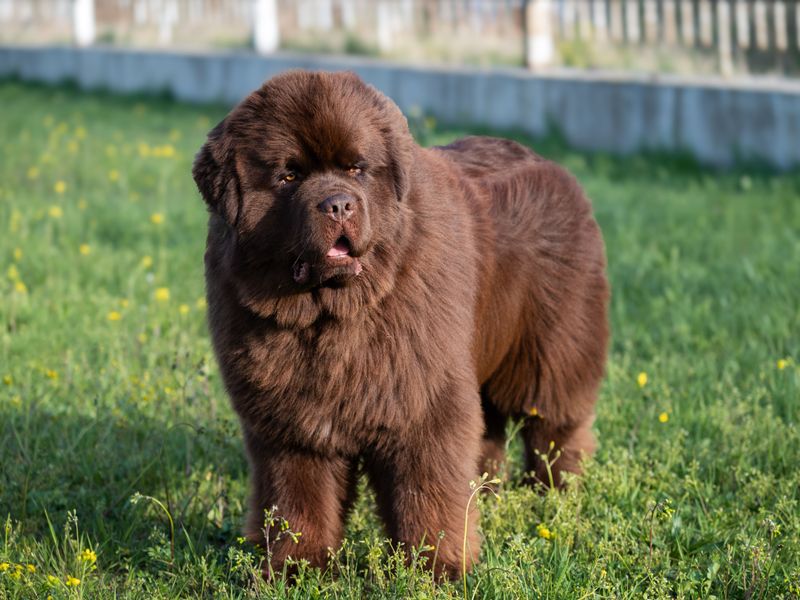
With a heart as big as its paws, the Newfoundland often treats smaller pets kindly. Slow steps matter with a giant breed, so practice calm sits and gentle turns in tight spaces.
Use rugs to prevent slips near curious cats.
Daily swims or walks tame energy, leaving a relaxed guardian vibe indoors. Provide raised cat paths to avoid crowding.
Many Newfies quietly watch over feline pals like patient lifeguards.
Shetland Sheepdog – the polite planner
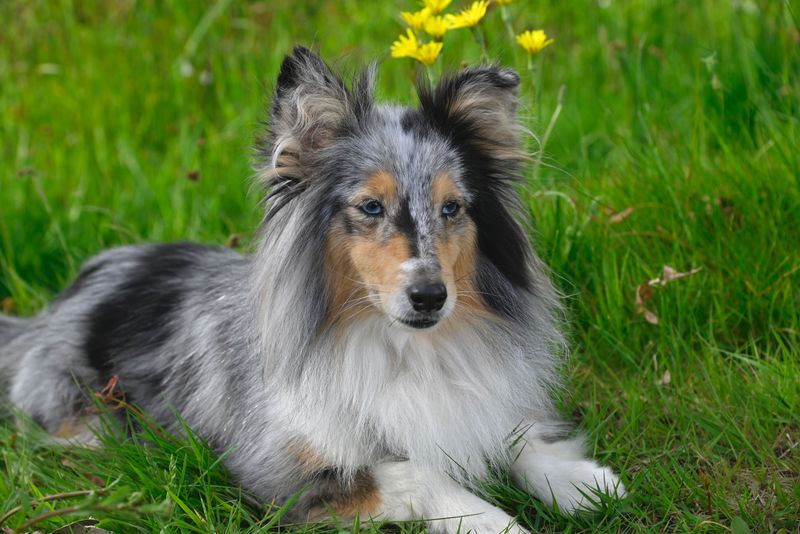
Brainy and sensitive, the Sheltie reads the room and often gives cats space. Herding instincts can spark staring, so reward turning away and relaxed body language.
Short training games build focus around feline movement.
Walks and agility play drain mental buzz, helping indoor manners shine. Teach a calm “place” cue for peaceful evenings.
Many Shelties learn to share sunny spots without fuss, watching dust motes float like tiny fireworks.
Rough Collie – the gentle diplomat
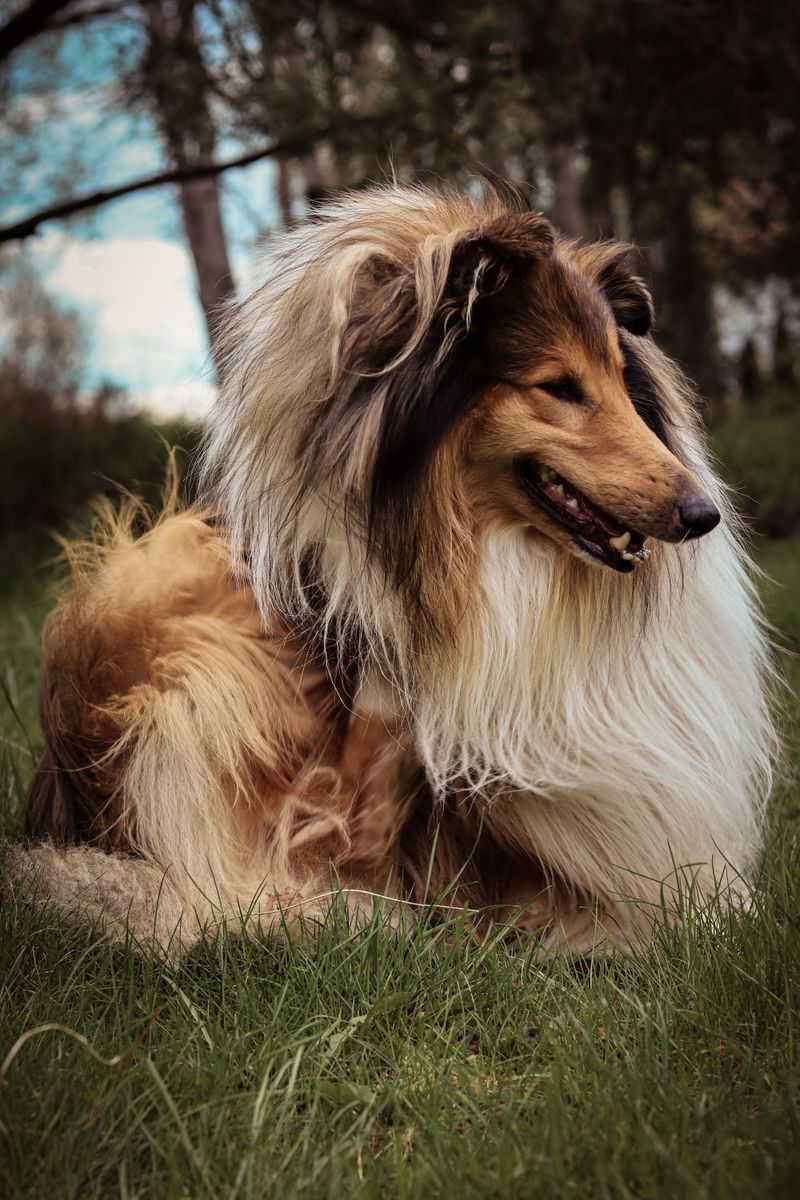
Storybooks got one thing right: Collies often show thoughtful, steady behavior. Their size can worry shy cats, so begin with leashes and scatter treats to build positive links.
Praise gentle glances and relaxed posture.
Regular brushing sessions create quiet time, which both pets may enjoy nearby. Teach a soft “stay” so the cat can pass freely.
Many homes report peaceful coexistence and graceful hallway meetings.
Maltese – the pocket-sized pal

Feather-light steps and a calm spirit help the Maltese fit into cat territory. Keep first meetings short, then end with treats and a cheerful tone.
Because this breed bonds closely with people, teach independence with short settle times.
Gentle play, like rolling a soft ball, prevents chase behavior. Offer cat-only hideaways to reduce crowding.
Many pairs end up sharing sun patches, blinking slowly at each other like old friends.
Papillon – the bright spark

Quick feet and a sharp mind describe the Papillon, yet many learn gentle manners around cats. Start with leash-guided hellos and reward quiet curiosity.
Mental games, like scent searches, channel that lively energy.
Because Papillons love attention, practice “watch me” to break fixations on a twitching tail. Provide cat towers to manage height differences.
Soon, you might see synchronized lounging between bursts of cheerful play.
Boston Terrier – the dapper roommate
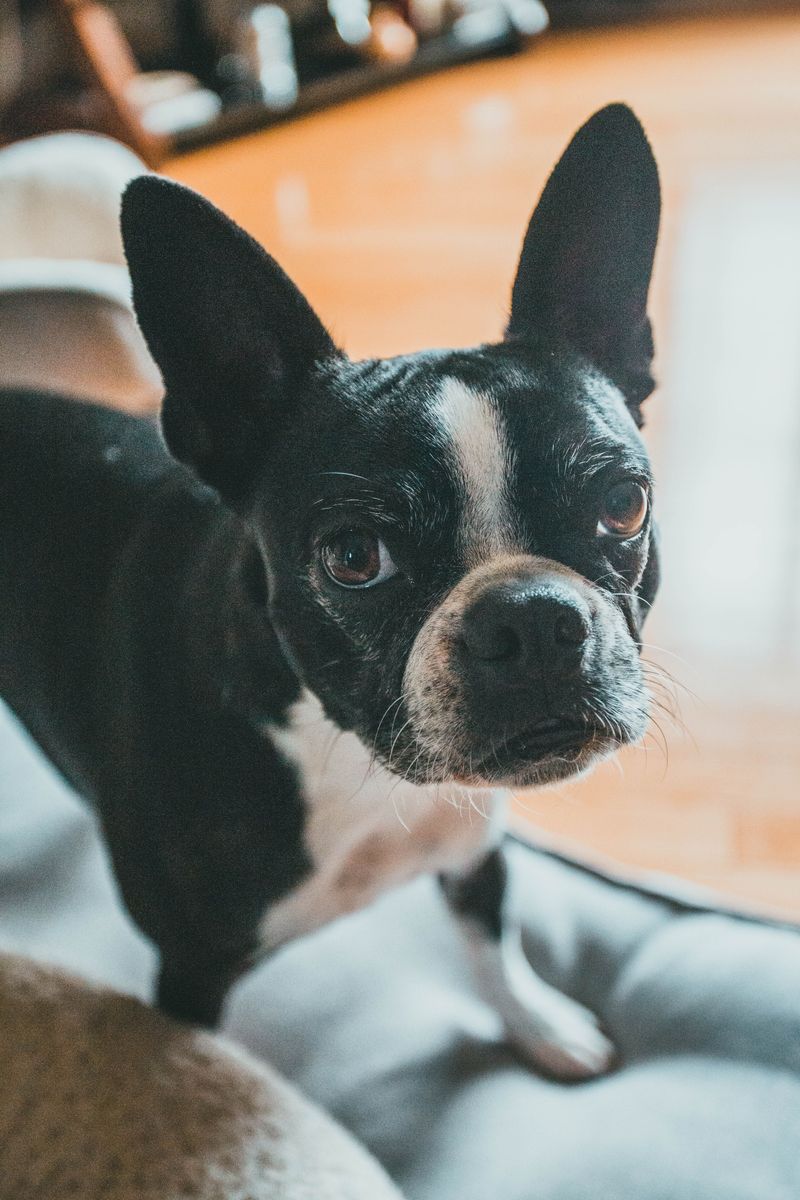
Short snout, big personality, the Boston often prefers people time over critter chases. Introduce behind a gate, sprinkle treats, and keep sessions upbeat.
Teach a solid sit and “wait” so the cat sets the pace.
Active play outside keeps wiggles contained indoors. Offer chew toys when the cat moves around to avoid overexcitement.
Many Bostons become respectful buddies, happy to nap while the cat surveys the kingdom.