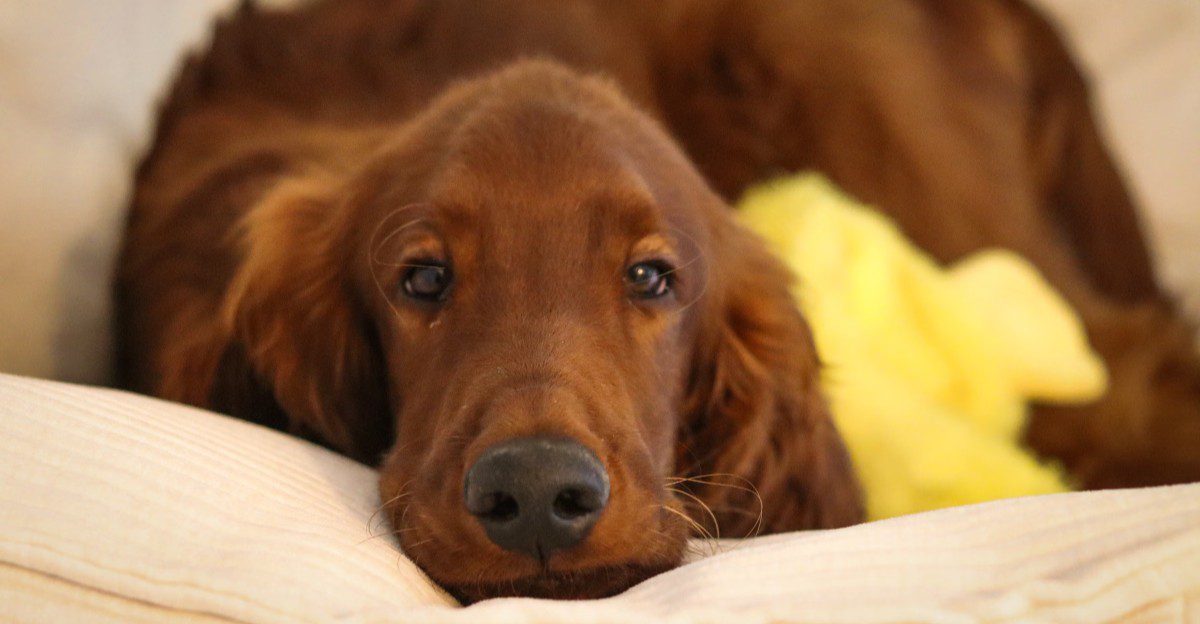
Many people think any dog will scare off trouble. Some breeds, though, are more likely to wag and welcome a stranger than guard the door.
That does not make them bad dogs, just social and people-focused. Knowing the difference helps you train smart, set fair expectations, and keep your home calm.
Golden Retriever
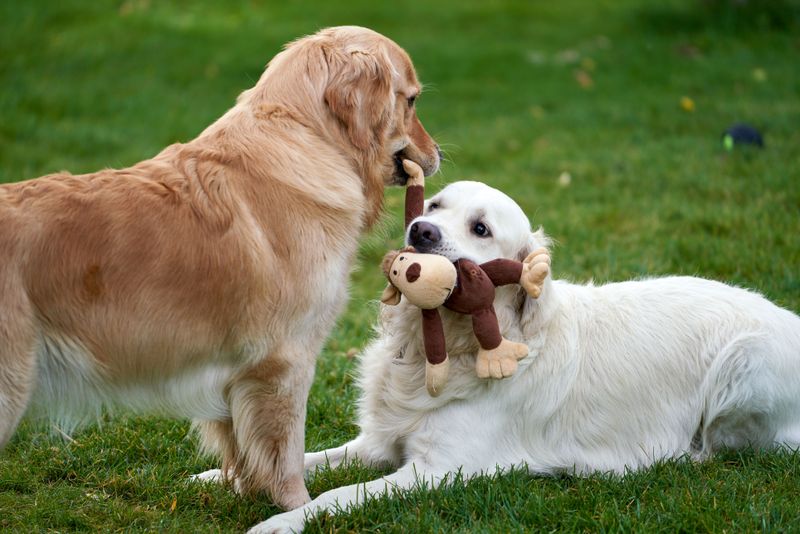
Neighbors laugh because the Golden often brings guests a toy instead of a warning. Bred to work beside people, they read moods and expect kindness.
Many will eagerly wag at the doorbell, not block it.
Teach a solid sit, a brief bark cue, and calm greetings every single day. Use leash practice, visitor drills, and a safe place like a mat at home.
Daily fetch and puzzle feeders burn energy so manners stick for longer lasting results.
Labrador Retriever
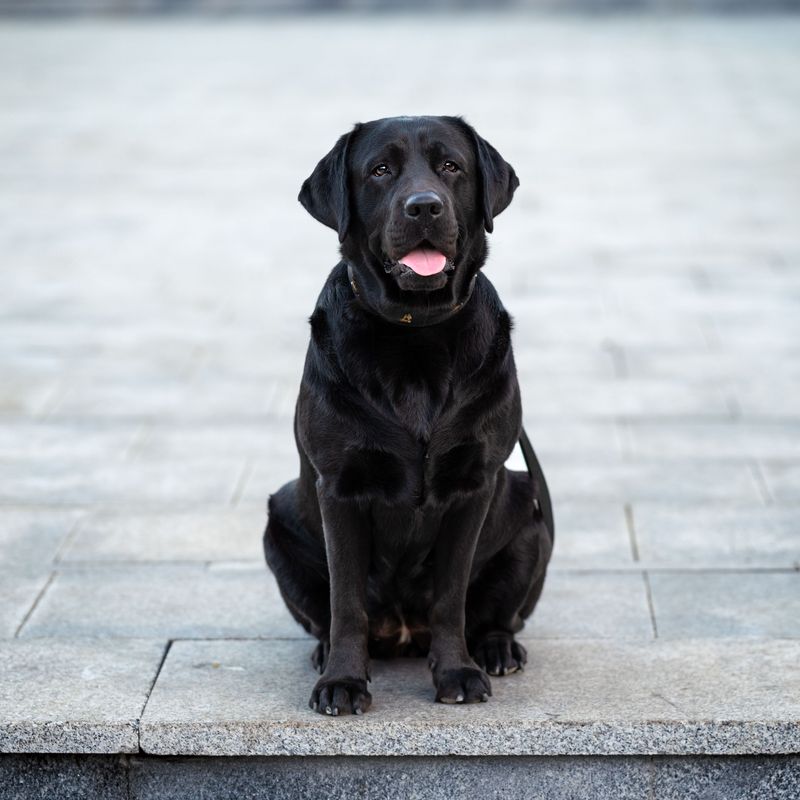
Ask a Lab to be fierce and you may get kisses. Labs love people, and many think visitors are just new friends.
They were built for teamwork and patience, not patrolling.
Channel that charm with door routines. Practice go-to-bed on a mat when the bell rings, then reward quiet.
Add scent games, long walks, and sturdy chew toys to take the edge off extra energy. A calm Lab listens better, so your rules actually stick.
Irish Setter
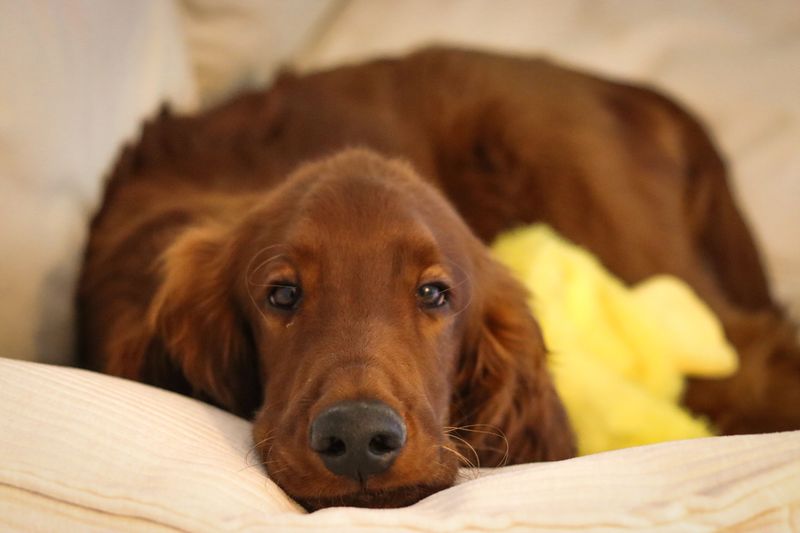
All that red glamour hides a social butterfly. Irish Setters often bound toward people with playful curiosity.
Historically they worked with hunters, so they watch handlers for cues instead of guarding territory.
Give structure with recall games and a calm sit before greetings. Plenty of running, plus brain work like hide-and-seek, reduces jumpy welcomes.
If you want alert barking, teach a short bark on cue, then a quiet cue, so excitement stays manageable.
Beagle
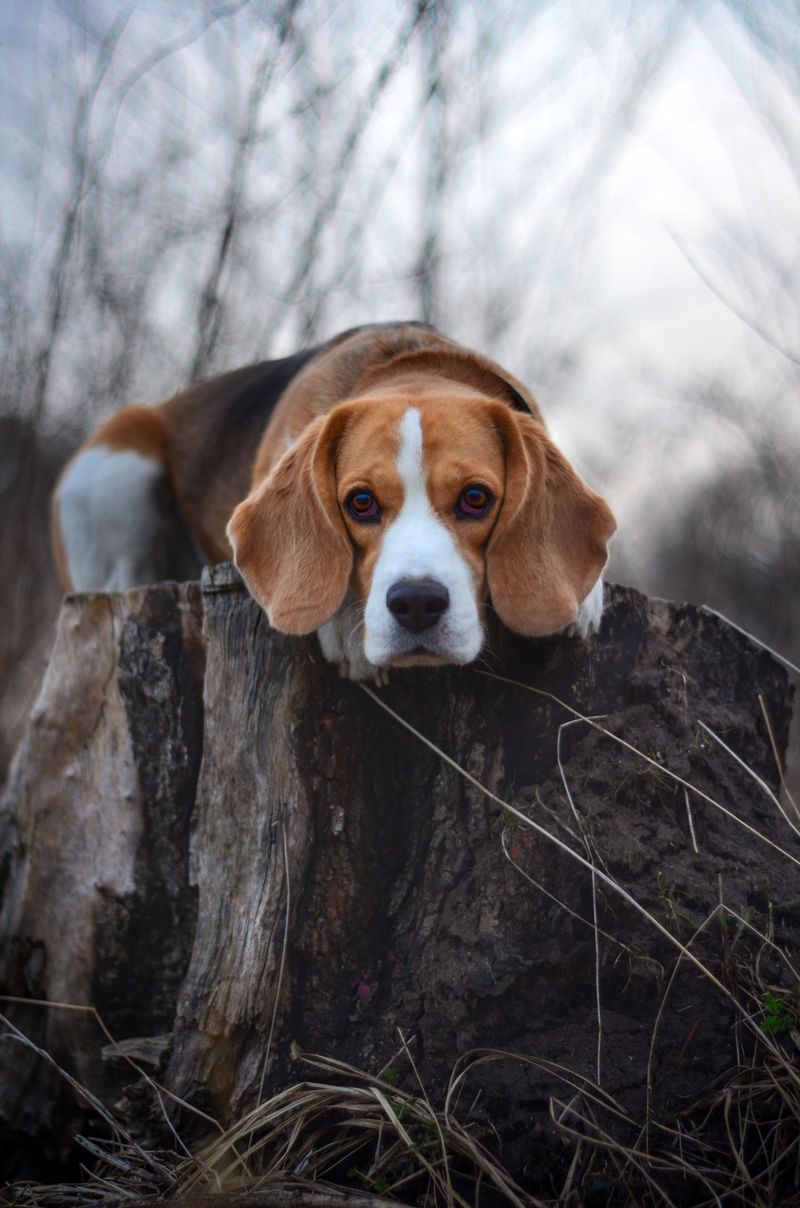
Nose first, questions later. Beagles often care more about interesting smells than suspicious strangers.
Their pack-dog roots make them chatty and social, which can mean welcoming howls instead of warning barks.
Help them succeed with scent games that end on a mat at the door. Teach a short check-in cue before greeting new people.
A well-exercised Beagle with puzzle feeders and sniff walks is less likely to bay wildly when the doorbell sings.
Bichon Frise
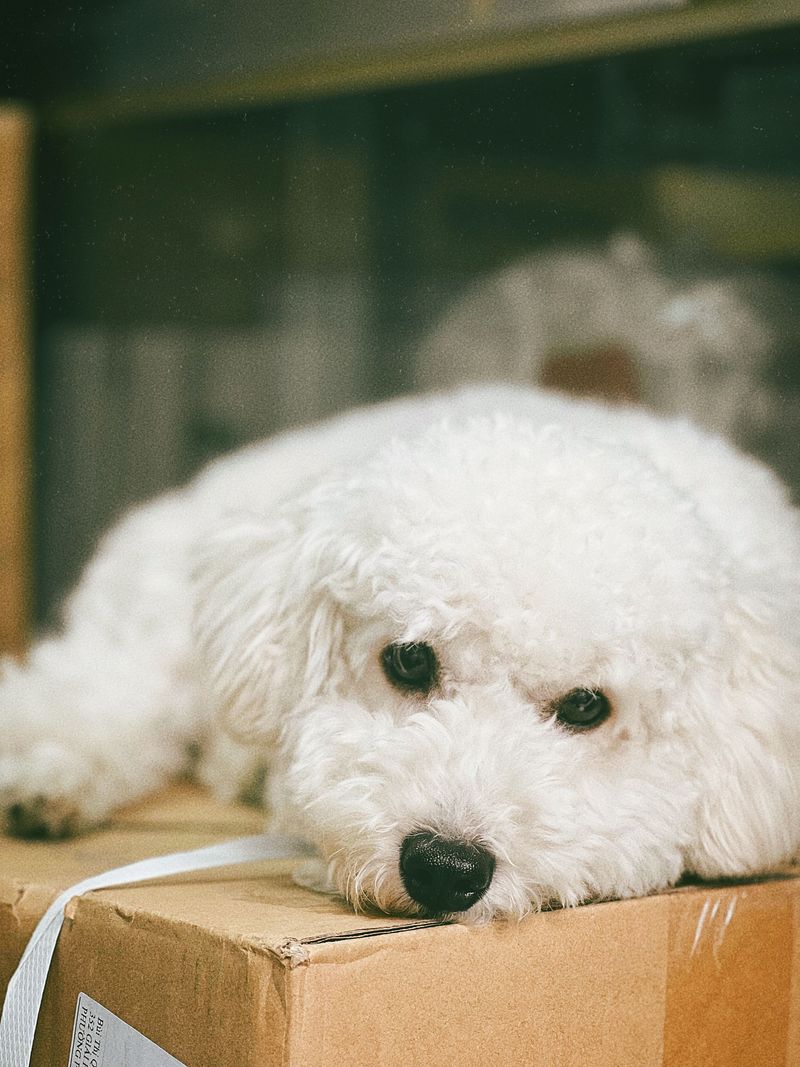
Like a living cotton ball, the Bichon wins people over fast. Many prefer cuddles to confrontation and may bounce hello at the slightest knock.
Their history as cheerful companions shows in their sunny outlook.
Polite habits matter. Teach a quiet cue and reward four paws on the floor for every greeting.
Short play sessions, gentle grooming, and easy walks keep them balanced. A tiny dog can still learn big manners with consistent, upbeat practice.
Cavalier King Charles Spaniel
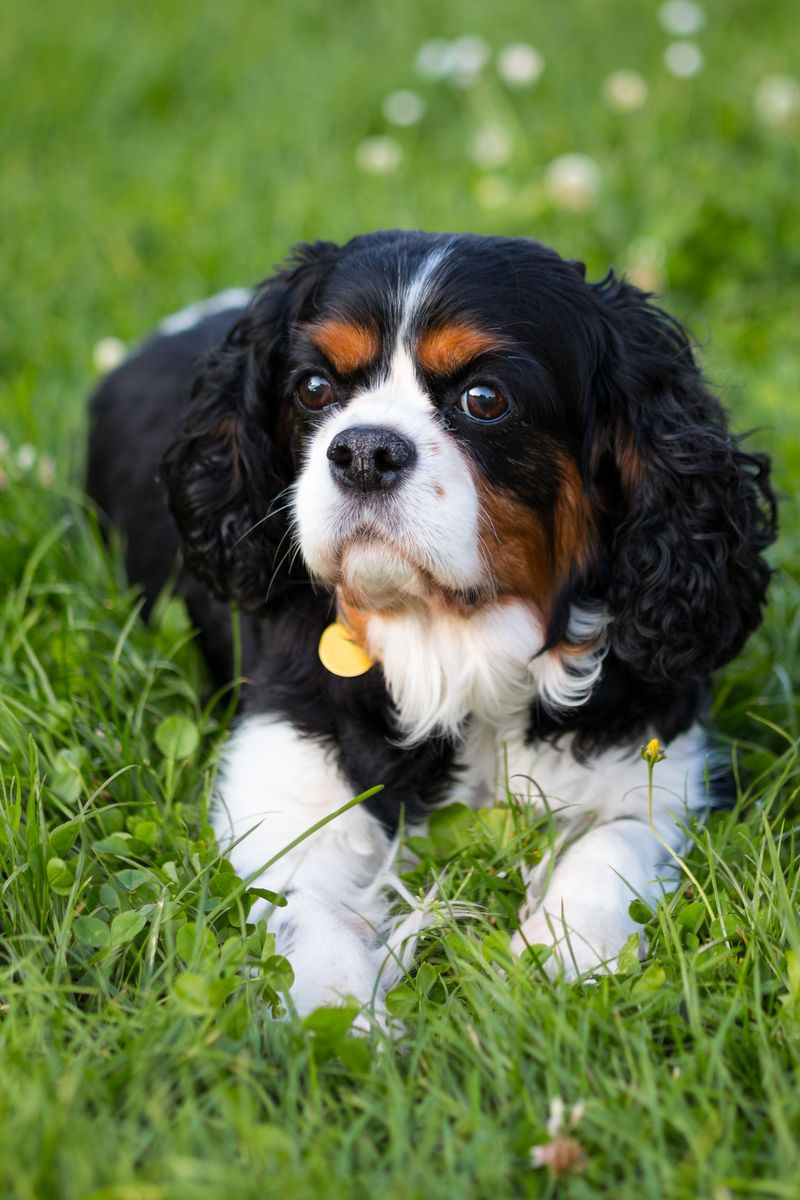
Heart on sleeve, tail in motion. Cavaliers often treat everyone like a long-lost friend.
Bred for laps and companionship, they follow humans closely and rarely choose to challenge visitors.
Use gentle training to shape greetings. A station by the door, tasty rewards, and calm praise help them pause before saying hello.
Keep ears and coat tidy, add short sniffy walks, and plan mini play bursts. Well-managed energy supports better listening during busy moments.
English Springer Spaniel
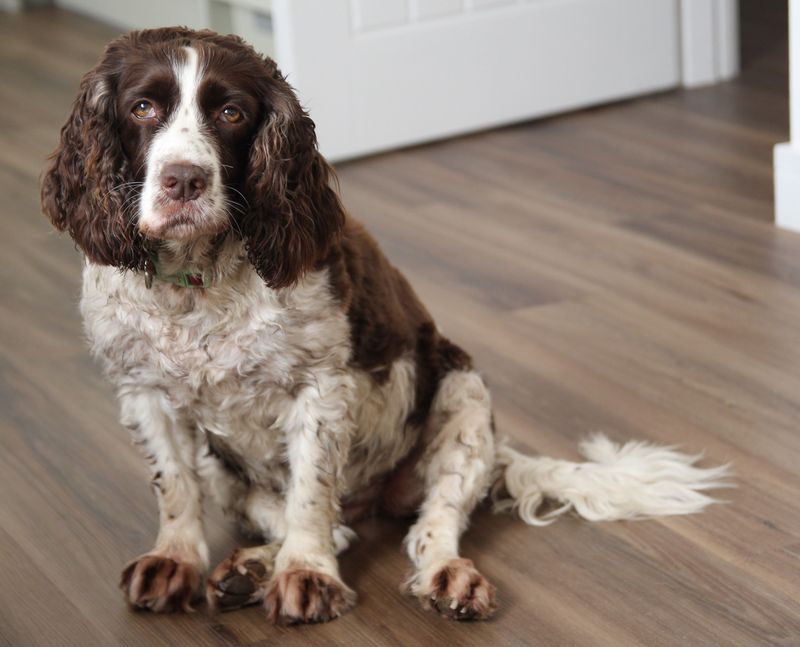
Built to flush birds, Springers love teamwork and action. Many greet newcomers with buzz and wiggles, assuming playtime is starting.
Their alert eyes notice everything, yet their default can be friendly, not defensive.
Teach impulse control through sit-stay at doors and calm leash walking. Mix in fetch and scent work to satisfy working instincts.
A reliable recall and a quiet cue keep excitement brief. Provide naps between activities so overstimulation does not take over.
Cocker Spaniel
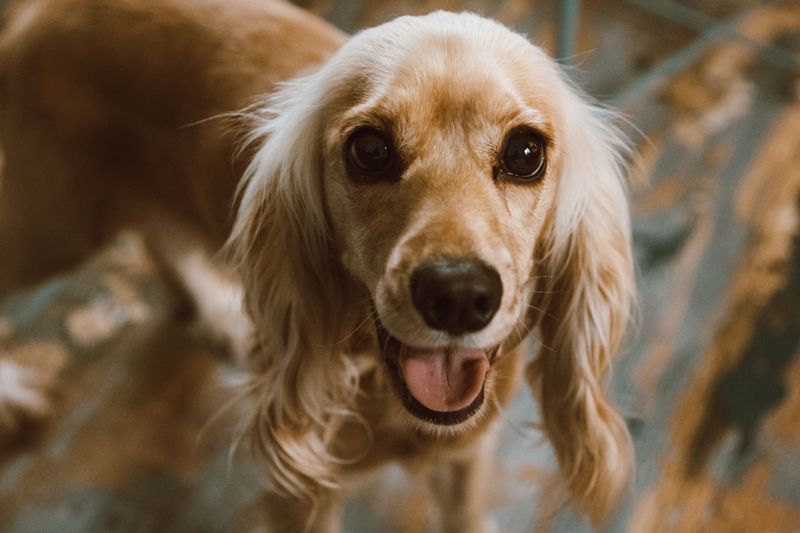
Those soulful eyes often melt strangers on the spot. Cockers were bred for field work and family time, so many prefer wagging to warning.
Some bark from excitement, then ask for a scratch.
Shape calm behavior with a go-to-place mat and slow, steady greetings. Keep grooming regular to avoid discomfort that can fuel jumpiness.
Short training bursts with tasty rewards build focus. Add gentle games to channel energy into good choices at the door.
Havanese
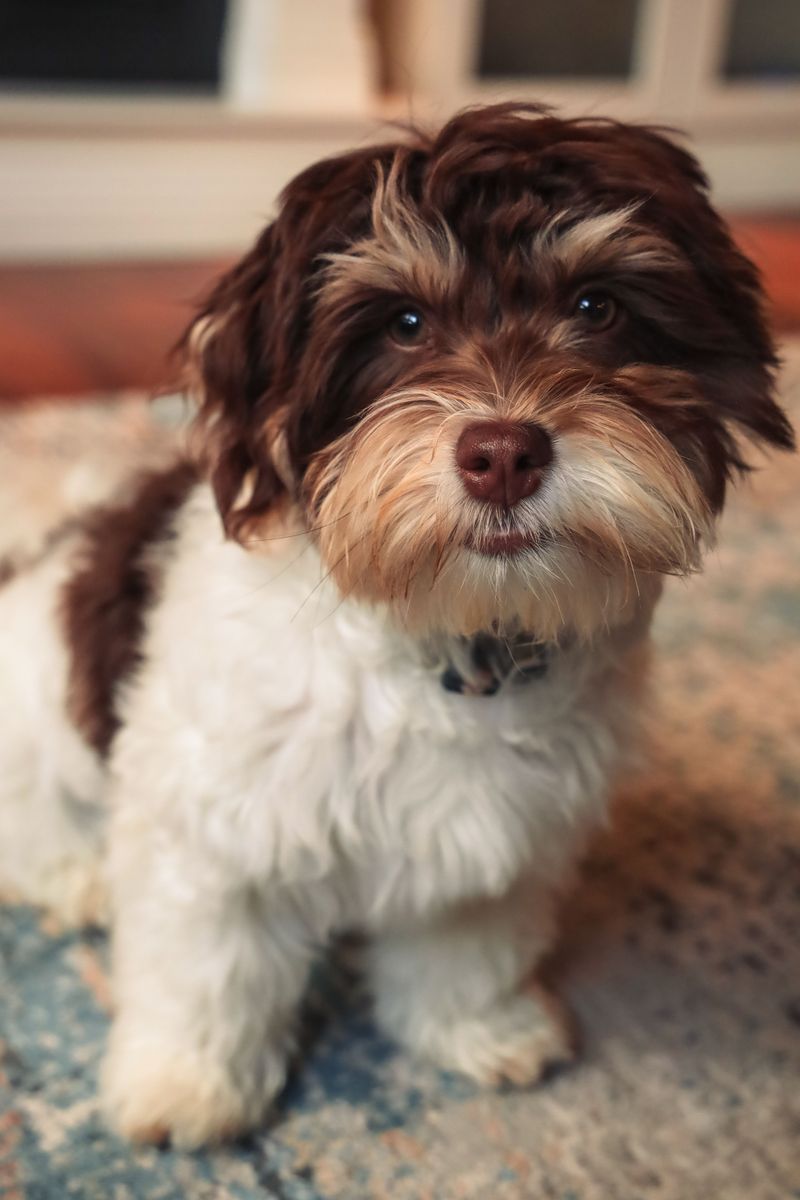
Sunshine in dog form, the Havanese loves company. Many trot to the door with curiosity and a wag.
They were companions to city families in Cuba, so social living is baked in.
Help them pause politely. Practice sit-for-pats with visitors and reward quiet moments.
Rotate toys and try short trick sessions to keep their minds busy. A cozy crate or bed near the door offers a safe spot, making greetings smoother and calmer.
Pug
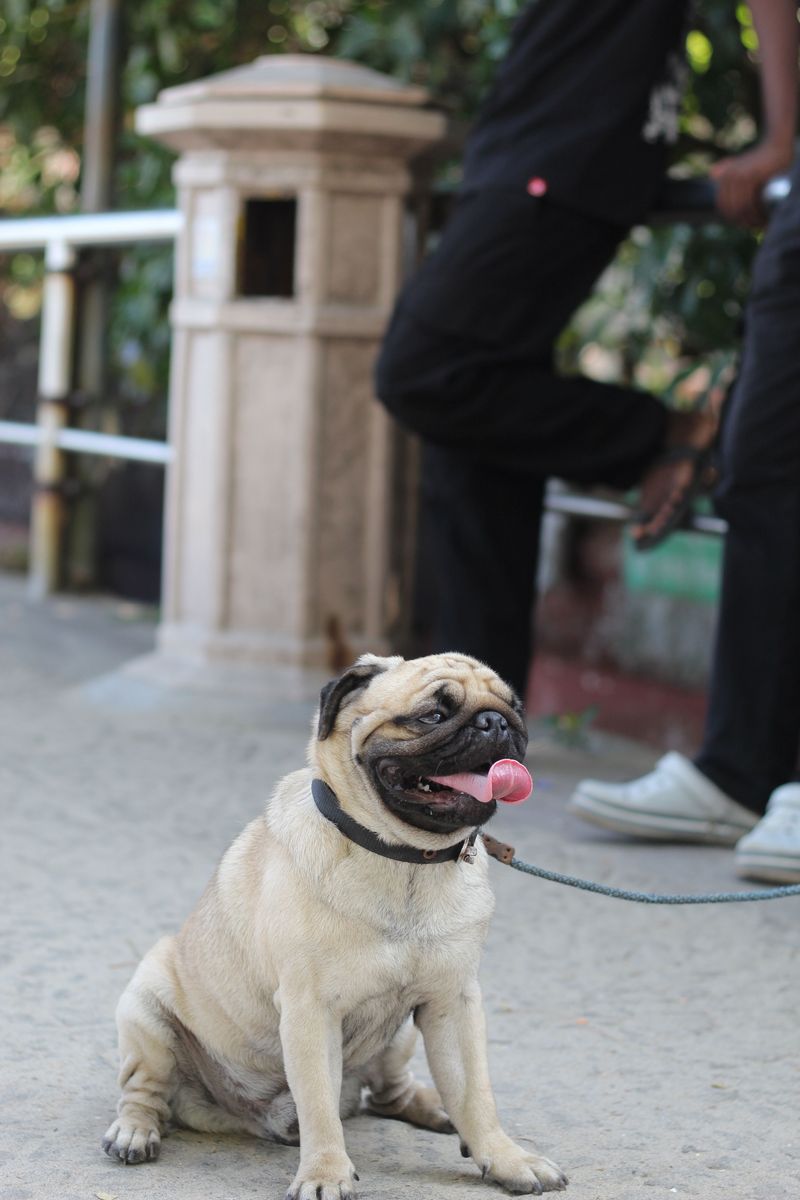
With that comic face, Pugs often collect friends wherever they go. Many prefer snorts and smiles over scolding strangers.
Their history as lap pals shows in their people-first mindset.
Keep greetings gentle by teaching touch-to-hand as a focus game. Use short walks, food puzzles, and careful weight management so energy and breathing stay comfortable.
When the bell rings, send the Pug to a mat, mark quiet, and pay with calm praise.
Brittany
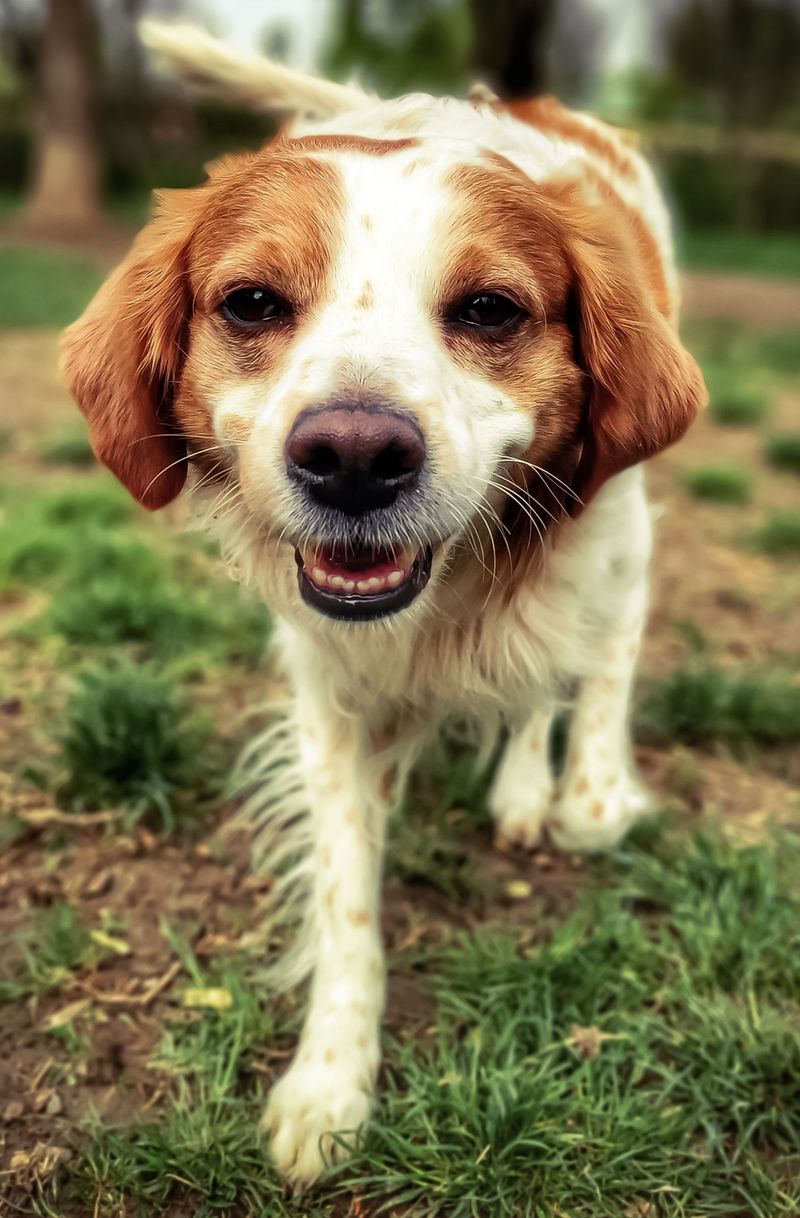
Fast feet, open heart. Brittanys thrive on activity and often treat visitors like potential teammates.
They are bird dogs at their core, bred to range and report, not to guard thresholds.
Give them jobs that tire body and brain. Field-style fetch, nose work, and brisk hikes help settle door excitement.
Train a quick look-at-me cue, then a down-stay when the knob turns. Clear routines turn their spark into polite, manageable welcomes.